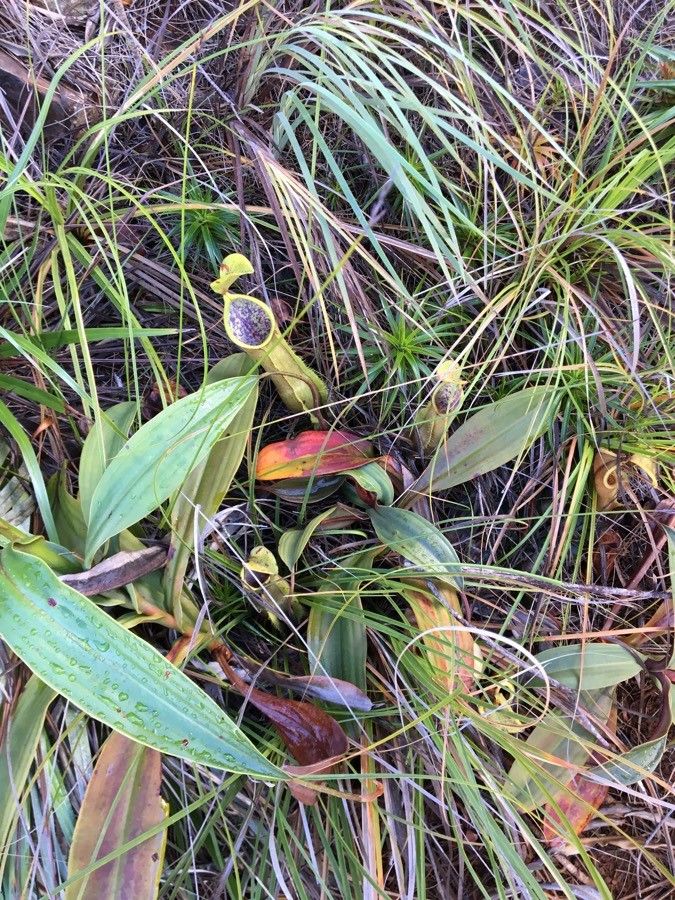
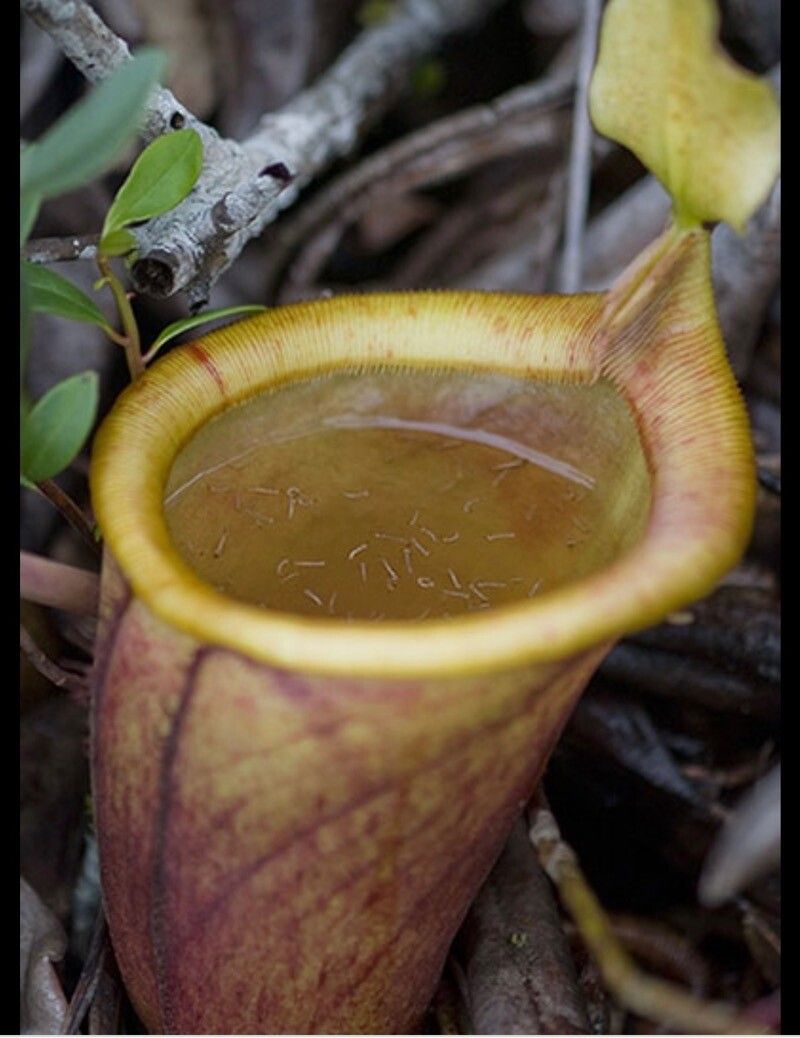
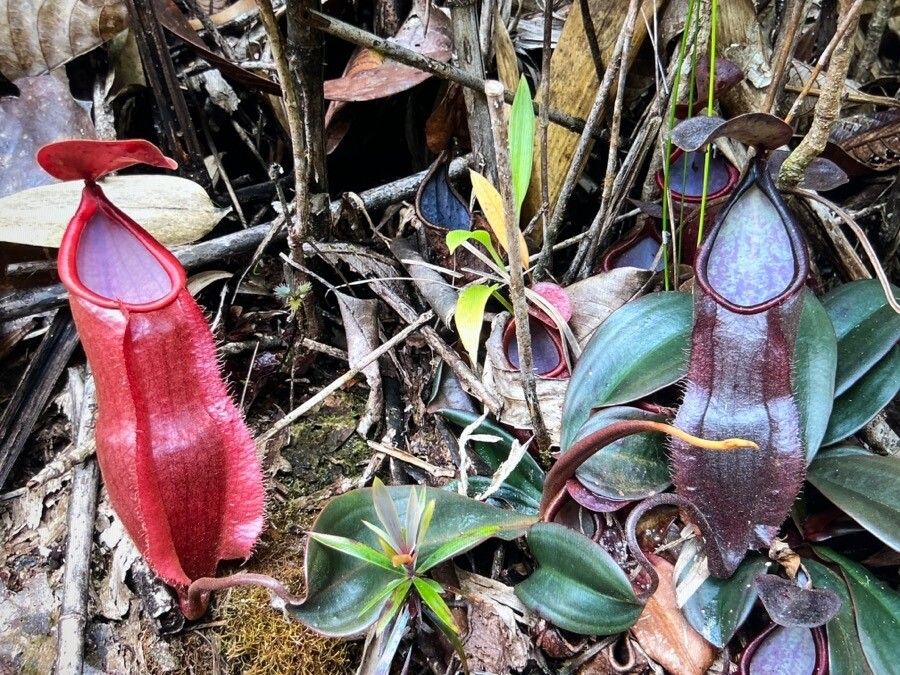
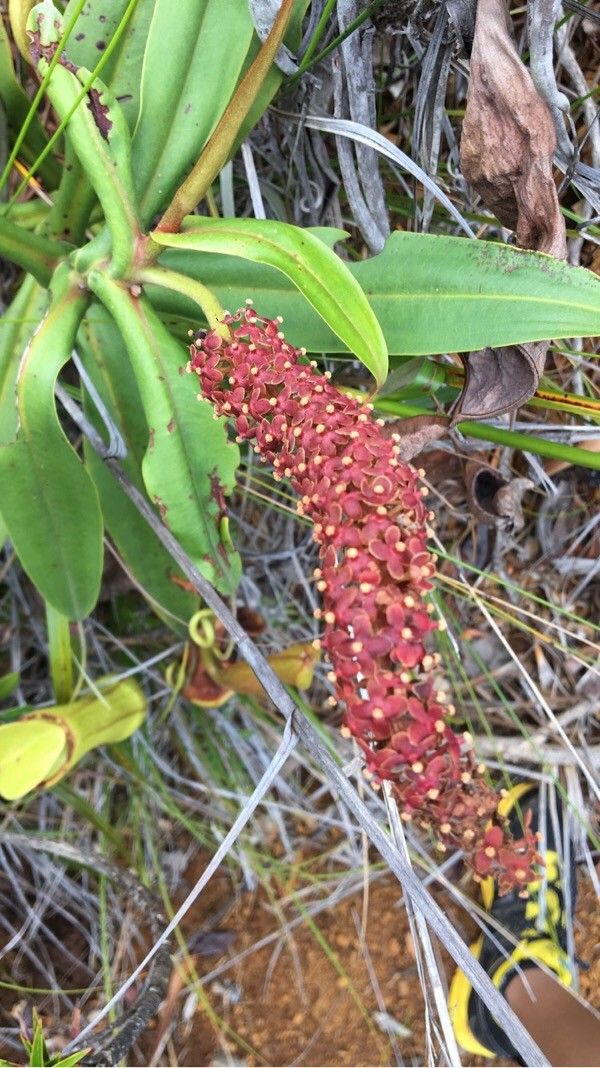
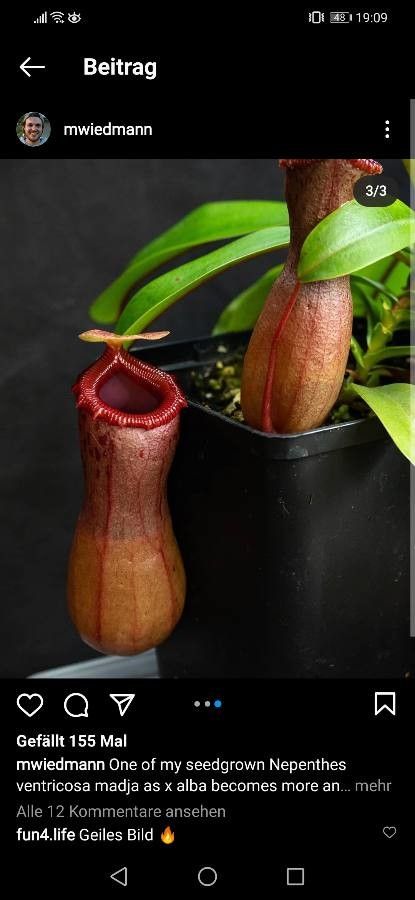
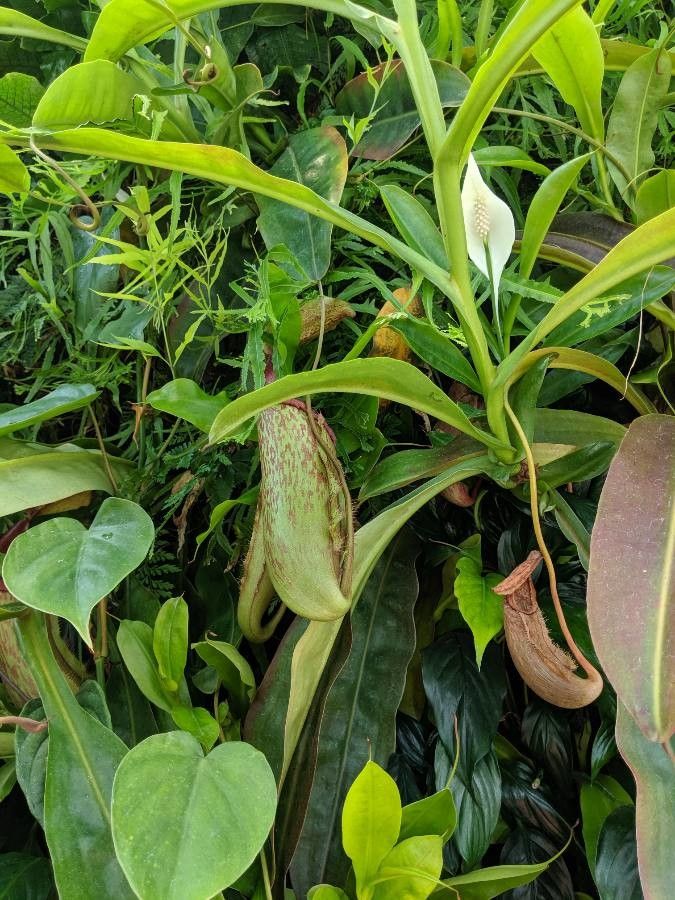
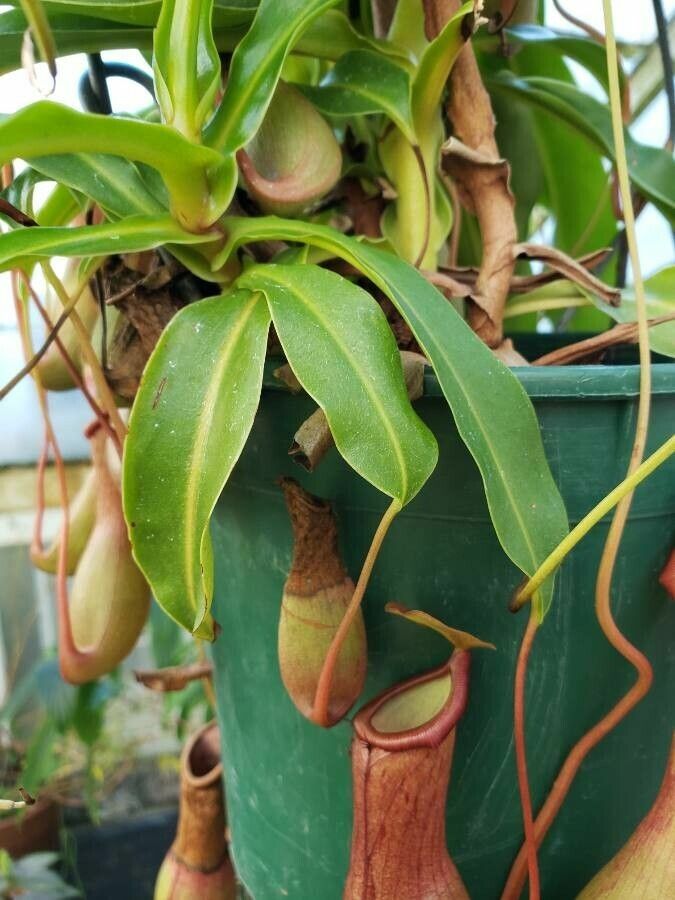
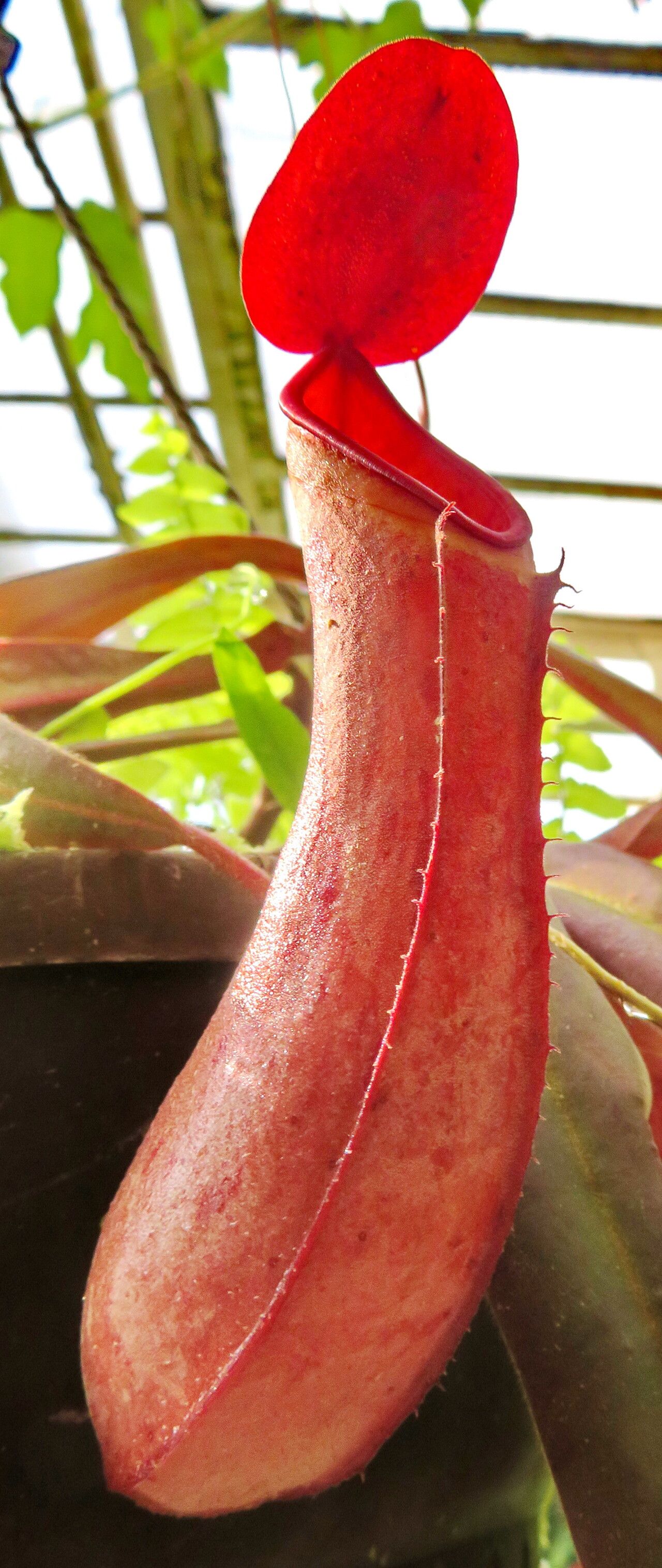
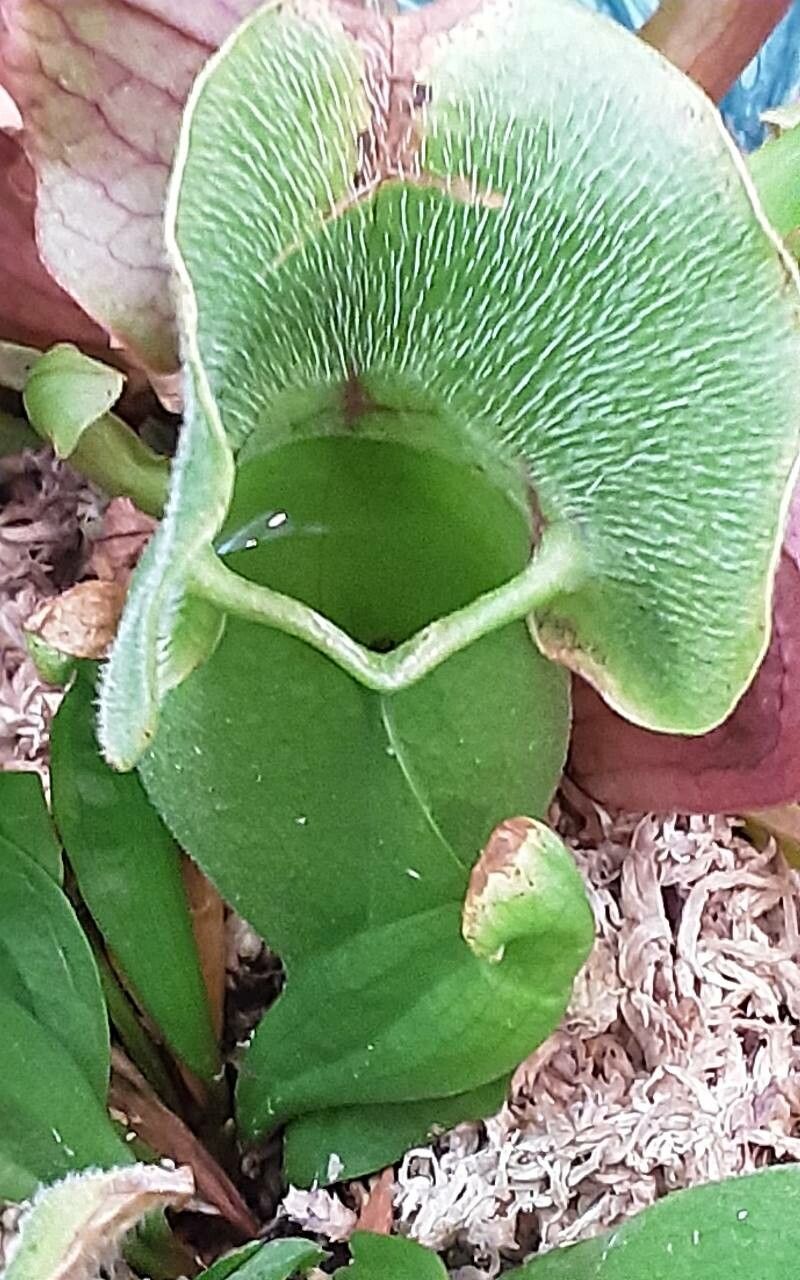
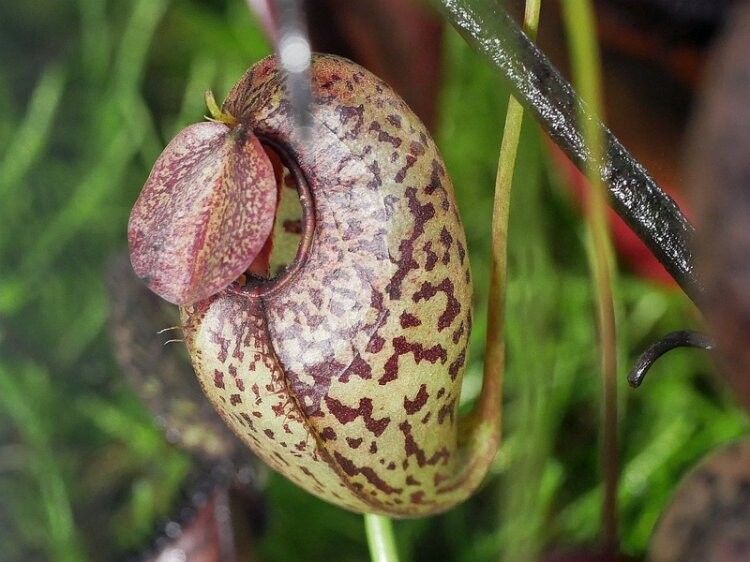
Nepenthes vieillardii (; after Eugène Vieillard, collector of plants from New Caledonia and Tahiti between 1861 and 1867) is a species of pitcher plant endemic to the island of New Caledonia. Its distribution is the most easterly of any Nepenthes species. Its natural habitat is shrublands or forests, to about 900 metres (3,000 ft) altitude.Tripteroides caledonicus mosquitoes breed in the pitchers of this species.
Nepenthes vieillardii has moderate resistance to disease and needs a very humid environment. If airflow is poor, it can be vulnerable to rot. Its care is considered difficult because it requires continuous humidification to maintain high humidity. Nepenthes vieillardii is also highly prone to rot when conditions are poorly ventilated and excessively warm. This plant is suitable for growers with more experience who can provide an appropriate growing environment.
How to keep Nepenthes Vieillardii.
Light
Nepenthes vieillardii is native to habitats that receive plentiful sunlight, including open bogs and sunny wetlands. It favors full sun but is able to tolerate partial sun.
Water
Nepenthes vieillardii is tolerant of hard water, able to handle levels up to 200 ppm. However, it thrives best with distilled, filtered, or rainwater. To prevent pests and root rot, avoid letting the plant sit in standing water. Water it regularly to keep the pot both heavy and thoroughly saturated. In environments with low humidity, mist the plant frequently.
Temperature
Nepenthes vieillardii prefers moderate temperatures, similar to those most people find comfortable. It does well in conditions that are neither too hot nor too cold. The primary problem with high temperatures is the risk of sunburn, so giving some shade in summer is advisable to prevent excessive heat. When temperatures fall, Nepenthes vieillardii goes into dormancy. If continuous growth is desired, warmer conditions must be kept during winter. Frost can damage the plant and should be avoided.
Fertilizer
Tropical Pitcher Plant is a carnivorous plant and does not require fertilizer since it gets its nutrients from the insect that it ingest but if their are indoor you may want to drop buds or fertilizer pallets into their pitchers every 2 to 3 weeks
Pruning
Nepenthes vieillardii, a plant with distinctive pitcher traps, benefits from pruning in early spring to promote healthy growth. To encourage bushiness, trim long stems just above a leaf node. Regularly removing old leaves and withered traps helps conserve energy, which in turn promotes vigorous growth and enhances the plant's overall health.
Pot & Repot
When repotting Nepenthes vieillardii, select a pot 1-2 inches (2.5–5.1 cm) larger with ample drainage. Use a well-draining potting mix. Repot in spring or fall, ensuring that the root ball is slightly lower than the rim of the flower pot. Water thoroughly after repotting and place in a warm spot with indirect sunlight.
Toxicity
This pitcher plant are safe to both humans and pets and can be planted either in the house or outdoor as they are harmless
Further reading →
The toxicity and danger assessments provided are for reference only. We do not assure their accuracy, so it's crucial not to depend on them. Seek professional advice when necessary for accurate guidance.
Botanical profile.
- Plant Type
- Vine, Herb
- Life Cycle
- Perennial
- Genus
- Nepenthes
- Family
- Nepenthaceae
- Hardiness Zone
- 10-12
- Mature Height
- 30 cm to 91 cm
- Mature Spread
- 30 cm to 61 cm
- Leaf Color
- Green, Light Green
- Leaf Type
- Evergreen
- Flower Size
- 0.51 cm to 0.76 cm
- Bloom Time
- All year round
- Planting Time
- Spring, Summer
- Harvest Time
- All year round
Other names.
Reader questions.
What are the sunlight requirements for Nepenthes vieillardii?
Nepenthes vieillardii, also known as Nepenthes vieillardii botanically, thrives in specific sunlight conditions to ensure optimal growth. The plant requires full sun conditions which mean it should receive above 6 hours of sunlight daily. However, it can also tolerate partial sun conditions, where it gets about 3-6 hours of sunlight. It is important to observe how sunlight moves through your garden throughout the day. Choosing the right location that offers a perfect balance of light and shade will contribute significantly to the health and happiness of your Nepenthes vieillardii.