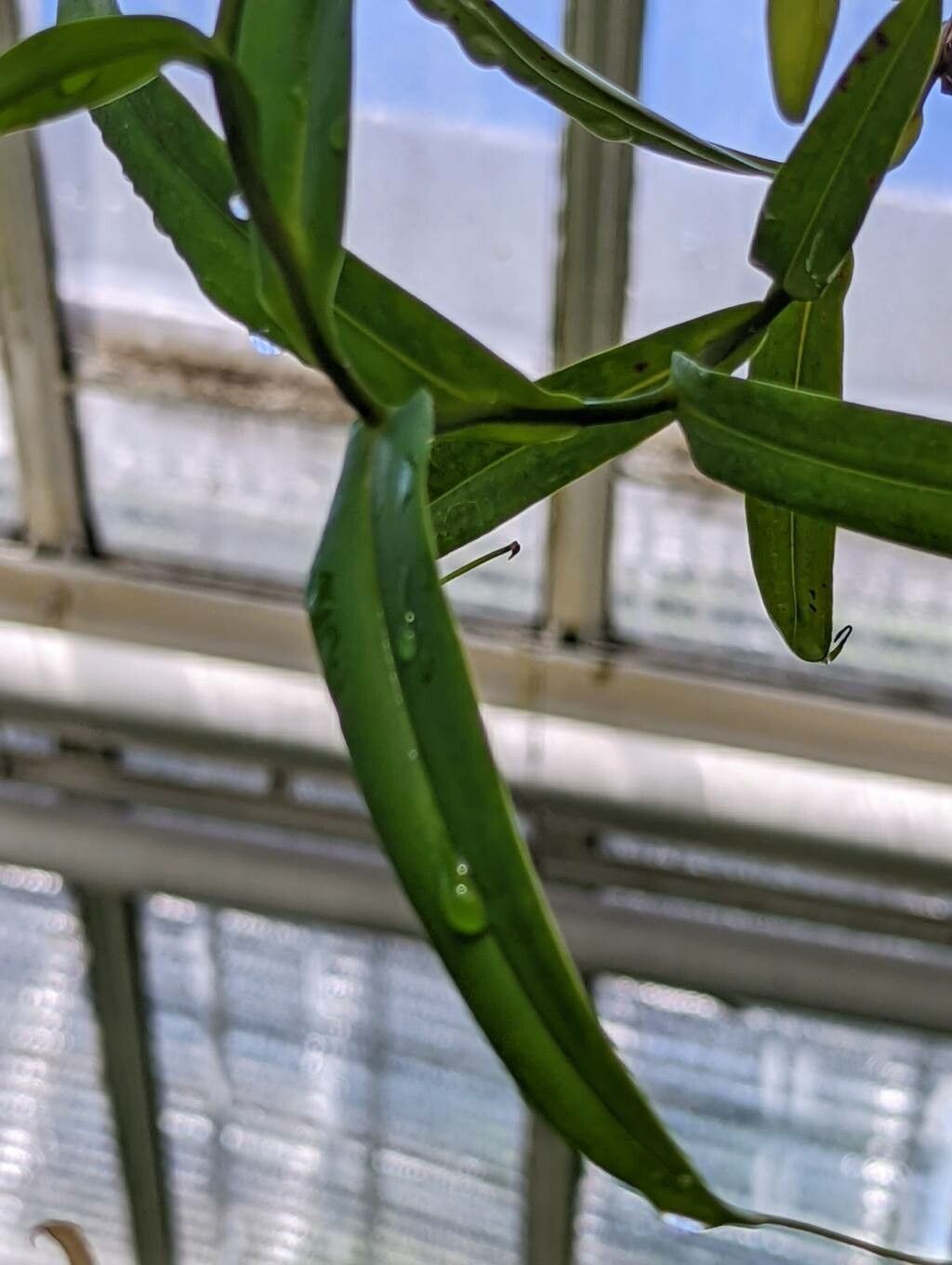
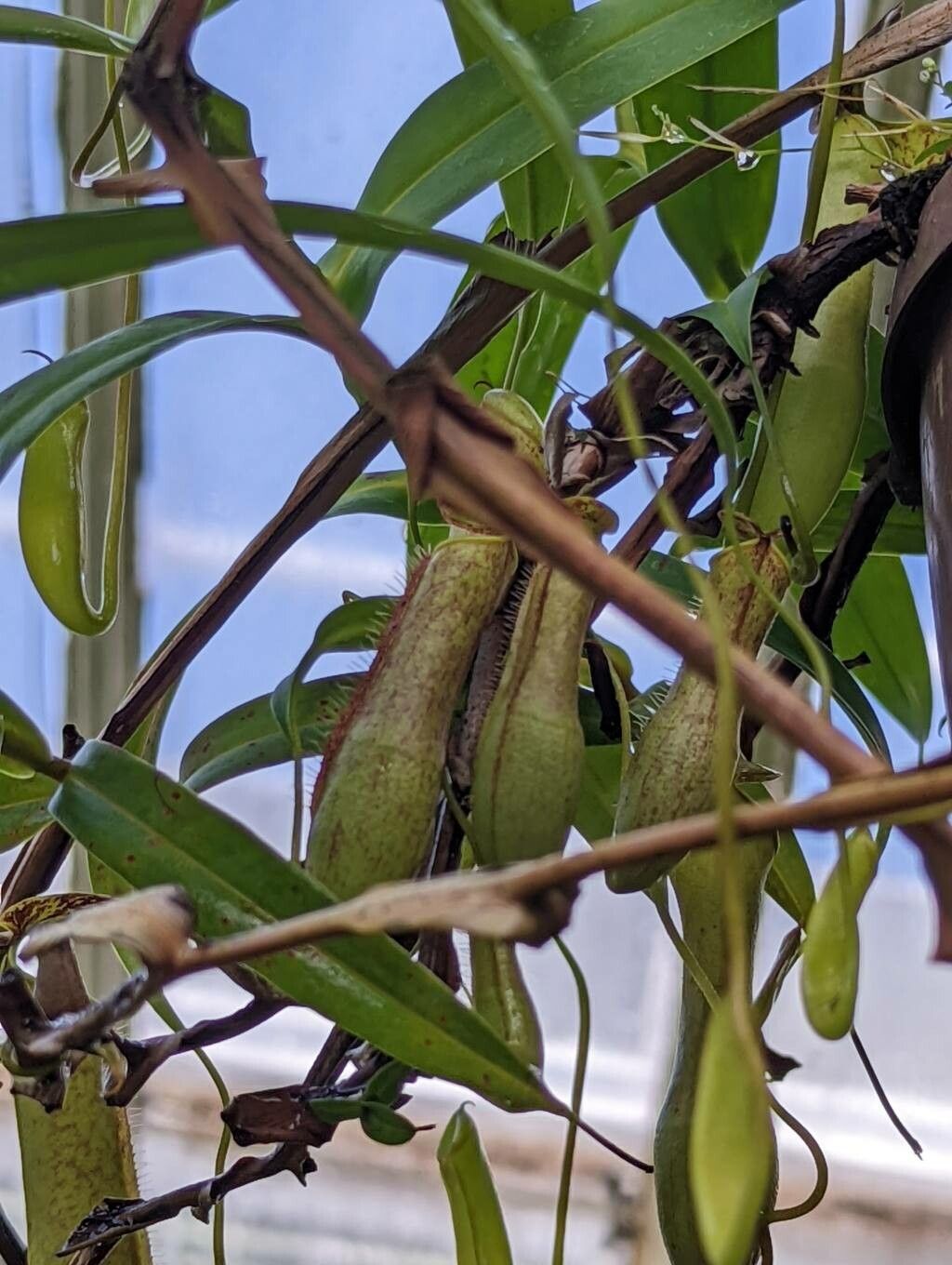
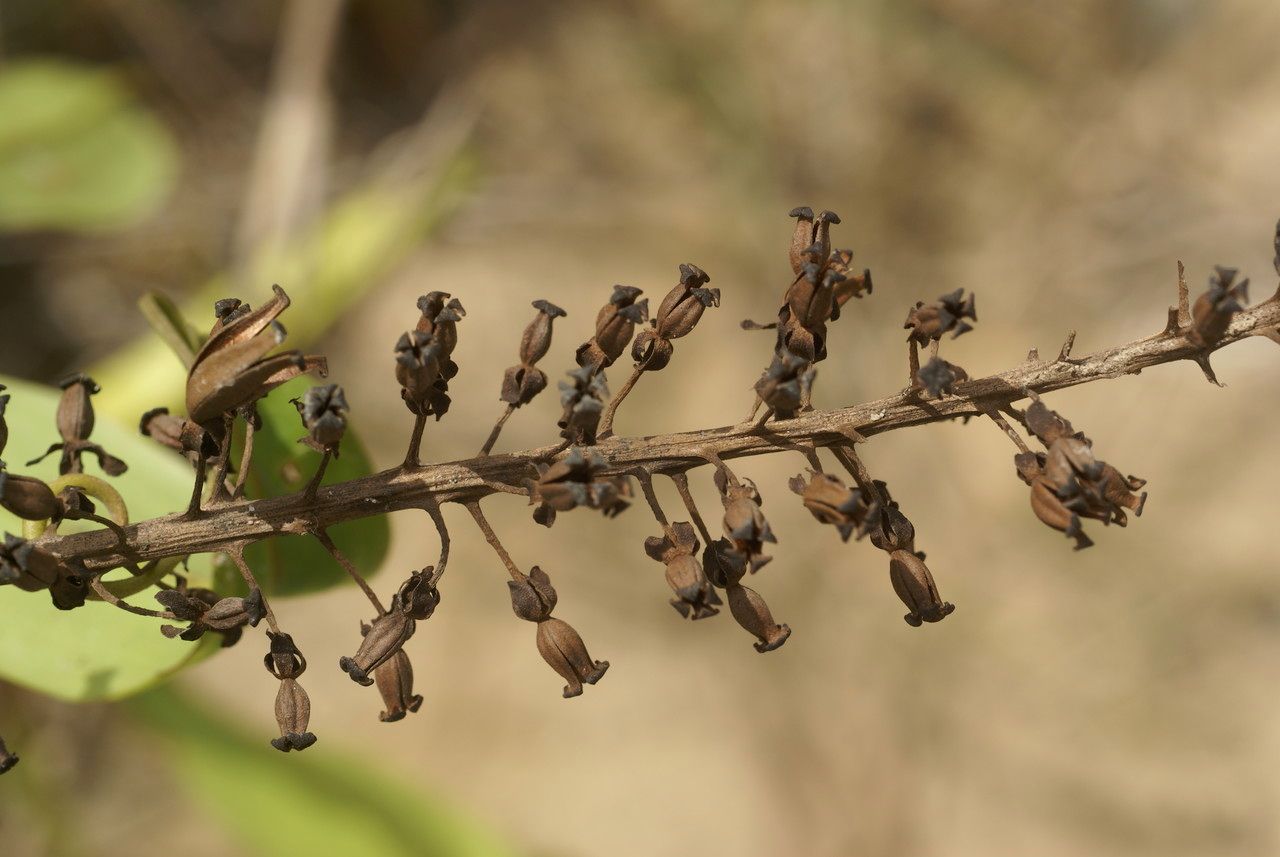
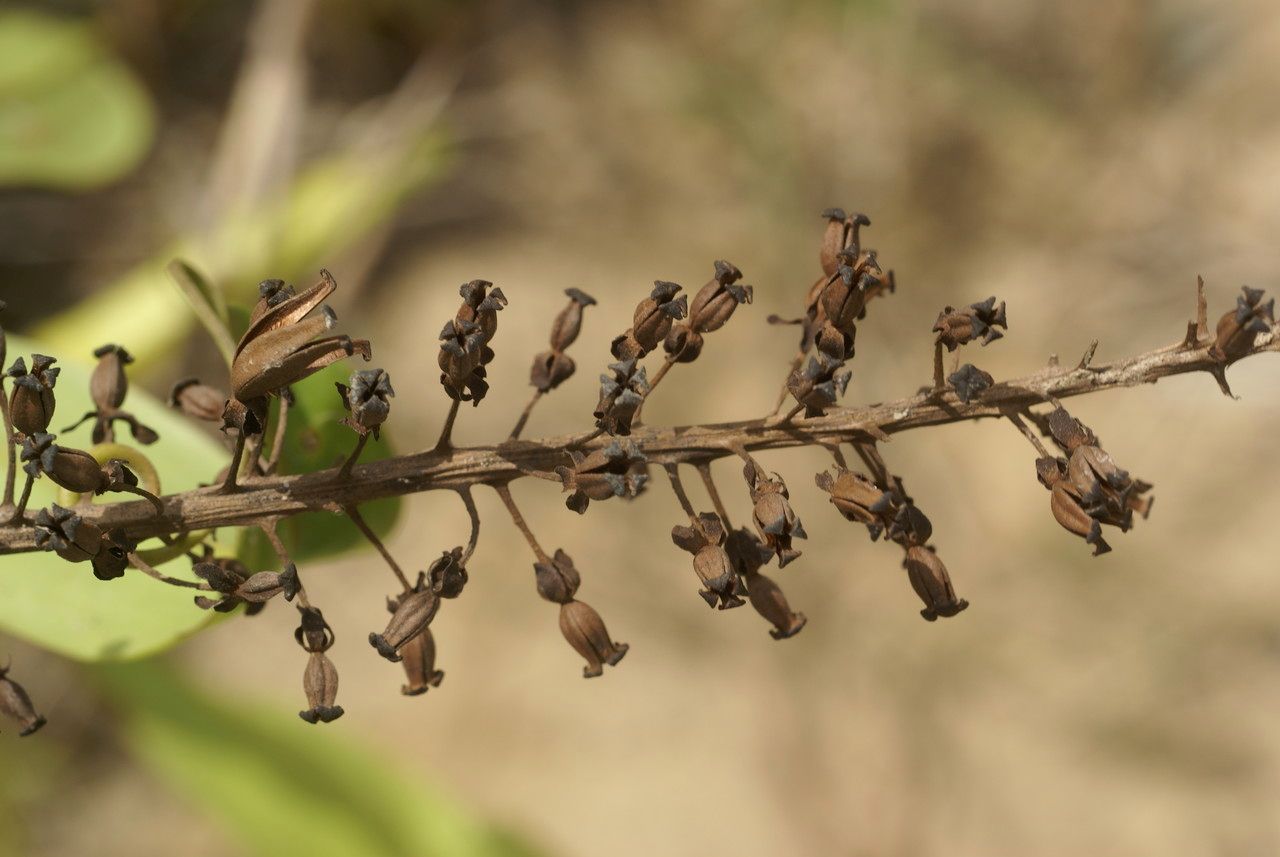
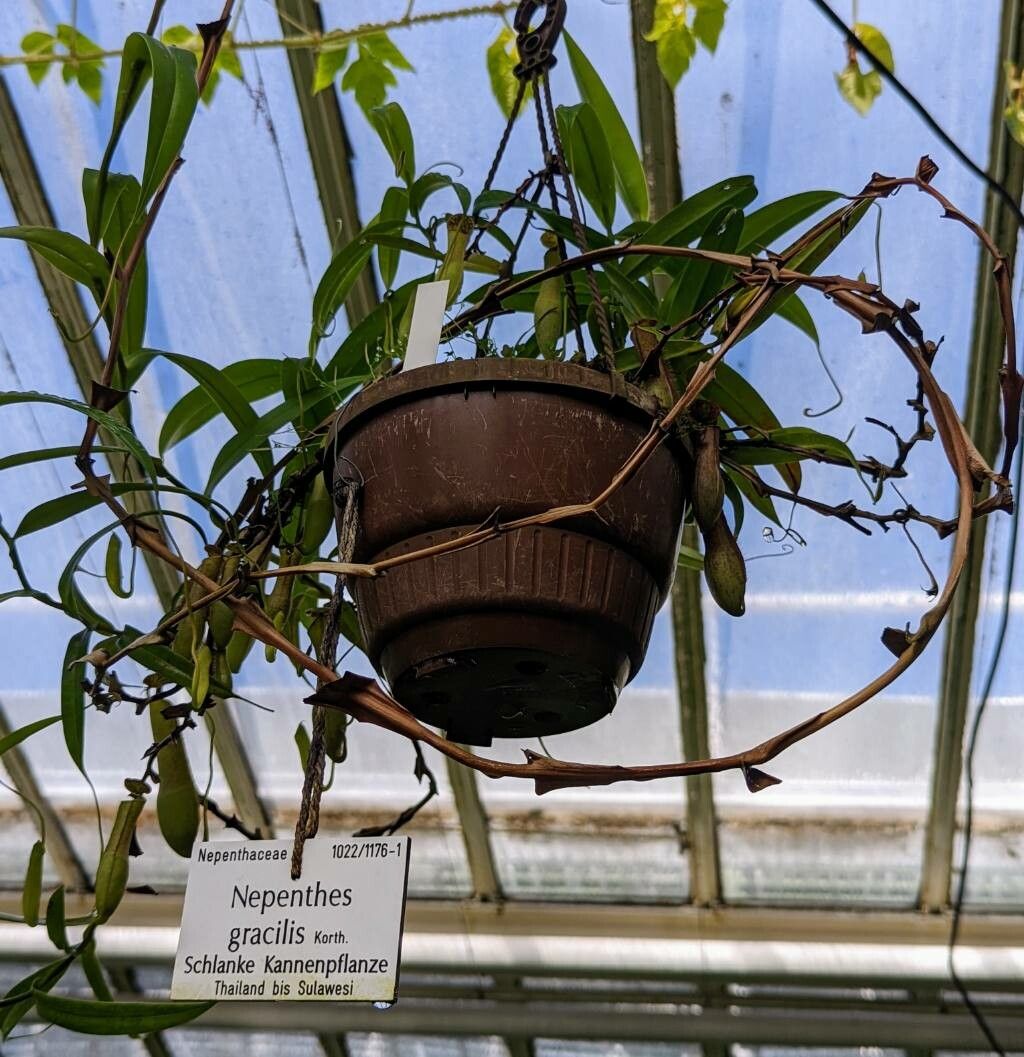
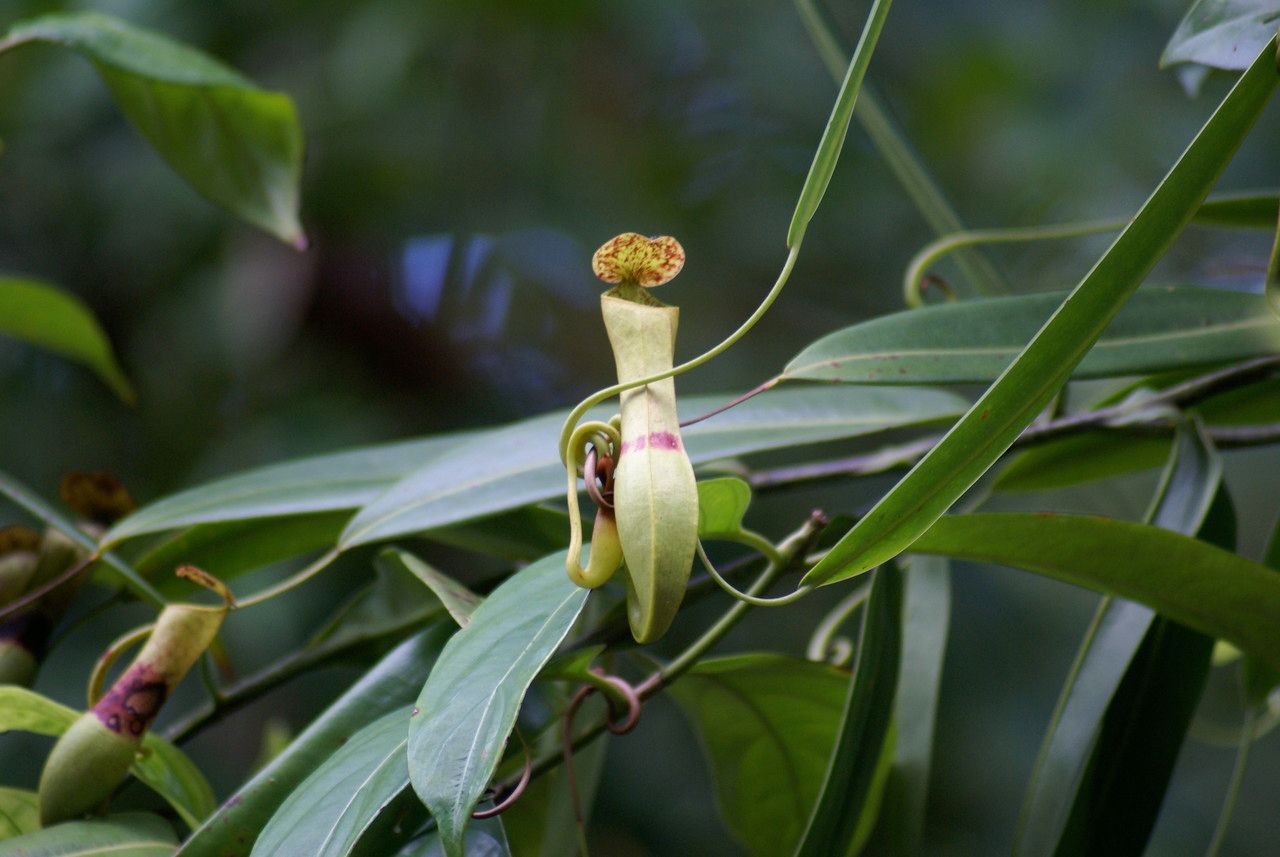
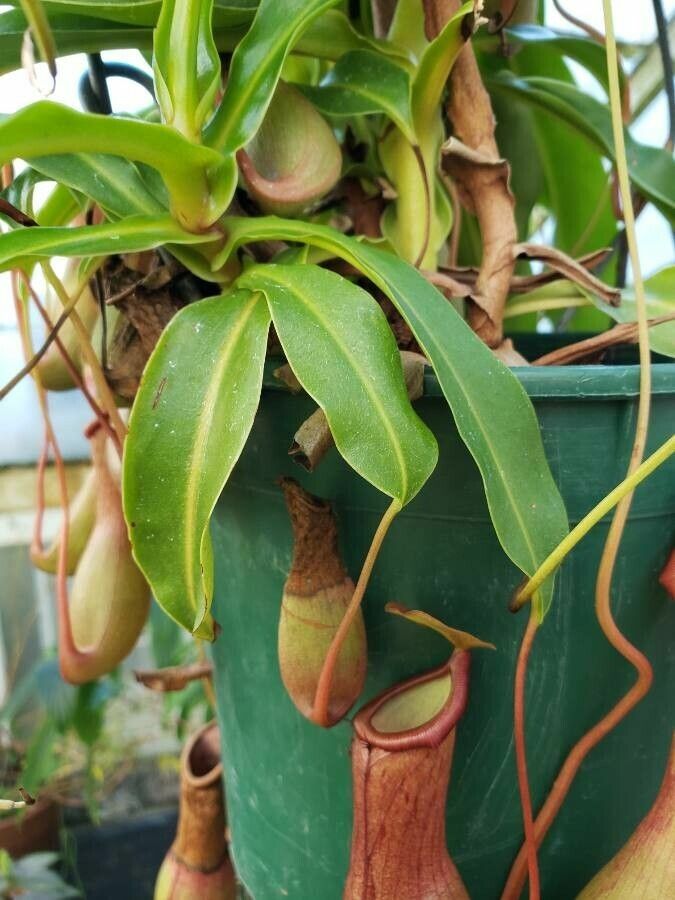
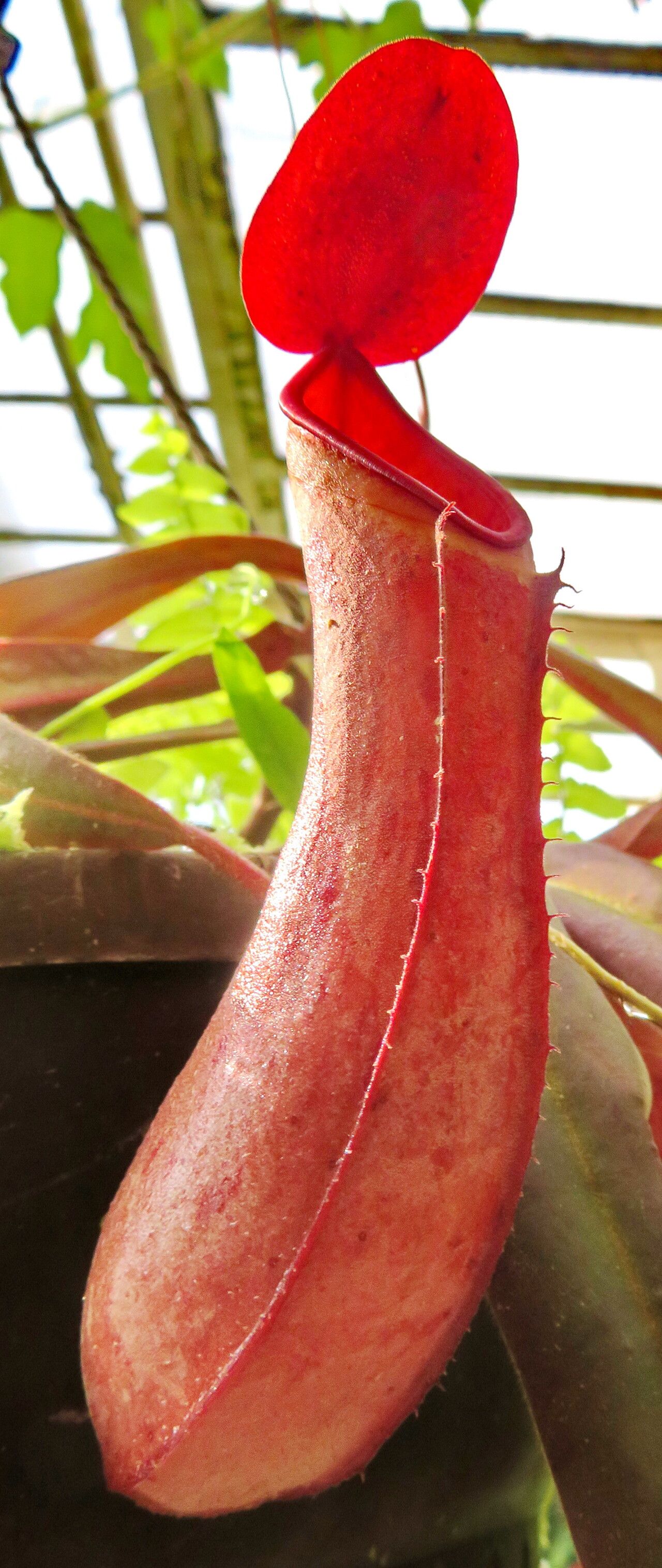
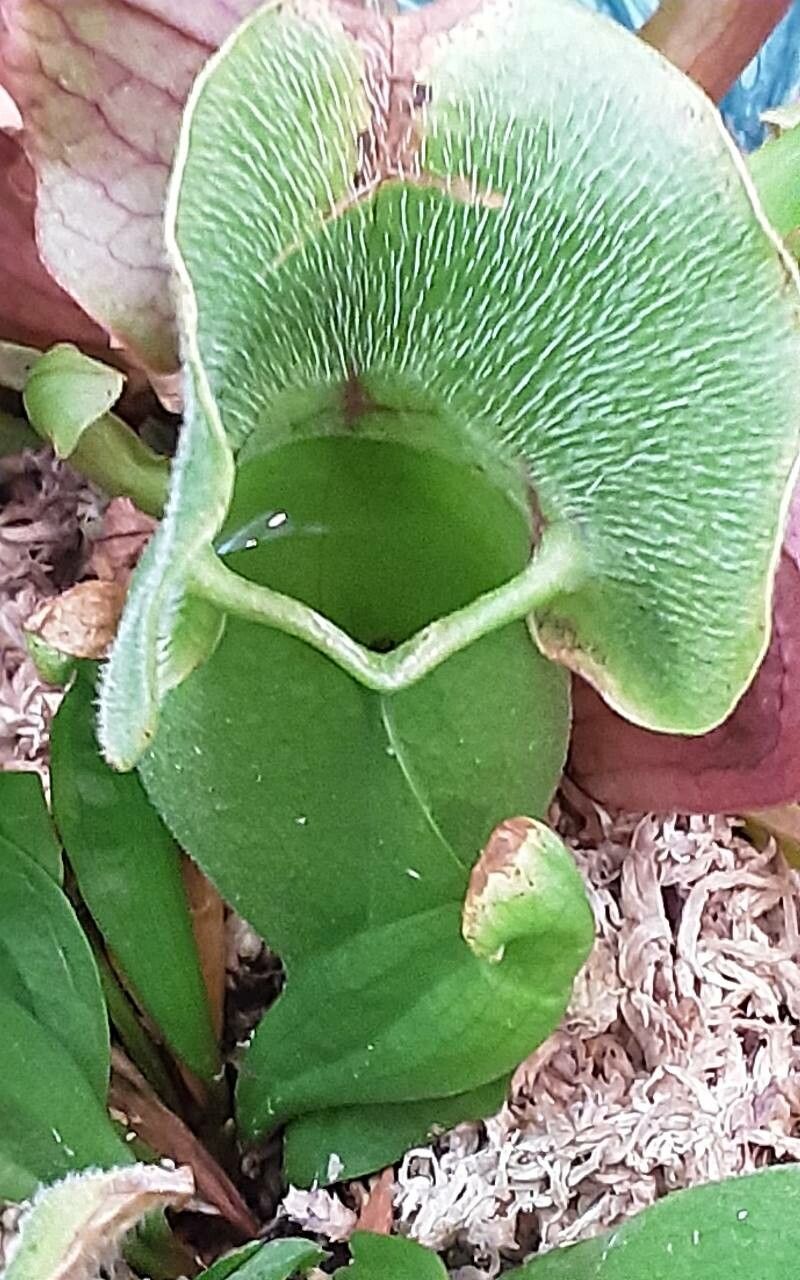
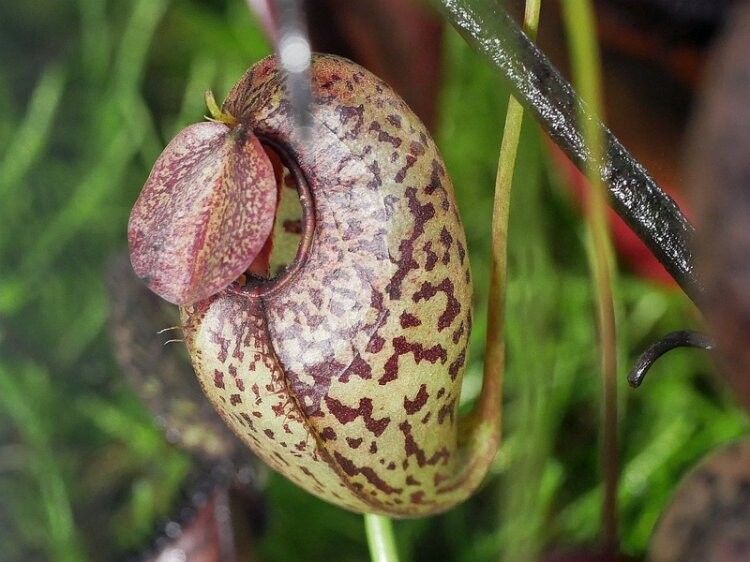
Nepenthes gracilis (; from Latin: gracilis "slender"), or the slender pitcher-plant, is a common lowland pitcher plant that is widespread in the Sunda region. It has been recorded from Borneo, Cambodia, Peninsular Malaysia, Singapore, Sulawesi, Sumatra, and Thailand. The species has a wide altitudinal distribution of 0 to 1100 m (and perhaps even 1700 m) above sea level, although most populations are found below 100 m and plants are rare above 1000 m. Despite being a widespread plant, natural hybrids between N. gracilis and other species are quite rare. Nepenthes gracilis was formally described by Pieter Willem Korthals in his 1839 monograph, "Over het geslacht Nepenthes".Nepenthes abgracilis from the Philippines is named for its superficial similarity to this species.
The slender pitcher-plant has moderate resistance to disease and requires a high-humidity environment. However, if it lacks sufficient ventilation it can be prone to rot. Its care is considered difficult, since it needs constant humidification to sustain high humidity. The slender pitcher-plant is also highly vulnerable to rot when the environment is poorly ventilated and too warm. This plant is appropriate for growers with more experience who can provide a suitable growing environment.
How to keep Nepenthes Gracilis.
Light
The slender pitcher plant grows best in abundant sunlight, though it can tolerate less intense rays. Because it comes from habitats with strong sun exposure, it is adapted to plenty of light. Avoiding harsh, scorching midday sun is advisable. Excessive exposure can cause wilting, while too little light can hinder growth.
Water
The slender pitcher plant thrives in tropical rainforests, where it prefers high humidity and consistent moisture. It should be watered twice a week. As an evergreen, it has pitcher-like structures that trap insects, helping it absorb water and nutrients.
Temperature
The slender pitcher-plant comes from climates where temperatures typically range from 68 to 95 °F (20 to 35 ℃). For optimal growth, keep temperatures within this range. Make seasonal adjustments only if absolutely necessary.
Pruning
The slender pitcher plant has thin, climbing stems that develop pitcher-shaped traps. To maintain the plant, prune it from early to late spring by removing dead leaves and overly long vines. This encourages new growth and improves air circulation. Be sure to use sterilized tools to prevent infections and reduce the risk of disease.
Pot & Repot
When repotting Slender pitcher-plant, select a pot 1–2 inches (2.5–5.1 cm) larger with good drainage. Use a well-draining potting mix. Repot in spring or fall, making sure the root ball sits slightly below the rim of the flower pot. Water thoroughly after repotting and place it in a warm spot with indirect sunlight.
Botanical profile.
- Plant Type
- Herb, Vine
- Life Cycle
- Perennial
- Genus
- Nepenthes
- Family
- Nepenthaceae
- Hardiness Zone
- 10
- Mature Height
- 6.1 m to 14.94 m
- Mature Spread
- 6.1 m
- Leaf Color
- Green
- Leaf Type
- Evergreen
- Flower Color
- Yellow, Red, Green
- Flower Size
- 1.02 cm to 2.03 cm
- Bloom Time
- All year round
- Planting Time
- Spring
- Harvest Time
- All year round
- Native Area
- Indonesia, Singapore, Malaysia, Thailand
Other names.
Reader questions.
What are the sunlight requirements for Slender pitcher-plant?
Slender pitcher-plant (Nepenthes gracilis) thrives in full sun, needing above 6 hours of sunlight daily, but it can also flourish under indirect sunlight throughout the day. It's crucial to find the right balance of light and shade in your garden to ensure the plant's health. While this plant originates from environments with significant sun exposure and is adapted to plentiful light, avoiding the intense mid-day rays, which might cause wilting or stunt growth, is beneficial.
What is the optimal temperature range for the growth of Slender pitcher-plant?
The Slender pitcher-plant, or Nepenthes gracilis, thrives best in climates where temperatures routinely fall between 68 to 95 °F (20 to 35 °C). To ensure optimal growth, it's important to maintain this temperature range throughout the year. Seasonal adjustments can be made if necessary, but providing a relatively warm environment, especially during winter, is beneficial. When cultivating in colder seasons, it's crucial to keep the plant above the freezing point, ensuring that temperatures stay above 20°C to prevent freezing damage. In cases where outdoor temperatures drop to around -5°C (25°F) during winter, it's advisable to either bring the Slender pitcher-plant indoors or provide protection using a temporary greenhouse or wrapping materials such as plastic film or fabric.
How can artificial lighting be used for Slender pitcher-plant indoor care?
Indoor Slender pitcher-plants require adequate lighting for optimal growth, especially in conditions where natural sunlight is insufficient, such as in winter or less sunny spaces. Artificial lights, particularly LED lights, are effective as they can be adjusted to provide specific wavelengths needed by the plant. The intensity of artificial light should range from 30-50W/sq ft for full sun plants to 20-30W/sq ft for partial sun plants, and 10-20W/sq ft for full shade plants. The light source should be placed 12-36 inches above the plant and turned on for 8-12 hours per day to mimic natural daylight conditions.
How does the Slender pitcher-plant respond to low temperatures, and what are the solutions for frost damage?
The Slender pitcher-plant has a moderate tolerance to low temperatures and performs best when kept within a range of 20°C to 35°C. In winter, it should not be exposed to temperatures below 5°C to avoid stress. Exposure to temperatures falling below 1°C can cause the leaves to darken, and in severe cases, lead to water-soaked necrosis, wilting, and drooping, with the leaves gradually turning brown as symptoms worsen. To manage frost damage, it's advisable to trim away the frost-damaged parts of the plant and immediately move it to a warmer indoor setting or establish a makeshift greenhouse for cold protection. Placing the plant near a south-facing window can ensure it receives ample sunlight, and supplemental lighting may be used if natural light is insufficient.
What symptoms indicate insufficient light for Slender pitcher-plant?
Slender pitcher-plant exhibits several symptoms when exposed to inadequate lighting, including smaller new leaves, leggy or sparse growth, faster leaf drop, slower or halted new growth, lighter-colored new leaves, chlorosis, sunscald, leaf curling, wilting, and leaf scorching. These symptoms may significantly affect the plant’s growth and overall health, pointing towards a need for increased light exposure.
What effects do high temperatures have on Slender pitcher-plant, and how can they be mitigated?
During the summer months, it's vital to ensure that the Slender pitcher-plant is not exposed to temperatures exceeding 35°C. Surpassing this threshold, especially temperatures above 41°C, can significantly hinder the plant's growth, lighten the color of its leaves, and increase susceptibility to sunburn. To mitigate the adverse effects of high temperatures, affected parts should be trimmed away, and the plant relocated to a spot that provides shade during the intense afternoon sun. Moreover, to maintain moisture and support the plant's needs, watering should be done in the morning and evening.
What are the solutions for Slender pitcher-plant receiving insufficient light?
To address insufficient light for Slender pitcher-plants, gradually acclimate them to better light conditions, whether indoors or outdoors. For indoor plants, move them each week to a sunnier spot until they achieve at least 6 hours of direct sunlight daily, or use artificial light sources like desk lamps or grow lights for at least 8 hours a day. Outdoors, avoid sudden changes in sunlight exposure to prevent sunburn and choose planting spots wisely. For plants in the ground, reducing obstructions and considering transplantation during the dormant period can significantly improve sunlight access.