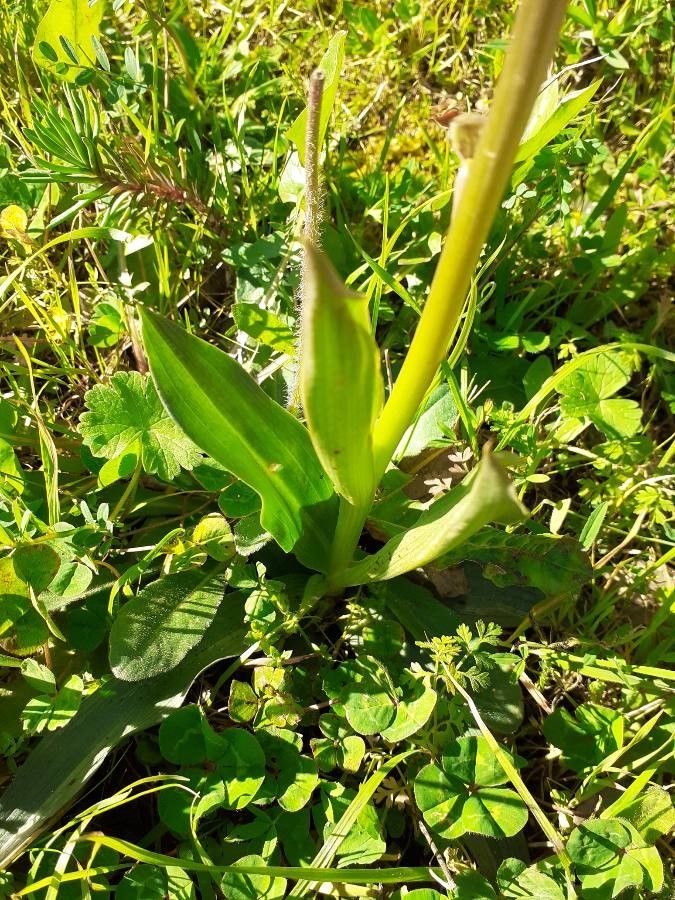
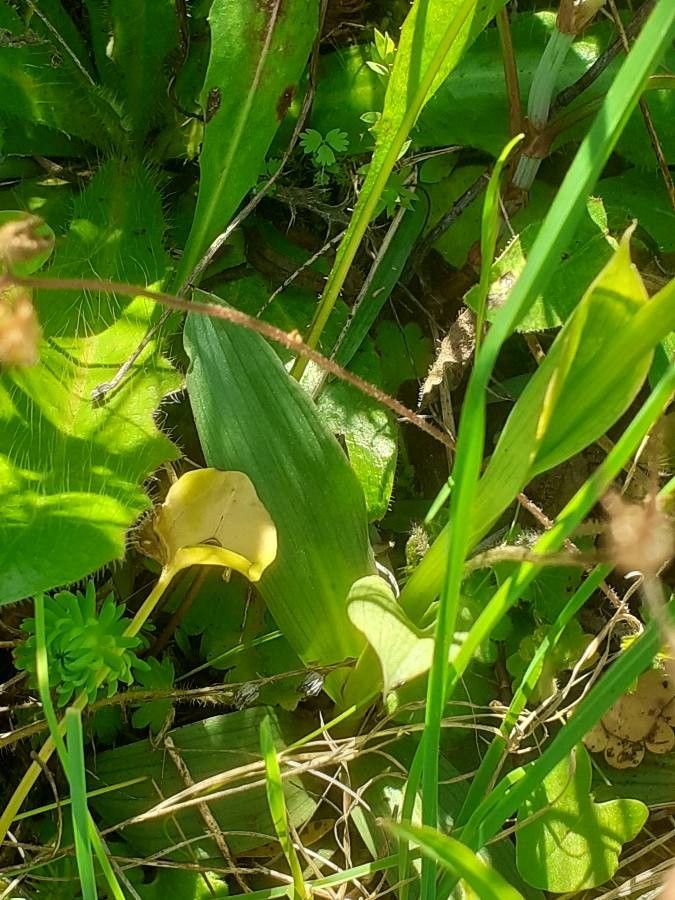
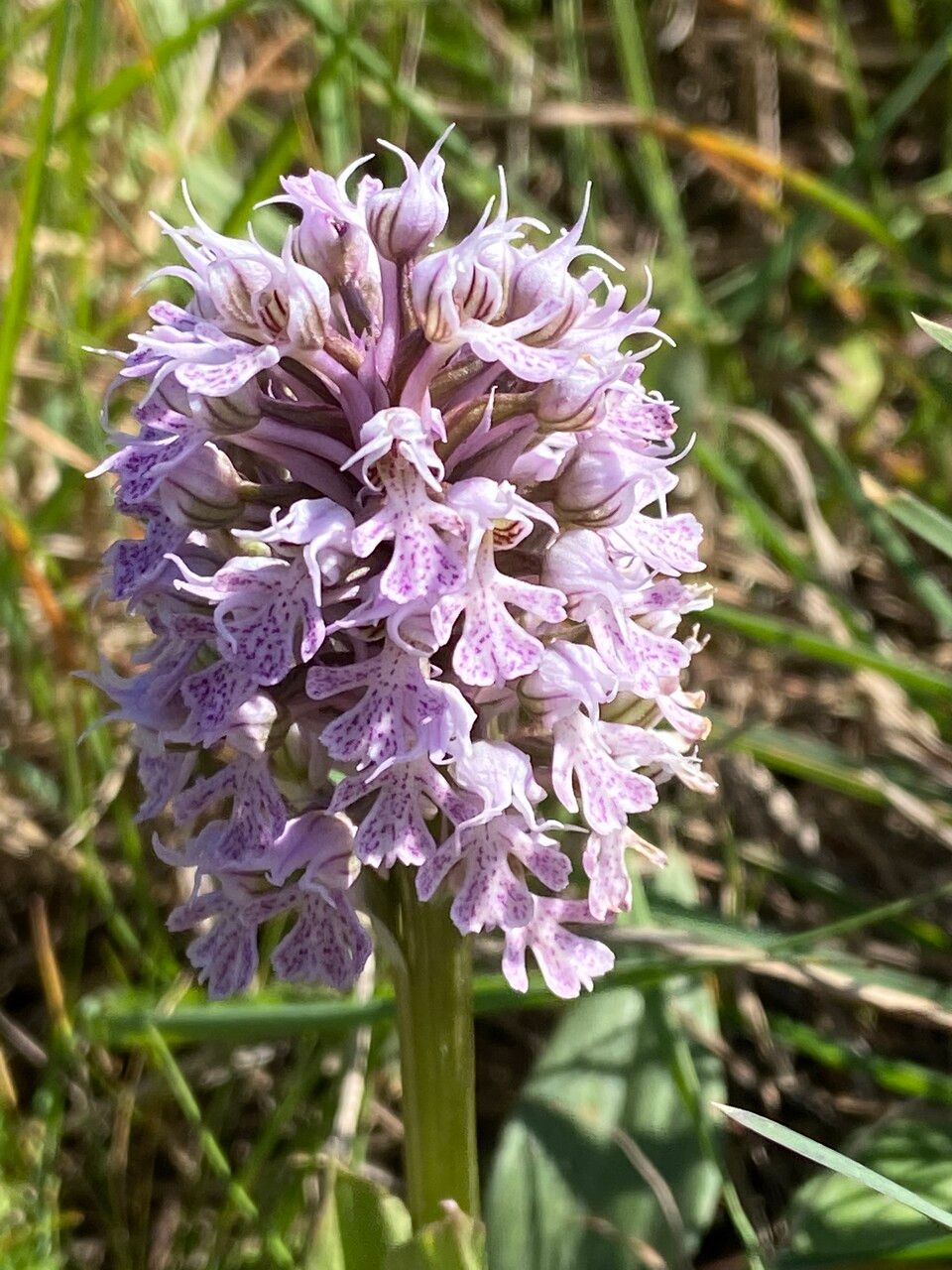
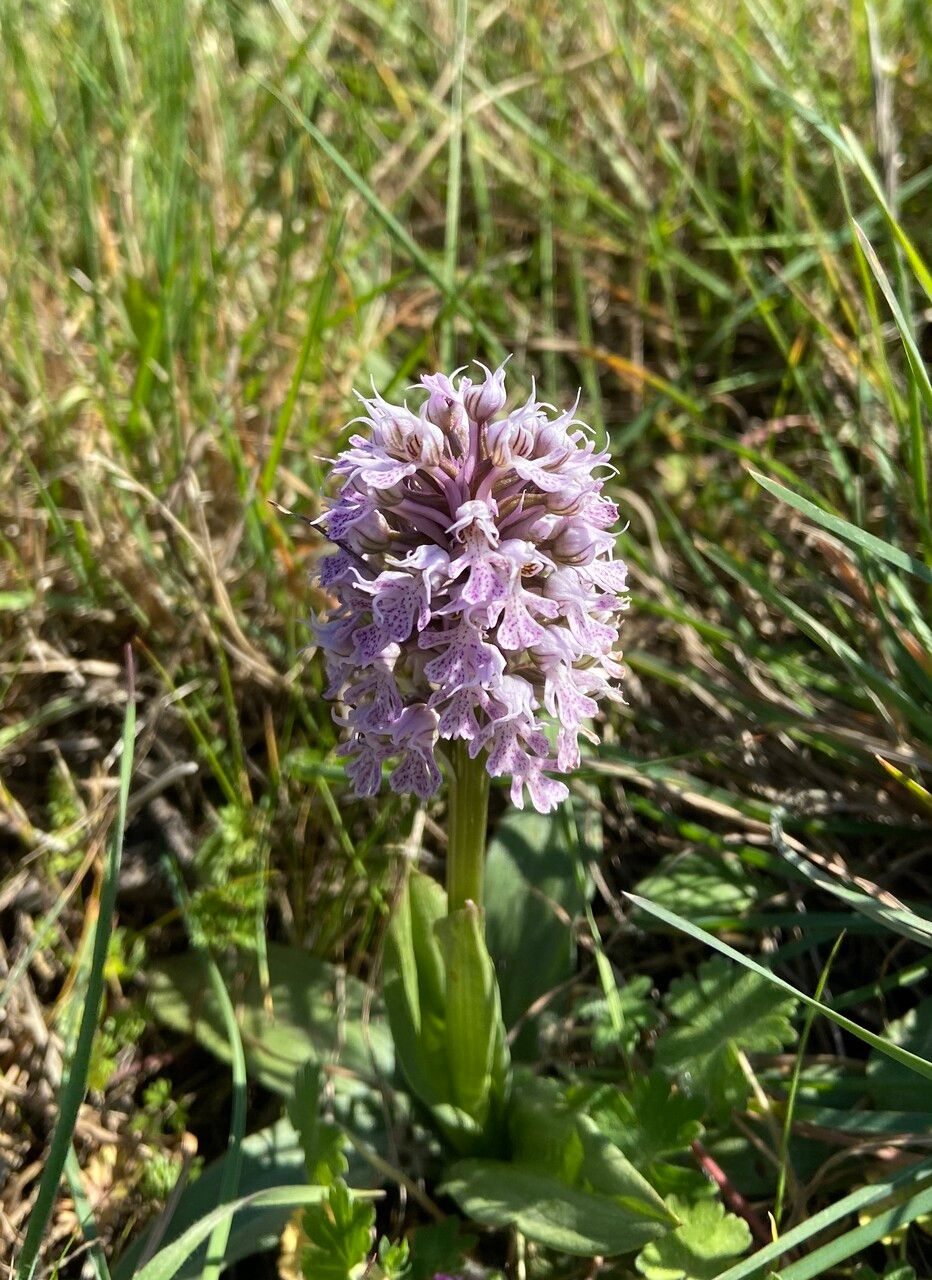
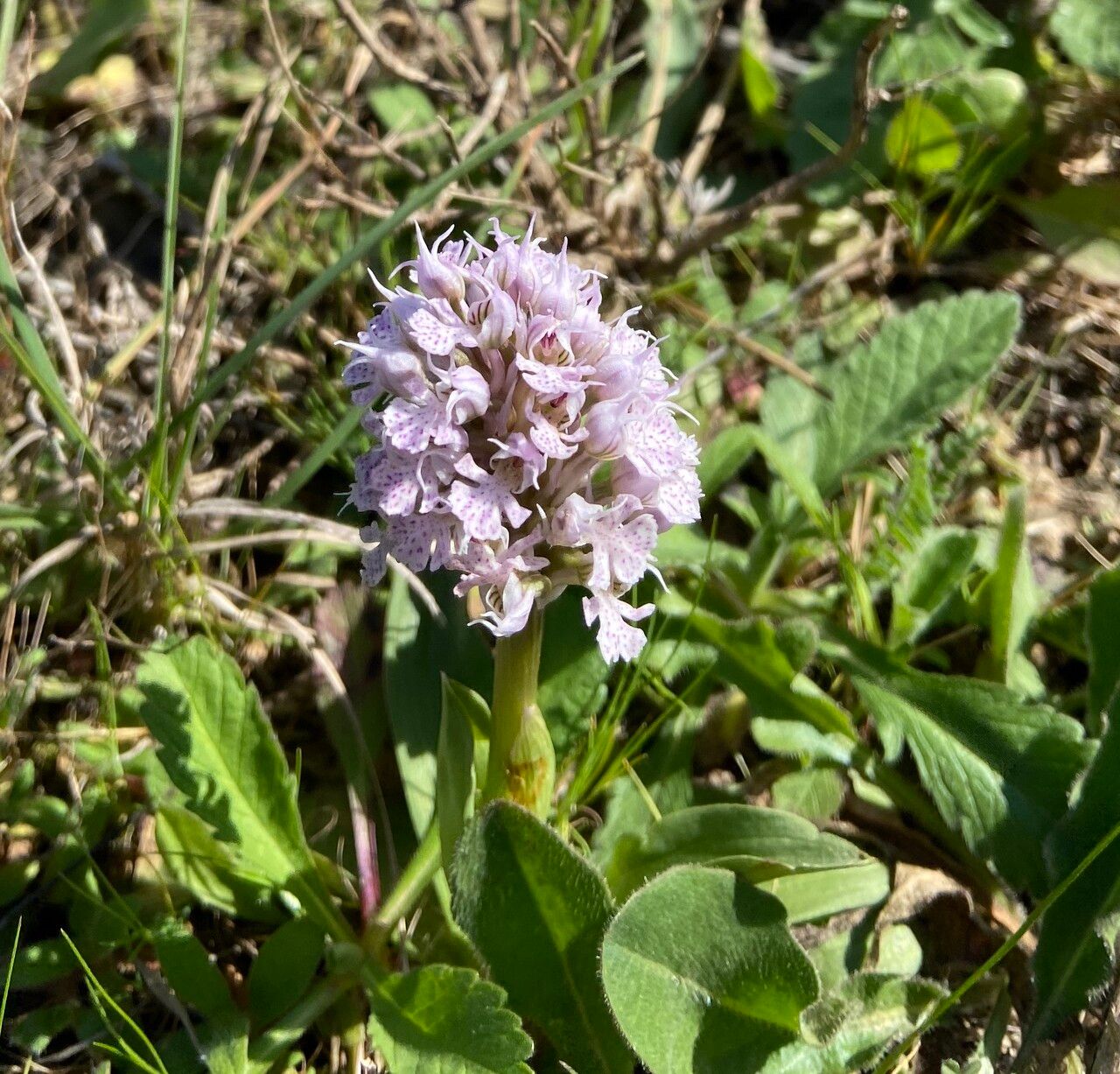
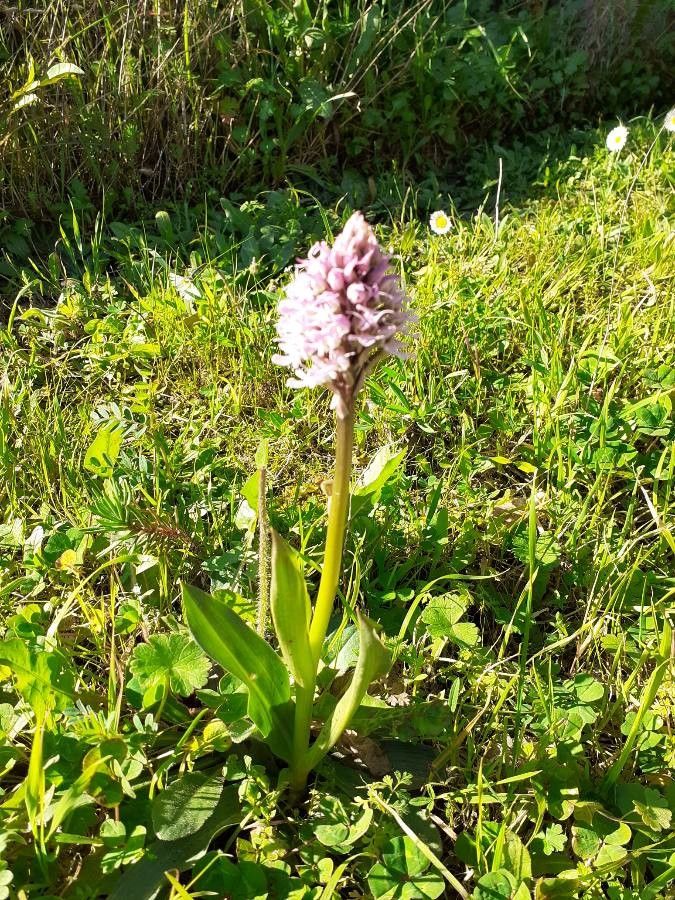
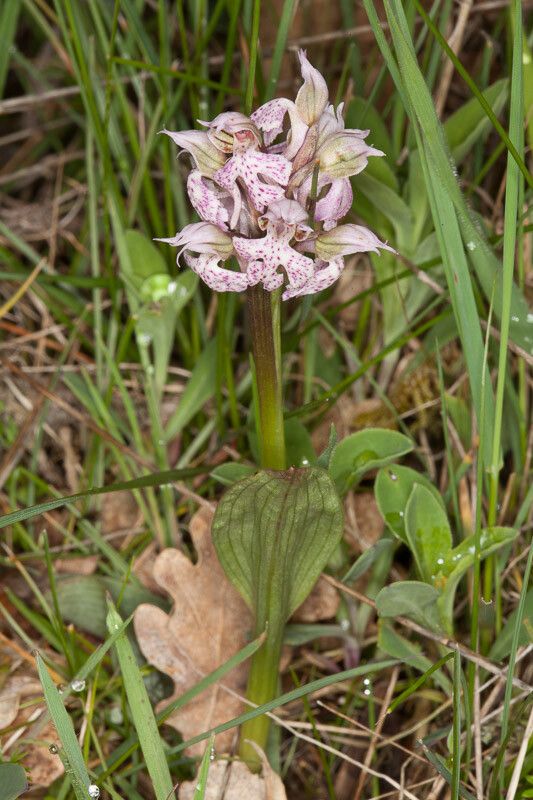
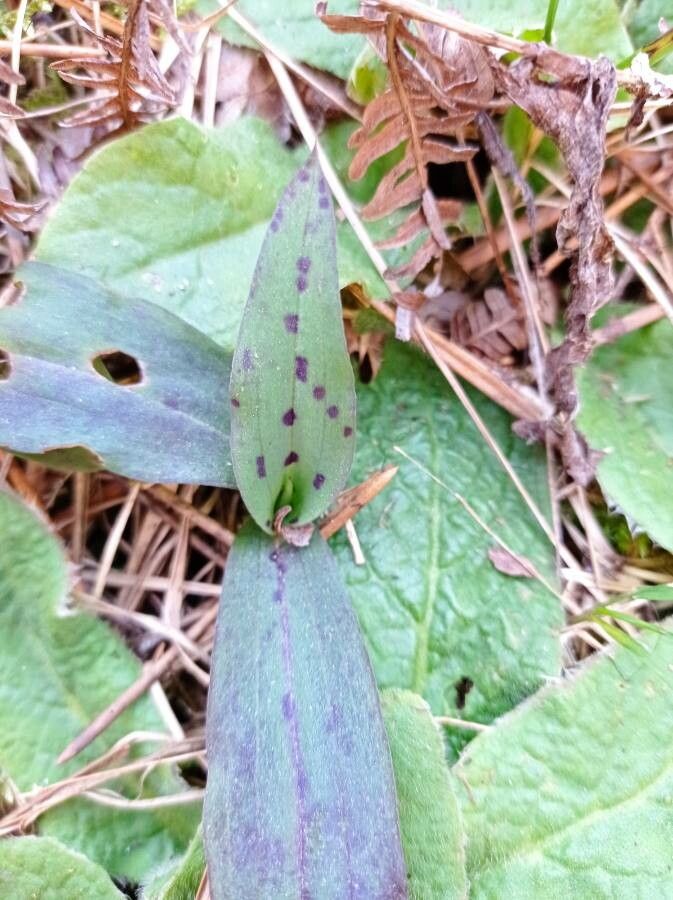
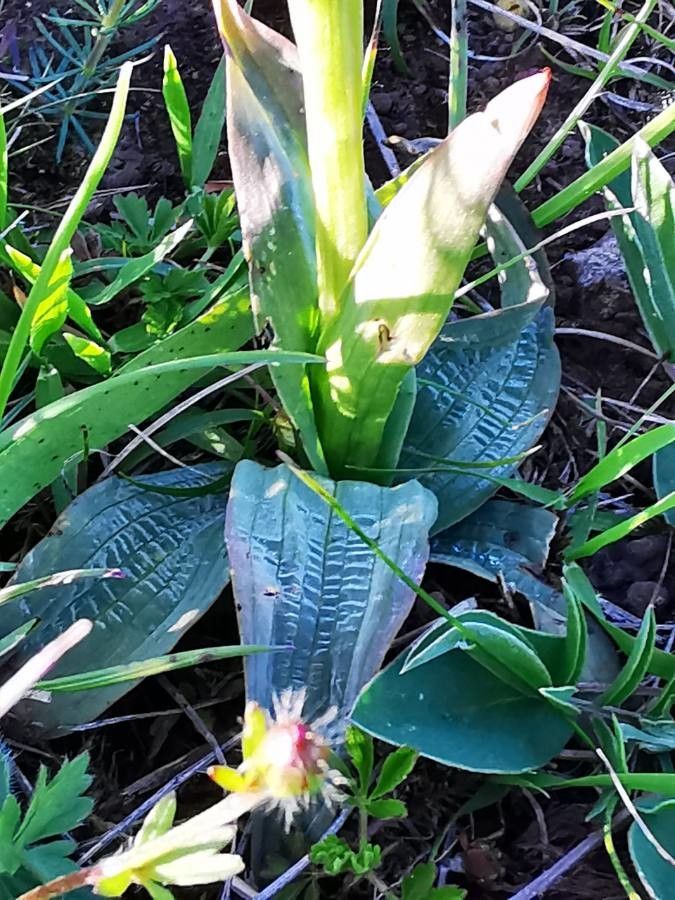
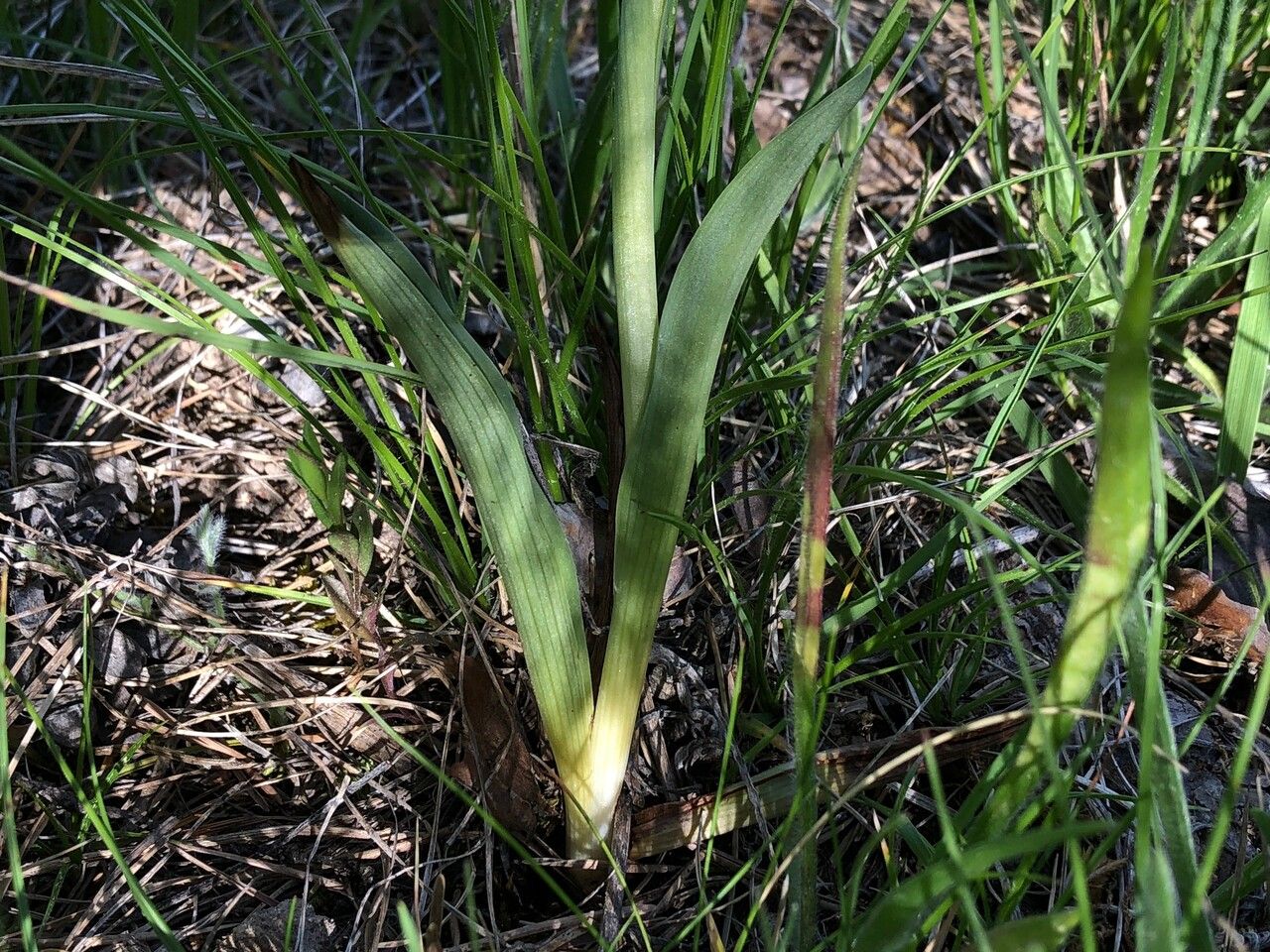
Neotinea tridentata subsp. conica typically has strong resistance to disease and is subject to relatively few insect pests. Its care is considered difficult because it requires high humidity combined with good ventilation and low levels of harmful pathogens. Too much watering can result in root rot. Anyone can cultivate Neotinea tridentata subsp. conica, but keeping it healthy and getting it to flower again requires more growing experience.
How to keep Neotinea Conica.
Light
Neotinea tridentata subsp. conica occurs naturally in habitats like forest understories or rocky areas, where it grows in natural shade. It prefers partial sun but can adapt to full sun or full shade, illustrating its versatile and hardy nature.
Temperature
Neotinea tridentata subsp. conica can tolerate a wide range of temperatures, but its distribution may still be restricted by different combinations of moisture and heat. It grows best in warm summer climates with sufficient rainfall or watering. Extended periods of cloudy, rainy weather, as well as prolonged high temperatures, can increase the chance of Neotinea tridentata subsp. conica dying. In winter, adequate protection from the cold can improve the plant's survival rate.
Fertilizer
Generally, one fertilizer application in spring is enough for Neotinea tridentata subsp. conica, although repeated feedings can boost growth. Apply fertilizer every month to a month and a half. Fertilization improves leaf appearance and function, maintaining even color and a healthy texture. It also encourages root development and increases nutrient uptake to support long-term plant health.
Botanical profile.
- Plant Type
- Herb
- Life Cycle
- Perennial
- Genus
- Neotinea
- Family
- Orchidaceae
- Hardiness Zone
- 7-10
- Mature Height
- 15 cm to 30 cm
- Mature Spread
- 5 cm to 10 cm
- Leaf Color
- Light Green
- Leaf Type
- Deciduous
- Flower Color
- Pink
- Flower Size
- 0.51 cm to 0.76 cm
- Bloom Time
- Mid spring, Late spring
- Planting Time
- Spring, Summer
- Harvest Time
- Early summer, Mid summer