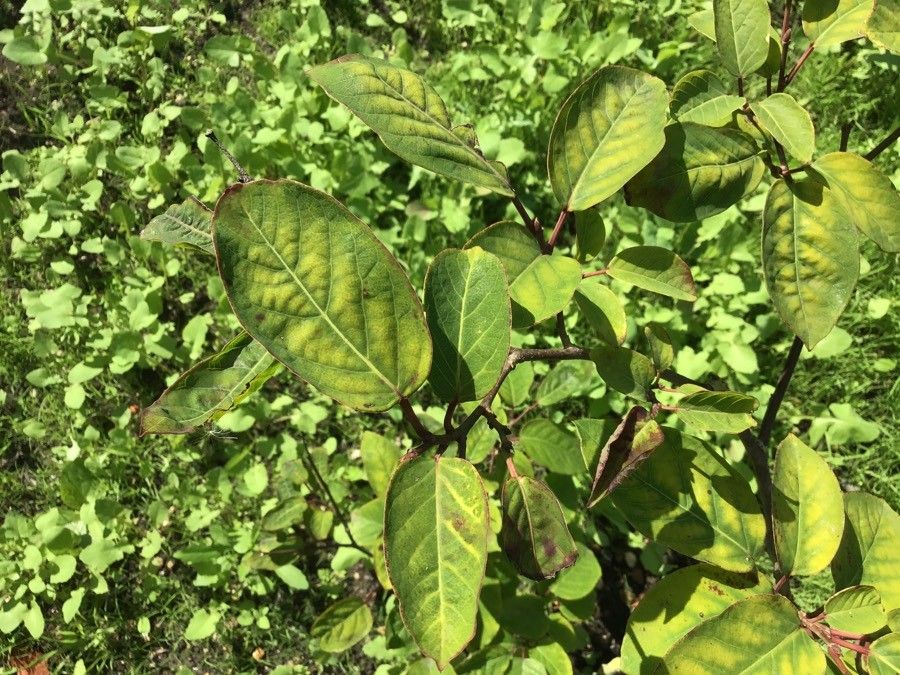
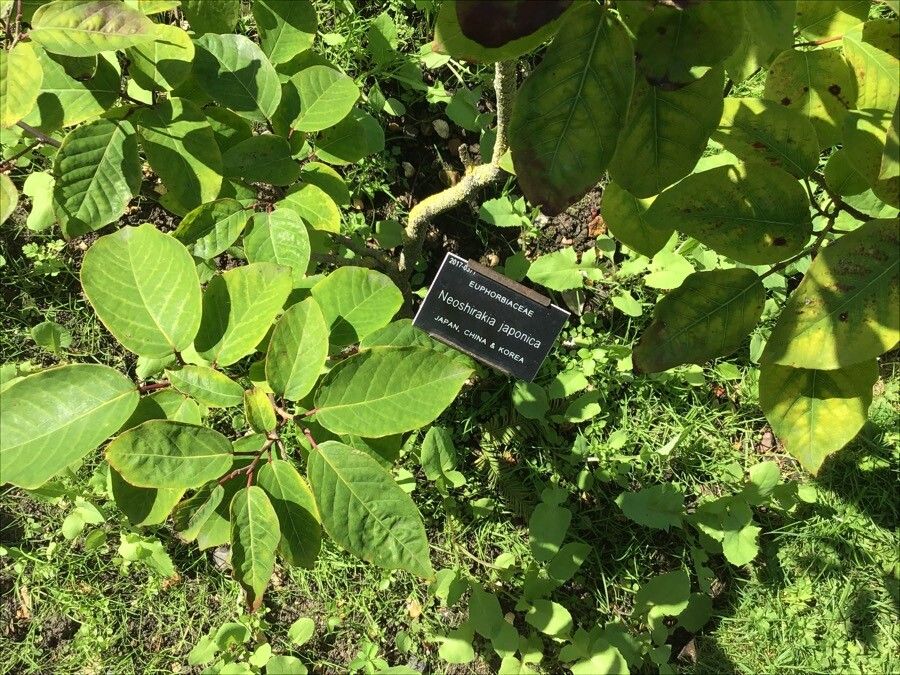
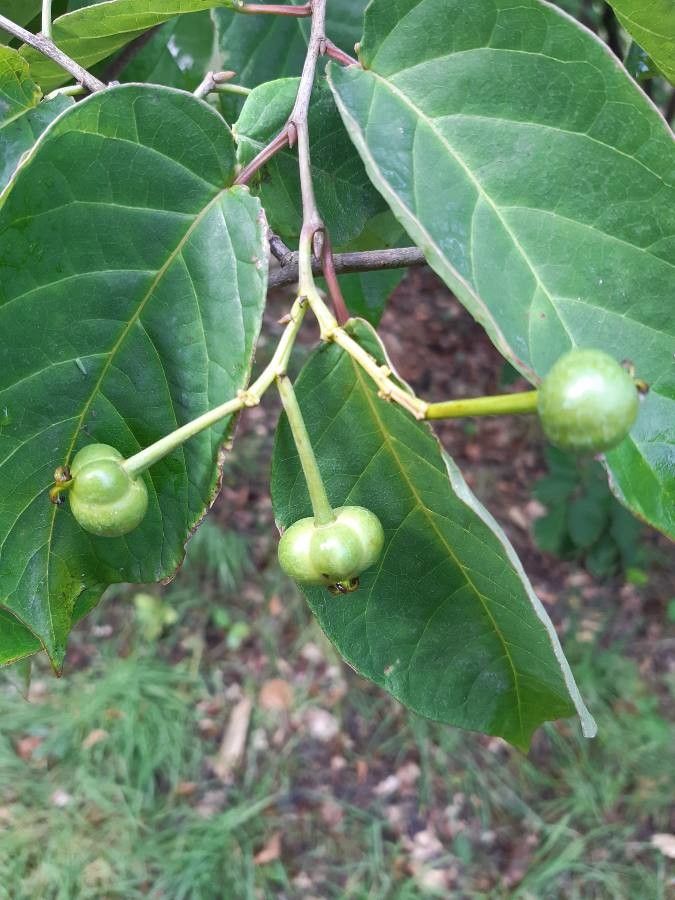
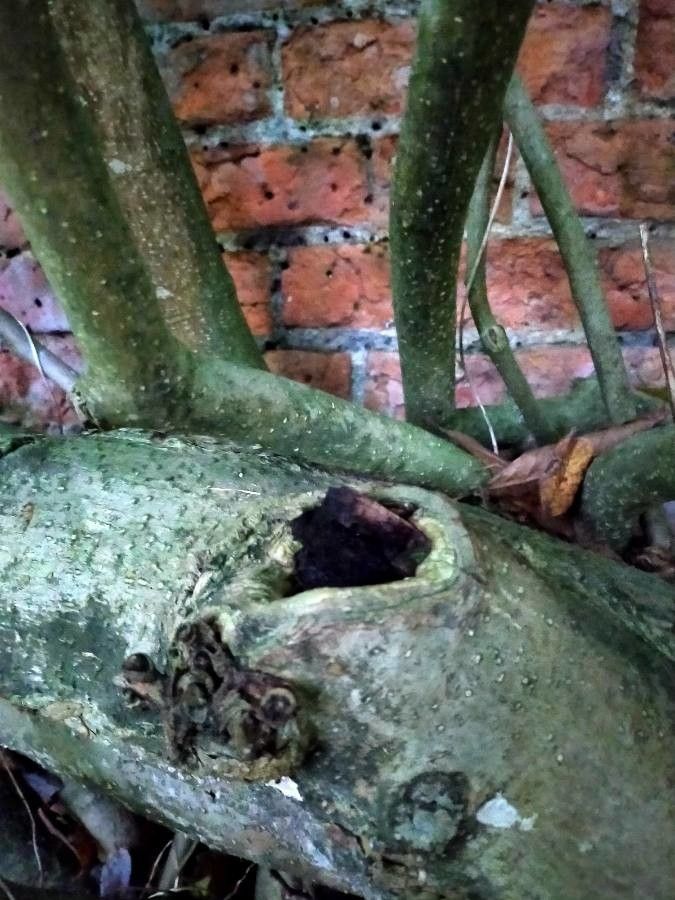
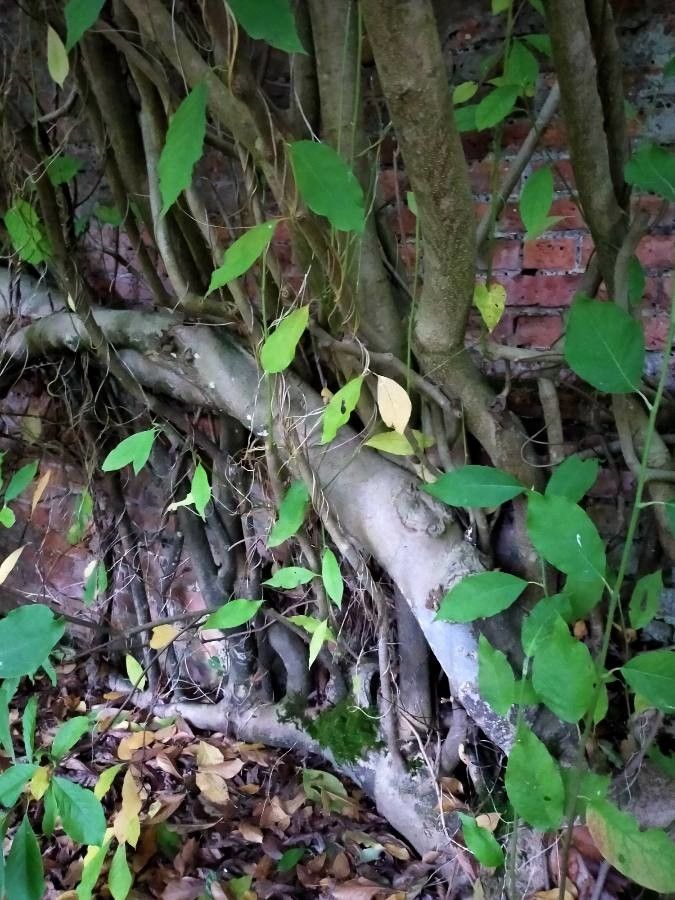
Neoshirakia, known as milktree, is a genus of plants in the Euphorbiaceae, native to east Asia. It is part of a group first described in 1954 with the name Shirakia, but this proved to be an illegitimate name, unacceptable under the Code of Nomenclature. The genus was later divided, with its species distributed amongst three genera: Neoshirakia, Shirakiopsis , and Triadica. Neoshirakia contains only one known species, Neoshirakia japonica, known as tallow tree, native to China, Korea, and Japan (including Nansei-shotō). The name Shirakia thus became a synonym of Neoshirakia because S. japonica was the type species for that genus, the species now renamed N. japonica.
Tallow tree is resistant to many diseases and typically does not suffer from illnesses. Regarding upkeep, this species is fairly easy to maintain. When grown outdoors it needs little watering, and larger specimens usually do not require pruning. Smaller specimens, however, should be trimmed after they finish flowering. Tallow tree is appropriate for anyone who has outdoor space, such as a garden or a deck, and it does not demand extensive caretaking experience.
How to keep Neoshirakia Japonica.
Light
The tallow tree thrives with a steady supply of sunlight. Native to landscapes where unobstructed sunlight is common, it has adapted to grow healthily. However, excessive exposure can damage the plant, and too little light may inhibit its growth. Its sunlight requirements stay consistent throughout all stages of growth.
Water
The tallow tree is drought-tolerant and thrives in areas that experience periods of dryness. It needs to be watered every two weeks and is ideal for outdoor cultivation. Its resilience and adaptability allow it to flourish in various climate zones, which affects how often it needs to be watered.
Temperature
The tallow tree is a plant originally adapted to thrive in temperature ranges of 68 to 95 °F (20 to 35 ℃). It favors moderately warm climates and can accommodate seasonal variations as long as temperatures remain within that range.
Fertilizer
Fertilize your Tallow tree in early spring to encourage healthy growth. Regular feeding boosts overall health, producing vigorous growth, greater tolerance of harsh conditions, and improved resistance to pests and diseases. Keep to a specific fertilization routine for your Tallow tree to achieve vibrant, deep-colored foliage and a lush appearance.
Pruning
The tallow tree, known for its lobed leaves and rapid growth, benefits from pruning in early spring. This process removes dead or weak branches, improves air circulation, and helps shape the tree. By selectively thinning the branches, you can prevent disease, enhance light penetration, and maintain the tree's size and vigor, resulting in a robust and attractive appearance.
Pot & Repot
When repotting a Tallow tree, select a pot 1-2 inches (2.5–5.1 cm) larger with ample drainage. Use a well-draining potting mix. Repot in spring or fall, making sure the root ball is slightly lower than the rim of the flower pot. Water thoroughly after repotting and place in a warm spot with indirect sunlight.
Botanical profile.
- Plant Type
- Tree
- Life Cycle
- Perennial
- Genus
- Neoshirakia
- Family
- Euphorbiaceae
- Hardiness Zone
- 9-10
- Mature Height
- 0.91 m to 7.92 m
- Mature Spread
- 2.44 m to 3.96 m
- Leaf Color
- Green, Dark Green
- Leaf Type
- Deciduous
- Flower Color
- White
- Flower Size
- 4.57 cm to 11.43 cm
- Bloom Time
- Mid spring, Late spring
- Planting Time
- Winter
- Harvest Time
- Late summer, Early fall, Mid fall
- Native Area
- Koppen, Japan, South Korea, China
Other names.
Reader questions.
What are the sunlight requirements for a Tallow Tree?
Tallow Tree, also known by its botanical name Neoshirakia japonica, flourishes under full sun conditions, which means it requires above 6 hours of sunlight daily. Originating from environments with abundant sunlight, it has adapted to thrive in such conditions through all its growth stages. It's important to ensure the plant receives the perfect balance of light and shade to support its health and growth. However, it's worth noting that while sunlight is essential, excessive exposure can be detrimental, and insufficient sunlight might hinder the plant's growth process.
What is the ideal temperature range for a Tallow tree?
The Tallow tree, scientifically known as Neoshirakia japonica, thrives best in temperature ranges of 68 to 95 °F (20 to 35 °C). It prefers moderate warm climates and is capable of adjusting to seasonal changes within these temperature limits. The tree possesses some degree of cold tolerance and generally does not require additional measures when temperatures are above 0°C. However, in conditions where temperatures are expected to fall below freezing, temporary protective measures, such as wrapping with plastic film, fabric, or other materials, are necessary for cold protection. These protections should be removed once temperatures rise again.
How can artificial lighting be used for indoor Tallow Trees?
Indoor Tallow Trees can benefit greatly from artificial lighting, especially when natural sunlight is not sufficient, such as during winter or in less sunny indoor locations. LED lights are recommended due to their ability to provide specific wavelengths needed by plants. For full sun plants like the Tallow Tree, 30-50W/sq ft of artificial light is needed. Ensure the light source is placed 12-36 inches above the plant to mimic natural sunlight and keep the lights on for 8-12 hours per day to simulate the duration of natural daylight.
How does low temperature affect the Tallow tree and what are the solutions?
The Tallow tree has a moderate tolerance to low temperatures but thrives best when it's above 20°C. In winter, it's crucial to maintain temperatures above 0°C to prevent damage. When temperatures plunge below -5°C, the tree's leaves may begin to droop, and in severe cases, this can lead to wilting and eventual leaf fall. The solution to frost damage includes trimming off the affected parts. To protect the plant from further cold damage, wrapping it with materials like non-woven fabric or cloth and constructing a wind barrier for additional protection against cold winds is advisable.
What are the signs of inadequate lighting in Tallow Trees?
Tallow Trees show several symptoms when exposed to inadequate lighting, such as small and lighter-colored leaves, leggy or sparse growth due to elongated spaces between leaves or stems, faster leaf drop as a survival strategy, slower or halted growth, and chlorosis which leads to yellowing leaves. Additionally, excessive direct sunlight can cause sunscald, leaf curling as a defense against water loss, wilting from excessive transpiration, and leaf scorching, indicated by brown, dry edges on leaves.
What happens to the Tallow tree in high temperature conditions and how can it be mitigated?
During summer, it's essential to keep the Tallow tree below 35°C to avoid stress from high temperatures. Exposing the Tallow tree to temperatures above 41°C can cause the leaves to lighten in color, dry and wither at the tips, and curl. Additionally, the plant becomes more prone to sunburn under such conditions. To mitigate damage from high temperatures, trim away the sunburned and dried parts. Relocate the plant to a shaded area or use a shade cloth to protect it from the midday and afternoon sun. Ensuring the soil remains moist by watering the plant in the morning and evening can also help reduce stress from high temperatures.
What solutions can address lighting issues for indoor and outdoor Tallow Trees?
To address inadequate lighting, progressively acclimatize your Tallow Tree to more sunlight by moving it to sunnier locations weekly until it reaches at least 6 hours of direct sunlight per day. For indoor trees, use artificial lighting such as desk or ceiling lamps, or invest in grow lights, keeping them on for at least 8 hours daily. Outdoor trees should be moved gradually to prevent sunburn. Remove any obstructions blocking sunlight and consider transplanting smaller plants to sunnier spots during their dormant period for better growth and health. Unfortunately, parts of the plant already damaged by insufficient light may not recover, but increasing light exposure will ensure new growth is healthy.