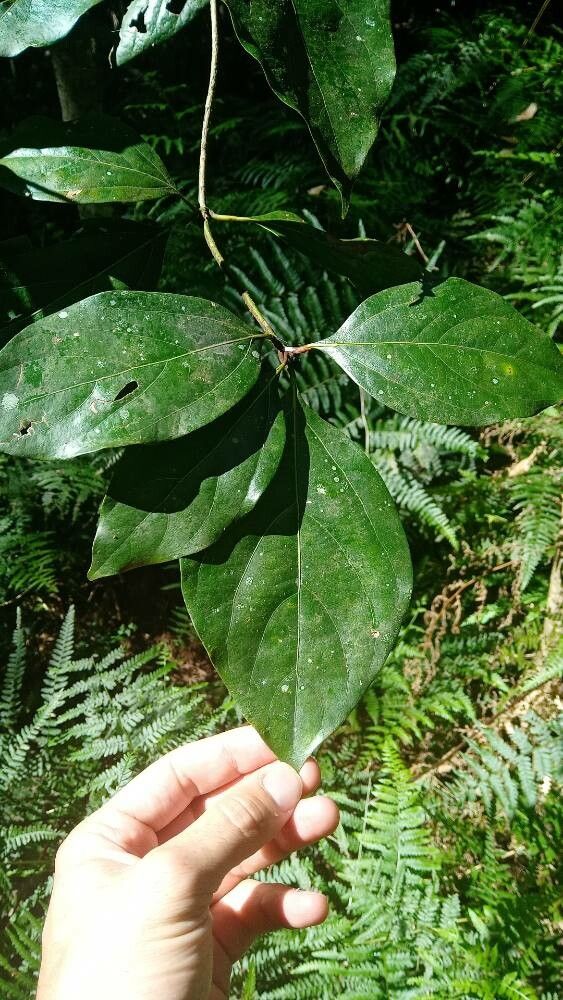
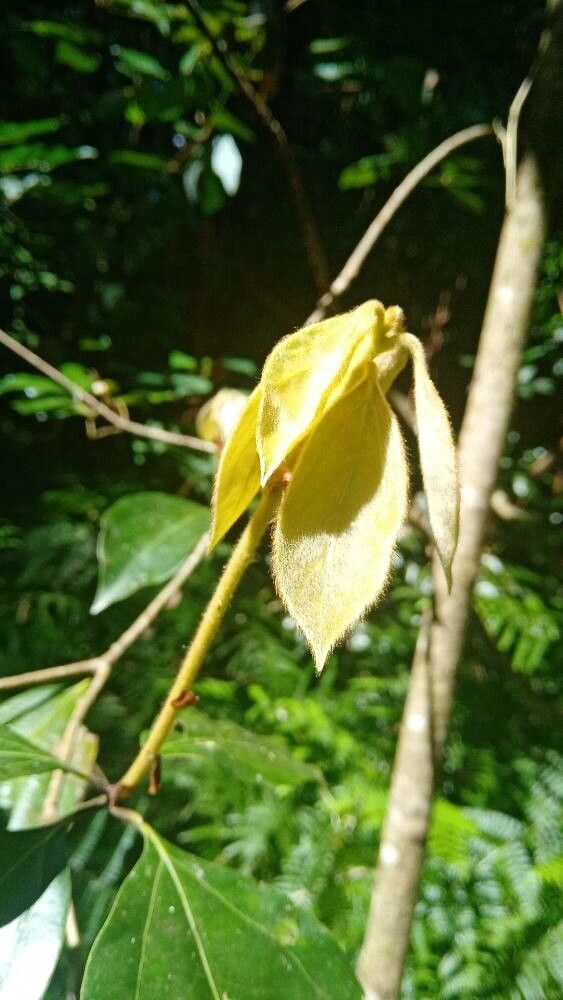
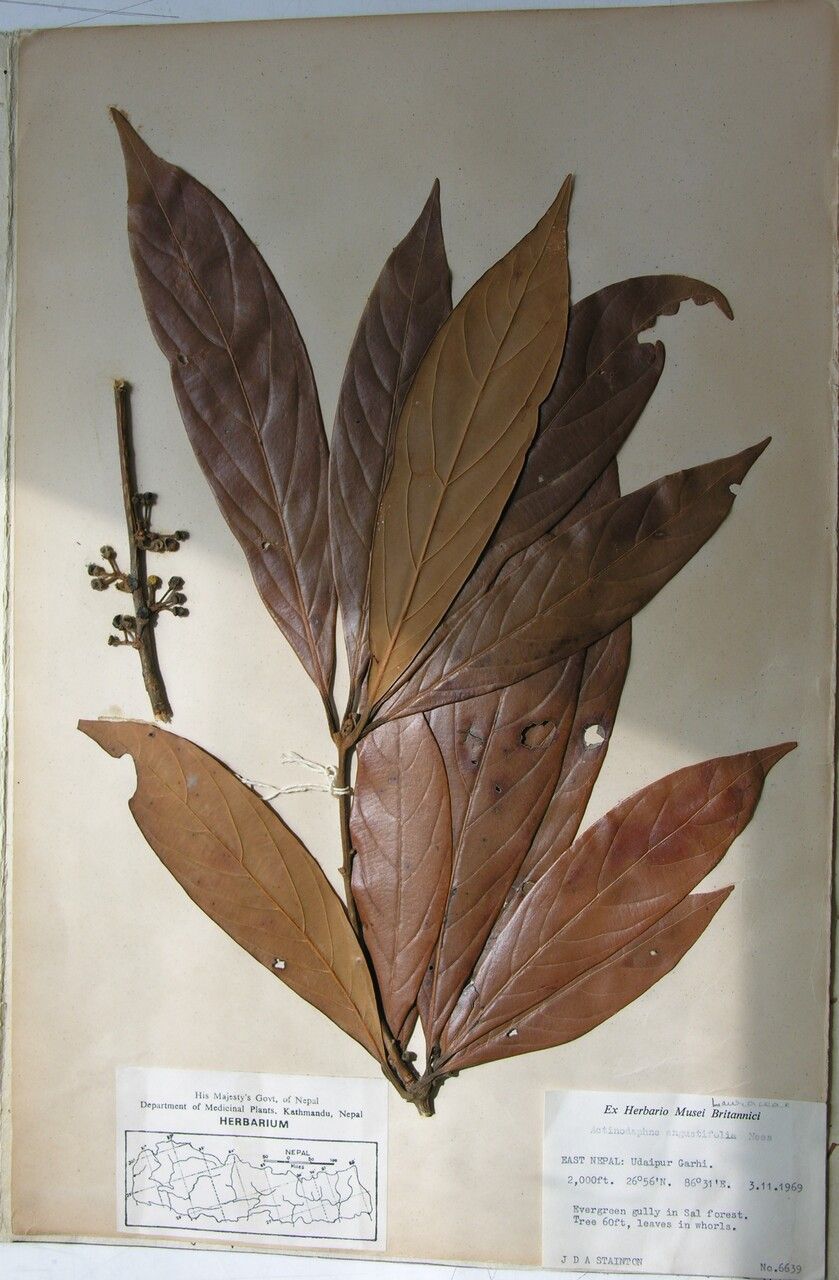
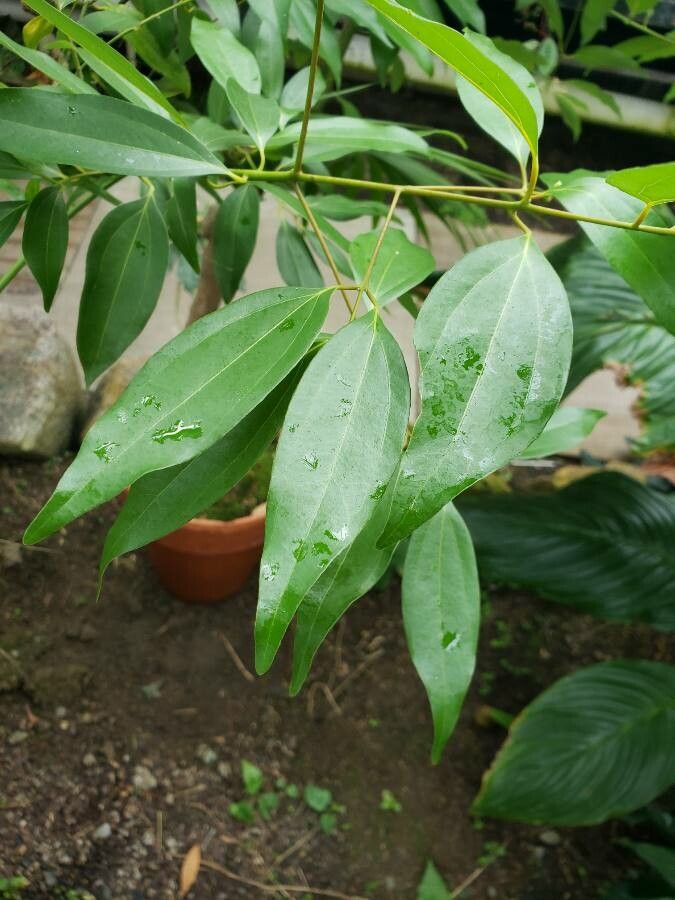
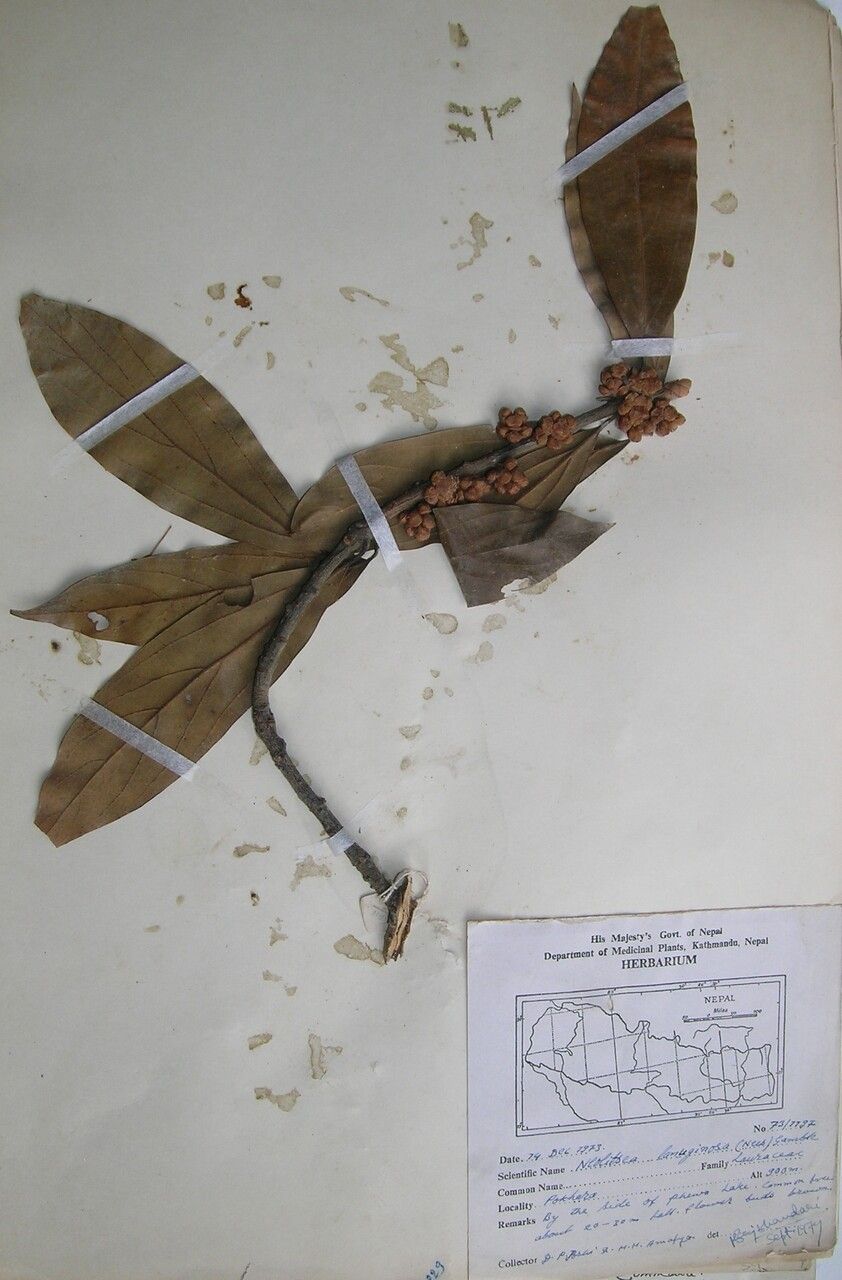
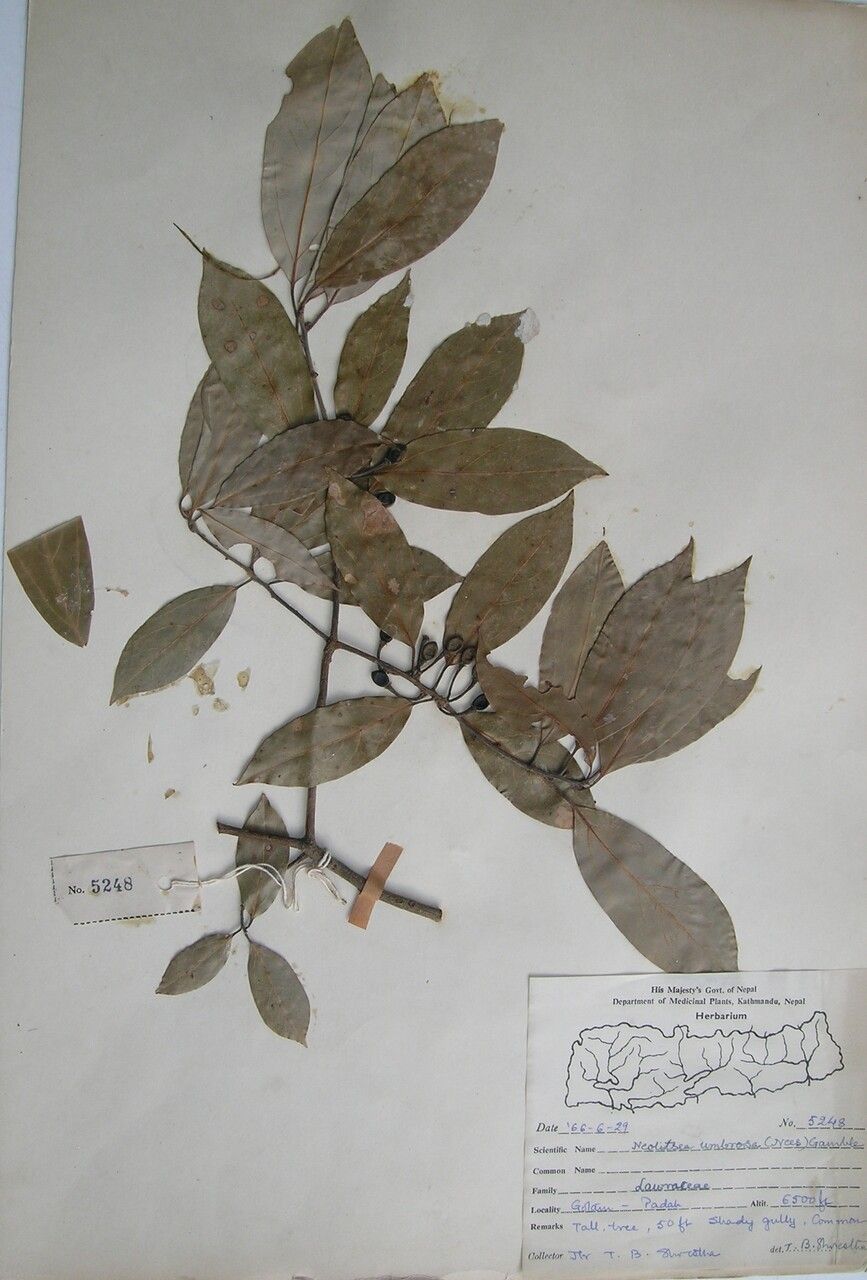
Neolitsea dealbata, also known as white bolly gum, hairy-leaved bolly gum, or simply bolly gum, is a shrub or small tree in the laurel family Lauraceae which is native to New South Wales and Queensland in Australia.
Hairy-leaved bolly gum is resistant to disease and typically not susceptible to illnesses. Regarding maintenance, this species is fairly low-maintenance. When grown outdoors it needs only infrequent watering, and larger specimens usually do not require pruning; smaller specimens should be trimmed after flowering. Hairy-leaved bolly gum is appropriate for anyone with outdoor space, like a garden or a deck, and does not demand extensive gardening experience.
How to keep Neolitsea Dealbata.
Light
Hairy-leaved bolly gum is native to habitats like forest understories and rocky areas, where it grows in natural shade. It prefers partial sun but can tolerate both full sun and full shade, showing its versatile, hardy nature.
Water
The hairy-leaved bolly gum thrives in humid environments and prefers consistent moisture, requiring weekly watering to grow well. It flourishes outdoors in gardens with climates similar to its natural habitat, where it can benefit from natural rainfall. To achieve optimal growth, it's important to balance moisture with proper drainage.
Temperature
Hairy-leaved bolly gum is quite adaptable to heat, tolerating high temperatures and significant temperature swings. In hot conditions, care should be taken to water it properly and provide suitable shade to avoid sunburn. Conversely, its resistance to cold is fairly limited; it can endure some chill, but very low temperatures may cause frost damage.
Fertilizer
Fertilize your Hairy-leaved bolly gum in early spring to encourage healthy growth. Regular feeding improves overall health, producing vigorous growth, increased tolerance of harsh conditions, and better resistance to diseases and pests. Keep to a specific fertilization schedule to ensure the foliage stays vibrant, deeply colored, and lush.
Pruning
The hairy-leaved bolly gum is characterized by its distinctive hairy leaves and benefits greatly from winter pruning. To promote growth and improve air circulation—which helps reduce pests—remove any dead or damaged branches. Pruning after the flowering period encourages new blooms and vigorous regrowth. For effective maintenance and to ensure the plant's health, always use clean, sharp tools.
Botanical profile.
- Plant Type
- Tree
- Life Cycle
- Perennial
- Genus
- Neolitsea
- Family
- Lauraceae
- Hardiness Zone
- 9-11
- Mature Height
- 10.06 m to 20.12 m
- Mature Spread
- 4.88 m to 7.92 m
- Leaf Color
- Dark Green, Silver
- Leaf Type
- Evergreen
- Flower Size
- 0.25 cm to 0.51 cm
- Bloom Time
- Late summer, Early fall, Mid fall
- Planting Time
- Spring, Summer, Autumn
- Harvest Time
- Late fall, Early winter, Mid winter