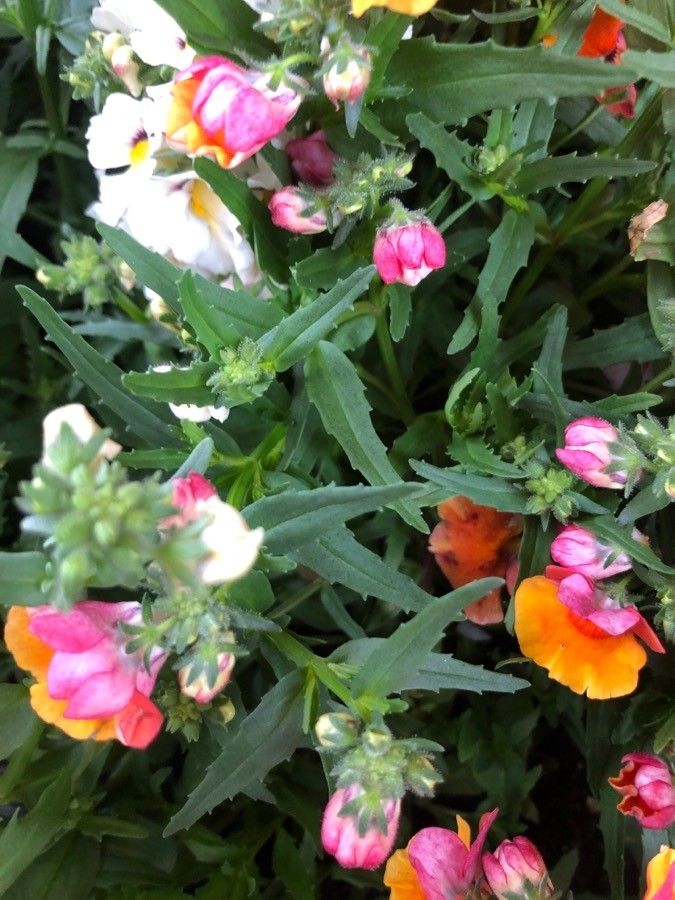
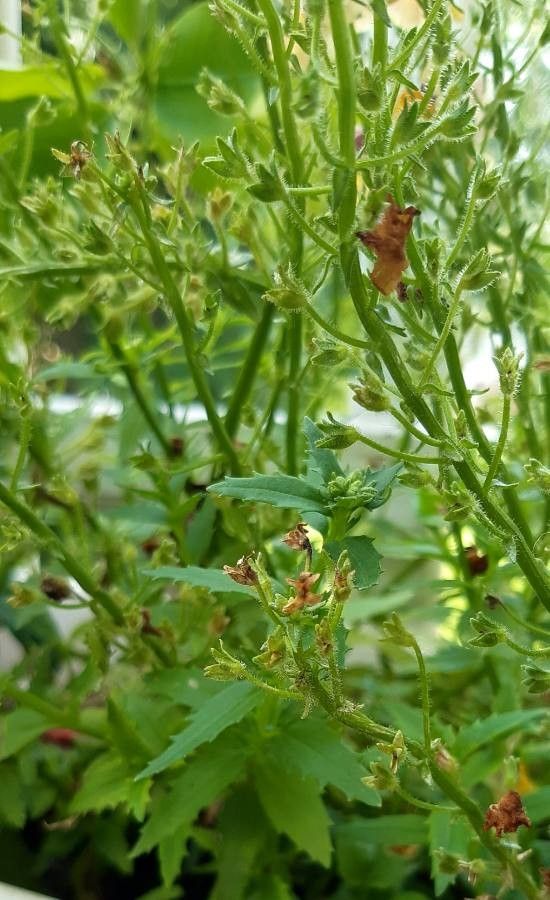
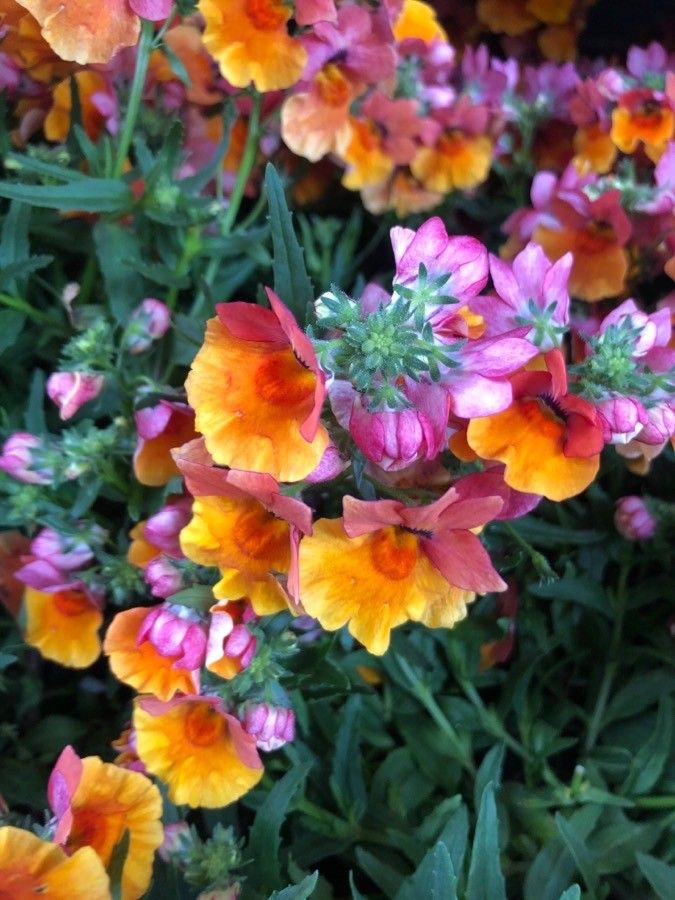
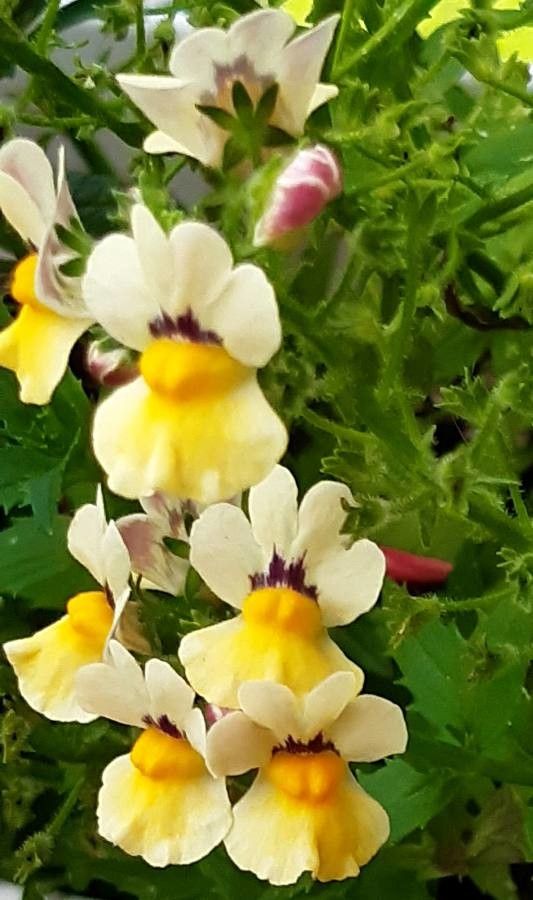
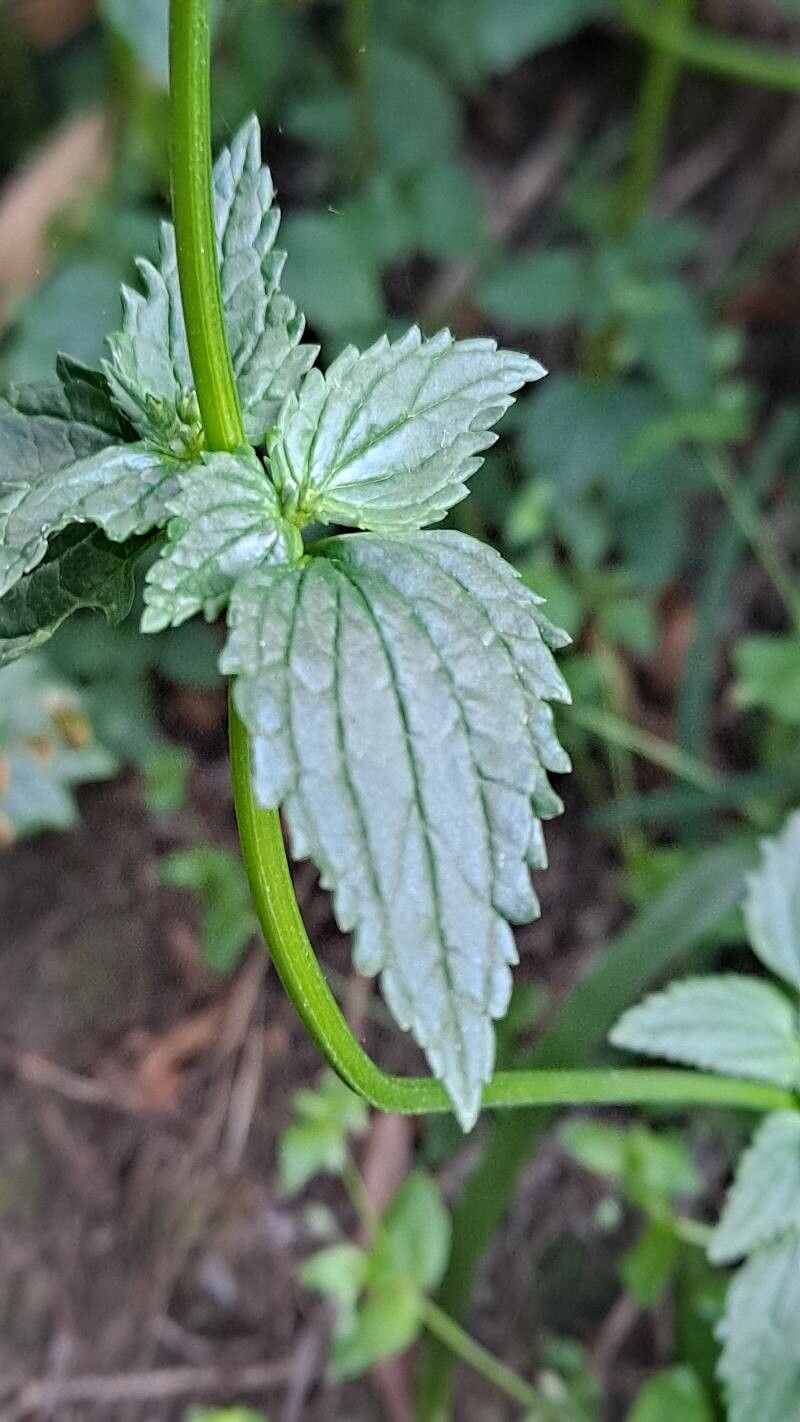
Nemesia strumosa, commonly known as Nemesia or Cape Jewels, is a flowering plant that belongs to the family Scrophulariaceae. Native to South Africa, it has gained popularity worldwide as a garden plant due to its vibrant and colorful flowers.
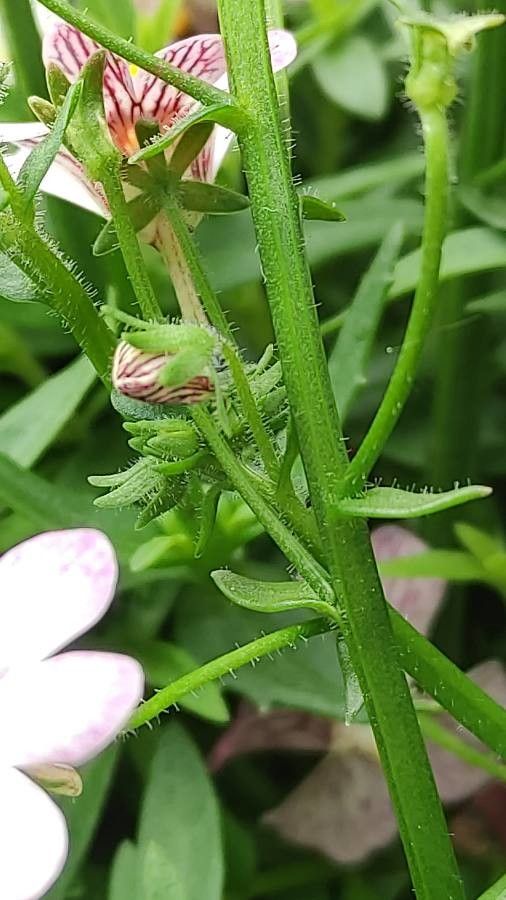
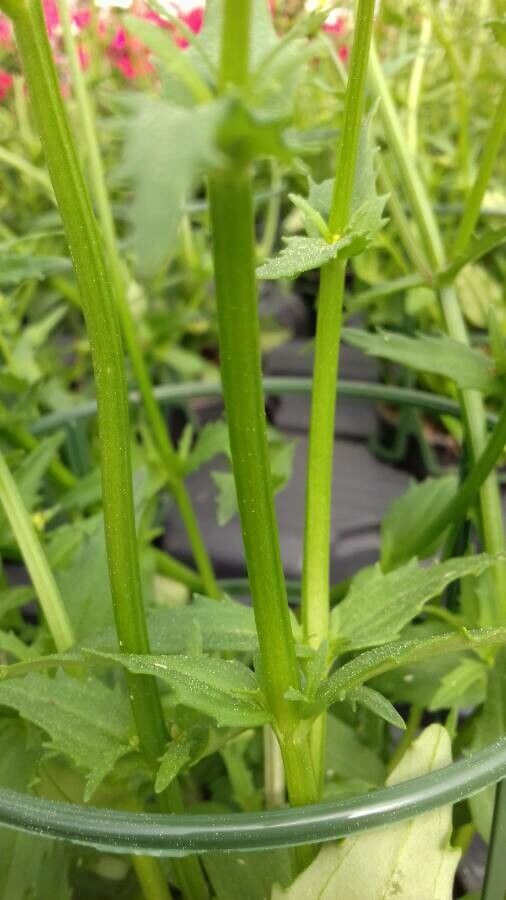
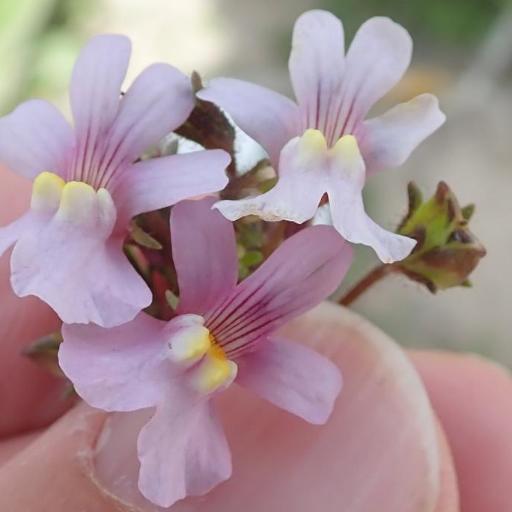
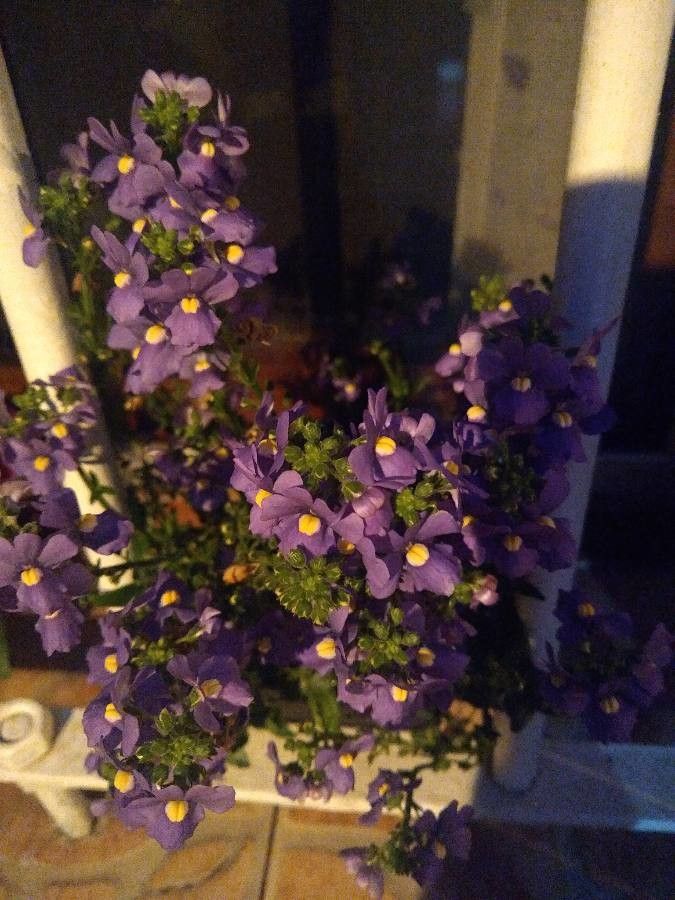
This plant grows up to 30 cm in height and has narrow, lance-shaped leaves that are either green or gray-green. The trumpet-shaped flowers, which have five petals, come in a variety of colors, including pink, purple, yellow, orange, and white.
Nemesia strumosa thrives in well-drained soil with full sun exposure but can also tolerate partial shade. It blooms from spring through summer and may continue flowering into autumn with regular deadheading.
Often used as an ornamental garden plant, Nemesia strumosa is perfect for borders or containers because of its attractive flowers. Additionally, it attracts pollinators such as bees and butterflies, making it beneficial for garden biodiversity.
In summary, Nemesia strumosa is an easy-to-grow flower that enhances the beauty of any garden while also providing ecological benefits by attracting pollinators.
Cape jewels shows strong disease resistance and is generally not prone to illnesses. Still, it can be affected by pests and diseases present in its environment. These problems are usually minor. For care, the plant needs moderate maintenance. It should be pruned regularly to keep a neat appearance and encourage healthy growth. Fertilizing can also help boost flowering. Cape jewels is suitable for anyone with outdoor space, such as a garden or patio, and does not demand extensive care experience. It may need more attention when grown indoors.
How to keep Nemesia Strumosa.
Light
Cape jewels performs best in locations that receive abundant sunlight throughout the day. It can tolerate some shade, but a severe lack of light can damage its health. Native to sun-drenched environments, it requires sufficient sun at every stage of growth. Too much sun can cause blooms to shrivel, while too little light limits its growth.
Water
Cape jewels thrive in moist, well-draining soil and need weekly watering to stay healthy. While they can tolerate some drought, they prefer consistent moisture, especially when they are flowering. Typically grown outdoors, cape jewels benefit from natural rain patterns, which help support their vibrant blooms.
Temperature
Cape jewels are native to temperate environments where temperatures generally range from 68 to 100 °F (20 to 38 ℃). They do best with consistent warmth. In cooler seasons, consider bringing cape jewels indoors or using a heat mat to maintain the optimal temperature.
Fertilizer
Once most of Cape jewels' blooms have opened to full size, it's time to resume fertilizing. At the point when blooms are at their peak production, start fertilizing again every three to four weeks, weather permitting. Then, when Cape jewels begins producing fewer new blooms, stop fertilizing; there's no need to feed the plant if it can no longer produce more blooms.
Pruning
Cape jewels benefit greatly from regular pruning, which includes deadheading and cutting back stems to encourage bushier growth. The best time to prune is from early to late spring, as this helps enhance flowering. Be sure to use sharp tools to prevent the spread of diseases, and quickly remove any dead or diseased material to maintain the plant's overall health.
Pot & Repot
When repotting Cape jewels, choose a pot that is 1–2 inches (2.5–5 cm) larger in diameter and ensure it has good drainage. Use a well-draining potting mix, and consider adding perlite for extra drainage. Repot in spring or early summer, then water thoroughly and place in a shady spot at first.
Botanical profile.
- Plant Type
- Herb
- Life Cycle
- Annual, Biennial, Perennial
- Genus
- Nemesia
- Family
- Scrophulariaceae
- Hardiness Zone
- 6-11
- Mature Height
- 30 cm to 40 cm
- Mature Spread
- 49 cm
- Leaf Color
- Green, Blue
- Leaf Type
- Deciduous
- Flower Color
- Orange, Yellow, White, Pink, Purple
- Flower Size
- 2.54 cm to 5.08 cm
- Bloom Time
- Mid spring, Late spring, Early summer
- Planting Time
- Spring, Summer
- Harvest Time
- Late spring, Early summer, Mid summer
- Native Area
- South Africa
Other names.
Reader questions.
How should I water my Cape jewels?
To water Cape jewels, you have various options such as using a garden hose with a spray nozzle or a watering can. Luckily, Cape jewels are not too particular about their water source, as they can thrive on rainwater, tap water, or filtered water. However, it is generally best to avoid watering this plant from above as it can harm the leaves and flowers and potentially lead to disease. Instead, a drip irrigation system is often recommended as it evenly and directly applies water to the soil. In the case of a container-grown Cape jewels, the watering technique remains similar, but you can switch to a cup, watering can, or your tap to water directly at the soil level.
Why should I put fertilizer on my Cape jewels?
Plants, including Cape jewels, require nutrients to survive. This is a well-known fact among gardeners, regardless of their experience. It's crucial to provide the right type and amount of nutrients to ensure the Cape jewels don't die out soon after pollination. Fertilizer is particularly beneficial for these plants, as it helps them develop a strong and healthy root system. Cape jewels have delicate and thin roots that are prone to damage, so fertilizing at planting is essential. This helps the plants establish a stable foundation and prepares them for an impressive flowering display. Properly timed fertilization can also significantly lengthen the Cape jewels' blooming season.
What are the sunlight requirements for Cape jewels?
Cape jewels flourish under substantial sun exposure, necessitating above 6 hours of sunlight for 'Full sun' conditions and about 3-6 hours for 'Partial sun'. It's vital to observe how sunlight navigates through your garden to find the ideal balance of light and shade, ensuring the plants' well-being. Originating from sun-soaked regions, Cape jewels need sufficient sunlight at all growth stages; too much sun may cause blooms to wither, while too little can stunt growth.
What is the native environment of Cape Jewels?
Cape Jewels, botanically known as Nemesia strumosa, is native to temperate environments. It is accustomed to temperatures typically ranging from 68 to 100 °F (20 to 38 °C), thriving in conditions of consistent warmth. Given its preference for warmer temperatures, during cooler seasons, it is advisable to move Cape Jewels indoors or utilize a heat mat to maintain the necessary warmth for its optimal growth.
What should I do if I give too much or too little water to my Cape jewels?
To prevent underwatering your Cape jewels, simply water it more regularly when you notice it lacks moisture. Overwatering, on the other hand, can be a problem with more serious consequences. It can lead to diseases and eventual death of the plant. To prevent this, choose a suitable location for your Cape jewels that receives ample sunlight to dry the soil and has good drainage to prevent waterlogging. If you have overwatered your Cape jewels in a pot, consider repotting it. Make sure the new pot has proper drainage and use loose soil to promote efficient drainage.
When should I fertilize my Cape jewels?
Cape jewels experiences significant growth early in the growing season, once the last frost risk has passed. This is the ideal time to fertilize Cape jewels, specifically during planting. Whether you choose to plant it in the ground or in planters, applying fertilizer at this stage is crucial. This initial dose of fertilizer will sustain the plant until later in the year when blooms are abundant. Once the season is in full swing and most of Cape jewels' blooms have reached their full size, it's time to resume fertilizing. This should be done every three to four weeks, depending on the weather, around the period when blooms are at their peak. As Cape jewels starts producing fewer new blooms, it's time to stop fertilizing. There's no need to continue fertilizing when the plant is no longer able to produce more blooms.
How can artificial lighting benefit indoor Cape jewels plants?
For optimal growth, indoor Cape jewels require adequate lighting, especially when natural sunlight is lacking due to seasonal changes or less sunny locations. Artificial lights serve as a crucial alternative, encouraging healthier, faster growth. Using the correct type of artificial light, such as LED lights, which can offer specific wavelengths needed by the plants, is essential. Full sun plants need an intensity of 30-50W/sq ft, partial sun plants 20-30W/sq ft, and full shade plants 10-20W/sq ft of artificial light. The light source should be placed 12-36 inches above the plant to imitate natural sunlight, for about 8-12 hours per day.
How does Cape Jewels respond to cooler temperatures and frost?
Cape Jewels has a notable cold resistance, making special frost protection measures usually unnecessary during the winter. However, in regions where winter temperatures are expected to plummet below -25°C, it is crucial to ensure the plant is well protected against the cold. This protection can be provided by covering the plant with insulating materials such as soil or straw. Additionally, before the onset of the first freeze in autumn, it is recommended to water the plant copiously to ensure the soil remains moist and enters a frozen state. This precaution helps prevent drought and water scarcity for the plant during the harsher winter and early spring months.
How frequently should I water my Cape jewels?
Cape jewels require regular watering throughout the growing season. In spring, watering once per week is sufficient. As the season progresses and it gets warmer, you may need to water two to three times per week. However, watering it excessively can harm the plant. It's important to keep the soil somewhat moist but not overly wet regardless of your watering schedule. If you have Cape jewels in a pot, you'll need to water it more frequently compared to those planted in the ground. Generally, watering a potted Cape jewels a few times per week is recommended, while an in-ground plant only needs watering once per week.
When should I not put fertilizer on my Cape jewels?
Regular fertilizing is important for Cape jewels, but it's crucial to apply it at the right time. There are certain situations where it's best to hold back on fertilizing. These situations are usually related to the climate or controllable factors. If something is wrong with the plant, soil, or climate, it's better to wait until the issues are resolved and the plant recovers. For example, if there are severe or unexpected changes in the weather, such as a sudden cold snap in the middle of summer, it's best to wait until the temperature warms up before fertilizing. Similarly, if the soil is too dry or too packed to absorb anything, applying fertilizer will only benefit the roots directly, which is not ideal for Cape jewels. It's also important to avoid applying fertilizer when temperatures soar during the hottest parts of the day and reach around 90 degrees Fahrenheit. The speed at which fertilizer breaks down can be affected by temperature, so it's best not to let hot temperatures break it down too quickly. Additionally, any pests or diseases should be treated and cleared up before re-fertilizing.
What are common symptoms of inadequate lighting in Cape jewels?
When Cape jewels are grown indoors under insufficient light, they may exhibit symptoms such as small or lighter-colored new leaves, leggy or sparse growth, faster leaf drop, slower or halted growth, and signs of chlorosis or sunscald. Chlorosis involves leaves turning yellow due to chlorophyll breakdown, while sunscald refers to damage from intense light exposure. Additionally, leaf curling, wilting, and leaf scorching might occur under extreme sunlight, indicating the plant's struggle with the lighting conditions.
What are the important symptoms and solutions for Cape Jewels in low temperature conditions?
Cape Jewels exhibits a high tolerance for cold and typically thrives when temperatures remain above 20°C. In winter, it is essential to keep the temperature above 0°C for the health of the plant. Exposure to temperatures below -25°C might not show immediate damage during winter, but it can lead to a decrease in sprouting, or in some cases, no sprouting at all come springtime. The recommended solution for any parts of the plant that fail to sprout in spring is to remove them, promoting healthier growth for the remainder of the plant.