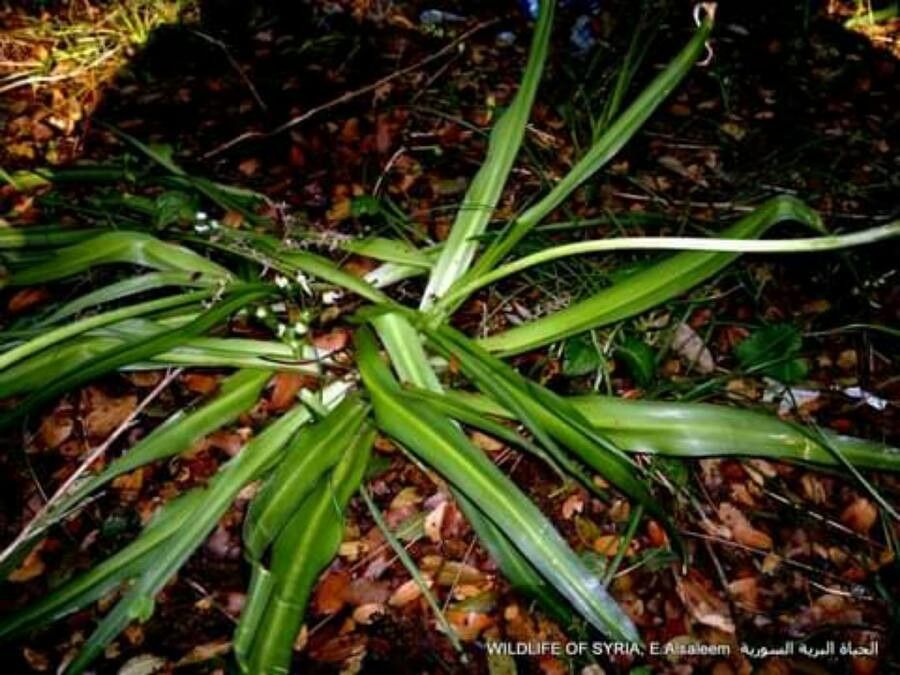
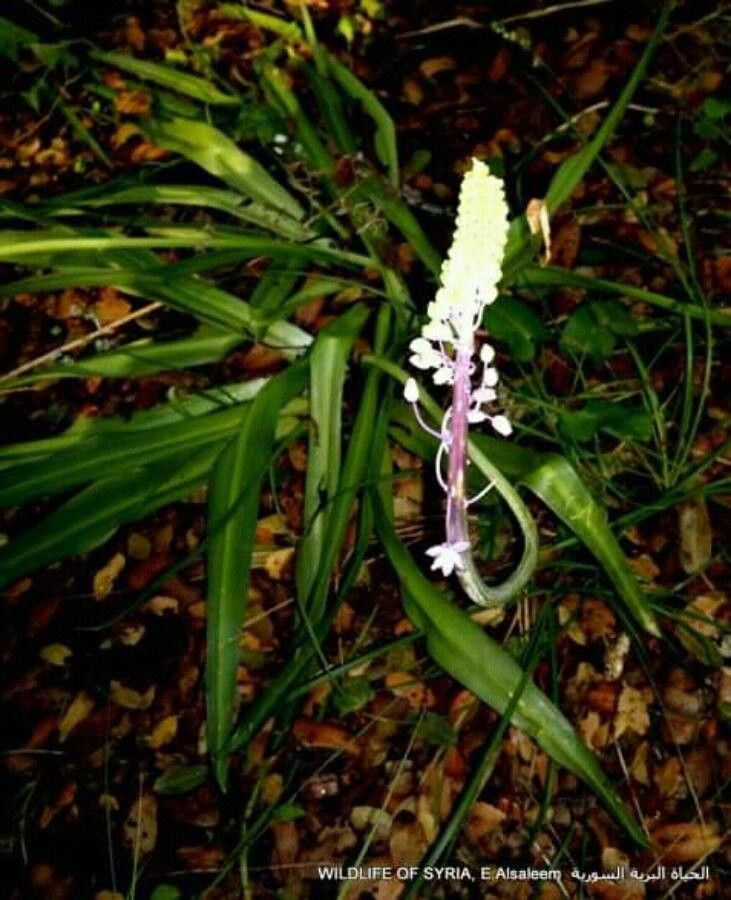
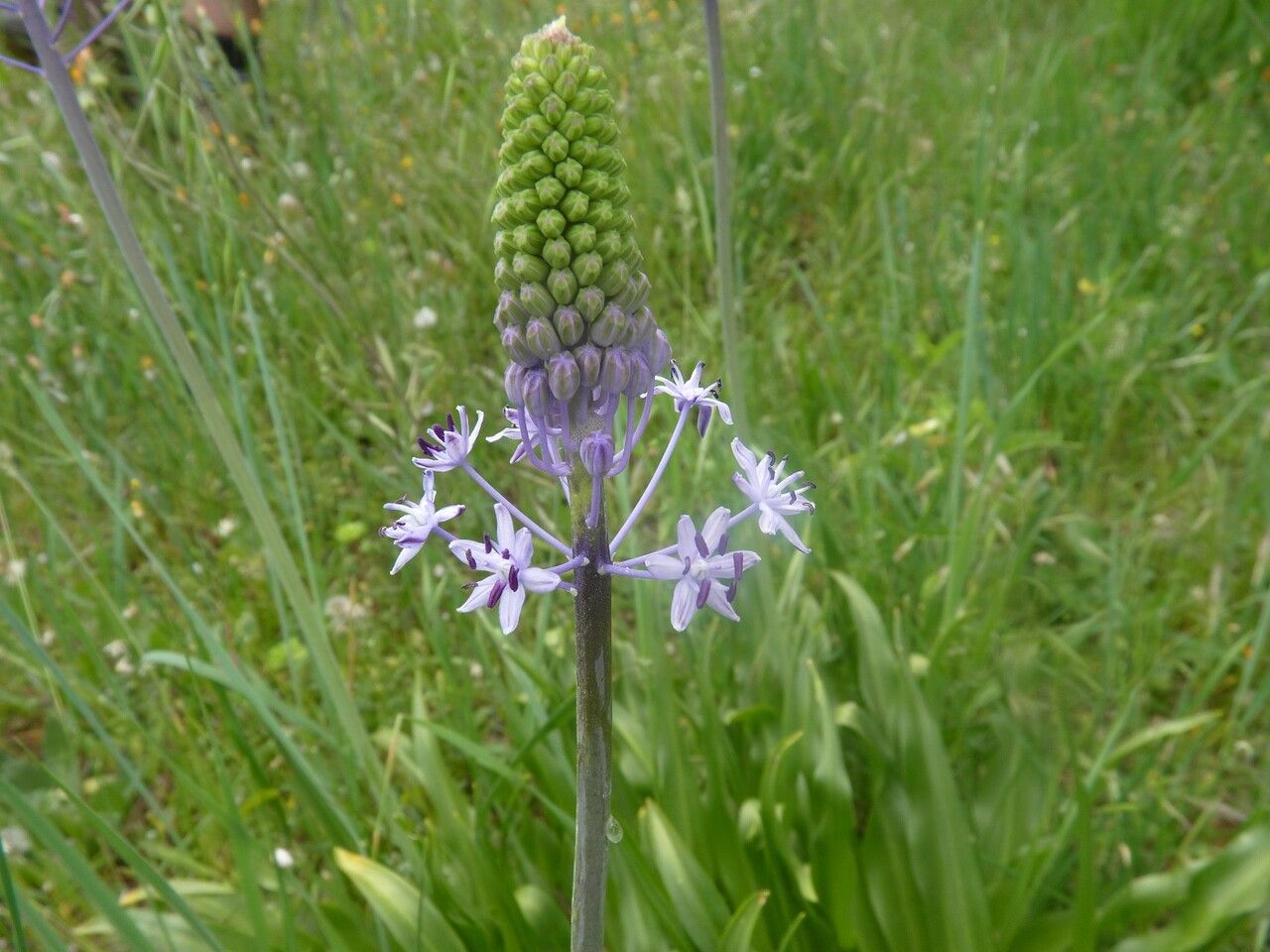
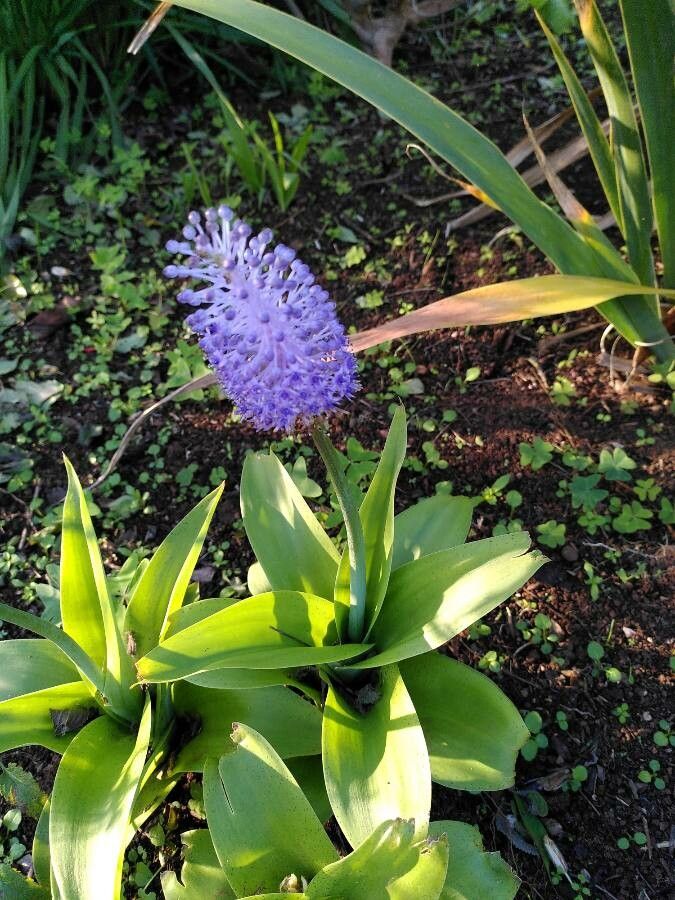
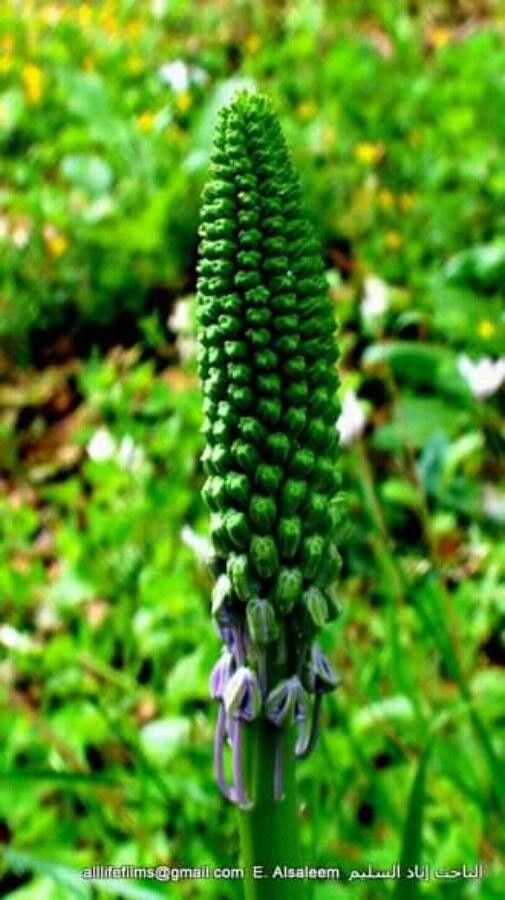
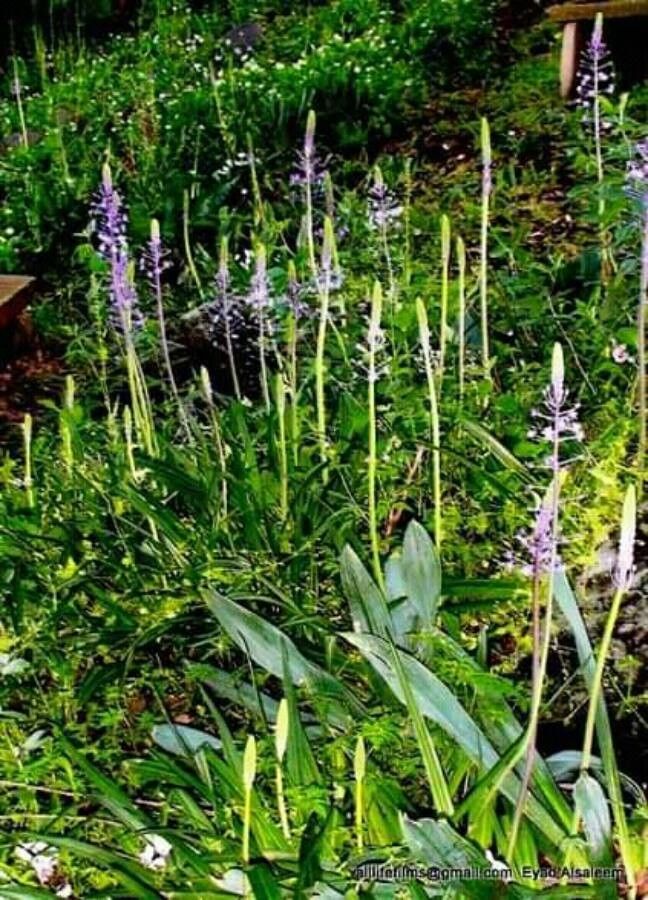
Hyacinth bluebell is fairly disease-resistant and generally not prone to illness. However, it can be affected by pests and diseases present in its surroundings. These problems are usually mild. For care, this plant needs moderate maintenance. It should be pruned regularly to maintain a neat appearance and healthy growth. Fertilizing can also help encourage flowering. Hyacinth bluebell is suitable for people with outdoor spaces such as a garden or patio and does not require extensive experience in care. It may need more attention when grown indoors.
How to keep Nectaroscilla Hyacinthoides.
Light
Hyacinth bluebell grows best when it receives ample sunlight throughout the day, though it can tolerate locations with less exposure. This connection to its natural habitat helps maintain healthy growth and coloration. Too much sun can stress the plant, while too little light may prevent it from flowering.
Temperature
Hyacinth bluebell originates from temperate regions where temperatures typically range from 59 to 95 °F (15 to 35 ℃). The plant favors mild conditions and may need measures such as shading or misting during intense summer heat.
Fertilizer
For Hyacinth bluebell, the primary time to apply fertilizer is early spring, while the flowers are developing. Using the appropriate fertilizer promotes stronger blooms and helps the Hyacinth bluebell produce attractive flowers. Fertilizing at this early-spring stage guarantees superior flowering throughout the season and supplies energy for periods of dormancy.
Botanical profile.
- Plant Type
- Herb
- Life Cycle
- Perennial
- Genus
- Nectaroscilla
- Family
- Asparagaceae
- Hardiness Zone
- 7-9
- Mature Height
- 61 cm
- Mature Spread
- 20 cm
- Leaf Color
- Green
- Leaf Type
- Deciduous
- Flower Color
- Blue, Purple, White
- Flower Size
- 60.96 cm to 91.44 cm
- Bloom Time
- Early spring, Mid spring
- Planting Time
- Spring, Summer
- Harvest Time
- Late spring, Early summer
Other names.