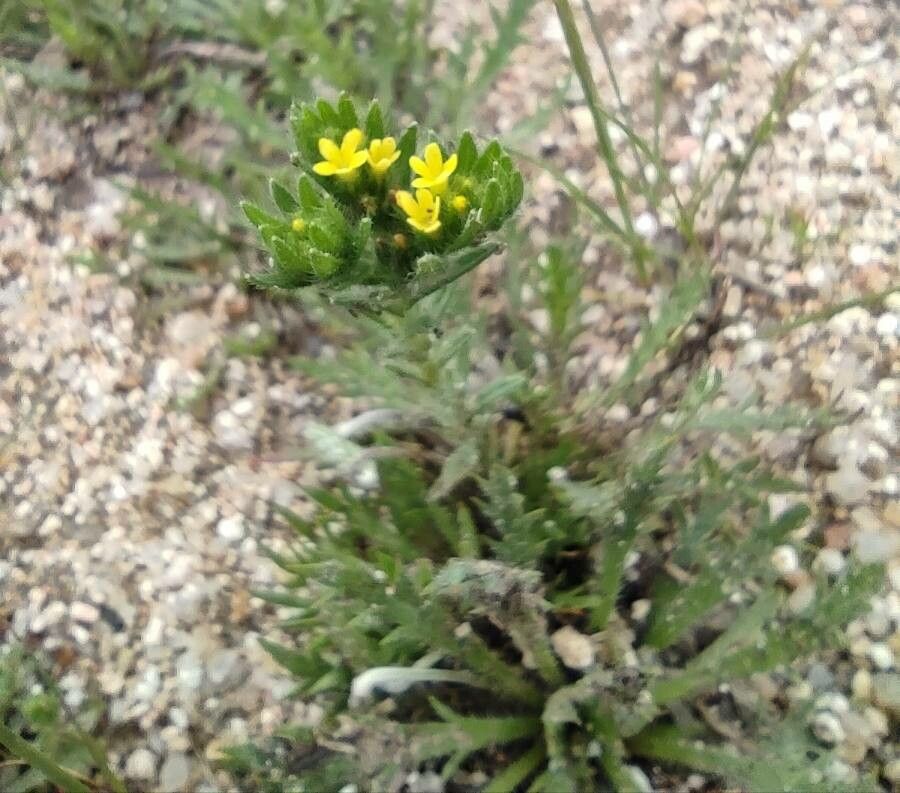
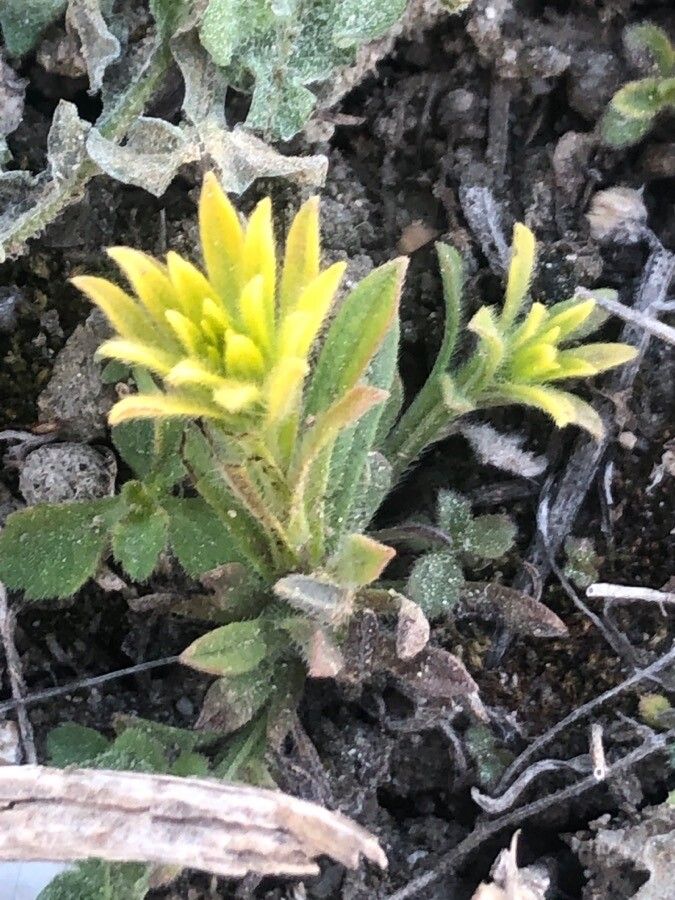
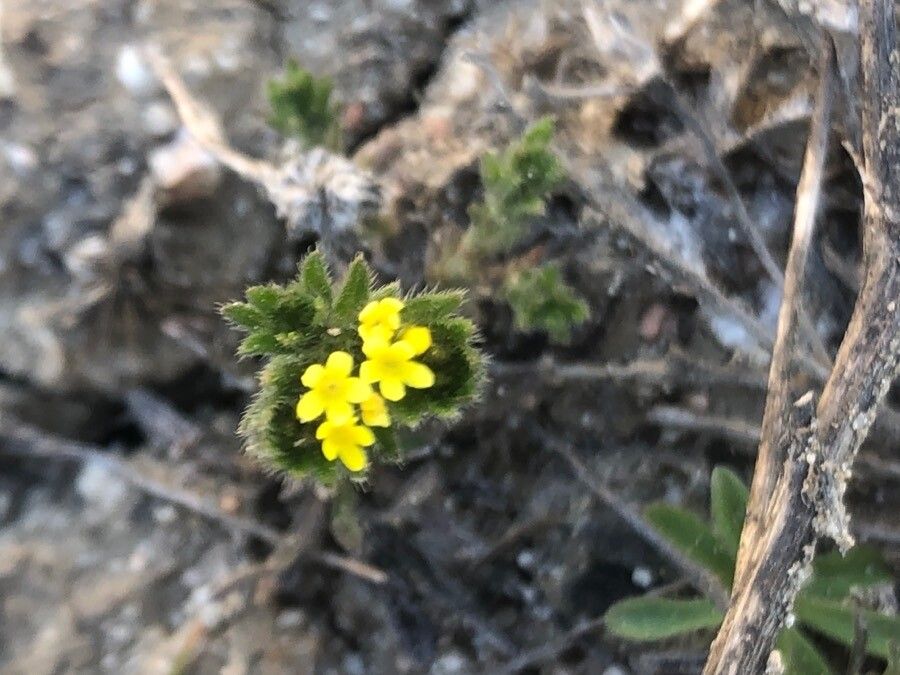
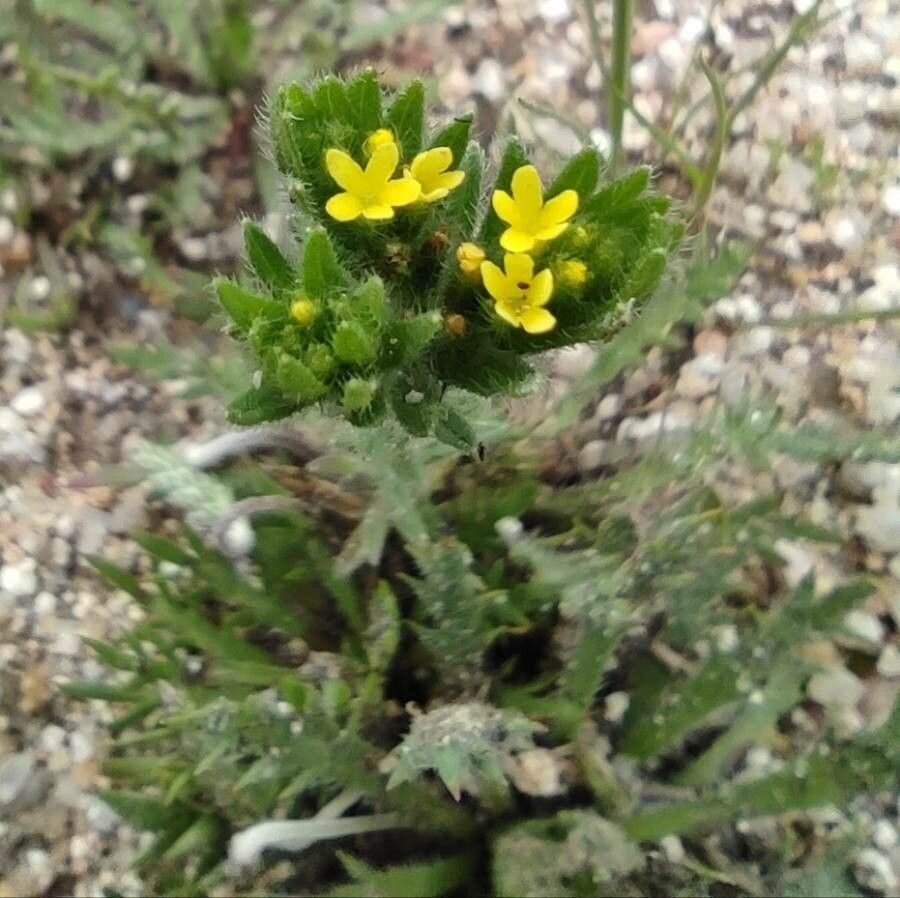
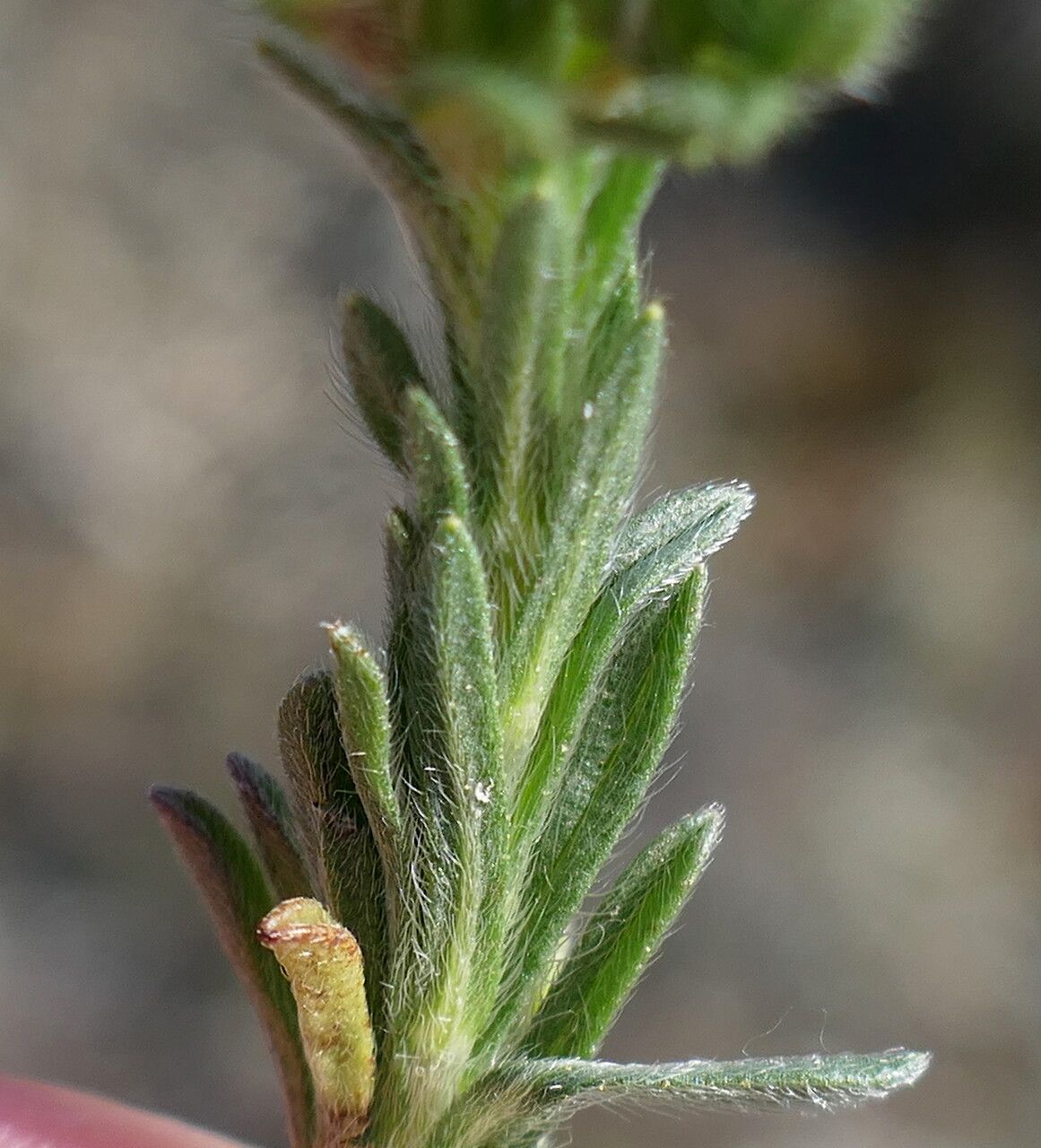
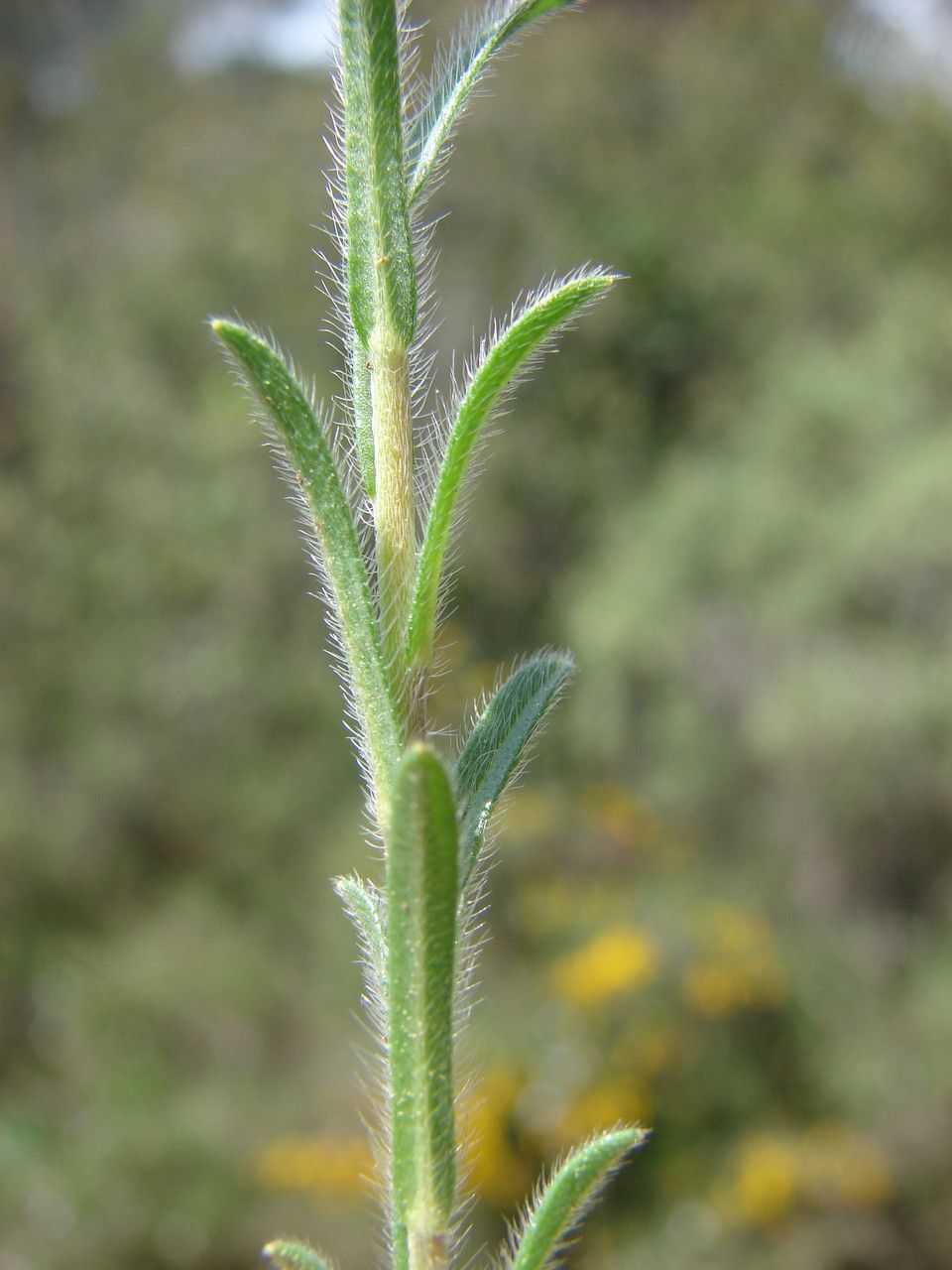
Neatostema is a monotypic genus of flowering plants belonging to the family Boraginaceae. The only species is Neatostema apulum.Its native range is Canary Islands, Mediterranean to Northern Arabian Peninsula.
Yellow gromwell has strong disease resistance and is generally not easily affected by illnesses. However, it can be vulnerable to pests and diseases present in its environment. These issues are usually mild. Regarding care, the plant requires moderate maintenance. Regular pruning is necessary to keep a good appearance and support healthy growth. Fertilizing can also help encourage flowering. Yellow gromwell is appropriate for anyone with outdoor space, such as a garden or patio, and does not demand extensive care experience. It may need more attention when grown indoors.
How to keep Neatostema Apulum.
Light
Yellow gromwell comes from sunlit, open sites and flourishes in full sun. It can tolerate partial sun but prefers direct sunlight for the best growth. This plant, which may be annual or biennial, is recognized for its sun-loving nature.
Water
Yellow gromwell thrives in Mediterranean climates, preferring infrequent watering and showing moderate drought tolerance. It generally requires watering once a week. When grown outdoors, yellow gromwell benefits from natural rainfall, which aligns better with its water needs compared to indoor cultivation.
Temperature
Yellow gromwell is native to habitats where temperatures typically fall between 68 and 95 °F (20 and 35 °C). It does particularly well in warm climates. For optimal growth, set temperatures to its preferred range, especially during seasonal shifts.
Fertilizer
Yellow gromwell benefits from regular, dilute applications of fertilizer to encourage healthy leaf growth. You should feed Yellow gromwell about once a month during the summer. Nitrogen is essential for foliage, and providing nitrogen-rich sources supports Yellow gromwell's vigorous growth.
Pruning
Yellow gromwell benefits greatly from pruning between early and late spring, as this encourages new growth and flowering. Be sure to trim any dead stems and use sterilized tools to prevent the spread of disease. It's also important to remove any competing vegetation to improve air circulation and sunlight exposure, promoting optimal health for the plant.
Botanical profile.
- Plant Type
- Herb
- Life Cycle
- Annual
- Genus
- Neatostema
- Family
- Boraginaceae
- Hardiness Zone
- 8-10
- Mature Height
- 15 cm
- Mature Spread
- 10 cm to 25 cm
- Leaf Color
- Green
- Leaf Type
- Deciduous
- Flower Color
- Yellow
- Flower Size
- 0.51 cm to 0.51 cm
- Bloom Time
- Spring
- Planting Time
- Spring, Summer
- Harvest Time
- Late spring, Early summer, Mid summer
- Native Area
- Libya, Tunisia, Turkey, Cyprus, Bulgaria, Greece, Croatia, Morocco, Serbia, Russia, Iraq, Portugal, Italy, Spain, Iran, Albania, Algeria, France
Other names.
Reader questions.
How should I water my Yellow gromwell?
To water Yellow gromwell, you have several options: a garden hose with a spray nozzle, a watering can, or any other common watering tool. Yellow gromwell isn't too particular about its water source, it can thrive on rainwater, tap water, or filtered water. However, it's generally best to avoid watering this plant from above as it can harm the leaves, flowers, and potentially lead to disease. Instead, a drip irrigation system is often the most effective way to water Yellow gromwell as it delivers water evenly and directly to the soil. When dealing with a Yellow gromwell in a container, you'll follow a similar watering technique but use different tools. For container-grown Yellow gromwell, you can use a cup, watering can, or tap to water the soil directly.
What are the sunlight requirements for Yellow gromwell?
Yellow gromwell thrives in environments that provide full sun, requiring above 6 hours of sunlight daily for optimal growth. It can also tolerate partial sun, needing about 3-6 hours of sunlight. This annual and biennial plant prefers bright, open environments to grow healthily. When planning your garden or choosing a spot for your Yellow gromwell, observe how sunlight moves through the area. Select locations that offer a balance of light and shade to ensure your plant's happiness and health.
What is the optimal temperature range for Yellow gromwell?
Yellow gromwell, also known by its botanical name Neatostema apulum, thrives best in warm climates, particularly where temperatures typically range from 68 to 95 °F (20 to 35 °C). This plant is indigenous to environments that generally maintain these temperatures, making it well-suited for areas with warm climates. Adjusting temperatures to stay within this preferred range, especially during seasonal changes, is crucial for the optimal growth of Yellow gromwell.
What should I do if I give my Yellow gromwell too much or too little water?
To remedy underwatering in Yellow gromwell, simply water it more regularly when you notice it lacks moisture. However, overwatering can be a bigger problem. It can lead to diseases, decline, and eventual death of the plant. To prevent this, choose a location with ample sunlight for soil drying and good drainage to prevent waterlogging. If you overwater a potted Yellow gromwell, consider changing to a new pot with better drainage and adding loose soil during the repotting process.
How can artificial lighting support Yellow gromwell's growth indoors?
Indoor plants, including Yellow gromwell, require adequate lighting for optimal growth. When natural sunlight is insufficient, particularly during winter or in spaces with less sunlight, artificial lighting becomes essential. LED lights are a good choice as they can be customized to provide specific wavelengths needed by plants. Full sun plants need between 30-50W per square foot of artificial light, while partial sun plants need 20-30W per square foot. The light source should be placed 12-36 inches above the plant, mimicking natural sunlight as closely as possible. Most plants benefit from 8-12 hours of artificial light per day to promote faster and healthier growth.
How does Yellow gromwell tolerate cold temperatures?
Yellow gromwell exhibits some tolerance to cold temperatures and generally does not require additional cold protection measures when the temperature is above 0°C. However, if temperatures are expected to drop below 0°C, it's necessary to take temporary measures to protect the plant from cold. This can include wrapping the plant with materials like plastic film, fabric, or other protective materials. Once the temperature rises again, these protective measures should be removed to prevent any potential damage to the plant.
How frequently should I water my Yellow gromwell?
Yellow gromwell requires regular watering throughout the growing season. In the spring, it should be watered once a week. As the season progresses and the weather gets warmer, watering may need to increase to two or three times per week. However, exceeding this rate can be harmful to the plant. It is important to keep the soil moist but not wet. When watering Yellow gromwell in a pot, the frequency should be increased as the soil in pots can dry out faster. Typically, container-grown Yellow gromwell should be watered a few times per week, compared to once per week for plants in the ground.
What symptoms indicate Yellow gromwell is not getting enough light?
Yellow gromwell exhibits several symptoms when it does not receive adequate light, indicating a need for better lighting conditions. These symptoms include smaller new leaves compared to mature ones, leggy or sparse growth, faster leaf drop, slower or no new growth, and lighter-colored new leaves. These symptoms show the plant is struggling to photosynthesize properly due to insufficient light. Additionally, excessive sunlight can cause chlorosis, sunscald, leaf curling, wilting, and leaf scorching, highlighting the importance of monitoring and adjusting the plant's exposure to sunlight.
What should I do if Yellow gromwell is exposed to low temperatures below its tolerance?
If Yellow gromwell is exposed to temperatures below its moderate tolerance level, especially during winter when it's crucial to keep it above 0°C, and it experiences temperatures below -10°C, the leaves may begin to droop, wilt, and eventually fall off in severe cases. To address this, trim off the frost-damaged parts of the plant. Before encountering low temperatures again, wrap the plant with non-woven fabric or cloth, and construct a wind barrier to protect it from cold wind as preventative measures.
How much water does my Yellow gromwell plant need?
There are a few ways to decide how much water your Yellow gromwell needs. Some gardeners prefer to check the soil's moisture by feeling it. They suggest watering until the top 6 inches of soil feels moist. Another option is to use a specific measurement. Generally, giving your Yellow gromwell about 2 gallons of water per week should work, but this can vary based on temperature and how quickly the soil dries out. Be cautious with strict guidelines, as your plant may need less water. If growing in a container, a different approach is needed. Water enough to moisten all the dry soil layers. Check for moisture by sticking your finger in the soil or wait for excess water to trickle out of the drainage holes.
What are the solutions for Yellow gromwell facing light deficiency?
To combat light deficiency in Yellow gromwell, gradually move the plants to a sunnier location each week, aiming for at least 6 hours of direct sunlight daily. If using a south-facing window, keep curtains open during the day for maximum sunlight and nutrient accumulation. For large or immovable plants indoors, consider artificial lighting, keeping a desk or ceiling lamp on for at least 8 hours daily or investing in grow lights. Outdoors, avoid sudden light intensity changes to prevent sunburn. Observe your environment for sunlight obstructions; pruning or transplanting may be necessary for better exposure. While parts of the plant damaged by insufficient light might not recover, new growth under improved conditions will be healthy.
How should Yellow gromwell be cared for during high temperatures?
During the summer, it's important to ensure that Yellow gromwell is kept in conditions below 35°C to prevent stress from high temperatures. Exposure to temperatures above 41°C can cause the leaves to lighten in color, tip burn, curling, and increases susceptibility to sunburn. To mitigate these issues, trim away any sunburned or dried-up parts of the plant. Relocate the plant to a shaded area during the peak sun hours or use a shade cloth. Additionally, watering the plant in the morning and evening can help keep the soil moist and reduce heat stress.