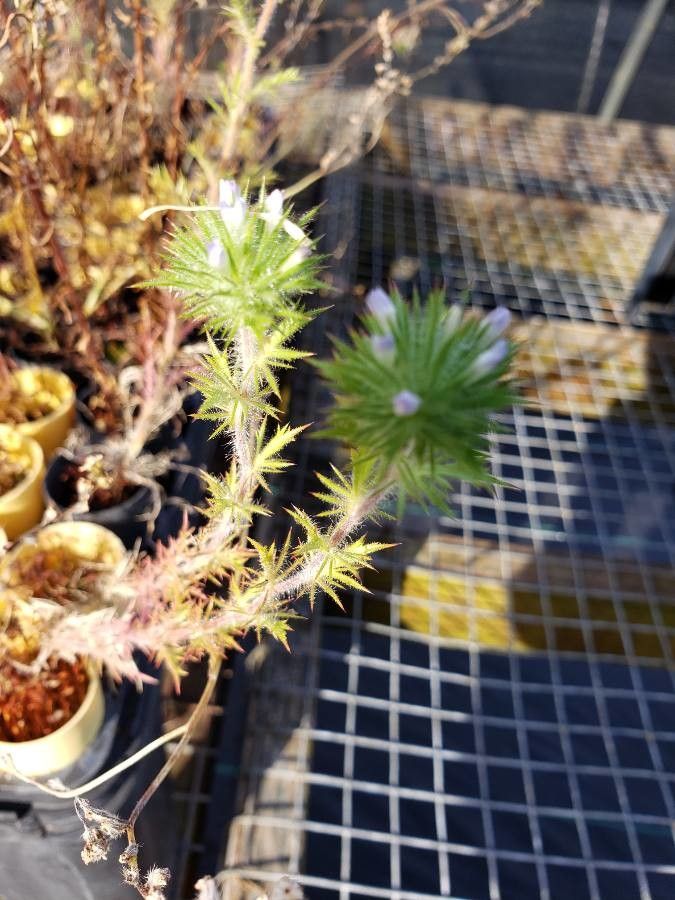
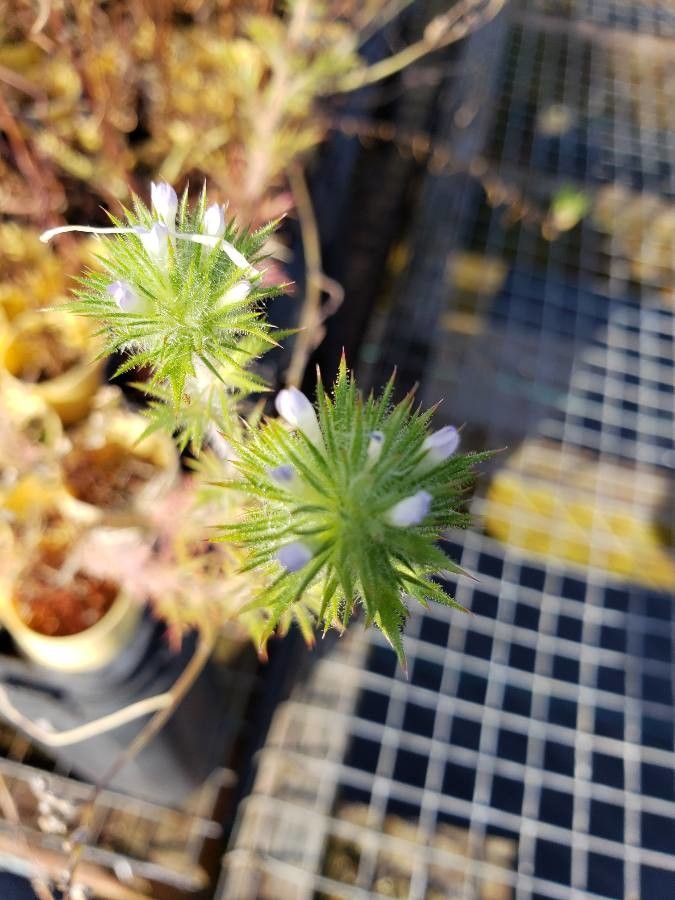
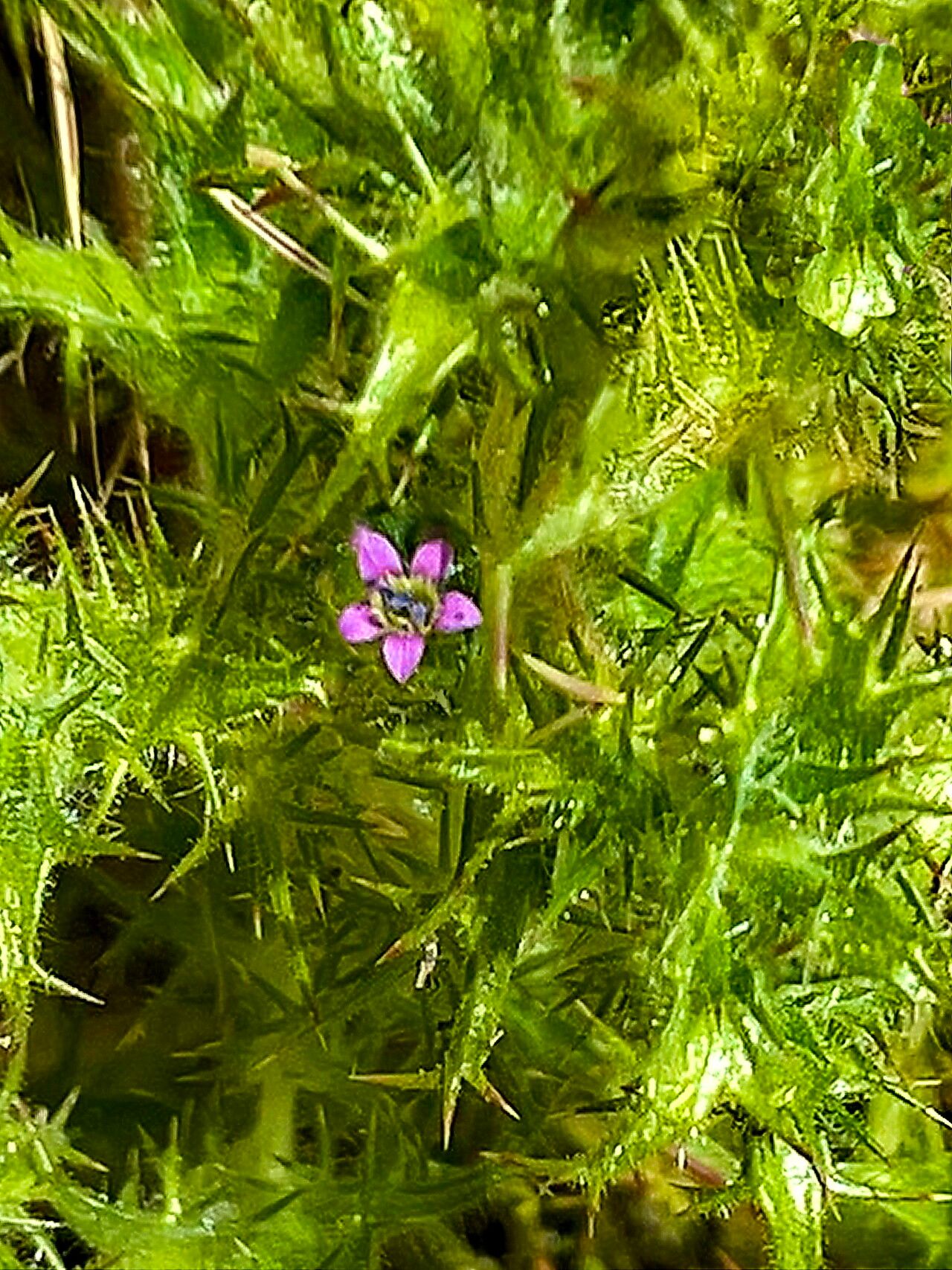
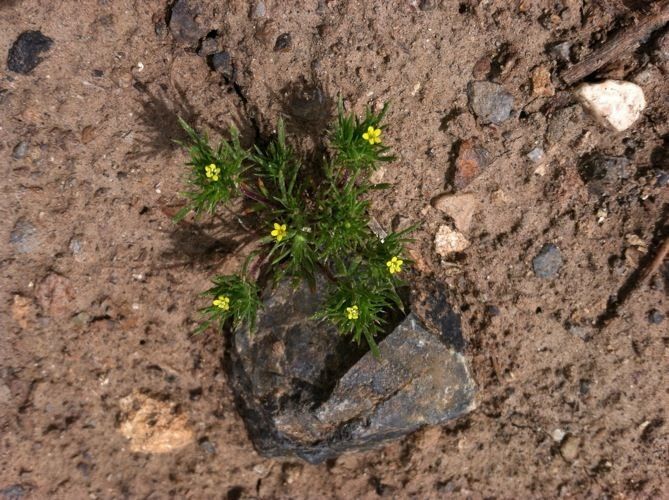
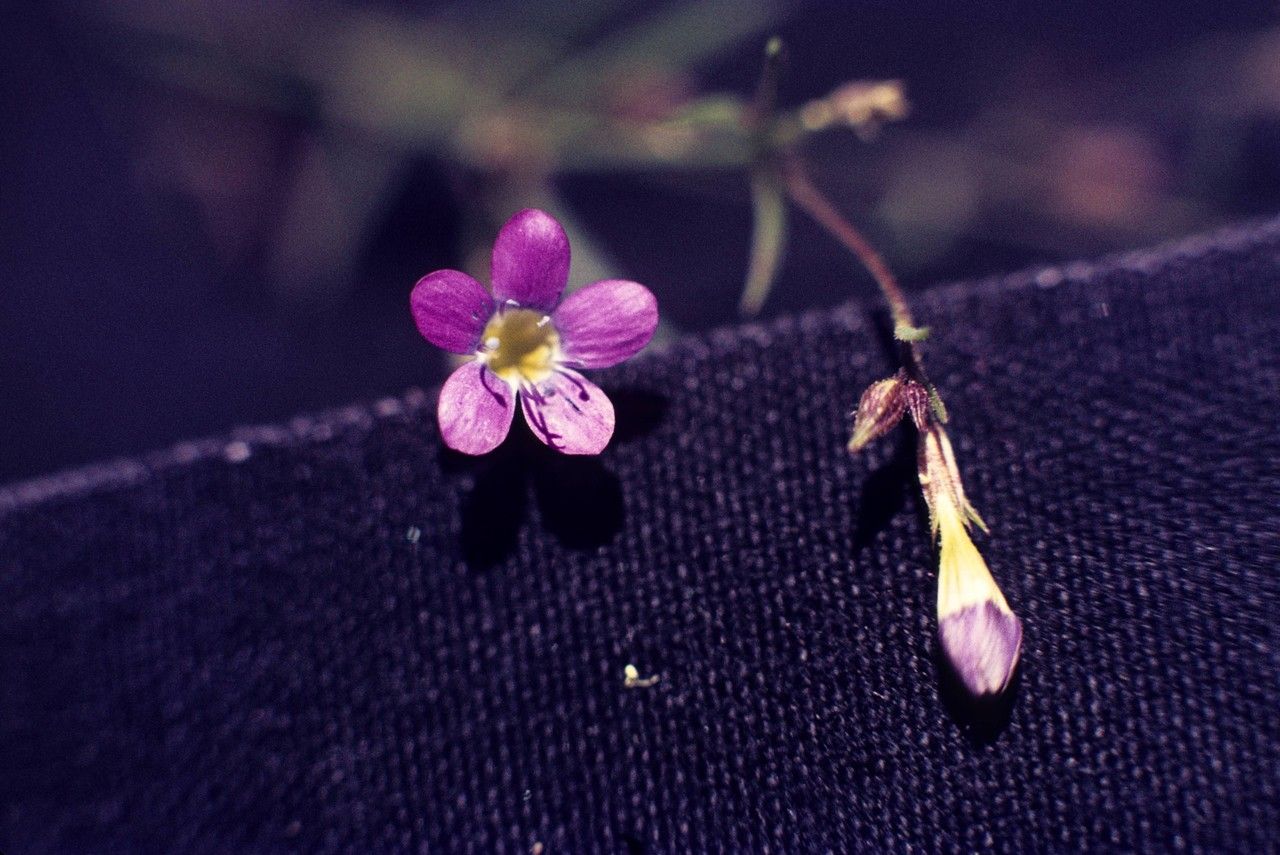
Navarretia squarrosa (skunkbush, skunkweed, or California stinkweed) is a spreading annual plant from North America which is noted for its skunk-like odour. It grows to between 10 and 60 cm in height and has tubular lilac pink to deep blue flowers up to 12 mm in diameter in dense terminal heads, encircled by spiny sepals and bracts. The leaves are pinnately lobed and spiny.
Skunkbush has strong disease resistance and is generally not prone to illnesses. Still, it can be affected by pests and diseases present in its environment. Such infections are typically mild. Regarding care, this plant needs moderate maintenance. It should be pruned regularly to preserve a good appearance and encourage healthy growth. Applying fertilizer can also help stimulate flowering. Skunkbush is appropriate for anyone with outdoor space, like a garden or patio, and does not demand extensive gardening experience. It may need extra attention if cultivated indoors.
How to keep Navarretia Squarrosa.
Light
Skunkbush prefers plentiful sunlight, which is necessary for its optimal growth. Its native habitat has open, clear skies that deliver abundant light. Too little or too much light can impede its growth or cause health problems.
Water
Skunkbush requires regular watering, ideally once a week, but care should be taken to avoid overwatering. It thrives outdoors, benefiting from natural rainfall, and demonstrates resilience across various climate zones due to its adaptability to different rainfall conditions.
Temperature
Skunkbush is native to regions where temperatures range from 68 to 95°F (20 to 35℃). It does well in these conditions, showing a clear preference for moderately warm climates. Seasonal temperature adjustments may be needed to preserve its optimal health.
Fertilizer
Skunkbush does well with regular, light fertilizer applications to encourage healthy leaf development. Fertilize Skunkbush roughly once a month throughout the summer. Nitrogen is important for the foliage, and adding nitrogen-rich sources helps Skunkbush flourish.
Pruning
Skunkbush benefits greatly from pruning, whether it's done in early or late spring. To encourage bushier growth, make cuts just above the nodes. Be sure to remove any dead stems to maintain the plant's health, using sterilized tools to prevent disease. Pruning after the flowering period helps shape the plant and promotes blooms for the next season. This practice also enhances air circulation, reduces pests, and supports vigorous growth.
Botanical profile.
- Plant Type
- Herb
- Life Cycle
- Annual
- Genus
- Navarretia
- Family
- Polemoniaceae
- Hardiness Zone
- 6-9
- Mature Height
- 10 cm to 61 cm
- Mature Spread
- 5 cm to 30 cm
- Leaf Color
- Green, Dark Green
- Leaf Type
- Deciduous
- Flower Color
- Purple
- Flower Size
- 1.27 cm
- Bloom Time
- Early summer, Mid summer
- Planting Time
- Spring
- Harvest Time
- Late summer, Early fall
Other names.
Reader questions.
What are the sunlight requirements for Skunkbush?
Skunkbush requires full sun, defined as more than 6 hours of sunlight daily, for optimal growth. It is native to environments with open, clear skies, allowing for abundant sunlight. Insufficient or excessive sunlight can adversely affect the plant's growth and health. Observing the movement of sunlight through your garden to find spots with a perfect balance of light and shade is crucial in ensuring the happiness of your Skunkbush.
What is the native environment of Skunkbush?
Skunkbush, scientifically known as Navarretia squarrosa, is a plant native to environments with temperatures ranging between 68 to 95°F (20 to 35°C). It demonstrates a preference for moderately warm climates, making it crucial to adjust seasonal temperatures to maintain its health optimally.
Can artificial lighting be used for Skunkbush, and if so, how?
Yes, artificial lighting can be utilized for Skunkbush, especially when natural sunlight is insufficient, like in winter or less sunny spaces. It is essential for indoor plants’ optimal growth. LED lights are ideal as they can be customized to provide specific wavelengths needed by the plants. Full sun plants require 30-50W per square foot, partial sun plants need 20-30W per square foot, and full shade plants require 10-20W per square foot. The light source should be placed 12-36 inches above the plant and turned on for 8-12 hours per day to mimic natural daylight hours.
Does Skunkbush require special frost protection measures during winter?
Skunkbush possesses strong cold resistance, which typically eliminates the need for special frost protection measures during winter. However, when winter temperatures are expected to drop below -25°C, it becomes important to protect the plant against the cold. This can be achieved by covering the Skunkbush with materials such as soil or straw. Additionally, watering the plant abundantly before the first freeze in autumn to keep the soil moist through winter and early spring helps prevent drought and water scarcity.
What are the symptoms of incorrect lighting on Skunkbush?
Symptoms of incorrect lighting on Skunkbush include smaller new leaves, leggy or sparse growth, faster leaf drop, slower or no new growth, lighter-colored new leaves, chlorosis (leaves turning yellow due to chlorophyll breakdown), sunscald (damage from intense sunlight), leaf curling, wilting, and leaf scorching. These symptoms indicate either insufficient or excessive light exposure, impacting the plant's health.
What should be done if Skunkbush experiences low temperatures below -25°C?
Skunkbush is cold-tolerant and thrives best when temperatures remain above 0°C during the winter, ideally staying above 20°C. If temperatures fall below -25°C, while there may not be any noticeable changes during the winter, a decrease in sprouting or a complete absence of sprouting could be observed in the spring. In such cases, it is recommended to remove any parts of the Skunkbush that have failed to sprout in the spring.
How can I ensure my Skunkbush receives optimal light conditions?
To ensure your Skunkbush receives optimal light conditions, if indoors, gradually move it to a sunnier spot each week until it gets at least 6 hours of direct sunlight. Use a south-facing window and keep curtains open during the day, or use artificial light sources like desk or grow lights for at least 8 hours daily. For outdoor plants, also move them gradually to sunnier spots to prevent sunburn. In case of obstructions like trees, consider pruning to improve sunlight access. If the plant is small enough, consider transplanting it during its dormant period to a location with ample sunlight and good drainage.
How should Skunkbush be cared for in high temperatures?
During the summer months, it is crucial to ensure Skunkbush does not get exposed to temperatures exceeding 35°C. Should the temperature surpass 38°C, the leaves may turn lighter in color, become prone to curling, suffer from sunburn, or in severe cases, the entire plant may wilt and dry out. To address this, trim away any sunburned or dried-up parts of the plant. Move the Skunkbush to a shaded location, especially during the midday and afternoon sun, or use a shade cloth to protect it. Moreover, watering the plant in the morning and evening is recommended to maintain soil moisture.