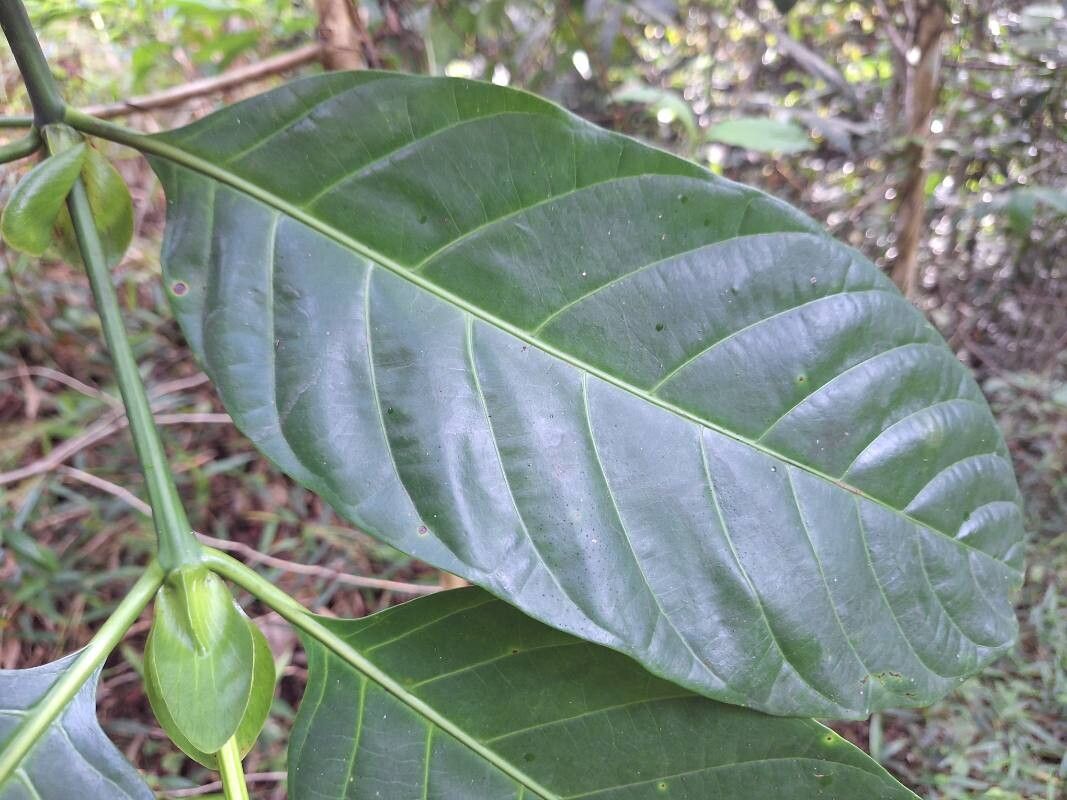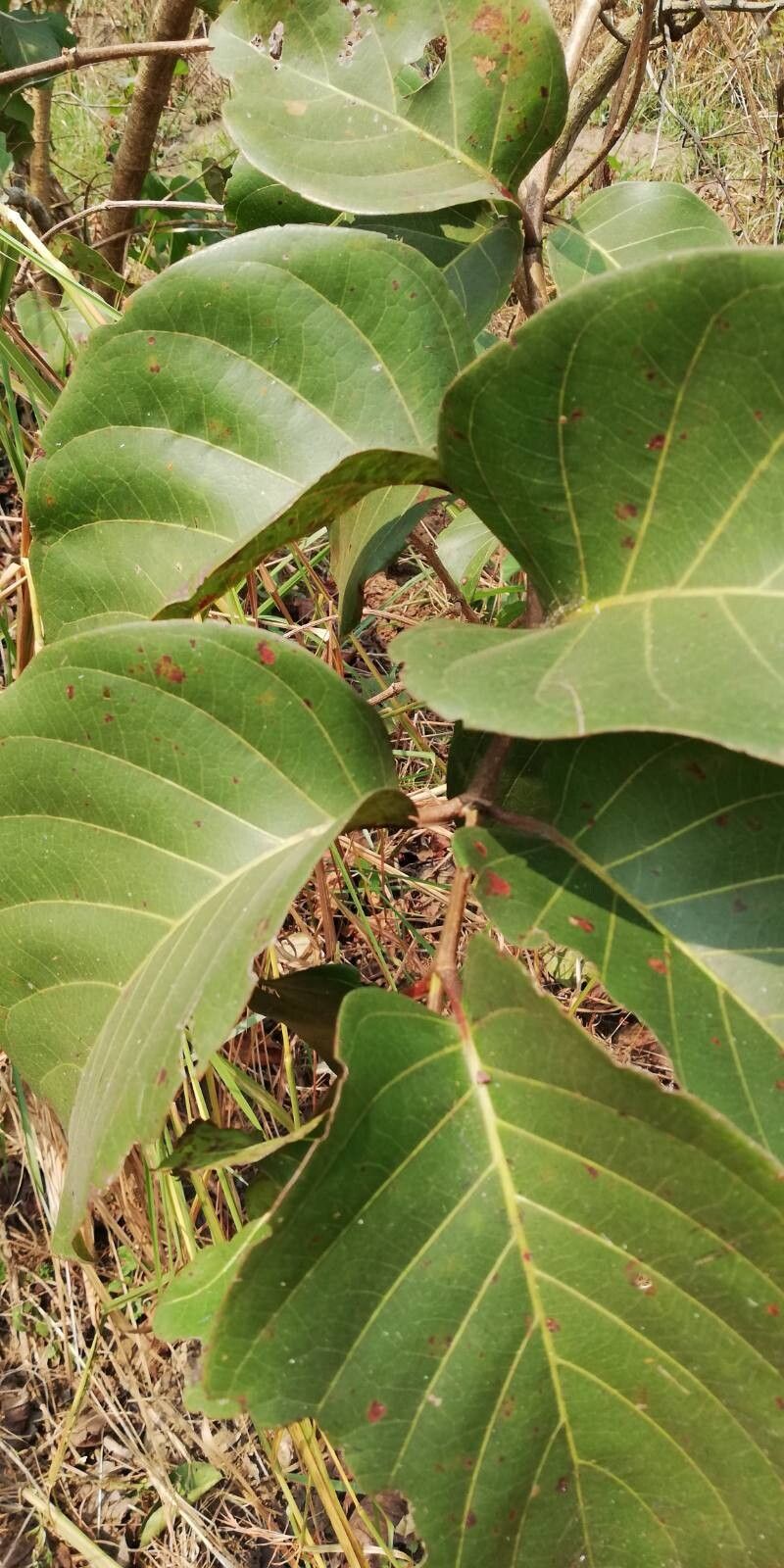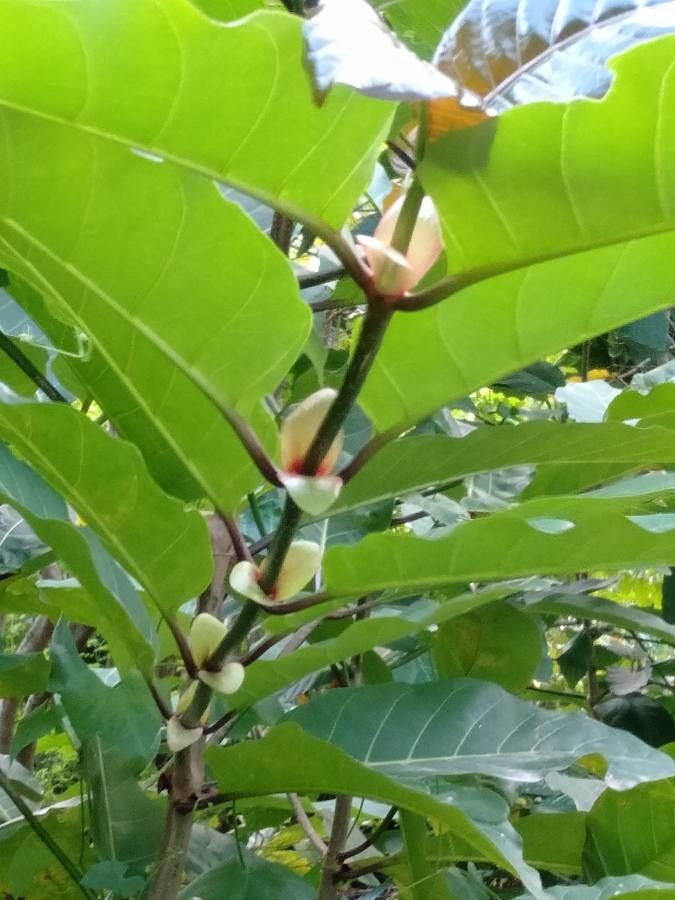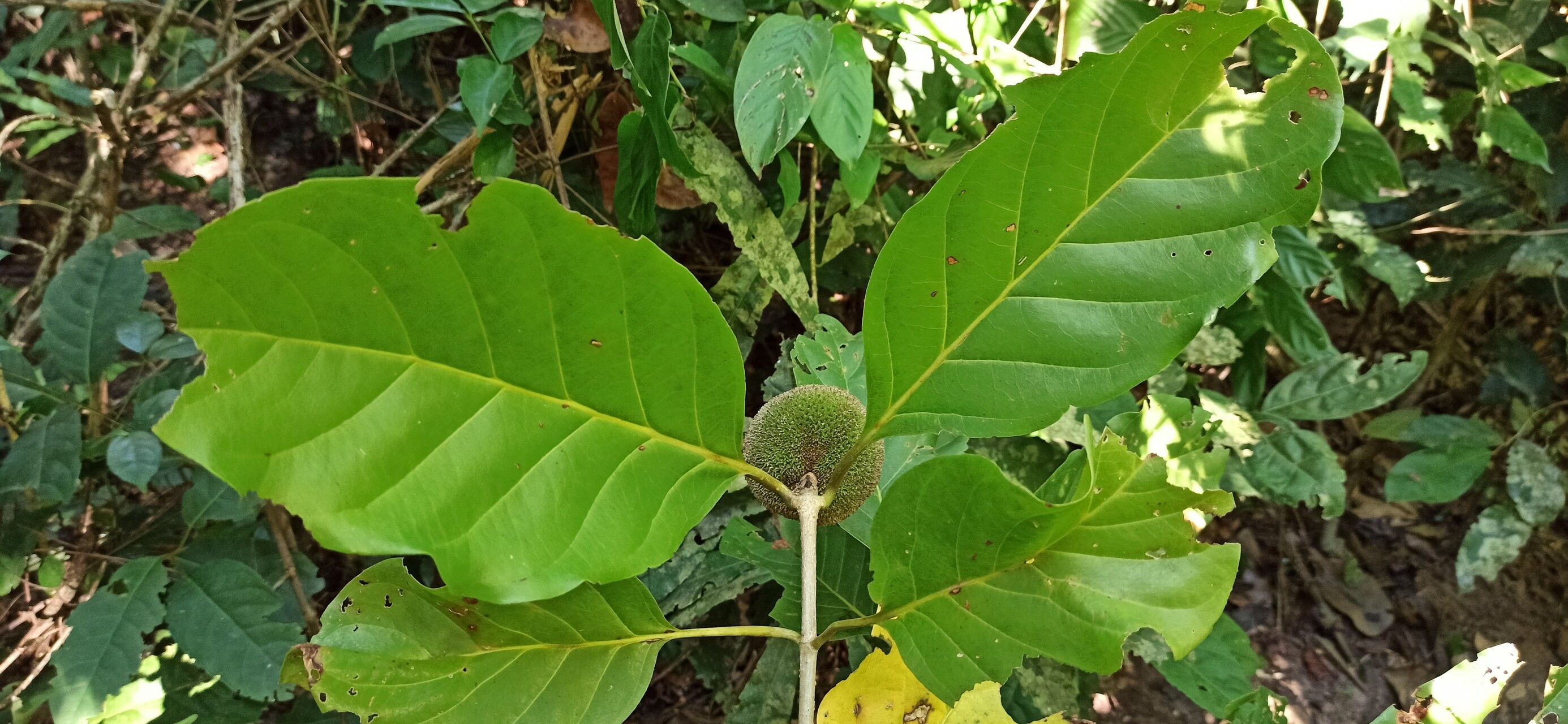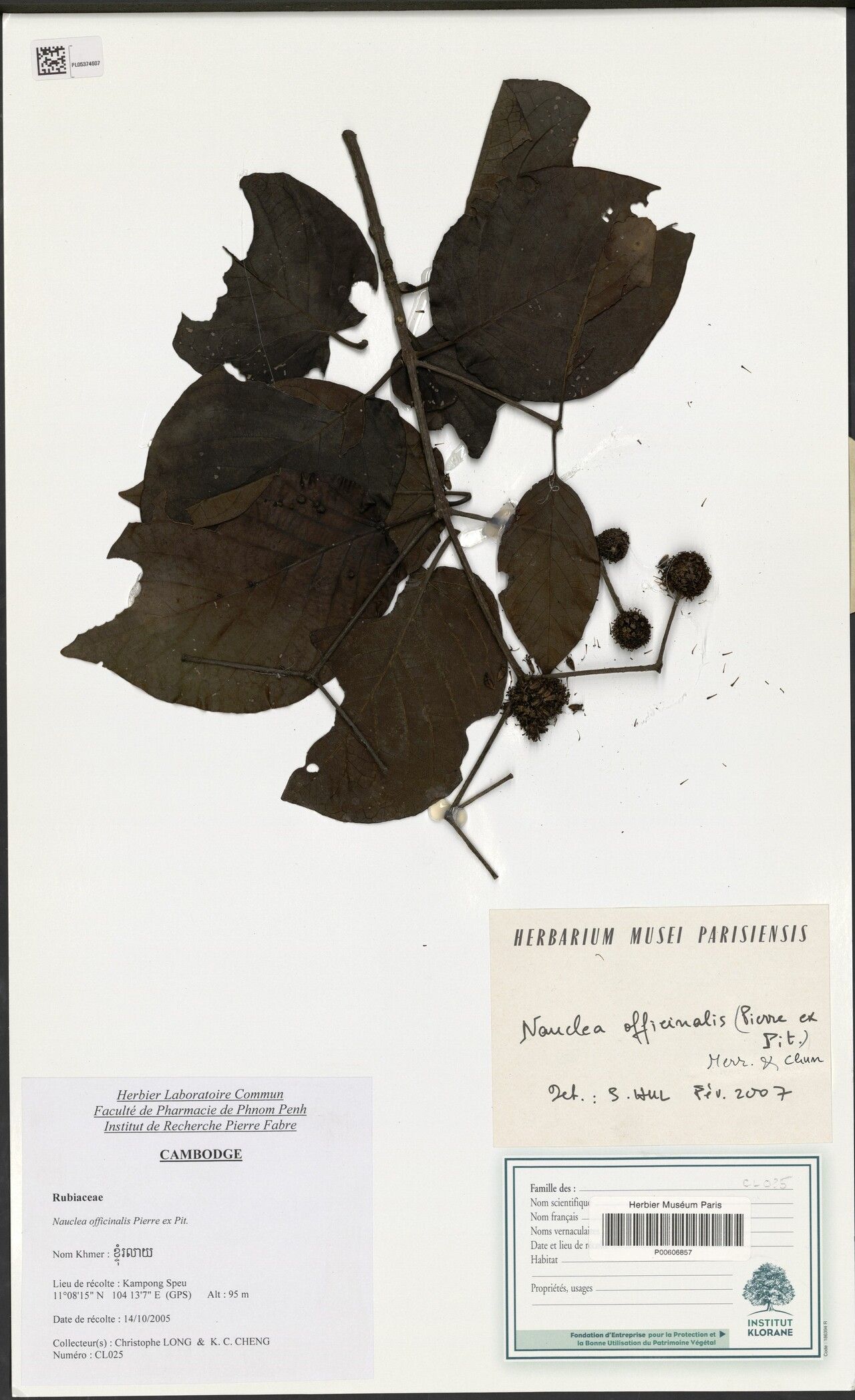
Nauclea officinalis possesses strong disease resistance and is generally not prone to diseases. Regarding care, this plant is fairly low-maintenance. When grown outdoors it needs minimal watering, and larger specimens typically do not require pruning. However, smaller plants should be pruned after they have finished blooming. Nauclea officinalist is suitable for anyone with an outdoor space, such as a garden or deck, and does not require a great deal of care experience.
How to keep Nauclea Officinalis.
Light
Nauclea officinalis is indigenous to habitats like forest undergrowth or stony regions that provide natural shading. It prefers partially sunny environments, however, it has the ability to adjust to either entirely sunlit or wholly shady conditions, showcasing its adaptable and robust characteristics.
Water
Nauclea officinalis is a drought-tolerant plant that thrives when watered every 2-3 weeks. It prefers soil that simulates the moist conditions of forest floors, but without becoming waterlogged. Providing enough moisture during the growing season is essential for promoting strong growth and resilience.
Temperature
Nauclea officinalis hails from the tropics, an area characterized by its hot and moist weather. Consequently, this plant is well-adjusted to a climate of high heat and dampness. It does not respond well to abrupt shifts in temperature and favor a stable thermal environment. Therefore, it is crucial to prevent swings in temperature when indoors. It generally does not withstand cold weather and necessitates warmer conditions to thrive. Should the ambient temperature fall significantly, there is a risk that the plant could stop growing or even perish.
Fertilizer
The best period to fertilize a Nauclea officinalis is in the initial phase of spring, when it awakens from dormancy. This amplifies growth and flower formation. Fertilization augments leaves, stems, and branches, and stimulates the development of large, vivid, and enduring flowers. It assists in moving nutrients from roots to flowers and optimizes the plant's health and resistance to diseases.
Pruning
Nauclea officinalis is known for its dense foliage and rapid growth. To maintain its health and appearance, it benefits from regular pruning during the winter. Important techniques include removing damaged branches, thinning out overcrowded areas, and shaping the plant to improve air circulation and exposure to sunlight. Pruning during the dormant season enhances both the plant's health and its aesthetic appeal, encouraging vigorous growth in the spring.
Botanical profile.
- Plant Type
- Tree
- Life Cycle
- Perennial
- Genus
- Nauclea
- Family
- Rubiaceae
- Hardiness Zone
- 10-12
- Mature Height
- 3.96 m to 11.89 m
- Mature Spread
- 4.88 m to 7.92 m
- Leaf Color
- Dark Green
- Leaf Type
- Evergreen
- Flower Color
- White
- Flower Size
- 0.51 cm to 0.51 cm
- Bloom Time
- Summer
- Planting Time
- Spring
- Harvest Time
- Late summer, Early fall, Mid fall
- Native Area
- Malaysia, Indonesia, Cambodia, Vietnam, Singapore, Laos, Brunei, Thailand, China