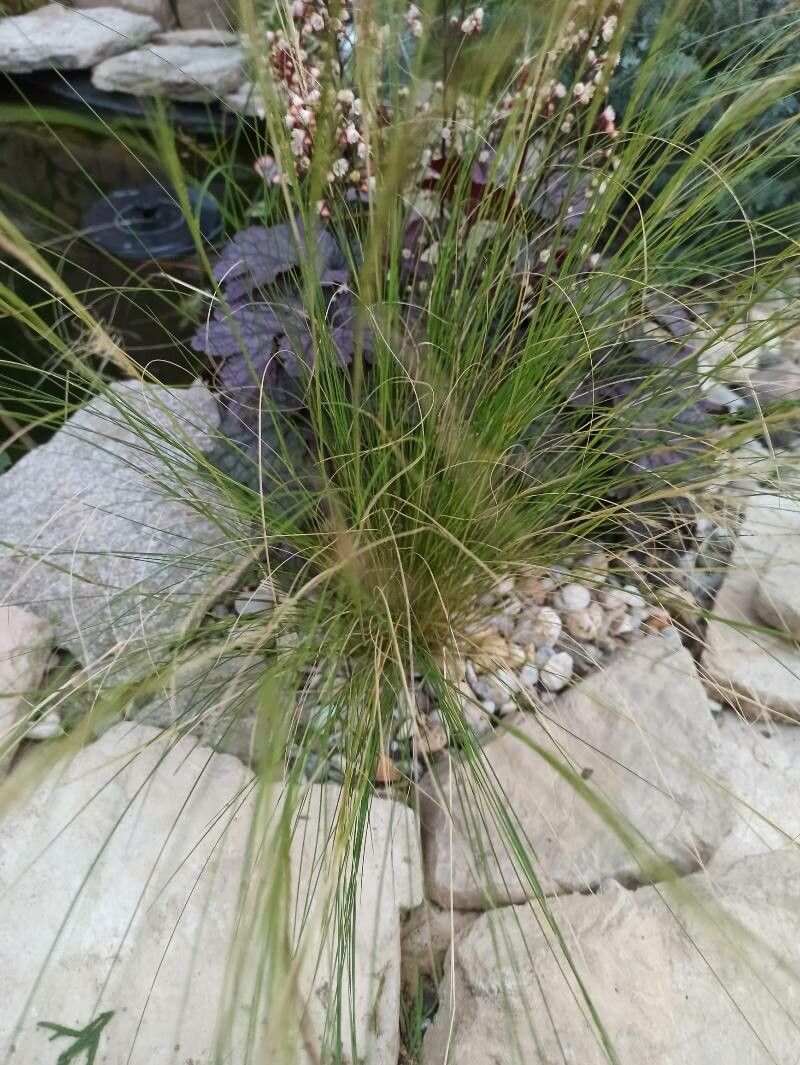
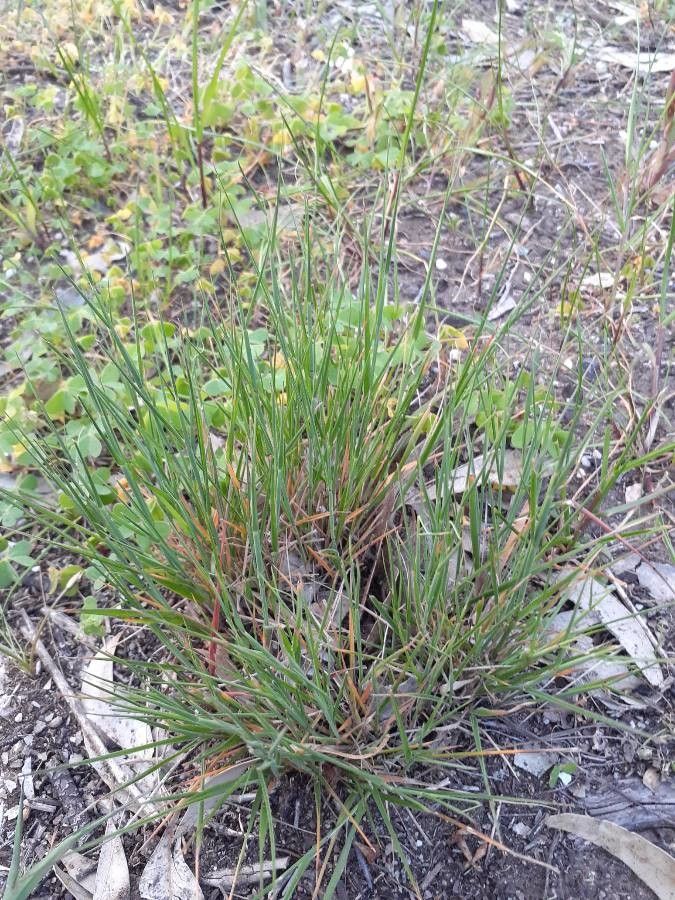
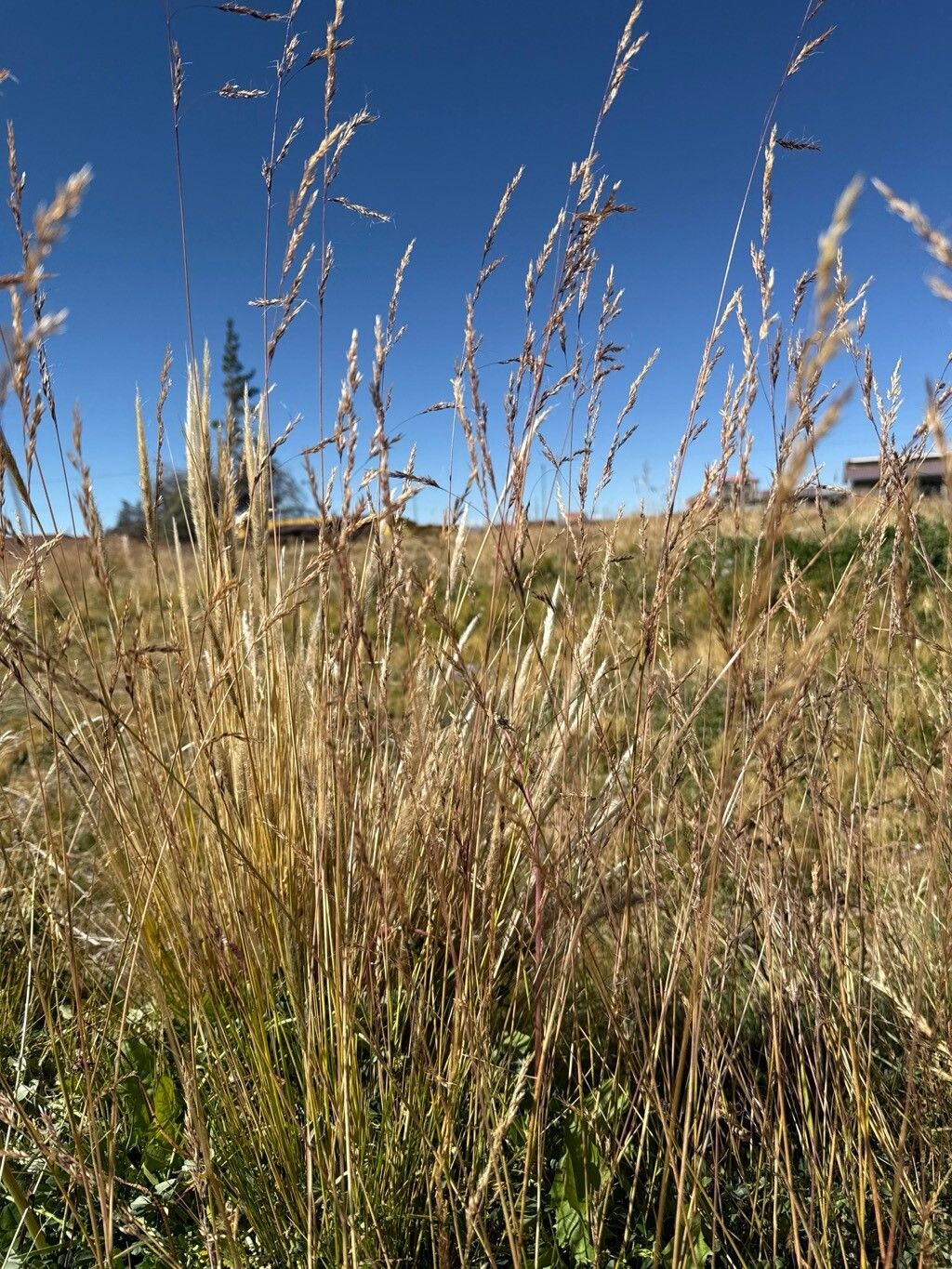
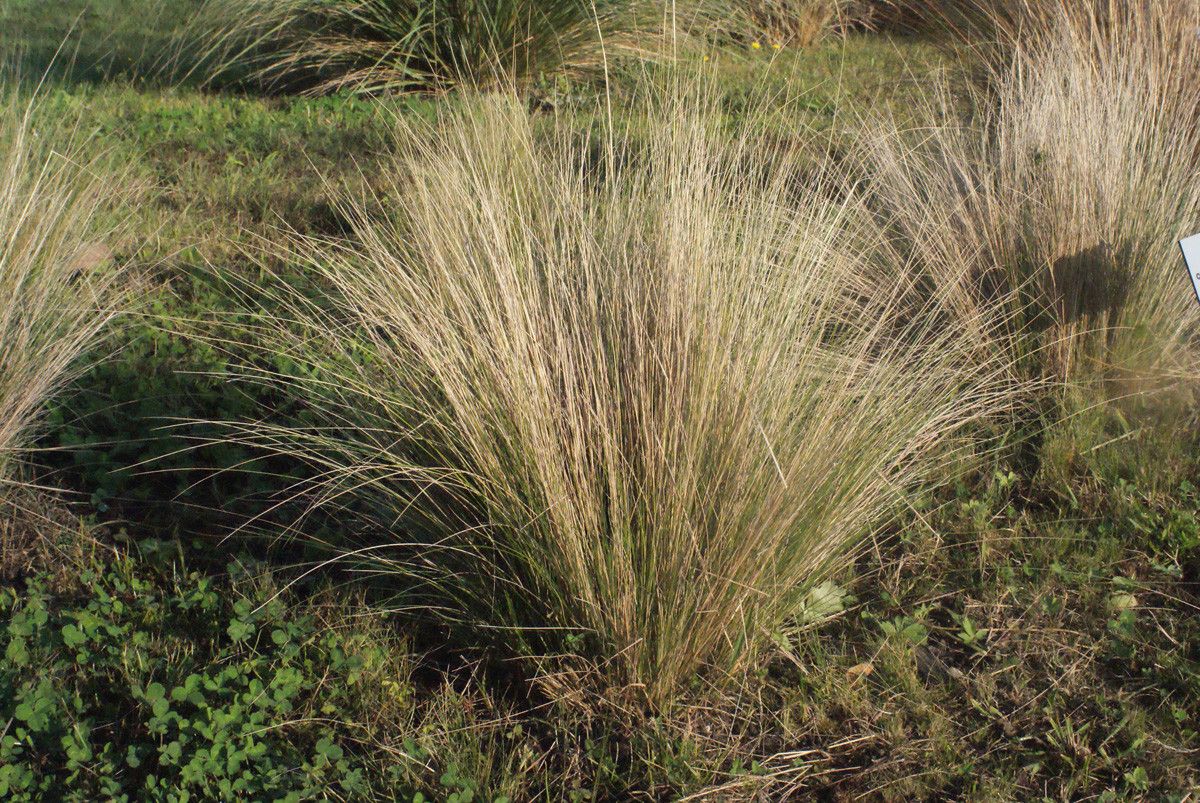
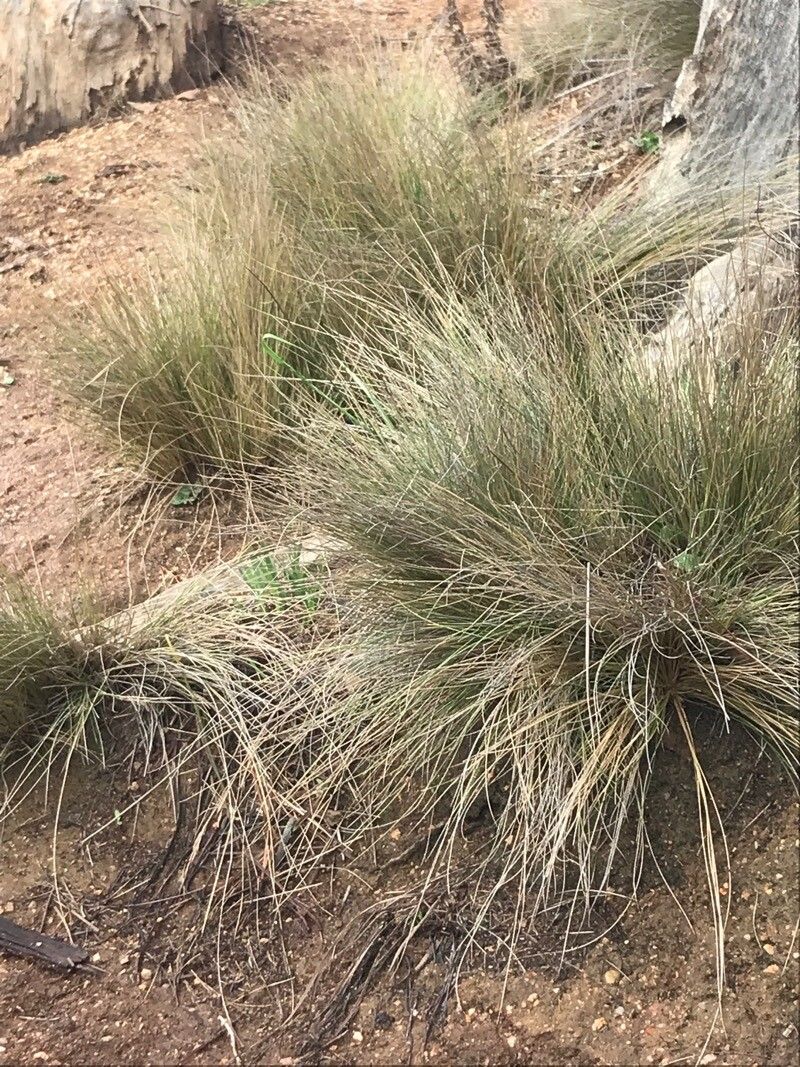
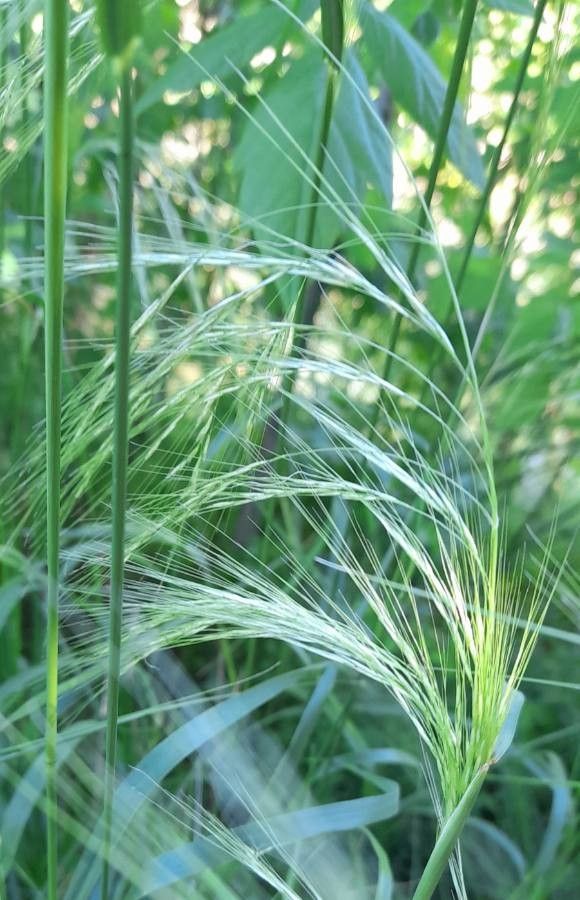
Nassella trichotoma, commonly known as Serrated Tussock, is a perennial grass species native to South America. This highly invasive plant has spread to many regions worldwide, including Australia and New Zealand. It can grow up to 1.5 meters tall and features long, narrow leaves with serrated edges, which is how it gets its name.
Serrated Tussock is notorious for its ability to outcompete native vegetation, thereby reducing biodiversity in grasslands and pastures. Additionally, it poses a significant fire risk due to its high fuel load.
Control measures for Serrated Tussock include the application of herbicides, grazing management strategies, and mechanical removal or burning of the plant material. Early detection and rapid response are crucial to preventing the further spread of this invasive species.
Overall, Nassella trichotoma poses a significant threat to natural ecosystems and agricultural productivity in many parts of the world where it has become established.
Serrated tussock grass has strong disease resistance and is typically not susceptible to diseases. In terms of care, this plant is fairly low maintenance. When grown outdoors it needs only light watering, and larger plants generally do not require pruning. Smaller plants, however, should be pruned after they have bloomed. Serrated tussock grass is suitable for anyone who has an outdoor area, such as a garden or deck, and does not demand significant plant-care experience.
How to keep Nassella Trichotoma.
Light
Serrated tussock grass does best with constant exposure to sunlight, which is essential for its vigorous growth. Native to areas with abundant sun, the plant can tolerate less-than-ideal light conditions. Both too much and too little sun can harm its overall vitality.
Water
Serrated tussock grass is well-suited to the arid regions of South America, demonstrating remarkable drought tolerance. It develops deep roots to maximize water uptake, so when cultivated, it needs watering only once a week. This grass prefers well-draining soil and can withstand varying temperatures. It benefits more from natural rainfall than from frequent irrigation.
Temperature
Serrated tussock grass is native to milder climates where temperatures usually range from 41 to 77°F (5 to 25°C). Seasonal adjustments are crucial, especially during harsh winters, to ensure its survival.
Fertilizer
Serrated tussock grass needs extra nutrients to encourage healthy new growth. Applying compost around the plant's base in spring can effectively supply the nutrition it requires. Fertilizing supports vigorous growth and helps the plant resist diseases and pests.
Pruning
Serrated tussock grass features long, thin leaves and a dense root system. To control its growth and prevent it from becoming invasive, it's best to prune in early spring. Trim away old foliage to encourage new growth and maintain the desired shape. Regular pruning reduces competition and promotes vigorous growth. Always use clean, sharp tools to prevent the spread of disease.
Botanical profile.
- Plant Type
- Grass
- Life Cycle
- Perennial
- Genus
- Nassella
- Family
- Poaceae
- Hardiness Zone
- 5
- Mature Height
- 49 cm
- Mature Spread
- 25 cm
- Leaf Color
- Green
- Leaf Type
- Deciduous
- Flower Size
- 0.51 cm to 1.02 cm
- Bloom Time
- Early summer, Mid summer
- Planting Time
- Spring, Summer
- Harvest Time
- Mid summer, Late summer
- Native Area
- Uruguay, Chile, Argentina, Bolivia, Brazil
Other names.
Reader questions.
What are the sunlight requirements for Serrated tussock grass?
Serrated tussock grass needs full sun, which means it requires more than 6 hours of sunlight daily, to thrive. However, it can also grow in partial sun, receiving about 3-6 hours of sunlight. It's important to observe how sunlight shifts through your garden to find the optimal planting spots that will ensure your plants are exposed to the right balance of light and shade, contributing to their health and growth.
What is the ideal temperature range for growing serrated tussock grass?
Serrated tussock grass thrives in milder climates where temperatures generally range from 41 to 77°F (5 to 25°C). This grass species is highly tolerant of cold conditions and can adapt well to seasonal changes, making it suitable for various climates within this temperature range.
What essentials should be considered for growing Serrated tussock grass?
Serrated tussock grass flourishes in environments abundant in sunlight, crucial for its vigorous growth. Despite its resilience in less than ideal light conditions, both overexposure and underexposure to sunlight can harm its health. For indoor plants, especially during winter or in less sunny spaces, artificial lighting is essential. LED lights are recommended due to their ability to provide specific wavelengths needed for plant growth. The amount of artificial light required varies: full sun plants need 30-50W/sq ft, partial sun plants 20-30W/sq ft, and full shade plants 10-20W/sq ft. The distance between the plant and the light source should be 12-36 inches, and the duration of exposure should mimic natural sunlight hours, generally 8-12 hours per day.
How should serrated tussock grass be prepared for winter?
To prepare serrated tussock grass for winter, especially in harsh climates, it's important to ensure that the plant has enough moisture before the first freeze of autumn. Watering the plant generously allows the soil to remain moist and enter a frozen state, which helps prevent drought and water scarcity during the winter and early spring. Despite its cold tolerance, taking this step can bolster the plant's survivability through colder months.
How to recognize and address symptoms of improper lighting in Serrated tussock grass?
Improper lighting can cause several symptoms including small leaves, leggy or sparse growth, faster leaf drop, slower or no new growth, lighter-colored new leaves, chlorosis, sunscald, leaf curling, wilting, and leaf scorching. Solutions vary depending on the situation. Indoors, gradually increasing sunlight exposure or using artificial lighting can help. Outdoor plants should be moved gradually to sunnier spots to prevent shock. For ground-planted grass, reducing obstructions like overhanging branches or relocating the plant to sunnier areas can improve light access. It's crucial to adapt these solutions to the specific needs and conditions of your Serrated tussock grass for optimal health.
What should be done if the winter temperature falls below -25°C for serrated tussock grass?
Serrated tussock grass is capable of surviving extremely low temperatures, but if winter temperatures dip below -25°C, this may impact the plant's ability to sprout in spring. There may not be visible signs of distress during winter; however, a decrease in sprouting or a failure to sprout can occur. In spring, it's recommended to remove any parts of the plant that have not sprouted to promote healthy growth.
How does serrated tussock grass react to high temperatures, and what are the solutions?
Serrated tussock grass is not tolerant of high temperatures, particularly above 25°C, at which point its growth may stop, and it becomes more susceptible to conditions like rot. To mitigate the effects of high temperatures, it's advisable to trim away any parts of the plant that have sunburned or dried up. Moving the plant to a shaded location or using a shade cloth to protect it from the midday and afternoon sun can also be beneficial. Additionally, watering the plant during cooler times of the day, like the morning and evening, helps keep the soil moist and supports the plant's health during warmer periods.