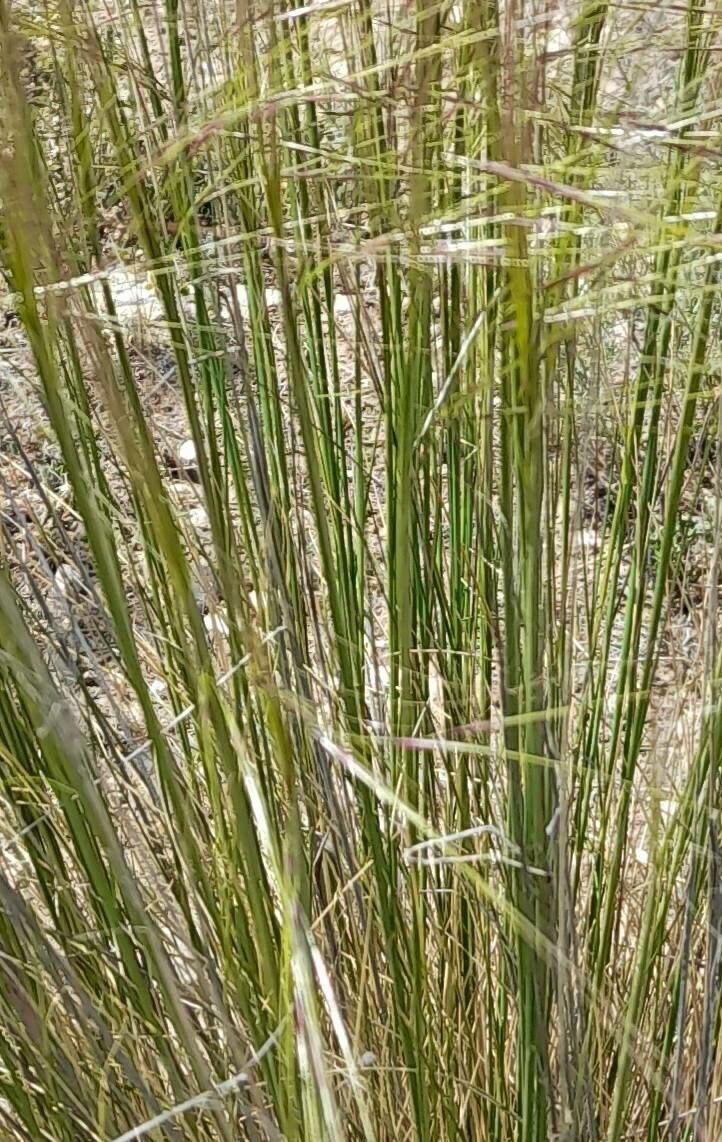
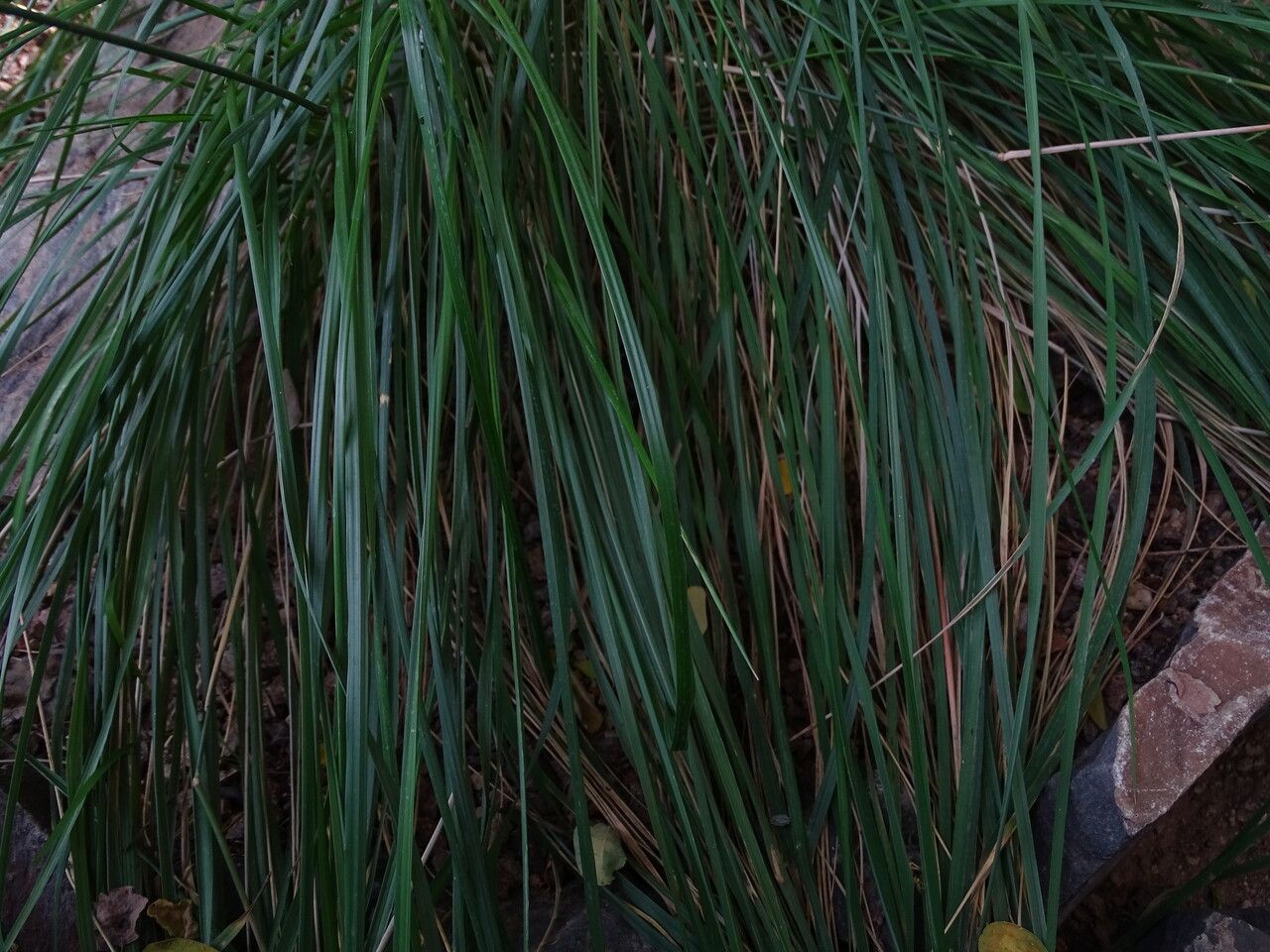
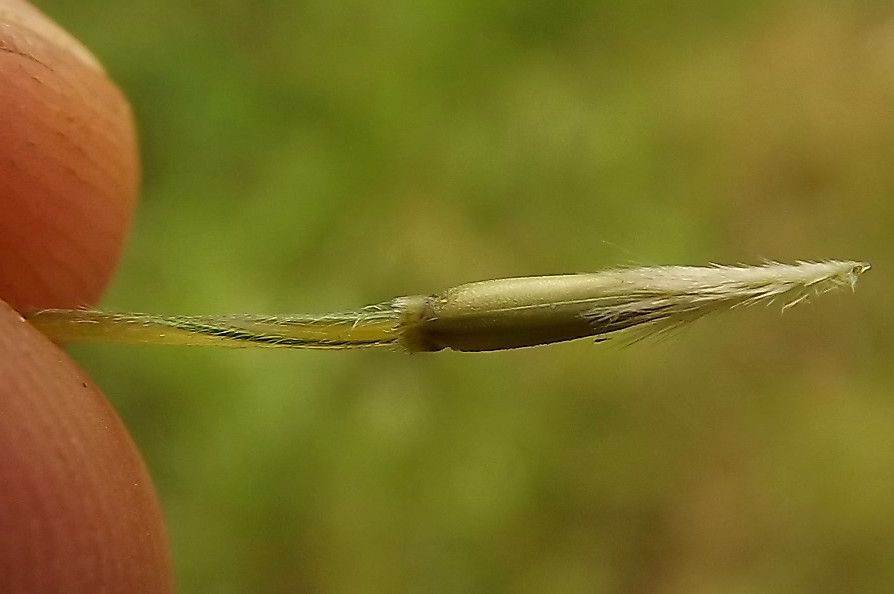
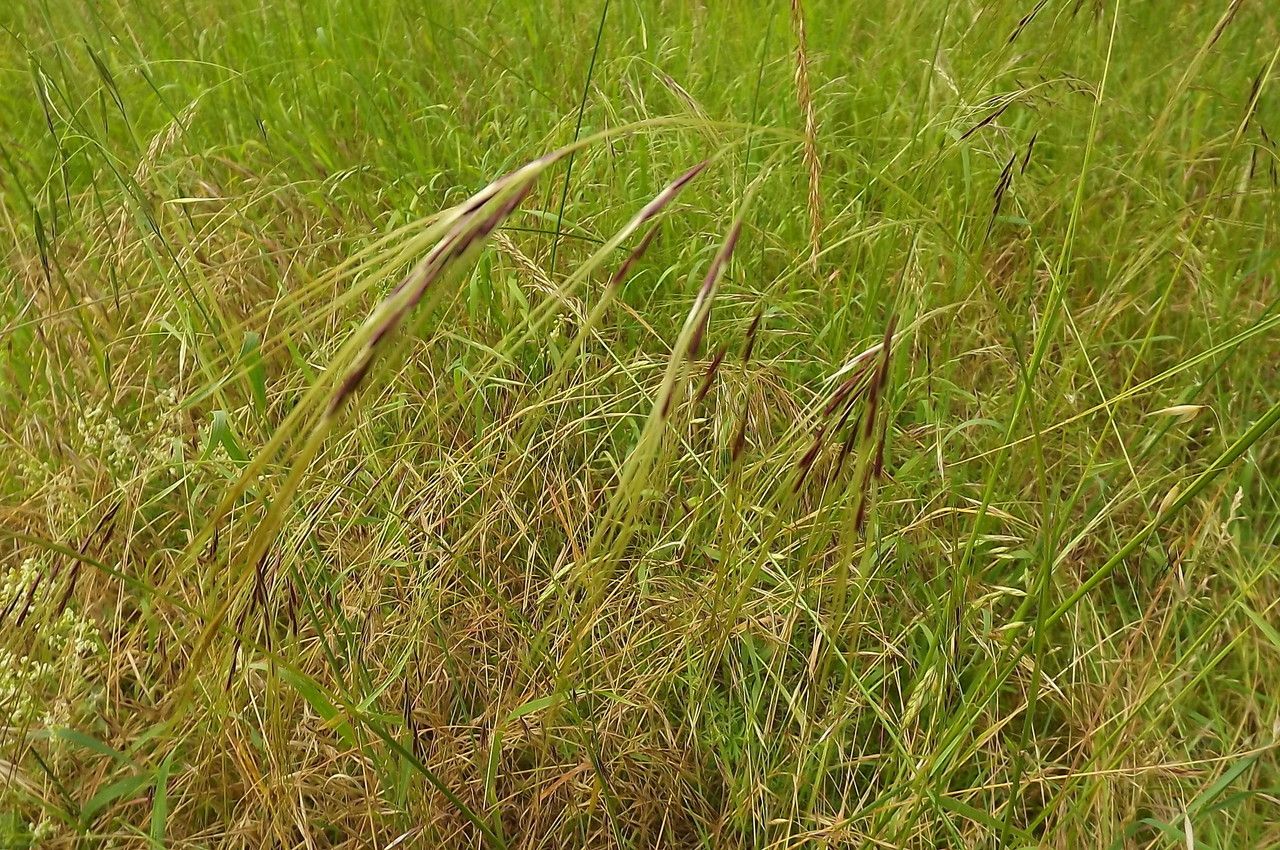
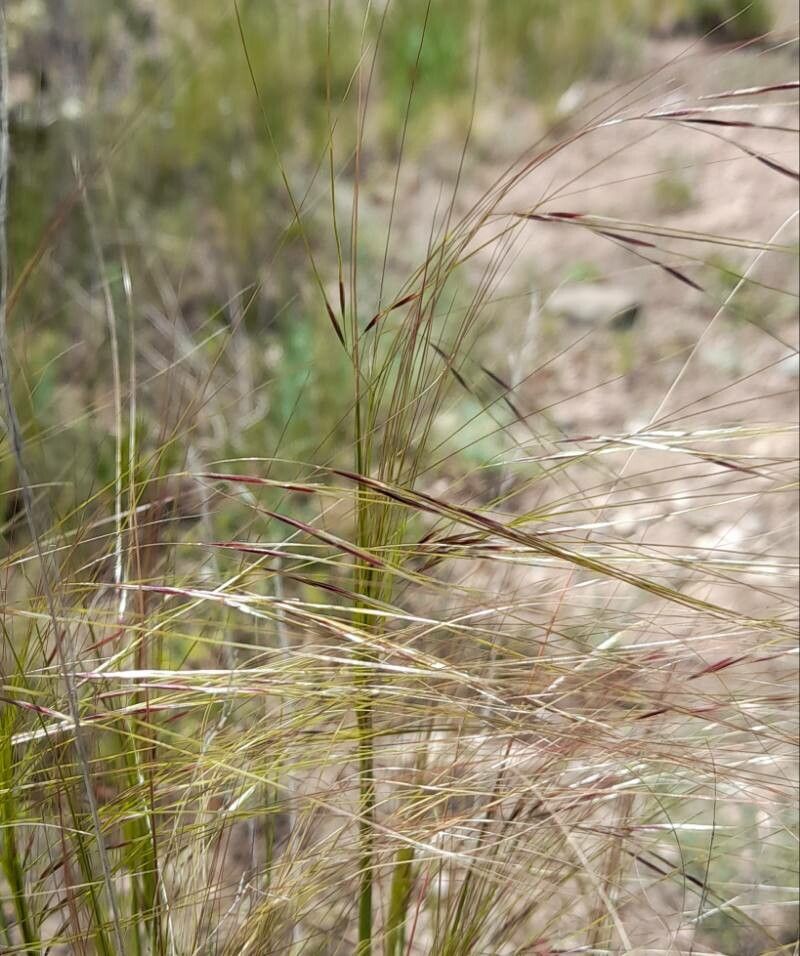
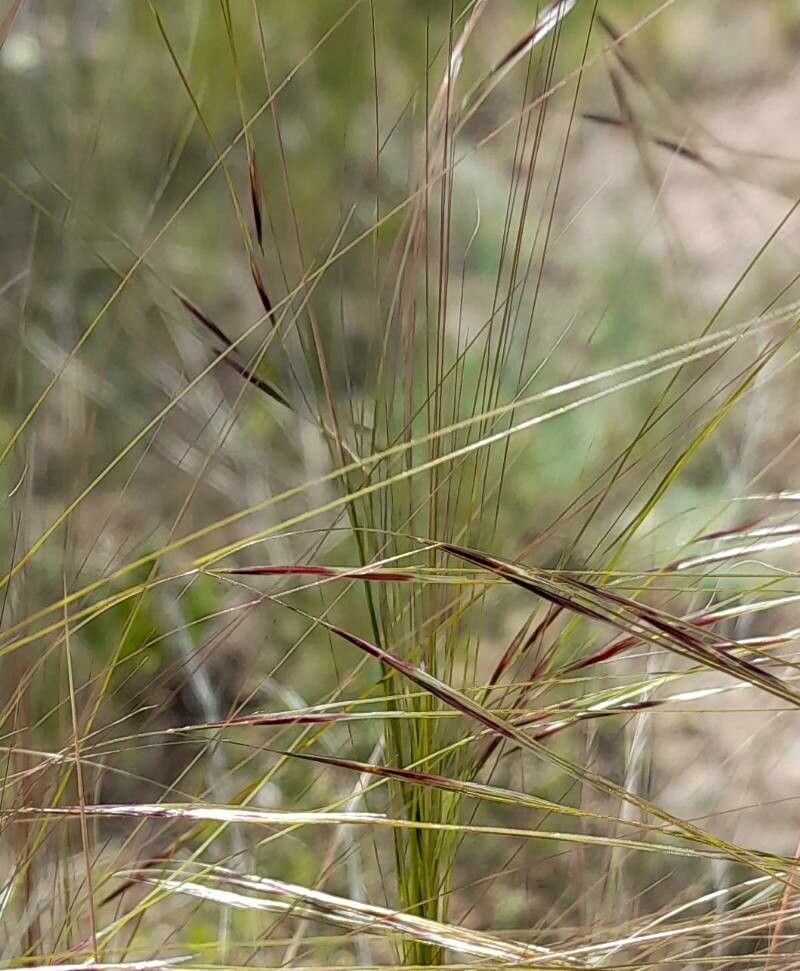
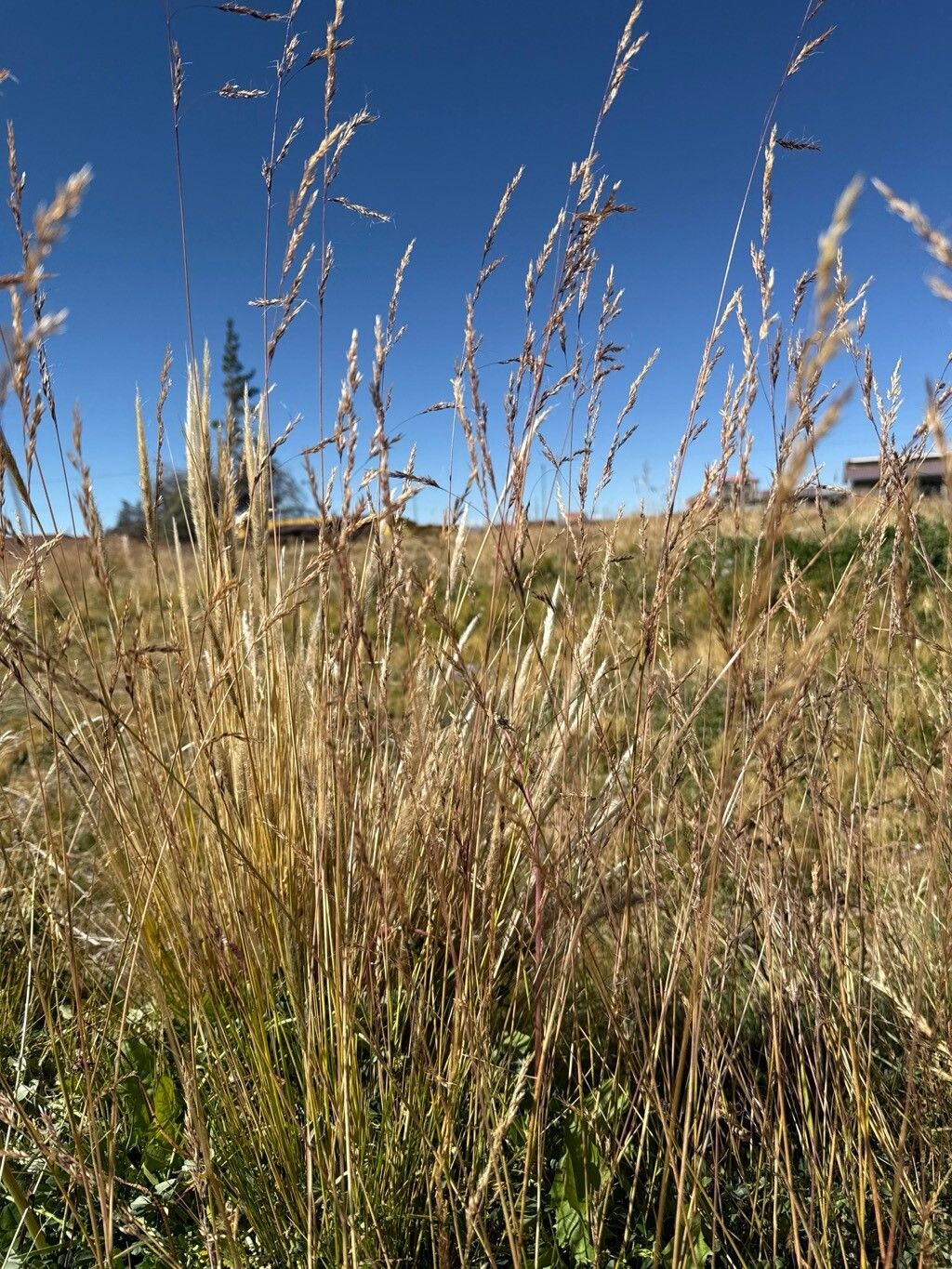
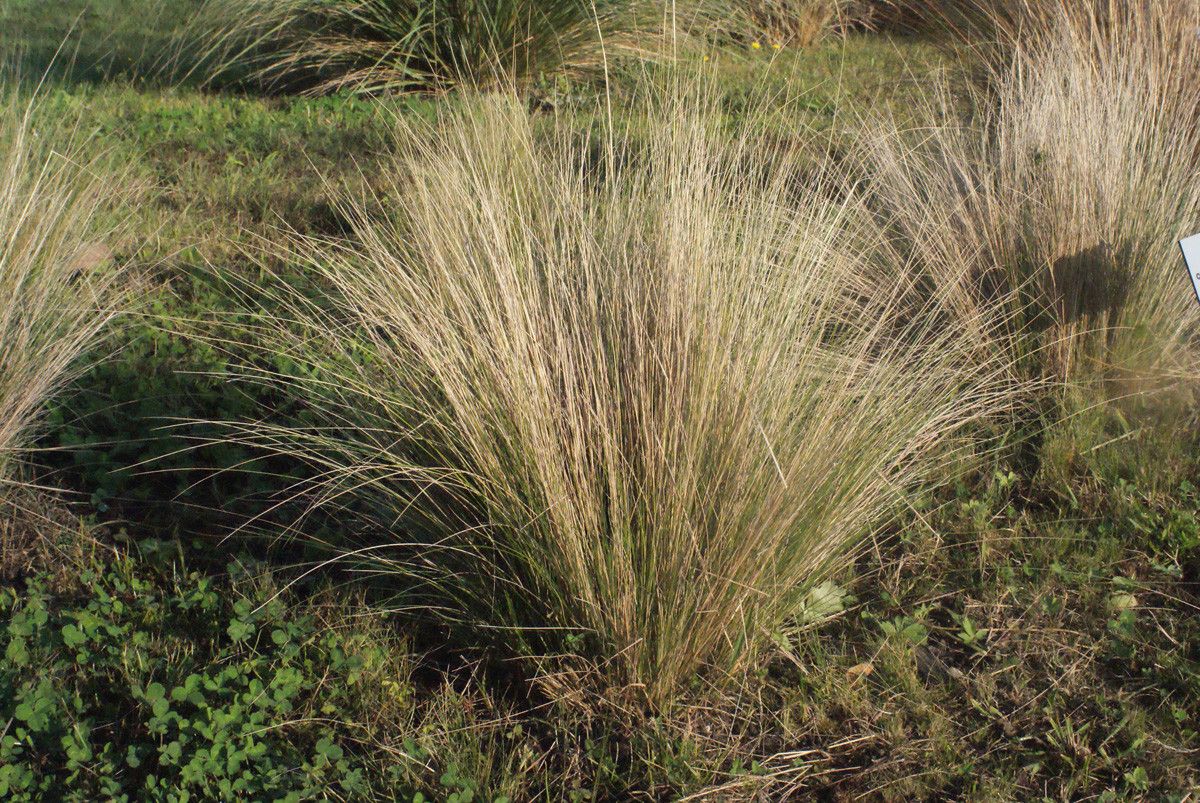
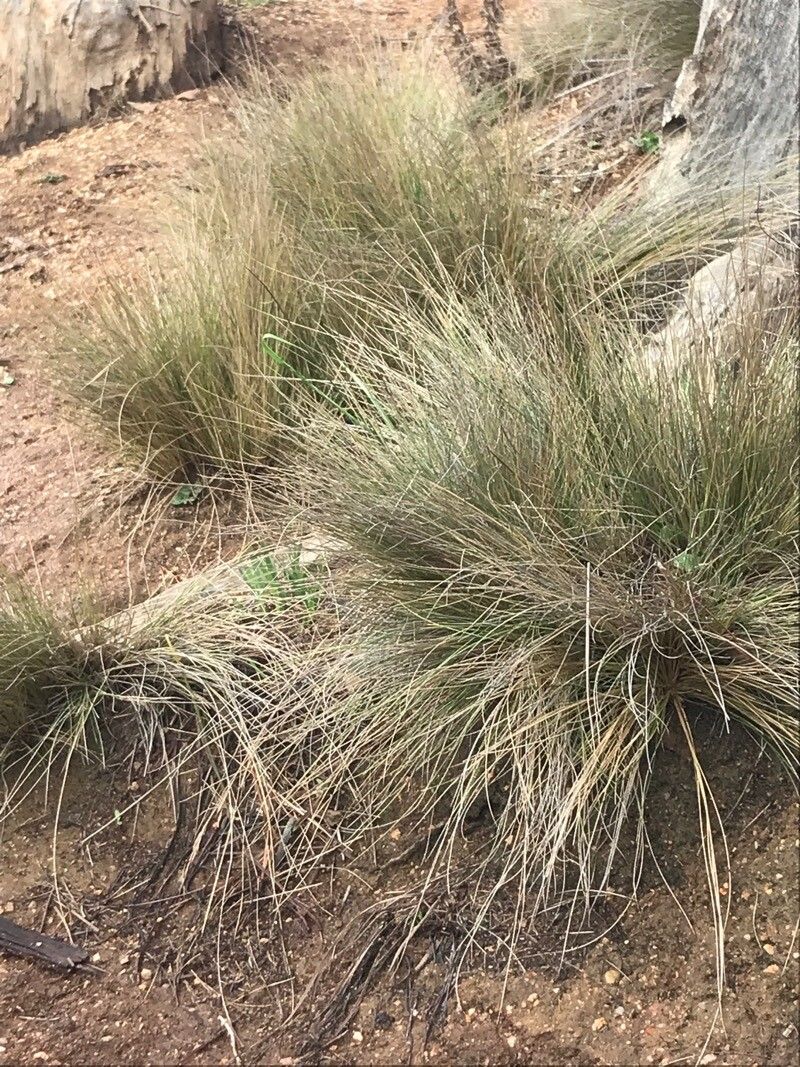
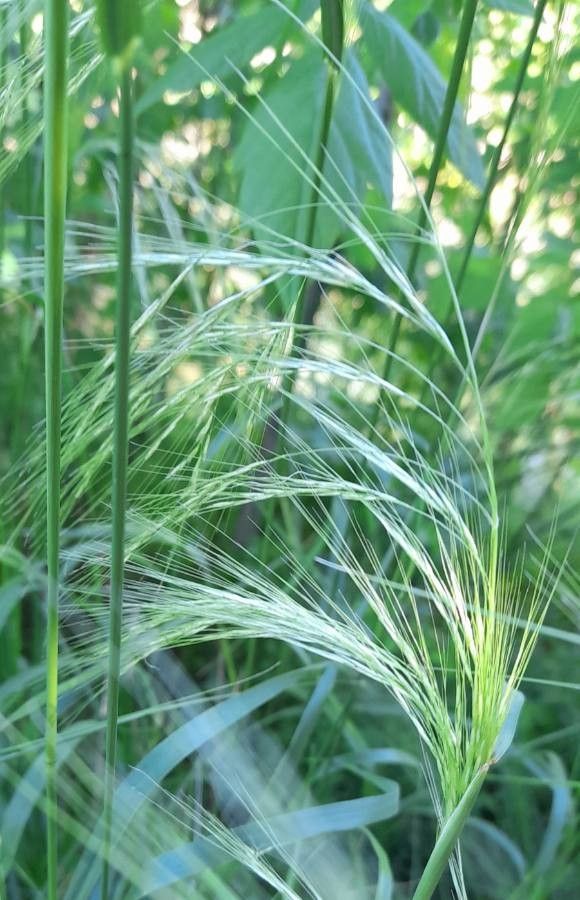
Nassella neesiana, commonly known as Chilean needle grass, is a perennial grass species native to South America. This highly invasive plant has spread to many regions worldwide, including Australia and California. The grass features long, narrow leaves that are sharp and pointed at the tips, hence the name "needle grass." It produces tall stems with feathery seed heads that can reach up to 1 meter in height. The seeds are dispersed by wind or animals, enabling them to spread easily over long distances.
Nassella neesiana is notorious for outcompeting native plant species in areas where it has been introduced, causing significant ecological damage. Conservationists globally are working to control its spread through various methods, such as applying herbicides or manually removing the plants before they produce seeds.
American needle-grass is resistant to disease and is generally unlikely to develop illnesses. In terms of care, this plant is fairly low-maintenance. When grown outdoors it needs little watering, and larger specimens typically do not require pruning. Smaller specimens, however, should be pruned after they have finished blooming. American needle-grass is suitable for anyone with an outdoor area, such as a garden or deck, and does not require extensive plant-care experience.
How to keep Nassella Neesiana.
Light
American needle-grass is a perennial herbaceous plant that prefers sun and comes from open habitats, commonly found in meadows and grasslands. It favors full sun but can also tolerate partial sun.
Water
American needle-grass flourishes in arid regions due to its exceptional drought tolerance. However, to maintain its health, it needs to be watered weekly. Although this plant retains its foliage year-round as an evergreen, it still requires consistent hydration, even during the colder months.
Temperature
American needle-grass can adapt to a wide range of temperatures, but its distribution may still be restricted by particular combinations of water and heat. It performs best in warm summer climates with sufficient rainfall or watering. Extended periods of cloudy, rainy weather, and prolonged high temperatures, increase the likelihood of American needle-grass dying. In winter, proper protection from cold can raise the plant's survival rate.
Fertilizer
American needle-grass needs additional nutrients to encourage healthy new growth. In spring, spreading some compost around the base of the plant will effectively supply the necessary nourishment. Fertilizing aids vigorous growth and improves the plant’s resistance to diseases and pests.
Pruning
American needle-grass has thin, needle-like leaves that can benefit from pruning in early spring. By trimming old or damaged stems, you encourage new growth, improve air circulation, and help prevent fungal problems. Regular pruning keeps the plant tidy and boosts its overall health and resilience.
Botanical profile.
- Plant Type
- Grass
- Life Cycle
- Perennial
- Genus
- Nassella
- Family
- Poaceae
- Hardiness Zone
- 6-10
- Mature Height
- 0.61 m to 1.22 m
- Mature Spread
- 30 cm to 61 cm
- Leaf Color
- Green, Dark Green
- Leaf Type
- Evergreen
- Bloom Time
- Late spring, Early summer, Mid summer
- Planting Time
- Spring, Summer, Autumn
- Harvest Time
- Mid summer, Late summer, Early fall
- Native Area
- Colombia, Bolivia, Peru, Brazil, Ecuador
Other names.
Reader questions.
What are the sunlight requirements for American needle-grass (Nassella neesiana)?
American needle-grass (Nassella neesiana) thrives in varying amounts of sunlight, depending on your garden's specific needs. For full sun exposure, ensure the plant receives over 6 hours of sunlight daily. If your garden is partially shaded, aim for about 3-6 hours of sunlight. It's important to observe how sunlight moves through your garden to find locations that offer an ideal balance of light and shade, maximizing the health and happiness of your American needle-grass.