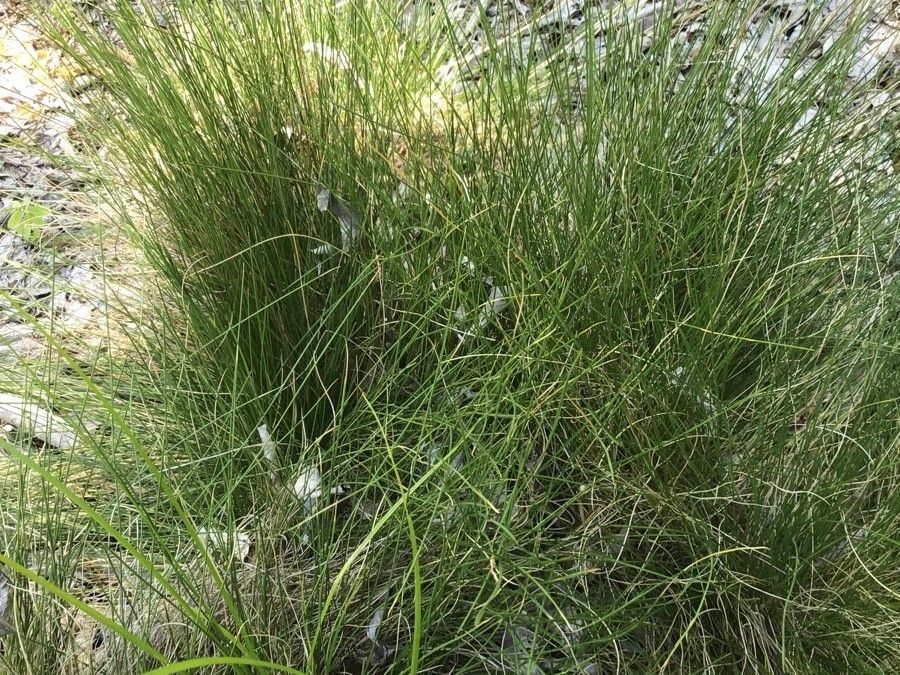
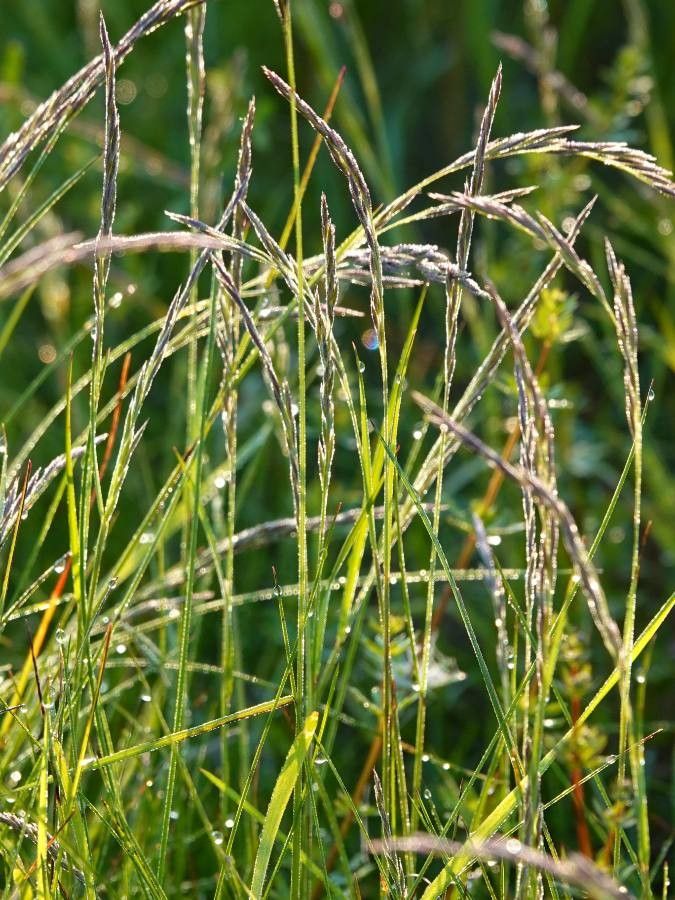
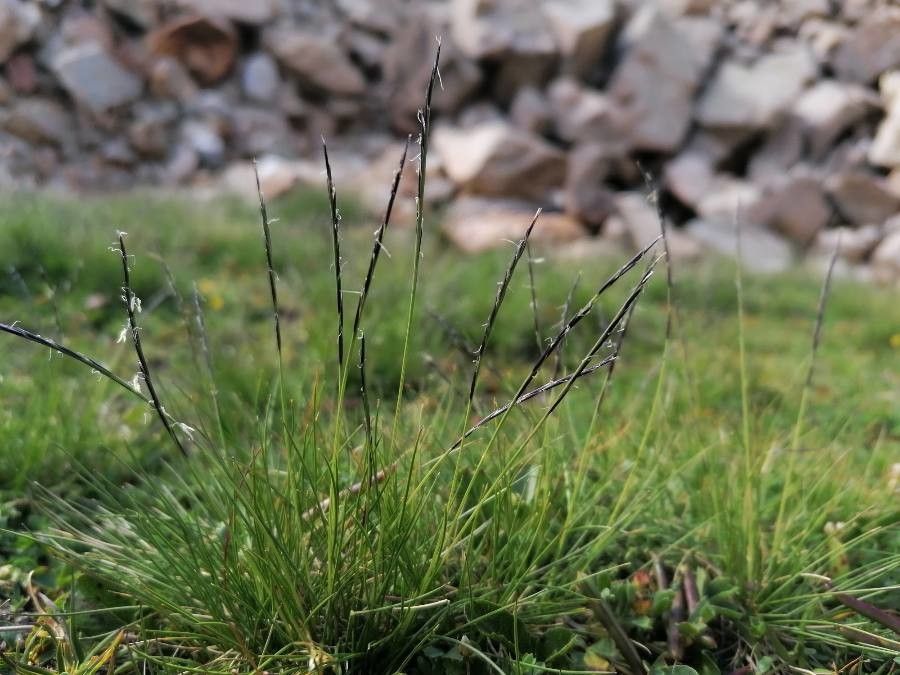
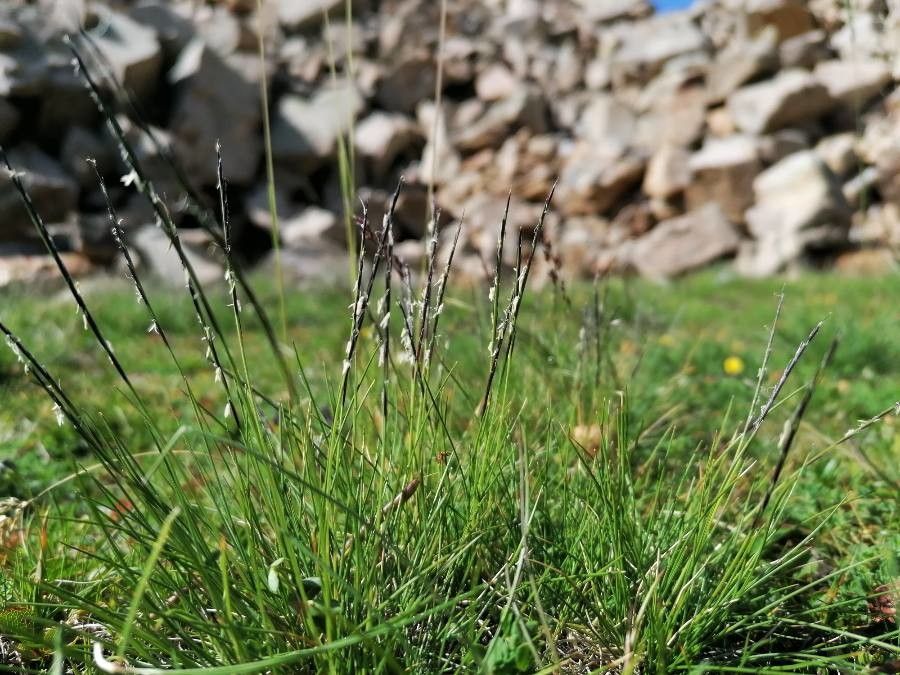
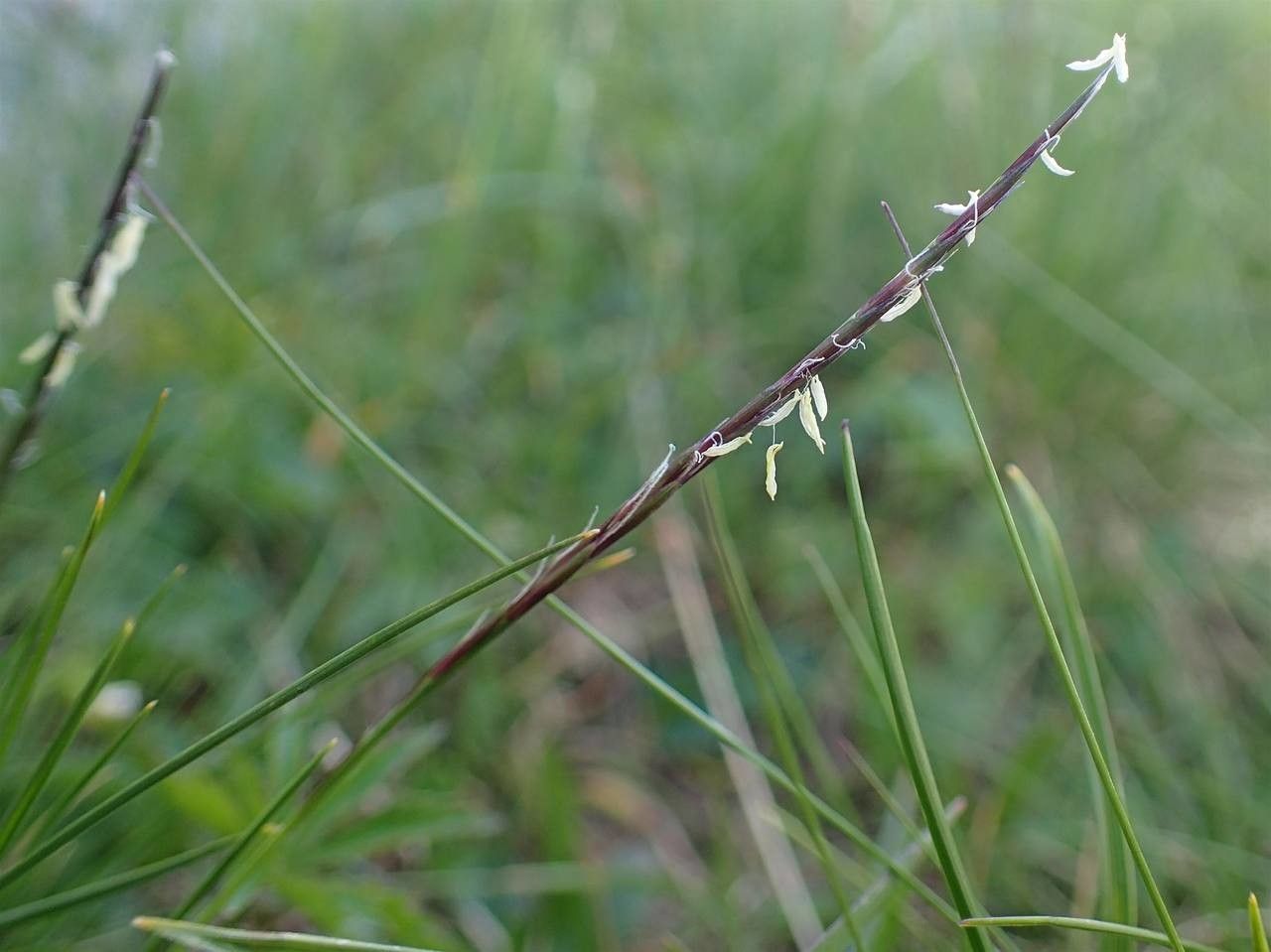
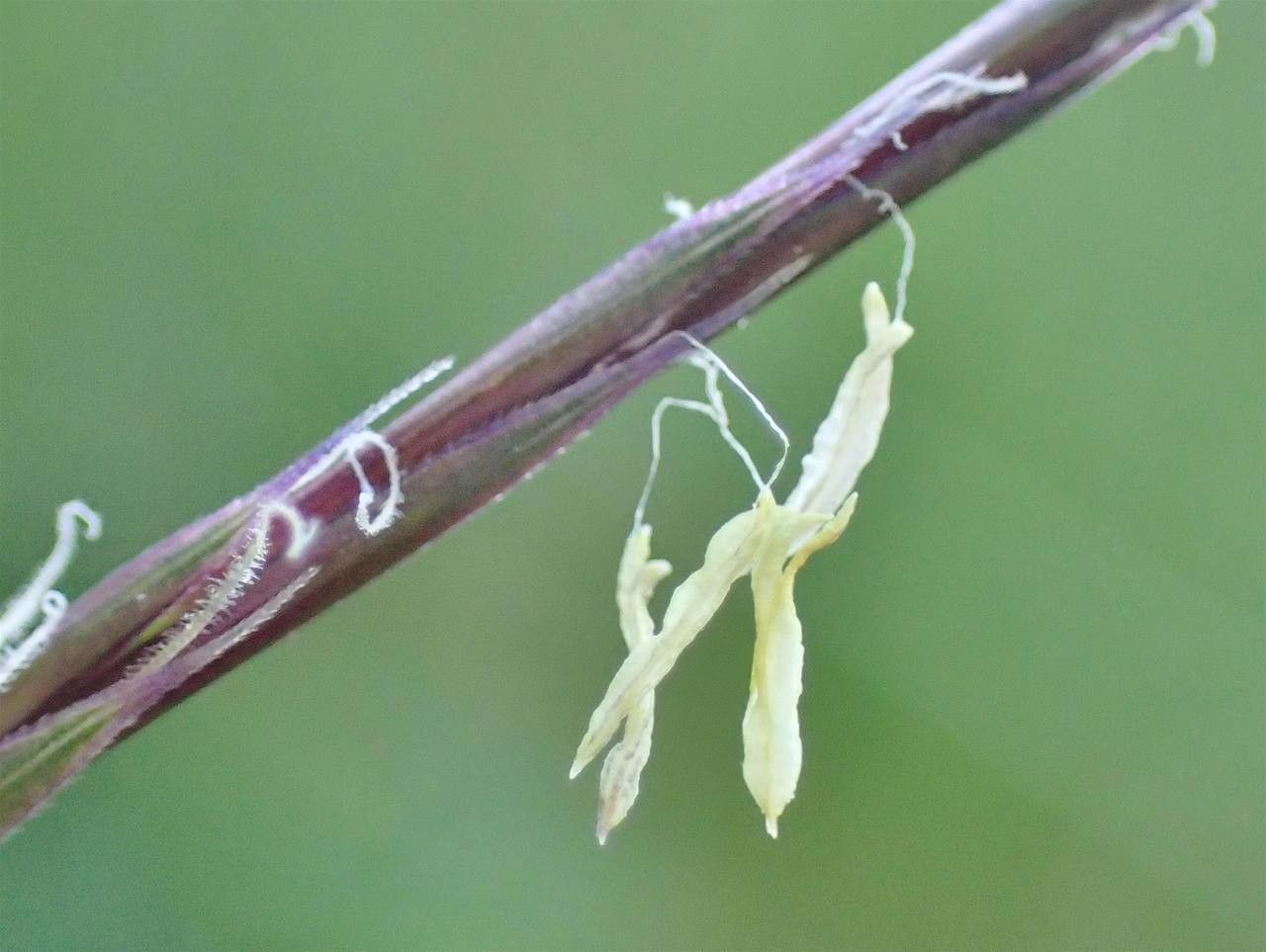
Nardus stricta, commonly known as matgrass or heath grass, is a perennial grass species native to Europe and Asia. It typically thrives in dry, acidic soils found in heathlands, moors, and open woodlands. The plant exhibits a tufted growth habit, with slender stems that can reach a height of up to 50 cm. Its leaves are narrow, pointed, and have a bluish-green coloration.
From June to August, Nardus stricta produces small flowers arranged in spikelets at the ends of its stems. These flowers are wind-pollinated and result in small seeds that can be dispersed by wind or animals.
The plant offers several ecological benefits. It provides food for grazing animals such as sheep and deer, and it also serves as a habitat for various insects, including butterflies, moths, bees, and wasps.
In traditional European medicine, Nardus stricta was valued for its anti-inflammatory properties. Its essential oil was commonly used to treat respiratory ailments like bronchitis.
Overall, Nardus stricta is a critical species in grassland ecosystems, offering numerous ecological benefits and possessing medicinal properties. It plays an important role in environmental conservation and traditional medicine practices across Europe.
Mat-grass displays strong resistance to disease and is typically not susceptible to illnesses. As for care, this plant is fairly low-maintenance. When grown outdoors it needs only minimal watering, and larger plants usually do not require pruning. Smaller plants, however, should be pruned after they finish blooming. Mat-grasst is appropriate for anyone with an outdoor area, such as a garden or deck, and does not demand extensive gardening experience.
How to keep Nardus Stricta.
Light
Mat-grass grows best with full, unblocked sunlight. The habitat it comes from receives continuous sunlight, which supports its vigorous growth. Imbalances in light, whether too much or too little, can harm its health, yet it does not need special accommodations for those situations.
Water
Mat-grass thrives in cool, temperate climates where moisture is consistent. While it shows moderate tolerance to drought, it grows best with weekly watering and benefits from natural rainfall. It requires less additional watering than typical garden plants, making it an excellent choice for meadows and pastures.
Temperature
Mat-grass is native to cooler climates and does best at temperatures between 32 and 70 °F (0 to 21 ℃). During warmer months, monitor temperatures and keep them cooler, adjusting as needed to ensure optimal growth.
Fertilizer
Mat-grass needs extra nutrients to encourage healthy new shoots. In spring, spreading some compost around the plant's base can effectively supply the nourishment it requires. Providing fertilizer supports strong growth and improves the plant's resistance to diseases and pests.
Pruning
Mat-grass is a tufted perennial known for its resilience and benefits from pruning in early spring. By cutting back the dead foliage from the previous year close to the ground and thinning out any crowded clumps, you can improve air circulation. This not only enhances the plant's health but also its appearance, encouraging strong new growth.
Botanical profile.
- Plant Type
- Grass
- Life Cycle
- Perennial
- Genus
- Nardus
- Family
- Poaceae
- Hardiness Zone
- 1
- Mature Height
- 25 cm to 61 cm
- Mature Spread
- 20 cm to 30 cm
- Leaf Color
- Green
- Leaf Type
- Evergreen
- Flower Color
- Yellow, Green, Purple, Brown
- Flower Size
- 0.51 cm to 0.76 cm
- Bloom Time
- Early summer, Mid summer
- Planting Time
- Spring, Summer, Autumn
- Harvest Time
- Mid summer, Late summer
- Native Area
- Turkey, Austria, Slovakia, Montenegro, Croatia, Slovenia, Morocco, Belarus, Russia, Germany, Estonia, Romania, Latvia, Belgium, Portugal, Netherlands, France, Czech Republic, Bulgaria, Armenia, Poland, Greece, Ukraine, Serbia, Lithuania, Italy, Spain, Switzerland, Mongolia, Albania, Azerbaijan, Algeria, Hungary
Other names.
Reader questions.
What should I do if I give my Mat-grass too much or too little water?
Proper watering is essential for the health of this beautiful ornamental grass. In the ground, watering issues can be resolved, but in a container, the grass can quickly die from either too much or too little water. When the grass does not receive the right amount of water, it may cease to grow. Overwatering can cause yellow leaves with brown tips, while underwatering can result in drooping leaves, weak seed head production, and browned leaves. If you suspect the grass has been watered improperly, the first step is to determine if it has been overwatered or underwatered. If it is receiving too much water, stop watering it immediately. It may take some time for heavy soil to dry out, so patience is needed. Once new growth appears, test the soil for moisture and determine if more water is necessary. On the other hand, if the grass is not receiving enough water, simply give it a thorough watering and observe if it improves. It is important to remember that providing a long, deep watering is better than frequent shallow waterings. This promotes the growth of deep roots, making the grass more resistant to drought and less susceptible to watering problems.
What are the sunlight requirements for Mat-grass?
Mat-grass requires full sun, which means it needs above 6 hours of sunlight daily to thrive. It's important to observe how sunlight moves through your garden to find spots that offer the perfect balance for your plants, promoting their health and growth. Originating from habitats with persistent sunlight, Mat-grass grows robustly under unobstructed exposure. Both excessive or insufficient sunlight can negatively impact its well-being, although the plant does not have specific allowances for these situations.
What is the native climate for Mat-grass?
Mat-grass, or Nardus stricta, thrives in cooler climates and is native to regions where temperatures range from 32 to 70 °F (0 to 21 °C). It grows best when the temperature is kept within this range, especially during the warmer months. To ensure optimal growth, it's important to monitor and maintain these cooler temperatures, making adjustments as necessary.
How frequently should I water my Mat-grass?
The watering needs of Mat-grass vary depending on the planting location. Generally, watering this grass once a week is recommended. In hot climates, watering once or twice a week in the summer may be necessary. In moderate climates, watering once every seven days or more may be sufficient. Grass in containers usually requires more frequent watering than grass in the ground. However, the location also plays a role, as shaded grasses need less watering compared to grasses grown in the ground. To determine when to water, check if the soil is dry by pressing your finger a couple of inches into it. For potted grass, you can weigh the pot to feel if it is light due to lack of water. Insufficient water may cause the grass blades to appear folded and thinner. Regular, deep waterings will enhance the grass's color, despite its drought tolerance. Although Mat-grass is naturally found in open scrublands with extreme heat and intermittent rain, it still requires care and attention. Watering is necessary for optimal growth and consistency, even in dry conditions. Initially, more frequent watering is needed until the grass establishes deep roots. For potted Mat-grass, the soil tends to dry out quickly, especially if exposed to hot, direct sun. Test the soil every 3 to 4 days and water when it feels dry. Mat-grass grown in the ground generally needs less watering, dependent on the type of soil. Clay soil can retain moisture even if the surface feels dry, while sandy soil drains quickly and requires more frequent watering.
How can artificial lighting be used for indoor Mat-grass plants?
Indoor Mat-grass plants can benefit significantly from artificial lighting, especially when natural sunlight is inadequate, like in winter or less sunny spaces. Optimal growth is achieved by ensuring adequate lighting, with LED lights being a popular choice due to their ability to mimic specific wavelengths needed by the plants. Full sun plants require 30-50 watts per square foot, partial sun plants 20-30 watts per square foot, and full shade plants need 10-20 watts per square foot of artificial light. Placing the light source 12-36 inches above the plant best simulates natural sunlight, with most plants needing 8-12 hours of light per day.
Does Mat-grass require any special care during winter?
Mat-grass is highly cold-tolerant and does not need additional frost protection during the winter. However, to help it through the winter and early spring, it's recommended to water the plant generously before the first freeze in autumn. This ensures the soil remains moist and enters a frozen state, preventing drought and water scarcity for the plant during the colder months.
What do I need to watch out for when I water my Mat-grass in different seasons, climates, or during different stages of growth?
To determine if you are watering enough, you can observe the rate of growth of your grass. Mat-grass tends to double in size within a year during the hottest months. If it's hot but the grass is not growing well, you may need to adjust your watering schedule. In winter, you could potentially water once a month, but it's still important to check the soil for moisture. During the peak growth cycle in warm months, the grass will require more water. However, during winter and cooler months, the water needs will decrease significantly. Remember, for Mat-grass, always let the soil completely dry before watering again.
What are the symptoms of improper lighting for Mat-grass?
Mat-grass exhibits various symptoms when exposed to inadequate lighting, including smaller new leaves, leggy or sparse growth, faster leaf drop, slower or halted growth, lighter-colored or yellowing leaves which indicate chlorosis, and potential damage such as sunscald, leaf curling, wilting, or leaf scorching due to excessive sunlight. These symptoms can help identify the need for adjusting the plant's light exposure to ensure its health and vitality.
How should I care for Mat-grass when temperatures drop below -45°C?
Despite Mat-grass's extreme cold tolerance, if winter temperatures fall below -45°C, it can affect the plant's ability to sprout in spring. There might not be any visible changes during winter, but a decrease in sprouting or a complete lack of new growth can occur in spring. In such cases, the best course of action is to remove any parts of the plant that have failed to sprout, promoting healthier growth.
What solutions exist for Mat-grass receiving insufficient or excessive sunlight?
For indoor Mat-grass experiencing insufficient light, gradually increase exposure to at least 6 hours of direct sunlight daily by moving the plant closer to a south-facing window or using artificial light sources like a desk or ceiling lamp for a minimum of 8 hours daily. For outdoor plants, adapt them to sunnier spots gradually to prevent sunburn. Pruning obstructions like tree branches or transplanting smaller plants during dormant periods can improve sunlight access. Note that while parts of the plant damaged by insufficient light may not recover, new growth will be healthy once adequate light is provided.
What should I do if Mat-grass is exposed to high temperatures?
Mat-grass does not tolerate high temperatures well. When the temperature exceeds 21°C, its growth will cease, and the plant becomes more susceptible to rotting. To care for Mat-grass in high temperatures, trim away any sunburned or dried-up parts of the plant. Move the plant to a location that offers shade during the midday and afternoon sun, or use a shade cloth to protect it. Additionally, water the plant in the morning and evening to keep the soil moist and help reduce the impact of high temperatures.