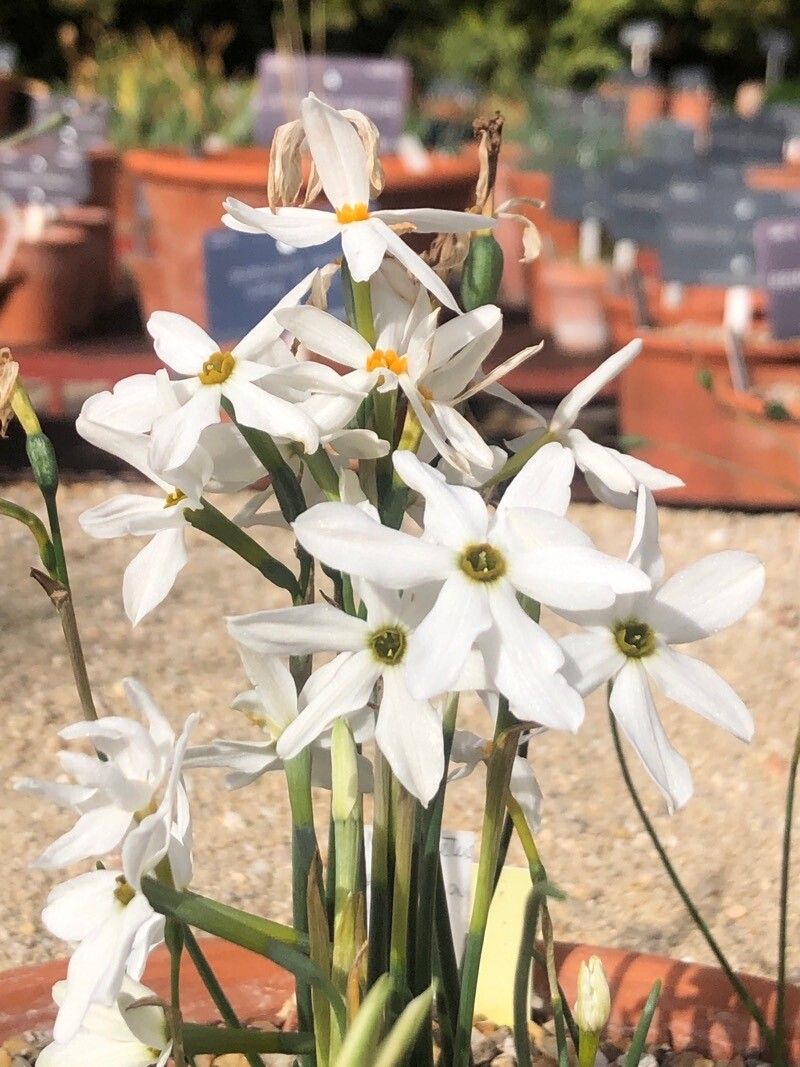
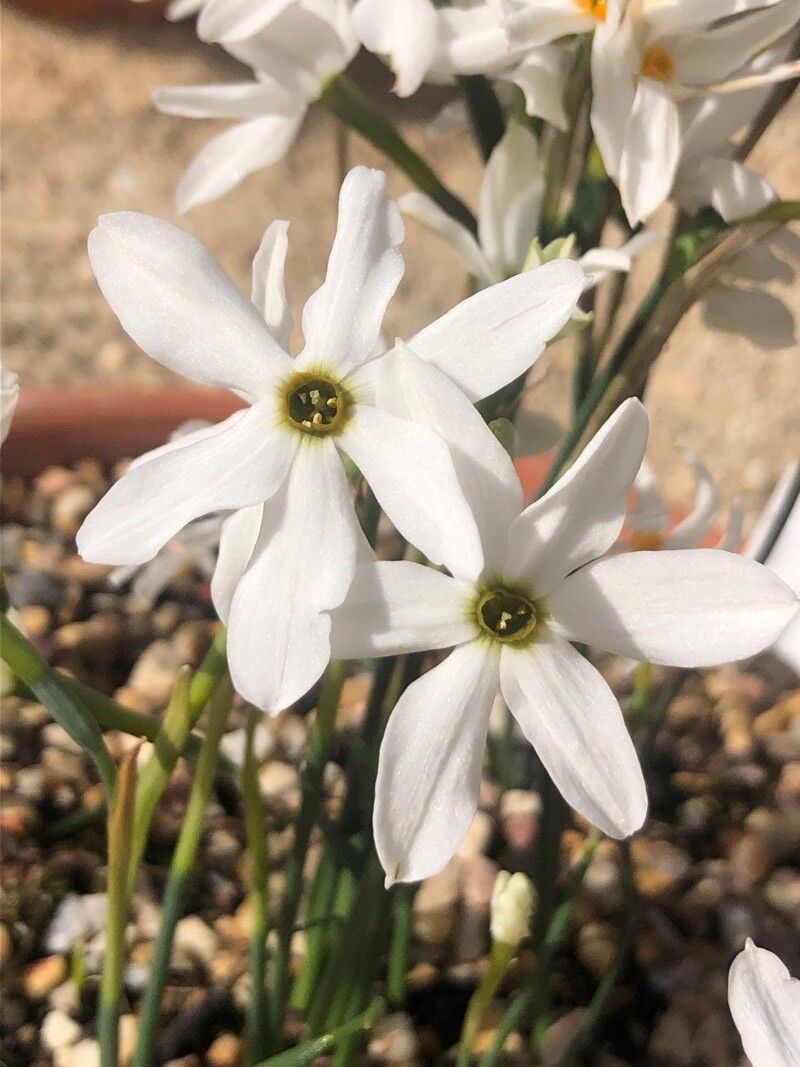
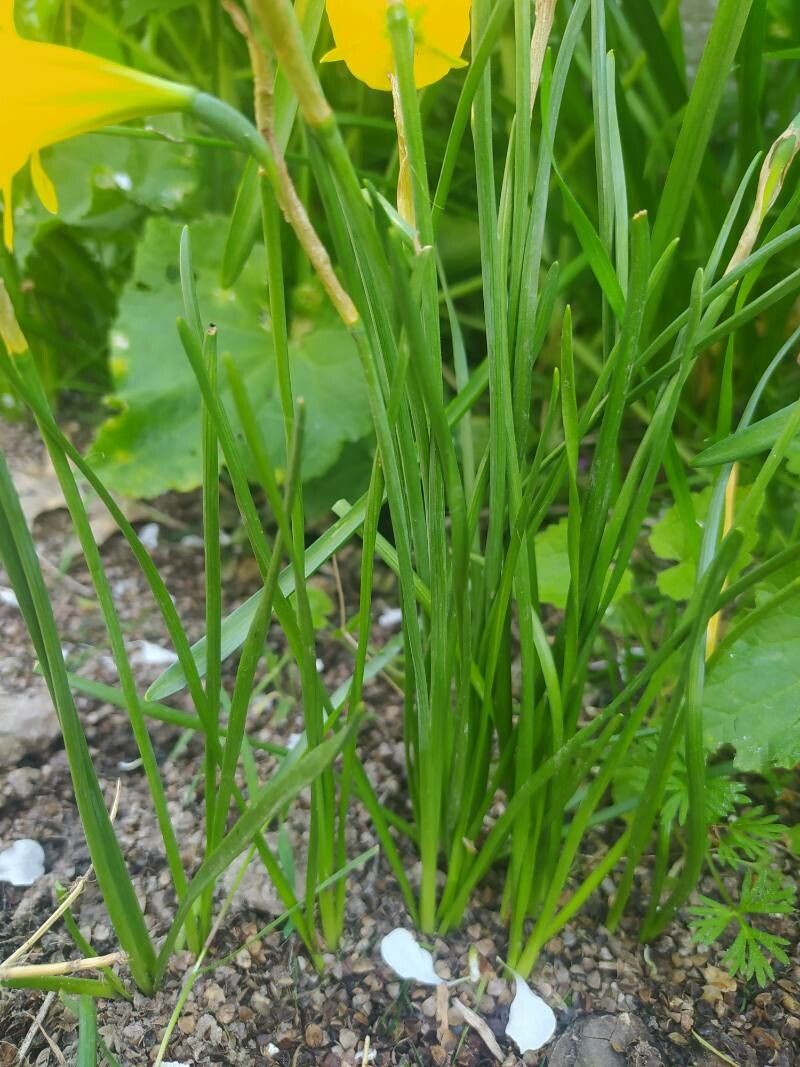
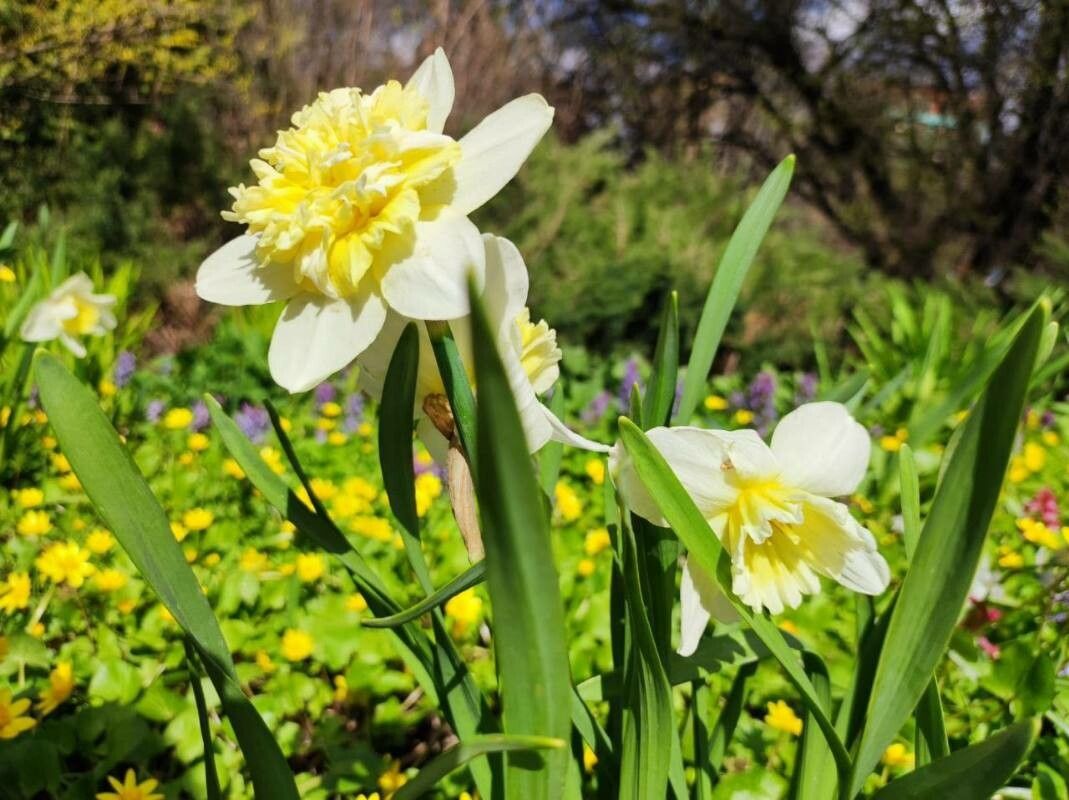
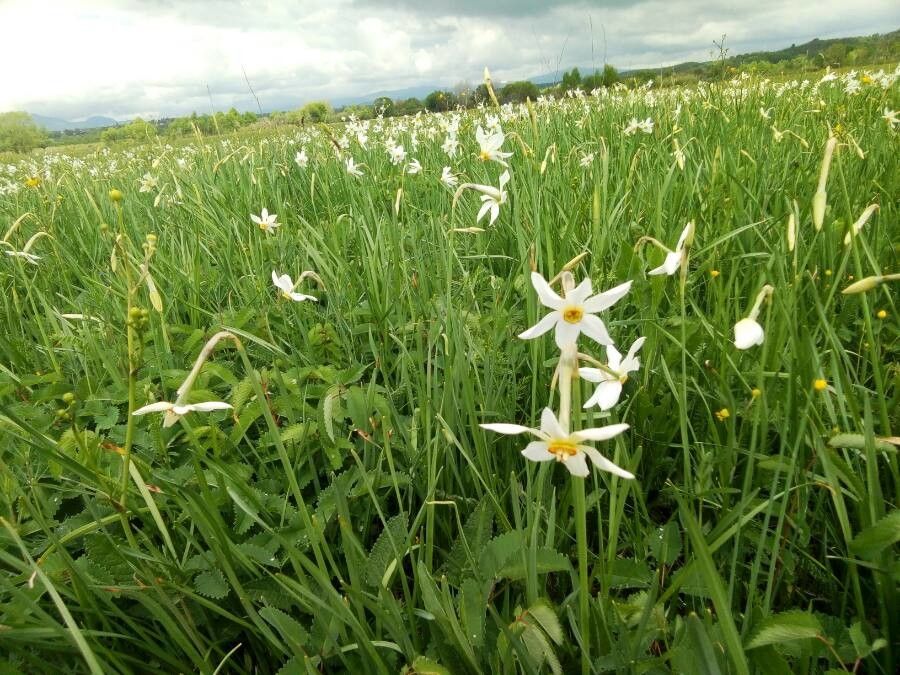
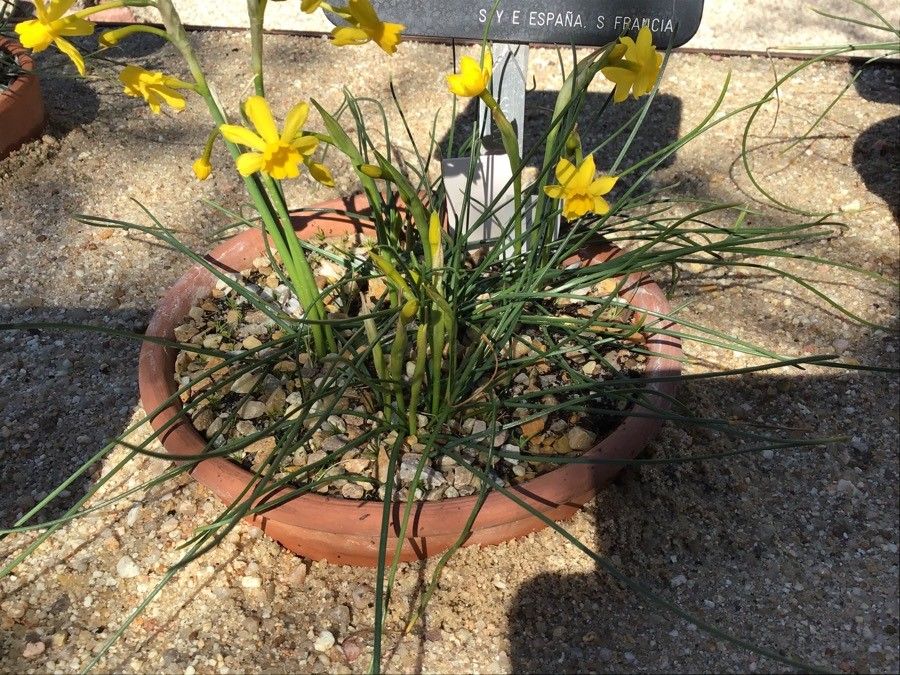
Narcissus obsoletus is a species of the genus Narcissus (daffodils) in the family Amaryllidaceae. It is classified in Section Serotini. It is native to the Mediterranean littoral from north Africa and the Iberian peninsula, east to Israel.
Narcissus obsoletus is fairly disease-resistant and generally not prone to illness. Nevertheless, it can be affected by pests and diseases present in its surroundings, though such infections are typically mild. In terms of care, this plant requires moderate maintenance. Regular pruning is needed to keep a neat appearance and support healthy growth. Fertilizing can also help encourage flowering. Narcissus obsoletus is suitable for anyone with outdoor space, such as a garden or patio, and does not demand extensive care experience. It may need more attention when grown indoors.
How to keep Narcissus Obsoletus.
Light
Narcissus obsoletus is a sun-loving perennial herbaceous plant native to open habitats, commonly thriving in meadows and grasslands. It prefers full sun but can also tolerate partial sun.
Water
Narcissus obsoletus requires minimal watering. Ideally, it should be watered once after planting, unless the conditions are exceptionally dry. For those grown in pots, more frequent watering is necessary during the growth and flowering stages. Avoid watering during the plant’s summer dormancy to prevent bulb rot. Resume watering in the autumn and winter when the soil becomes dry.
Fertilizer
A single spring application of fertilizer is typically enough for Narcissus obsoletus, although several feedings can maximize growth. Feed roughly once every month to a month and a half. Fertilizing improves leaf appearance and function, helping maintain even color and a healthy texture. It also promotes root growth and enhances nutrient absorption for long-term plant health.
Pruning
Pruning narcissus obsoletus in early spring helps improve growth by removing dead leaves and spent flowers. This encourages vigorous blooms, prevents overcrowding, and increases air circulation. This practice is essential for maintaining plant health, as it aligns with the plant's growth cycle and reduces the risk of disease.
Botanical profile.