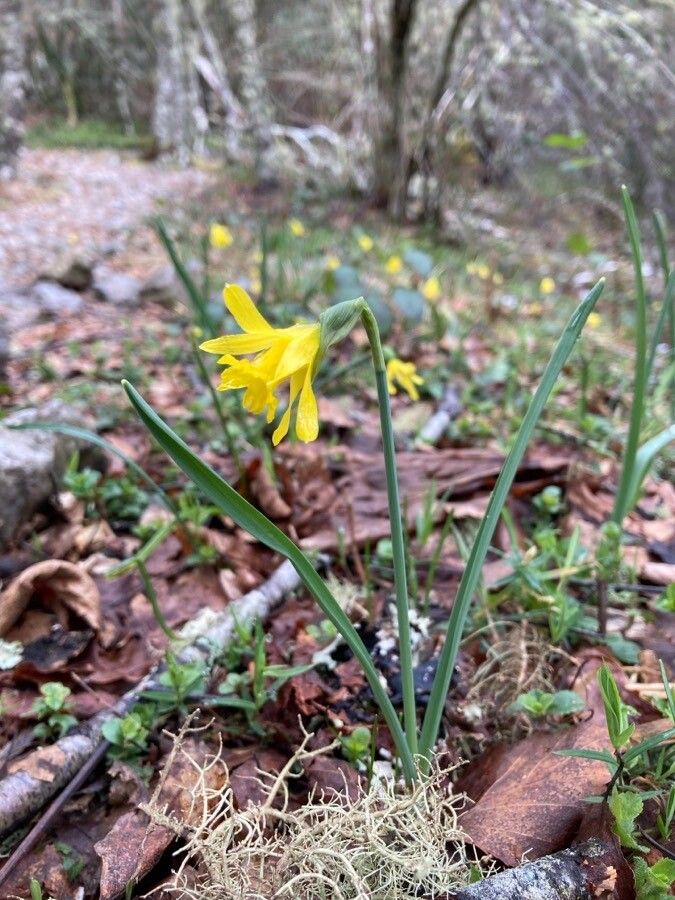
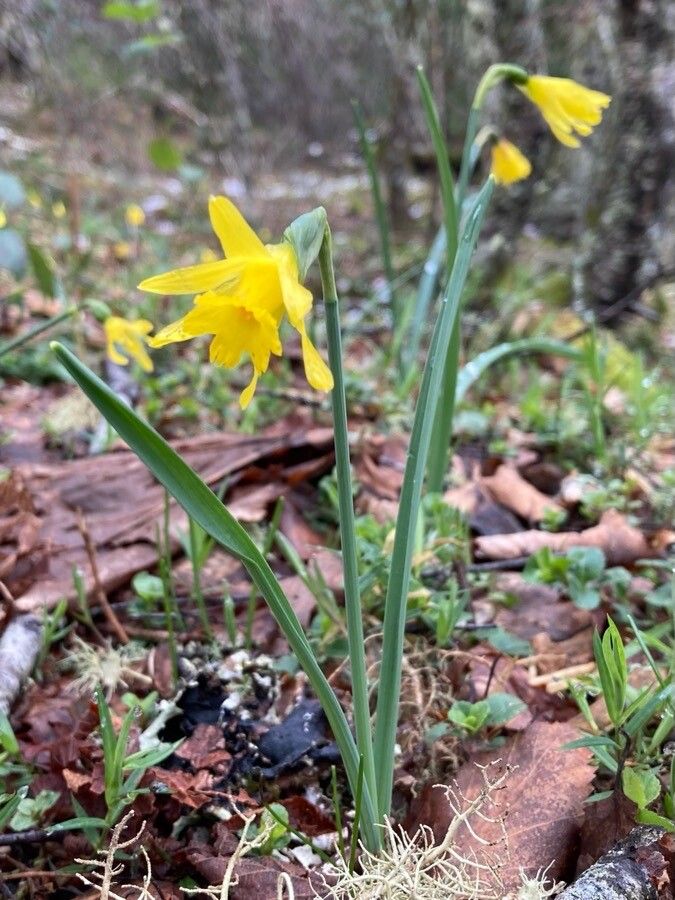
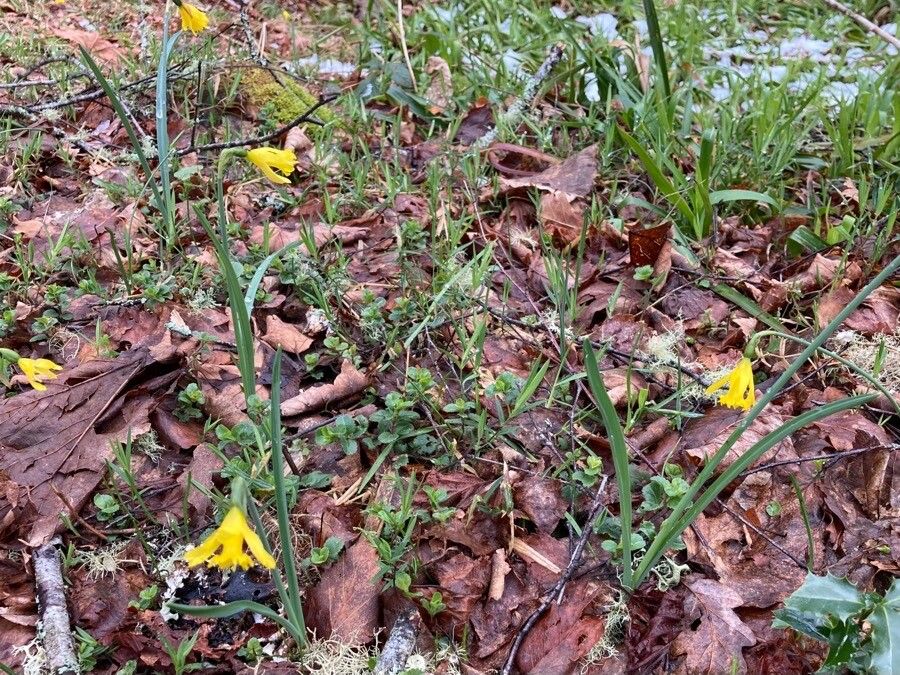
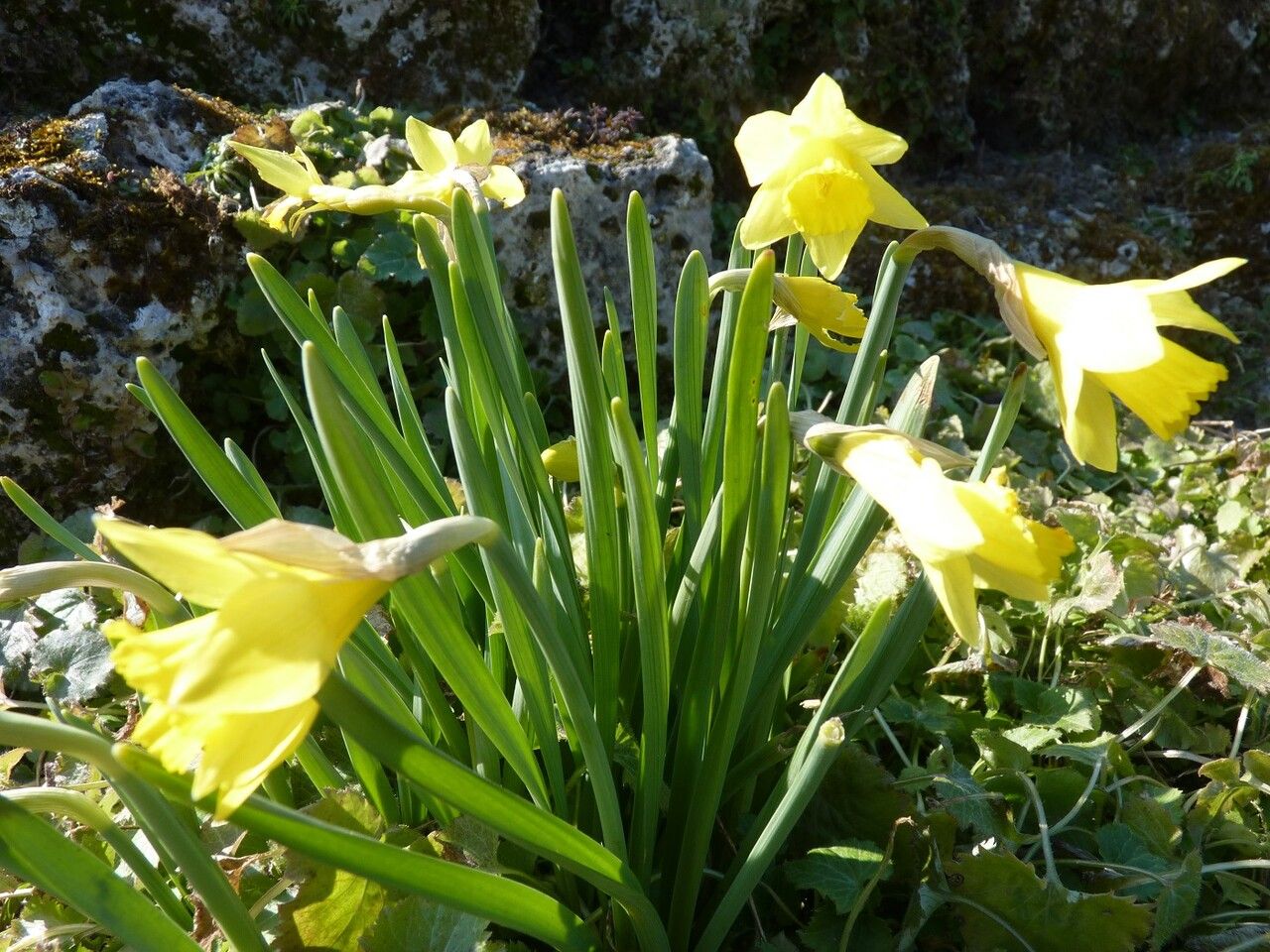
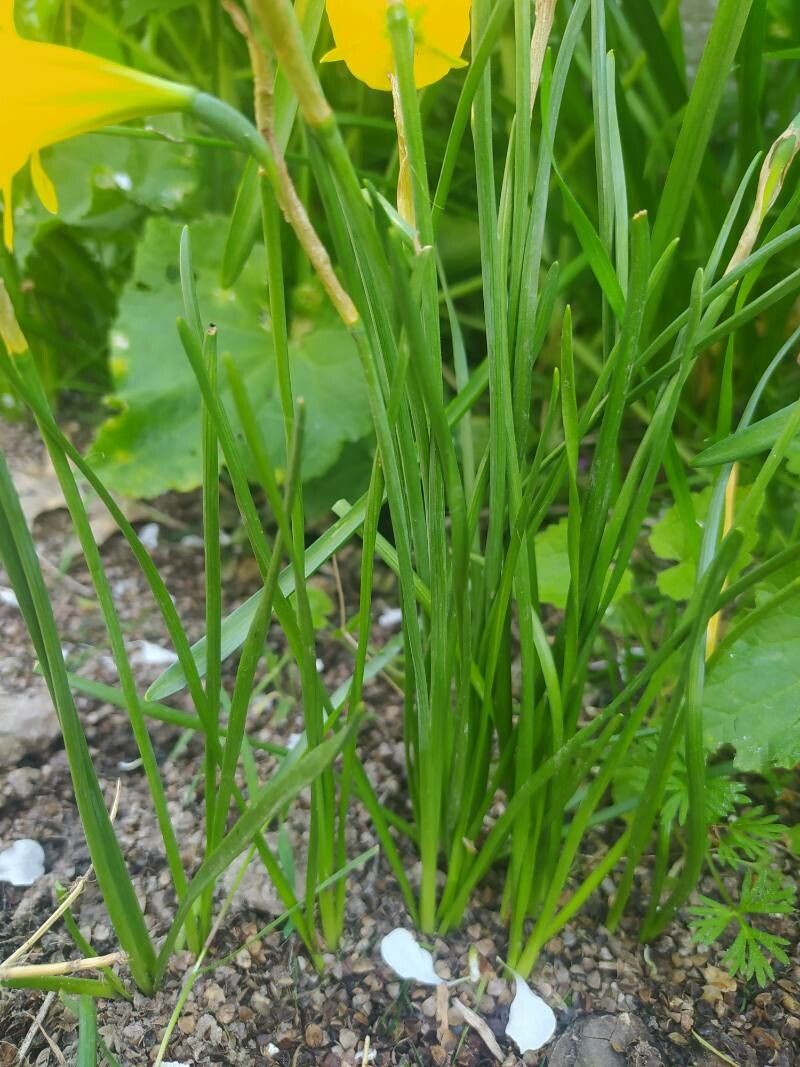
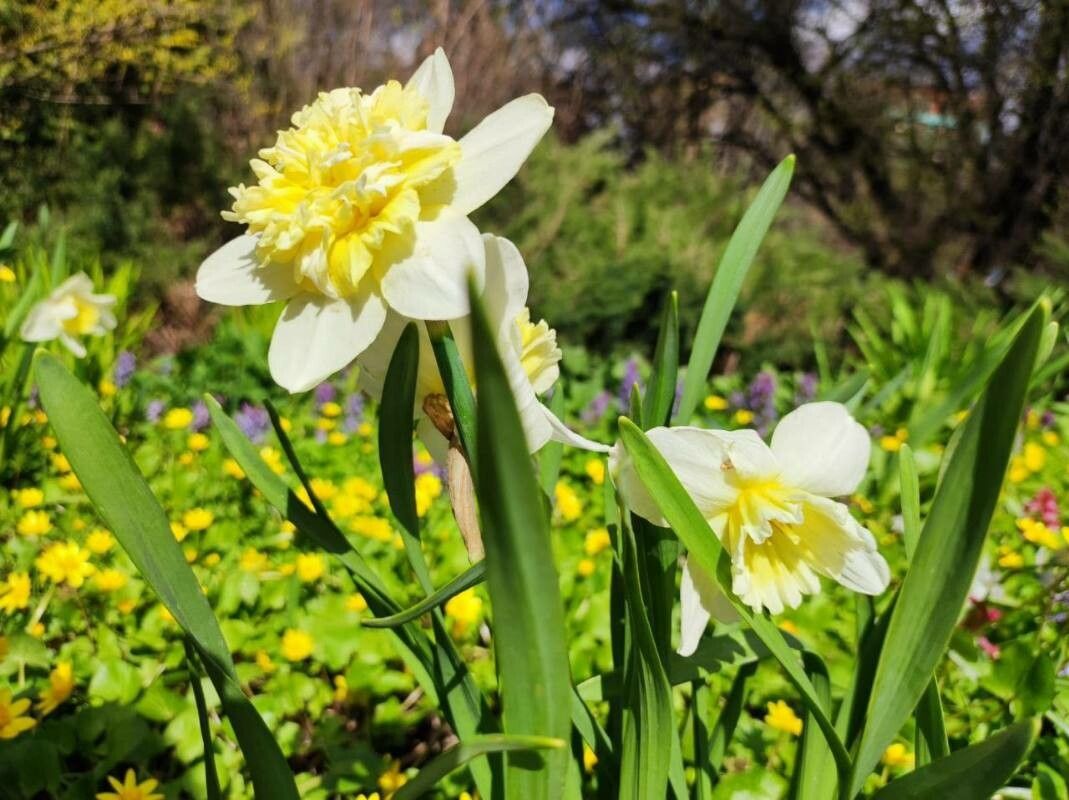
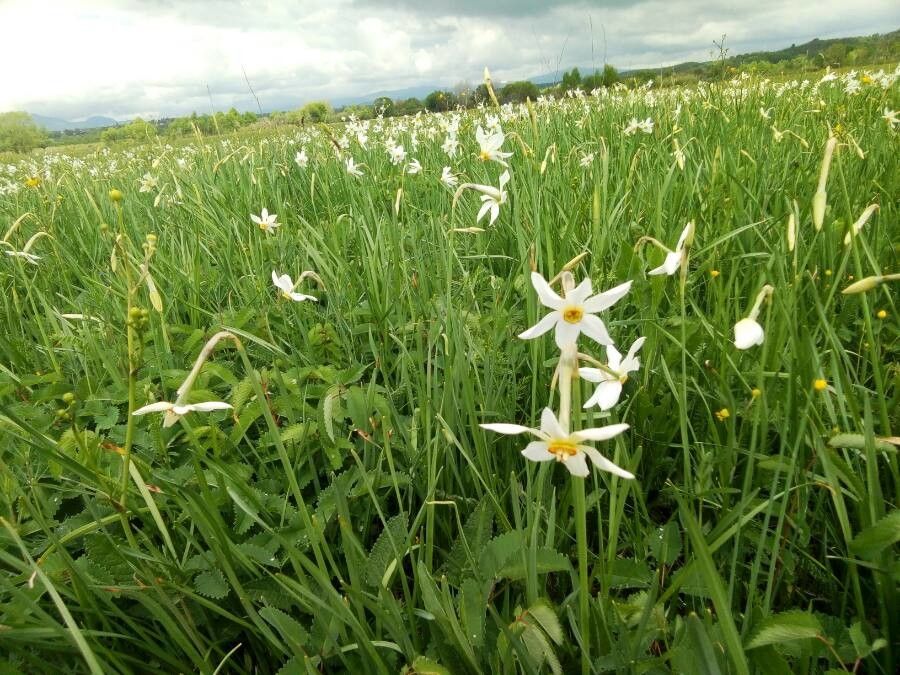
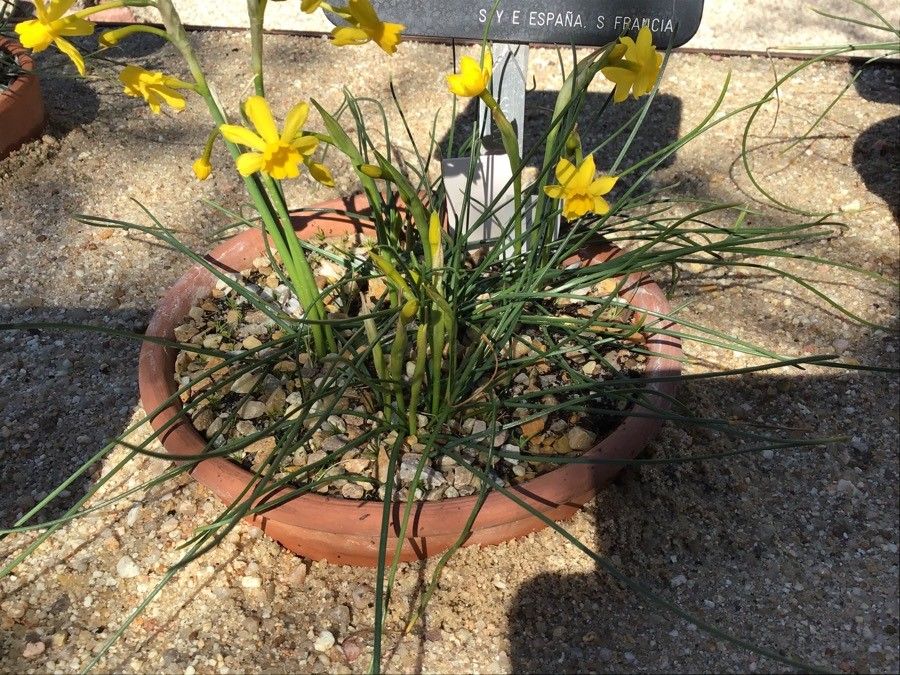
Narcissus minor, commonly known as the lesser daffodil, is a perennial bulbous plant from the Amaryllidaceae family. Native to Europe and North Africa, it can grow up to 20 cm tall. The plant features one or two narrow leaves about 15 cm long and bears a single flower on each stem. The flower, with its six yellow or white petals, has a central trumpet-shaped corona.
Narcissus minor thrives in well-drained soil with full sun exposure but can also adapt to partial shade. Blooming from March to April, it needs minimal care once established, making it an ideal choice for gardeners seeking low-maintenance plants.
Historically, the plant has been used for its antibacterial properties. However, it is important to note that all parts of Narcissus plants are toxic if ingested by humans or animals.
In summary, Narcissus minor is an attractive spring-blooming bulbous plant that adds color and beauty to any garden while requiring minimal maintenance once established.
How to keep Narcissus Minor.
Water
The lesser daffodil thrives in moderate rainfall and benefits from watering every 1-2 weeks. As a bulbous plant, it can store water in its bulbs, allowing it to adapt to different moisture conditions. This makes it ideal for controlled container gardening.
Fertilizer
The lesser daffodil needs minimal fertilization to thrive. When planting the bulbs in the fall, incorporate bulb food or bone meal into the soil. As the leaves start to emerge, apply a water-soluble fertilizer with a ratio of 5-10-10 to support foliage growth. Before spring flowering begins, switch to a fertilizer with a 0-10-10 ratio to enhance the blooms. After the flowers have finished blooming, top-dress the daffodils with a potassium fertilizer to maintain the health of the bulbs.
Pruning
The lesser daffodil is known for its compact growth and vibrant yellow flowers. It requires minimal pruning, which is best carried out in early spring. This involves removing dead leaves to improve airflow, thereby encouraging healthy growth and robust flowering. It's important to avoid cutting the green leaves after the flowers have bloomed, as these leaves store energy for the next blooming cycle.
Botanical profile.
- Plant Type
- Herb
- Genus
- Narcissus
- Family
- Amaryllidaceae
Other names.