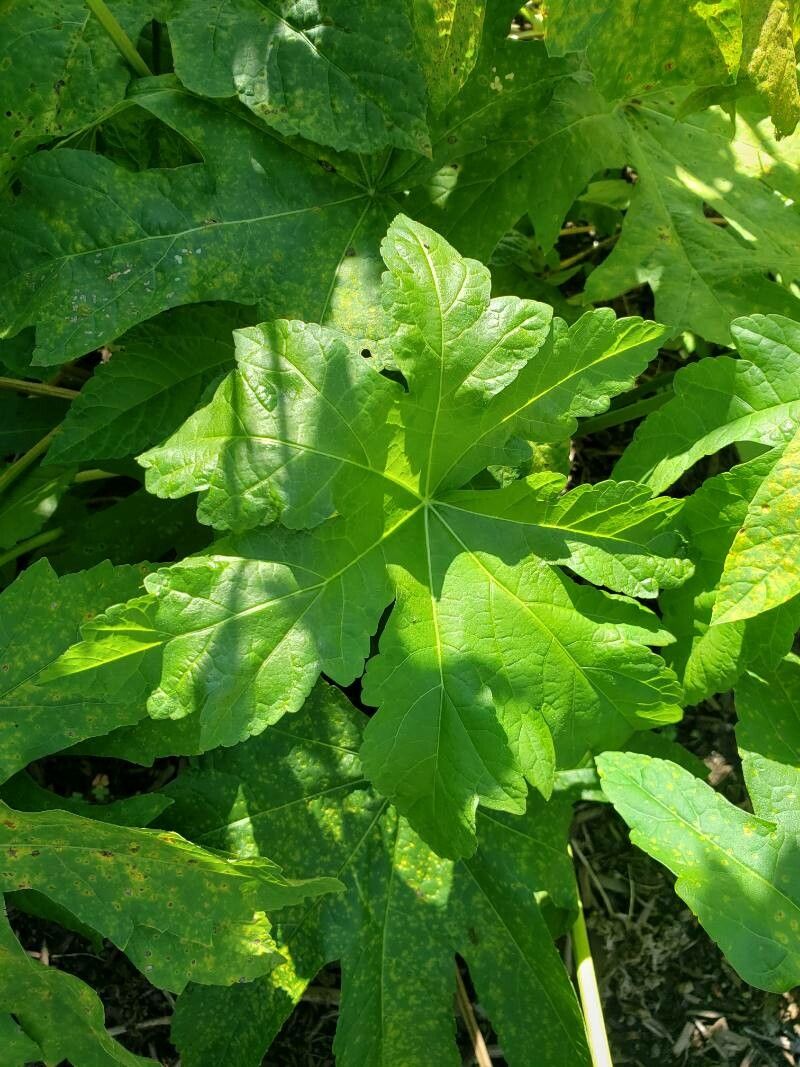
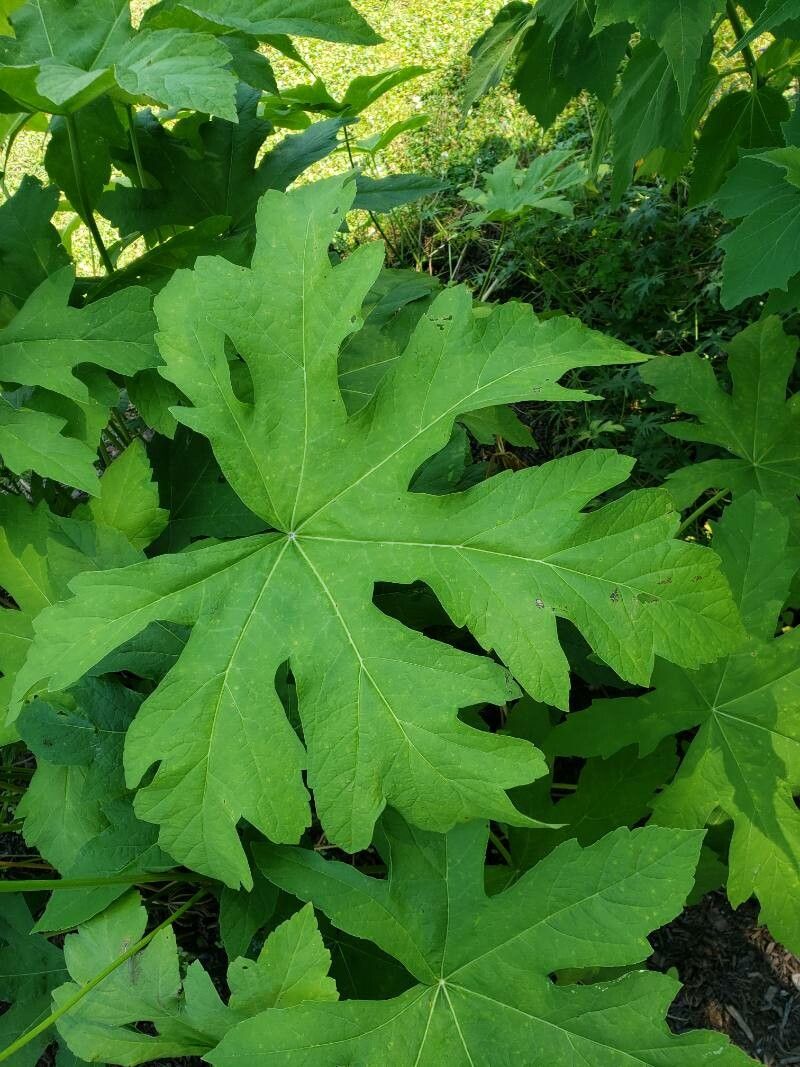
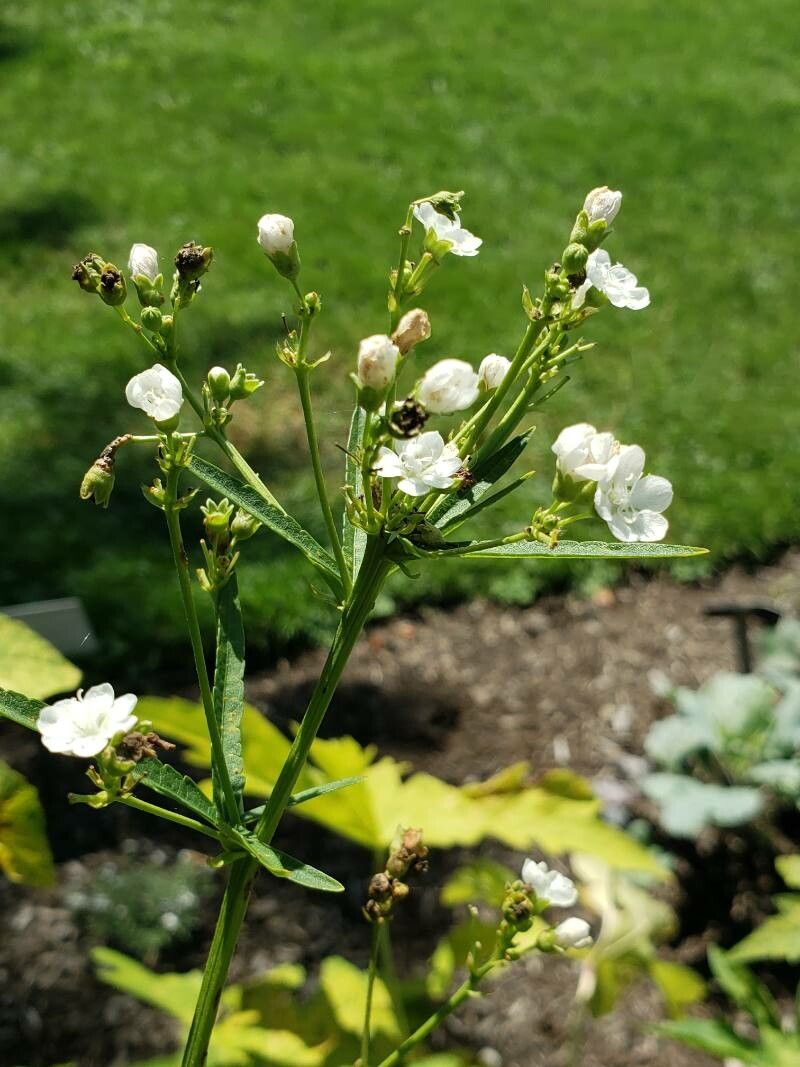
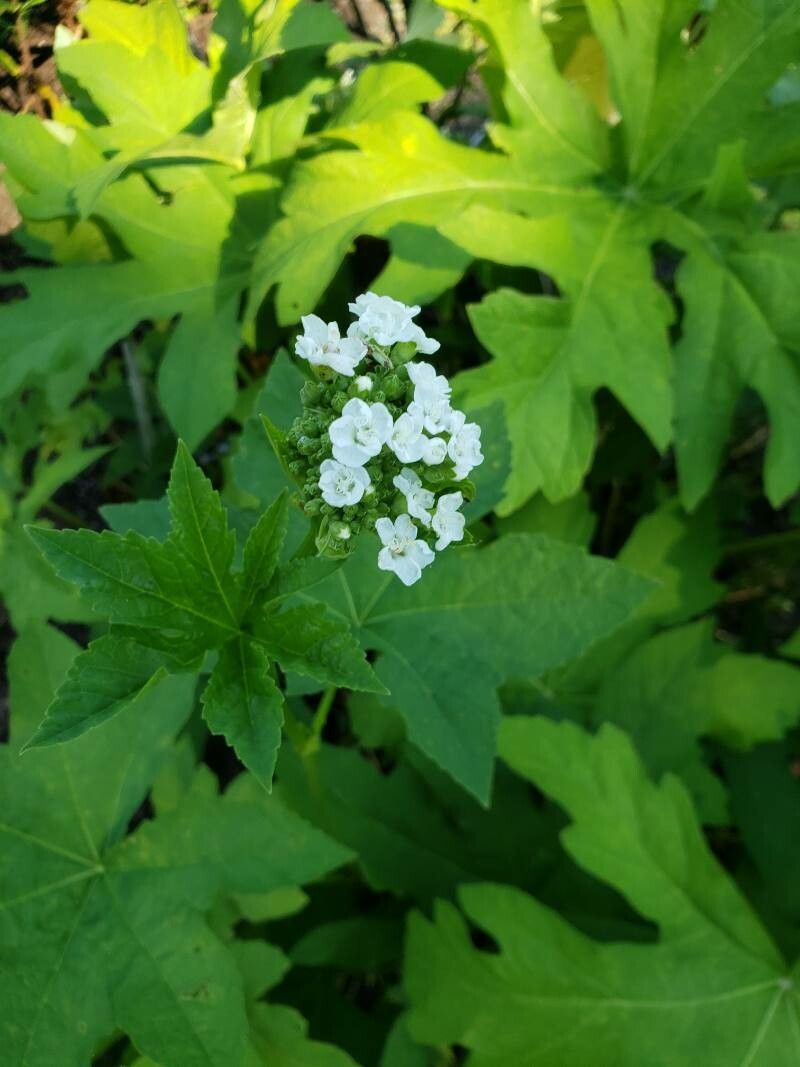
Napaea is a monotypic genus of flowering plants in the mallow family Malvaceae. The single species is Napaea dioica, a tall perennial herbaceous plant, native to central and eastern USA. Plants are occasionally grown as ornamentals in wildflower gardens. A common name is glade mallow.
Glademallow is fairly disease-resistant and usually not prone to illness. That said, it can be affected by pests and diseases present in its environment, although such problems are generally mild. As for care, the plant needs a moderate level of maintenance. It should be pruned regularly to keep a tidy appearance and support healthy growth. Fertilizing can also help encourage flowering. Glademallow is suitable for anyone with outdoor space, such as a garden or patio, and does not require extensive experience in plant care. It may need more attention when grown indoors.
How to keep Napaea Dioica.
Light
Glademallow usually does best when it receives sunlight for part of the day. Still, these plants can remain healthy with sun all day long. In their native, rich woodland habitat they typically get a mix of sun and shade. Too much sun can slow their growth, while too little light may prevent them from flowering.
Temperature
Glademallow is indigenous to habitats where temperatures range from 32 to 89.6 °F (0 to 32 °C). It prefers those conditions and adapts well to seasonal changes. Monitor the temperature and try to keep it within that range for optimal growth.
Fertilizer
The best time to fertilize a Glademallow is in early spring, as it comes out of dormancy and begins active growth. Fertilizing supplies essential nutrients needed for healthy growth. Although Glademallow has relatively low fertilizer requirements, applying fertilizer annually can enhance its survival and promote better, longer-lasting flowers.
Pruning
Glademallow is a plant with large heart-shaped leaves and clusters of white flowers. To keep it healthy and encourage blooming, prune it from early to late spring. Start by removing any dead stems to promote new growth. Thin out some of the branches to improve air circulation, and deadhead the spent flowers to encourage more blooms. Always use clean tools when pruning to maintain the plant's health and vigor.
Botanical profile.
- Plant Type
- Herb
- Life Cycle
- Perennial
- Genus
- Napaea
- Family
- Malvaceae
- Hardiness Zone
- 3-8
- Mature Height
- 0.91 m to 1.83 m
- Mature Spread
- 1.52 m
- Leaf Color
- Green
- Leaf Type
- Evergreen
- Flower Color
- White
- Flower Size
- 2.54 cm
- Bloom Time
- Early summer, Mid summer
- Planting Time
- Spring, Summer
- Harvest Time
- Late summer, Early fall
Other names.
Reader questions.
What are the sunlight requirements for Glademallow plants?
Glademallow plants can thrive in a variety of sunlight conditions. They require partial sun for about 3-6 hours of sunlight daily, but they can also flourish under full sun, which entails more than 6 hours of sunlight each day. It's important to monitor your garden's sunlight, ensuring there's a good balance to meet the needs of your plants. Too much sun might slow their growth, while insufficient sunlight can impede their blooming capabilities.
What are the optimal temperature conditions for growing Glademallow?
Glademallow thrives in temperatures ranging from 32 to 89.6 °F (0 to 32 °C), which makes it well-suited for changing seasons. It's important to monitor the temperature and keep it within this range to ensure optimal growth. Glademallow exhibits strong resistance to cold, meaning special frost protection is typically unnecessary. However, in cases where winter temperatures are expected to drop below -35°C, providing cold protection by covering the plant with soil or straw is advisable. Additionally, watering the plant abundantly before the first freeze in autumn is recommended to keep the soil moist and help prevent drought and water scarcity during winter and early spring.
Can Glademallow plants grow indoors, and what should be considered?
Yes, Glademallow plants can be grown indoors, especially when natural sunlight is insufficient. Artificial lighting becomes essential in such cases. A popular choice for indoor plant growth lighting is LED lights, which can be customized to provide specific light wavelengths needed by plants. For full sun plants, about 30-50W per square foot is needed; partial sun plants require 20-30W per square foot, and full shade plants need 10-20W per square foot of artificial light. The light source should be placed 12-36 inches above the plant, and most plants need 8-12 hours of light per day to mimic natural sunlight exposure adequately.
How does Glademallow react to low temperatures, and what measures should be taken?
Glademallow is cold-tolerant, ideally kept above 0°C during winter and should remain above -30°C to avoid damage. In situations where temperatures fall below -35°C, Glademallow may not show immediate adverse effects during winter, but come spring, there might be a decrease in sprouting or no sprouting at all. The solution for any non-sprouting parts in spring is to remove them to encourage new growth and maintain plant health.
What are the symptoms of insufficient light for indoor Glademallow plants?
Insufficient light in indoor Glademallow plants can lead to several symptoms indicating the need for more sunlight. These include the development of smaller new leaves, leggy or sparse growth, faster leaf drop, slower or stopped growth, lighter-colored new leaves, and signs of chlorosis. Conditions like sunscald, leaf curling, wilting, and leaf scorching may manifest due to overexposure to intense light. These symptoms show the plant struggling with the light conditions, whether too little or too much.
What should be done if Glademallow experiences high temperatures?
During the summer, it's crucial to ensure that Glademallow's environment does not exceed 32°C. Temperatures above 35°C can cause the leaves to lighten in color, curl, become prone to sunburn, and in severe cases, lead to wilting and drying out of the entire plant. To mitigate these effects, sunburned and dried parts should be trimmed away. Moving the plant to a shaded area or using a shade cloth to protect it from the midday and afternoon sun is advisable. Additionally, watering the plant in the morning and evening is recommended to maintain soil moisture and support the plant's health.
How can I address light condition issues for indoor and outdoor Glademallow plants?
For indoor Glademallow plants, gradual adaptation to light conditions is key. Start by moving them to progressively sunnier spots until they receive the desired 3-6 hours of direct sunlight daily, or use artificial lighting such as desk or ceiling lamps for at least 8 hours a day. For outdoor plants, similarly, move them gradually to sunnier locations to prevent sunburn. Consider professional grow lights for ample light if moving the plant isn't possible. If sunlight is blocked by trees or buildings, pruning or relocating the plant to a sunnier spot with good drainage might be necessary for outdoor plants. It's important to note that parts of the plant affected by poor light may not recover, but new growth should be healthy with adequate light adjustments.