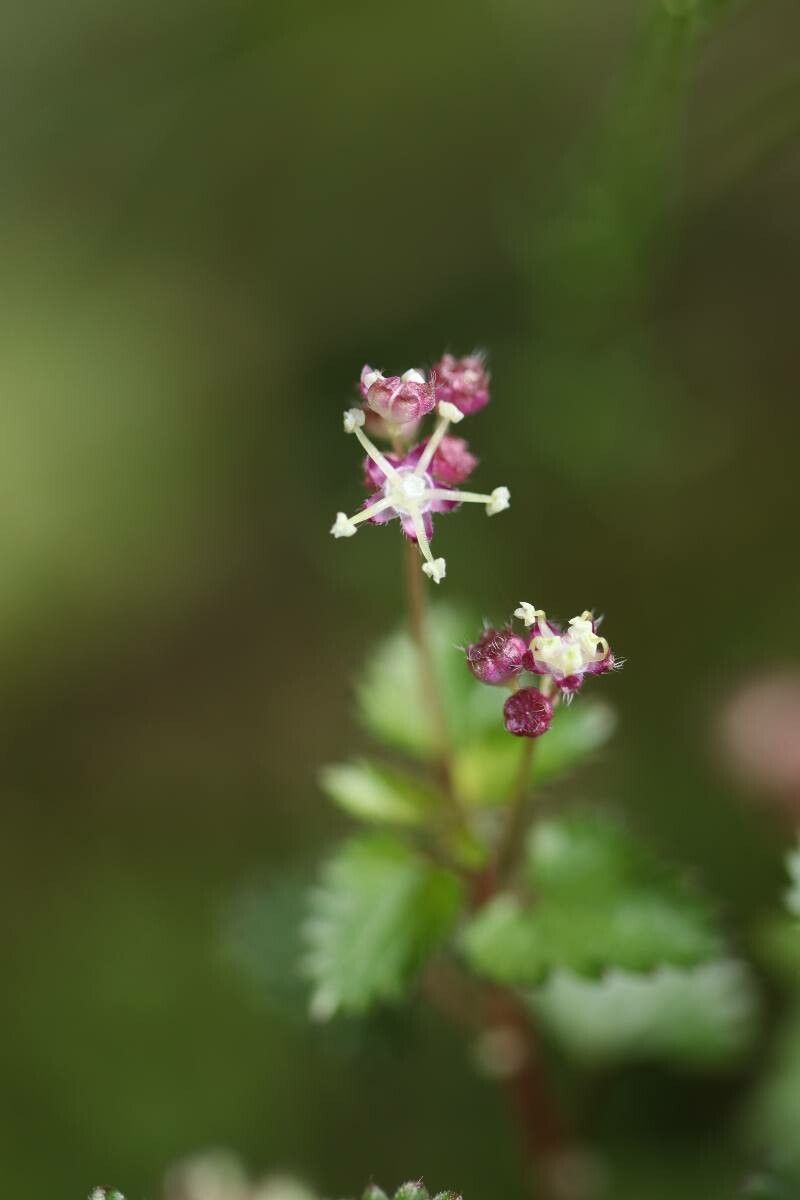
Serrate nanocnide is fairly resistant to disease and typically does not suffer from illnesses. Nonetheless, it can be vulnerable to pests and ailments present in its environment, though such infections are generally mild. Regarding care, the plant requires moderate maintenance. Regular pruning is necessary to preserve a neat appearance and support healthy growth, and applying fertilizer can also encourage flowering. Serrate nanocnide is suitable for anyone who has an outdoor area, such as a garden or patio, and does not demand extensive care experience. When cultivated indoors, it may need greater attention.
How to keep Nanocnide Japonica.
Light
Serrate nanocnide naturally thrives in habitats like forest undergrowth or rocky regions where it typically enjoys natural shading. While it favors partially sunny conditions, it can also adjust to conditions of total sunlight or complete shade, reflecting its adaptable and robust character.
Water
Serrate nanocnide thrives in consistently moist environments but can withstand occasional dryness. For optimal health, water it weekly. When grown indoors, higher humidity levels will promote better growth, as this mimics its natural habitat. While adaptable to various climates, it is important to monitor and maintain adequate moisture levels to ensure its healthy development.
Temperature
Serrate nanocnide possesses the capability to adjust to various temperature environments, yet its spread may generally be curtailed by specific mixtures of aquatic and thermal conditions. It flourishes optimally in temperate climates throughout the summer with sufficient rain or irrigation. Its chances of dying can intensify during lengthy stages of overcast and wet weather, in addition to extended instances of high temperatures. Providing adequate protection against the cold during winter can enhance the survival probability of this plant.
Fertilizer
Typically, a one-time fertilizer application in the spring is enough for Serrate nanocnide, but to optimize growth, consider feeding multiple times. Apply the fertilizer every month to a month and a half. This will boost leaf aesthetics and performance, ensuring uniform color and healthy texture. Additionally, it triggers the growth of roots and the intake of nutrients, which contributes to the enduring health of the plant.
Pruning
Serrate nanocnides are distinguished by their serrated leaves and compact growth habit. To help them thrive, it is beneficial to prune them in the spring. During pruning, remove any dead or damaged branches and thin out any crowded areas to improve air circulation. This practice not only enhances the plant's appearance but also supports its health, encouraging vigorous growth while preserving its shape and size.
Botanical profile.
- Plant Type
- Herb
- Life Cycle
- Perennial
- Genus
- Nanocnide
- Family
- Urticaceae
- Hardiness Zone
- 7-10
- Mature Height
- 10 cm to 46 cm
- Mature Spread
- 20 cm to 40 cm
- Leaf Color
- Green, Dark Green
- Leaf Type
- Deciduous
- Flower Color
- White, Purple, Green
- Flower Size
- 1.52 cm to 4.06 cm
- Bloom Time
- Early spring, Mid spring
- Planting Time
- Spring, Summer, Autumn
- Harvest Time
- Late spring, Early summer
- Native Area
- South Korea, Vietnam, Japan, China
Other names.
Reader questions.
What are the sunlight requirements for Serrate nanocnide?
Serrate nanocnide (Nanocnide japonica) thrives in partial sun, requiring about 3-6 hours of sunlight per day. It's important to observe the way sunlight moves throughout your garden, selecting locations that offer an ideal mix of light and shade. This careful placement ensures the plants remain happy and healthy.