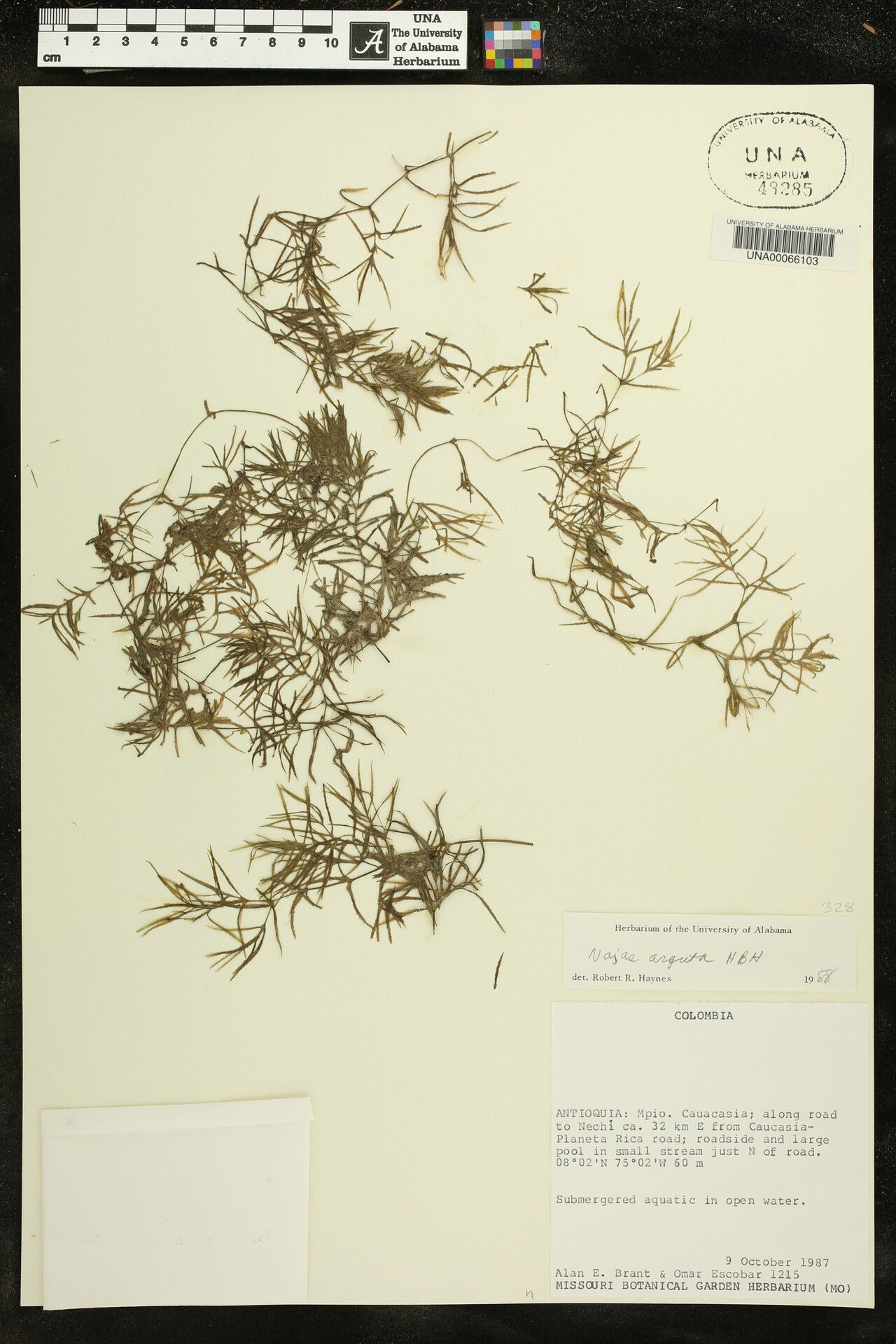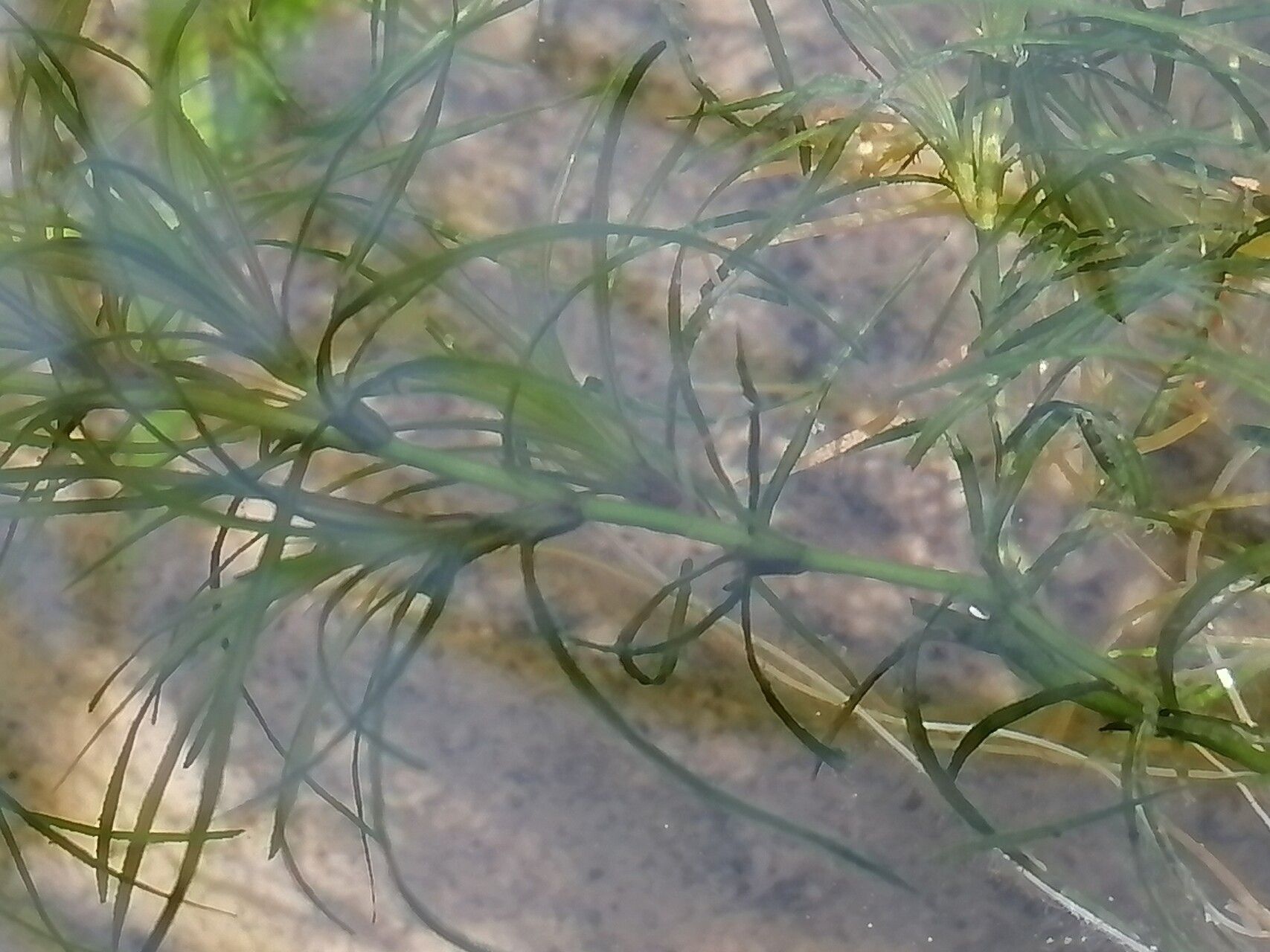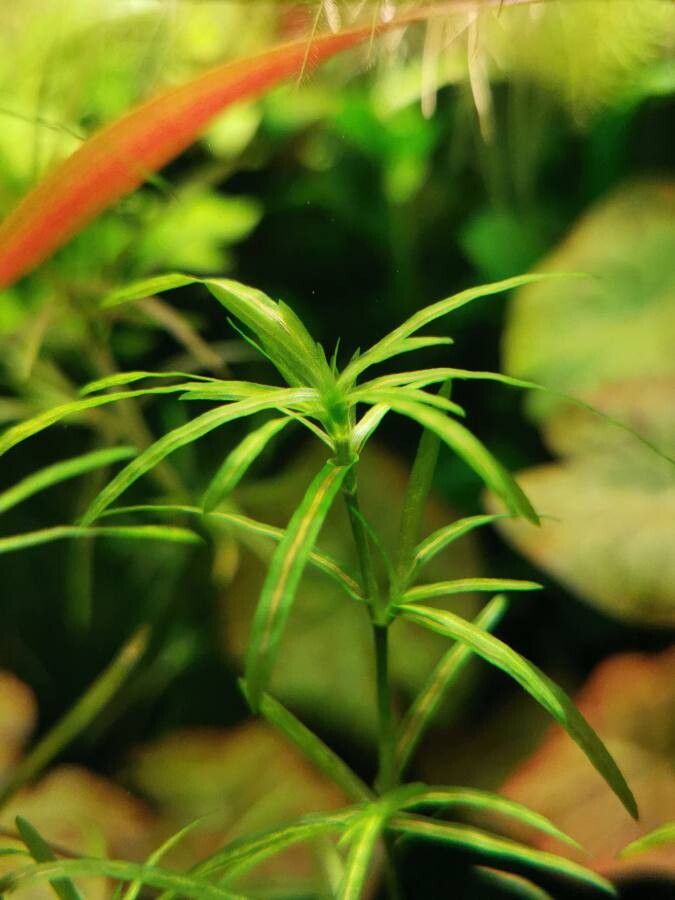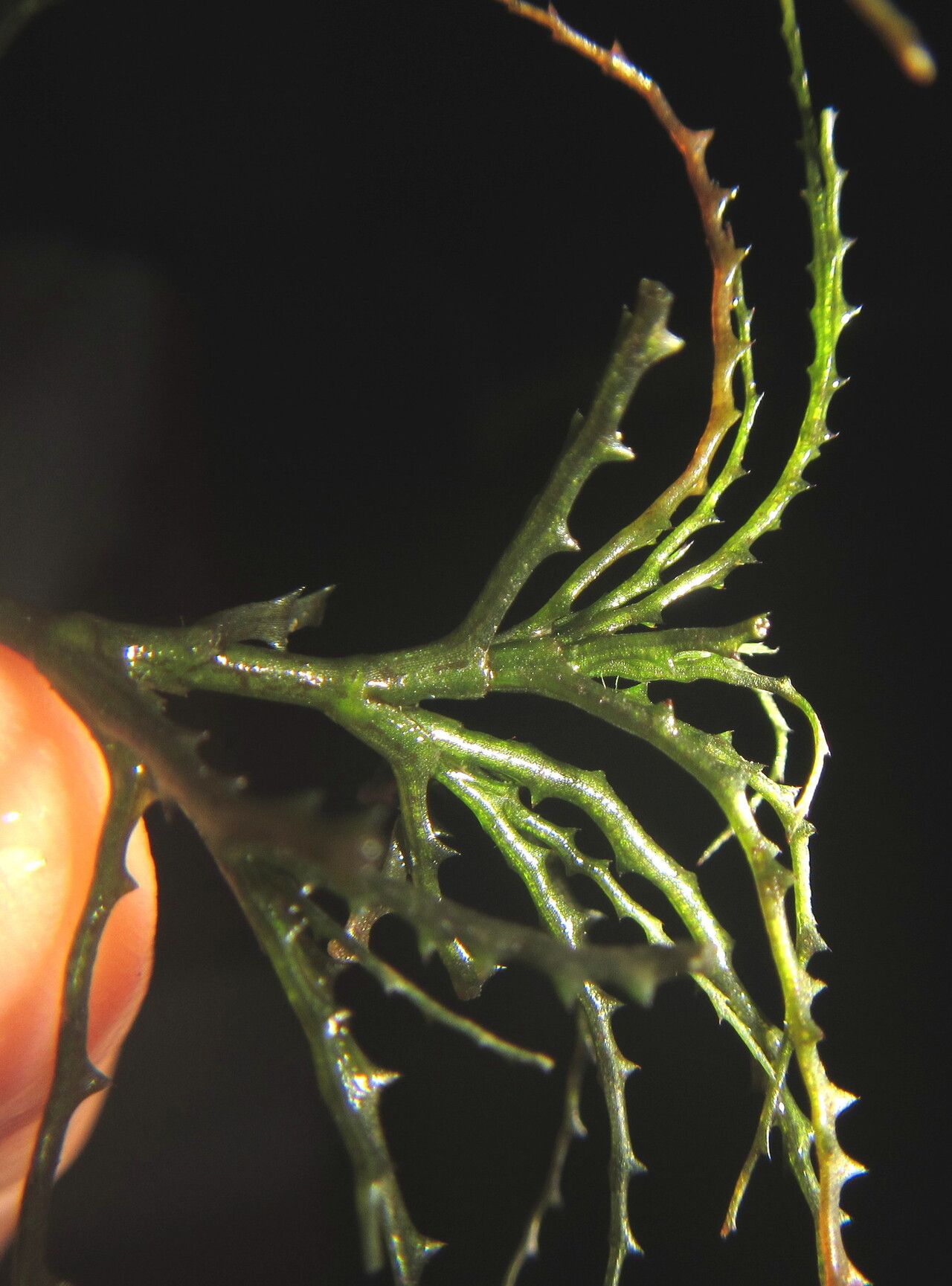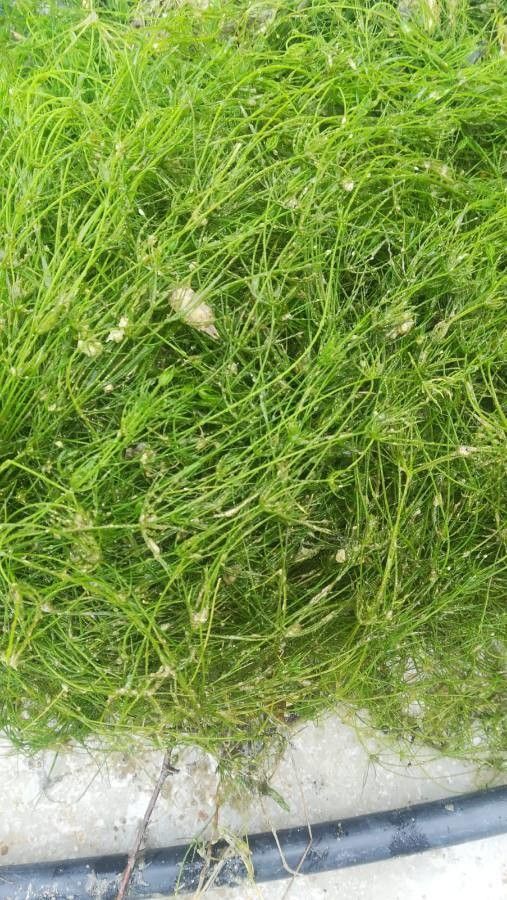
Najas gracillima, the slender waternymph, is a submerged species of aquatic plant in the Hydrocharitaceae family. found in lakes and streams. It is native to China (Fujian, Guangxi, Guizhou, Hainan, Hebei, Hubei, Jiangxi, Jilin, Liaoning, Nei Mongol, Taiwan, Yunnan, Zhejiang), Russian Far East (Amur and Khabarovsk), Japan, Korea, Taiwan, Iran, Alberta, Ontario, Newfoundland, Nova Scotia, New Brunswick, the eastern United States (every state east of the Mississippi River except Florida, plus Minnesota, Iowa, Missouri and the District of Columbia). It is also considered introduced and naturalized in France, Spain, Italy and California (Plumas and Tehama Counties).Najas gracillima is a small aquatic annual with branching stems. The unisexual flowers ( each flower is only one sex) are produced in the axils of the branchlets and bases of the leaf sheaths. It is listed as endangered in Minnesota. It lives in soft-water lakes and ponds with mud and silt bottoms, and appears to be sensitive to water turbidity, warming, and eutrophication.
The slender waternymph has good resistance to disease and is generally not prone to illnesses. However, it can be vulnerable to pests and diseases present in its surroundings. These infections are typically not severe. Regarding care, this plant requires a moderate level of maintenance. It should be pruned regularly to maintain a neat appearance and healthy growth. Fertilizing can also help encourage flowering. The slender waternymph is suitable for anyone with outdoor space, such as a garden or patio, and does not demand extensive care experience. It may need more attention when grown indoors.
How to keep Najas Gracillima.
Light
The Slender waternymph originates from locales rich in sunlight, like the shallow fringes of ponds and lakes. It prefers full sun exposure, but also can bear light conditions that are partially shaded.
Water
The slender waternymph flourishes in consistently moist environments, a reflection of its aquatic heritage. Ideally, it should be watered weekly using distilled or rainwater to avoid mineral buildup. As a delicate indoor plant, it is highly tolerant of being submerged, highlighting its need for stable hydration.
Temperature
The Slender waternymph has the capability to adjust to a broad spectrum of temperature environments, yet its distribution might still be restrained by various mixtures of water and heat circumstances. This plant flourishes optimally in hot climates during summer, provided there is sufficient rain or watering. Extended durations of overcast and wet weather, paired with lengthy periods of extreme heat, can heighten the chances of the Slender waternymph perishing. During the winter months, appropriate shielding from the cold can enhance the survival prospects of the plant.
Pruning
The slender waternymph is an aquatic plant known for its thin, thread-like leaves. To promote growth, improve water circulation, and prevent overcrowding, it's best to prune the plant from early to late spring. Regular maintenance helps keep the plant vibrant and resistant to disease. Be sure to use clean, sharp tools for effective pruning.
Botanical profile.
- Plant Type
- Herb
- Life Cycle
- Annual
- Genus
- Najas
- Family
- Hydrocharitaceae
- Hardiness Zone
- 5-6
- Mature Height
- 30 cm to 61 cm
- Mature Spread
- 10 cm to 20 cm
- Leaf Color
- Green
- Leaf Type
- Deciduous
- Bloom Time
- Summer, Early fall, Mid fall
- Planting Time
- Spring, Summer
- Harvest Time
- Mid summer, Late summer, Fall
- Native Area
- Japan, China
Other names.
Reader questions.
What are the ideal growing conditions for Slender waternymph (Najas gracillima)?
Slender waternymph thrives best in cold regions and high-altitude areas, favoring cool temperatures, ample ventilation, and a moist environment. It is important to protect the plant from heat during the summer as it is extremely susceptible to high temperatures, which can be lethal. Conversely, Slender waternymph is highly tolerant of cold and does not require special frost protection during the winter. Nonetheless, maintaining soil moisture is crucial, especially before the first freeze in autumn. It is recommended to water the plant generously to help prevent drought and water scarcity throughout the winter and early spring.
What should I do if the temperature drops below -25°C?
Slender waternymph can endure extremely low temperatures, but if the temperature falls below -25°C, it may impact the plant's ability to sprout in the spring. There might be a noticeable decrease in sprouting or, in some cases, no sprouting at all. To mitigate this, you should remove any parts of the plant that have failed to sprout come spring. This helps in promoting the growth of new, healthy parts.
How do I care for Slender waternymph during high temperatures?
High temperatures are detrimental to Slender waternymph, as it is not tolerant of heat above 35°C. Under such conditions, its growth may halt, and it becomes prone to rot. To protect the plant, trim away any sunburned or dried-up parts immediately. Relocate the plant to a shady spot or use a shade cloth to shield it from the midday and afternoon sun. Ensuring the soil remains moist is vital, so water the plant thoroughly in the morning and evening.