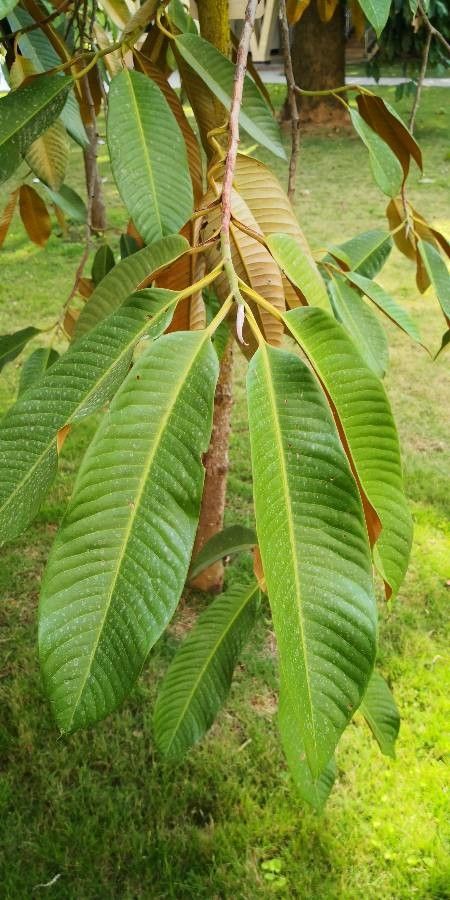
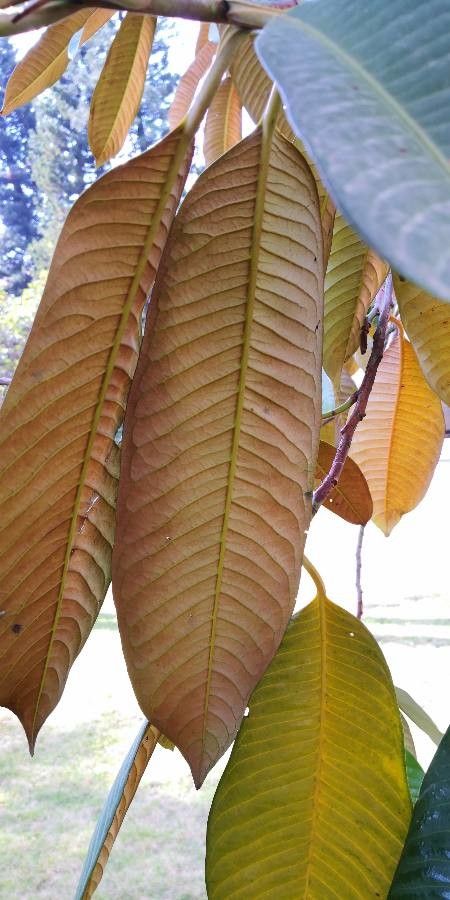
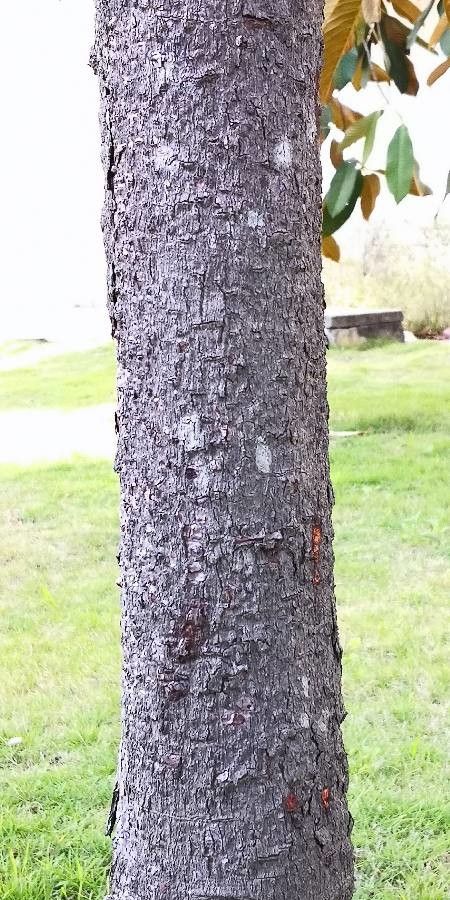
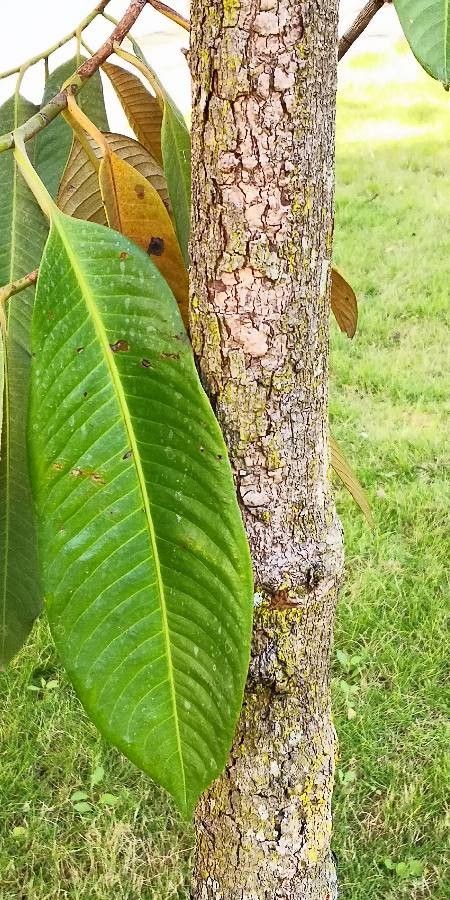
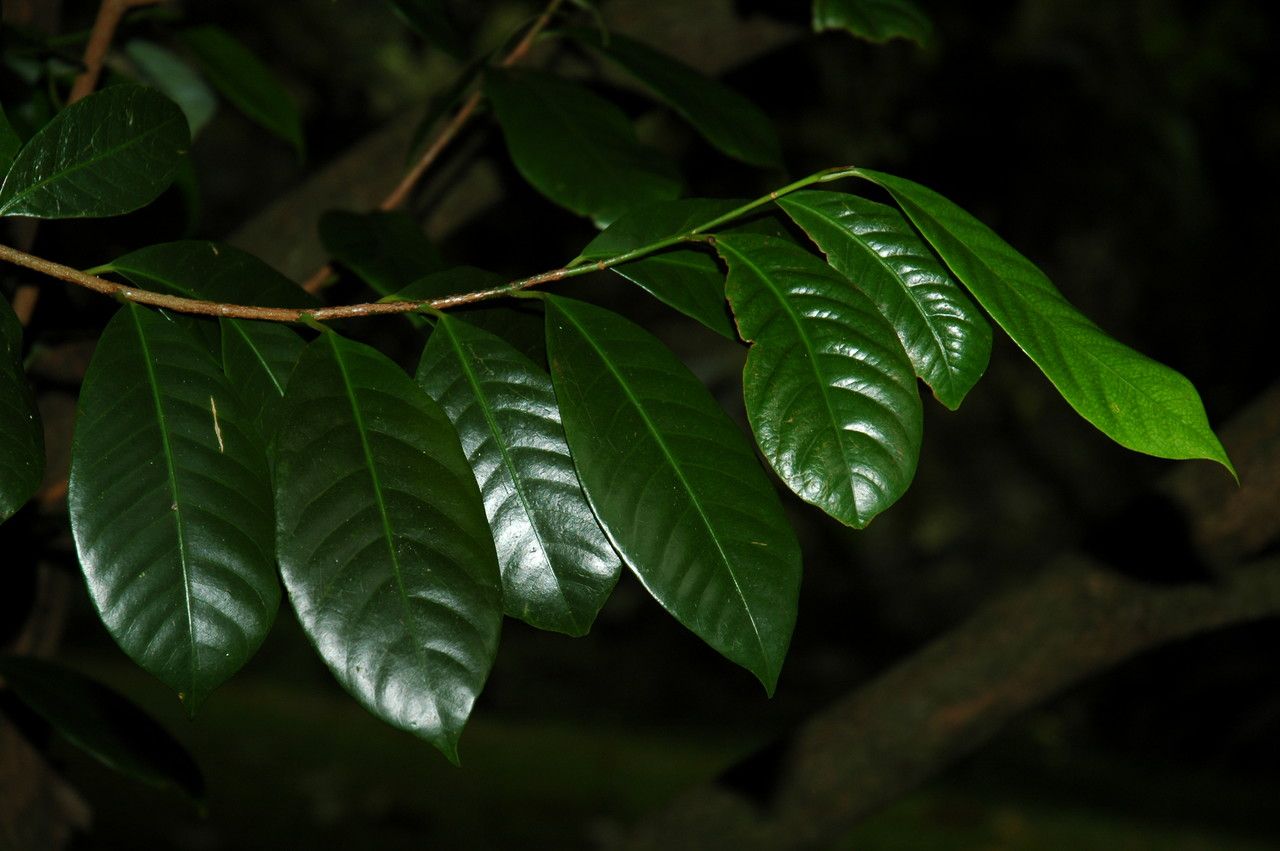
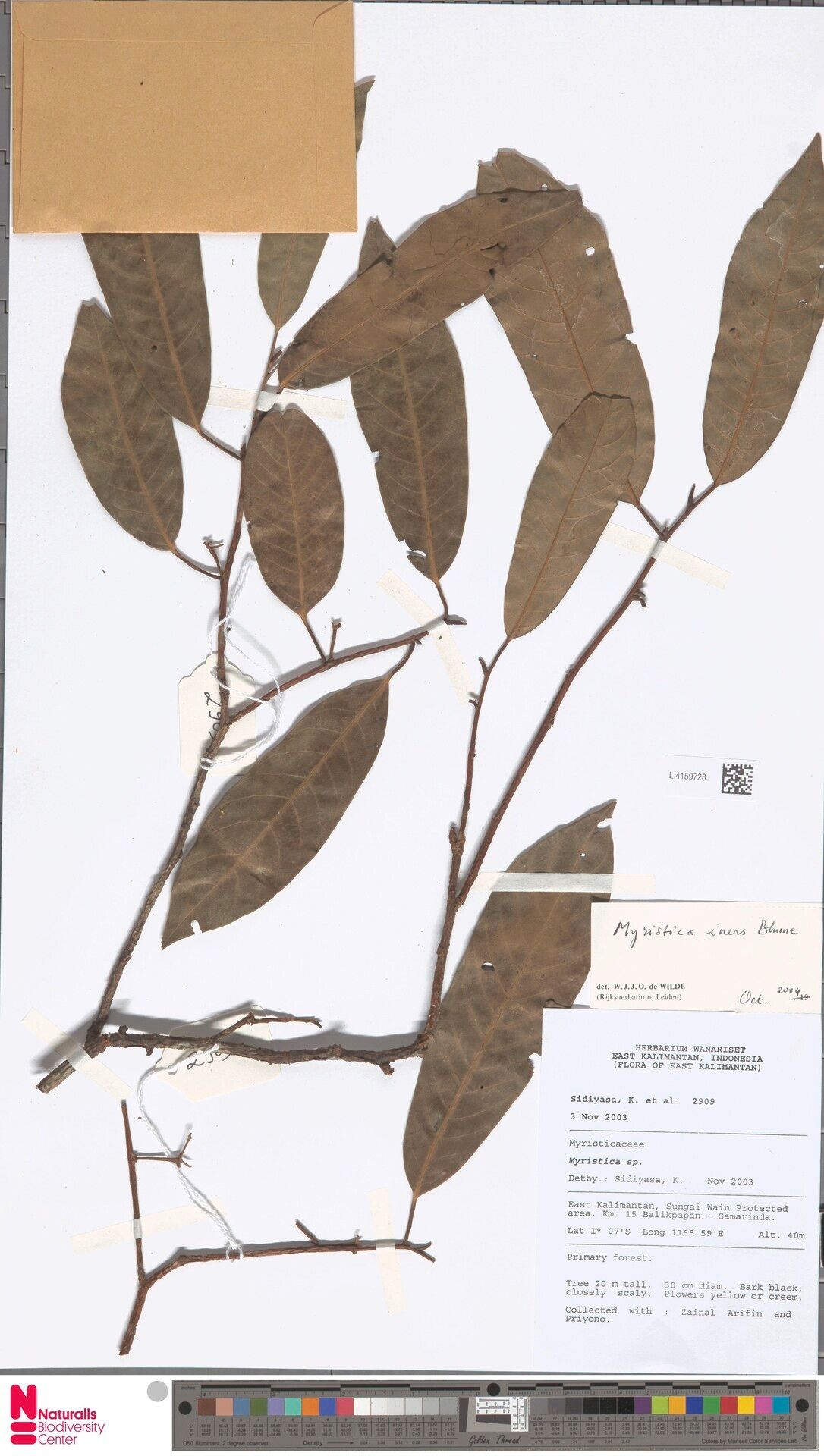
Myristica yunnanensis is a species of plant in the family Myristicaceae. It is found in southern Yunnan, China, northern Thailand, and in Thanh Hóa Province, Vietnam. It is a large, evergreen tree, up to 30 m (98 ft) tall.At the time of the latest IUCN assessment in 1998, Myristica yunnanensis was only known from about 20 trees in two localities in Xishuangbanna in Yunnan; it was assessed as "Critically Endangered". However, later it has been found to have a somewhat broader distribution reaching Thailand and Vietnam too. The Vietnamese record is from the Bến En National Park.
Myristica yunnanensis has strong disease resistance and is generally not prone to illnesses. In terms of care, this plant is relatively low maintenance. When planted outdoors, it requires minimal watering, and larger plants generally do not need pruning. However, smaller plants should be pruned after they have bloomed. Myristica yunnanensist is suitable for anyone with an outdoor space, such as a garden or deck, and does not require a lot of care experience.
How to keep Myristica Yunnanensis.
Light
Myristica yunnanensis naturally occurs in habitats like forest understories and rocky sites, where it grows under natural shade. It favors partial sun but can tolerate full sun or full shade, reflecting its adaptable, hardy character.
Water
Myristica yunnanensis, native to humid forests, thrives in environments with consistent moisture and stable humidity. When caring for this plant, water it every 2-3 weeks, ensuring the soil remains moist but not soggy. Although it is typically grown indoors, it prefers well-draining soil that retains moisture similar to its natural habitat without becoming waterlogged.
Temperature
Myristica yunnanensis is very adaptable to a range of climate conditions, whether facing hot summers or cold winters. However, it does have an optimal temperature range for growth. When temperatures become too high, the plant is vulnerable to heat and humidity stress, which can lead to its death. In areas where temperatures approach the lower limit of its cold tolerance, it is important to apply insulation measures to protect the plant.
Fertilizer
To encourage healthy growth, fertilize your Myristica yunnanensis in early spring. Regular fertilization improves overall health, producing vigorous growth, increased resilience in challenging conditions, and enhanced resistance to diseases and pests. Keep a consistent fertilization schedule for your Myristica yunnanensis to preserve vibrant, deeply colored foliage and a lush appearance.
Pruning
Myristica yunnanensis is an evergreen tree prized for its aromatic seeds. For optimal growth, prune the tree from early to late winter, concentrating on removing dead branches and improving airflow. Regular pruning not only reduces the risk of disease but also enhances fruit production. Be sure to use sanitized tools to prevent the spread of pathogens.
Botanical profile.
- Plant Type
- Tree
- Life Cycle
- Perennial
- Genus
- Myristica
- Family
- Myristicaceae
- Hardiness Zone
- 5-8
- Mature Height
- 29.87 m
- Mature Spread
- 4.88 m to 7.92 m
- Leaf Color
- Dark Green
- Leaf Type
- Evergreen
- Flower Color
- Pink, Purple
- Flower Size
- 0.51 cm to 0.76 cm
- Bloom Time
- Late spring, Early summer
- Planting Time
- Spring, Summer, Autumn
- Harvest Time
- Late summer, Early fall, Mid fall
- Native Area
- Vietnam, Thailand, China
Reader questions.
What is Myristica yunnanensis and its optimal growing conditions?
Myristica yunnanensis is a plant known for its adaptability to a variety of climate conditions, thriving in both scorching summers and chilly winters. It does, however, have an optimal temperature range for growth. The plant can suffer from heat and humidity stress when exposed to excessively high temperatures, potentially leading to its demise. To optimize growth, it's crucial to protect the plant from extreme cold by insulating it in regions where temperatures drop near its cold tolerance threshold. Although Myristica yunnanensis has strong cold resistance, in areas where winters are harsh (temperatures dropping below -25°C), it's advisable to wrap the plant's trunk and branches with insulating materials and ensure the soil around it remains moist before the first freeze to prevent drought and water scarcity during the colder months.
How does Myristica yunnanensis respond to low temperatures?
Myristica yunnanensis is notably cold-tolerant, performing optimally when temperatures are above 5°C and managing well through winters as long as the temperature remains above -20°C. Dropping temperatures below -25°C doesn't show immediate issues during winter, but come spring, the plant may exhibit brittleness and dryness in its branches, failing to produce new shoots. To counteract these effects of severe cold, it's recommended to prune away any dead branches that show no signs of new growth as spring arrives.
What should be done if Myristica yunnanensis experiences high temperatures?
During the hotter summer months, Myristica yunnanensis ideally should not be exposed to temperatures exceeding 32°C. Experiencing temperatures above 35°C can lead to symptoms such as the leaves turning a lighter color, dry and withered tips, and an increased susceptibility to sunburn. To alleviate these symptoms, it is advisable to trim away sunburned and dried portions of the plant, reposition it to a shaded area during the most intense sun exposure periods or use a shade cloth for protection. Maintaining soil moisture through morning and evening watering can also help alleviate stress from high temperatures.