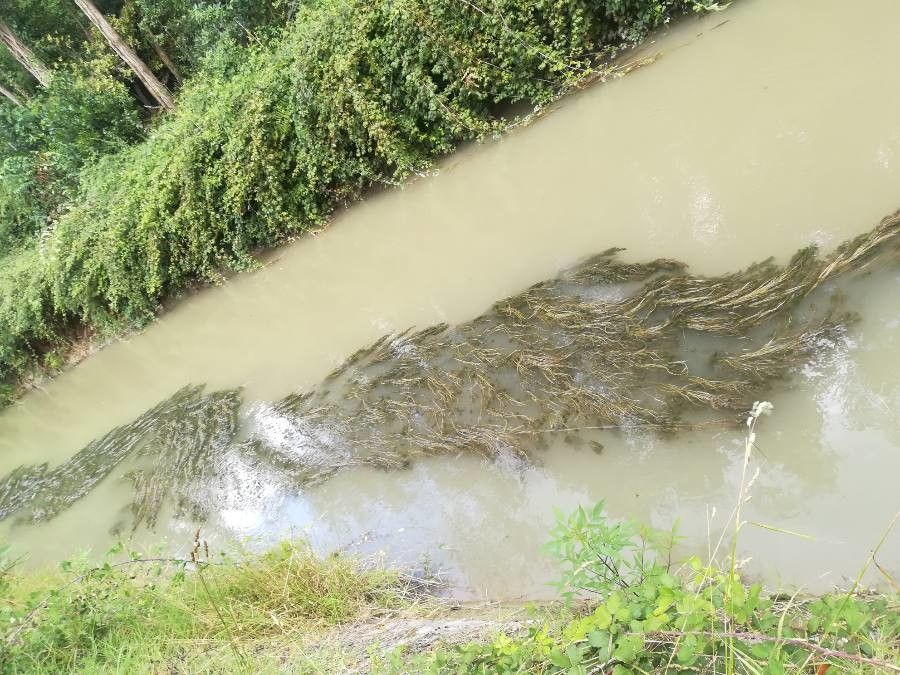
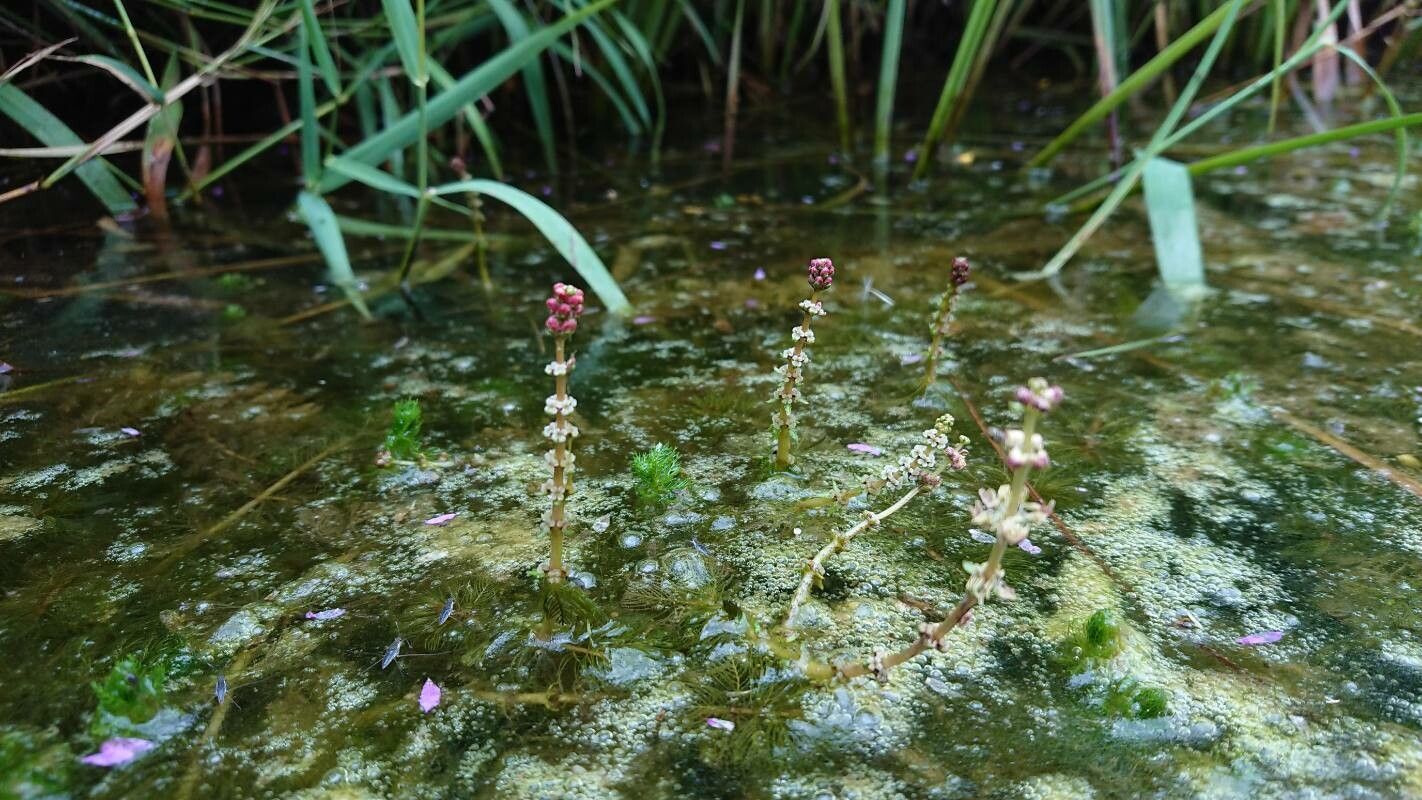
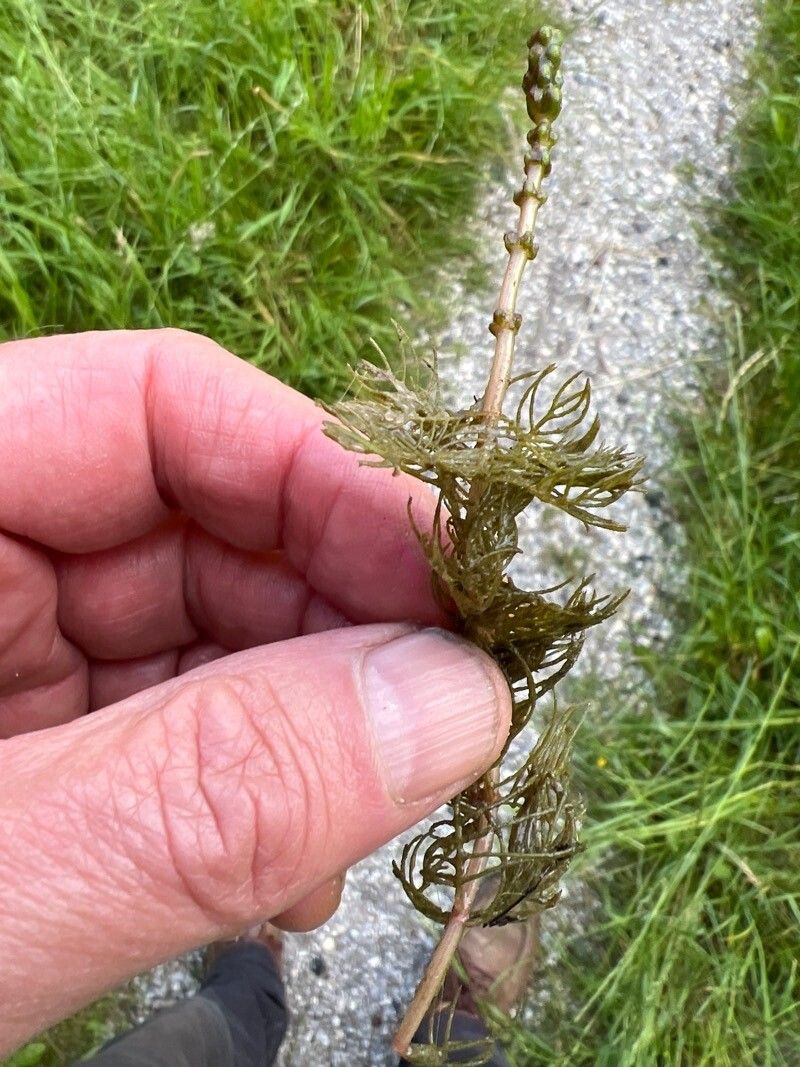
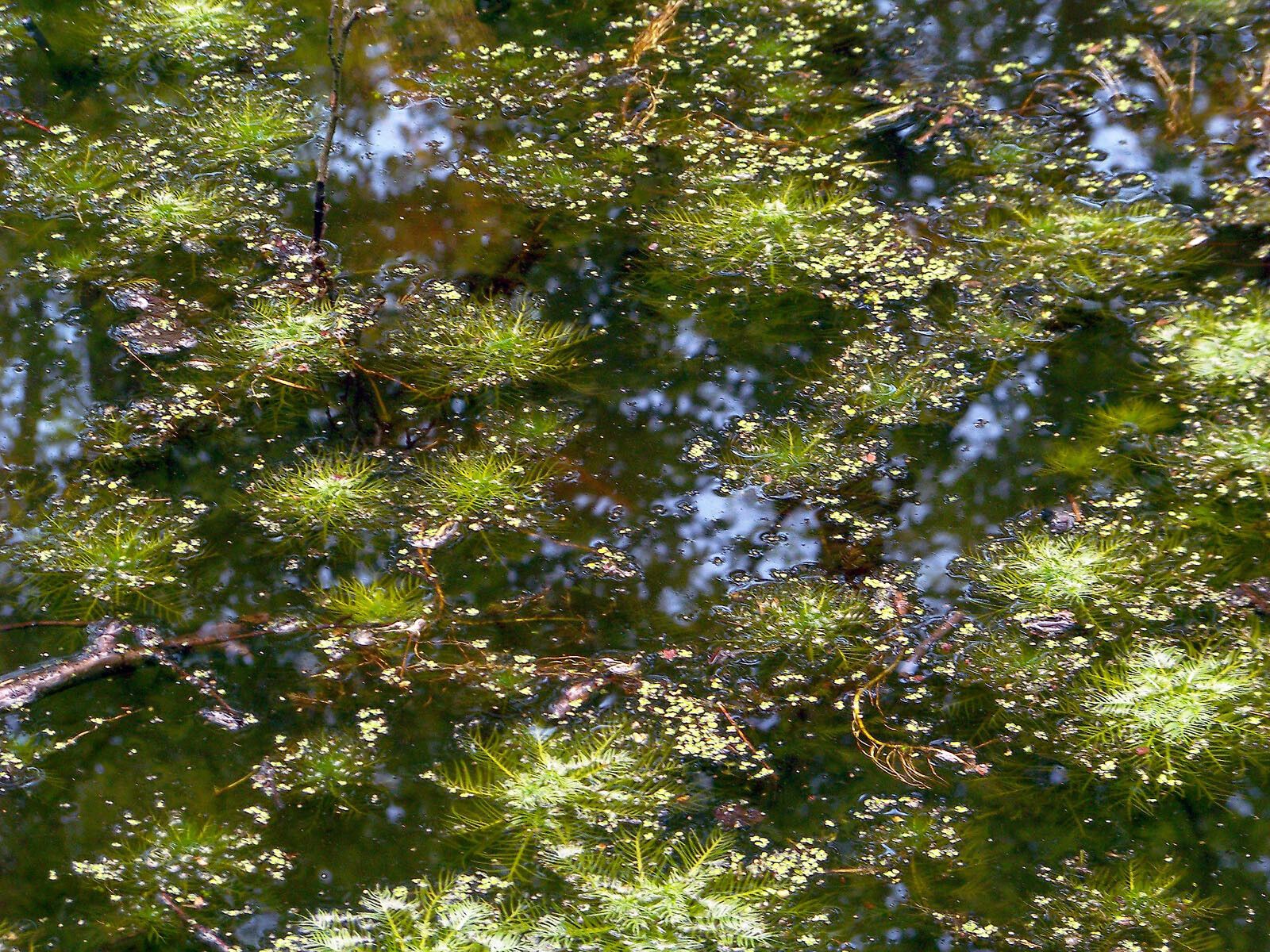
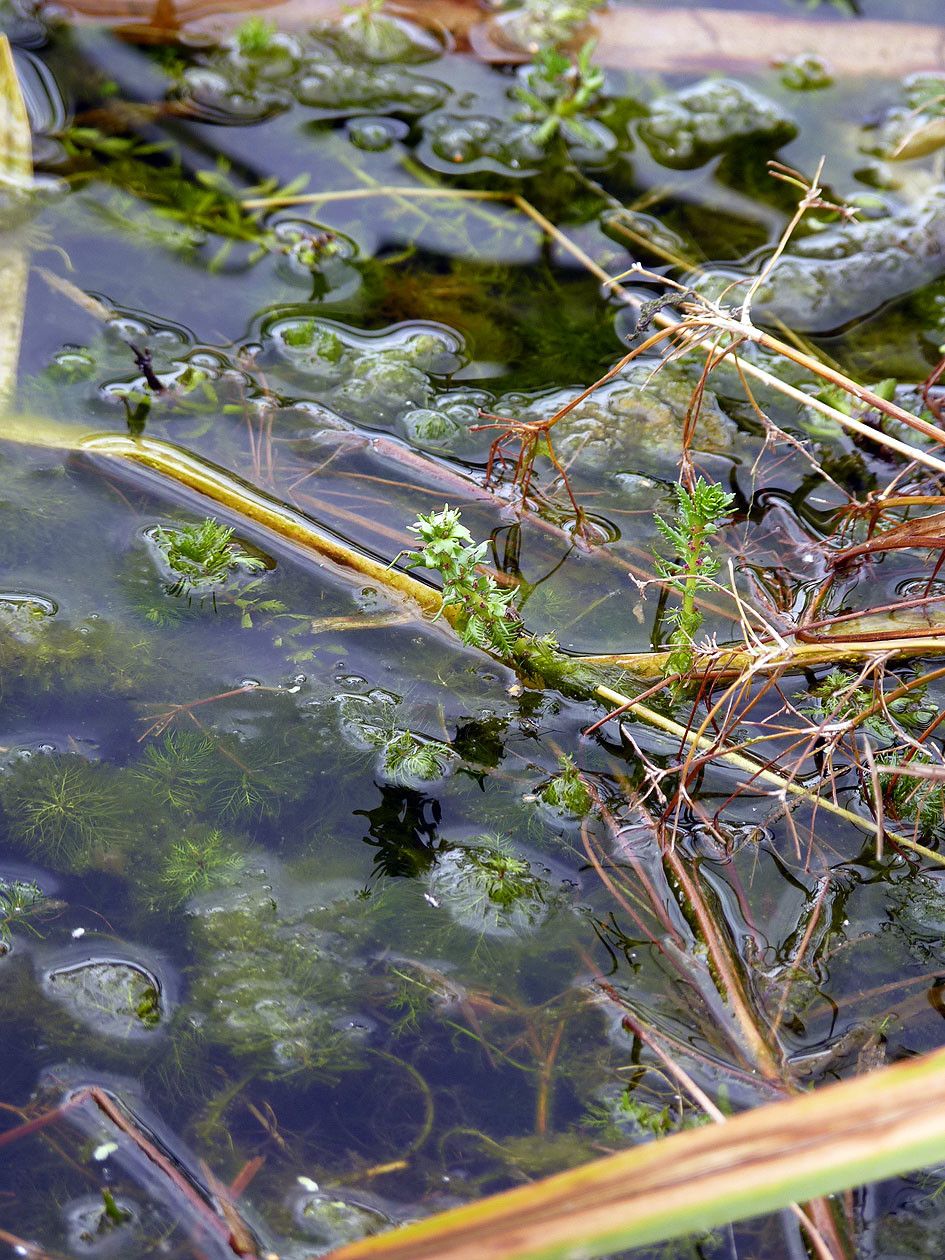
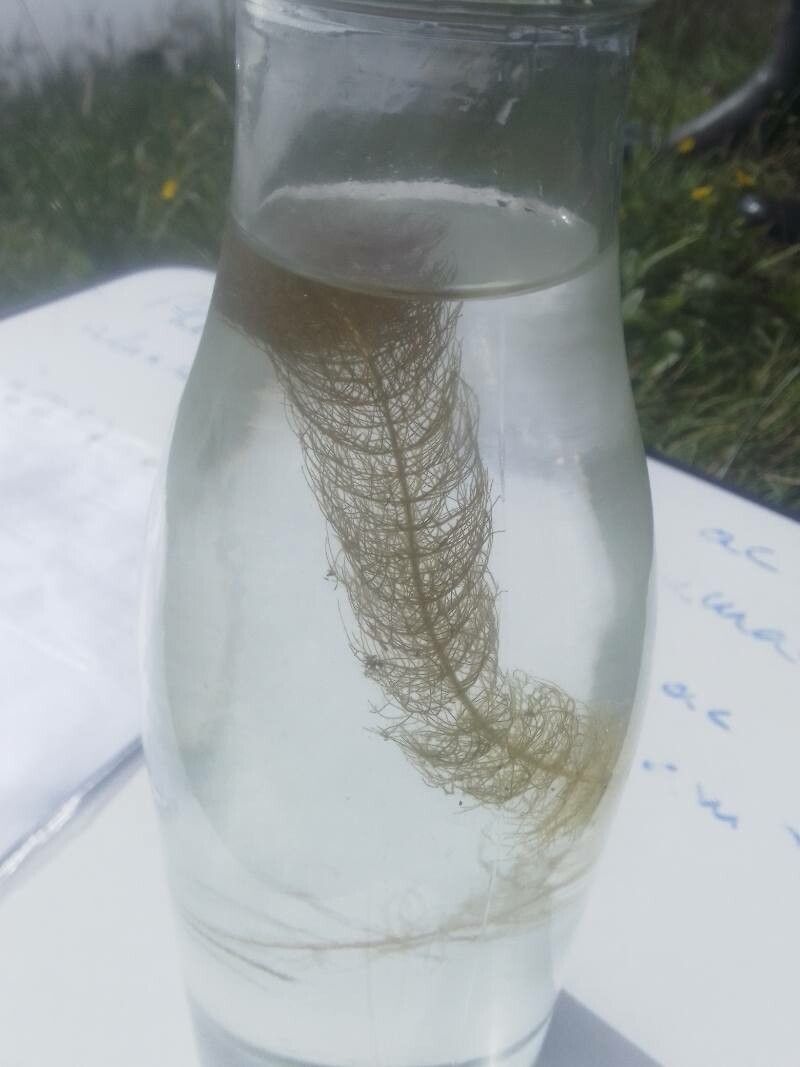
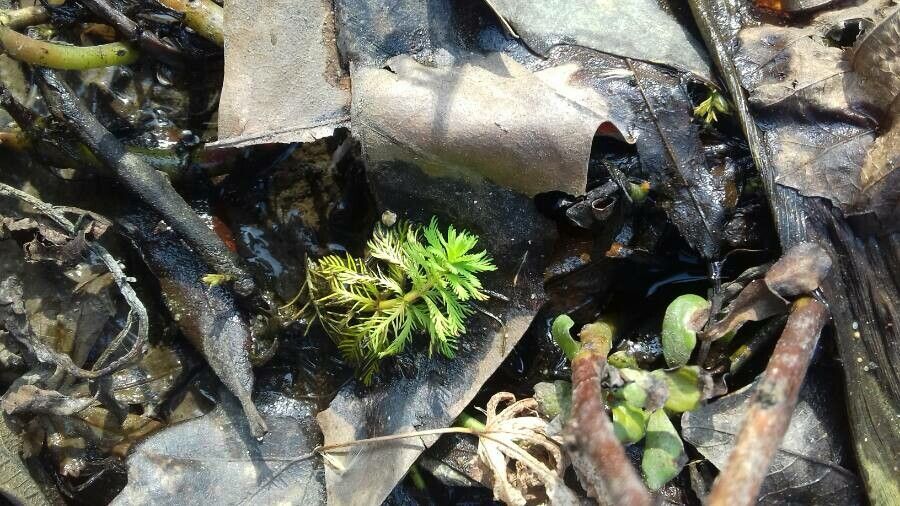
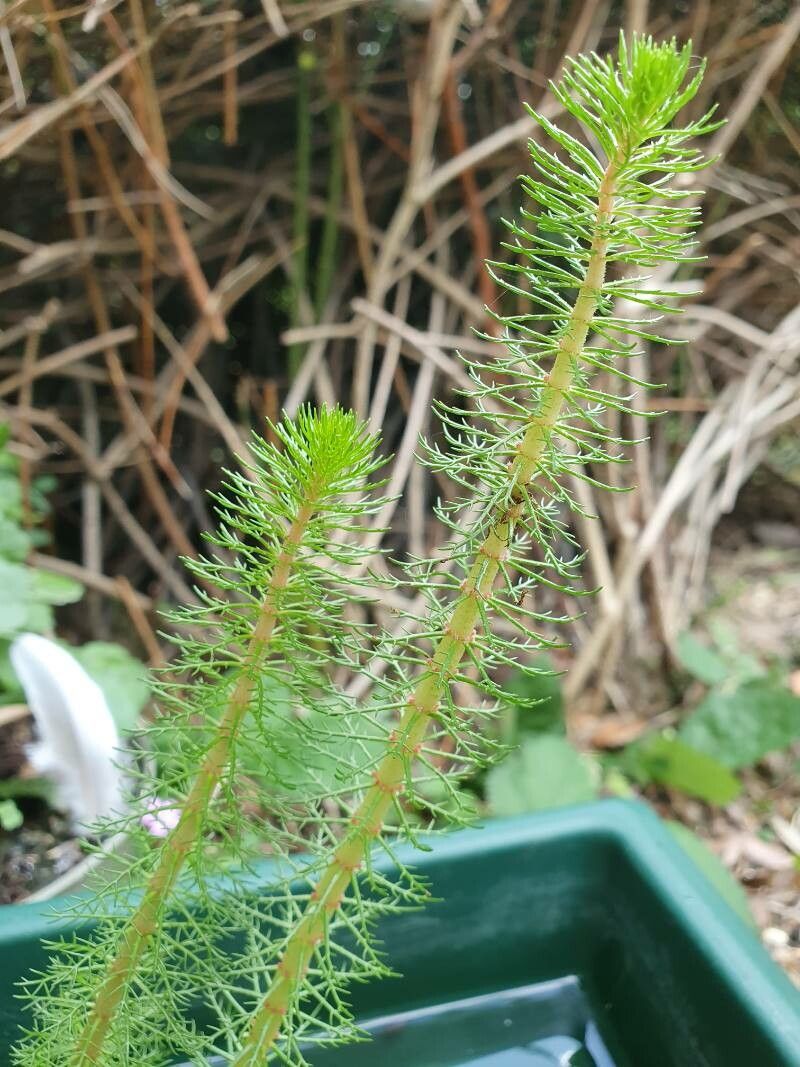
Myriophyllum verticillatum, the whorl-leaf watermilfoil or whorled water-milfoil, is a native to much of North America, North Africa, and Eurasia. It closely resembles another native milfoil, called northern water milfoil (M. sibiricum) Whorled water milfoil is also easily confused with four types of invasive milfoils: Eurasian water milfoil (M. spicatum), Variable water-milfoil (M. heterophyllum), Parrot feather (M. aquaticum), and hybrid water milfoil (M. heterophyllum X M. laxum). In many areas it is an invasive aquatic plant. With the increase in water sports, the spread of many water milfoils (Haloragaceae) has increased over the years. The spread of a milfoil is not only within one area, sometimes it spreads from one area to another many miles away. To the untrained eye, whorled water milfoil can look similar to other species.
Whorl-leaf watermilfoil displays strong disease resistance and is generally not susceptible to illnesses. However, it can be affected by pests and diseases found in its environment. These infections are typically not serious. In terms of care, this plant requires a moderate level of maintenance. It should be pruned regularly to keep a neat appearance and support healthy growth. Fertilizing can also help encourage flowering. Whorl-leaf watermilfoil is suitable for anyone with outdoor space, such as a garden or patio, and does not demand extensive gardening experience. It may need more attention if grown indoors.
How to keep Myriophyllum Verticillatum.
Light
The whorl-leaf watermilfoil prefers abundant sunlight for vigorous growth. This plant tolerates different light levels but performs best with ample exposure. Both too much and too little light can stress it and may cause poor development. Although it is suited to sunny habitats, overexposure or underexposure can lead to weakened health.
Water
Whorl-leaf watermilfoil is native to aquatic environments and thrives in consistently moist, high-humidity conditions. It has a balanced tolerance for water, needing weekly watering to maintain optimal hydration. This evergreen plant is usually grown either submerged in water or at the water's edge, where it can retain its vibrant foliage all year round by relying on nearby water sources.
Temperature
Whorl-leaf watermilfoil is recognized for its adaptability to cooler climates, favoring temperatures between 32 and 90°F (0 to 32℃). It does well in its native temperate habitats. During hot summer months, adjustments may be needed to keep conditions at the higher end of that temperature range.
Fertilizer
For optimal growth, fertilize whorl-leaf watermilfoil once a month using a balanced, slow-release formula. Apply the fertilizer at half strength to prevent root burn, and reduce the frequency during cooler months. Always fertilize after watering to enhance nutrient absorption. Be cautious not to over-fertilize, as this can damage the whorl-leaf watermilfoil. Adhering to the recommended amounts will help maintain a healthy aquatic environment.
Pruning
Whorl-leaf watermilfoil features feathery leaves arranged in circular patterns. To maintain its shape and prevent overcrowding, prune the plant from early to late spring. Removing dead stems will enhance the plant's vitality and regular pruning will improve light and water penetration. Make sure to use sterilized tools to prevent the spread of disease.
Botanical profile.
- Plant Type
- Herb
- Life Cycle
- Perennial
- Genus
- Myriophyllum
- Family
- Haloragaceae
- Hardiness Zone
- 3-7
- Mature Height
- 91 cm
- Mature Spread
- 20 cm to 49 cm
- Leaf Color
- Green
- Leaf Type
- Deciduous
- Flower Color
- Pink, Red
- Flower Size
- 6.35 cm to 20.32 cm
- Bloom Time
- Summer
- Planting Time
- Spring, Summer
- Harvest Time
- Late summer, Early fall, Mid fall
- Native Area
- Turkey, Sweden, India, Austria, Slovakia, Montenegro, Pakistan, Slovenia, Morocco, Croatia, Belarus, Uzbekistan, Russia, Germany, Iceland, Estonia, Koppen, Romania, Latvia, South Korea, Belgium, Portugal, Netherlands, France, Tajikistan, Czech Republic, Bulgaria, Armenia, Poland, Greece, Ukraine, Serbia, Lebanon, Lithuania, Norway, China, Afghanistan, Kyrgyzstan, Kazakhstan, Italy, Spain, Switzerland, Vietnam, Japan, Mongolia, Finland, Denmark, Iran, Albania, Ireland, United Kingdom, Hungary, Algeria
Other names.
Reader questions.
What should I do if I give my Whorl-leaf watermilfoil too much or too little water?
Overwatering is a common problem for Whorl-leaf watermilfoil and can cause wilting, yellowing leaves, and potential diseases like root rot, mold, and mildew. Underwatering is less common but can lead to brittle, brown leaves. It is important to recognize the signs of overwatering early to prevent irreversible damage. Reduce watering immediately if you notice these signs and consider improving soil drainage. If your plant is underwatered, increase watering until the symptoms subside.
Why do I need to add plant nutrients to my Whorl-leaf watermilfoil?
The main structure of the Whorl-leaf watermilfoil is comprised of its leaves. Fertilization is a highly impactful way to make sure these leaves both look great and function properly. When fertilized correctly, the plant's leaves will have consistent color and a healthy texture. Fertilization also benefits the plant below the soil's surface by promoting the growth of new roots and maintaining existing roots. This not only keeps the plant healthy in the present, but also enhances its ability to absorb nutrients from the soil in the future.
What are the sunlight requirements for Whorl-leaf watermilfoil?
Whorl-leaf watermilfoil requires more than 6 hours of sunlight daily to ensure healthy growth. It's important to observe the movement of sunlight in your garden to find a location that offers a good balance of light and shade. This balance is crucial for the plant's wellbeing, with the right amount of exposure promoting optimal health and vigor. Remember, both overexposure and underexposure to sunlight can cause stress and lead to poor plant development.
What is the preferred temperature range for Whorl-leaf watermilfoil?
Whorl-leaf watermilfoil, scientifically known as Myriophyllum verticillatum, thrives in a temperature range of 32 to 90°F (0 to 32°C). This plant is well adapted to colder climates and can flourish in its native, temperate environments without requiring additional frost protection measures. In order to prepare for winter, it is suggested to water the plant generously before the first freeze of autumn to ensure the soil remains moist and enters a frozen state, which helps prevent drought and water scarcity for the plant during the colder months.
How often should I water my Whorl-leaf watermilfoil plant?
If your Whorl-leaf watermilfoil is in a pot, the most precise way to determine if it needs water is by checking the soil. Stick your finger into the soil and if the first two to three inches are dry, it's time to water it. If you have your Whorl-leaf watermilfoil planted outdoors in the ground, you can use a similar method to test the soil. Again, check the first few inches of soil and if it's dry, it's time to water. Typically, during the spring and early fall, watering once a week following this method would be sufficient. However, in extremely hot weather, you may need to water twice or more per week. It's worth noting that mature, well-established Whorl-leaf watermilfoil plants have a good ability to withstand drought.
When should I fertilize my Whorl-leaf watermilfoil?
If you grow Whorl-leaf watermilfoil outdoors, you'll see new growth in early spring. This is your cue to start fertilizing. Usually, one round of fertilizer is enough, but for maximum growth, you can feed it multiple times throughout spring and early summer. In this case, feed it about once every month to a month and a half.
How can artificial lighting benefit indoor Whorl-leaf watermilfoil plants?
Artificial lighting serves as an essential solution for growing Whorl-leaf watermilfoil indoors, especially in conditions where natural sunlight is inadequate. During winter or in less sunny indoor locations, artificial lights can significantly promote healthier and faster growth. Selecting the right type of artificial light, such as LED lights, and adjusting the installation to mimic natural sunlight conditions in terms of intensity (30-50W/sq ft for full sun plants), distance (12-36 inches above the plant), and duration (8-12 hours per day) can enhance the growth and health of your plant.
How does Whorl-leaf watermilfoil react to temperatures below -35°C?
Whorl-leaf watermilfoil is extremely cold-tolerant and can generally withstand low temperatures well. However, if the winter temperature drops below -35°C, it may not display any immediate detrimental effects during the colder months, but this could lead to a decrease in sprouting or even a failure to sprout in the following spring. To mitigate this, it is recommended to remove any parts of the plant that have failed to sprout when spring arrives.
How much water does my Whorl-leaf watermilfoil require?
To properly water your Whorl-leaf watermilfoil, don't be shy about giving it a good amount of water. Make sure the first two to three inches of soil are dry before watering. It's important to thoroughly soak the entire soil when watering. To achieve this, add enough water that it drains out through the holes at the bottom of the pot. If you don't see excess water draining, you may have not watered enough. However, be cautious of letting water accumulate in the soil, as it can harm the plant. Additionally, if water doesn't drain properly from the pot, it could mean the soil doesn't drain well either, which is unhealthy for the plant. If your plant is outside, providing 1 inch of rain per week should be enough.
When should I not put fertilizer on my Whorl-leaf watermilfoil?
During late fall and winter, your Whorl-leaf watermilfoil will go into a dormant phase and stop growing. It is important not to fertilize it during this time. If you choose to fertilize in spring and summer, you should gradually reduce the amount of fertilizer as summer approaches because the growth rate of your Whorl-leaf watermilfoil will slow down. It is never a good idea to fertilize your Whorl-leaf watermilfoil when the weather is excessively hot or the soil is very dry as this can harm and cause it to die prematurely.
What are common symptoms of improper lighting in Whorl-leaf watermilfoil?
Whorl-leaf watermilfoil may exhibit several symptoms when exposed to inadequate lighting conditions. Insufficient light can lead to smaller new leaves, leggy or sparse growth, faster leaf drop, slower or no new growth, and lighter-colored or yellowing leaves. Too much exposure, on the other hand, can cause symptoms like chlorosis, sunscald, leaf curling, wilting, and leaf scorching. These signs indicate that the plant is struggling to adapt to its light environment, affecting its overall health and development.
What should be done if Whorl-leaf watermilfoil is exposed to temperatures above 32°C?
Whorl-leaf watermilfoil shows a limited tolerance to high temperatures and may cease its growth when exposed to temperatures above 32°C, becoming more susceptible to rot. To address this, it is advisable to trim away any parts of the plant that have become sunburned or dried up. To protect the plant from excessive heat, it should be moved to a location that is shaded during the midday and afternoon sun, or a shade cloth can be used to provide necessary shade. Additionally, watering the plant in the morning and evening to keep the soil moist can prevent overheating and stress.