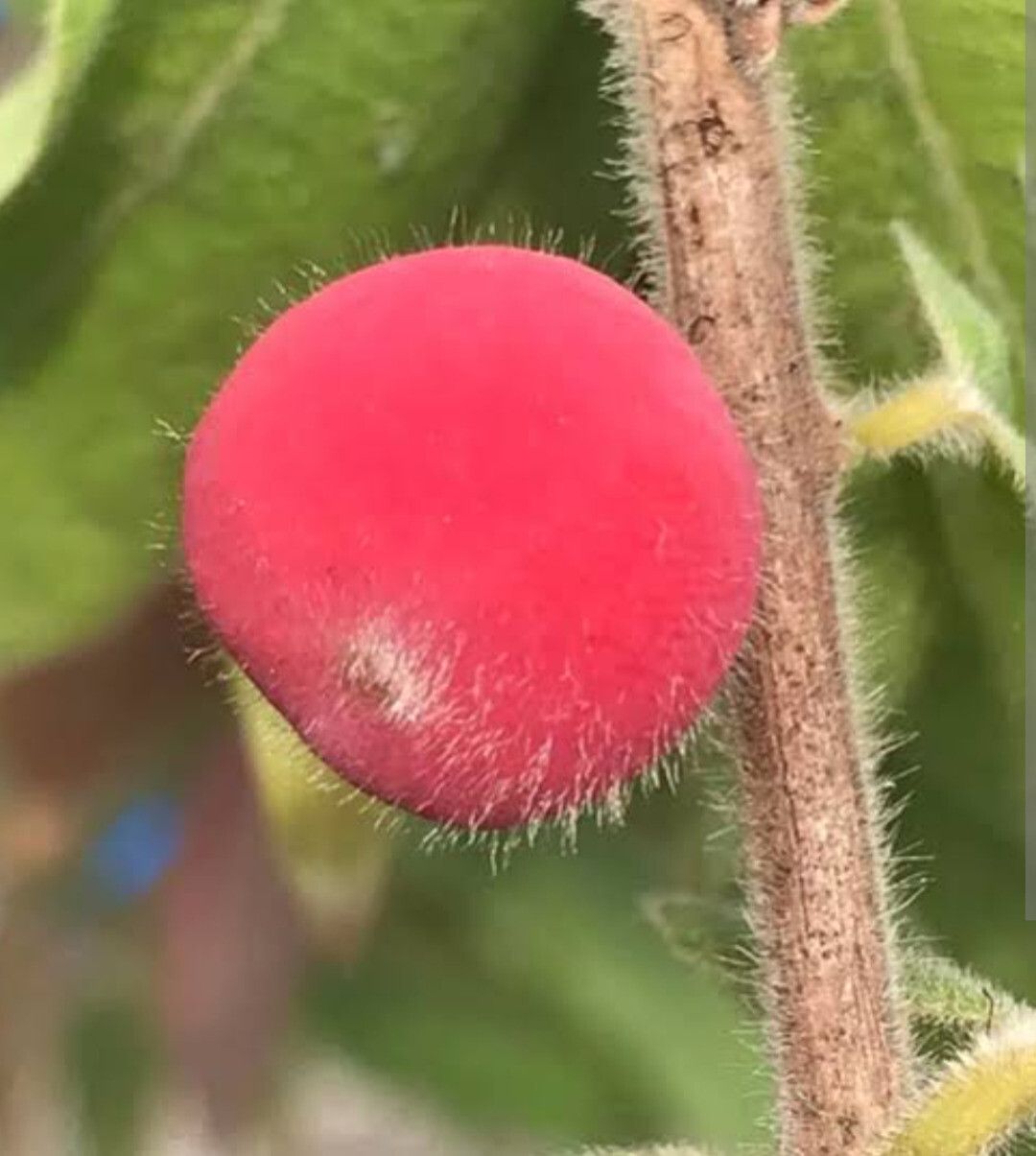
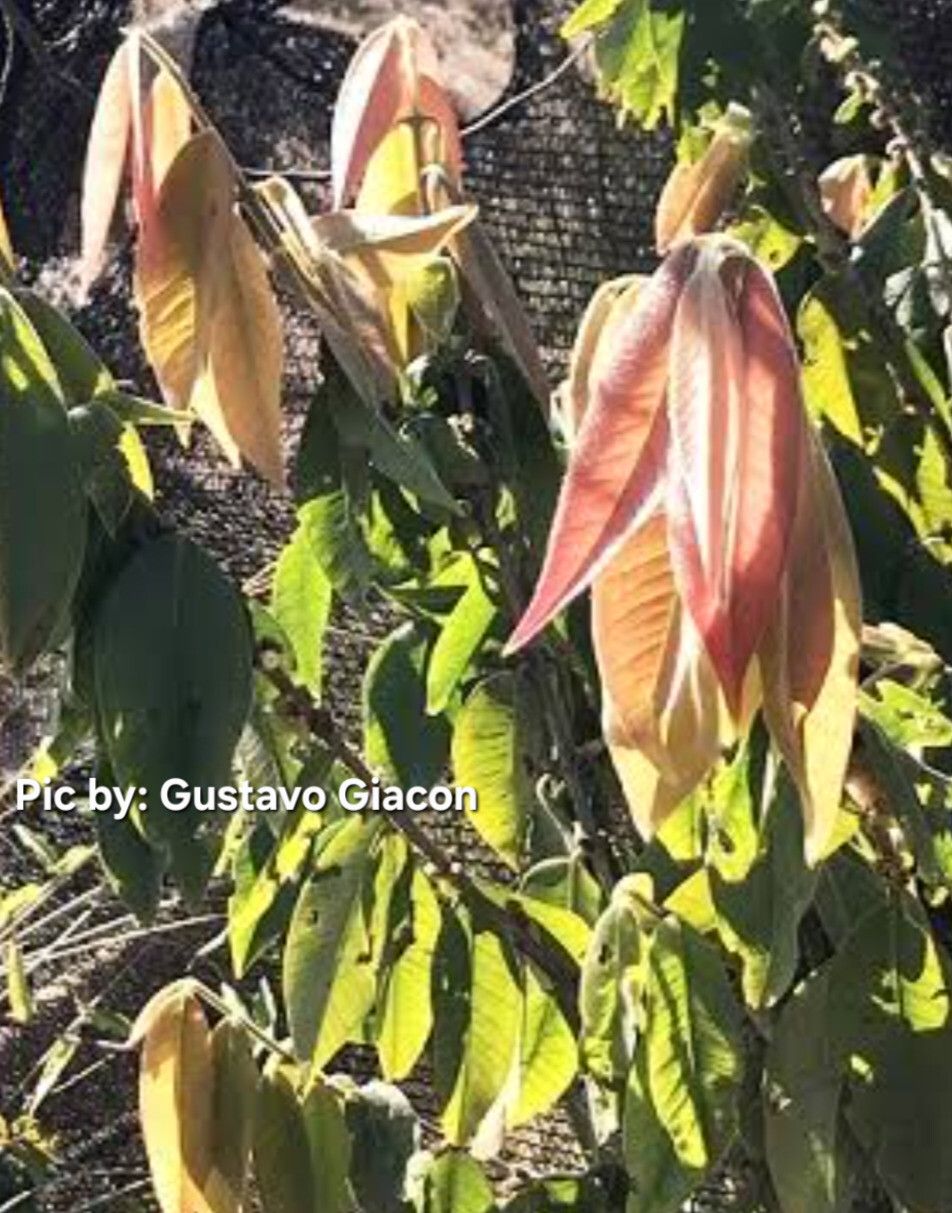
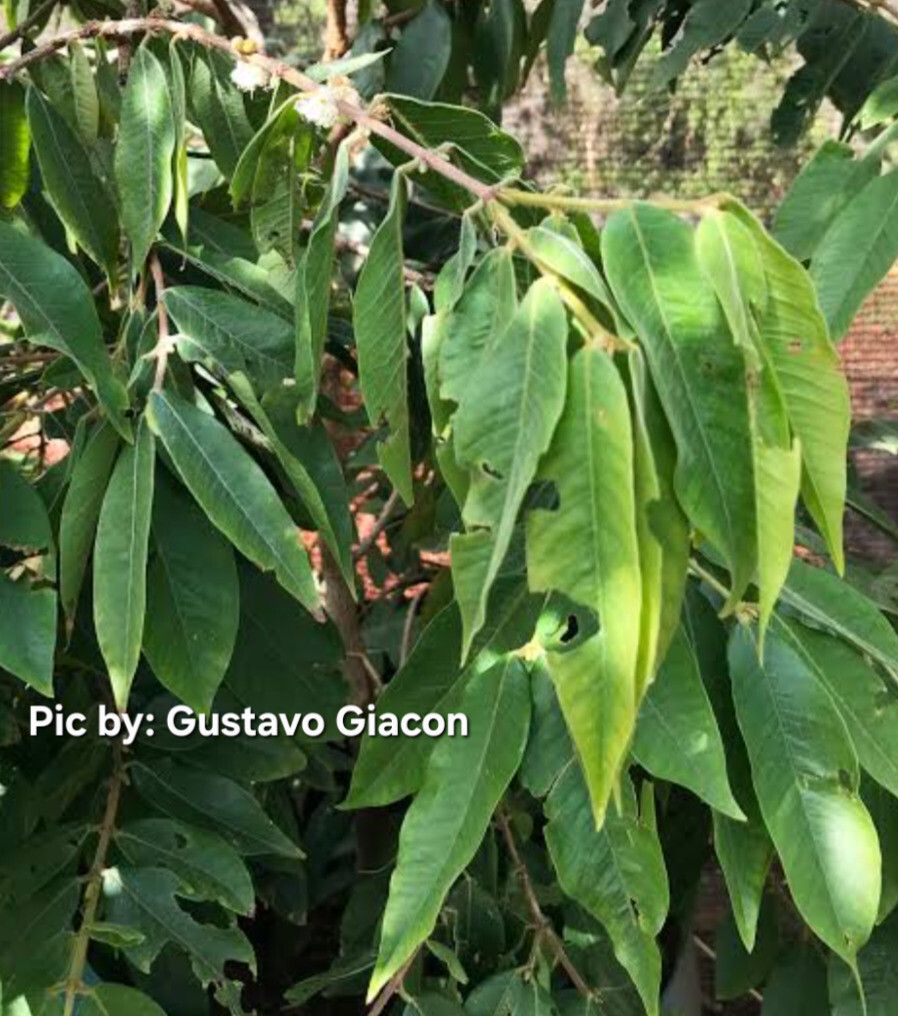
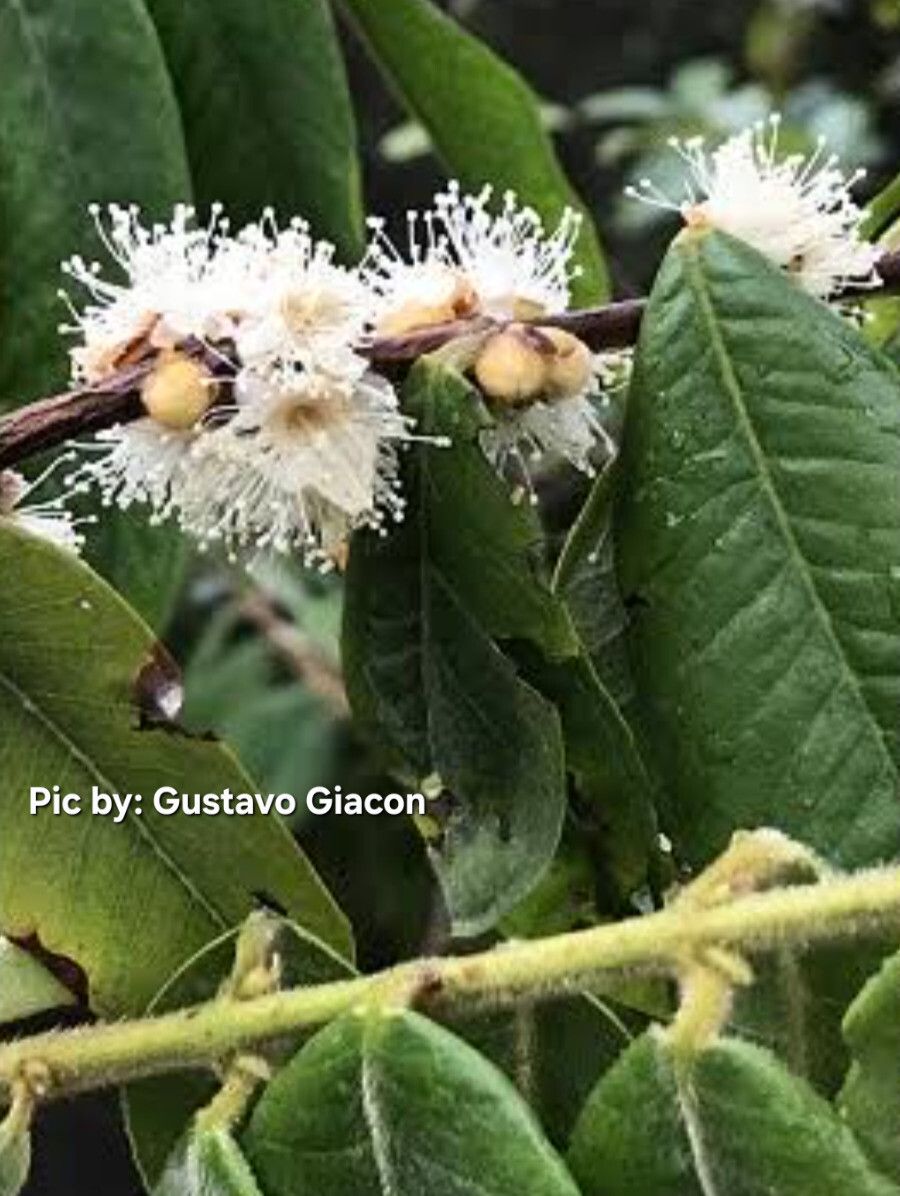
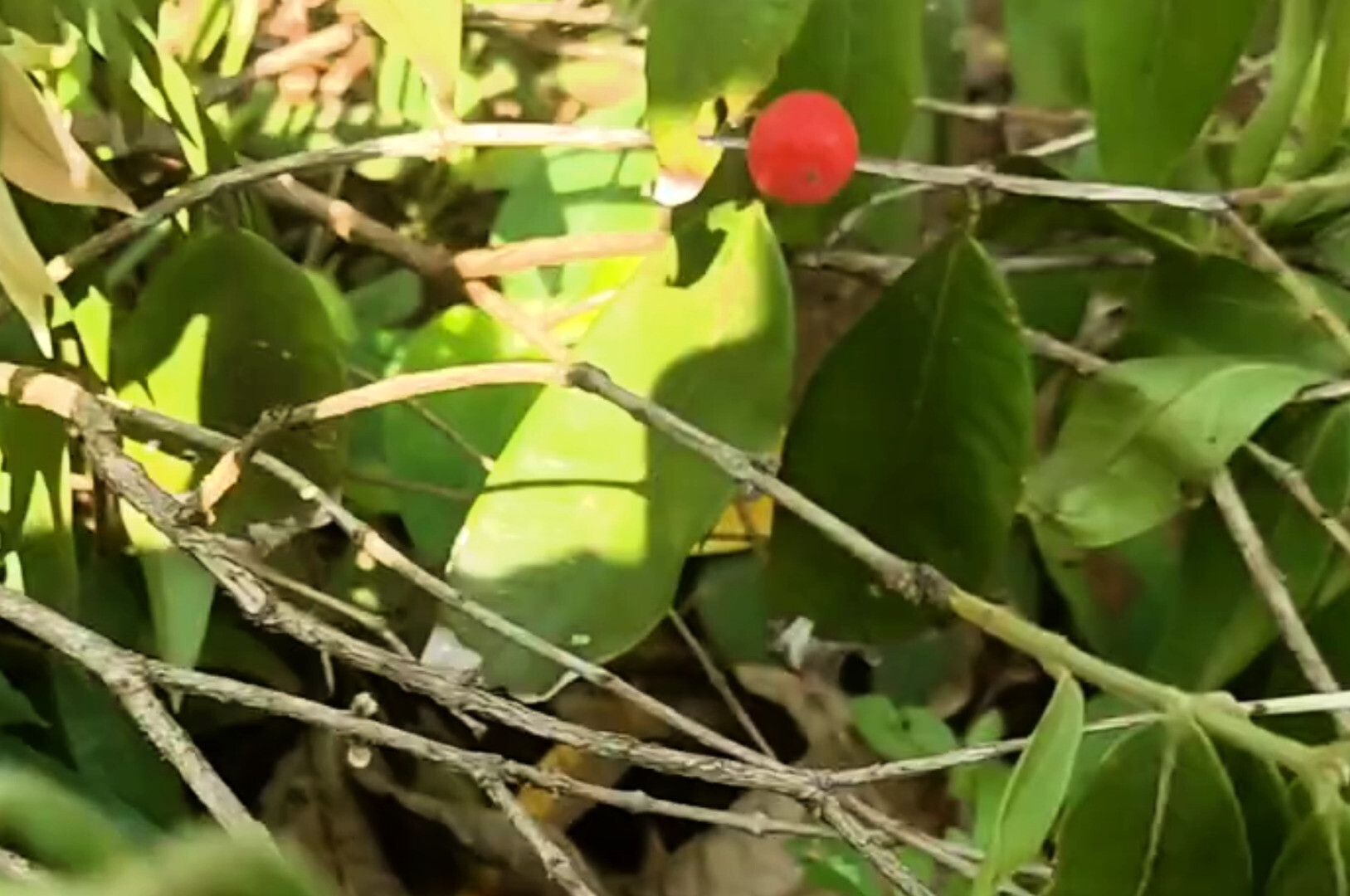
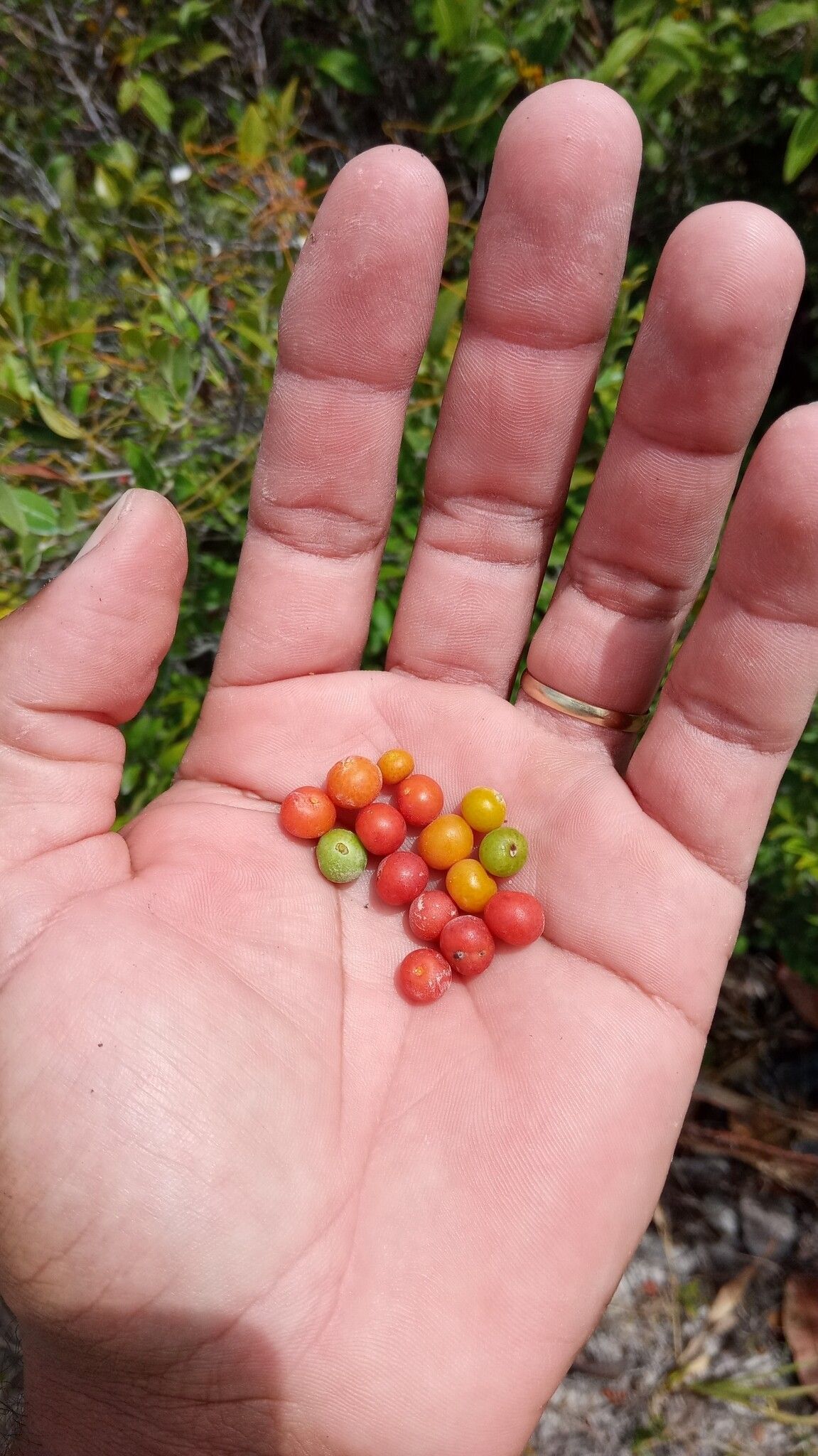
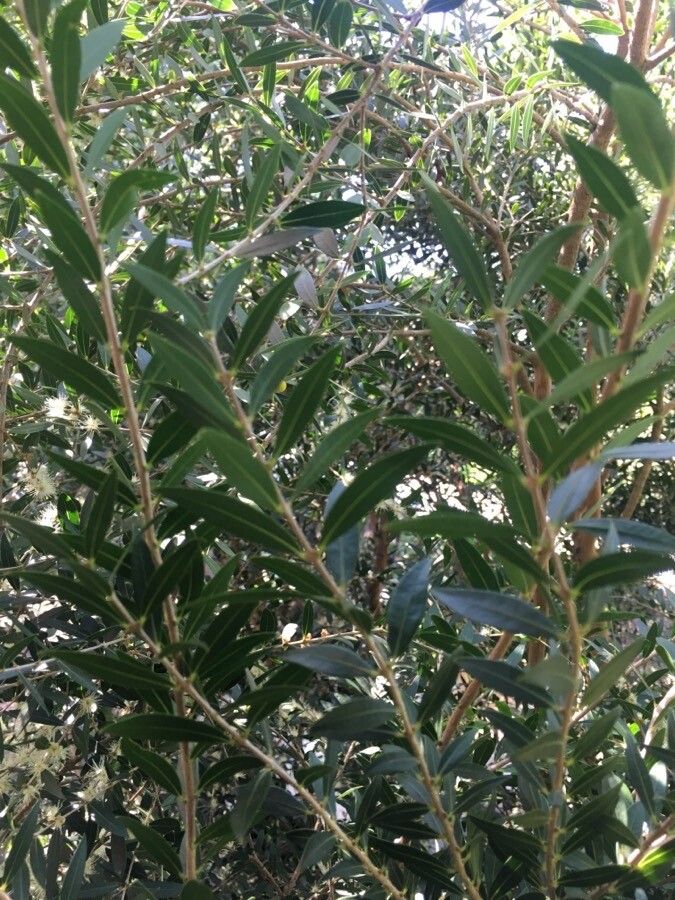
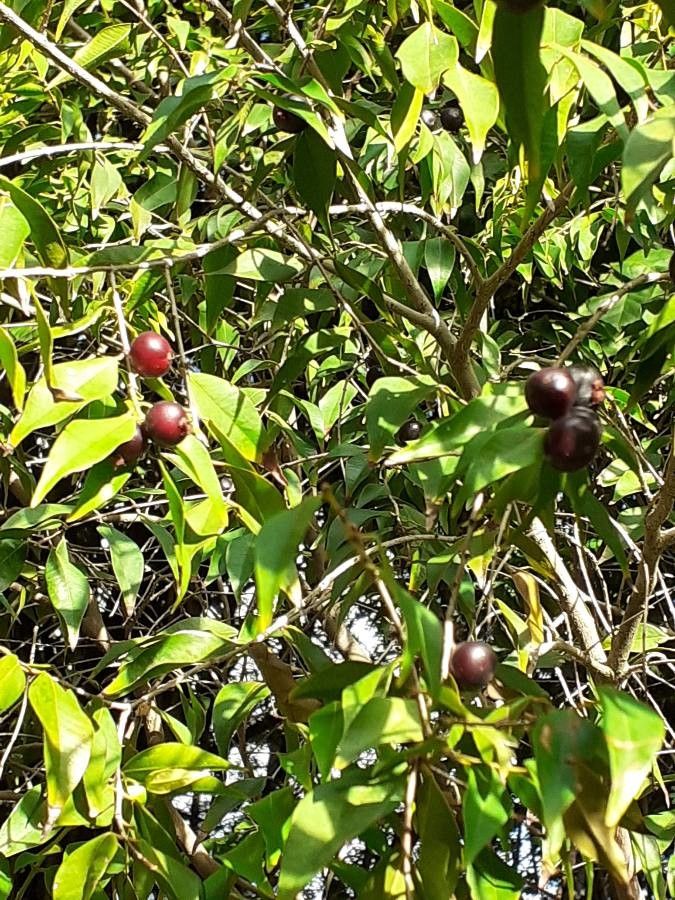
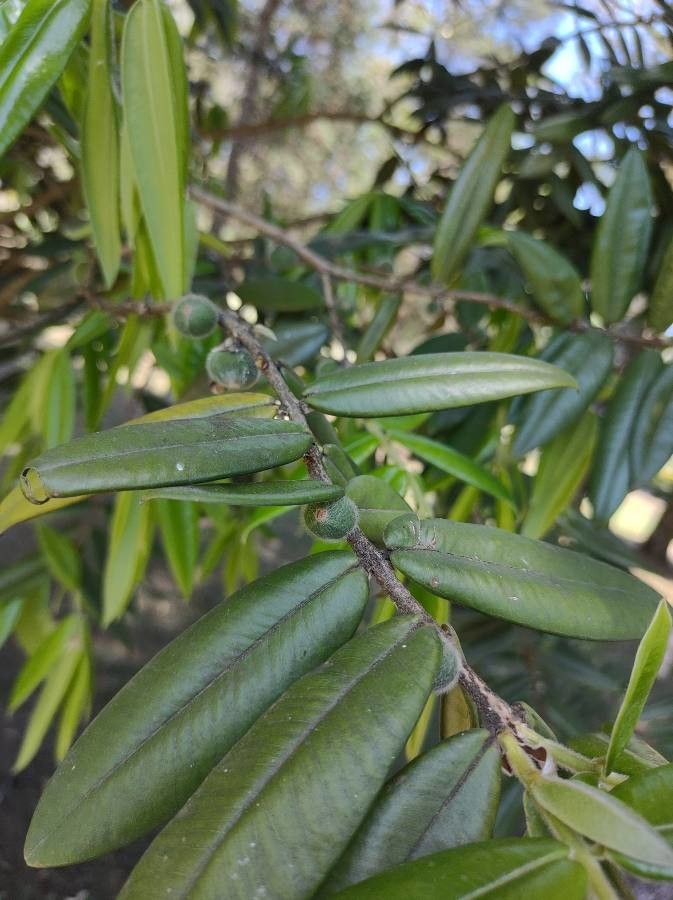
Myrciaria glomerata, commonly known as cabeludinha-vermelha or cabeluda-escarlate , is a species of plant in the family Myrtaceae. It is an evergreen shrub or small tree, endemic to the north and east of Brazil. Myrciaria glomerata has historically been used to incorrectly describe Myrciaria glazioviana.
Myrciaria glomerata is resistant to disease and is generally not susceptible to illnesses. In terms of care, this plant is fairly low-maintenance. Planted outdoors, it needs only minimal watering, and larger plants typically do not require pruning. Smaller plants, however, should be pruned after they have finished blooming. Myrciaria glomerata is appropriate for anyone with an outdoor area, such as a garden or deck, and does not demand much gardening experience.
How to keep Myrciaria Glomerata.
Light
Myrciaria glomerata is originally found environments like underneath forest canopies or rocky regions, where there is natural shading. While it thrives best in semi-sunlit conditions, this plant can also adjust to complete sunlight or total darkness, highlighting its adaptable and resilient traits.
Temperature
Myrciaria glomerata hails from the tropics, which are generally characterized by hot and humid weather. Consequently, it is well-suited to thrive in conditions of high heat and moisture. Sudden shifts in temperature are not favorably viewed by this plant, as it prefers a consistent thermal setting, hence it is crucial to prevent temperature variations indoors. Typically, it does not endure low temperatures well and demands warmer conditions for its development. In the event of exceedingly low temperatures in its surroundings, the plant's growth might halt or it could even perish.
Fertilizer
Opt for organic fertilizers (for instance, compost or fish emulsion) instead of synthetic ones for the Myrciaria glomerata. During spring, give young plants a high supply of nitrogen and phosphorus. Apply compost or fertilizer either before planting or after. For grown plants, provide them with either a balanced or a deficiency-specific fertilizer in the springtime. Lack of nutrients results in undersized leaves, brief branches, leaves that are yellow or bronze in color, acidic fruits, early falling of fruits, and splitting.
Botanical profile.
- Plant Type
- Tree
- Life Cycle
- Perennial
- Hardiness Zone
- 9-11
- Mature Height
- 3.05 m to 6.1 m
- Mature Spread
- 2.13 m to 3.96 m
- Leaf Color
- Dark Green
- Leaf Type
- Evergreen
- Flower Color
- White
- Flower Size
- 1.02 cm to 1.52 cm
- Bloom Time
- Mid fall, Late fall
- Planting Time
- Spring, Summer, Autumn
- Harvest Time
- Winter
- Native Area
- Brazil