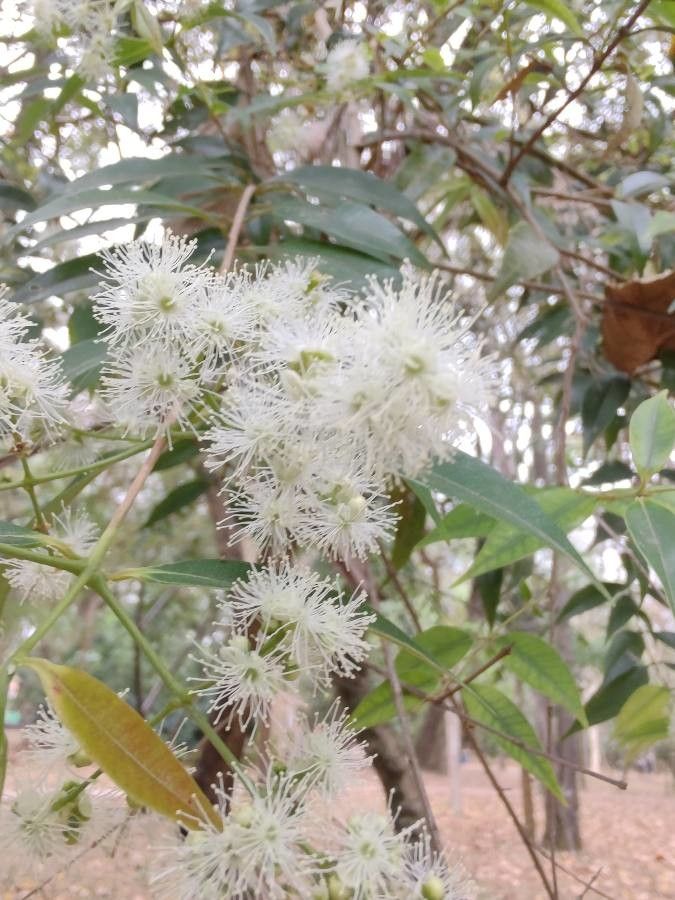
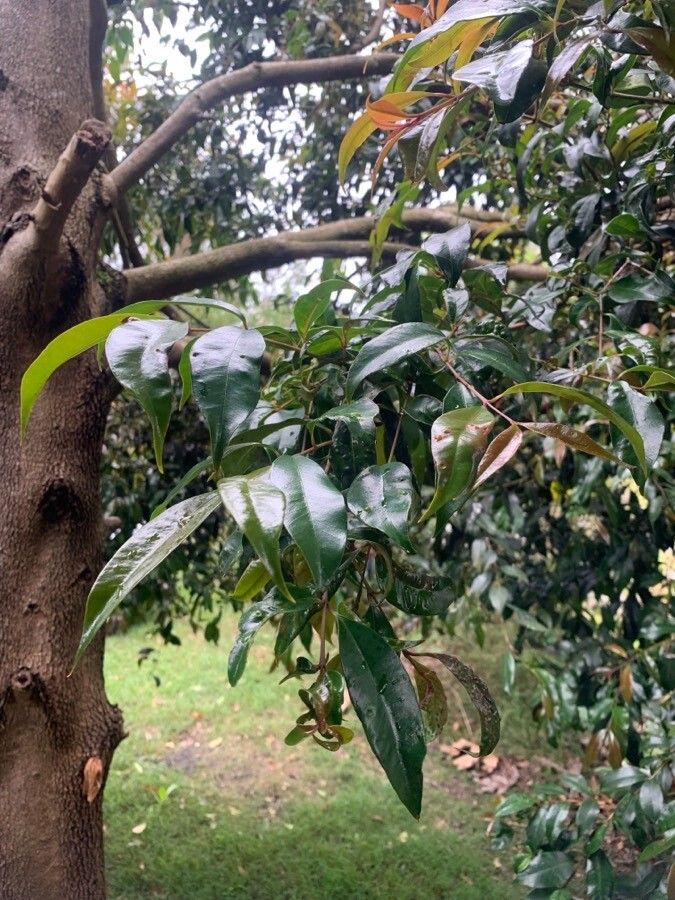
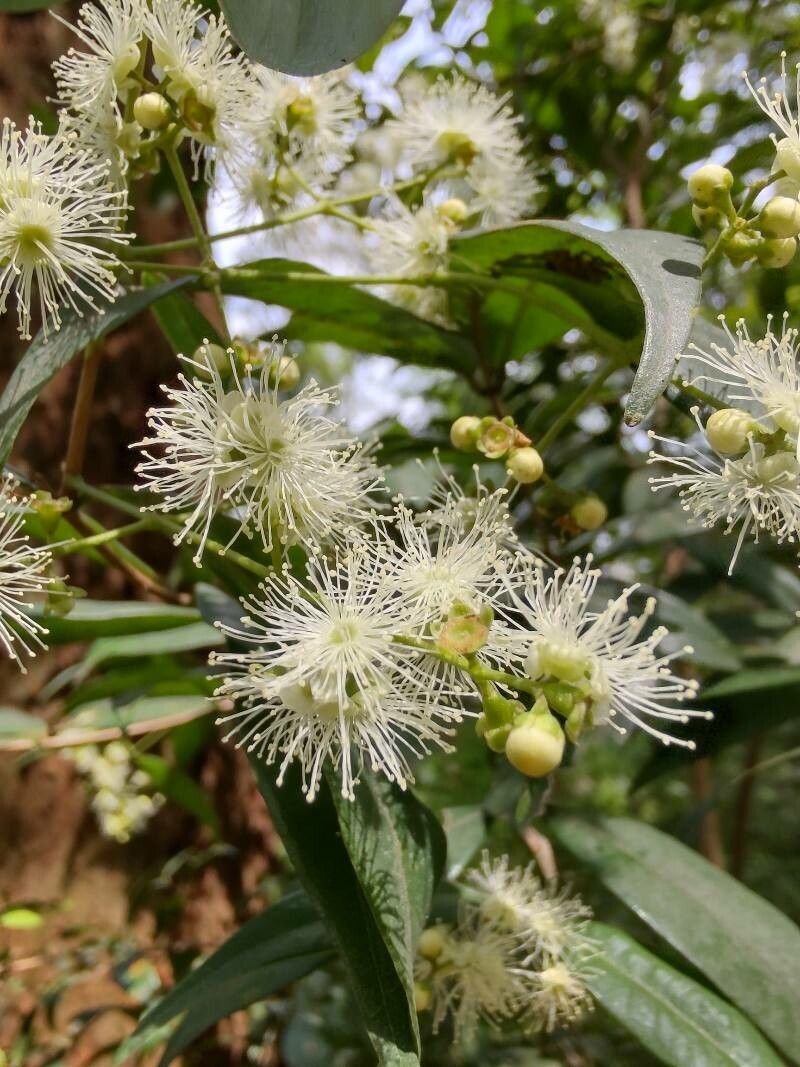
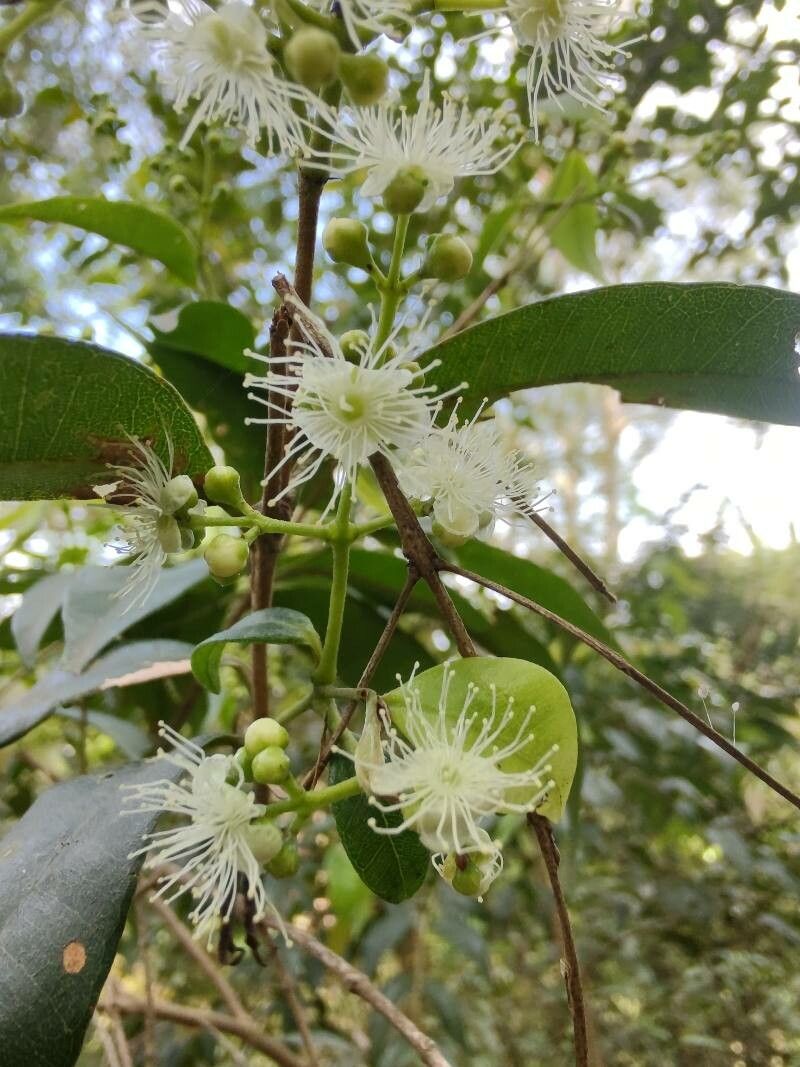
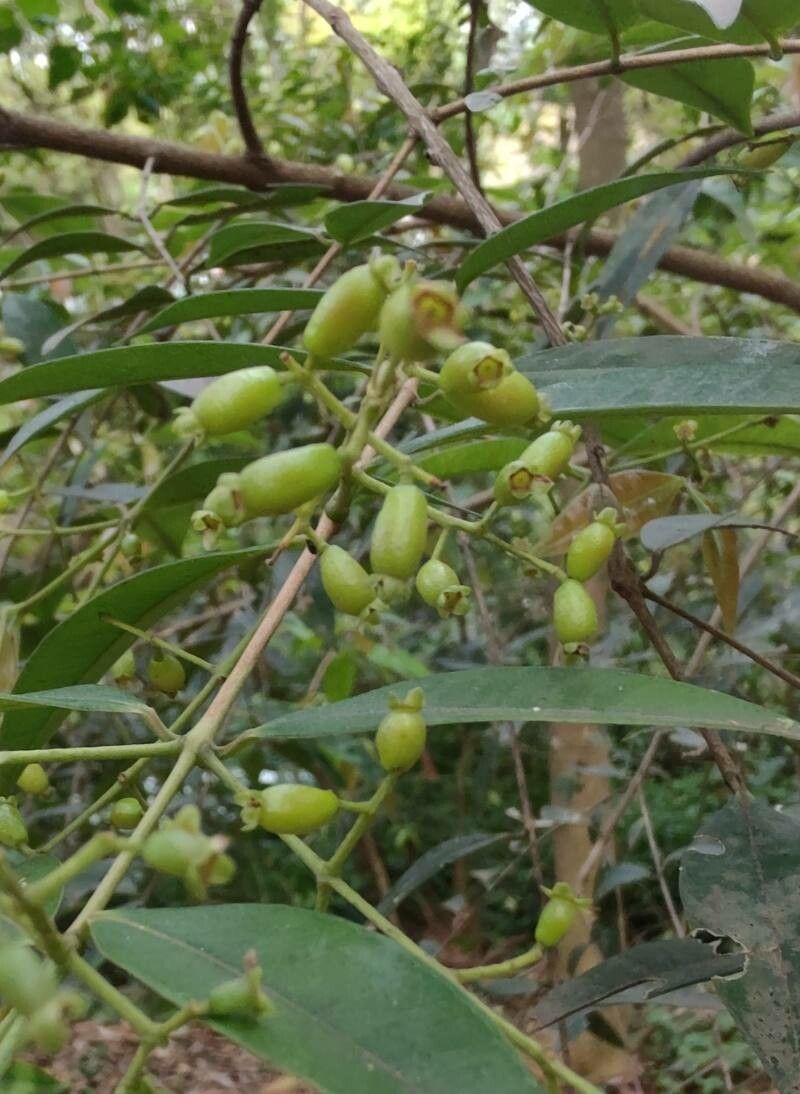
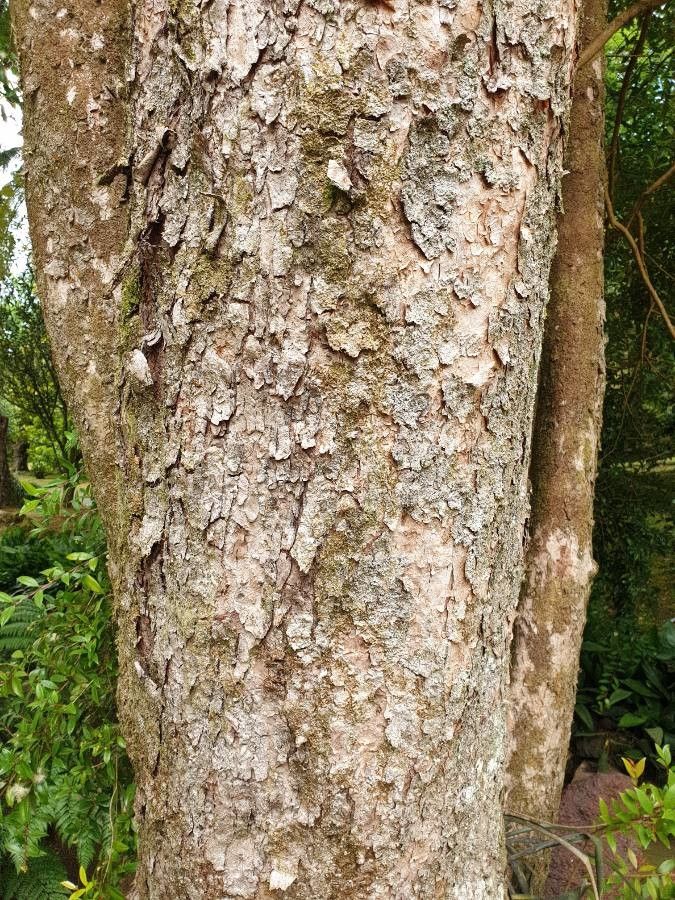
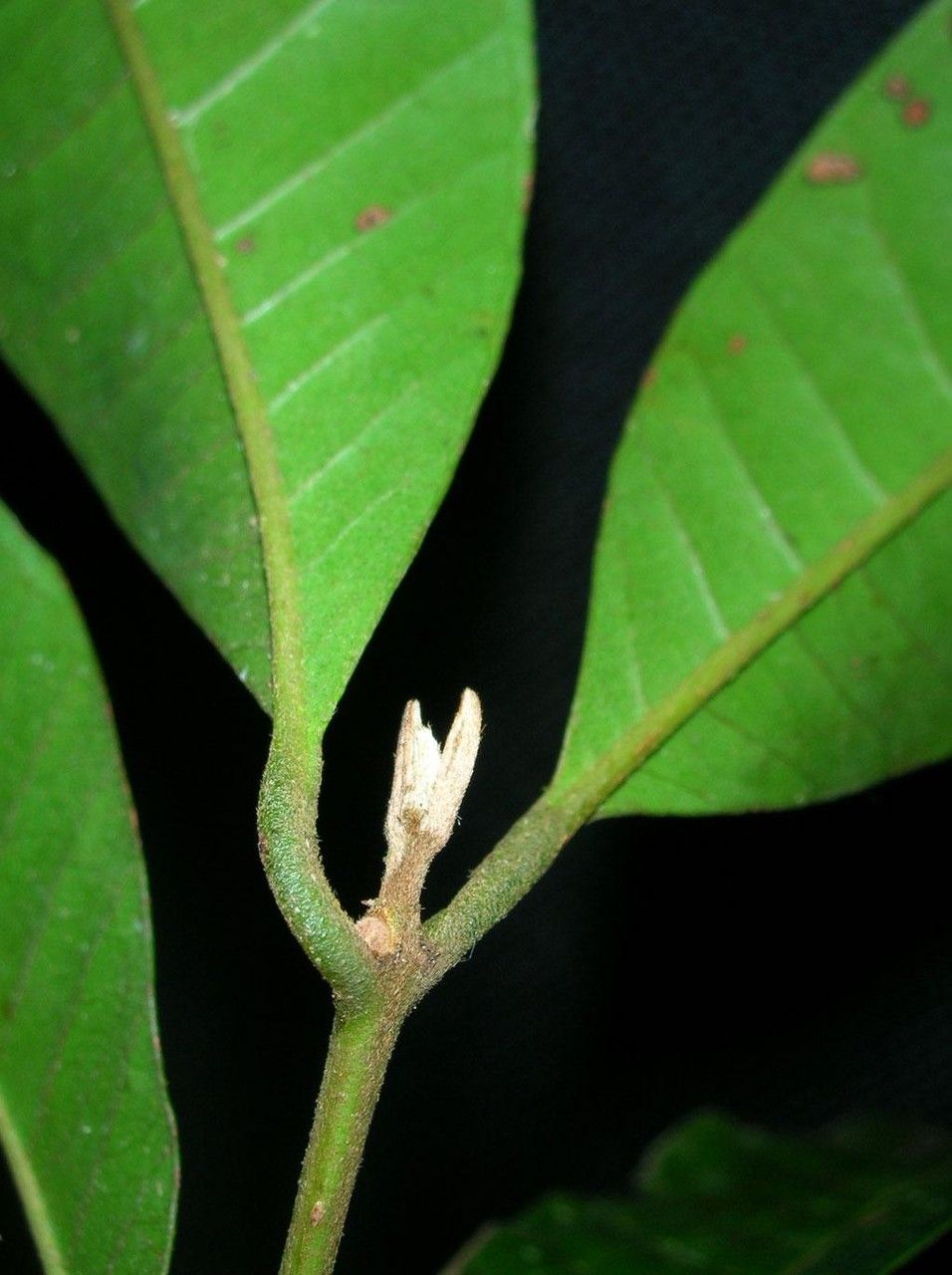
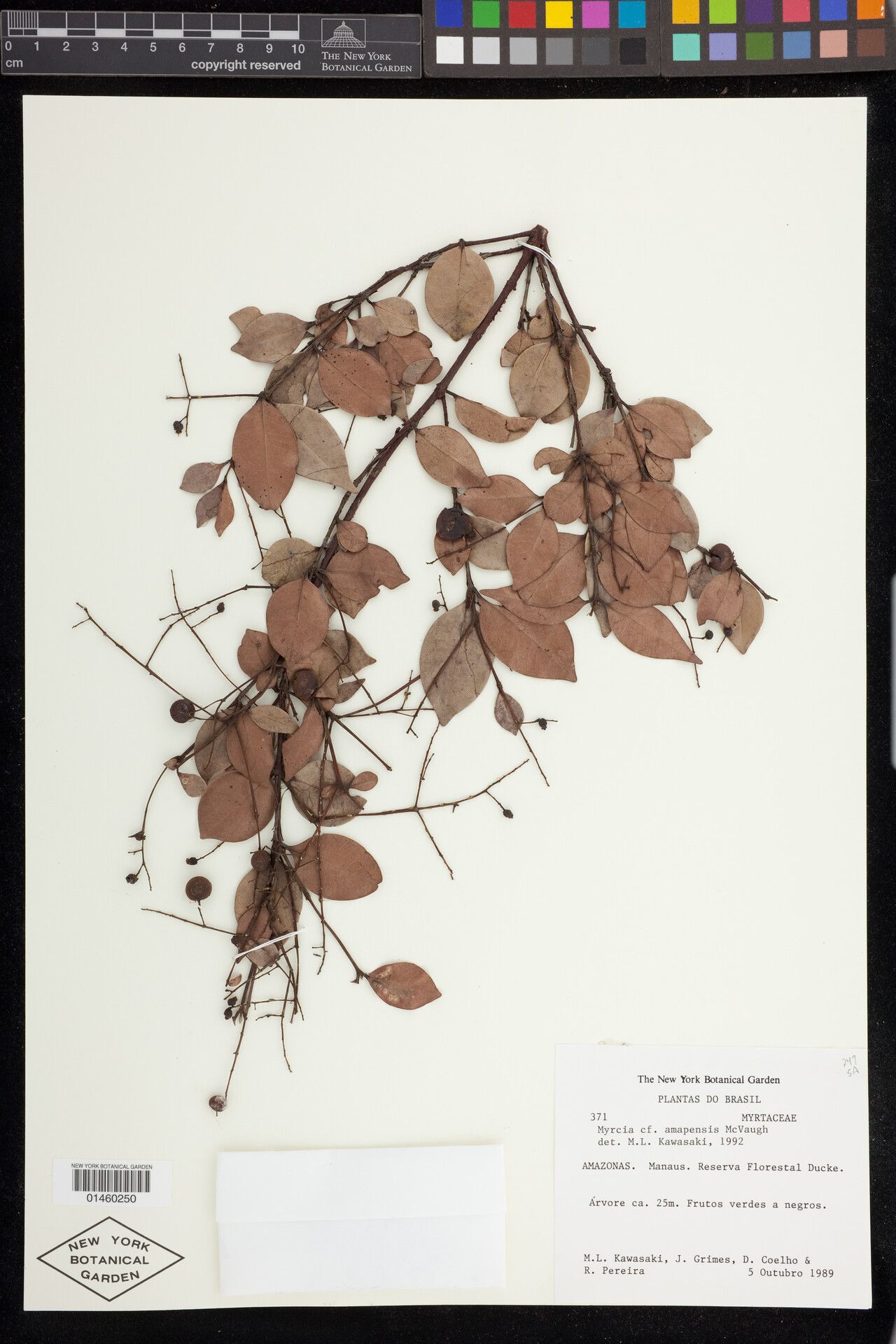
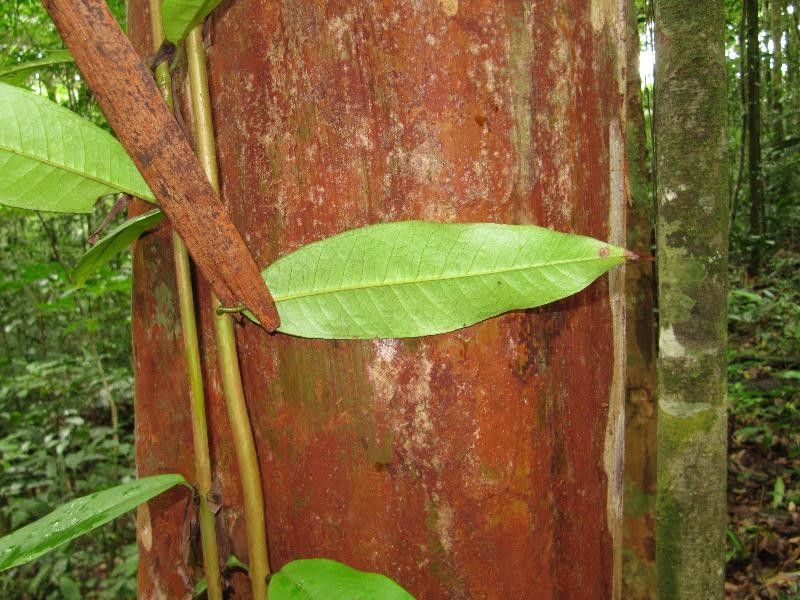
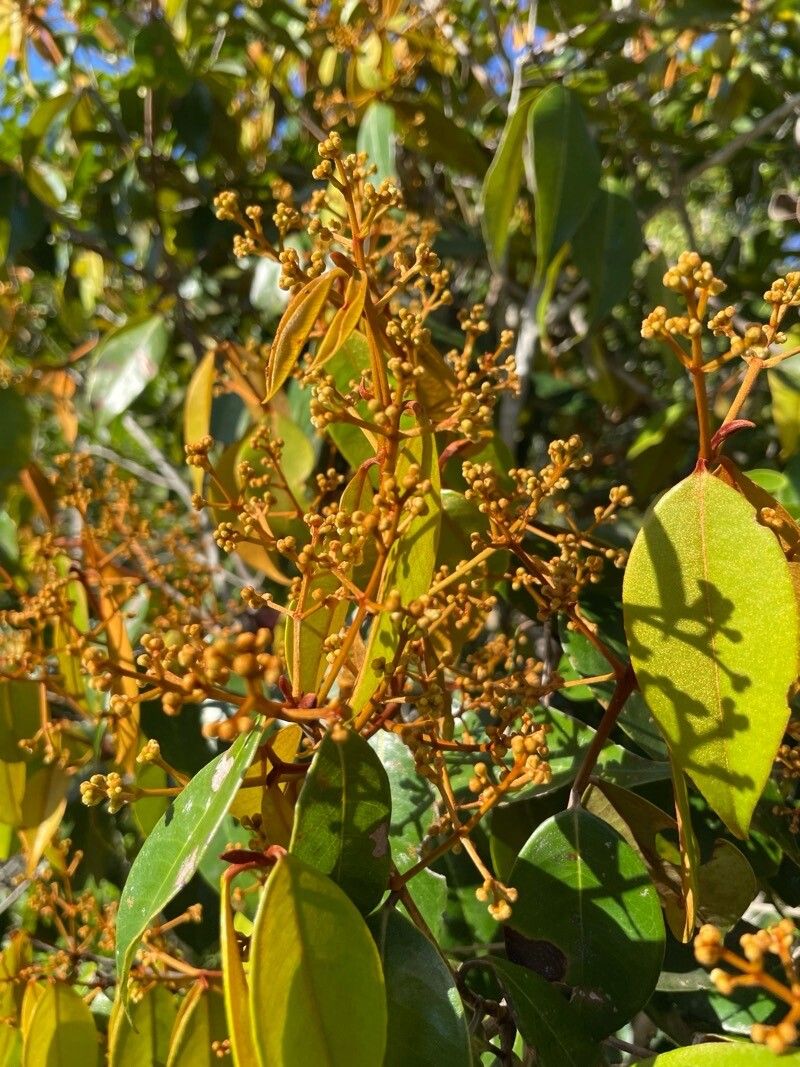
Myrcia splendens, commonly known as the Brazilian guava or grumixama, is a small evergreen tree or shrub native to Brazil. Belonging to the Myrtaceae family, it can grow up to 10 meters in height. The plant features a dense, bushy growth habit with glossy, oval-shaped green leaves that have pointed tips.
The Brazilian guava produces small white flowers that are followed by edible fruits resembling cherries in size and shape. These fruits have a sweet flavor with hints of tartness and are commonly used in jams, jellies, desserts, and beverages.
Myrcia splendens prefers well-drained soil with moderate moisture levels but can tolerate periods of drought once established. It thrives in full sun but can also grow well in partial shade conditions.
The plant is known for its several medicinal properties, such as anti-inflammatory effects due to its high content of flavonoids like quercetin. Additionally, it has high levels of antioxidants, which help protect against cellular damage caused by free radicals.
Overall, Myrcia splendens is an attractive ornamental plant that produces delicious fruit while also offering several health benefits, making it an excellent addition to any garden or landscape design project.
Punchberry resists disease well and is usually not susceptible to illnesses. Regarding care, this plant is fairly low-maintenance. When grown outdoors it needs little watering, and larger plants typically don't require pruning. However, smaller plants should be pruned after they have bloomed. Punchberryt is suitable for anyone with outdoor space, such as a garden or deck, and does not demand a lot of care experience.
How to keep Myrcia Splendens.
Light
Punchberry naturally occurs in settings like forest understories or rocky locations where it grows in natural shade. It prefers partial sun but can also thrive in full sun or full shade, showing its versatile and hardy nature.
Temperature
Punchberry comes from tropical areas, where the climate is generally warm and humid. Therefore, it is suited to high temperatures and humidity. It does not tolerate sudden temperature shifts and prefers a steady temperature, so avoiding indoor temperature fluctuations is important. It usually cannot endure cold and needs warmer conditions to grow. If the surrounding temperature falls too low, the plant may stop growing or even die.
Fertilizer
The best time to fertilize a Punchberry is in early spring as it breaks dormancy. This encourages overall growth and flower development. Fertilization improves the foliage, stems, and branches, and promotes flowers that are large, vibrant, and long-lasting. It helps transfer nutrients from the roots to the flowers and enhances the plant’s health and resistance to disease.
Botanical profile.
- Plant Type
- Shrub
- Life Cycle
- Perennial
- Genus
- Myrcia
- Family
- Myrtaceae
- Hardiness Zone
- 10-12
- Mature Height
- 4.88 m to 14.94 m
- Mature Spread
- 3.05 m to 6.1 m
- Leaf Color
- Dark Green, Forest Green
- Leaf Type
- Evergreen
- Flower Color
- White
- Flower Size
- 0.51 cm to 1.02 cm
- Bloom Time
- Late spring, Summer, Early fall
- Planting Time
- Spring, Summer
- Harvest Time
- Late summer, Fall
- Native Area
- Belize, Honduras, Mexico, Guatemala, Peru, Panama, Jamaica, Colombia, Cuba, Bolivia, Venezuela, Guyana, Brazil, Nicaragua, Ecuador, Costa Rica
Other names.