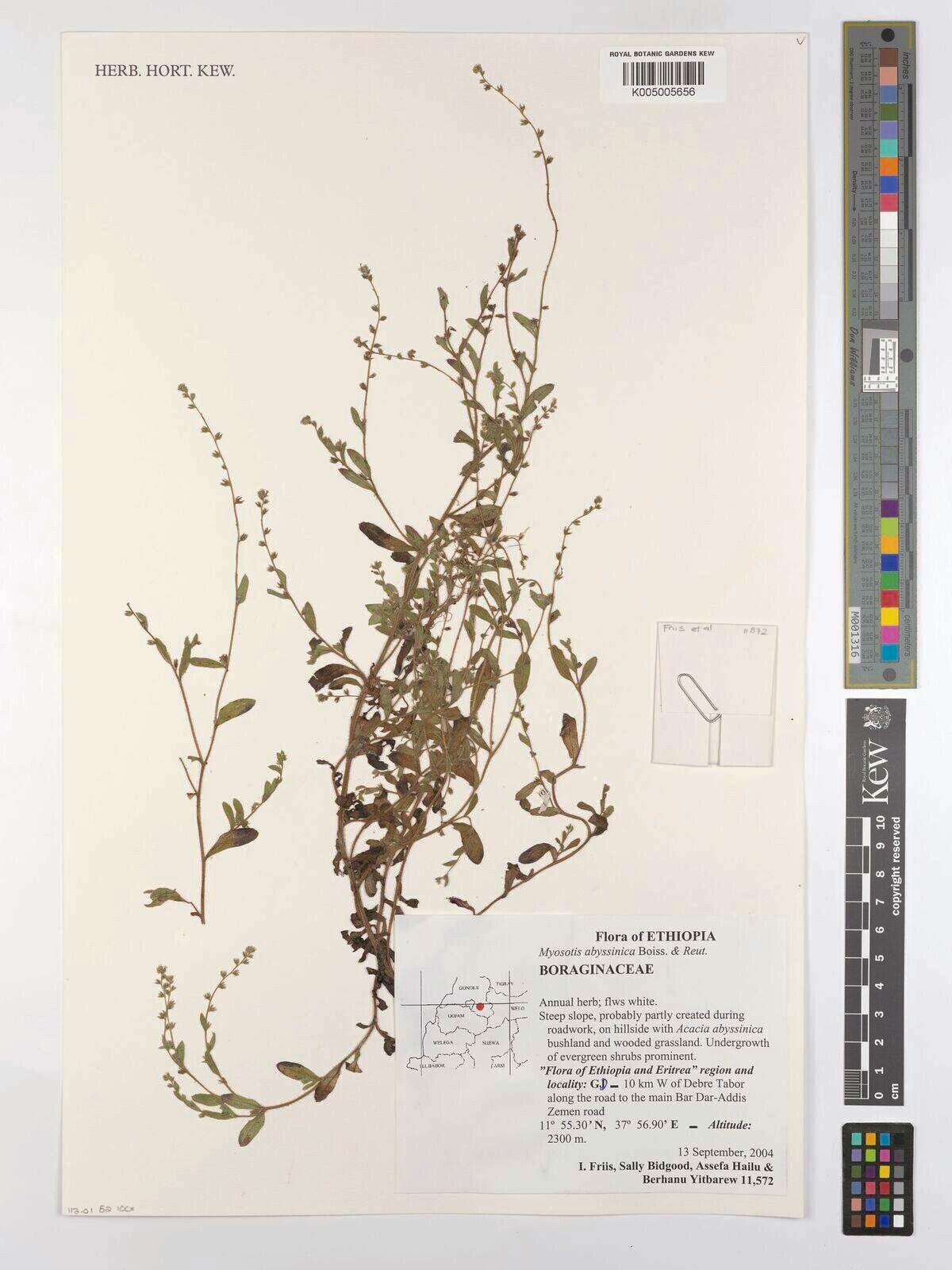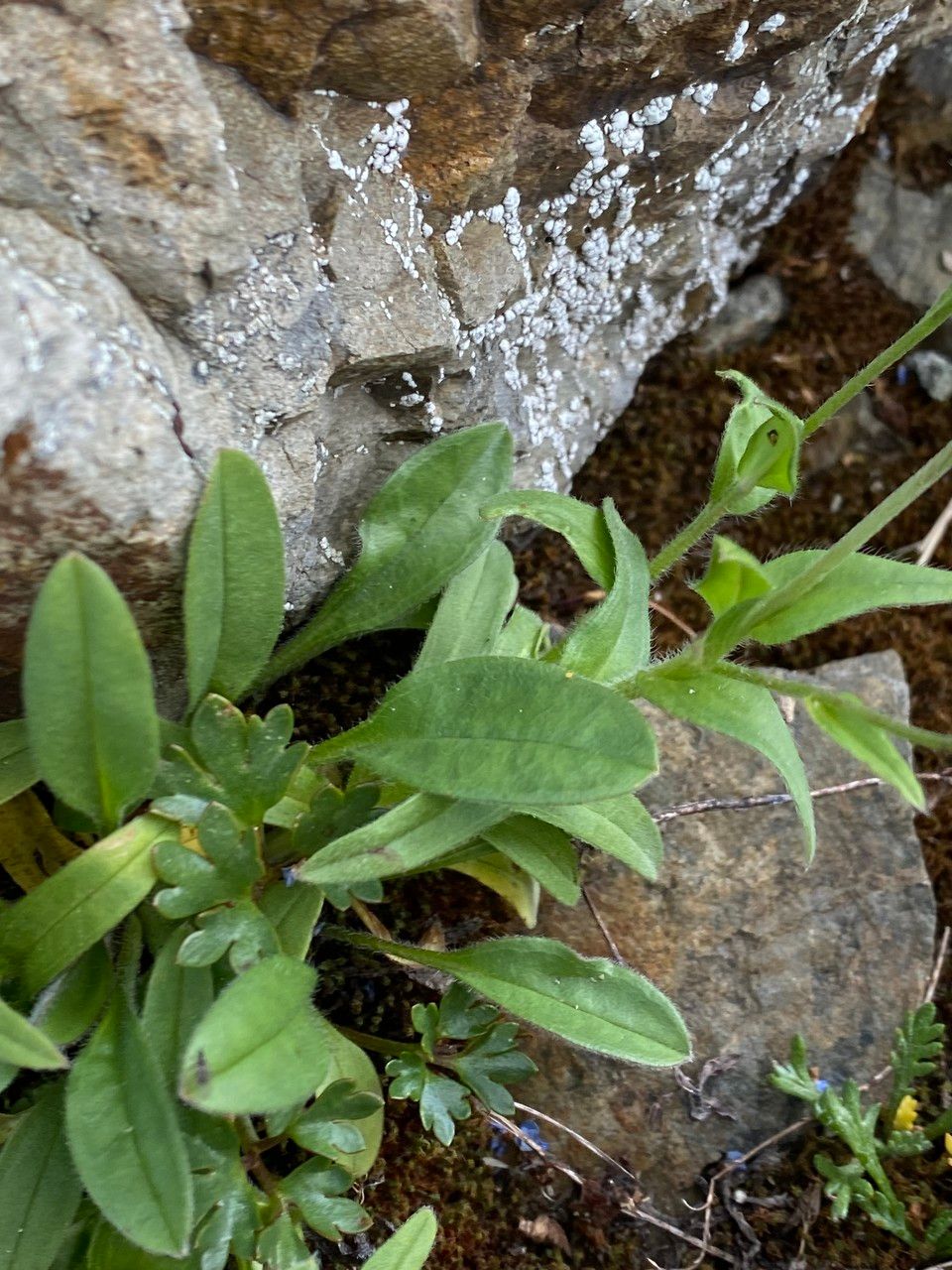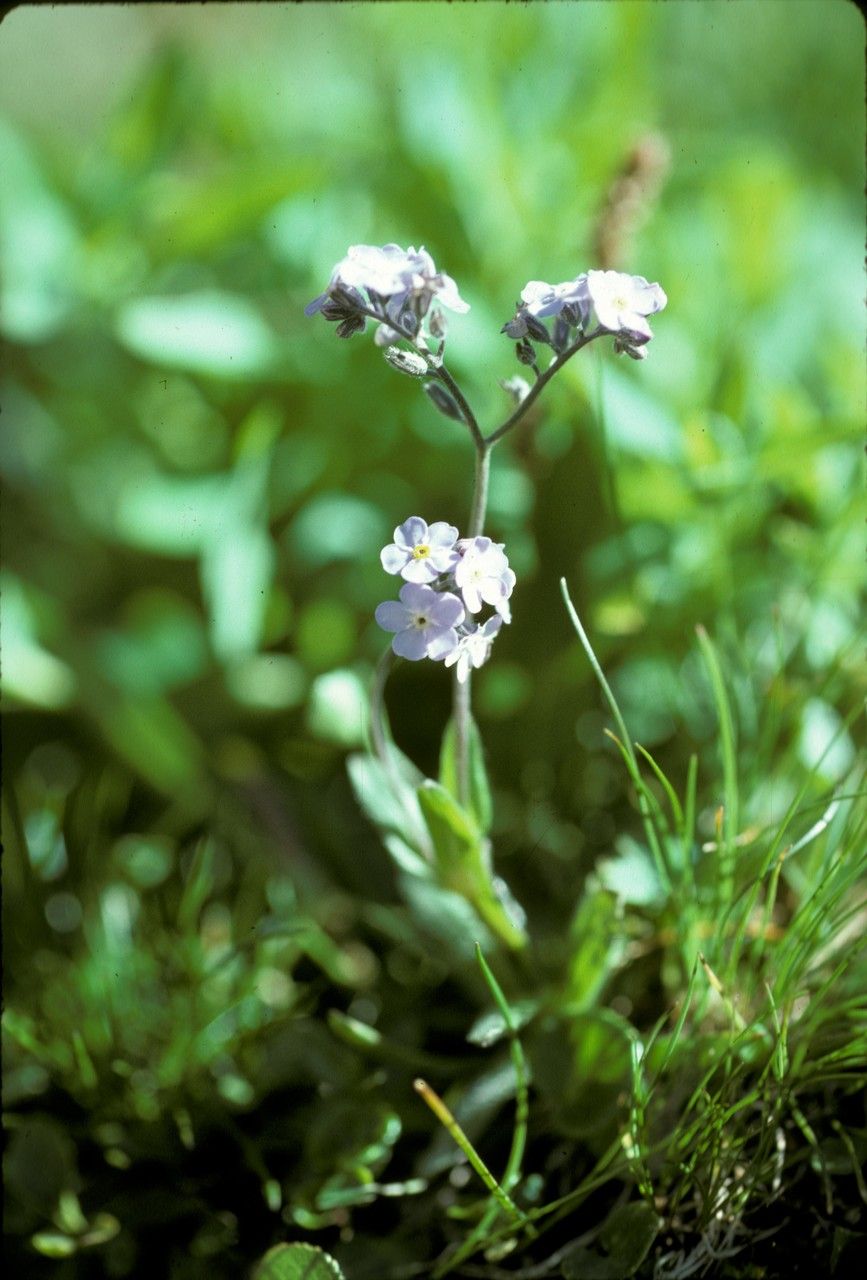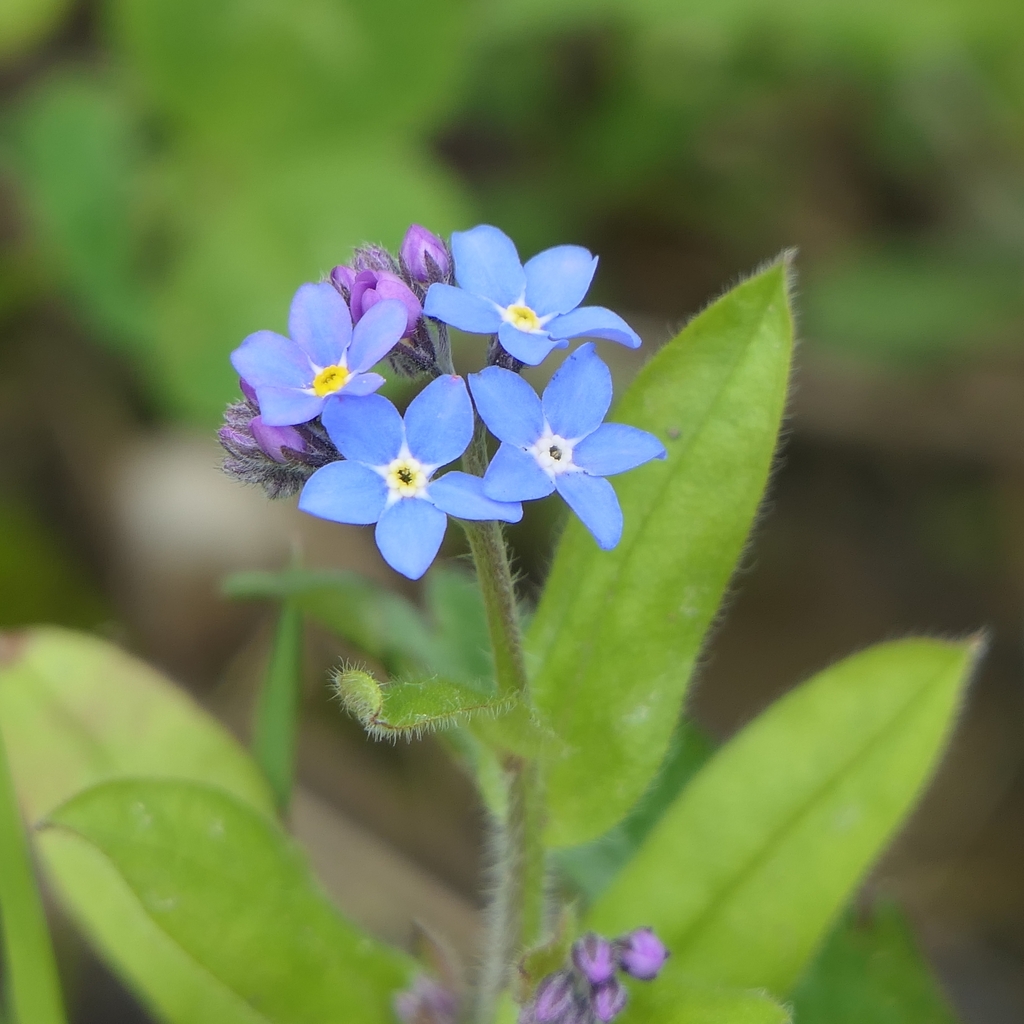
Myosotis sylvatica, the wood forget-me-not or woodland forget-me-not, is a species of flowering plant in the family Boraginaceae, native to Europe. This spring-flowering plant and its cultivars, typically with blue flowers, are the familiar forget-me-nots of gardens.
"Forget-me-not: The name 'forget-me-not' refers to several related flower species. This name didn't originate in the English-speaking world; it comes from the German word 'Vergissmeinnicht.' The English King Henry IV was fond of the translated name, and it became widely used. Today, many languages have their own versions of 'forget-me-not' to refer to these flowers."
Woodland forget-me-not has strong resistance to disease and is generally not prone to illnesses. However, it can be affected by leaf spots if light and ventilation are poor and if watering is excessive. Its care level is considered easy, since it only needs regular watering and little else. Woodland forget-me-not is suitable for people who don't have much time or energy to devote to regular care.
How to keep Myosotis Sylvatica.
Light
Woodland forget-me-not thrives in spots with moderate sunlight, though it can tolerate more intense sun. Coming from habitats like dappled forest clearings, its growth and health are hindered by either harsh, unceasing sun or by too little light, highlighting the need for a balanced amount of sun.
Water
The woodland forget-me-not thrives in moist woodland environments, preferring conditions that provide consistent moisture without causing waterlogging. To maintain the necessary soil hydration, it benefits from being watered weekly, and can tolerate moderate humidity. The availability of water plays a crucial role in its growth cycle, impacting both its foliage and blooms.
Temperature
Woodland forget-me-not is naturally comfortable in temperatures of 68 to 95 °F (20 to 35 ℃). The plant favors warmer conditions, especially in the temperate regions to which it is adapted. Seasonal adjustments may be necessary to keep temperatures within this range.
Fertilizer
Usually one fertilizer application in spring is enough for Woodland forget-me-not, though multiple feedings can help maximize growth. Feed every month to six weeks. Fertilizing improves the leaves’ look and function, helping maintain even color and a healthy texture. It also encourages root development and greater nutrient uptake for long-term plant health.
Pruning
To keep your woodland forget-me-not healthy and attractive, prune it after it finishes blooming in late spring. Start by removing the spent flowers, then cut back the foliage by one-third to encourage bushier growth. Be sure to promptly remove any dead or diseased stems to maintain the plant's vitality and prevent overcrowding.
Pot & Repot
When repotting Woodland forget-me-not, select a pot 1–2 inches (2.5–5.1 cm) larger with good drainage. Use a well-draining potting mix. Repot in spring or fall, making sure the root ball sits slightly lower than the rim of the pot. Water thoroughly after repotting and place in a warm spot with indirect sunlight.
Toxicity
Forget-me-nots are not toxic to either humans or animals. In fact, the flowers are often eaten as a trail snack, used as a garnish in dishes, or added to salads. With that in mind, the plant does contain pyrrolizidine, a mildly toxic substance that may cause low-severity symptoms if ingested in large quantities.
Further reading →
The toxicity and danger assessments provided are for reference only. We do not assure their accuracy, so it's crucial not to depend on them. Seek professional advice when necessary for accurate guidance.
Botanical profile.
- Plant Type
- Herb
- Life Cycle
- Perennial, Annual, Biennial
- Genus
- Myosotis
- Family
- Boraginaceae
- Hardiness Zone
- 3-8
- Mature Height
- 11 cm to 49 cm
- Mature Spread
- 15 cm
- Leaf Color
- Green
- Leaf Type
- Deciduous
- Flower Color
- Pink
- Flower Size
- 0.51 cm to 1.02 cm
- Bloom Time
- Mid spring, Late spring, Early summer
- Planting Time
- Spring
- Harvest Time
- Early summer, Mid summer
- Native Area
- Europe (naturalized in North America)
Other names.
Reader questions.
How should I water my Woodland forget-me-not?
When watering the Woodland forget-me-not, it is important to use filtered water at room temperature. Tap water may contain harmful particles, so filtered water is preferred. The plant originates from a warm environment, so cold water can be a shock to its system. It is best to avoid overhead watering, as it can cause foliage issues. Instead, apply filtered room temperature water directly to the soil until it is completely soaked. This benefits the plant by moisturizing the roots and allowing them to spread and collect nutrients in the soil.
Why should I put fertilizer on my Woodland forget-me-not?
The main structure of the Woodland forget-me-not is made up of its leaves. Fertilization is a crucial way to ensure that these leaves not only look great but also function properly. By properly fertilizing, you can help your Woodland forget-me-not maintain consistent leaf color and a healthy texture. Fertilization also has benefits below the soil's surface, as it promotes the growth of new roots and supports the existing root system. This means that fertilization not only keeps your plant healthy in the present, but also improves its ability to absorb nutrients from the soil in the future.
What are the sunlight requirements for Woodland forget-me-not?
Woodland forget-me-not needs moderate sunlight but can also withstand more intense solar exposure, thriving best in conditions that mimic dappled forest clearings. It requires a delicate balance of sunlight to avoid growth and health issues which can arise from either too much direct sun or too little light. The plant does well in partial sun, receiving about 3-6 hours of sunlight, or in full sun which is above 6 hours of sunlight daily. Observing how sunlight moves through your garden and choosing spots that offer a balance of light and shade will ensure your plants' happiness.
What are the ideal temperature conditions for Woodland forget-me-not?
Woodland forget-me-not thrives in environments with temperatures ranging from 68 to 95°F (20 to 35°C), which are conditions commonly found in temperate climates. This plant prefers warmer environments and can adjust to seasonal temperature changes. It has a strong resistance to cold, so it usually doesn't require special frost protection measures. However, it's important to protect the plant if winter temperatures are expected to fall below -35°C by covering it with soil or straw and watering abundantly before the first freeze in autumn to ensure the soil remains moist.
What should I do if I give too much or too little water to my Woodland forget-me-not?
Both overwatering and underwatering can harm the health of your Woodland forget-me-not. However, overwatering is a more common issue. If this plant gets too much water, its stems and leaves may wilt and turn yellow. Overwatering for a long period can also cause diseases like root rot, mold, and mildew, which can kill the plant. On the other hand, underwatering is less common because this plant can tolerate drought fairly well. But it's still possible, and when it happens, the leaves of the plant become brittle and brown. It's important to notice the signs of overwatering early when taking care of your Woodland forget-me-not. Some diseases caused by overwatering, such as root rot, may not be fixable if you wait too long. If you see early signs of overwatering, reduce your watering schedule immediately. Additionally, check the quality of the soil where your plant grows. If the soil drains poorly, replace it with a loose, well-draining potting mix. Conversely, if you notice signs of underwatering, simply water more regularly until the signs go away.
When should I fertilize my Woodland forget-me-not plant?
To ensure optimal growth of your Woodland forget-me-not, it is recommended to fertilize the plant in early spring when new growth starts to emerge. While a single application of fertilizer may suffice for the plant to thrive, if you want to maximize its growth, you can consider feeding it multiple times during spring and early summer. A good guideline is to feed your Woodland forget-me-not approximately once every month to a month and a half if you choose this approach.
How does artificial lighting affect Woodland forget-me-not indoors, and what are the best practices?
Indoor plants like the Woodland forget-me-not require adequate lighting for optimal growth, especially when natural sunlight is insufficient, such as in winter or less sunny spaces. Artificial lights provide a vital solution, promoting faster, healthier growth. LED lights are recommended due to their ability to offer specific wavelengths needed by plants. Full sun plants need 30-50W/sq ft, partial sun plants require 20-30W/sq ft, and full shade plants need 10-20W/sq ft of artificial light. The light source should be placed 12-36 inches above the plant to mimic natural sunlight and should be left on for 8-12 hours per day depending on the plant species' needs.
How does Woodland forget-me-not react to low temperatures?
Woodland forget-me-not is cold-tolerant and prefers temperatures above 20°C. During winter, it's crucial to keep the plant above 0°C. If temperatures fall below -35°C, you may not see any noticeable changes during the winter, but there might be a decrease in sprouting or no sprouting at all come springtime. To address this, remove any parts of the plant that have failed to sprout in spring.
How much should I water my Woodland forget-me-not?
If your Woodland forget-me-not is in a pot, you can check if it needs water by sticking your finger into the soil. If the top two to three inches of soil feels dry, it's time to water it. If you're growing the plant in the ground, you can use the same method. When the top few inches of soil are dry, it's time to water. Usually, during spring and early fall, you'll need to water this plant about once a week. But in very hot weather, you may need to water it twice a week or more. However, mature Woodland forget-me-not plants can tolerate drought well.
When is the best time to not fertilize my Woodland forget-me-not?
During late fall and winter, your Woodland forget-me-not will go into a dormant phase and stop growing. Thus, avoid fertilizing it during this time. When it comes to spring and summer, if you decide to fertilize, start decreasing the amount as summer approaches because the growth rate of your Woodland forget-me-not will also slow down. In general, it's not a good idea to fertilize your Woodland forget-me-not when the weather is unusually hot or the soil is very dry. Fertilizing it in those conditions can stress the plant and make it die earlier.
What symptoms indicate insufficient light for Woodland forget-me-not, and how can they be addressed?
When Woodland forget-me-not is grown indoors with insufficient light, it may show several symptoms indicating light deficiency. These include smaller new leaves, leggy or sparse growth, faster leaf drop, slower or no new growth, lighter-colored new leaves, chlorosis, sunscald, leaf curling, wilting, and leaf scorching. To address these issues, outdoor plants should be gradually moved to more sunlit spots each week. For indoor plants, shift them to sunnier spots or use artificial lights like desk or ceiling lamps for at least 8 hours a day, or invest in professional grow lights. Reduce obstructions like overhanging branches for ground-planted Woodland forget-me-nots, or consider transplanting smaller plants to sunnier locations with good drainage, preferably during their dormant period.
What should be done if Woodland forget-me-not experiences high temperatures?
During summer, it's important to ensure that Woodland forget-me-not is kept below 35°C. Exposing the plant to temperatures above 38°C can cause the leaves to lighten in color, curl, become susceptible to sunburn, or in severe cases, cause the entire plant to wilt and dry. To mitigate such damage, trim away the sunburned and dried-up parts of the plant. Also, move the plant to a shaded location or use a shade cloth to protect it from the midday and afternoon sun. Watering the plant in the morning and evening helps keep the soil moist and promotes plant health.