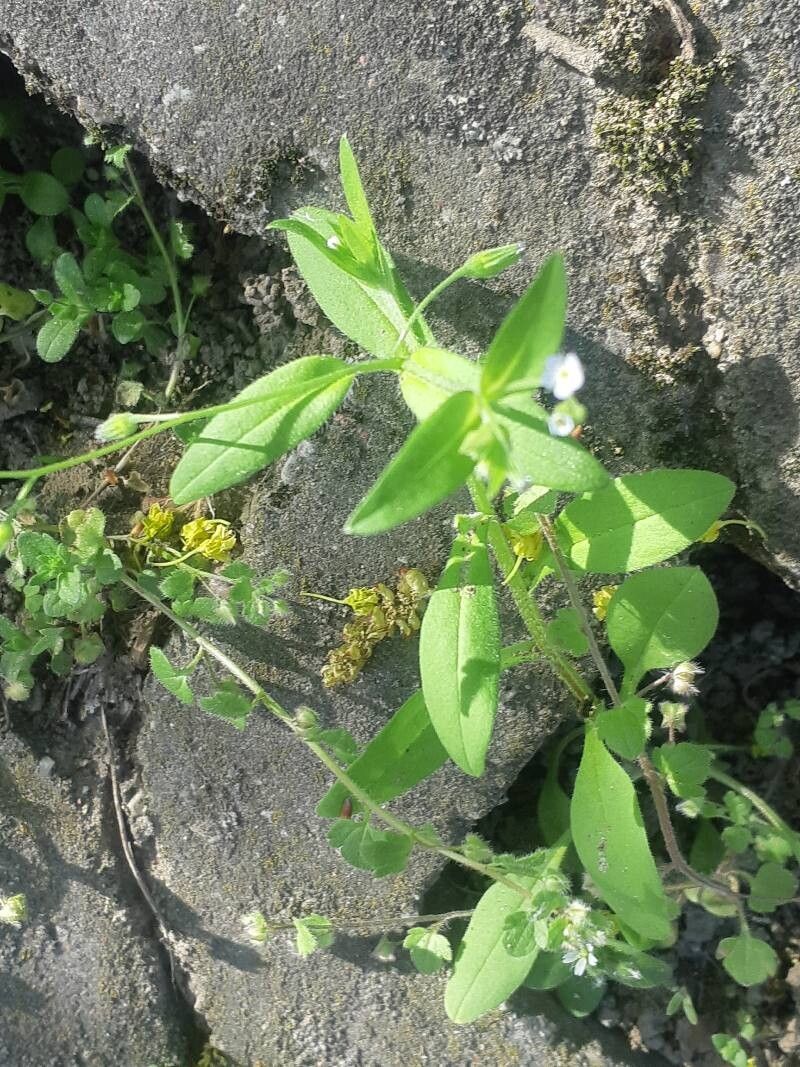
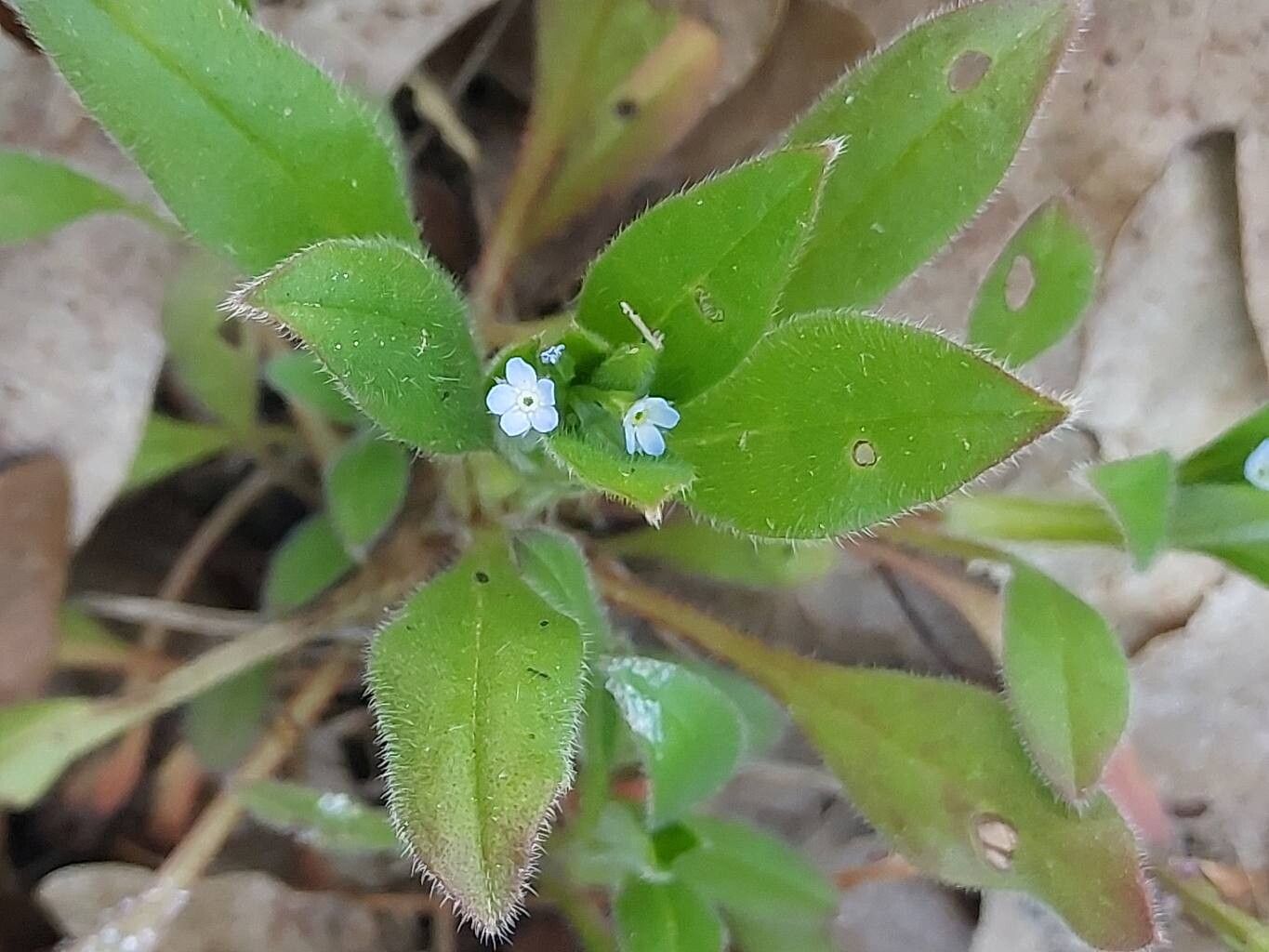
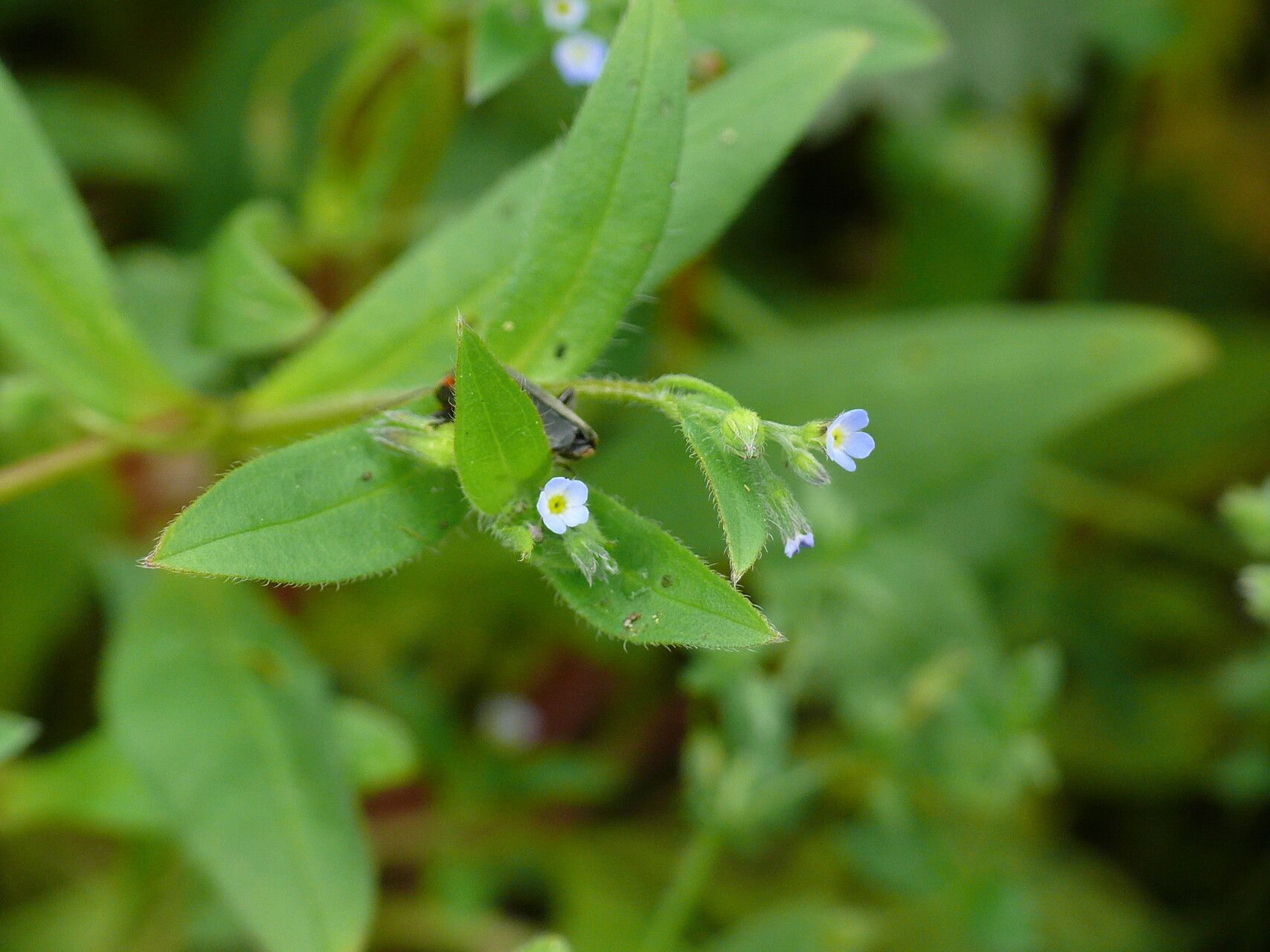
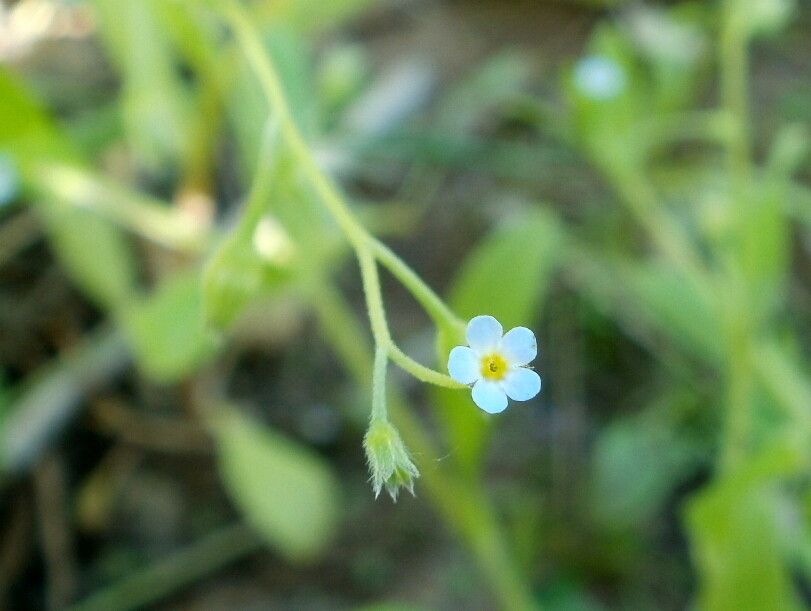
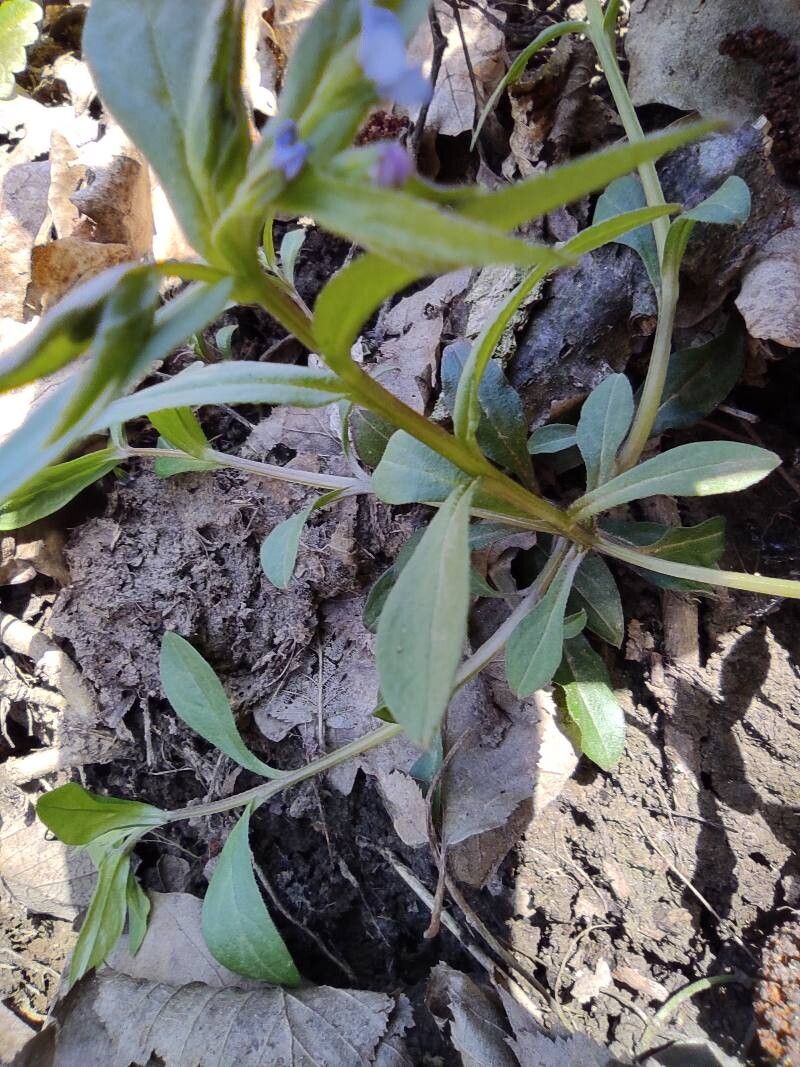
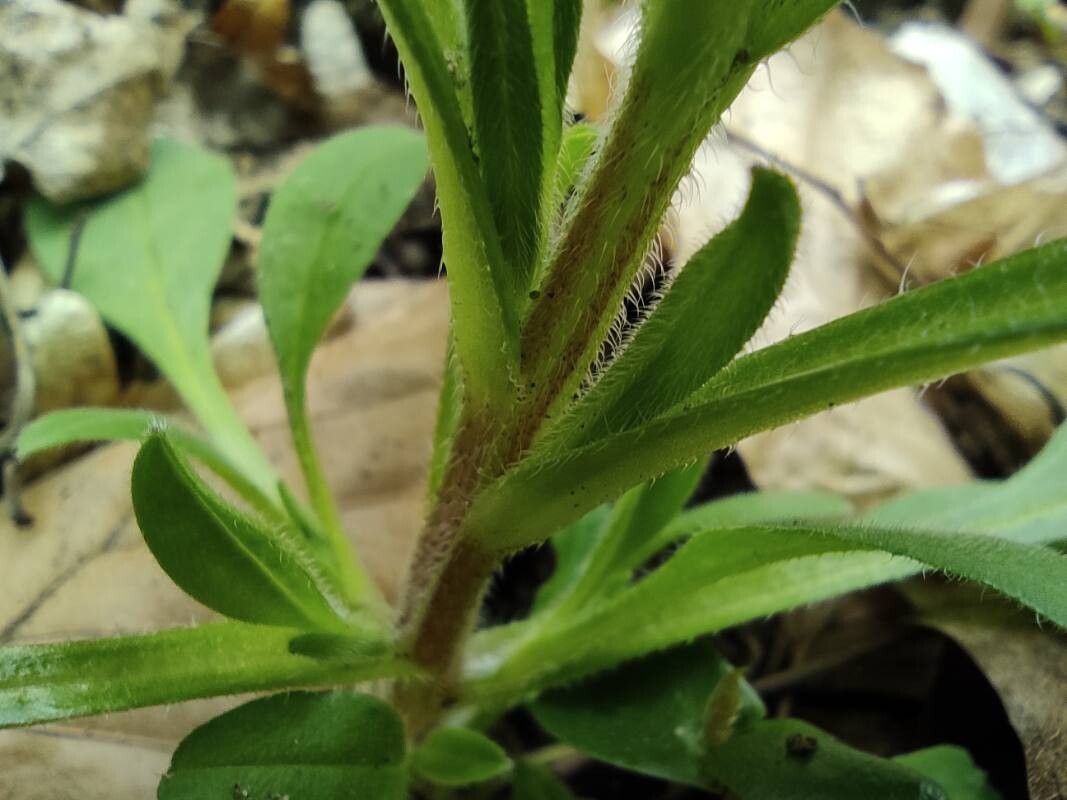
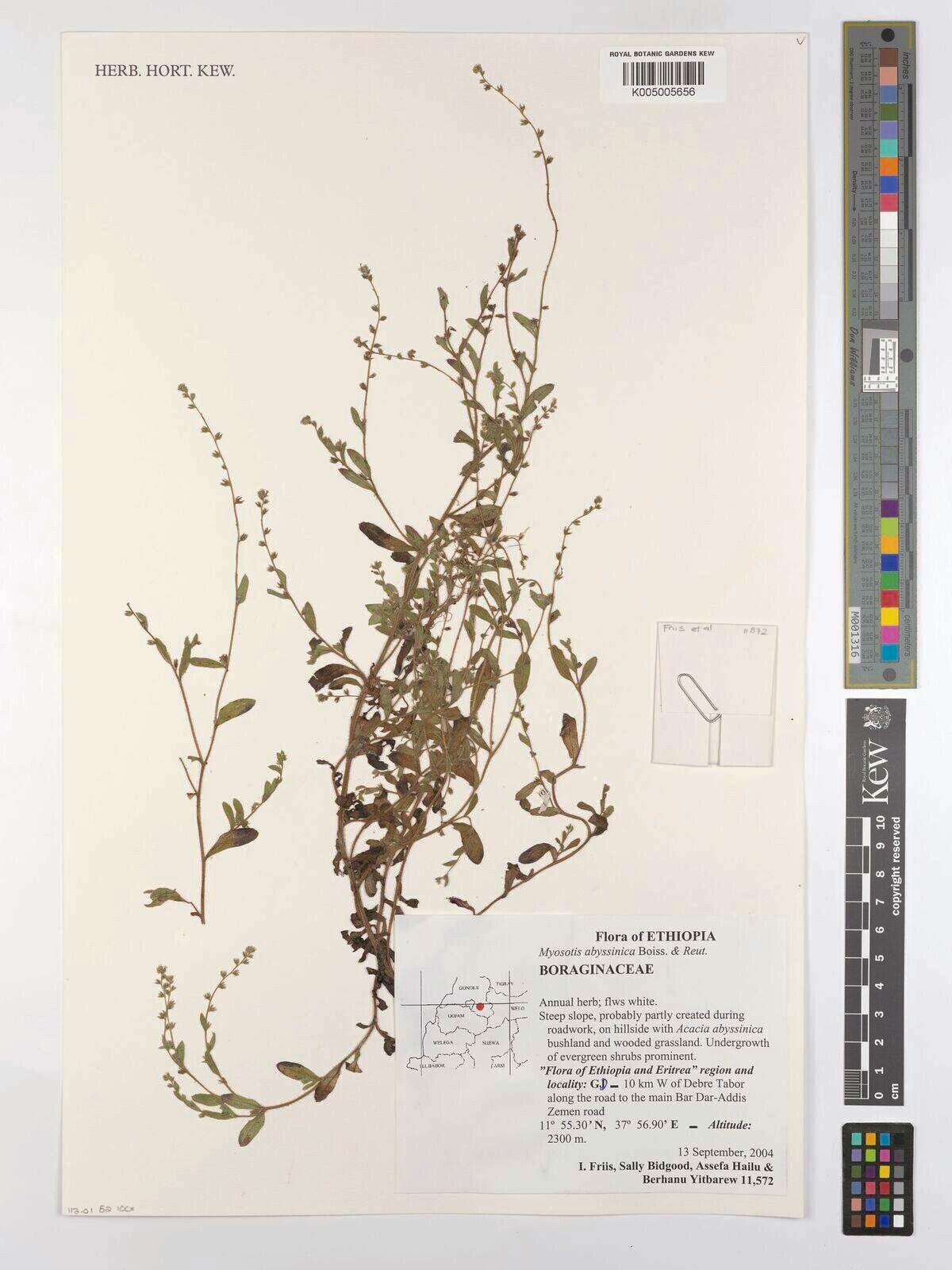
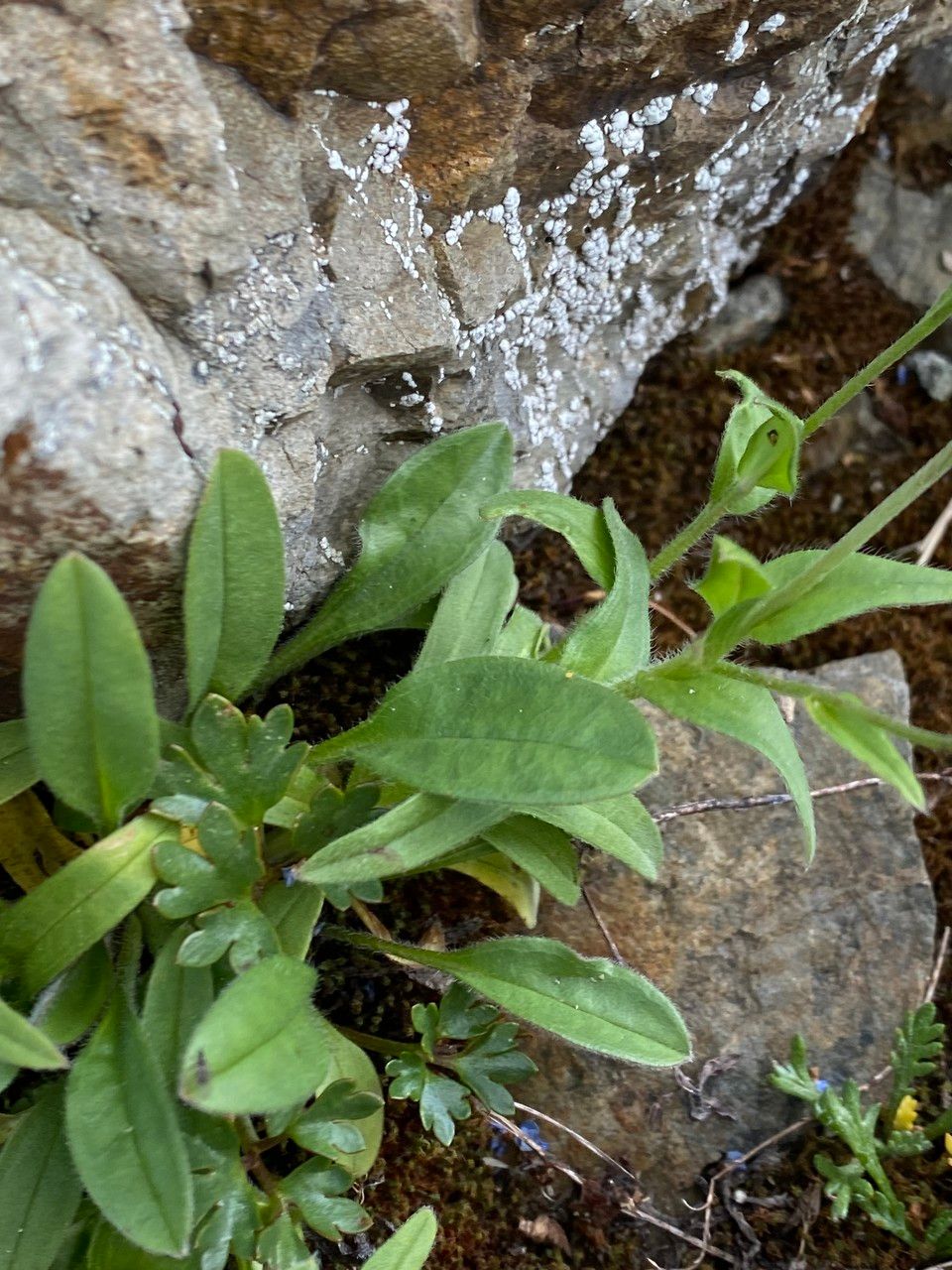
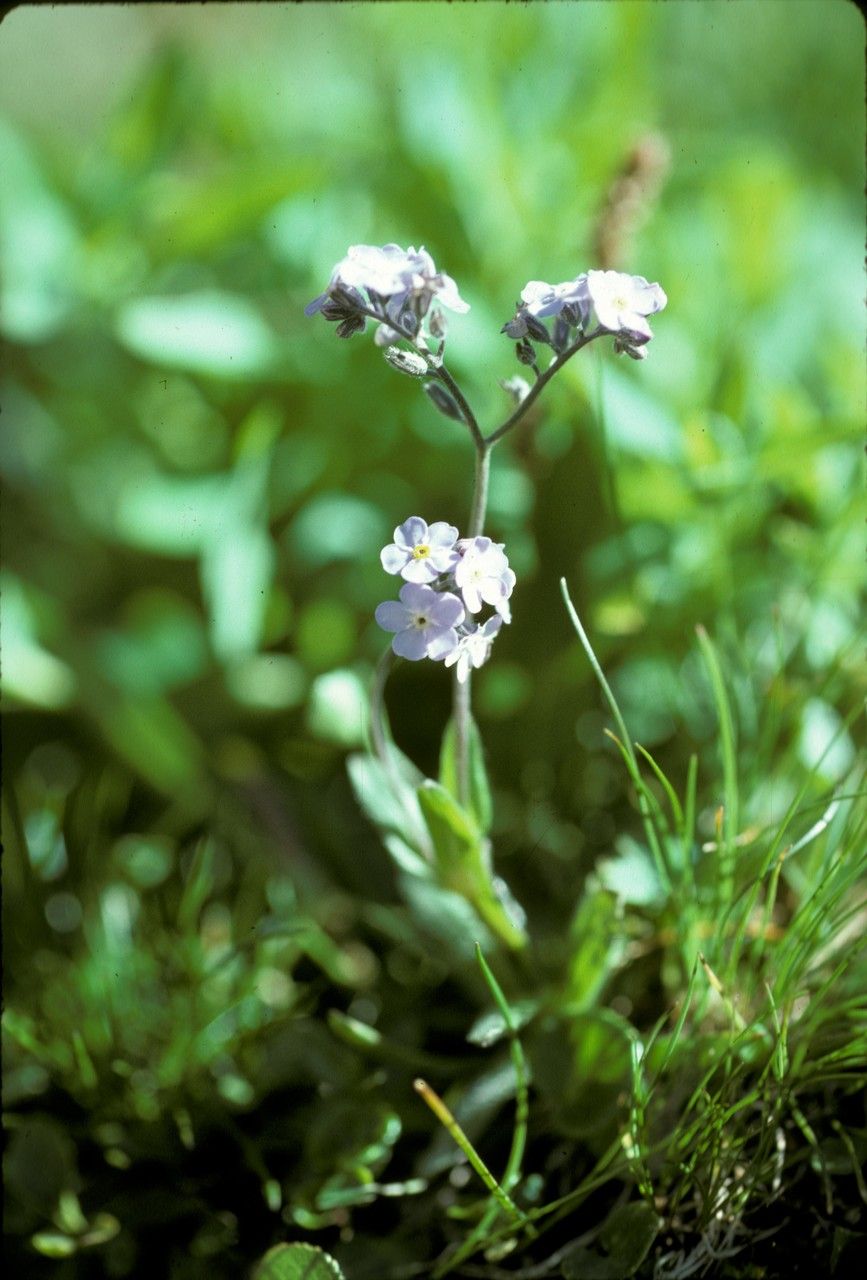
Myosotis sparsiflora is a species of flowering plant belonging to the family Boraginaceae.Its native range is Central and Eastern Europe to Southwestern Siberia and Iran.
Myosotis sparsiflora shows good resistance to disease and is generally not highly susceptible to illnesses. Still, it can be vulnerable to pests and diseases present in its environment, though these infections are generally mild. Regarding care, this species needs moderate maintenance. It should be pruned regularly to preserve a neat appearance and healthy growth, and applying fertilizer can help encourage flowering. Myosotis sparsiflora is appropriate for anyone with outdoor space, such as a garden or patio, and does not demand much prior care experience. It may need more attention if cultivated indoors.
How to keep Myosotis Sparsiflora.
Light
Myosotis sparsiflora is native to habitats with dappled light, such as forest understories or rocky locations that offer natural shade. It prospers in partial sun but can also adapt to full sun conditions.
Water
Myosotis sparsiflora flourishes in moist meadows and needs regular watering to keep the soil moist, ideally on a weekly basis. While it can withstand short periods of dryness, rainfall during the growing season often reduces the need for additional watering when grown outdoors. This makes Myosotis sparsiflora quite resilient in temperate climates.
Fertilizer
Myosotis sparsiflora are regarded as heavy feeders in terms of nutrients. They require frequent, low doses of nitrogen and potassium fertilizers and periodic applications of phosphorus, micronutrients, sulfur, and magnesium to sustain good growth and bright coloration. Continuous fertilization throughout the growing season is needed to prevent deficiency symptoms and maintain optimal growth.
Pruning
Pruning Myosotis sparsiflora (also known as Forget-me-not) in early to mid-spring is beneficial for the plant's health and appearance. Focus on cutting away dead or damaged stems to encourage new growth. By removing faded flowers, you can enhance the plant's appearance, prevent it from becoming too woody, and ensure it remains vigorous with a better floral display.
Botanical profile.
- Plant Type
- Herb
- Life Cycle
- Biennial
- Genus
- Myosotis
- Family
- Boraginaceae
- Hardiness Zone
- 5-9
- Leaf Type
- Deciduous
- Native Area
- Tajikistan, Turkey, Austria, Czech Republic, Slovakia, Montenegro, Bulgaria, Armenia, Poland, Greece, Slovenia, Croatia, Belarus, Ukraine, Serbia, Uzbekistan, Russia, China, Lithuania, Iraq, Germany, Hungary, Kyrgyzstan, Kazakhstan, Estonia, Iran, Albania, Azerbaijan, Romania, Latvia, Turkmenistan
Reader questions.
What are the sunlight requirements for Myosotis sparsiflora?
Myosotis sparsiflora thrives in a range of sunlight conditions, ensuring flexibility in garden placement. For optimal growth, it requires full sun, which means it should receive above 6 hours of sunlight daily. However, it can also flourish in partial sun, defined as about 3-6 hours of sunlight each day. It's important to observe the movement of sunlight through your garden over time. This helps in identifying spots that offer a harmonious balance of light and shade, creating the ideal environment for your Myosotis sparsiflora and ensuring their well-being.
What is Myosotis sparsiflora?
Myosotis sparsiflora is a plant recognized by its botanical name 'Myosotis sparsiflora.' Unfortunately, additional details regarding its characteristics, essential information, or common symptoms associated with it have not been provided. For more specific information regarding Myosotis sparsiflora, including its uses, care, or historical significance, further research or consultation with a botanical expert is recommended.