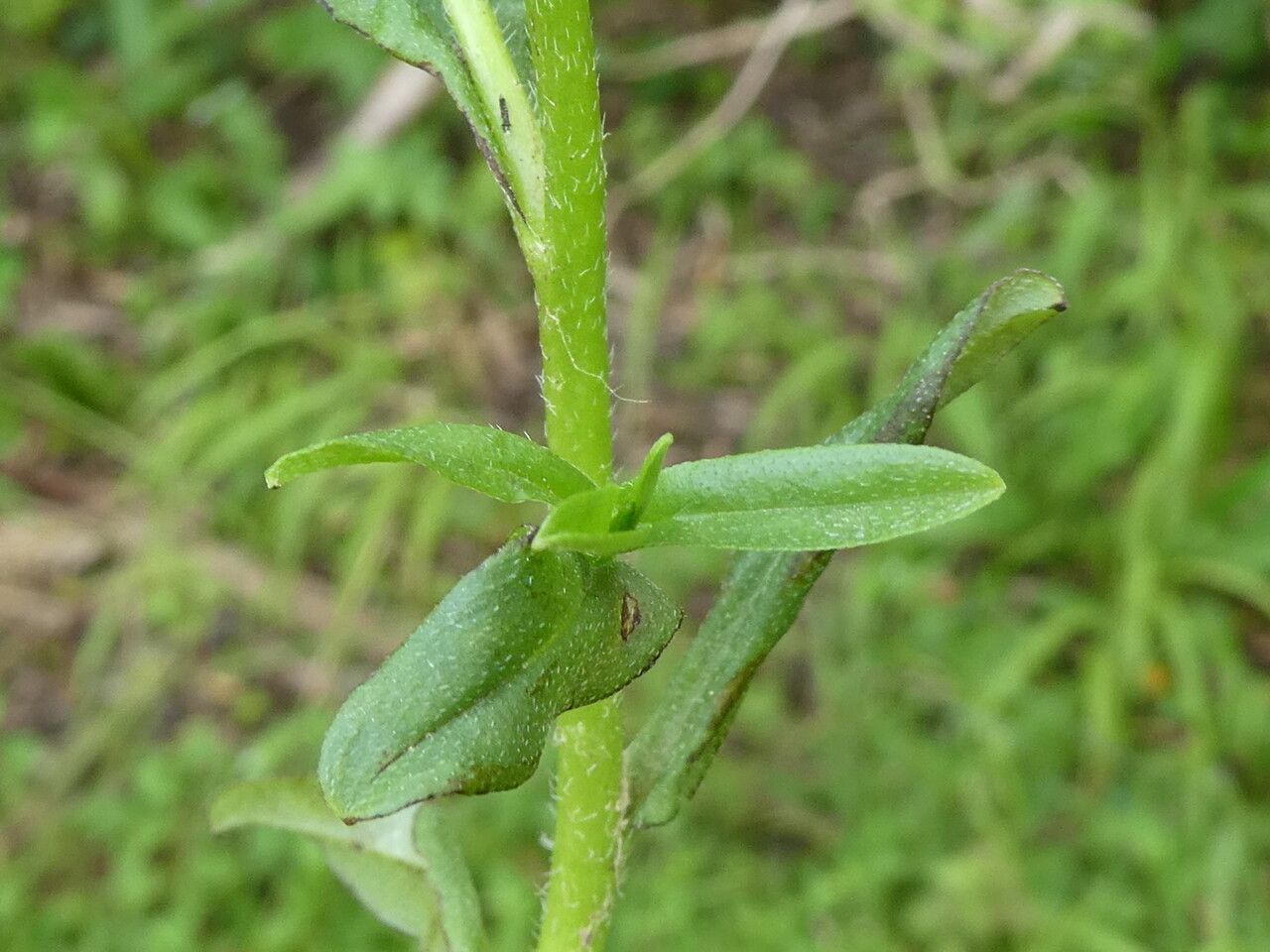
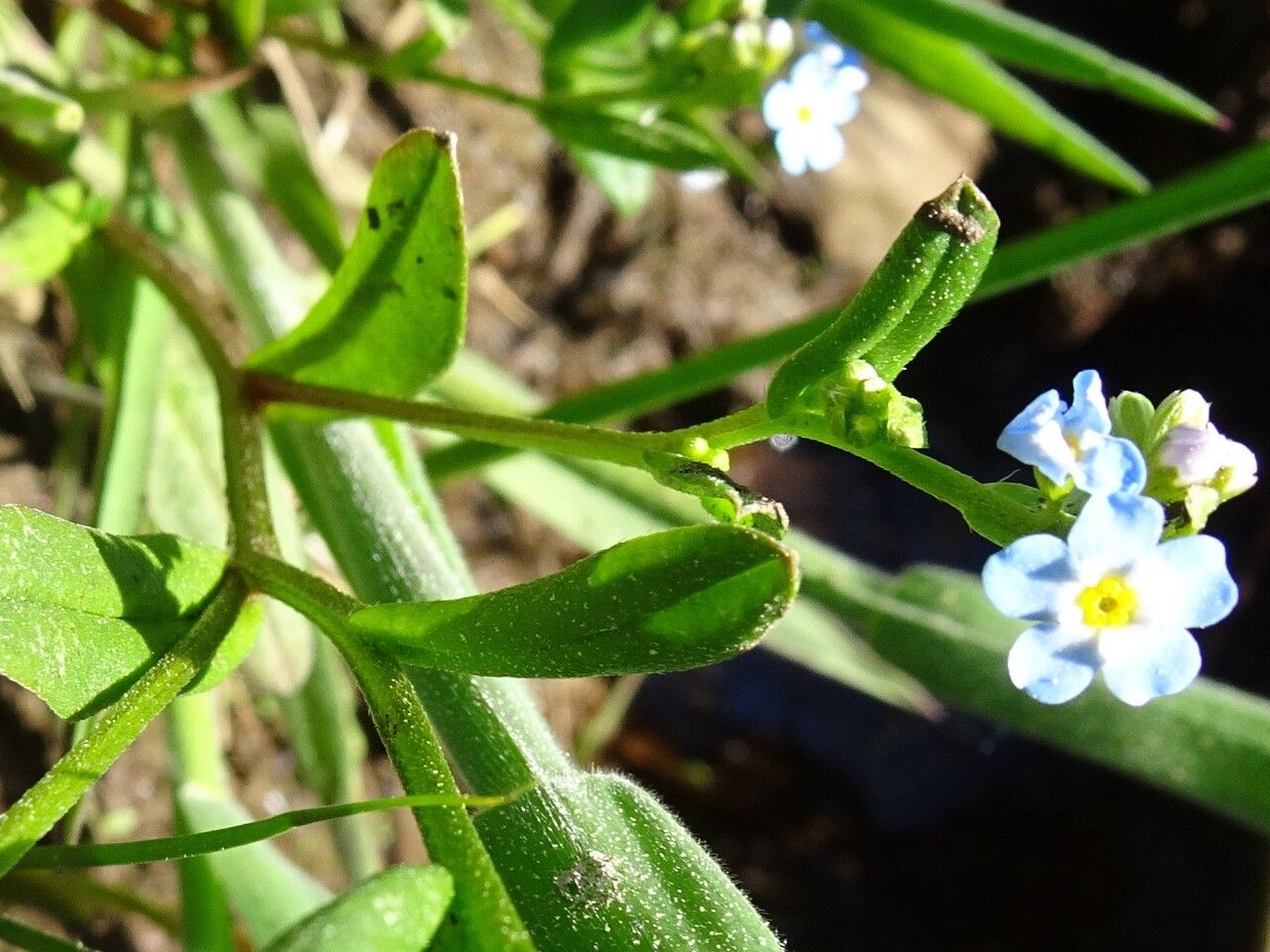
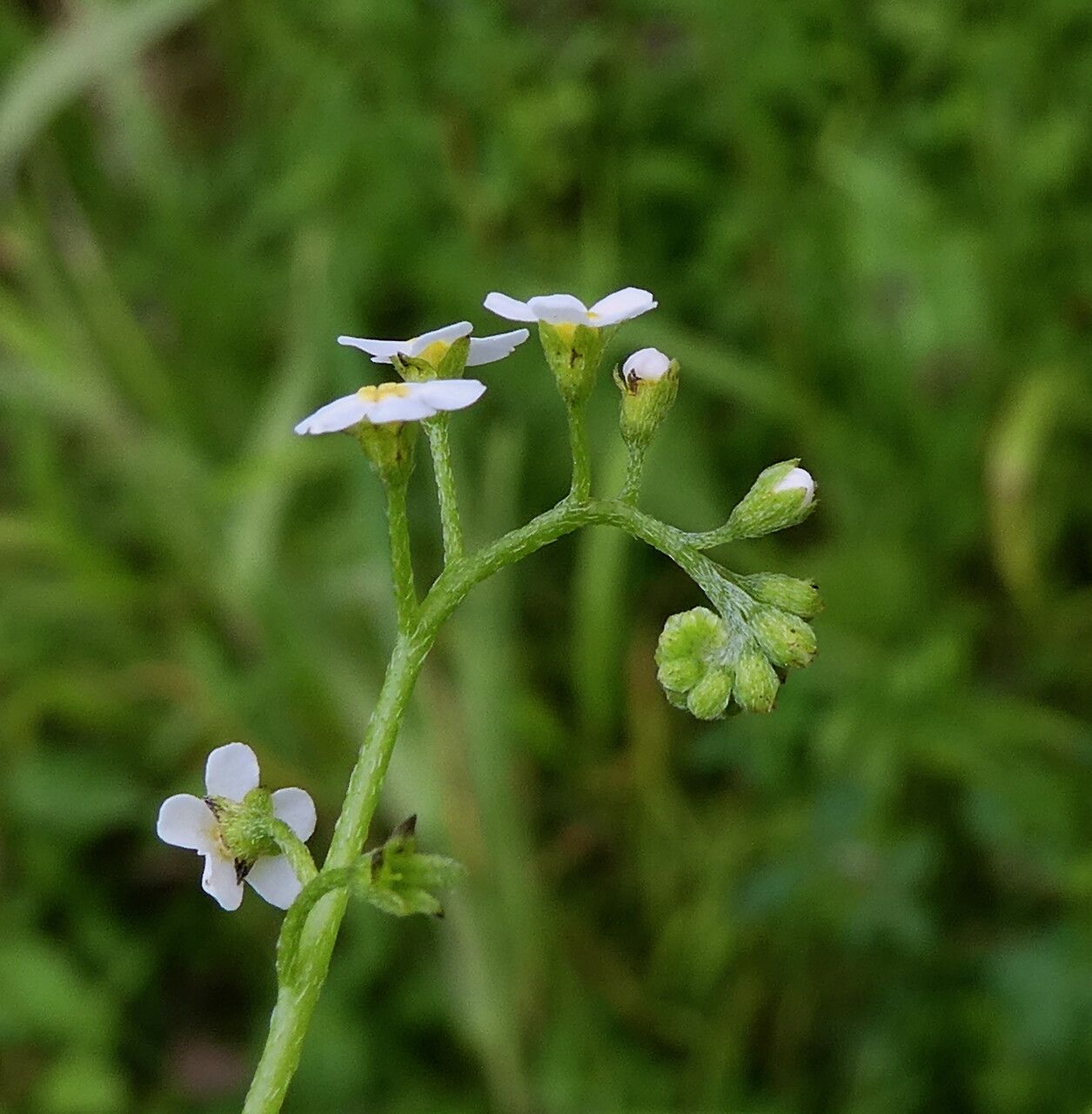
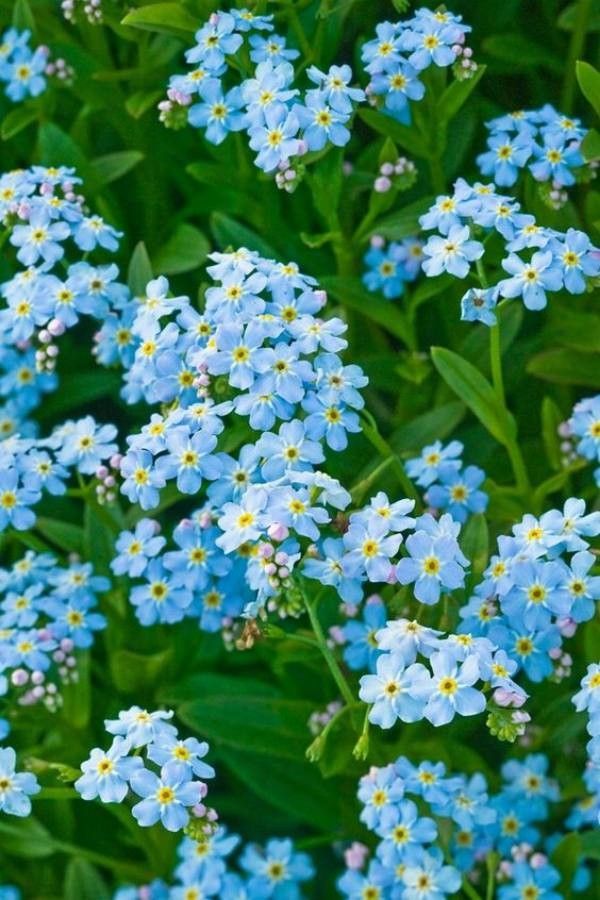
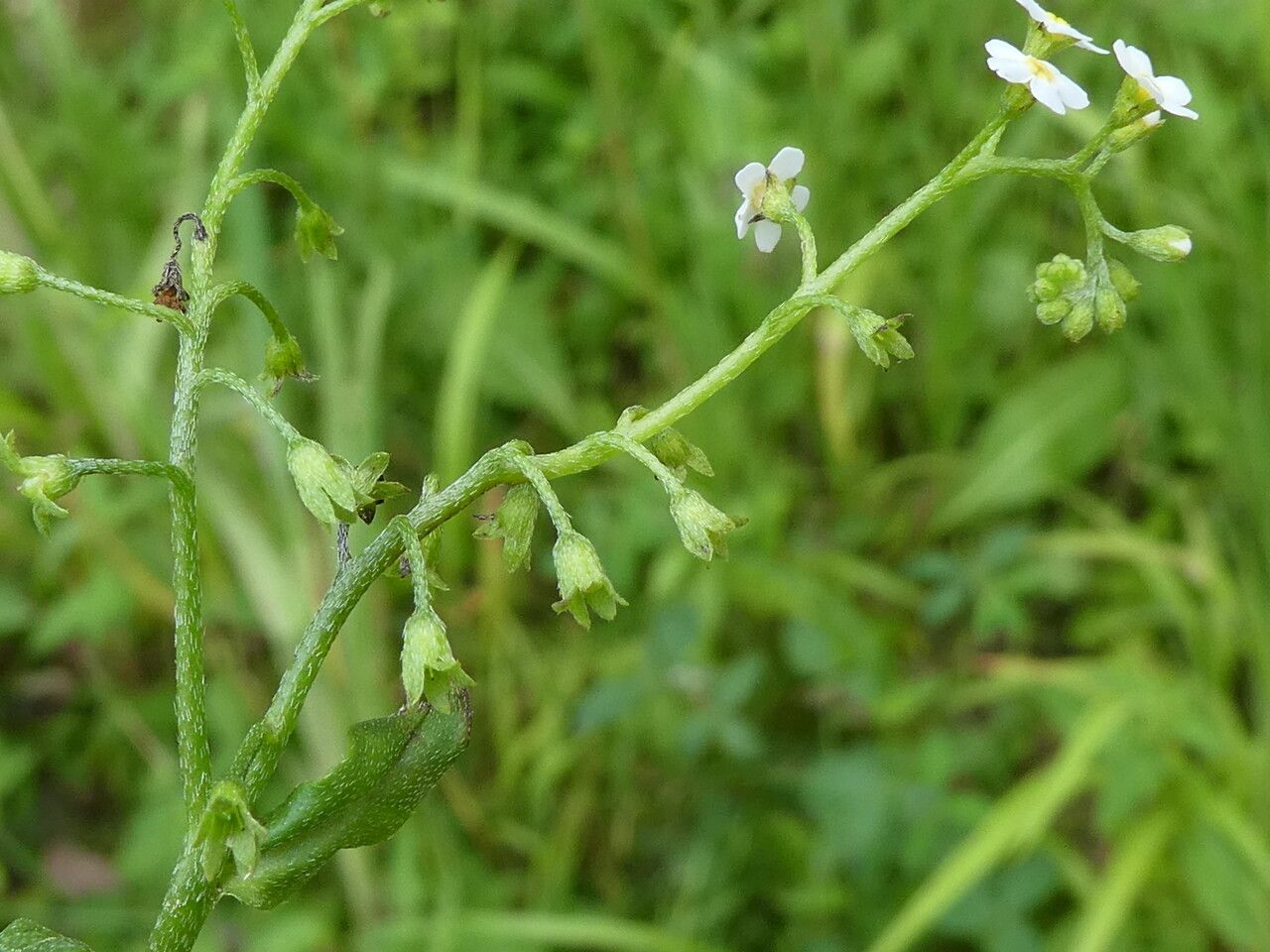
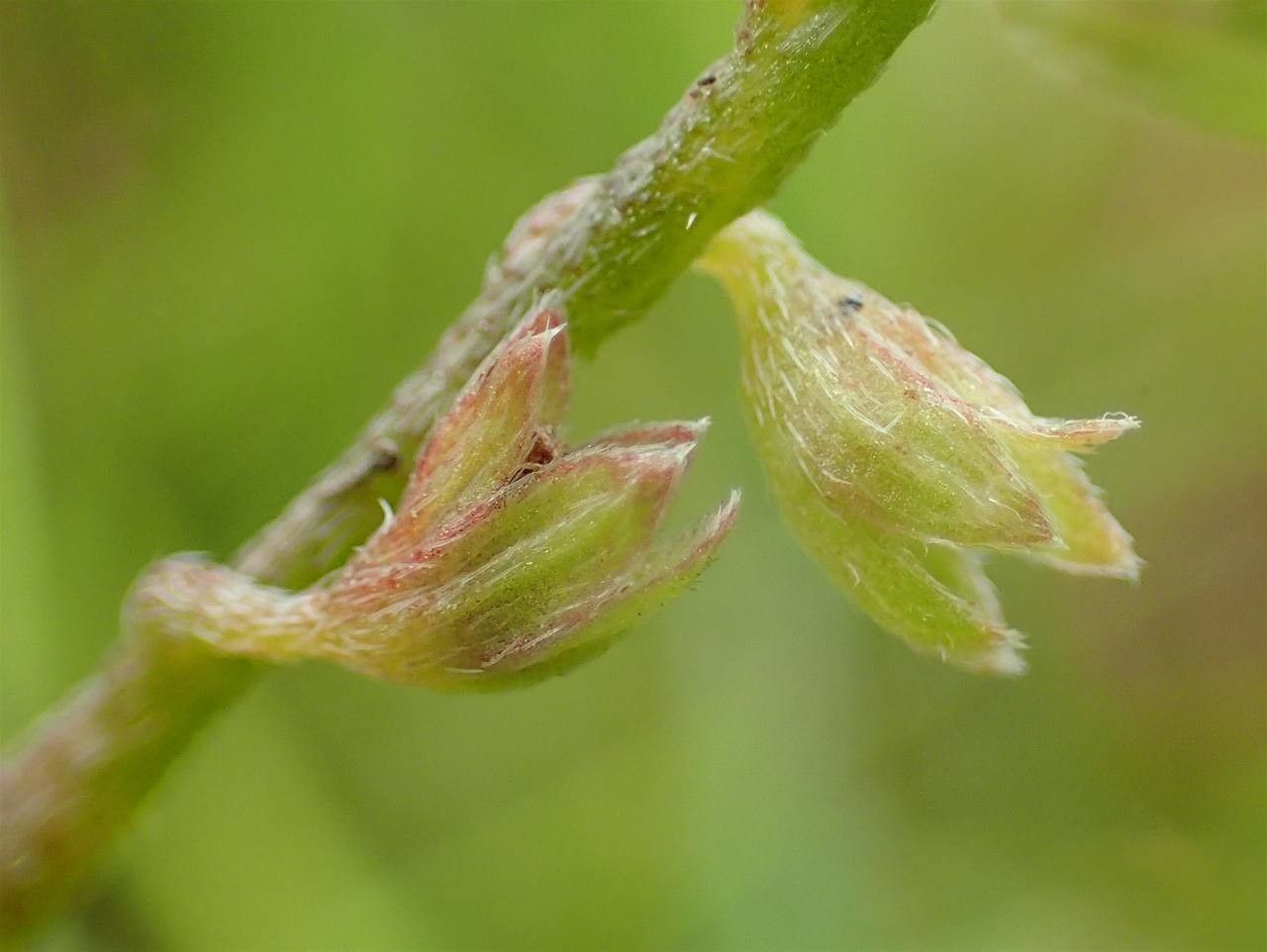
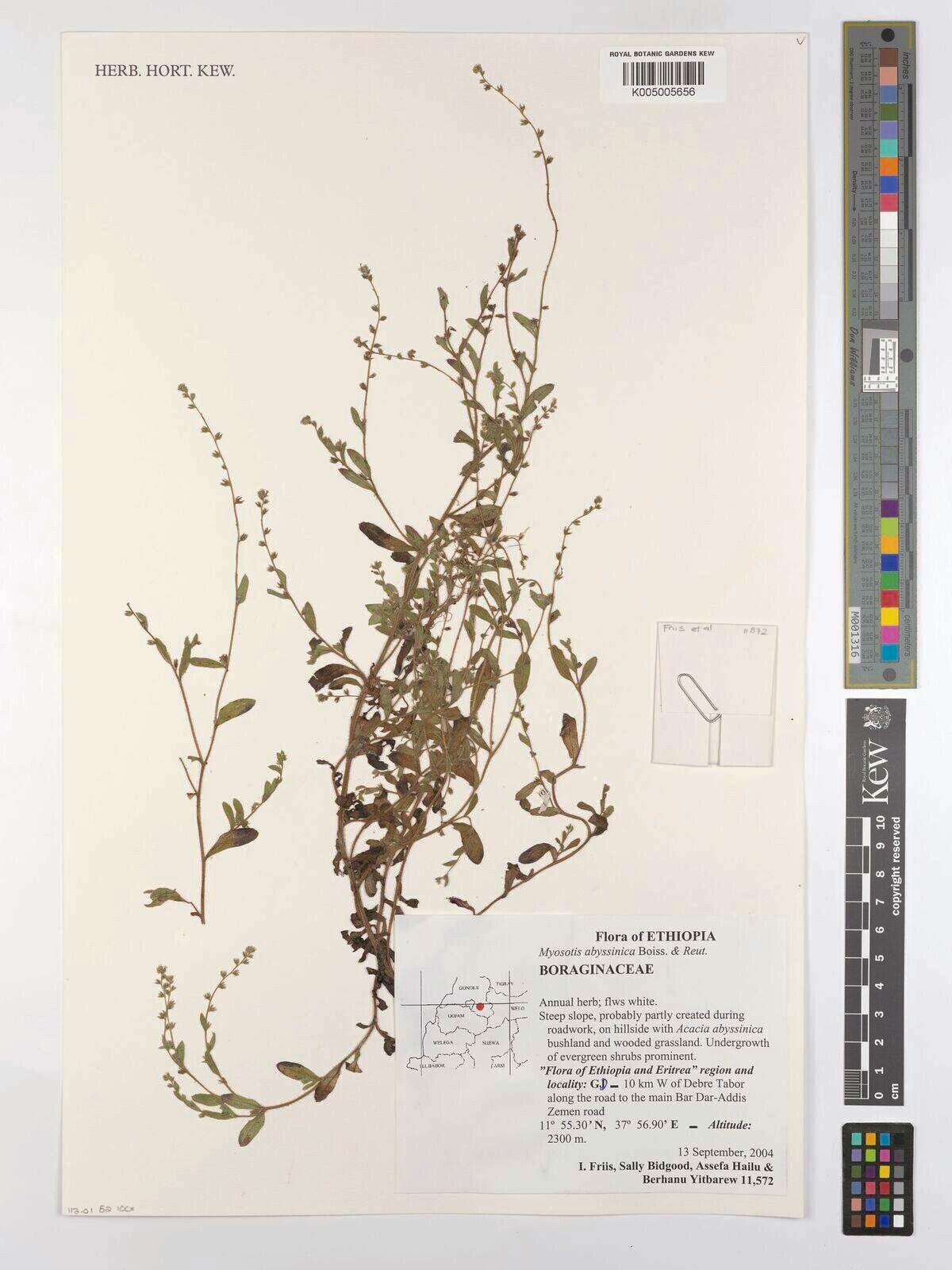
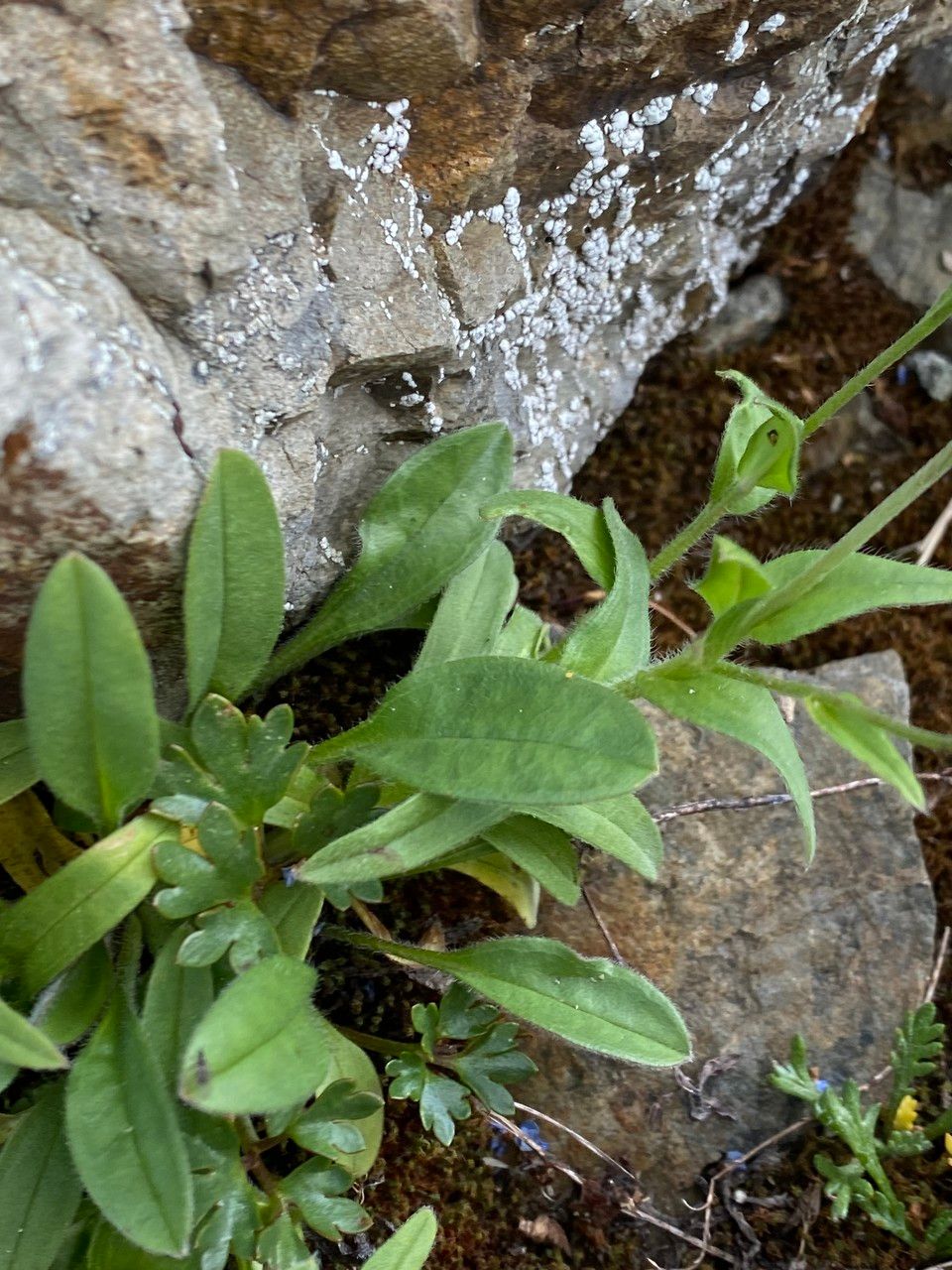
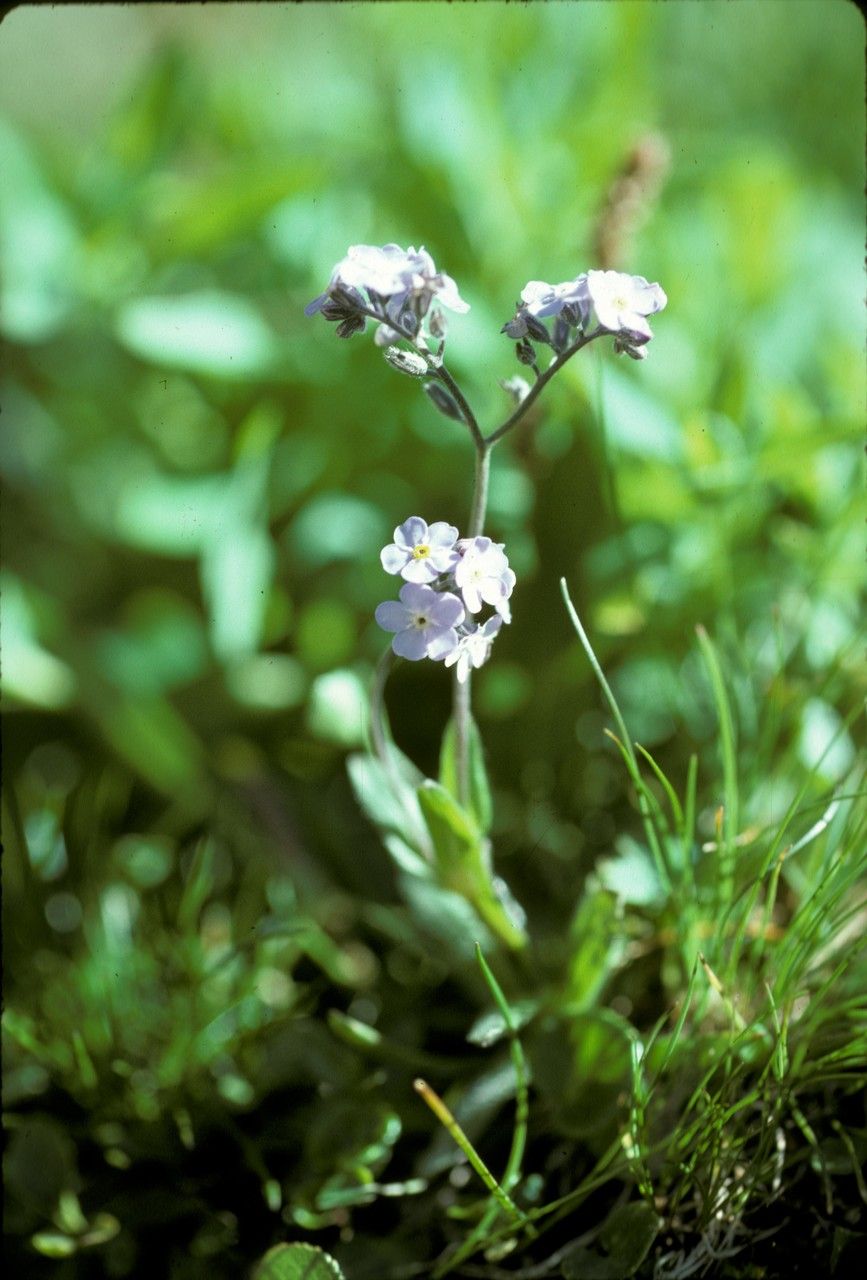
Myosotis scorpioides (syn. Myosotis palustris), the true forget-me-not or water forget-me-not, is a herbaceous perennial flowering plant in the borage family, Boraginaceae.
Scorpion grass is a plant known for its spiraling curves, which resemble a scorpion's tail, seen in its inflorescence on scorpiod cymes.
True forget-me-not has strong disease resistance and typically does not suffer from illnesses. That said, it can be vulnerable to pests and diseases present in its environment. When infections do occur, they are generally mild. Care-wise, this plant needs a moderate level of attention. Regular pruning is necessary to preserve an attractive appearance and encourage healthy growth. Applying fertilizer can also aid in boosting bloom production. True forget-me-not is well suited to anyone with outdoor areas like a garden or patio and does not demand extensive gardening experience. It may need more attentive care if kept indoors.
How to keep Myosotis Scorpioides.
Light
True forget-me-not prefers a mix of sun and shade for its healthiest growth. Coming from habitats with both sun and shadow, it does well with plenty of light but not an excessive amount. Excessive sun can harm the plant, while too little light can stunt its growth.
Water
True forget-me-not thrives in consistently moist environments and does better in damp conditions than in dry ones. To support its growth, it should be watered weekly. This plant is typically grown outdoors and benefits from rainwater, which helps meet its moisture needs during the growing season.
Humidity
This plant will thrive in moderate humidity, which is probably the level in your home. However, misting it a few times a week can be very beneficial. Make sure the room has good ventilation.
Temperature
True forget-me-not is native to temperate regions and prefers conditions with temperatures ranging from 68 to 95°F (20 to 35℃). Seasonal adjustments may be needed to keep those temperatures, particularly in hotter climates.
Fertilizer
Usually a single spring application of fertilizer is enough for True forget-me-not, although multiple feedings can maximize growth. Feed every one to one and a half months. Fertilization improves leaf appearance and function, helping maintain consistent color and a healthy texture. It also promotes root growth and nutrient uptake for long-term plant health.
Pruning
To encourage denser foliage and more blooms, it is best to prune true forget-me-nots from early to late spring. Begin by removing any dead stems. After that, trim back about one-third of the plant to shape it and promote new growth. Regular pruning helps prevent legginess and maintains the plant's health, ensuring it looks attractive throughout the growing season.
Pot & Repot
When repotting True forget-me-not, pick a pot 1–2 inches (2.5–5.1 cm) larger with good drainage. Use a well-draining potting mix. Repot in spring or fall, making sure the root ball sits slightly below the rim of the flower pot. Water thoroughly after repotting and place it in a warm spot with indirect sunlight.
Toxicity
Myosotis scorpioides has no toxic effects reported.
Further reading →
The toxicity and danger assessments provided are for reference only. We do not assure their accuracy, so it's crucial not to depend on them. Seek professional advice when necessary for accurate guidance.
Botanical profile.
- Plant Type
- Herb
- Life Cycle
- Perennial, Annual
- Genus
- Myosotis
- Family
- Boraginaceae
- Hardiness Zone
- 5-9
- Mature Height
- 61 cm
- Mature Spread
- 23 cm to 30 cm
- Leaf Color
- Green
- Leaf Type
- Deciduous, Semi-evergreen
- Flower Color
- Blue, White
- Flower Size
- 0.51 cm to 0.76 cm
- Bloom Time
- Late spring, Early summer, Mid summer
- Planting Time
- Spring
- Harvest Time
- Early summer, Mid summer
- Native Area
- India, Sweden, Austria, Slovakia, Montenegro, Pakistan, Croatia, Belarus, Russia, Iraq, Germany, Iceland, Estonia, Romania, Latvia, Netherlands, France, Czech Republic, Poland, Ukraine, Serbia, Lithuania, Norway, Afghanistan, Italy, Kazakhstan, Switzerland, Denmark, Mongolia, Finland, Iran, Ireland, United Kingdom, Hungary
Other names.
Reader questions.
How should I water my True forget-me-not plant in the best way?
To properly water the True forget-me-not, use filtered water at room temperature. Tap water may contain harmful particles, so it's best to avoid using it. The plant prefers warm water because it comes from a warm environment and cold water can be shocking. Avoid watering from above as this can lead to problems with the leaves. Instead, apply the filtered room temperature water directly to the soil until it is completely soaked. This helps the roots stay moist and allows them to spread and collect necessary nutrients.
Why should I add fertilizer to my True forget-me-not plant?
The True forget-me-not relies on its leaves for its structure. Fertilization is crucial for maintaining healthy and vibrant leaves. It also benefits the plant below the soil, promoting root growth and nutrient absorption. By fertilizing, you are not only ensuring immediate health but also establishing long-term nutrient absorption capabilities for the plant.
What are the sunlight requirements for True Forget-Me-Not?
True Forget-Me-Not requires a balance between sun and shade for optimal growth. It thrives in environments that offer partial sun, equating to about 3-6 hours of sunlight per day, but can also grow well in full sun, which is above 6 hours of sunlight per day. Monitoring the movement of sunlight through your garden to find spots that provide the right balance of light and shade is crucial for the plant's health and happiness.
What is the native environment suitable for True forget-me-not?
True forget-me-not, scientifically known as Myosotis scorpioides, is native to temperate regions. It flourishes in environments where temperatures are between 68 to 95°F (20 to 35°C). In areas experiencing hotter climates, seasonal adjustments might be necessary to maintain these optimal temperature ranges. Despite its strong cold resistance, in areas where winter temperatures are expected to drop below -25°C, measures to protect the plant from cold should be taken, such as covering the plant with soil or straw. Additionally, it's beneficial to water the plant abundantly before the first freeze in autumn to ensure the soil remains moist, aiding in drought prevention during the winter and early spring.
What should I do if I give my True forget-me-not plant too much or too little water?
Both overwatering and underwatering can harm the health of your True forget-me-not plant, but overwatering is more common. When this species receives too much water, its stems and leaves may wilt and turn yellow. Overwatering for extended periods can also lead to diseases like root rot, mold, and mildew, which can be fatal for the plant. On the other hand, underwatering is less common because True forget-me-nots are fairly drought-tolerant. However, it is still possible, and in such cases, you may notice brittle and brown leaves. To care for your True forget-me-not, it's vital to recognize the signs of overwatering early. Some diseases caused by overwatering, such as root rot, may be irreversible if not addressed promptly. If you notice early signs, reduce your watering immediately and check the soil's drainage. If it drains poorly, replace it with a loose, well-draining potting mix. Conversely, if you suspect underwatering, increase your watering frequency until the signs improve.
When should I fertilize my True forget-me-not plant?
If you grow your True forget-me-not outdoors each year, you will notice new growth shooting out in early spring, which indicates it's time to start fertilizing. Normally, a single application of fertilizer in the spring is sufficient for the plant's needs. However, if you want to enhance the growth of your True forget-me-not, you can fertilize it multiple times during the spring and early summer. In this case, you should feed it about once every month to a month and a half.
How can artificial lighting benefit indoor True Forget-Me-Nots?
For indoor True Forget-Me-Nots, artificial lighting can be crucial, especially when natural sunlight is insufficient. LED lights, in particular, are recommended because they can provide specific wavelengths of light needed for plant growth. Depending on the plant's sunlight needs, the intensity of artificial light should vary; full sun plants require 30-50W/sq ft, partial sun plants need 20-30W/sq ft, and full shade plants should get 10-20W/sq ft. The lights should be positioned 12-36 inches above the plant, mimicking natural sunlight conditions as closely as possible, with an exposure duration of 8-12 hours per day to promote faster, healthier growth.
How does True forget-me-not respond to low temperatures?
True forget-me-not exhibits strong cold tolerance and generally thrives when temperatures are maintained above 20°C, even during winters. Should temperatures drop below -25°C, there may not be immediate noticeable effects; however, this could lead to a decrease in sprouting, or in some cases, no sprouting might occur in the following spring. To address this, any non-sprouting parts of the plant should be removed in spring to encourage healthy growth.
How often should I give water to my True forget-me-not plant?
If your plant is in a pot, the most precise way to determine if your True forget-me-not needs water is by checking the soil. Plunge your finger into the soil and if the top two to three inches are dry, it's time to water. For True forget-me-nots growing outdoors in the ground, use a similar method. Once the first few inches of soil have dried, add water. Usually, during spring and early fall, watering about once a week is enough. But during extremely hot weather, you may need to water twice or more per week. However, mature and well-established True forget-me-nots have impressive drought resistance.
When is it bad to put fertilizer on my True forget-me-not?
During the late fall and winter, your True forget-me-not will go into a dormant phase and stop producing new growth. It is best to avoid fertilizing during this time. If you choose to fertilize in the spring and summer, start reducing the amount as summer approaches since the growth rate of your True forget-me-not will also slow down. In general, it is not a good idea to fertilize your True forget-me-not when the weather is unusually hot or the soil is extremely dry. Fertilizing under these conditions can stress your True forget-me-not and lead to premature death.
What are the symptoms of insufficient or excessive light in True Forget-Me-Nots?
True Forget-Me-Nots show several symptoms when exposed to insufficient or excessive light. Insufficient light can lead to smaller new leaves, leggy or sparse growth, faster leaf drop, slower or halted growth, and lighter-colored new leaves. On the other hand, excessive sunlight can cause chlorosis, sunscald, leaf curling, wilting, and leaf scorching. These symptoms highlight the importance of providing the plant with the right amount of sunlight, whether it is grown indoors or outdoors.
What are the effects of high temperatures on True forget-me-not and how can they be mitigated?
True forget-me-not should ideally be kept in temperatures below 35°C during the summer. Exposure to temperatures exceeding 38°C can lead to the leaves becoming lighter in color, curling up, becoming susceptible to sunburn, and in extreme cases, the plant may wilt and dry up completely. To help the plant recover, sunburned and dried-up parts should be trimmed away. Moving the plant to a shaded area during the midday and afternoon sun or using a shade cloth to provide shade can be beneficial. Additionally, watering the plant in the morning and evening to maintain soil moisture can help alleviate stress from high temperatures.