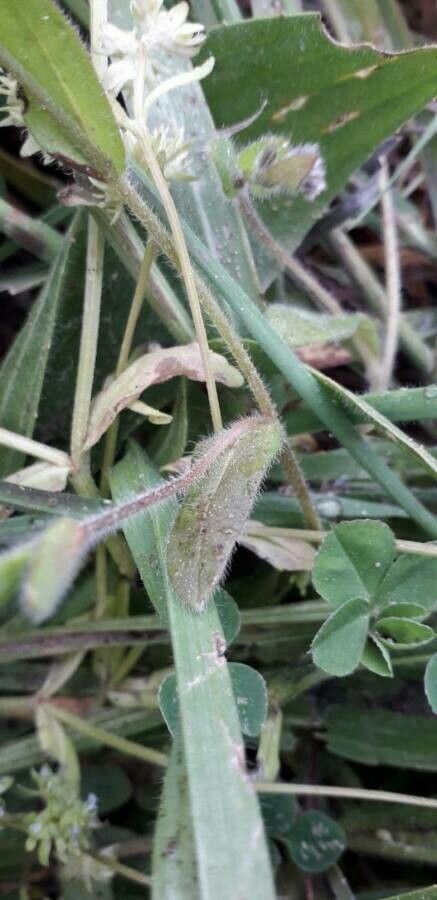
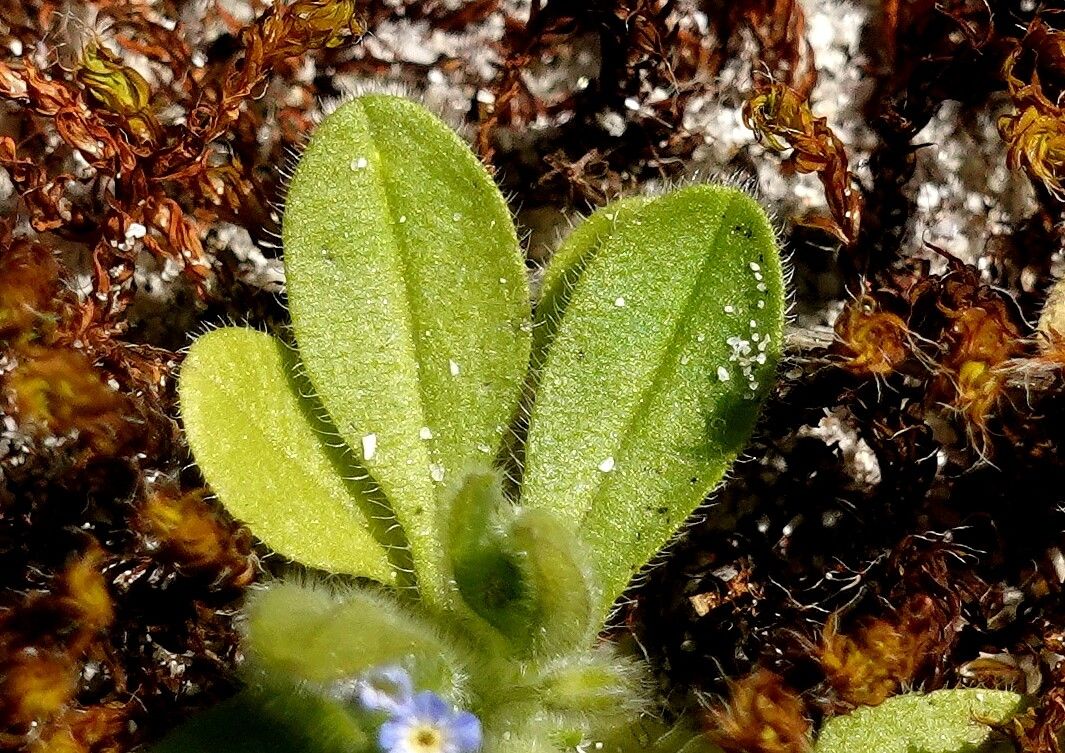
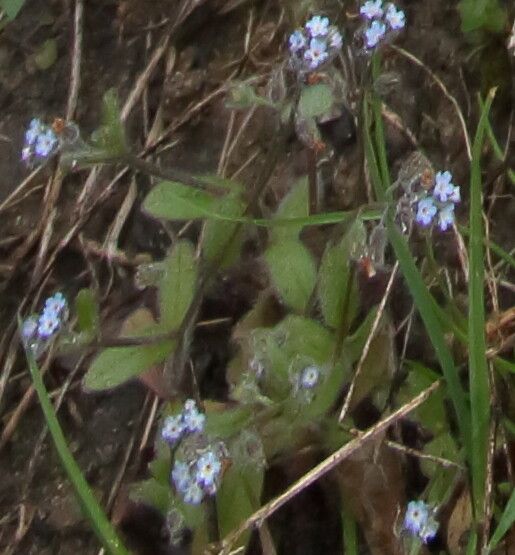
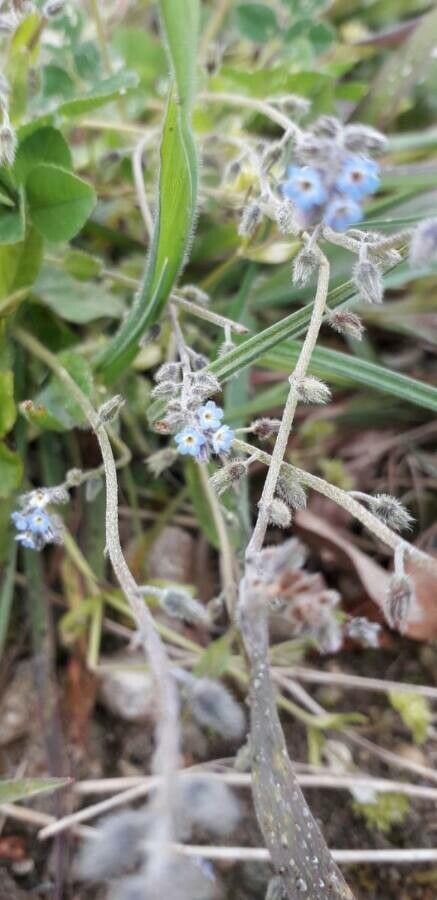
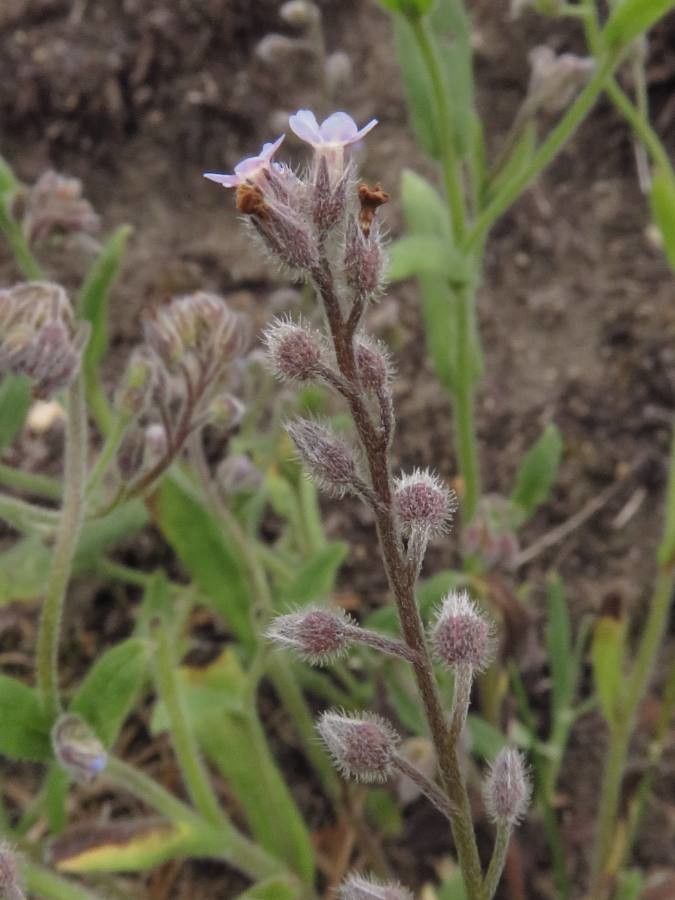
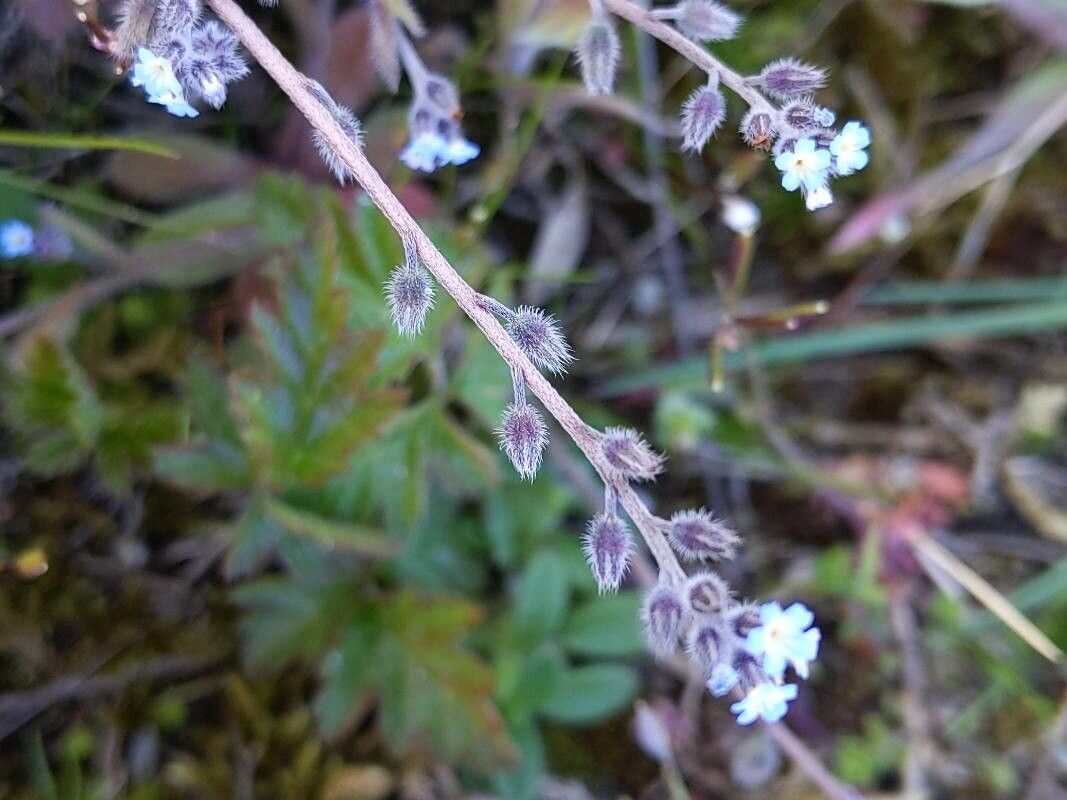
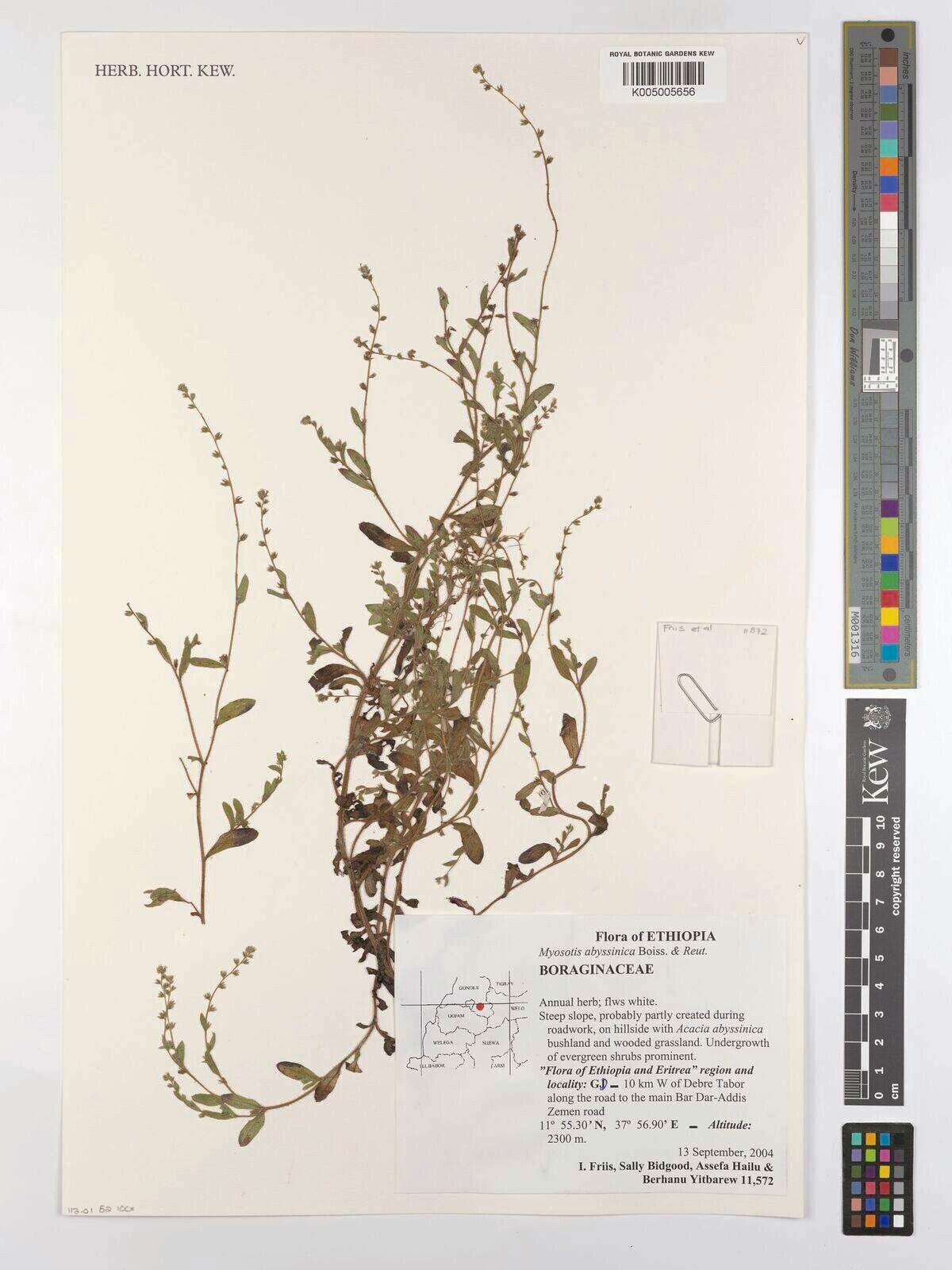
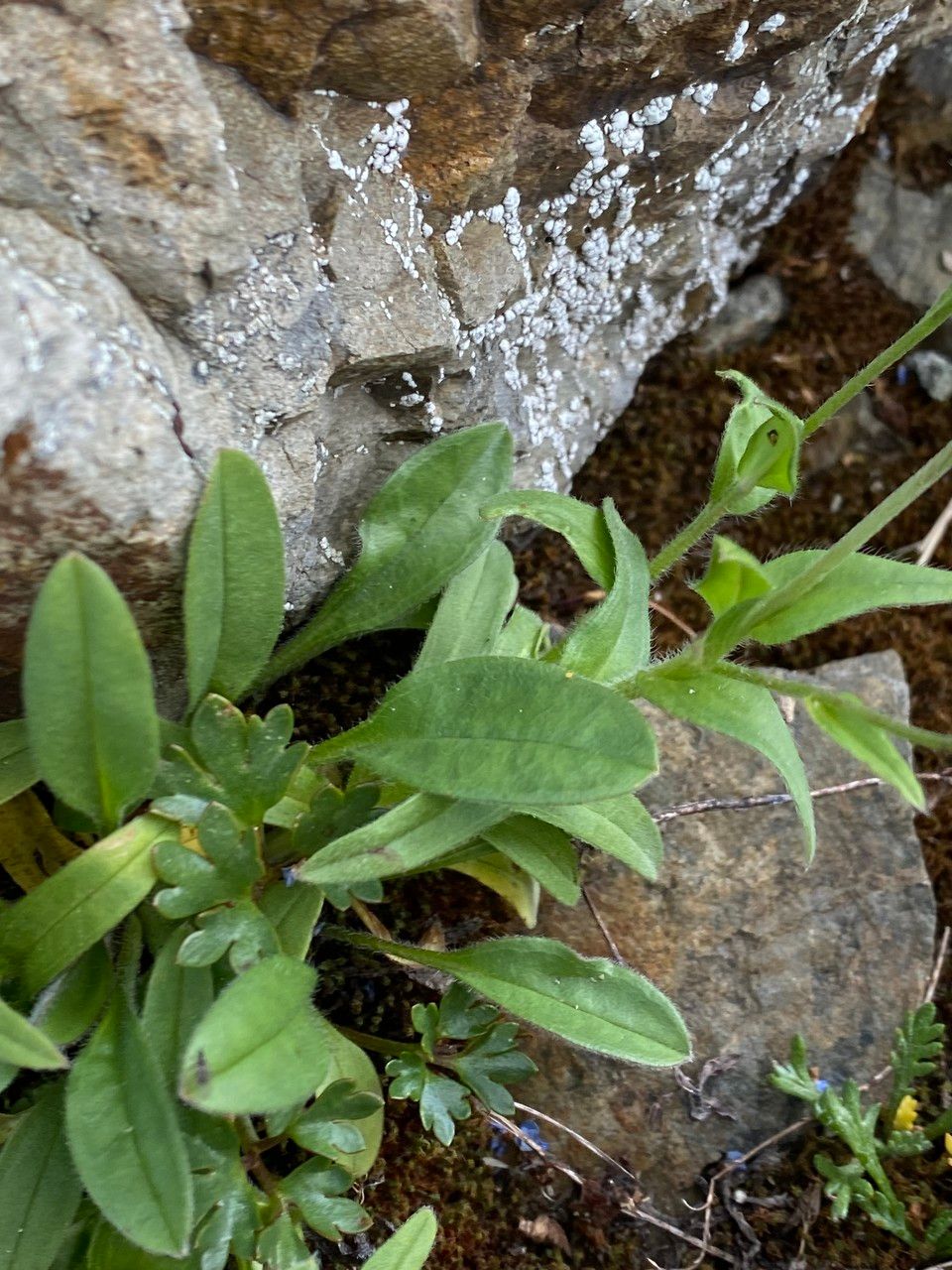
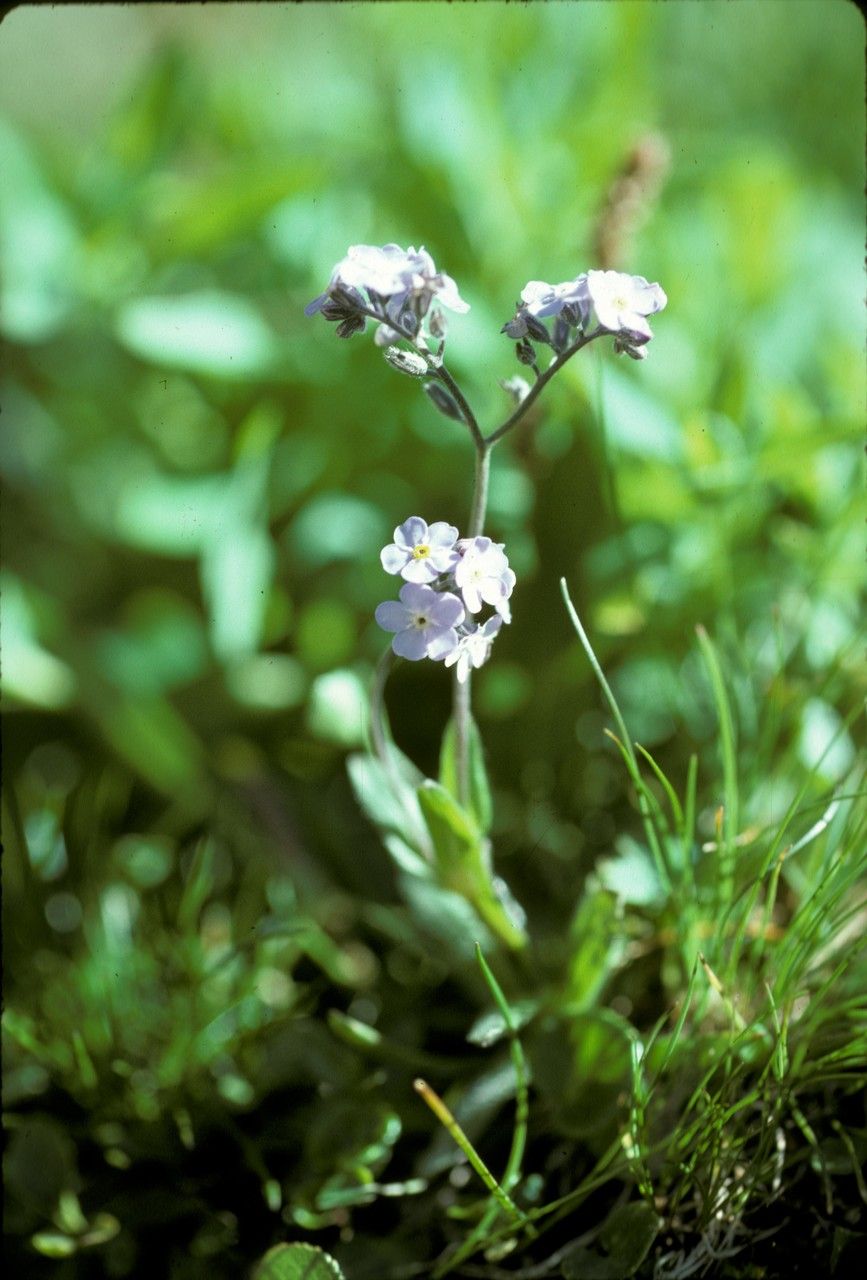
Myosotis ramosissima, commonly known as the spreading forget-me-not, is a herbaceous perennial plant belonging to the Boraginaceae family. Native to Europe and Asia, it has also been introduced to North America. This plant typically grows up to 30 cm in height and features a spreading habit with hairy stems that bear small blue flowers with yellow centers. The lance-shaped, hairy leaves are arranged in a rosette at the base of the stem.
The spreading forget-me-not thrives in moist soils in full sun or partial shade but can tolerate dry conditions once established. It is commonly found growing along riverbanks, in meadows, at woodland edges, and in disturbed areas such as roadsides.
Historically, the plant has been used for medicinal purposes due to its anti-inflammatory properties, which can help alleviate respiratory problems like asthma or bronchitis when consumed as an infusion or tea.
Gardeners value Myosotis ramosissima for its attractive blue flowers, which bloom from late spring to early summer and attract bees and butterflies. This makes it an excellent addition to pollinator gardens.
Overall, Myosotis ramosissima is an appealing perennial herb that offers medicinal benefits and enhances garden beauty, making it a popular choice among gardeners worldwide.
Early forget-me-not is fairly resistant to disease and is usually not highly susceptible to illnesses. That said, it can be vulnerable to pests and diseases present in its environment. These problems are generally minor. Regarding care, this plant needs moderate maintenance. It should be pruned regularly to preserve a neat appearance and support healthy growth. Fertilizing can also encourage it to flower. Early forget-me-not is suitable for people with outdoor areas like a garden or patio and does not demand extensive gardening experience. It may need more attention if grown indoors.
How to keep Myosotis Ramosissima.
Light
Early forget-me-nots do best in places that receive plenty of sunlight throughout the day, though they can tolerate spots with moderate light. Native to generally sunny habitats, these plants need sufficient light to grow healthily. Both too much and too little sunlight can cause them to become unhealthy.
Water
The early forget-me-not thrives in environments with consistent moisture and benefits from weekly watering. Although it can tolerate moderate drought, keeping the soil evenly moist is crucial for its health, particularly during the growing season. This helps enhance its flowering and overall vibrancy.
Temperature
Early forget-me-not is native to areas where temperatures range from 68 to 95°F (20 to 35℃). It performs best in these warm areas. As seasons change, alter its surrounding conditions accordingly to replicate its natural habitat.
Fertilizer
After Early forget-me-not has opened most of its blooms to full size, resume fertilizing. When the blooms are at peak production, apply fertilizer once every three to four weeks, weather permitting. Then, once Early forget-me-not begins producing fewer new blooms, cease fertilizing; there is no need to fertilize when the plant can no longer produce more blooms.
Pruning
For optimal growth, early forget-me-not plants benefit from light pruning, ideally between early and late spring. Pruning helps enhance bushiness and remove any dead parts. Use sharp shears to make clean cuts just above the leaf nodes. Handle the plant gently to avoid damage, which will encourage blooms and help control growth.
Botanical profile.
- Plant Type
- Herb
- Life Cycle
- Annual
- Genus
- Myosotis
- Family
- Boraginaceae
- Hardiness Zone
- 5
- Mature Height
- 10 cm to 25 cm
- Mature Spread
- 10 cm to 15 cm
- Leaf Color
- Green
- Leaf Type
- Semi-evergreen
- Flower Color
- Blue
- Flower Size
- 0.10 cm to 0.20 cm
- Bloom Time
- Mid spring, Late spring, Early summer
- Planting Time
- Spring
- Harvest Time
- Early summer, Mid summer
Other names.
Reader questions.
How should I water my Early forget-me-not plant?
To water Early forget-me-not, you have several options. You can use a garden hose with a spray nozzle, a watering can, or any common watering tool. It's not too picky about how it receives water, so rainwater, tap water, or filtered water are all fine. However, it's best not to water this plant from overhead as it can harm the leaves and flowers and may cause disease. A drip irrigation system is often the preferred method as it applies water evenly and directly to the soil. If you have a container-grown Early forget-me-not, the approach is similar but you can use a cup, watering can, or your tap to water it directly on the soil.
What are the sunlight requirements for Early forget-me-nots?
Early forget-me-nots thrive in locations that receive full sun, which means they need above 6 hours of sunlight per day, but they can also manage in partial sun, with about 3-6 hours of sunlight. Originating from generally sunny habitats, these plants require efficient light for healthy growth. Both excessive and inadequate sunlight may lead to unhealthy conditions for the plant. It's essential to watch how sunlight moves through your garden and choose spots that provide the perfect balance for your plants.
What is the ideal temperature range for Early forget-me-not?
Early forget-me-not thrives in environments with temperatures ranging from 68 to 95°F (20 to 35°C). It is indigenous to warm zones, and it's important to adjust its ambient conditions to mimic its native habitat depending on seasonal changes. This species is highly cold-tolerant and does not require additional frost protection measures during winter. However, to help the plant through winter and early spring, it is recommended to water it generously before the first freeze in autumn. This ensures the soil remains moist and enters a frozen state, preventing drought and water scarcity.
What should I do if I give my Early forget-me-not plant too much or too little water?
The solution to underwatering your Early forget-me-not plant is simple: water it more regularly when you notice it lacks moisture. Overwatering, on the other hand, can be much more problematic if not detected early. Excess water can cause diseases that may lead to the plant's decline and death. To prevent this, it is important to choose a suitable growing location that receives ample sunlight to dry the soil and has good drainage to prevent water from collecting and causing waterlogged soil. If you have overwatered your potted Early forget-me-not, consider transferring it to a new pot. The previous container may not have had adequate drainage or enough holes. When repotting, ensure using loose soil and a pot that efficiently drains water.
How can artificial lighting be used for Early forget-me-nots?
When natural sunlight is insufficient, particularly in winter or less sunny spaces, indoor Early forget-me-nots can benefit significantly from artificial lighting. LED lights are recommended because they can be customized to provide specific wavelengths needed by the plants. Full sun plants require 30-50W/sq ft, partial sun plants 20-30W/sq ft, and full shade plants 10-20W/sq ft of artificial light. The light source should be placed 12-36 inches above the plant, mimicking natural sunlight, for 8-12 hours per day.
How does Early forget-me-not react to low and high temperatures?
Early forget-me-not is extremely cold-tolerant, with winter temperatures ideally maintained above -25°C. If temperatures fall below this threshold, there might not be noticeable changes during winter, but there could be a decrease in sprouting or no sprouting at all in spring. To manage this, any parts of the plant that have failed to sprout by spring should be removed. Conversely, Early forget-me-not is not tolerant of high temperatures. Growth will cease and the plant becomes more susceptible to rot if temperatures exceed 35°C. In such cases, it's advisable to trim away the sunburned and dried-up parts, move the plant to a shady location during the midday and afternoon sun, or use a shade cloth to protect it. Additionally, watering the plant in the morning and evening will help keep the soil moist and support the plant's basic needs.
How many times should I water my Early forget-me-not plant?
Early forget-me-not requires regular watering throughout the growing season. In spring, water once a week and increase to two to three times a week as the weather gets warmer. However, exceeding this watering rate can harm the plant. It is important to keep the soil moist but not wet. When watering Early forget-me-not in a pot, the frequency should be increased as the soil in the pot dries out faster than ground soil. Generally, water a container-grown Early forget-me-not a few times per week, compared to once per week for an in-ground plant.
What are the symptoms of light deficiency in Early forget-me-nots?
When Early forget-me-nots receive inadequate light, they may show several symptoms, including smaller new leaves, leggy or sparse growth, faster leaf drop, slower or no new growth, and lighter-colored new leaves. These symptoms indicate the plant's struggle with light deficiency, impacting its growth and overall health.
How much water does my Early forget-me-not plant need?
Determining the right amount of water for your Early forget-me-not can be done in a few ways. One approach is to assess the soil's moisture level by feeling it. This method suggests that you water until the first six inches of soil feel moist. Another option is to use a specific measurement. In general, giving your Early forget-me-not about two gallons of water per week is recommended, considering factors like heat and soil dryness. However, strictly following this guideline could result in overwatering if your plant requires less water. When growing in a container, a different approach is necessary. You should aim to dampen all dry soil layers by either checking with your finger or looking for excess water draining out of the pot's holes.
What are the symptoms of too much sunlight in Early forget-me-nots?
Symptoms of too much sunlight in Early forget-me-nots include chlorosis, where leaves turn yellow due to chlorophyll breakdown; sunscald, which shows as pale or necrotic areas on the plant; leaf curling, a defense mechanism to reduce water loss; wilting, due to increased water loss; and leaf scorching, characterized by brown or crispy leaf edges. These symptoms reflect the damage caused by excessive sunlight exposure.
Am I giving enough water to my Early forget-me-not?
Avoiding overwatering your Early forget-me-not can be challenging due to its deep roots that require weekly soil moistening. However, be cautious as these plants are highly prone to root rot, which can cause browning. Underwatering is less likely to occur, as these plants can survive without additional watering for a while. However, if you neglect to water them for too long, they are likely to wilt and develop dry leaves.
How can I address sunlight-related issues for Early forget-me-not plants?
To address sunlight-related issues for indoor Early forget-me-nots, gradually move the plants to a sunnier location or use artificial light, ensuring 6 hours of direct sunlight daily. For outdoor plants, move them to the best sunlight spot gradually to avoid sunburn. If your plants suffer from too little sunlight, reducing obstructions like pruning trees can help. For plants not easily moved, consider transplanting during their dormant period to a location with ample sunlight and good drainage. Remember, parts of the plant affected by insufficient sunlight may not recover, but new growth will be healthy after adjusting light exposure.