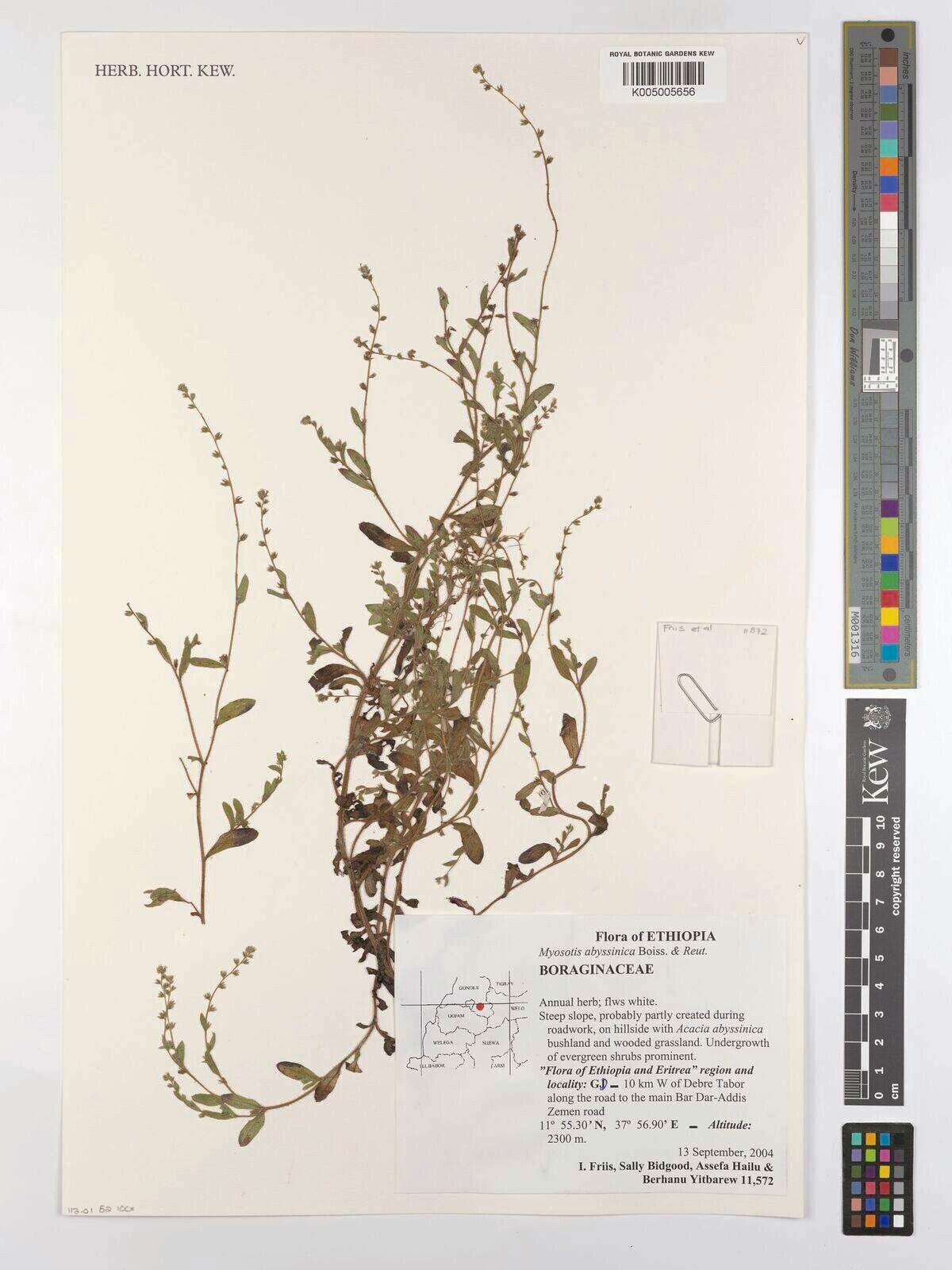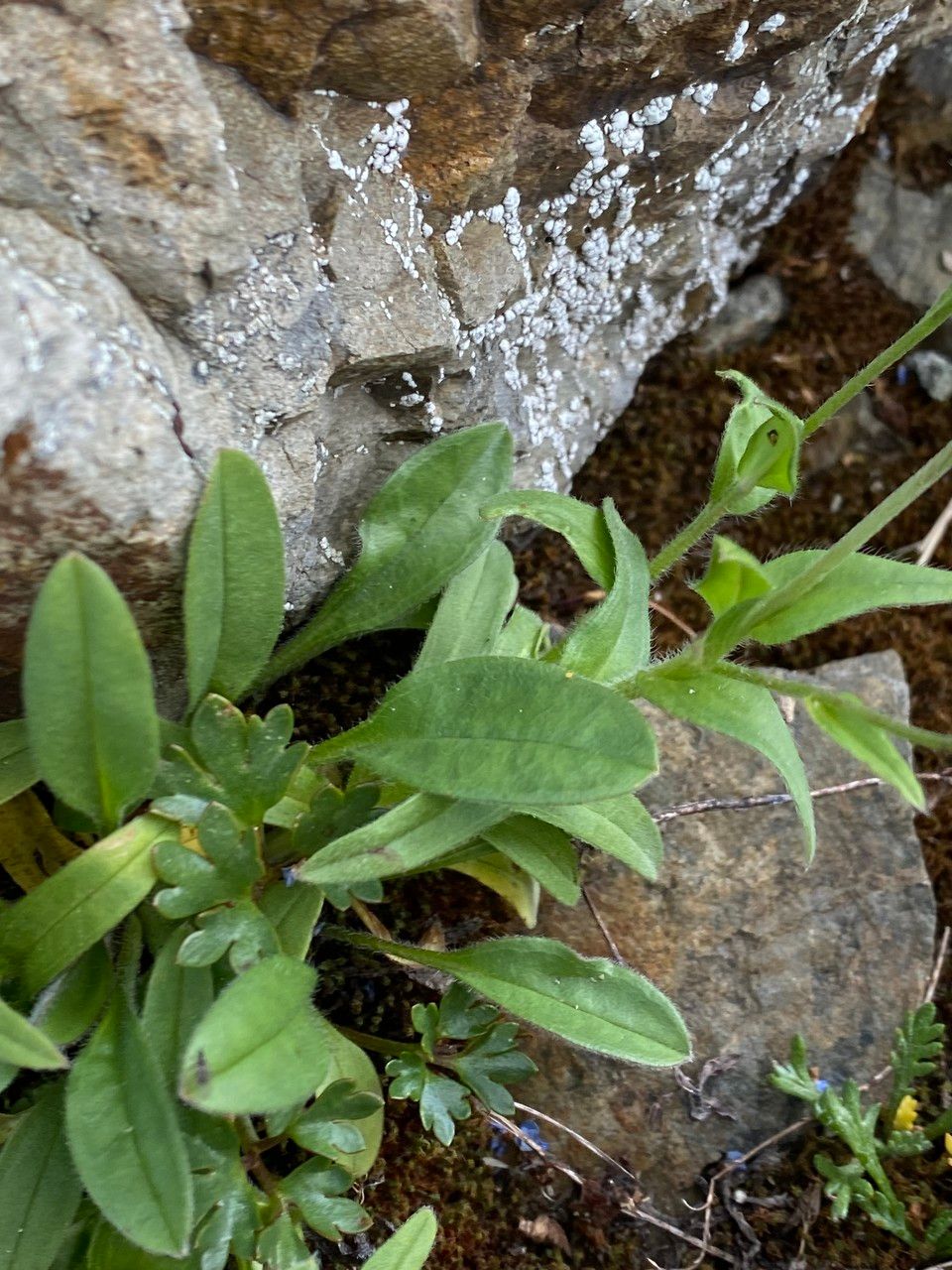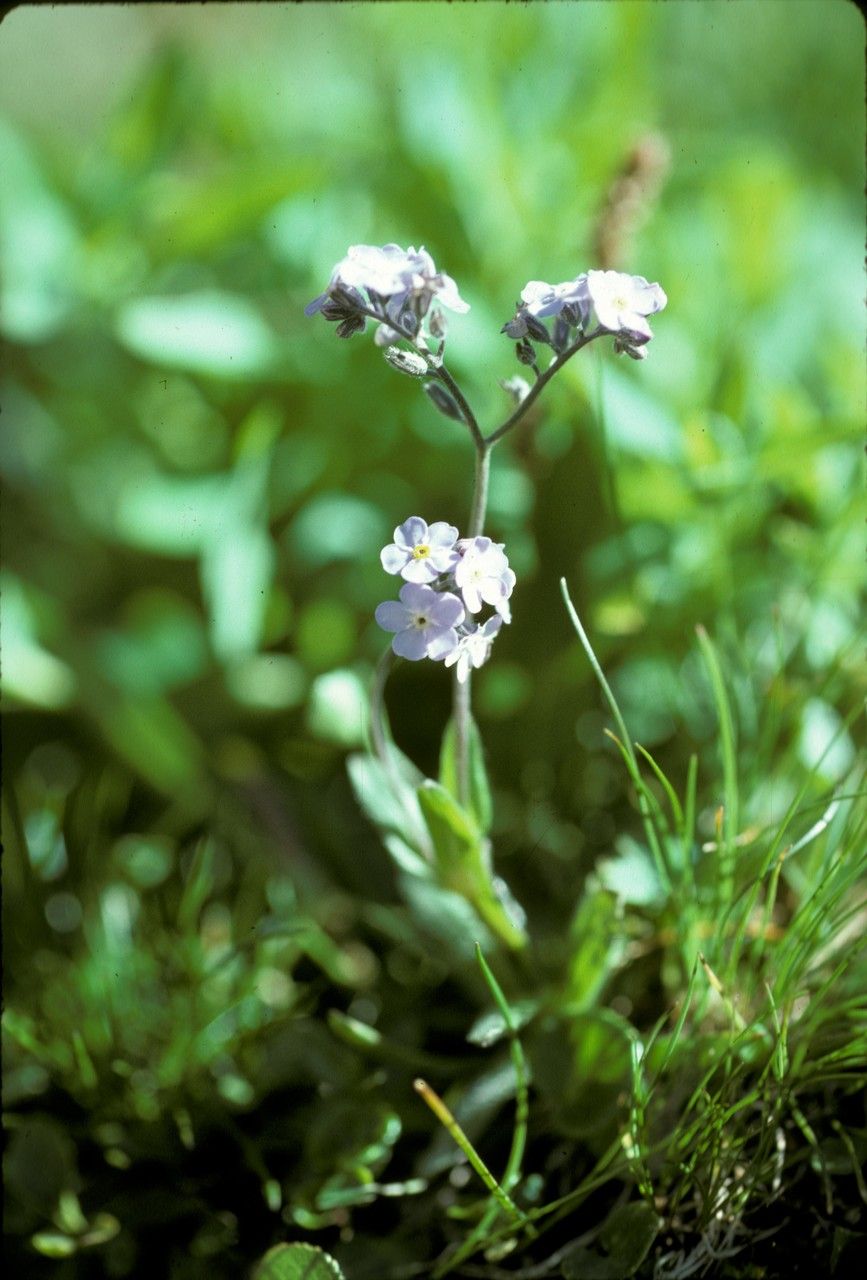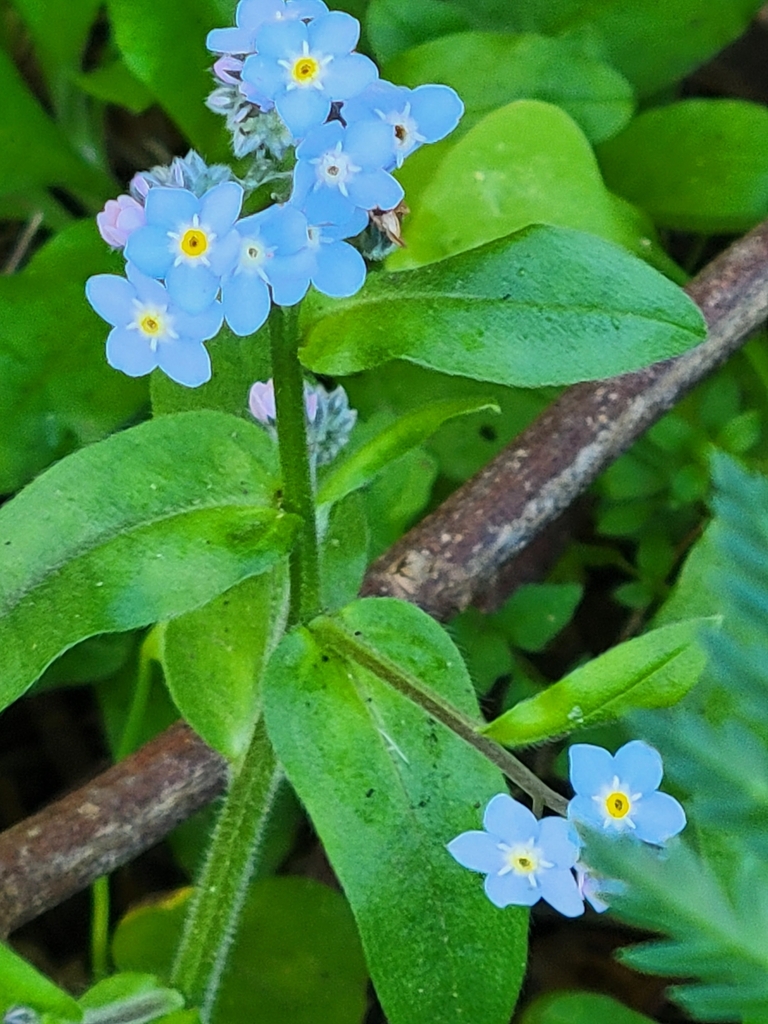
Myosotis latifolia is a species of forget-me-not known by the common name broadleaf forget-me-not. It is native to northwestern Africa, and it is known elsewhere as an introduced species, including the west coast of the United States. It grows in many types of habitat, including moist, shaded, disturbed areas. It is a perennial herb sometimes exceeding half a meter in height. The leaves are generally oval in shape, the largest at the woody base of the stem. The inflorescence is a coiled or curved array of tiny hairy flowers at the top of the stem. The tubular flower has a flat pink or blue face up to a centimeter wide.
Broadleaf Forget-Me-Not is fairly disease-resistant and typically does not suffer from many illnesses. Nevertheless, it can be affected by pests and diseases found in the local environment. Such infections are generally mild. Regarding care, the plant needs a moderate level of maintenance. Regular pruning is required to keep it looking tidy and to encourage healthy growth. Applying fertilizer can also help encourage blooming. The plant is a good choice for people with outdoor areas like a garden or patio and does not demand extensive gardening experience. When cultivated indoors, however, it may need more attention.
How to keep Myosotis Latifolia.
Light
The broadleaf Forget-Me-Not grows best in full, unobstructed sunlight, which encourages healthier growth. It can nonetheless tolerate sites with somewhat blocked sun. Its native habitat also reflects this preference for strong light. Both too much and too little light affect its wellbeing and often result in diminished plant health.
Water
The Broadleaf Forget-Me-Not thrives in moist, shaded areas and grows best with consistent weekly watering. Although it has moderate drought tolerance, it flourishes outdoors and benefits from rainwater, which boosts its growth and flowering potential.
Temperature
Broadleaf Forget-Me-Not is a plant well suited to moderate climates, doing best within a temperature range of 50 to 95 °F (10 to 35 ℃). Originally from habitats with fluctuating temperatures, Broadleaf Forget-Me-Not adapts well to seasonal changes. The grower should closely monitor temperature shifts to ensure optimal growth.
Fertilizer
The ideal time to fertilize a Broadleaf Forget-Me-Not is in early spring, when it is coming out of dormancy and starting active growth. Fertilization supplies key nutrients for healthy growth. Although Broadleaf Forget-Me-Not has relatively low fertilization needs, applying fertilizer annually can improve its survival and encourage better, longer-lasting flowers.
Pruning
The Broadleaf Forget-Me-Not features vibrant blue flowers and broad leaves. For optimal growth, prune it in early spring to remove any dead stems, and perform light trimming in late spring to encourage bushier growth. Pruning after it blooms helps prevent the spread of seeds, while regular maintenance improves air circulation and reduces the risk of disease.
Botanical profile.
- Plant Type
- Herb
- Life Cycle
- Perennial
- Genus
- Myosotis
- Family
- Boraginaceae
- Hardiness Zone
- 6-9
- Mature Height
- 49 cm
- Mature Spread
- 25 cm
- Leaf Color
- Green, Dark Green
- Leaf Type
- Deciduous
- Flower Color
- White, Blue
- Flower Size
- 1.02 cm
- Bloom Time
- Mid spring, Late spring, Early summer
- Planting Time
- Spring
- Harvest Time
- Early summer, Mid summer
Other names.
Reader questions.
How should I water my Broadleaf Forget-Me-Not plant?
To properly water the Broadleaf Forget-Me-Not, it is best to use filtered water at room temperature. This type of water is preferred because tap water may contain harmful particles for the plant. It is also important to use water that is at room temperature or slightly warmer since the plant is accustomed to a warm environment. Cold water can shock the plant. Additionally, avoid overhead watering as it can cause issues with the plant's foliage. Instead, water the plant by applying filtered room temperature water directly to the soil, ensuring the soil is completely soaked. Doing this helps to enrich the roots and allows them to spread and absorb the necessary nutrients from the soil.
Why should I put fertilizer on my Broadleaf Forget-Me-Not plant?
Fertilization is important for the Broadleaf Forget-Me-Not for various reasons. It provides essential nutrients for the plant's growth above and below ground. Although the overall fertilization requirements for the Broadleaf Forget-Me-Not are relatively low, annual fertilization can be highly beneficial. It helps the plant survive and promotes the development of longer-lasting, more beautiful flowers. Therefore, those who want their Broadleaf Forget-Me-Not to thrive should consistently fertilize it each year.
What are the sunlight requirements for Broadleaf Forget-Me-Not?
Broadleaf Forget-Me-Not thrives best in full sun, requiring above 6 hours of sunlight, but can also grow in partial sun with about 3 to 6 hours of sunlight. It's vital to observe how sunlight navigates through your garden to find spots that offer an ideal balance of light and shade, ensuring the plants' well-being. This plant's natural habitat supports its need for abundant sunlight, yet it is somewhat adaptable to slightly shaded conditions. The right amount of light is crucial, as both excessive and insufficient light can negatively impact the plant's health.
What is the ideal temperature range for growing Broadleaf Forget-Me-Not?
Broadleaf Forget-Me-Not, scientifically known as Myosotis latifolia, is ideally suited for moderate climates, thriving best within a temperature range of 50 to 95 °F (10 to 35 °C). This plant is originally from environments with fluctuating temperatures and can adjust well to seasonal changes. To ensure optimal growth, growers should closely monitor temperature shifts.
What should I do if I give my Broadleaf Forget-Me-Not plant too much or too little water?
It is important to note that both overwatering and underwatering can harm your Broadleaf Forget-Me-Not, but overwatering is more commonly seen as an issue. If your plant receives too much water, you may notice wilting and a change in color from green to yellow in the stems and leaves. Overwatering for an extended period can also lead to diseases like root rot, mold, and mildew, which can be fatal to your plant. On the other hand, underwatering is less likely, as Broadleaf Forget-Me-Nots can tolerate drought fairly well. However, if underwatering does occur, the leaves may become brittle and turn brown. It is crucial to recognize the signs of overwatering early on when caring for your plant. Some diseases caused by overwatering, such as root rot, may not be reversible if you wait too long. If you see early signs of overwatering, reduce your watering frequency immediately. Additionally, check the soil quality for poor drainage and replace it with a loose, well-draining potting mix if necessary. Conversely, if you notice signs of underwatering, simply increase your watering schedule until the symptoms improve.
When should I fertilize my Broadleaf Forget-Me-Not?
The best time to fertilize a Broadleaf Forget-Me-Not is in late winter to early spring. This is when the plant is transitioning from dormancy to active growth and will benefit the most from the nutrients. Fertilizing at this time promotes healthy growth and sets the plant up for a successful season. It is also acceptable to fertilize in the fall, although the early spring is generally more advantageous. However, it is not recommended to fertilize during the summer or winter seasons.
How does artificial lighting benefit indoor Broadleaf Forget-Me-Nots?
For indoor Broadleaf Forget-Me-Nots, artificial lighting can be a significant aid, especially in situations where natural sunlight is scarce, like during winter or in less sunny locations. Artificial lights, such as LED lights, are beneficial because they can be adjusted to provide specific wavelengths that plants need for optimal growth. The recommended artificial light intensity varies: full sun plants need 30-50W/sq ft, partial sun plants require 20-30W/sq ft, and full shade plants should have 10-20W/sq ft. The lights should be positioned 12-36 inches above the plant to mimic natural sunlight and left on for 8-12 hours per day depending on the plant's needs.
Does Broadleaf Forget-Me-Not require frost protection in winter?
Broadleaf Forget-Me-Not has strong cold resistance and usually does not require special frost protection measures during winter. However, if winter temperatures are expected to fall below -25°C, providing cold protection is important. This can be achieved by covering the plant with insulating materials such as soil or straw. Additionally, watering the plant abundantly before the first freeze in autumn is recommended to keep the soil moist and prevent drought and water scarcity during winter and early spring.
How frequently do I need to water my Broadleaf Forget-Me-Not?
If your Broadleaf Forget-Me-Not plant is in a pot, you can determine if it needs water by checking the moisture level of the soil. Stick your finger into the soil and if the top two to three inches are dry, it's time to water it. If you have your Broadleaf Forget-Me-Not plant growing outdoors in the ground, you can use the same method to test the soil moisture. Once the top few inches of soil have dried out, it's time to water the plant. In the spring and early fall, you'll likely need to water it about once a week. However, during extremely hot weather, you may have to water it twice or more per week. It's worth noting that mature and well-established Broadleaf Forget-Me-Not plants have a good tolerance for drought and can survive without water for longer periods.
When is it not a good time to fertilize my Broadleaf Forget-Me-Not?
To maintain optimum growth of your Broadleaf Forget-Me-Not, it is important to fertilize it only in late winter and early spring. This plant has low fertilization needs, so a single annual feeding is sufficient. Overfertilization can occur if you continue fertilizing during spring, summer, and fall, leading to complications. However, if you missed fertilizing in spring, you can fertilize in fall as an exception. Additionally, it is best to avoid fertilizing this plant during the winter. During this time, the Broadleaf Forget-Me-Not enters a dormant growth phase and does not produce new growth. Therefore, fertilization is not recommended for most of the winter season.
What are the signs of inadequate sunlight in Broadleaf Forget-Me-Nots?
Inadequate sunlight can cause several problems for Broadleaf Forget-Me-Nots. Symptoms may include smaller new leaves, elongated spaces between leaves or stems leading to leggy or sparse growth, faster leaf drop as the plant conserves resources, and delayed or ceased growth as the plant enters survival mode. Leaves may also develop a pale or irregular color due to insufficient chlorophyll and essential nutrients, while excessive sunlight exposure can cause chlorosis, sunscald, leaf curling, wilting, and leaf scorching, indicating too much direct light.
How does Broadleaf Forget-Me-Not respond to low temperatures?
Broadleaf Forget-Me-Not is cold-tolerant and performs best when temperatures remain above 10°C. During winter, it is advised to keep the plant above -15°C. If temperatures fall below -25°C, the plant may not show immediate adverse effects during winter, but there could be a decrease in sprouting or even no sprouting in the spring. In such cases, removing parts that have failed to sprout in the spring is recommended.