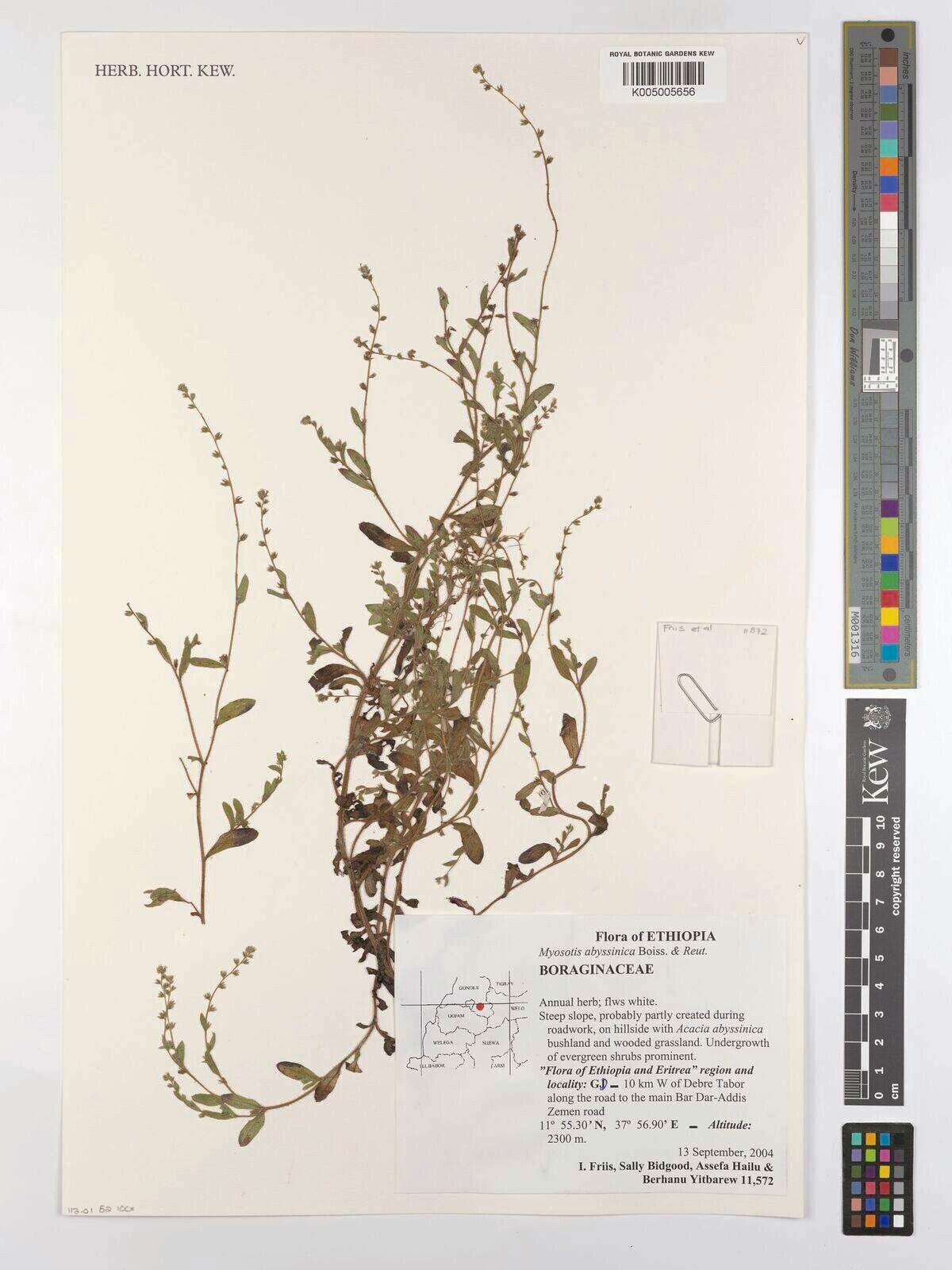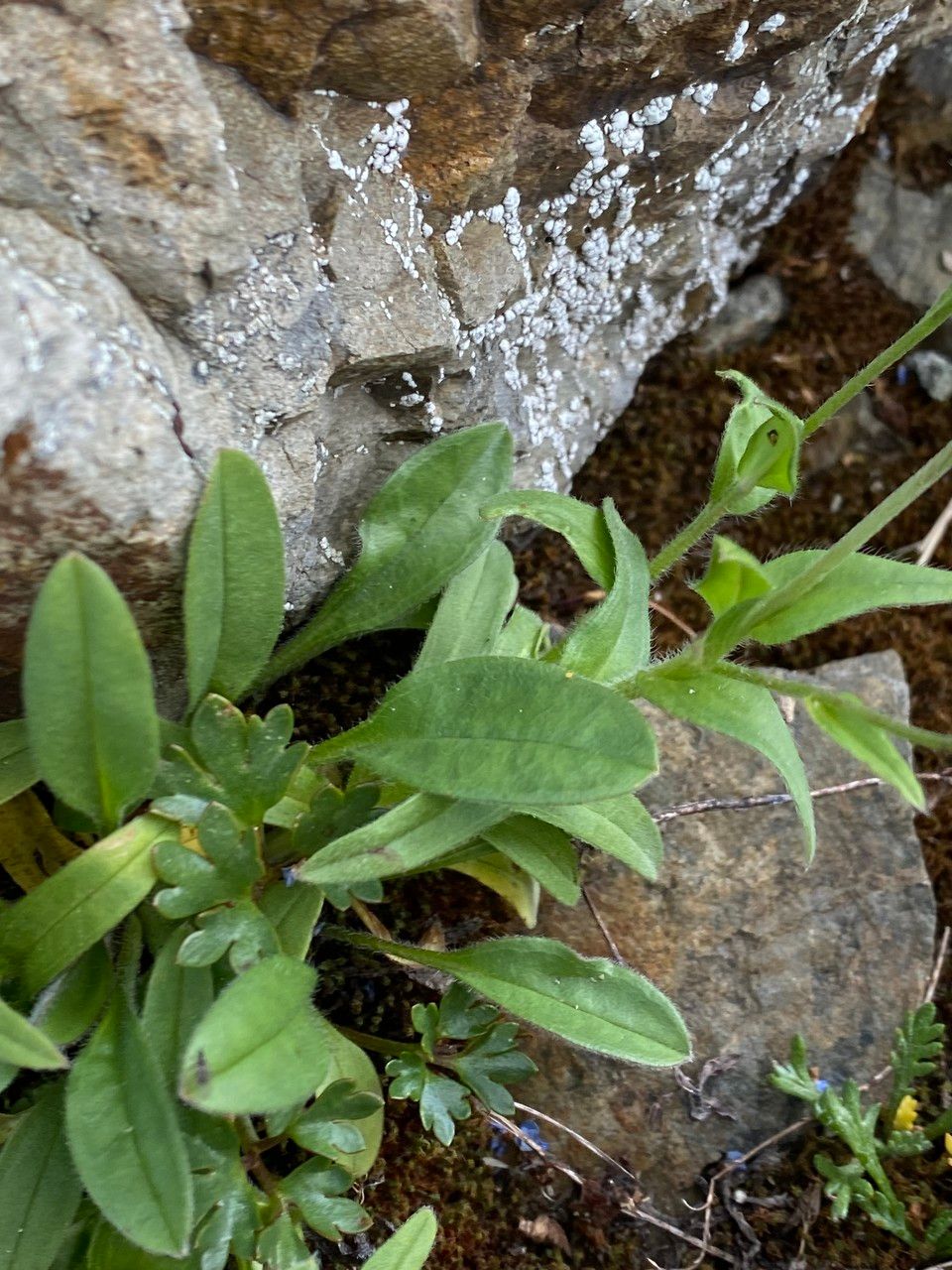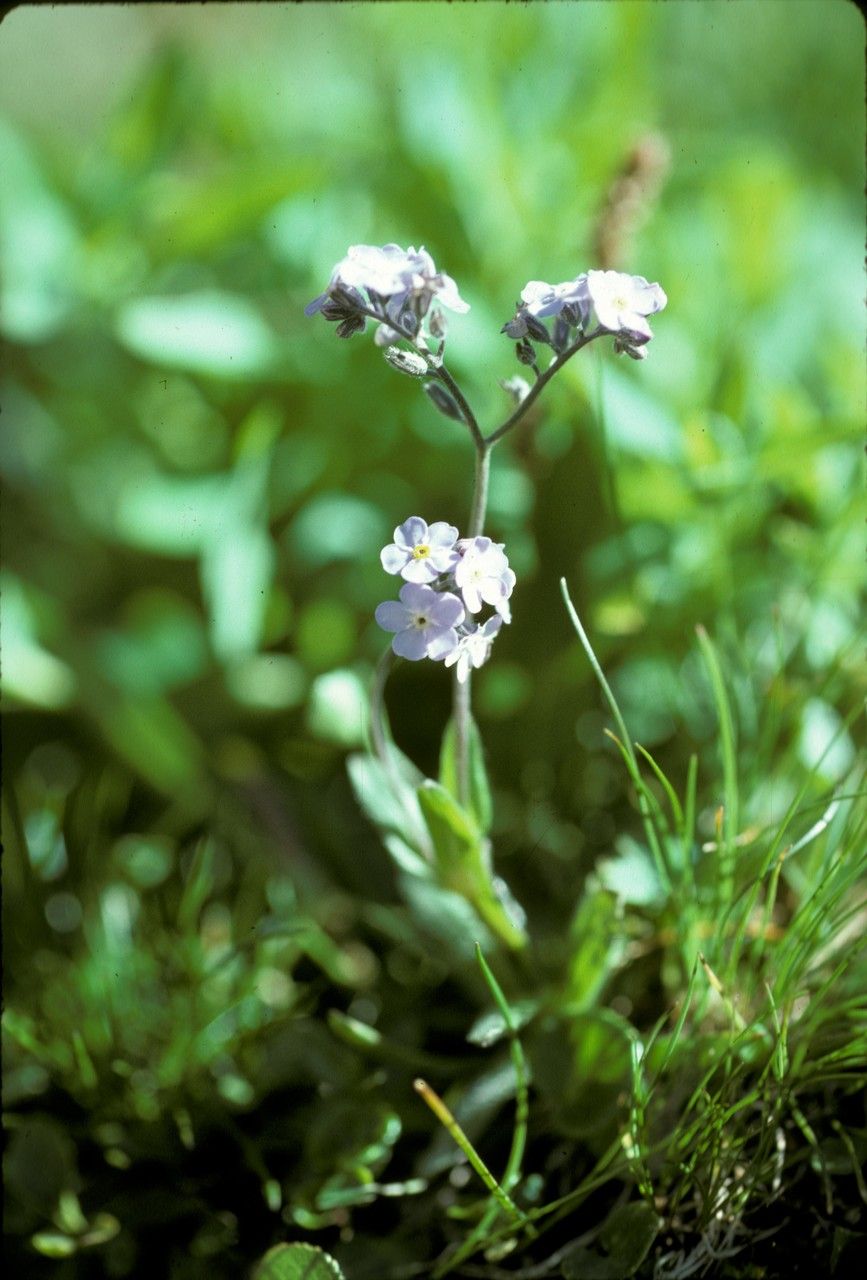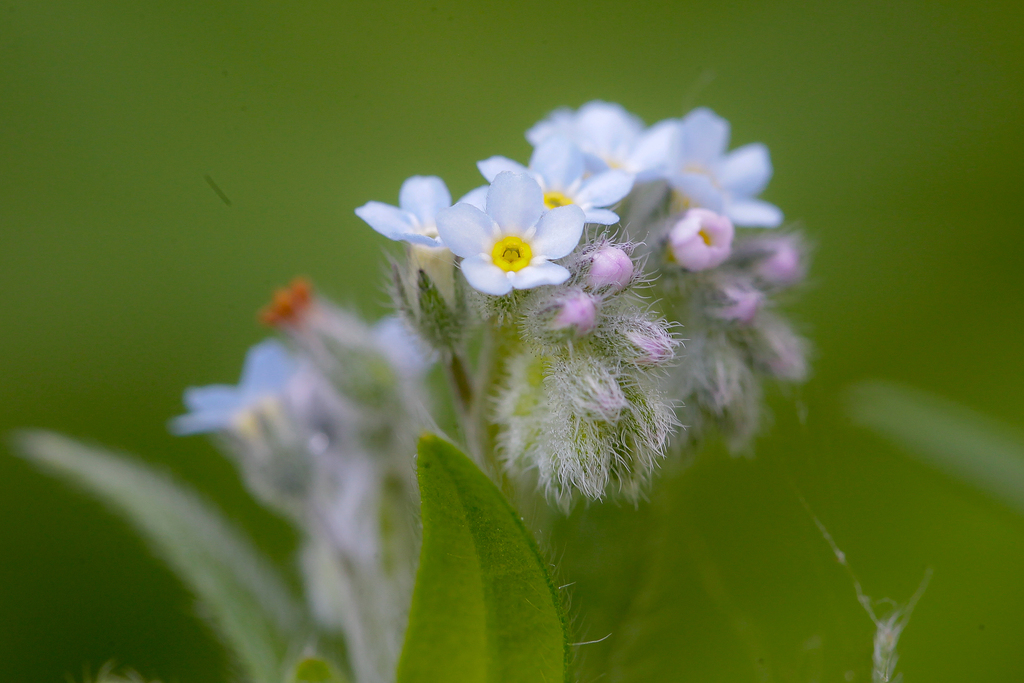
Myosotis arvensis, commonly known as the field forget-me-not, is a small annual plant that belongs to the Boraginaceae family. Native to Europe and Asia, it has also spread to other parts of the world. The plant can grow up to 30 cm tall and features hairy stems adorned with small blue flowers that bloom from April through September. Its leaves are lance-shaped and arranged alternately along the stem.
The field forget-me-not thrives in moist soils found in open fields, meadows, and along roadsides. It is often located in disturbed areas such as agricultural fields or abandoned lots.
Historically, the plant has been used for medicinal purposes, especially for its anti-inflammatory properties. There was also a belief that wearing a garland of forget-me-nots could aid in memory retention.
Forget-me-nots are small, upright plants adorned with bright blue flowers. Historically, these delicate blooms have symbolized love. Wearing them was a way to show that you would neither forget nor be forgotten by your beloved. In their natural habitat, forget-me-nots are pollinated by small flies, but they are also capable of self-pollination. FUN FACT · FROM THE LIBRARY
During its blooming period, Myosotis arvensis is an important nectar source for bees and other pollinators. Its seeds are also eaten by birds, such as finches.
In summary, Myosotis arvensis is a charming little wildflower that enhances natural landscapes' beauty while providing ecological benefits through pollination and seed dispersal.
Field forget-me-not: Myosotis arvensis, commonly known as the field forget-me-not, derives its genus name, Myosotis, from the Latin word meaning "mouse-ear," due to the plant's leaves resembling the ears of a mouse. This term applies to all plant species referred to as forget-me-nots. The specific epithet "arvensis" indicates that the plant grows in cultivated fields. Therefore, Myosotis arvensis is a type of forget-me-not with mouse-ear-like leaves that commonly appears in fields, making it a weedy variant of the forget-me-not family.
Field forget-me-not has strong disease resistance and is typically not vulnerable to illnesses. However, it can be affected by pests and diseases present in its environment. Such infections are generally mild. Regarding care, this plant needs moderate maintenance. It should be pruned on a regular basis to keep a tidy appearance and support healthy growth. Applying fertilizer can also encourage flowering. Field forget-me-not is suitable for anyone with outdoor space, like a garden or patio, and does not require extensive care experience. It may demand more attention when grown indoors.
How to keep Myosotis Arvensis.
Light
Sunlight exposure has a major effect on the growth and health of the field forget-me-not. It favors spots that receive abundant light all day, though it can tolerate locations with moderate light. Both too much and too little sunlight can be harmful. Its native habitat, open fields, provides these lighting conditions. Its sun requirements remain largely unchanged through different stages of growth.
Water
The field forget-me-not flourishes in temperate regions with moderate moisture. It prefers consistently moist soil but does not tolerate waterlogging. To promote its growth and delicate blue blooms, it requires weekly watering and benefits from regular rainfall. This plant is typically cultivated outdoors.
Temperature
Field forget-me-not is indigenous to habitats with temperatures between 20 and 35℃ (68 and 95°F). It grows best within this range and may need temperature adjustments to attain optimal growth through different seasons.
Fertilizer
Field forget-me-not benefits from regular, light fertilizer applications to encourage healthy leaf growth. Fertilize Field forget-me-not about once a month during the summer months. Nitrogen is essential for foliage, and supplying nitrogen-rich sources helps Field forget-me-not thrive.
Pruning
The field forget-me-not is known for its small, bright blue flowers. To keep it healthy and looking its best, it's helpful to prune it strategically from early to late spring. By removing any dead or damaged stems, you can encourage new growth, reduce the risk of disease, and improve the plant's overall health and appearance. This practice also helps extend the blooming period.
Botanical profile.
- Plant Type
- Herb
- Life Cycle
- Annual, Perennial, Biennial
- Genus
- Myosotis
- Family
- Boraginaceae
- Hardiness Zone
- 3-8
- Mature Height
- 40 cm
- Mature Spread
- 20 cm
- Leaf Color
- Green, Blue, Silver
- Leaf Type
- Deciduous
- Flower Color
- Blue, White, Pink, Purple
- Flower Size
- 0.25 cm to 0.51 cm
- Bloom Time
- Mid spring, Late spring, Early summer
- Planting Time
- Summer
- Harvest Time
- Early summer, Mid summer
Other names.
Reader questions.
How should I water my Field forget-me-not plant?
To water Field forget-me-not, you have several options for watering tools like a garden hose with a spray nozzle or a watering can. The plant doesn't have specific preferences for the type of water it receives and can thrive with rainwater, tap water, or even filtered water. However, it's generally not recommended to water this plant from above as it can damage the leaves and flowers and may cause diseases. The best method for watering is by using a drip irrigation system, which provides even and direct water to the soil. If you have a container-grown Field forget-me-not, you can use a cup, watering can, or tap water to water the plant directly into the soil.
Why should I add plant food to my Field forget-me-not?
Plants require nutrients to grow, but some plants can obtain all the necessary nutrients without the need for additional fertilizers. Field forget-me-not, like other plants, rely on nutrients for growth and internal processes. The main nutrients that plants need are nitrogen, phosphorus, and potassium, and each nutrient serves different functions. In the case of foliage development, nitrogen plays the most crucial role. However, Field forget-me-not often struggle to obtain sufficient nitrogen from the soil alone. Thus, many gardeners choose to provide additional nitrogen to Field forget-me-not plants through supplementation.
What are the sun requirements for field forget-me-not?
Field forget-me-not thrives in conditions that closely mimic its original habitat of open fields, showing a preference for areas saturated with light throughout the day but also managing well in moderate light conditions. It requires full sun, characterized by more than 6 hours of sunlight daily, or partial sun, with about 3-6 hours of sunlight. It's important to watch how sunlight moves through your garden to choose spots that provide the perfect balance of light and shade, ensuring the plants' happiness.
What is the ideal temperature range for the growth of Field forget-me-not?
The Field forget-me-not thrives in environments where the temperature ranges from 20 to 35°C (68 to 95°F). This temperature range is optimal for its growth, and it may require adjustments in care to maintain these conditions through varying seasons.
What should I do if I give my Field forget-me-not too much or too little water?
If your Field forget-me-not is underwatered, simply water it more regularly. On the other hand, overwatering can be a bigger problem, as it can lead to diseases and the plant's death. To prevent this, choose a sunny location with good drainage. If you overwater a potted Field forget-me-not, consider changing the pot to one with better drainage. When repotting, use loose soil and make sure the new pot drains efficiently.
When should I fertilize my Field forget-me-not?
Field forget-me-not generally grows well and can benefit from regular fertilization. It is recommended to fertilize this plant about once a month during the spring and summer months when it is actively growing. However, it is not necessary to fertilize during fall and winter when the plant becomes less active and requires fewer nutrients. You'll know it's time to start fertilizing when you see signs of new growth. Whether the plant is grown outdoors or indoors in a container, the fertilization schedule remains the same. If your Field forget-me-not is in a container, you may not need to fertilize for the first one to two months. This is because the potting soil for container plants already contains enough nutrients. Only begin fertilizing after the plant has been in the same soil for a while.
How does sunlight exposure affect the growth and health of field forget-me-not?
The growth and health of field forget-me-not are significantly influenced by sunlight exposure. It prefers areas with abundant light throughout the day but can also tolerate moderate light levels. Both excessive and insufficient sunlight can have detrimental effects on the plant. In its natural habitat of open fields, the plant is accustomed to such light conditions, which do not notably change across different growth stages.
Does Field forget-me-not require special frost protection during winter?
Field forget-me-not possesses strong cold resistance, and under normal winter conditions, it does not require special frost protection. However, in scenarios where winter temperatures are expected to plummet below -35°C, it's crucial to provide protection by covering the plant with materials such as soil or straw. An abundant watering before the first freeze in autumn ensures the soil remains moist and enters a frozen state, aiding in drought and water scarcity prevention for the plant during the colder months.
How often do I need to water my Field forget-me-not plant?
Field forget-me-not need regular watering throughout the growing season. In spring, water them once a week, and as the season progresses and gets warmer, increase watering to two to three times a week. However, be careful not to overwater them. Regardless of frequency, make sure the soil stays moist but not wet for the plant. Watering forget-me-nots in pots is different. The soil in pots can dry out faster, so water container-grown forget-me-nots a few times per week, compared to just once a week for those planted in the ground.
When should I not put fertilizer on my Field forget-me-not?
To ensure the optimum growth of your Field forget-me-not, avoid fertilizing if it's unhealthy due to disease or insect pests. Similarly, refrain from fertilizing a dehydrated plant as it will worsen the problem. Only fertilize healthy plants. When watering, take care not to splash fertilizer onto the leaves or stem as it may cause burned spots. Unless using a specific foliage fertilizer, avoid allowing direct contact between the plant and the fertilizer.
What are the guidelines for using artificial light with field forget-me-not?
When natural sunlight is insufficient, particularly during winter or in less sunny spaces, artificial lights become crucial for promoting healthy growth in indoor field forget-me-not plants. LED lights are recommended due to their ability to provide specific wavelengths needed by plants. The amount of artificial light required varies: full sun plants need 30-50W/sq ft, partial sun plants need 20-30W/sq ft, and full shade plants need 10-20W/sq ft. The artificial light source should be placed 12-36 inches above the plant, mimicking natural sunlight as closely as possible, and most plants will need 8-12 hours of light per day.
How does Field forget-me-not react to low temperatures, and what measures should be taken?
Field forget-me-not is cold-tolerant and best thrives when the temperature stays above 20°C. During winter, keeping the temperature above 0°C is advisable. If temperatures drop below -35°C, there may not be immediate visible changes, but a decrease in sprouting or a lack of sprouting during spring may occur. To address this issue, remove any parts of the plant that have failed to sprout in spring.