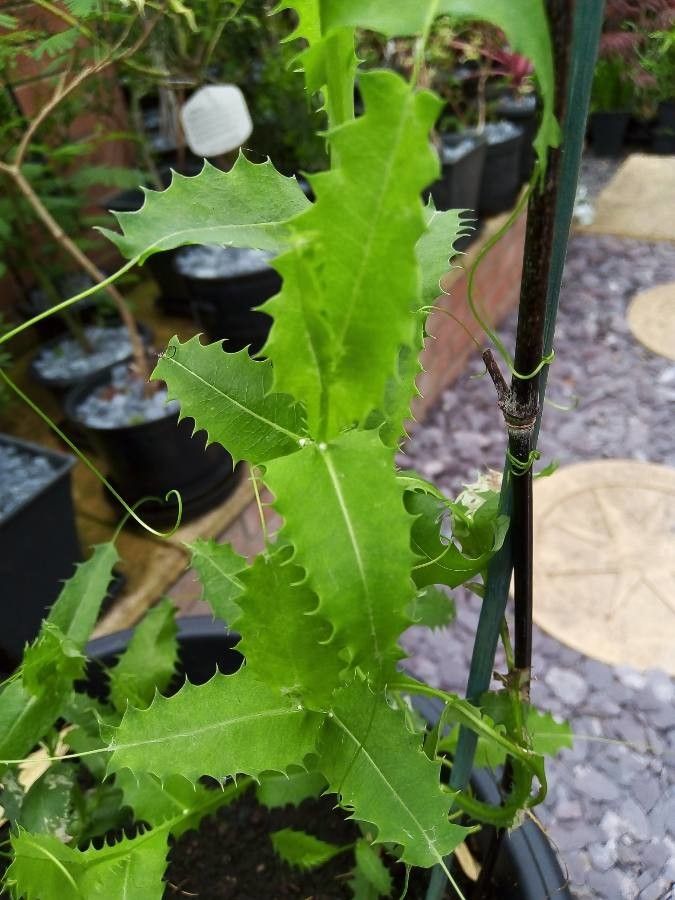
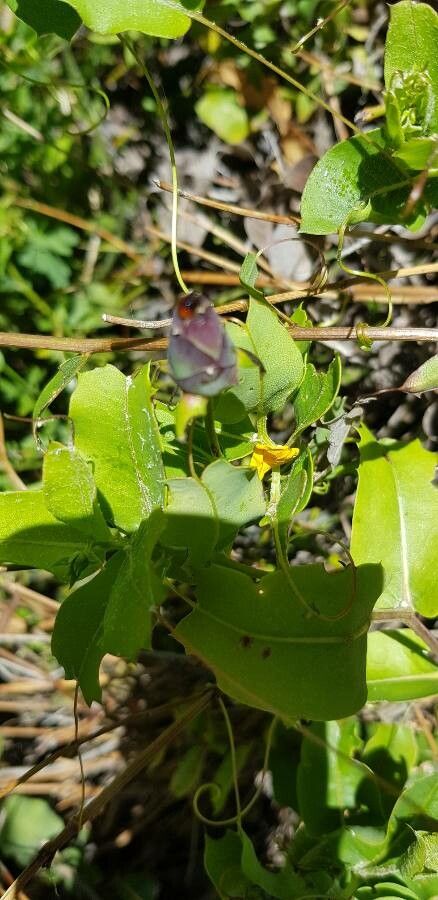
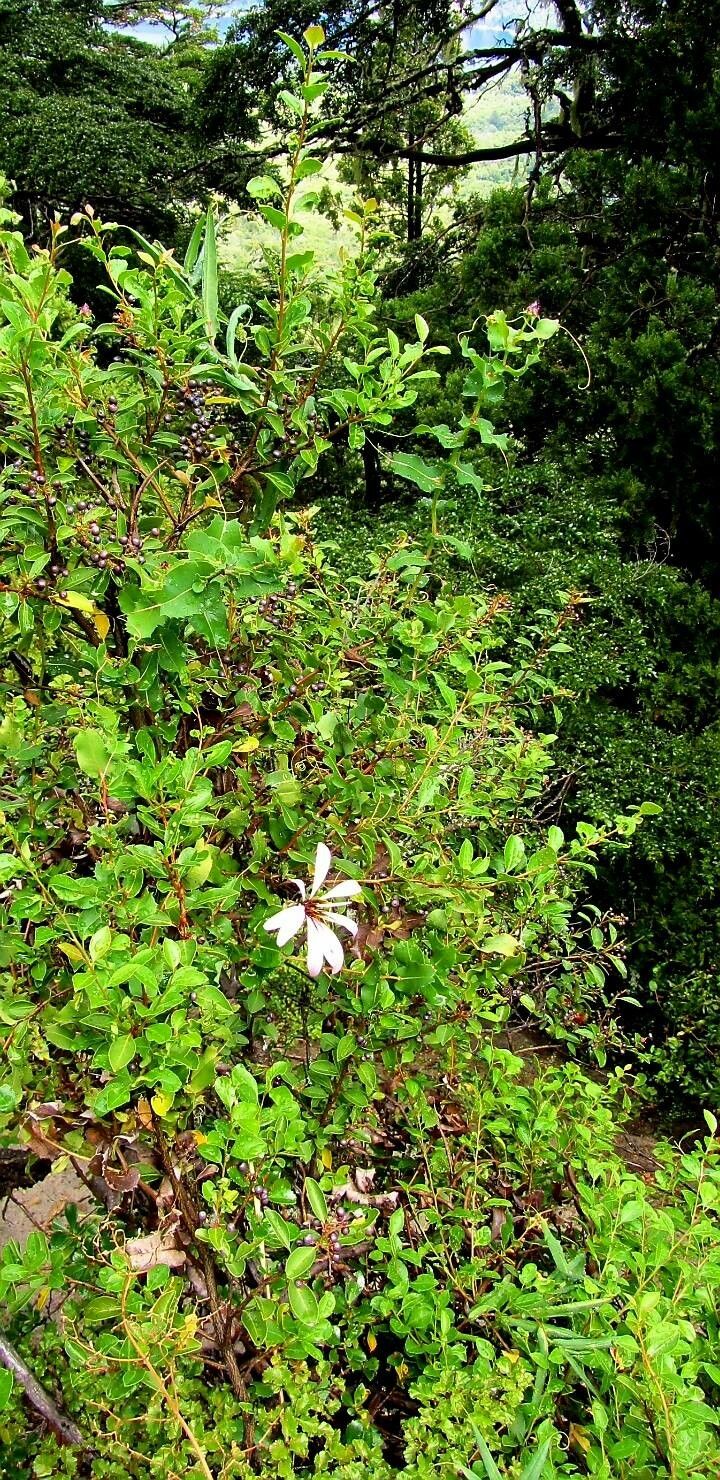
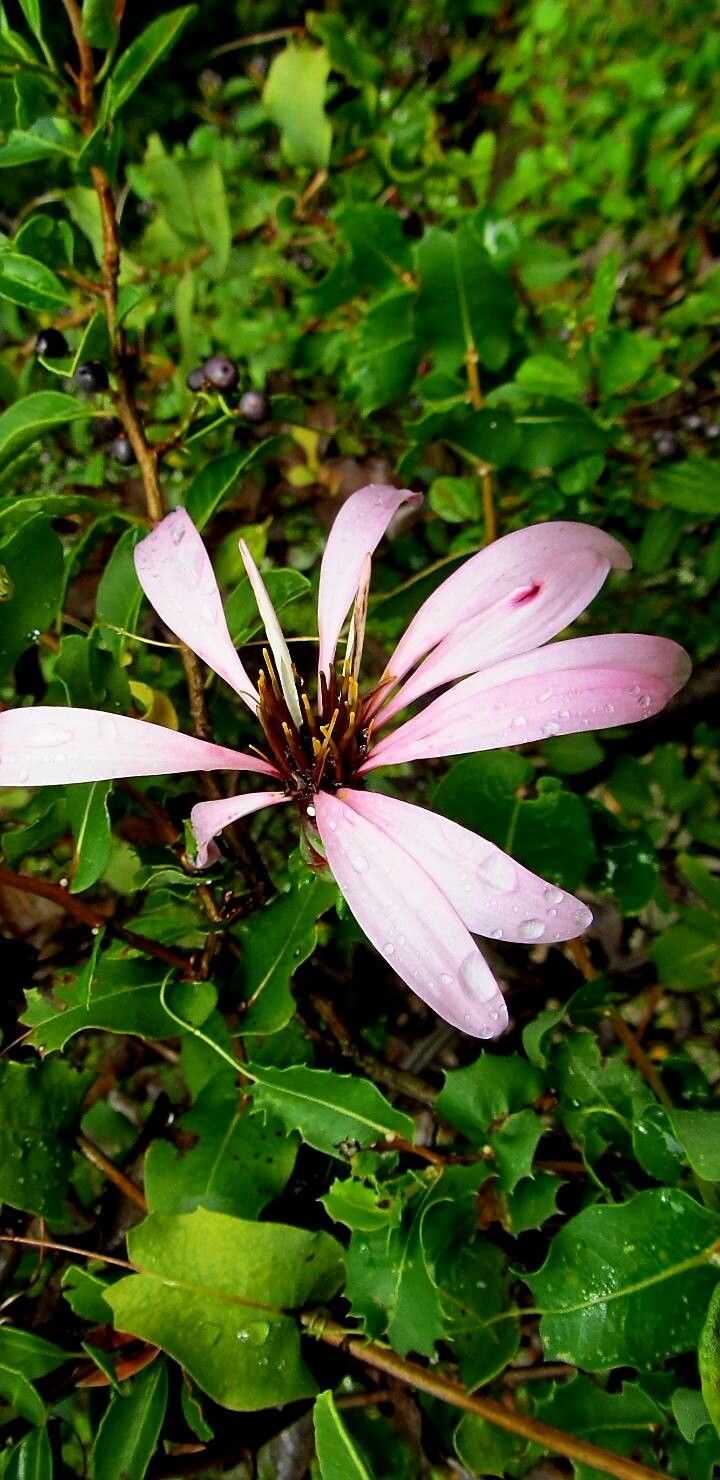
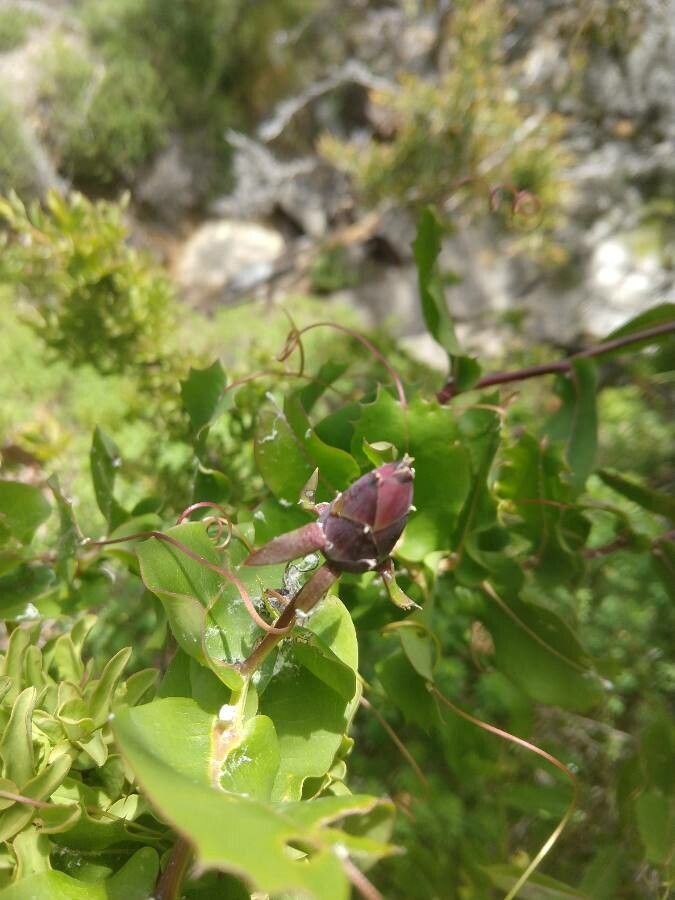
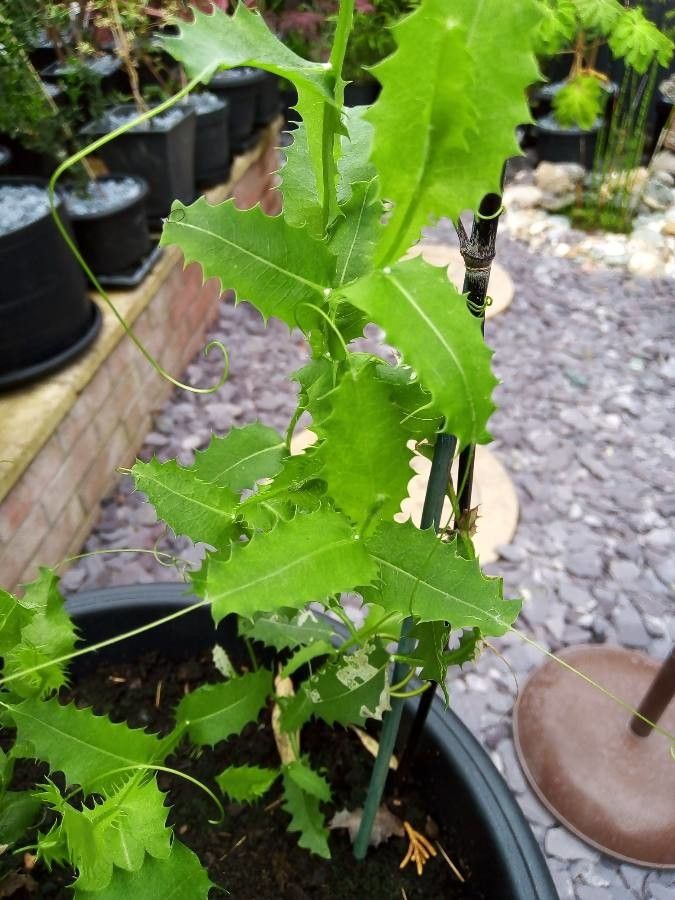
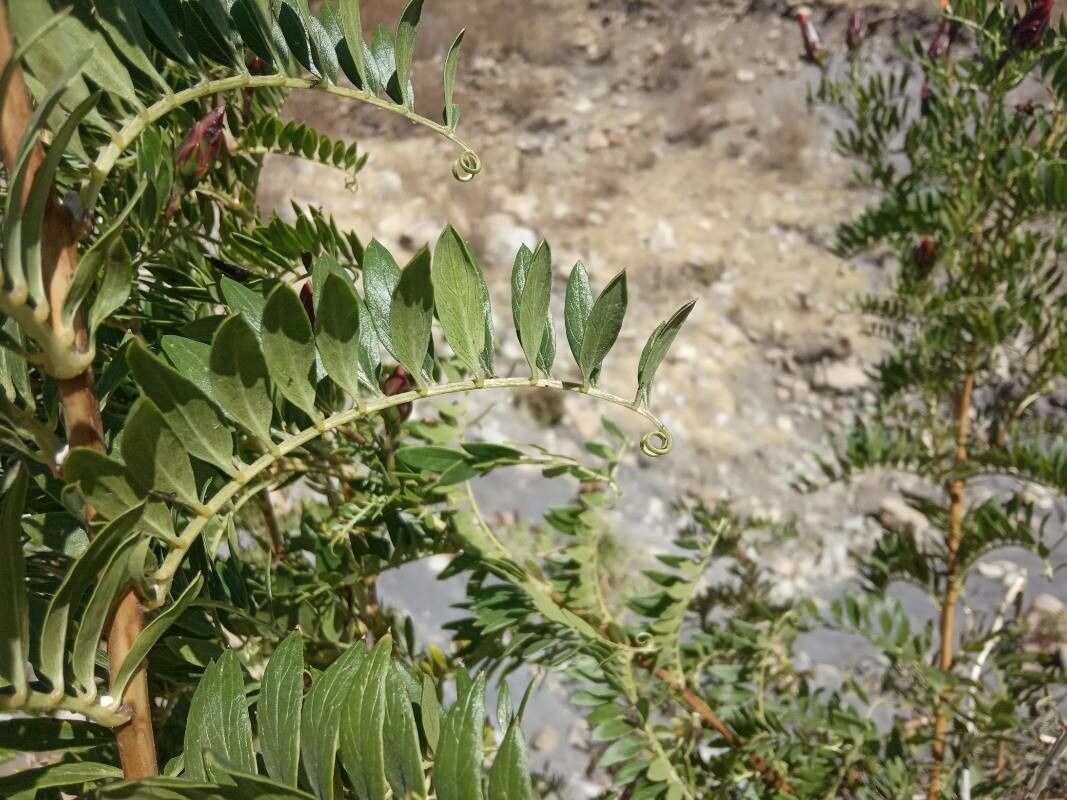
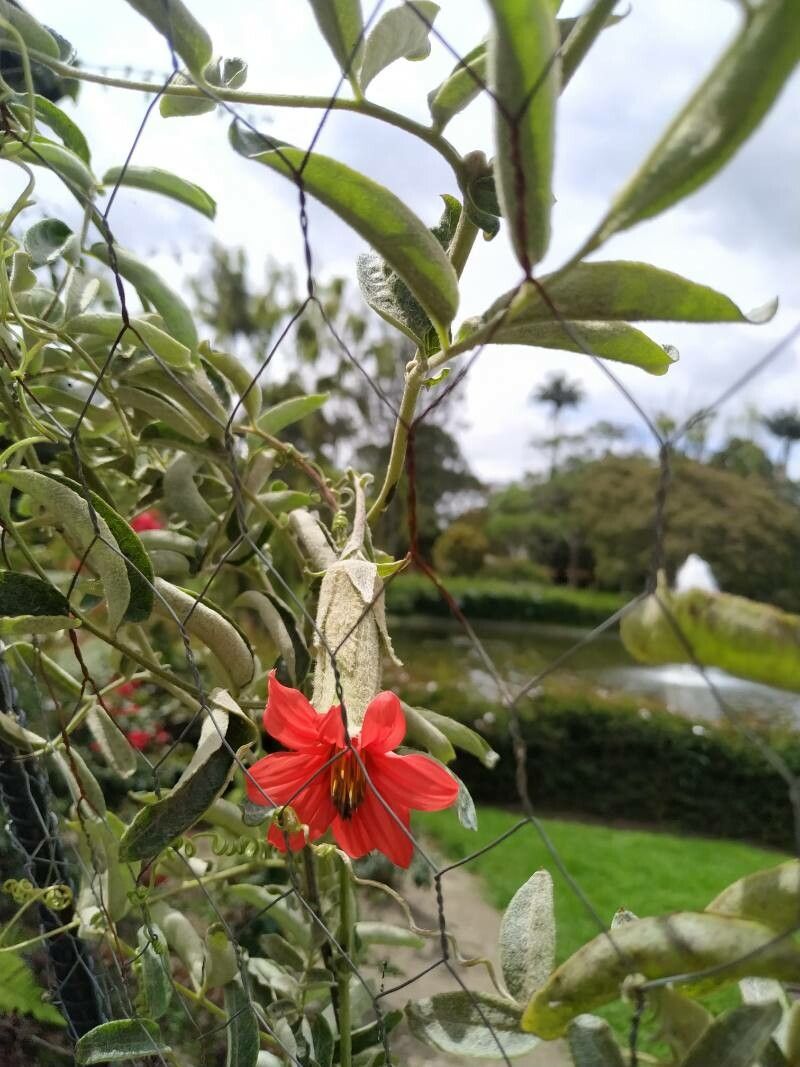
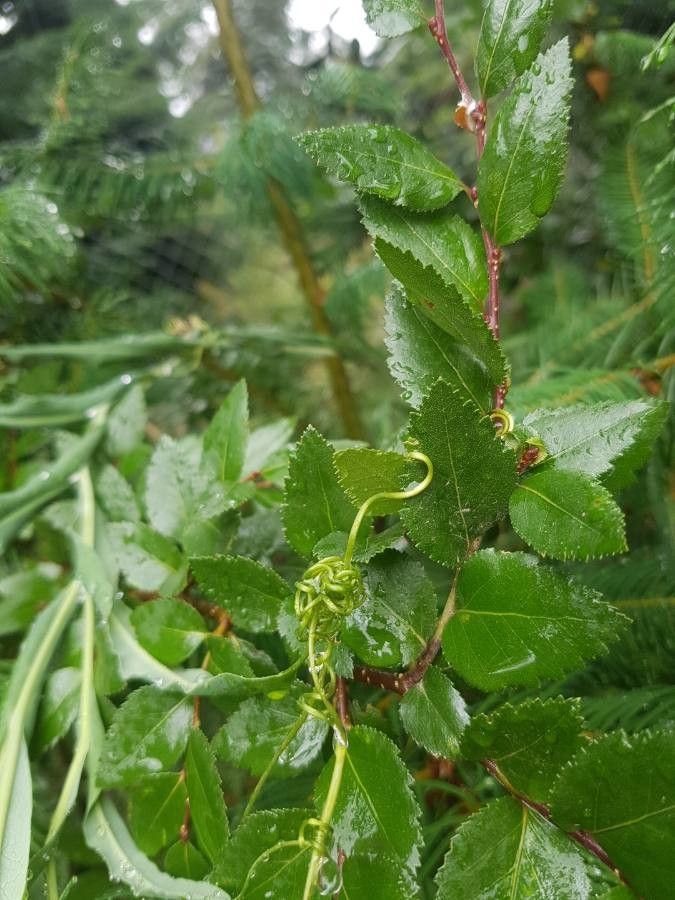
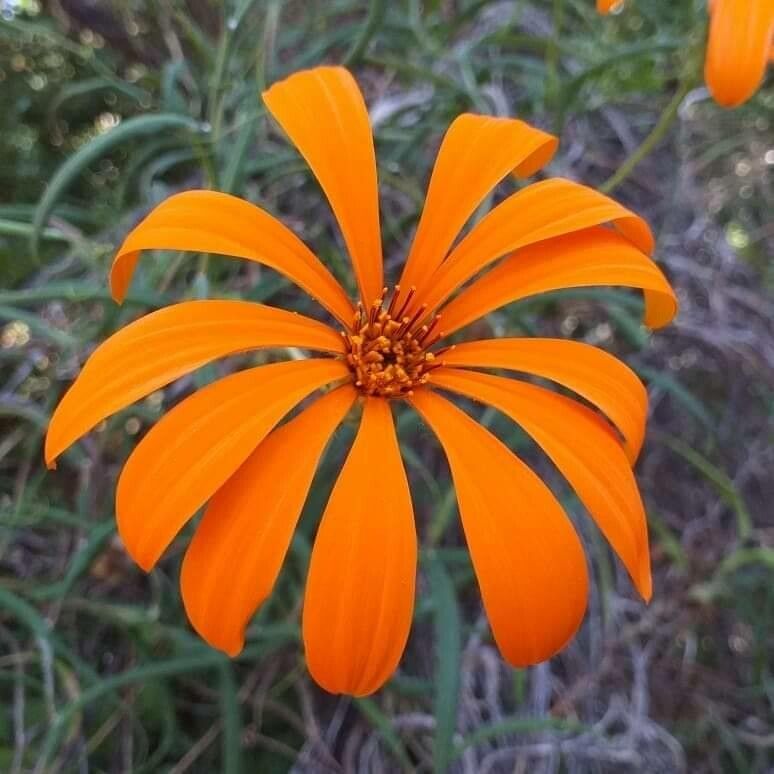
Mutisia ilicifolia is fairly resistant to disease and is generally not highly prone to illnesses. Nevertheless, it can be vulnerable to pests and diseases present in its surroundings. These problems are typically not severe. As for care, this plant requires moderate maintenance. It should be pruned regularly to keep a tidy appearance and support healthy growth. Fertilizing can also help encourage flowering. Mutisia ilicifolia is suitable for anyone with an outdoor area, such as a garden or patio, and does not demand extensive gardening experience. It may need more attention if grown indoors.
How to keep Mutisia Spinosa.
Light
Mutisia ilicifolia occurs naturally in habitats such as forest understories or rocky areas, where it is exposed to natural shade. It prefers partial sun but can tolerate full sun or full shade, showing a versatile and hardy character.
Temperature
Mutisia ilicifolia is highly adaptable to a wide range of climates, from scorching summers to chilly winters. Still, it has a preferred temperature range for optimal growth. If temperatures rise too far, the plant can suffer heat and humidity stress that may kill it. In areas where temperatures approach the lower limit of its cold tolerance, it is necessary to provide insulation to protect the plant.
Fertilizer
The best time to fertilize Mutisia ilicifolia is in early spring, as it comes out of dormancy and begins active growth. Fertilizing supplies essential nutrients for healthy development. Although Mutisia ilicifolia has fairly low fertilizer requirements, applying fertilizer annually can improve its survival and encourage better, longer-lasting flowers.
Botanical profile.
- Plant Type
- Vine, Herb
- Life Cycle
- Perennial
- Genus
- Mutisia
- Family
- Asteraceae
- Hardiness Zone
- 8-11
- Mature Height
- 2.13 m to 3.05 m
- Mature Spread
- 0.91 m to 2.13 m
- Leaf Color
- Dark Green
- Leaf Type
- Evergreen
- Flower Color
- Red, Orange
- Flower Size
- 5.08 cm to 6.35 cm
- Bloom Time
- Winter
- Planting Time
- Spring, Summer, Autumn
- Harvest Time
- Late winter, Early spring, Mid spring