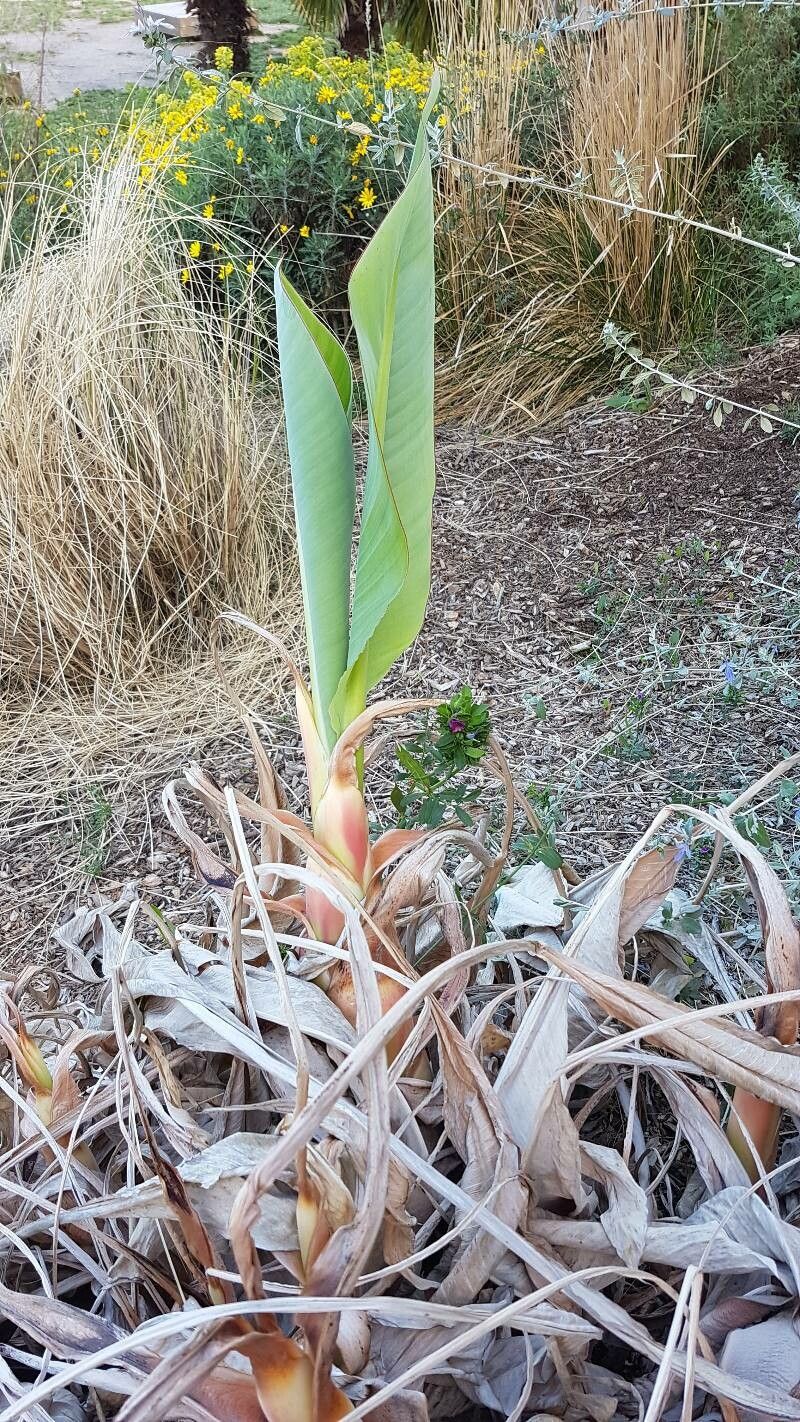
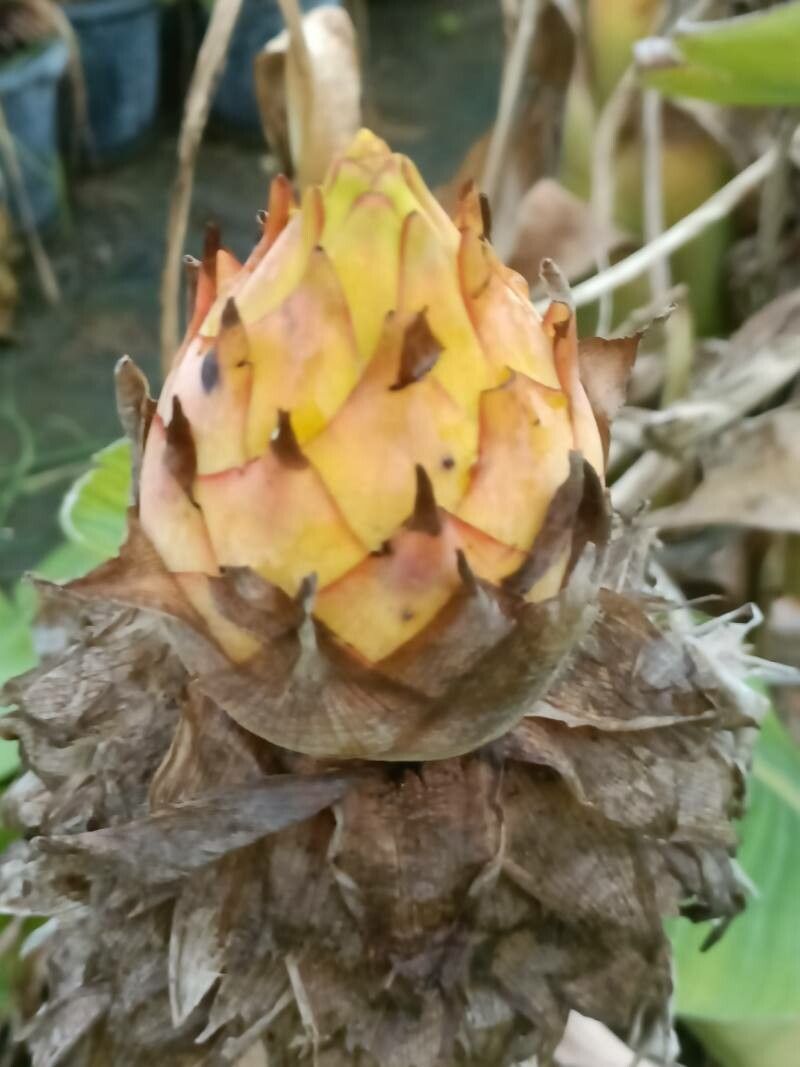
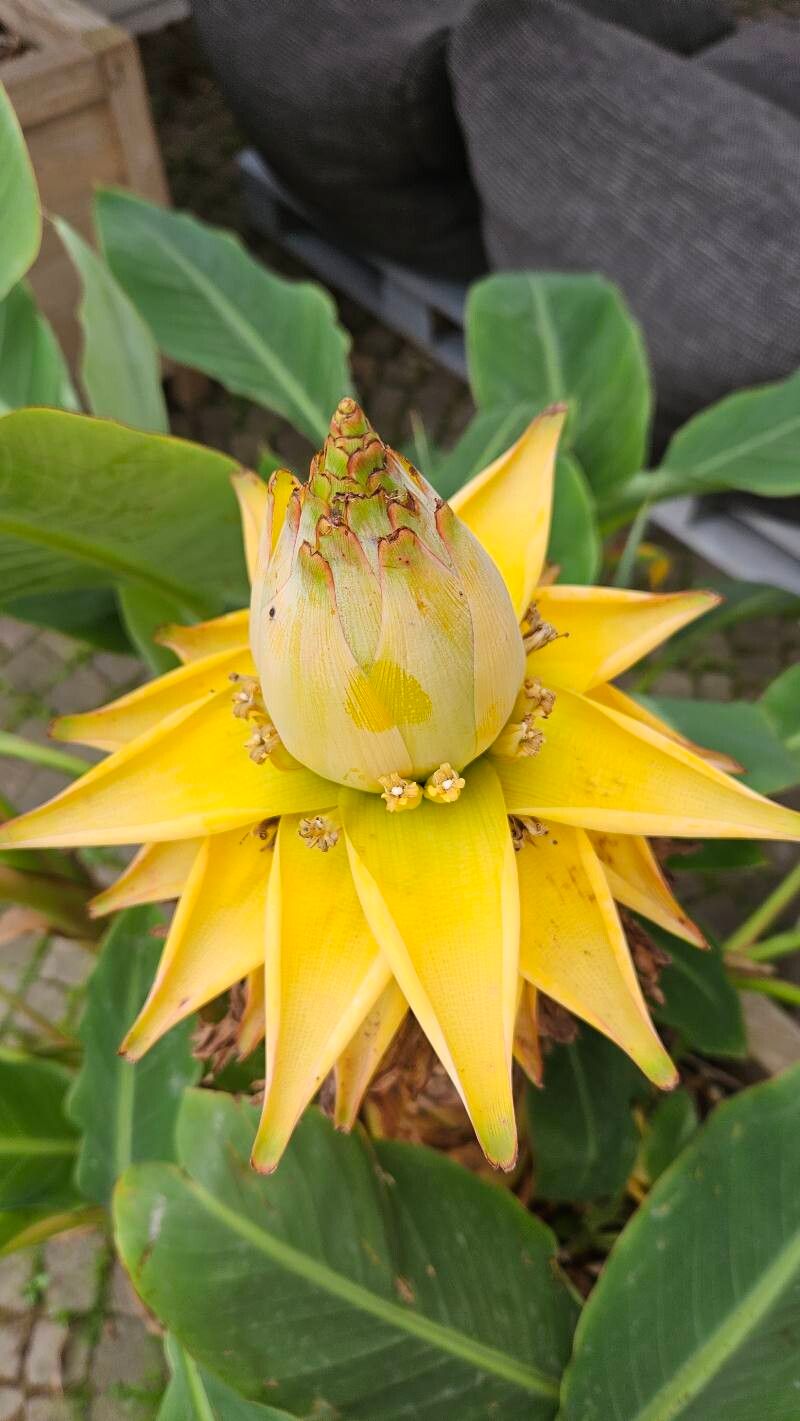
Musella lasiocarpa, also known as the Chinese dwarf banana or golden lotus banana, is a rare and unique plant species belonging to the Musaceae family. Native to the Yunnan province of China, it thrives in mountainous regions at altitudes of 2,000 to 3,000 meters.
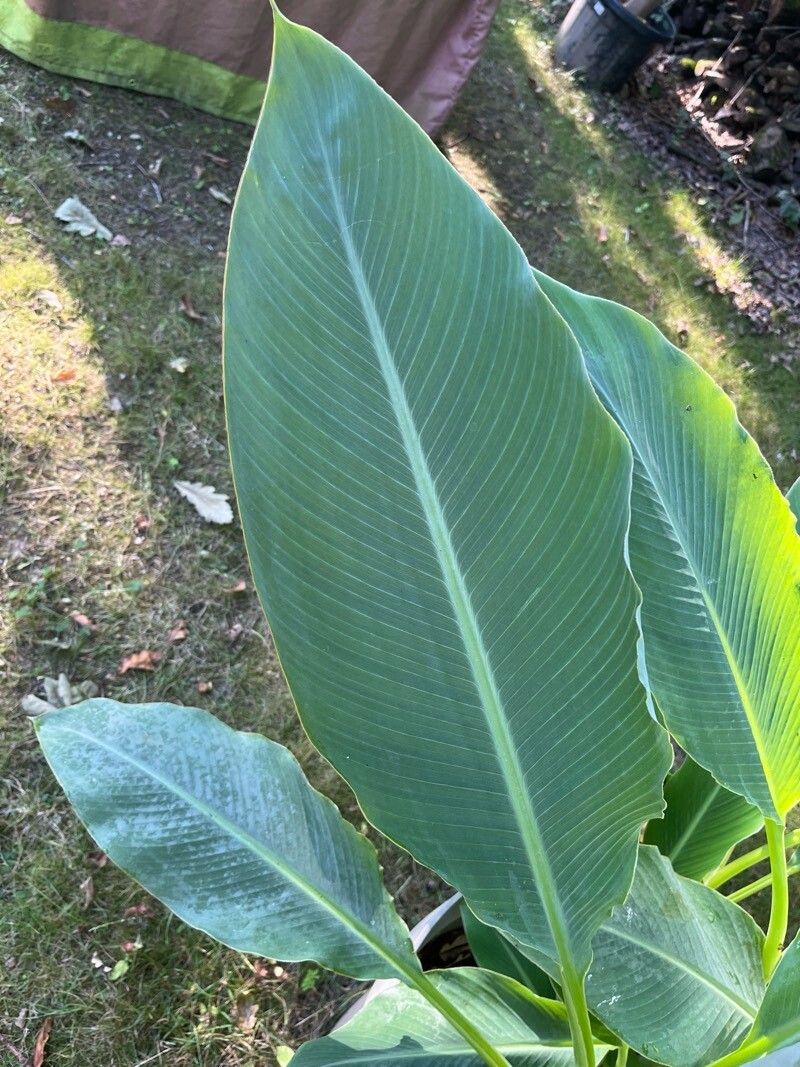
This plant features a distinctive appearance, with a thick stem that can grow up to 1 meter tall and large leaves that can reach up to 1.5 meters in length. The leaves are green with a glossy texture on top and have a silvery underside.
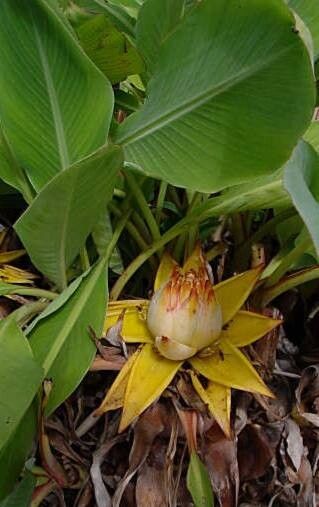
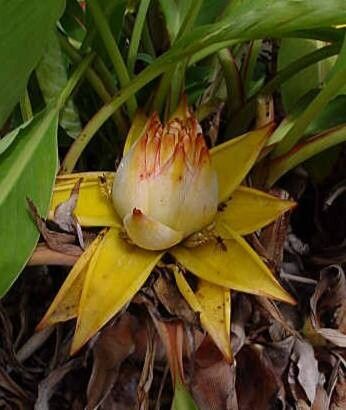
One of the most striking features of Musella lasiocarpa is its beautiful yellow flowers, which resemble lotus flowers. These flowers grow on long stalks emerging from the center of the plant's rosette and bloom from late spring through summer.
Musella lasiocarpa is an easy-to-grow plant that prefers well-draining soil enriched with organic matter. It requires regular watering but should not be overwatered, as this can lead to root rot.
Due to its exotic appearance and ease of care, this unique species has become increasingly popular among gardeners. It makes an excellent addition to tropical gardens or can be grown indoors by those in colder climates who wish to bring a touch of the tropics into their homes.
Chinese dwarf banana has moderate resistance to disease but can be prone to problems like leaf spot. Its vulnerability to insect pests varies by variety, although most types are not very resistant to pests. For care, Chinese dwarf banana requires regular watering and feeding, and yellow leaves should be pruned often. It is important to address pests and diseases when they occur and to harvest the plant at the proper time. Chinese dwarf banana is suited to people who can dedicate some time and effort to regular maintenance.
How to keep Musella Lasiocarpa.
Light
The Chinese dwarf banana does best with abundant light but can also endure moderately lit conditions. Originating from sun-drenched habitats, it takes in sunlight efficiently for photosynthesis, promoting healthy growth. Both insufficient and excessive light can impede its development or cause harmful effects.
Water
The Chinese dwarf banana, native to the mountainous regions of Southwest China, thrives best with moderate moisture but can withstand short periods of dryness. For optimal growth, it should be watered every two weeks, allowing the soil to dry slightly between waterings. As an evergreen plant, the Chinese dwarf banana requires stable humidity levels, particularly indoors, to maintain its health and vigor.
Temperature
The Chinese dwarf banana originates from areas with a natural temperature range of 59 to 95 °F (15 to 35 ℃). It displays optimal growth within this range. In different seasons, small temperature adjustments may be necessary to mimic those native conditions.
Fertilizer
For Chinese dwarf banana, use natural organic options such as compost, grass clippings, or manure. Slow-release granular fertilizer or commercial fertilizer can be applied sparingly. Work the organic fertilizer into the soil before planting. Typically, one to two fertilizer applications per growing season are sufficient for a bountiful harvest.
Pruning
The Chinese dwarf banana is known for its vibrant yellow flowers and large leaves. To encourage growth and prevent disease, it's important to prune any damaged leaves from late winter to early spring. However, be careful not to over-prune, as this can stress the plant. Regular, moderate pruning helps maintain the plant's health and manage its size.
Pot & Repot
To support the growth of your compact Chinese dwarf banana, repot it every 2 to 3 years in early spring. Use a large pot to allow for root expansion. After repotting, ensure the soil remains moist and place the plant in bright, indirect light. This will help the plant recover and encourage vibrant foliage.
Botanical profile.
- Plant Type
- Herb
- Life Cycle
- Perennial
- Genus
- Musella
- Family
- Musaceae
- Hardiness Zone
- 7-10
- Mature Height
- 2.13 m
- Mature Spread
- 2.13 m
- Leaf Color
- Green, Blue, Gray, Silver
- Leaf Type
- Evergreen
- Flower Color
- Yellow, Gold
- Flower Size
- 15.24 cm to 30.48 cm
- Bloom Time
- Late spring, Summer, Early fall
- Planting Time
- Spring, Summer, Autumn
- Harvest Time
- Late summer, Fall
- Native Area
- Myanmar, China
Other names.