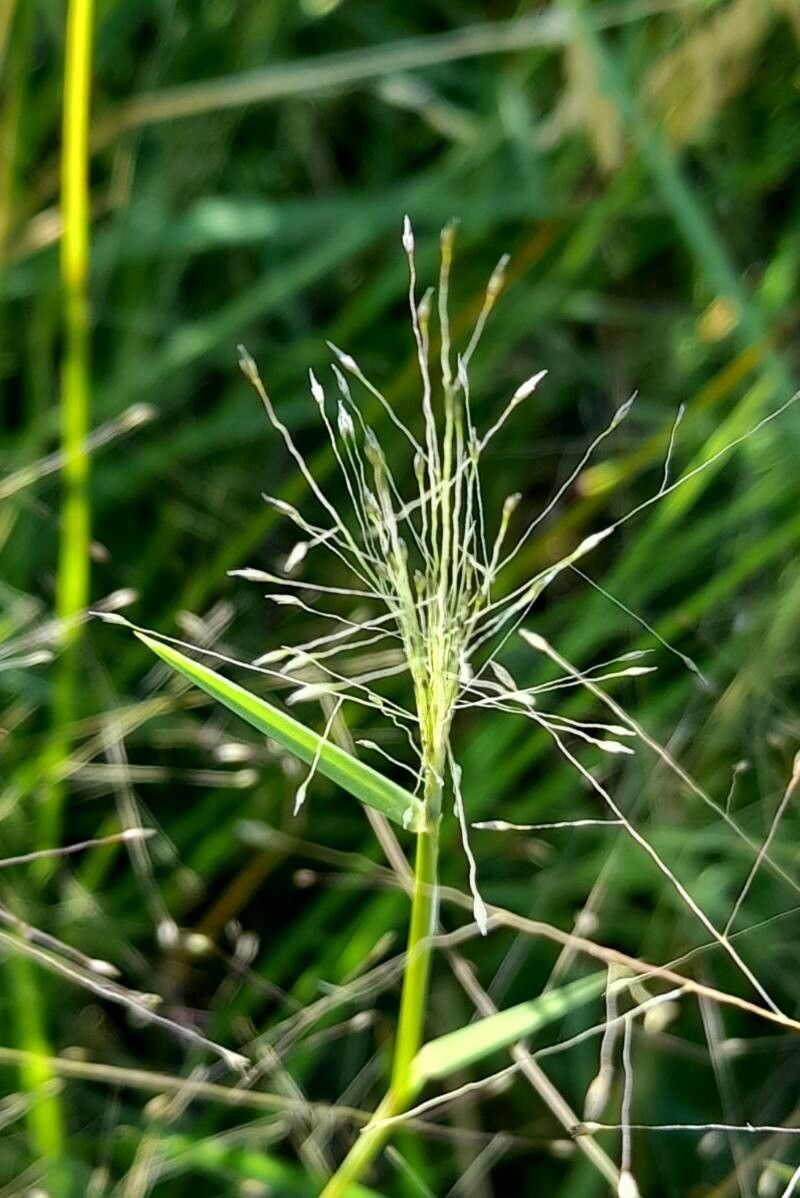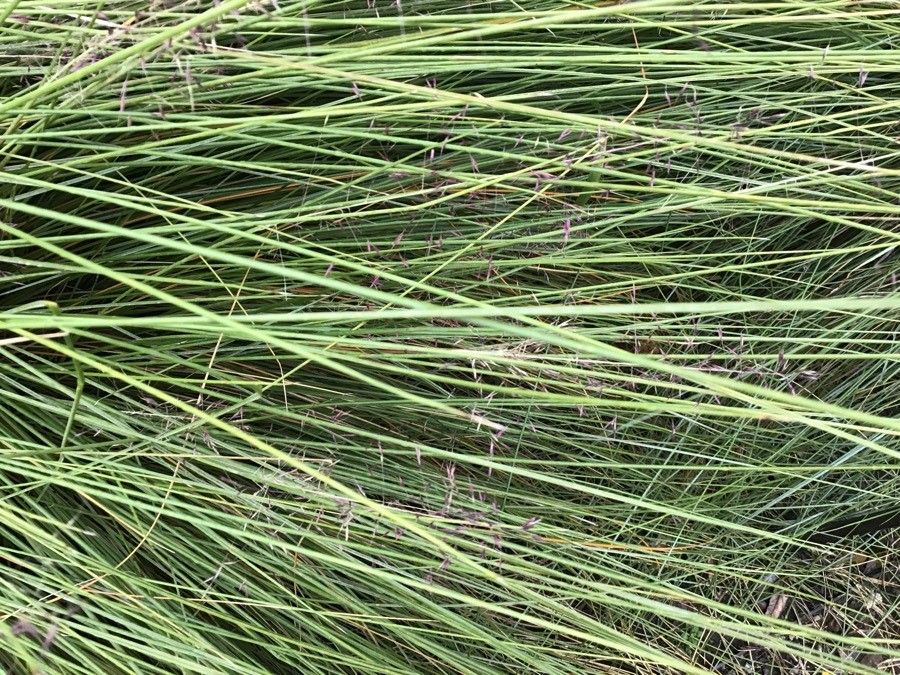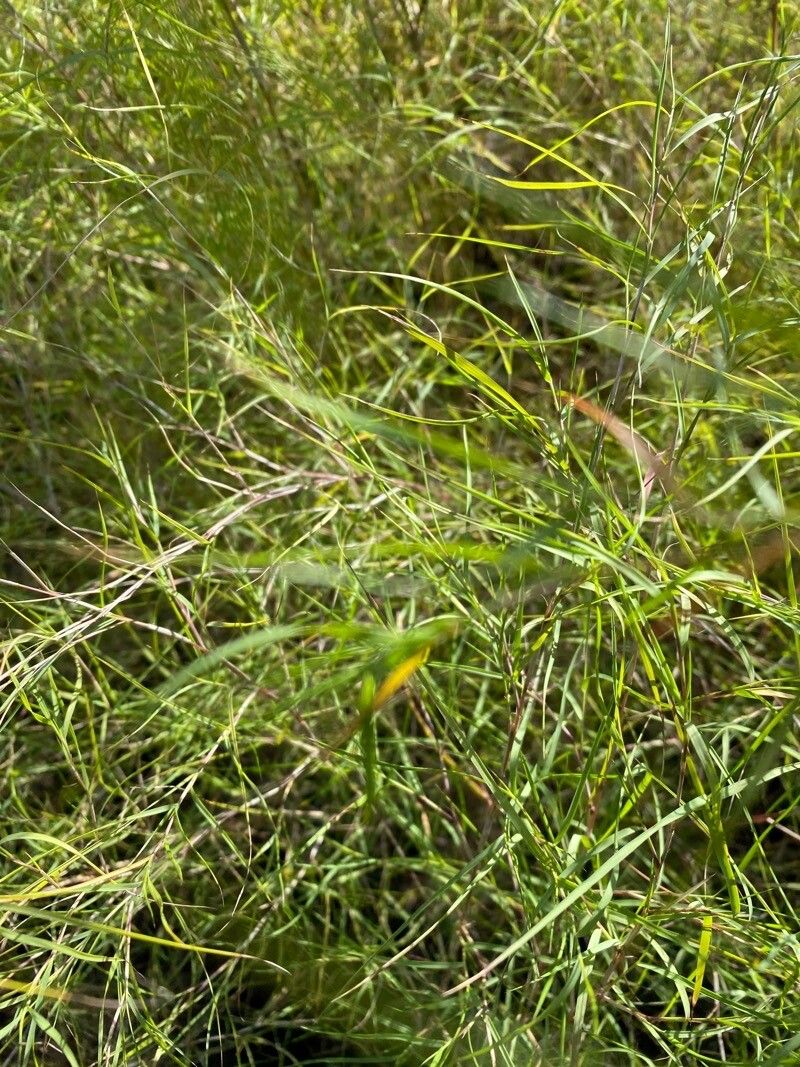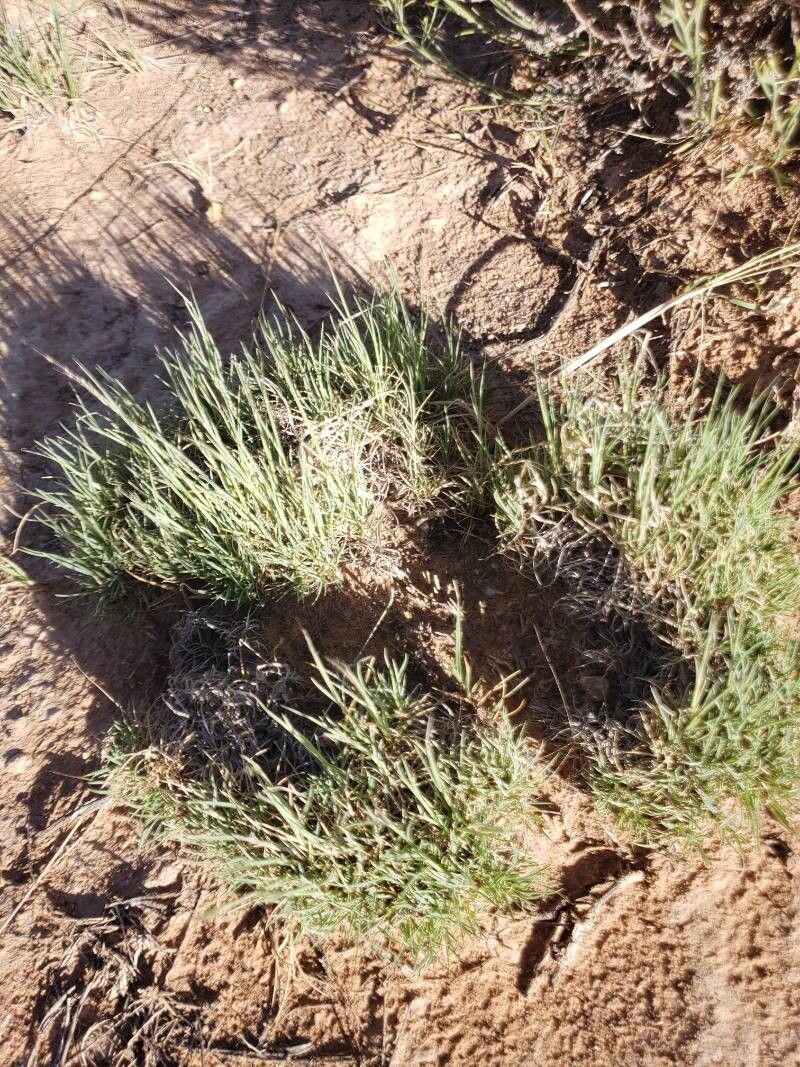
Muhlenbergia torreyi, commonly known as Torrey's muhly, is a perennial grass native to the southwestern United States and northern Mexico. It thrives in dry, rocky soils within desert and grassland habitats, typically found at elevations between 1,000 and 7,000 feet.
This grass species has a clumping growth habit, characterized by narrow green leaves that can extend up to two feet in length. During late summer and early fall, it produces tall flowering stems that can grow up to six feet high, adorned with delicate pinkish-purple flower plumes that sway gracefully in the wind.
Torrey's muhly is important for wildlife, providing both food and habitat for various species of birds and small mammals. Additionally, it is used for erosion control thanks to its deep root system, which helps stabilize soil.
Once established, this plant requires minimal maintenance but thrives in well-drained soil with full sun exposure. It is drought-tolerant yet benefits from occasional watering during prolonged dry spells.
Overall, Muhlenbergia torreyi is an attractive ornamental grass that adds texture and movement to any landscape. It also offers ecological benefits, such as erosion control and wildlife habitat support.
Ring muhly shows strong resistance to disease and is generally unlikely to develop illnesses. Carewise, this plant is fairly low-maintenance. When grown outdoors it needs minimal watering, and larger specimens usually do not require pruning. Smaller plants, however, should be trimmed after they finish blooming. Ring muhly is appropriate for anyone with outdoor space, such as a garden or deck, and does not demand much care experience.
How to keep Muhlenbergia Torreyi.
Light
Ring muhly is a sun-loving, perennial herbaceous species native to open habitats and commonly thriving in meadows and grasslands. It prefers full sun but can also tolerate partial sun.
Water
A young ring muhly plant needs regular watering while it is actively growing. Once it is established, it becomes drought-tolerant and only requires water during extremely dry conditions. To ensure the plant has enough moisture, water it only when the top layer of soil is dry, as overly wet soil can be harmful.
Temperature
Ring muhly can tolerate a wide range of temperatures, but its presence may still be restricted by different combinations of moisture and heat. It grows best in warm summer climates with adequate rainfall or watering. Extended periods of cloudy, rainy weather or sustained high temperatures can raise the likelihood of Ring muhly dying. In winter, shielding it from cold can improve the plant's chances of survival.
Fertilizer
Ring muhly benefits from extra nutrients to encourage healthy new growth. In spring, applying compost around the plant’s base will supply the required nutrition. Fertilizing supports robust growth and improves the plant’s ability to withstand diseases and pests.
Pruning
Ring muhly is a tufted grass species that thrives with early spring pruning, which involves trimming about one-third of its height to remove dead foliage. This practice encourages denser growth, maintains a tidy appearance, and helps the grass retain its shape. Additionally, it supports healthy regrowth during its natural growth cycle.
Botanical profile.
- Plant Type
- Grass
- Life Cycle
- Perennial
- Genus
- Muhlenbergia
- Family
- Poaceae
- Hardiness Zone
- 5-9
- Mature Height
- 0 cm to 30 cm
- Mature Spread
- 30 cm to 61 cm
- Leaf Color
- Light Green
- Leaf Type
- Deciduous
- Flower Color
- White
- Flower Size
- 0.20 cm to 0.25 cm
- Bloom Time
- Mid summer, Late summer, Early fall
- Planting Time
- Spring, Summer, Autumn
- Harvest Time
- Early fall, Mid fall
- Native Area
- Mexico
Other names.
Reader questions.
What are the sunlight requirements for Ring Muhly?
Ring Muhly (Muhlenbergia torreyi) thrives under specific sunlight conditions. It requires full sun, meaning it should receive above 6 hours of direct sunlight daily, for optimal growth. However, it can also tolerate partial sun, defined as about 3-6 hours of sunlight each day. When planning your garden, it's important to observe how sunlight moves through the area. Choosing the right spots that offer a balance of light and shade is crucial for ensuring the health and happiness of your Ring Muhly.
What is the botanical name of Ring muhly?
The botanical name of Ring muhly is Muhlenbergia torreyi.