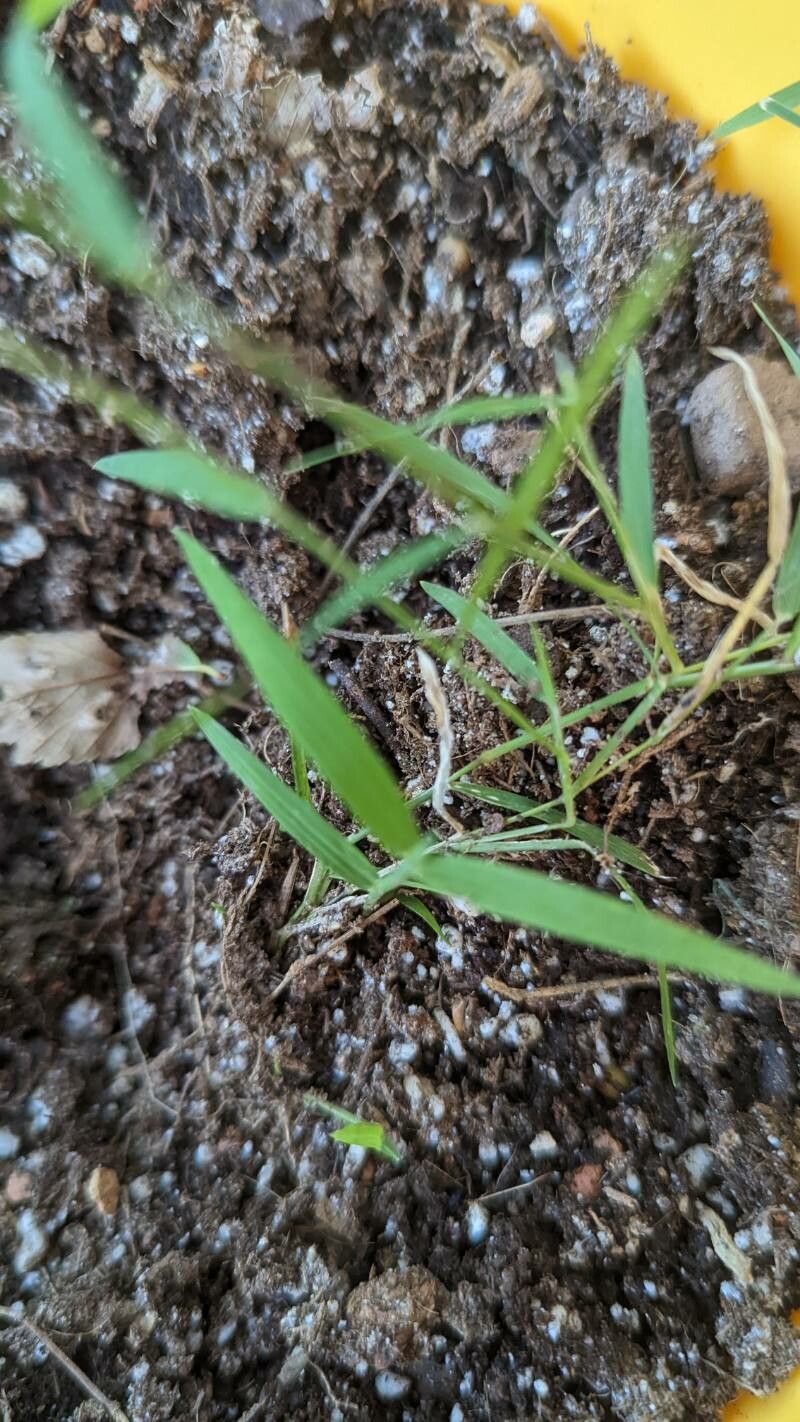
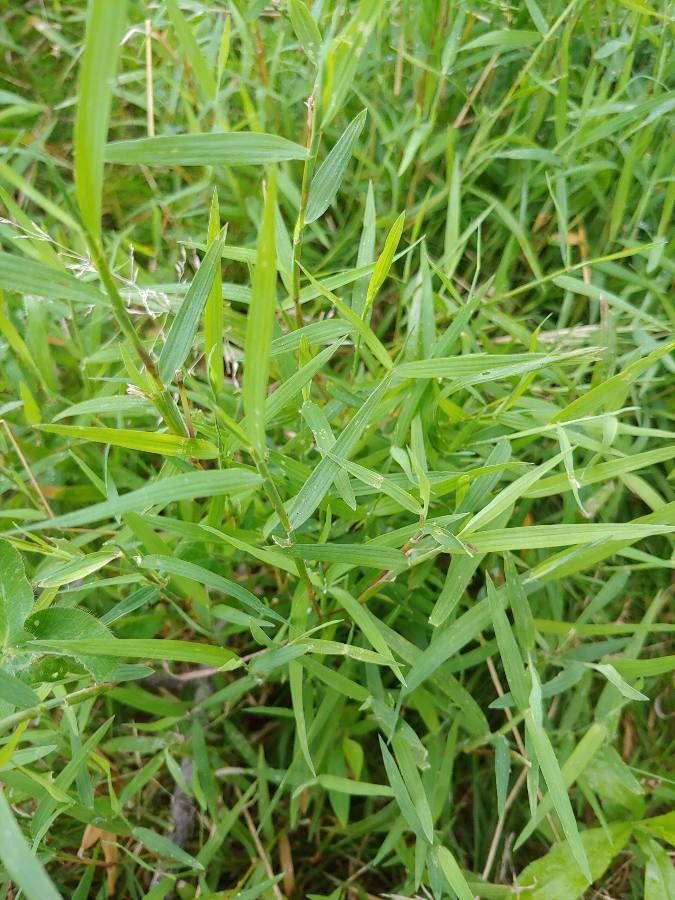
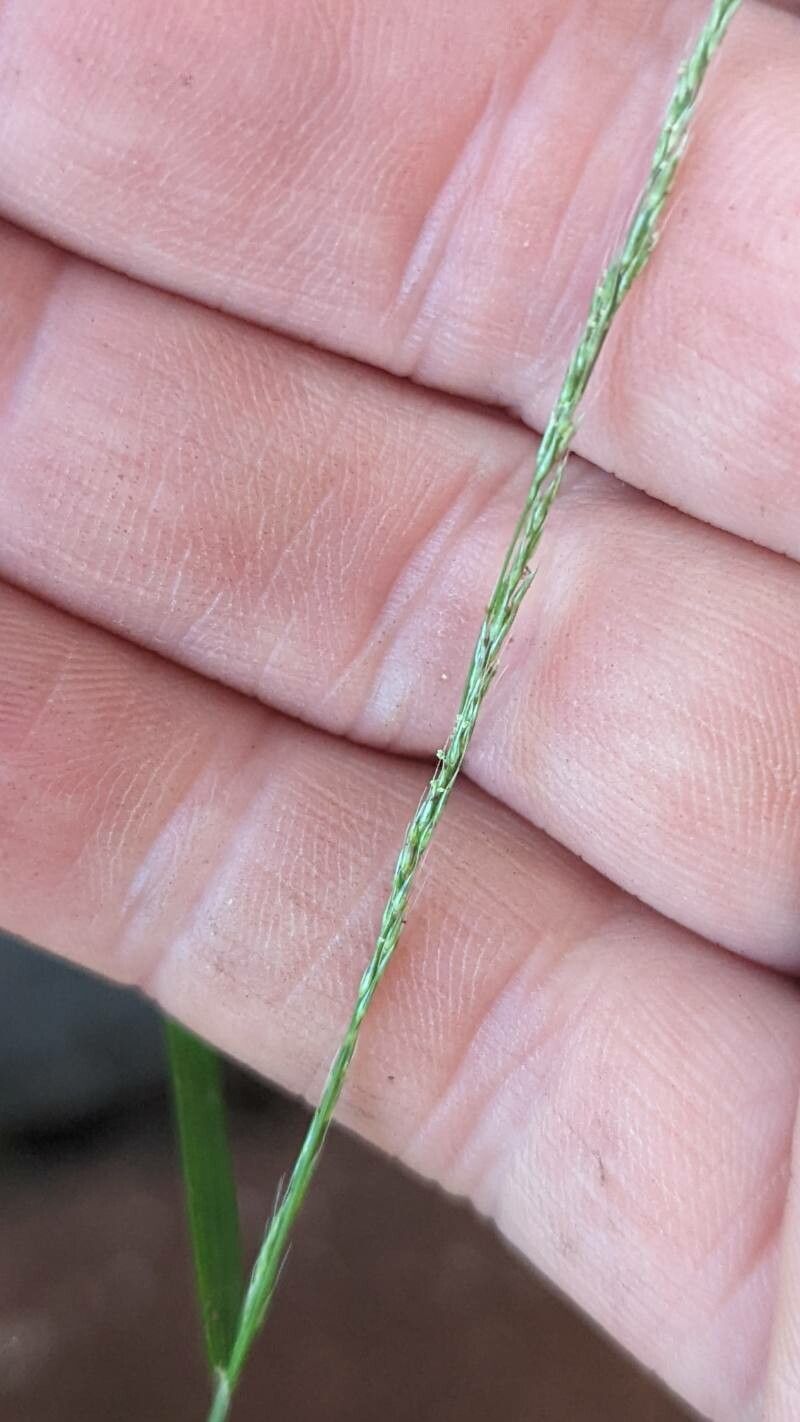
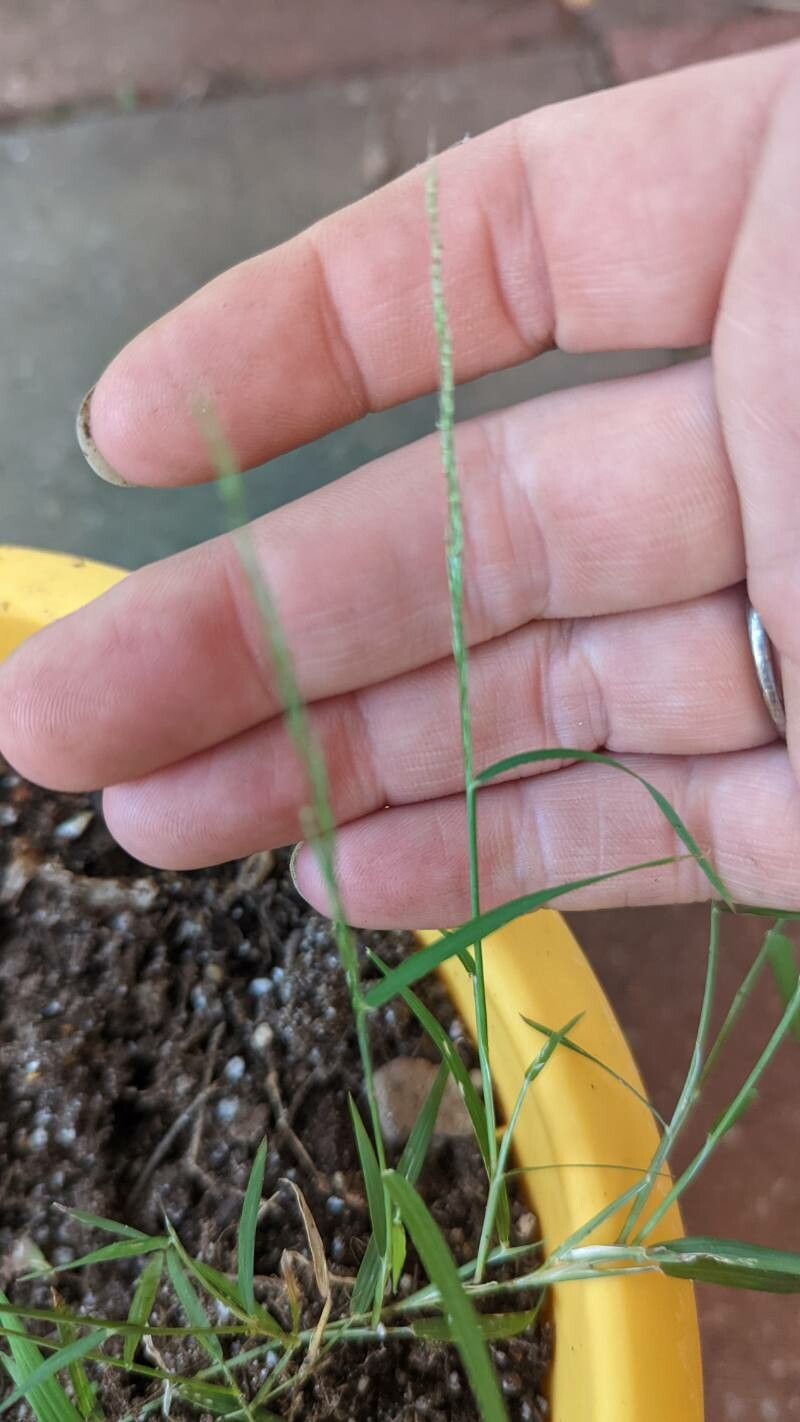
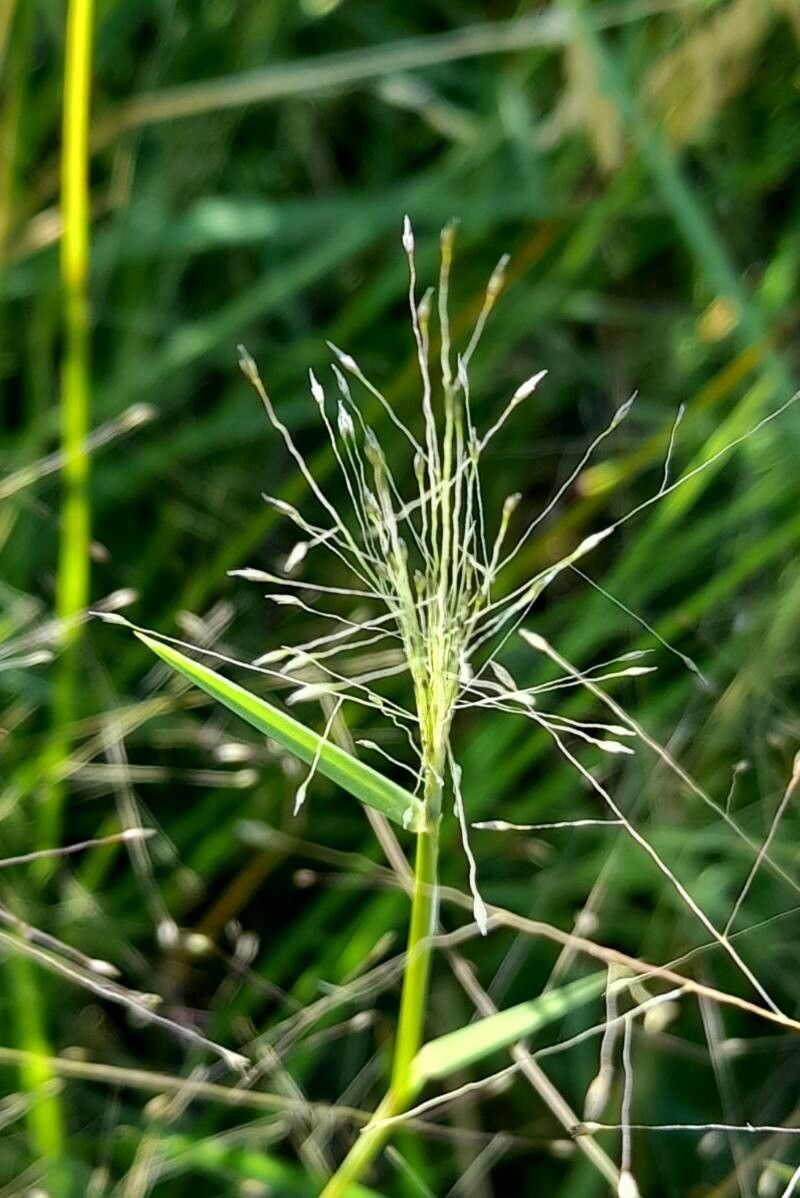
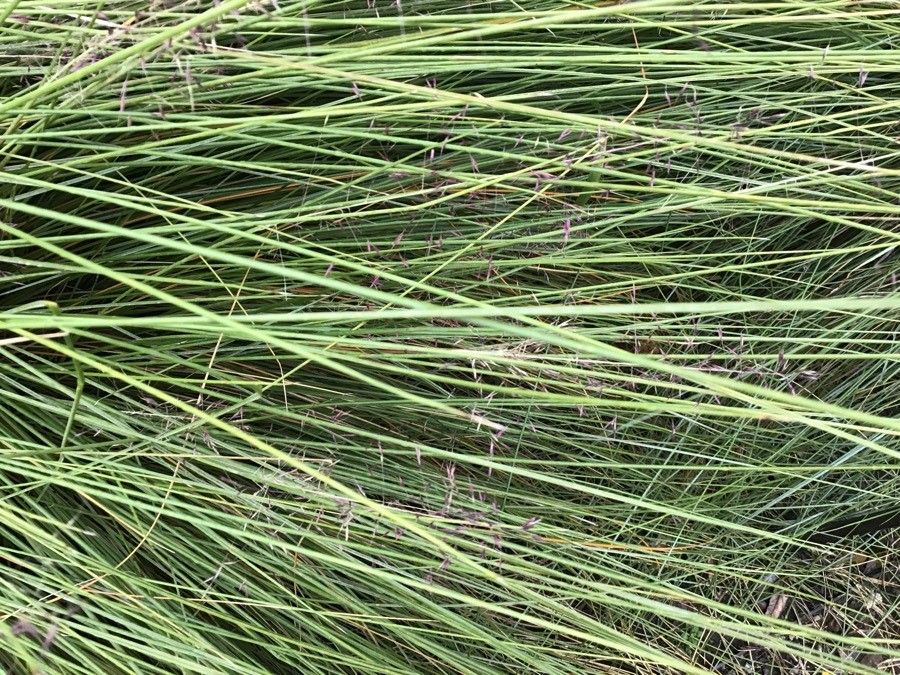
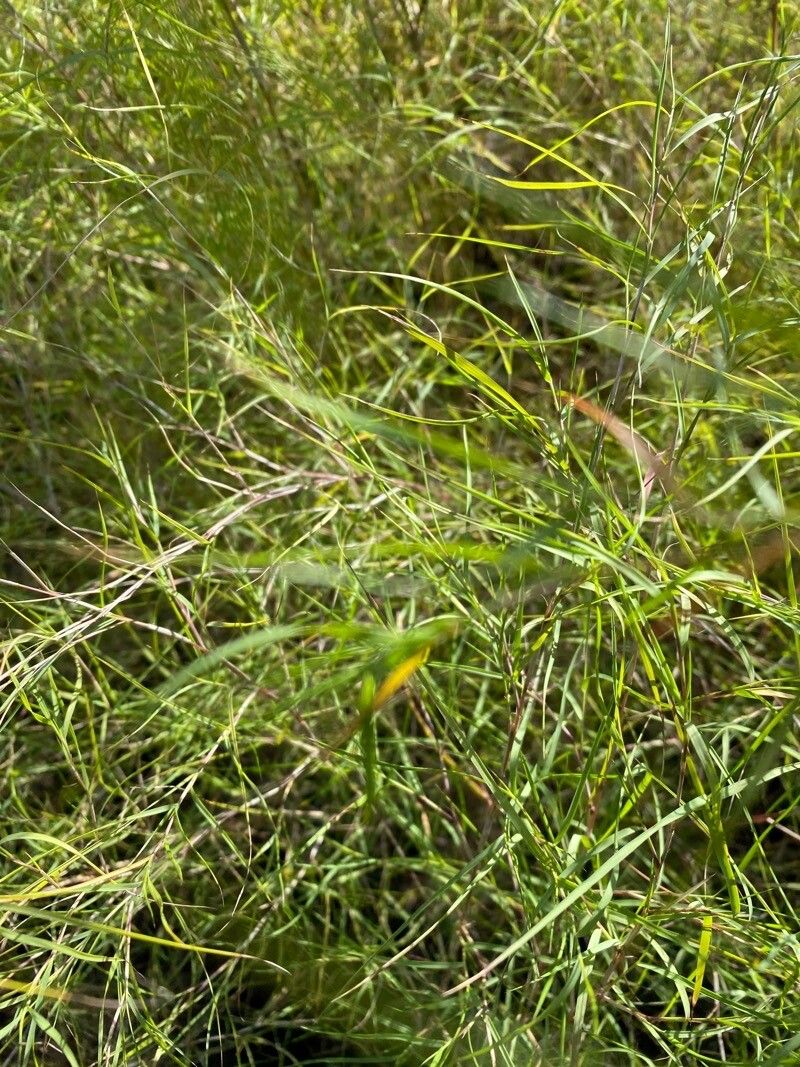
Muhlenbergia schreberi, commonly known as nimblewill, is a warm-season perennial grass native to North America. It typically grows in dense clumps and can reach heights of up to 3 feet. The leaves are narrow, flat, and bluish-green, transitioning to yellow in the fall. During late summer or early fall, the plant produces small flowers arranged in spikelets on long stems. Nimblewill thrives in moist soils and is often found along stream banks, wetlands, and other areas with high moisture content. Once established, it also demonstrates tolerance to drought conditions. This grass is valued for erosion control due to its ability to form dense root mats that stabilize soil on slopes or along waterways. Additionally, it provides food for wildlife such as deer and rabbits. Overall, Muhlenbergia schreberi is an attractive ornamental grass with ecological benefits, making it an excellent addition to gardens or natural areas where it can thrive undisturbed by human activity.
Nimblewill is disease-resistant and typically not susceptible to illnesses. When it comes to care, this plant is fairly low-maintenance. Planted outdoors it needs only minimal watering, and larger specimens usually do not require pruning. Smaller plants, however, should be pruned after they finish blooming. Nimblewillt is a good choice for anyone with an outdoor area, such as a garden or deck, and it does not demand extensive gardening experience.
How to keep Muhlenbergia Schreberi.
Light
Nimblewill grows best in full sun, though it can tolerate areas with fewer hours of daylight. Native to sunny habitats, its development can be hindered if light is either too limited or overly intense, which affects its overall health.
Water
Nimblewill thrives in moist, temperate regions and requires consistent hydration. While it can tolerate brief periods of dryness, it is important to water it weekly to maintain its ideal moisture levels. If conditions become too dry, its growth can be hindered, and its lush appearance may suffer.
Temperature
In its native growing environment, nimblewill requires a temperature range of 10 to 38 ℃ (50 to 100 ℉). It favors moderate temperatures and can tolerate moderate cold. During summer, temperatures should be kept below 38 ℃ (100 ℉) by planting in semi-shaded locations or keeping the soil watered.
Fertilizer
Nimblewill needs extra nutrients to encourage healthy new growth. In spring, applying compost around the plant’s base can effectively provide the nutrition it requires. Fertilizing supports vigorous growth and helps the plant resist diseases and pests.
Pruning
Nimblewill is a semi-evergreen grass that benefits from pruning between late winter and early spring. This process removes dead leaves and encourages new growth. To prune, use hedge trimmers or sharp scissors to cut the foliage down to about 1-2 inches above the ground.
Botanical profile.
- Plant Type
- Grass
- Life Cycle
- Perennial
- Genus
- Muhlenbergia
- Family
- Poaceae
- Hardiness Zone
- 6-11
- Mature Height
- 23 cm to 46 cm
- Mature Spread
- 30 cm to 61 cm
- Leaf Color
- Green, Blue
- Leaf Type
- Deciduous
- Flower Color
- Green
- Flower Size
- 7.62 cm to 15.24 cm
- Bloom Time
- Early summer, Mid summer
- Planting Time
- Spring
- Harvest Time
- Mid summer
- Native Area
- Brazil, Mexico
Other names.
Reader questions.
What are the sunlight requirements for Nimblewill?
Nimblewill (Muhlenbergia schreberi) thrives best when exposed to full sunlight, requiring above 6 hours of direct sunlight daily. It can also adapt to environments where sunlight is more limited, specifically in areas that receive about 3 to 6 hours of direct sunlight, classified as partial sun. Ensuring that your garden provides a balance of light and shade will help create the perfect conditions for Nimblewill, contributing to its growth and health.
What are the essential growth requirements for Nimblewill?
Nimblewill, with its botanical name Muhlenbergia schreberi, thrives in temperatures ranging from 10 to 38 °C (50 to 100 °F), favoring a moderate climate while also being capable of withstanding moderate cold. To manage summer heat, which should not exceed 38 °C (100 °F), it's advisable to locate the plant in semi-shaded areas or ensure the soil is moistened. Despite its strong cold resistance, in regions where winter temperatures might plunge below -25°C, protective measures like covering the plant with soil or straw are recommended. An important autumn care tip involves abundant watering before the first freeze to maintain soil moisture through winter and early spring, helping prevent drought stress.
What are the key essentials for growing Nimblewill effectively?
To grow Nimblewill effectively, it's essential to provide it with full exposure to sunlight as it originates from habitats abundant in sunlight. Artificial lighting can be a vital solution for indoor plants or in low-light conditions, with LED lights being a popular choice. Full sun plants may require 30-50W/sq ft of artificial light, partial sun plants 20-30W/sq ft, and full shade plants 10-20W/sq ft. The lights should be placed 12-36 inches above the plant and kept on for 8-12 hours per day to mimic natural daylight hours.
How does Nimblewill handle low temperatures?
Nimblewill manifests strong cold resilience, thriving effectively in conditions above 10°C. During winters, it's preferable to maintain temperatures above -15°C to avoid adverse effects. If temperatures descend below -25°C, Nimblewill may show no immediate damage, but you might observe a decline in sprouting or total absence thereof come spring. To mitigate this, removing unsprouted parts during the spring can help manage and potentially revitalize the plant.
What are common symptoms of insufficient light for Nimblewill?
Common symptoms of light deficiency in Nimblewill include smaller new leaves, leggy or sparse growth, faster leaf drop, slower or no new growth, lighter-colored new leaves, chlorosis, sunscald, leaf curling, wilting, and leaf scorching. These symptoms indicate the plant might not be receiving adequate sunlight, which is crucial for its development and health. Addressing these issues promptly by adjusting light exposure can help improve the plant's condition.
What care should be taken for Nimblewill in high temperatures?
In high temperature scenarios, particularly when the mercury rises above 38°C, protective measures are crucial for Nimblewill's survival. Signs of distress include lighter leaf coloration, leaf curling, susceptibility to sunburn, and in extreme cases, wilting and drying of the entire plant. Countermeasures include trimming sunburned and dried parts, relocating the plant to shaded areas, especially during peak sun hours, or employing shade cloths. Ensuring soil moisture with watering routines in the morning and evening can further alleviate heat stress.
How can I address light-related issues for Nimblewill?
To address light-related issues in Nimblewill, consider moving the plant gradually to a sunnier location to receive at least 6 hours of direct sunlight daily. For indoor or large plants that are not easily movable, using artificial light for at least 8 hours daily can be beneficial. Outdoors, ensure to avoid sudden changes in light intensity to prevent sunburn. Reducing obstructions like pruning branches from trees can also help increase sunlight exposure. For smaller plants, consider transplanting during their dormant period to a location with ample sunlight and good drainage. Although parts of the plant affected by insufficient sunlight may not recover, new growth will be healthy with proper light exposure.