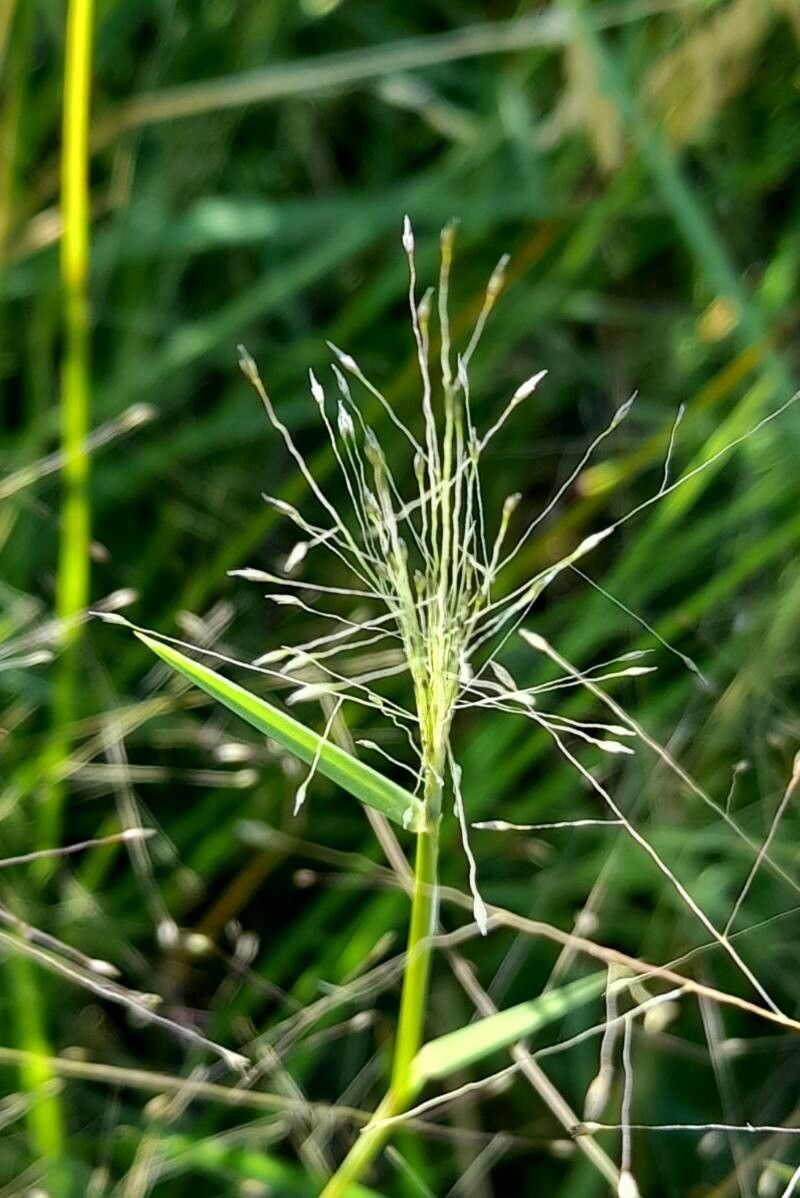
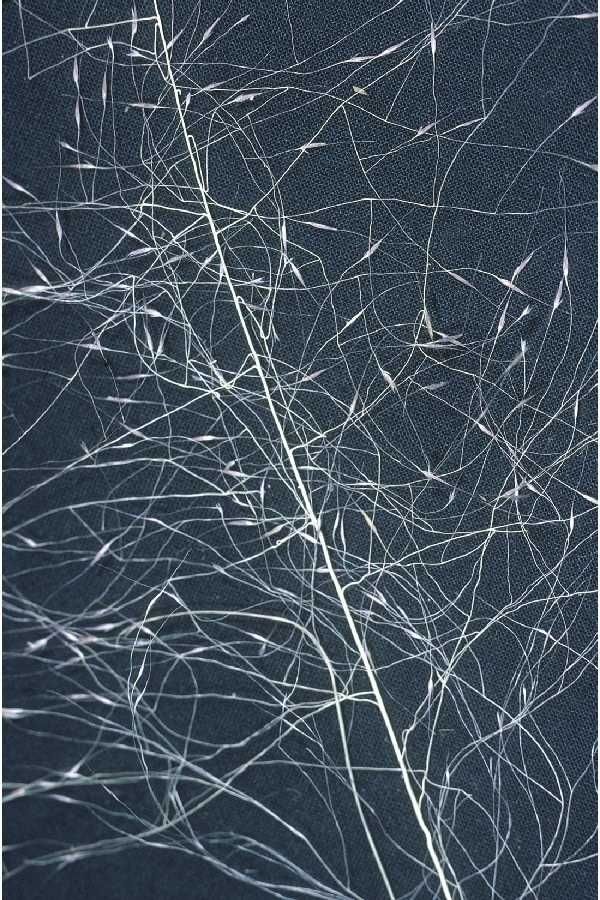
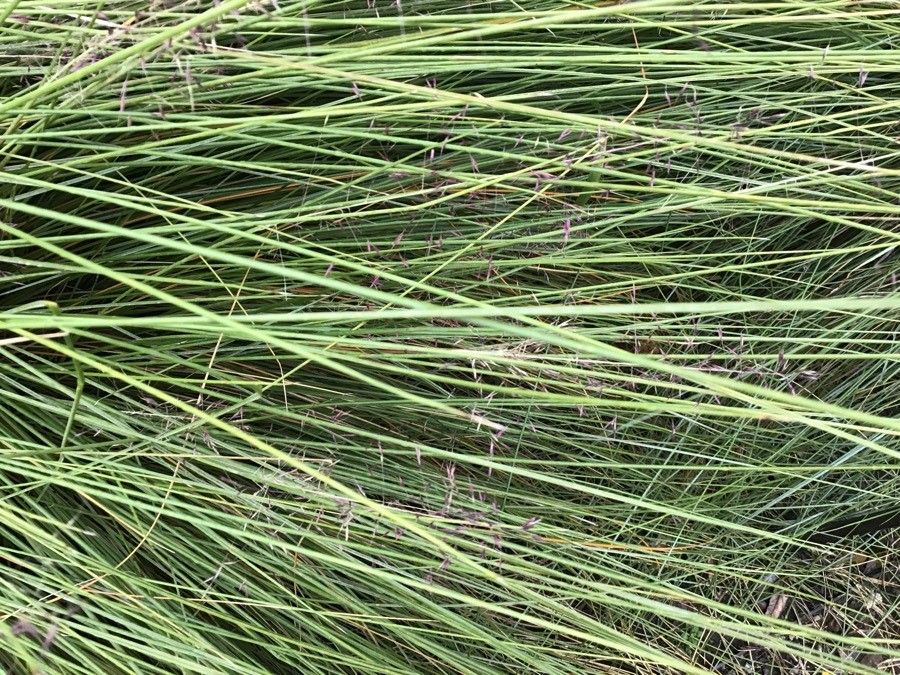
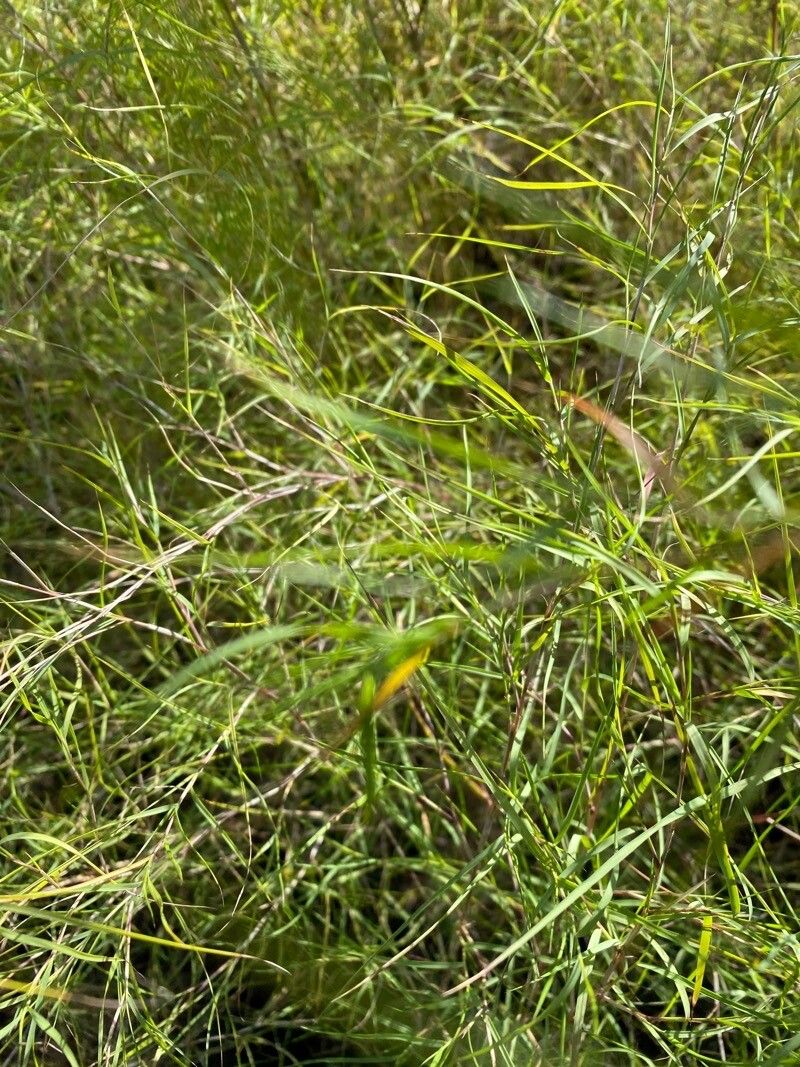
Muhlenbergia glomerata is a species of grass known as spiked muhly and marsh muhly. It is native to North America, where it occurs across Canada and the northern half of the United States.
Spiked muhly has strong disease resistance and is usually not susceptible to illnesses. In terms of care, this plant is fairly low maintenance. When planted outdoors it requires little watering, and larger plants generally do not need pruning. However, smaller plants should be trimmed after they have finished blooming. Spiked muhlyt is suitable for anyone with an outdoor space, such as a garden or deck, and does not require much care experience.
How to keep Muhlenbergia Glomerata.
Light
Spiked muhly is a sun-loving, perennial herbaceous plant native to open habitats, commonly growing in meadows and grasslands. It prefers full sun but can also tolerate partial sun.
Water
A young spiked muhly needs frequent watering while it is growing. After it is established, it becomes drought-tolerant and only needs water during very dry conditions. Water it when the topsoil feels dry, as it does not do well in soggy or waterlogged soil.
Temperature
Spiked muhly can tolerate a wide range of temperatures, but its distribution may still be restricted by different combinations of moisture and heat. It grows best in warm summer climates with sufficient rainfall or watering. Extended periods of cloudy, rainy weather, as well as prolonged high temperatures, can raise the likelihood of Spiked muhly dying. In winter, appropriate protection from cold can increase the plant's chances of survival.
Fertilizer
Spiked muhly benefits from extra nutrients to encourage healthy new growth. In spring, adding some compost around the plant’s base can effectively supply the necessary nutrition it needs. Fertilizing helps support vigorous growth and improves the plant’s ability to resist diseases and pests.
Pruning
Spiked muhly is characterized by its tall, spiky clumps and purplish flower spikes. To promote healthy growth and better blooming, prune the plant in early spring by cutting the old growth down to 1-2 inches above the soil. This practice helps to prevent overcrowding and disease, while also maintaining the plant's appearance. For optimal care, be sure to use clean, sharp tools when pruning.
Botanical profile.
- Plant Type
- Grass
- Life Cycle
- Perennial
- Genus
- Muhlenbergia
- Family
- Poaceae
- Hardiness Zone
- 3-9
- Mature Height
- 30 cm to 91 cm
- Mature Spread
- 30 cm to 61 cm
- Leaf Color
- Green, Dark Green
- Leaf Type
- Deciduous
- Flower Size
- 0.20 cm to 0.25 cm
- Bloom Time
- Late summer, Early fall, Mid fall
- Planting Time
- Spring
- Harvest Time
- Fall
Other names.
Reader questions.
What are the sunlight requirements for Spiked Muhly?
Spiked Muhly, also known by its botanical name Muhlenbergia glomerata, thrives in specific sunlight conditions to ensure its growth and health. For the 'Full sun' requirement, Spiked Muhly necessitates more than 6 hours of sunlight daily to flourish. If you're aiming for a 'Partial sun' environment, it should receive about 3-6 hours of sunlight. It's important to observe the way sunlight moves through your garden, selecting locations that offer an ideal mix of light and shade to meet the plant's needs and ensure its well-being.
What is the common name of Muhlenbergia glomerata?
The common name for Muhlenbergia glomerata is Spiked muhly.
What are the essential details about Spiked muhly?
There are no specific essential details provided about Spiked muhly in the given data.
What are the symptoms of Spiked muhly problems?
No symptoms related to Spiked muhly problems were provided in the information.