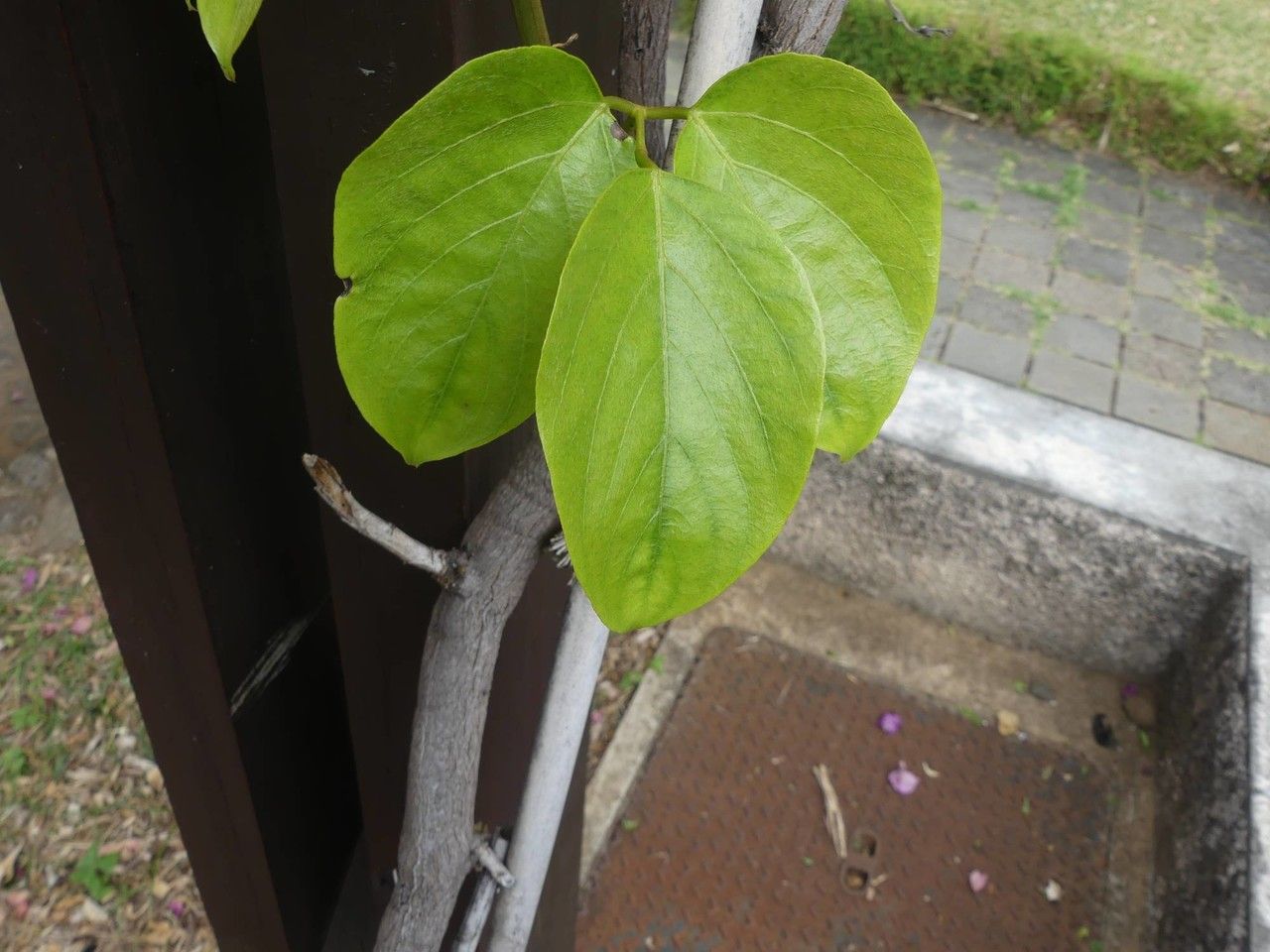
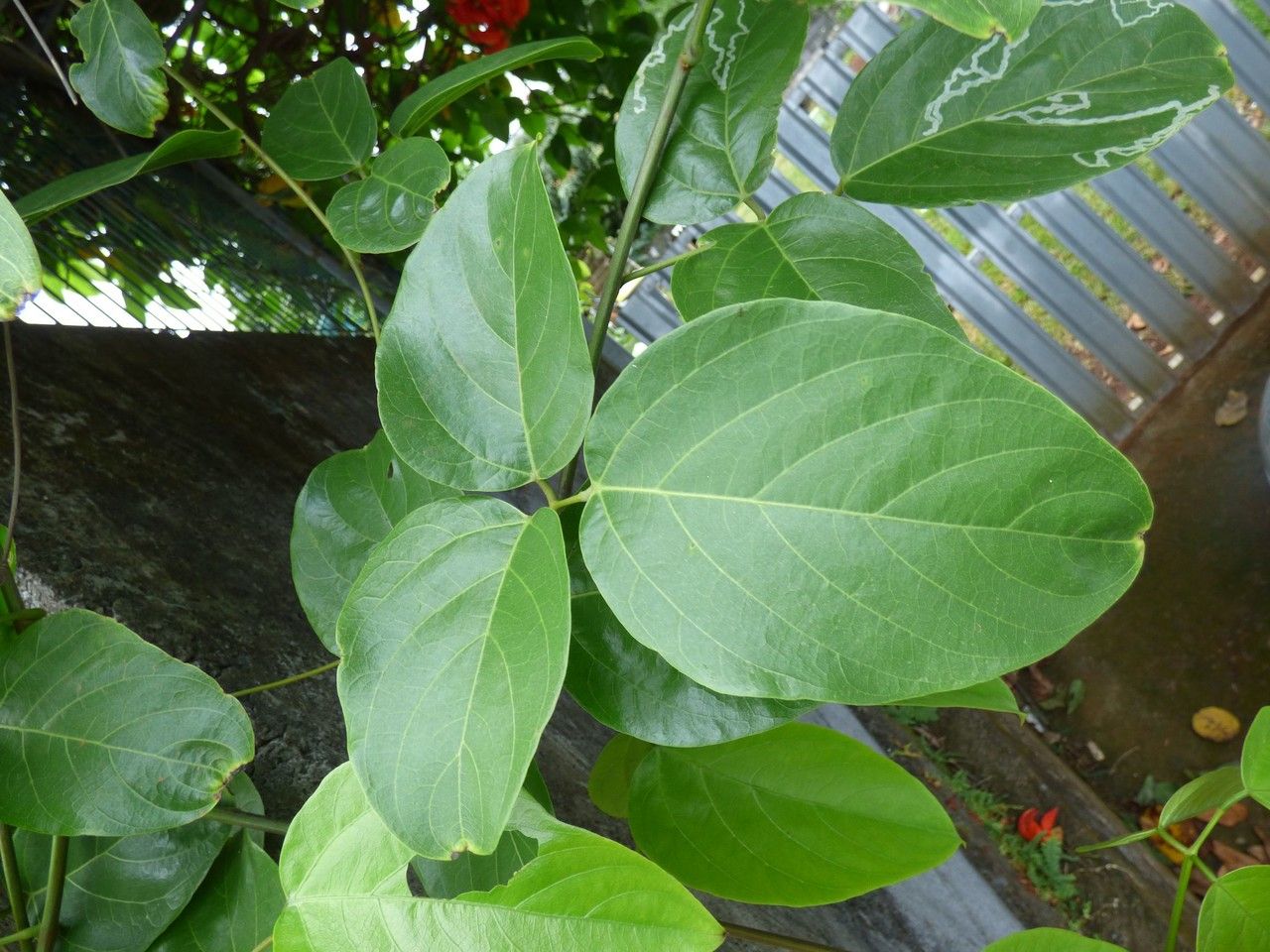
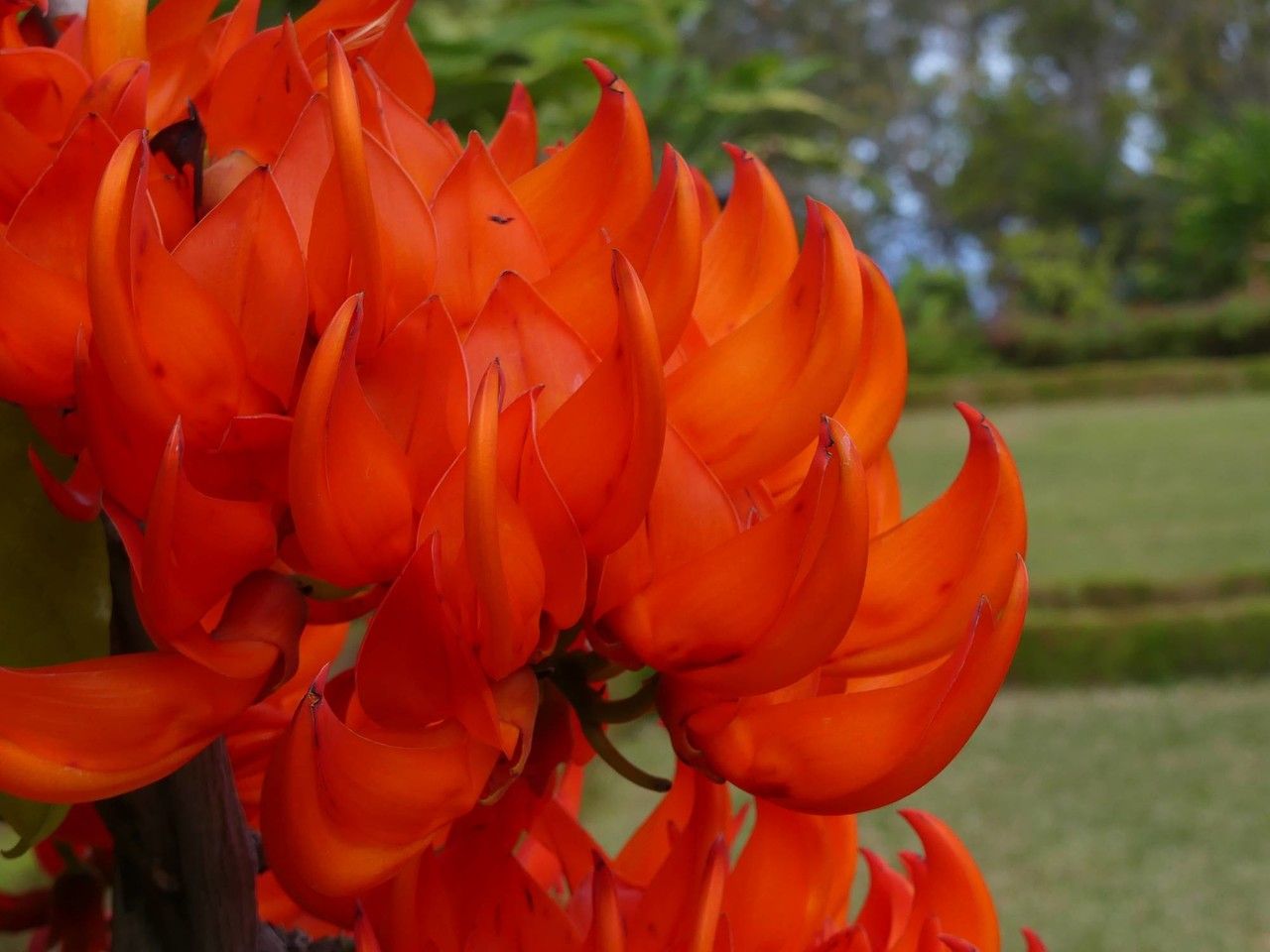
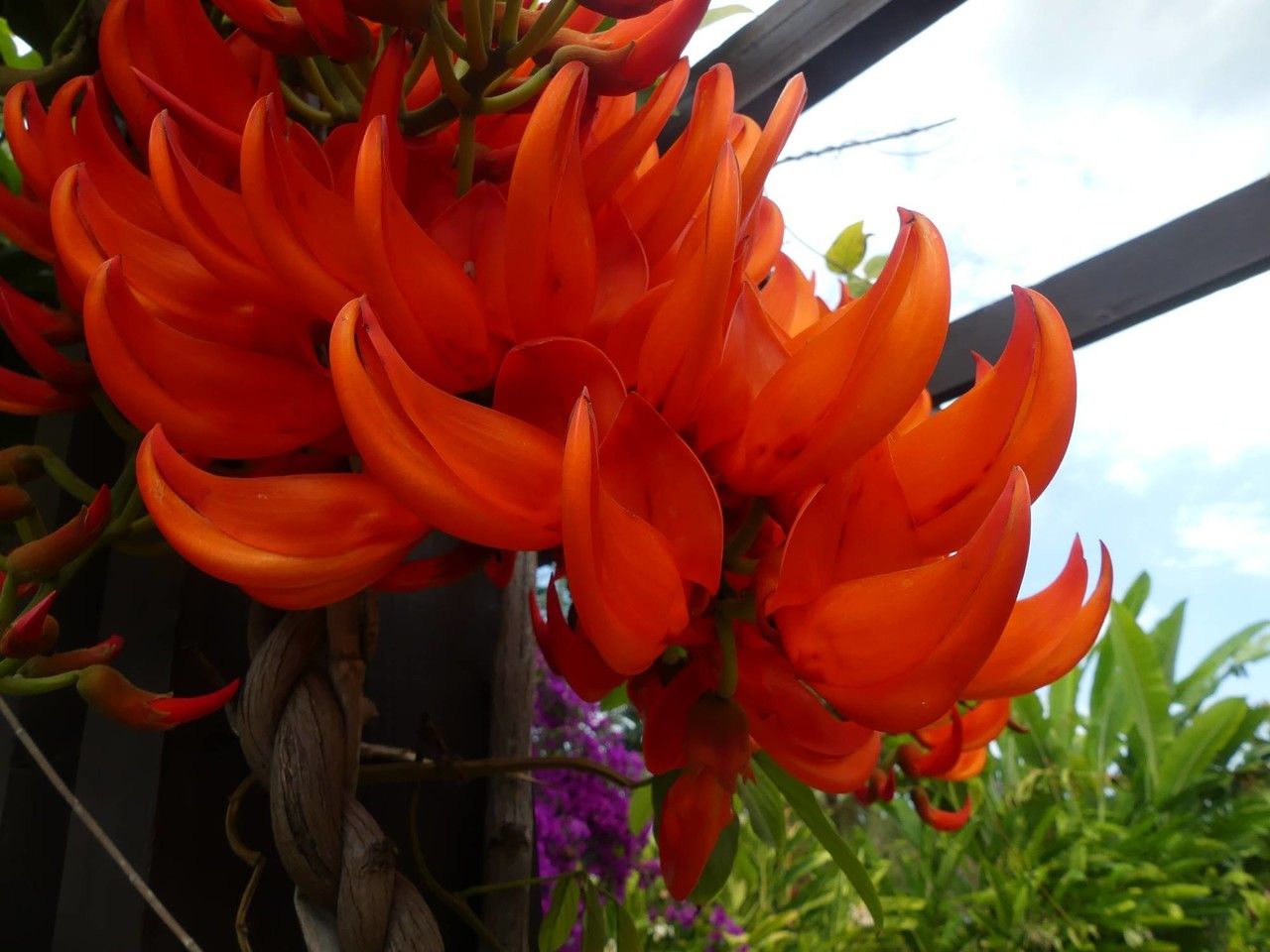
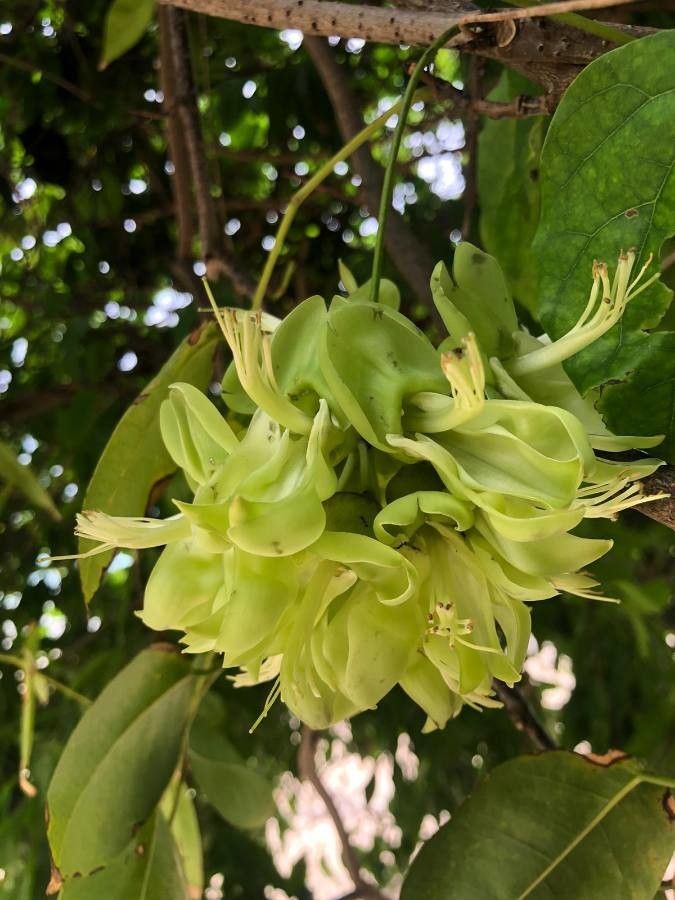
Mucuna warburgii has good disease resistance and is generally not prone to illnesses. Still, it can be vulnerable to pests and diseases present in its environment. Such infections are typically not severe. Regarding care, this plant needs moderate maintenance. Regular pruning is necessary to preserve an attractive appearance and support healthy growth. Fertilizing can also encourage flowering. Mucuna warburgii is suitable for anyone with outdoor space, such as a garden or patio, and does not require extensive plant-care experience. It may need more attention when grown indoors.
How to keep Mucuna Warburgii.
Light
Mucuna warburgii is a sun-loving perennial herbaceous plant native to open habitats, often flourishing in meadows and grasslands. It prefers full sun but can also tolerate partial sunlight.
Temperature
Mucuna warburgii comes from tropical areas where the climate is generally warm and humid. Consequently, it is well suited to high temperatures and moisture. It does not tolerate abrupt temperature changes and prefers a consistent temperature, so avoiding indoor temperature swings is important. It typically cannot withstand cold and needs warmer conditions to grow. If the temperature drops too low, the plant may stop growing or even die.
Fertilizer
Correct fertilization is essential for Mucuna warburgii's health and appearance. Apply fertilizer in summer, repeating the application monthly throughout the season. Nutrients drive growth and help maintain the plant's structures. Fertilizing improves Mucuna warburgii's floral display, ensuring the best blooms.
Botanical profile.
- Plant Type
- Vine, Herb
- Life Cycle
- Perennial
- Genus
- Mucuna
- Family
- Fabaceae
- Hardiness Zone
- 10-12
- Mature Height
- 3.05 m to 10.06 m
- Mature Spread
- 2.13 m to 4.88 m
- Leaf Color
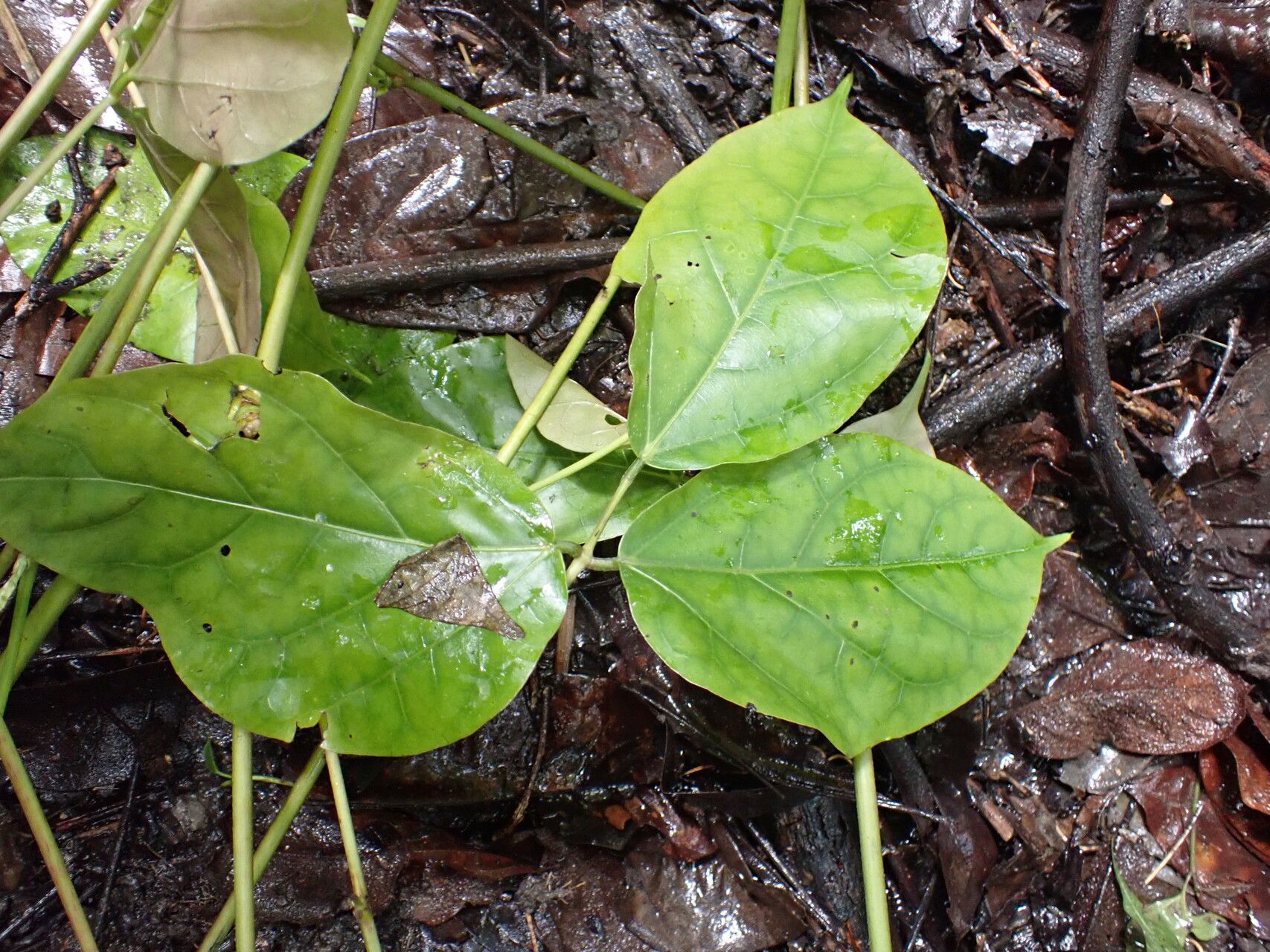
- Dark Green
- Leaf Type
- Deciduous
- Flower Color
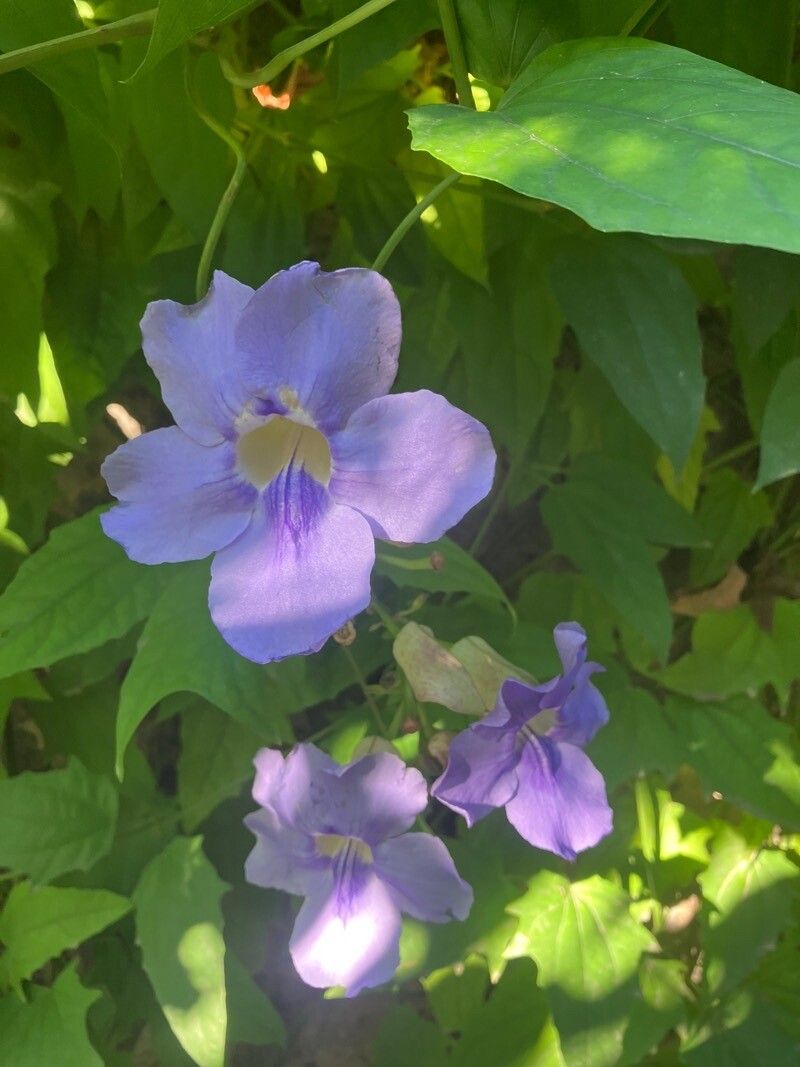
- Purple
- Flower Size
- 3.05 cm to 5.08 cm
- Bloom Time
- Late spring, Summer
- Planting Time
- Spring, Summer
- Harvest Time
- Late summer, Fall
- Native Area
- Indonesia
Other names.