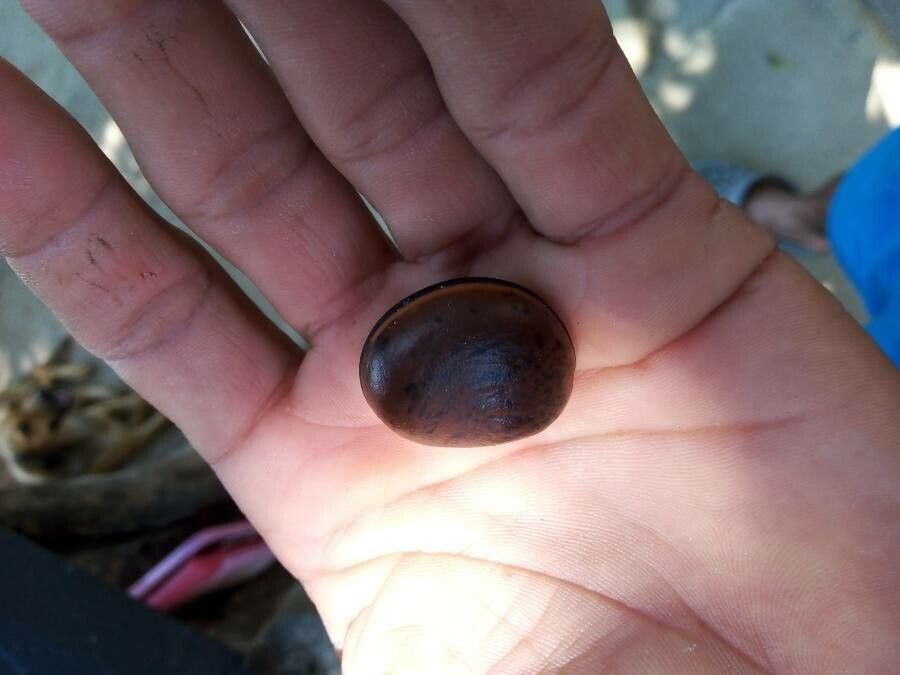
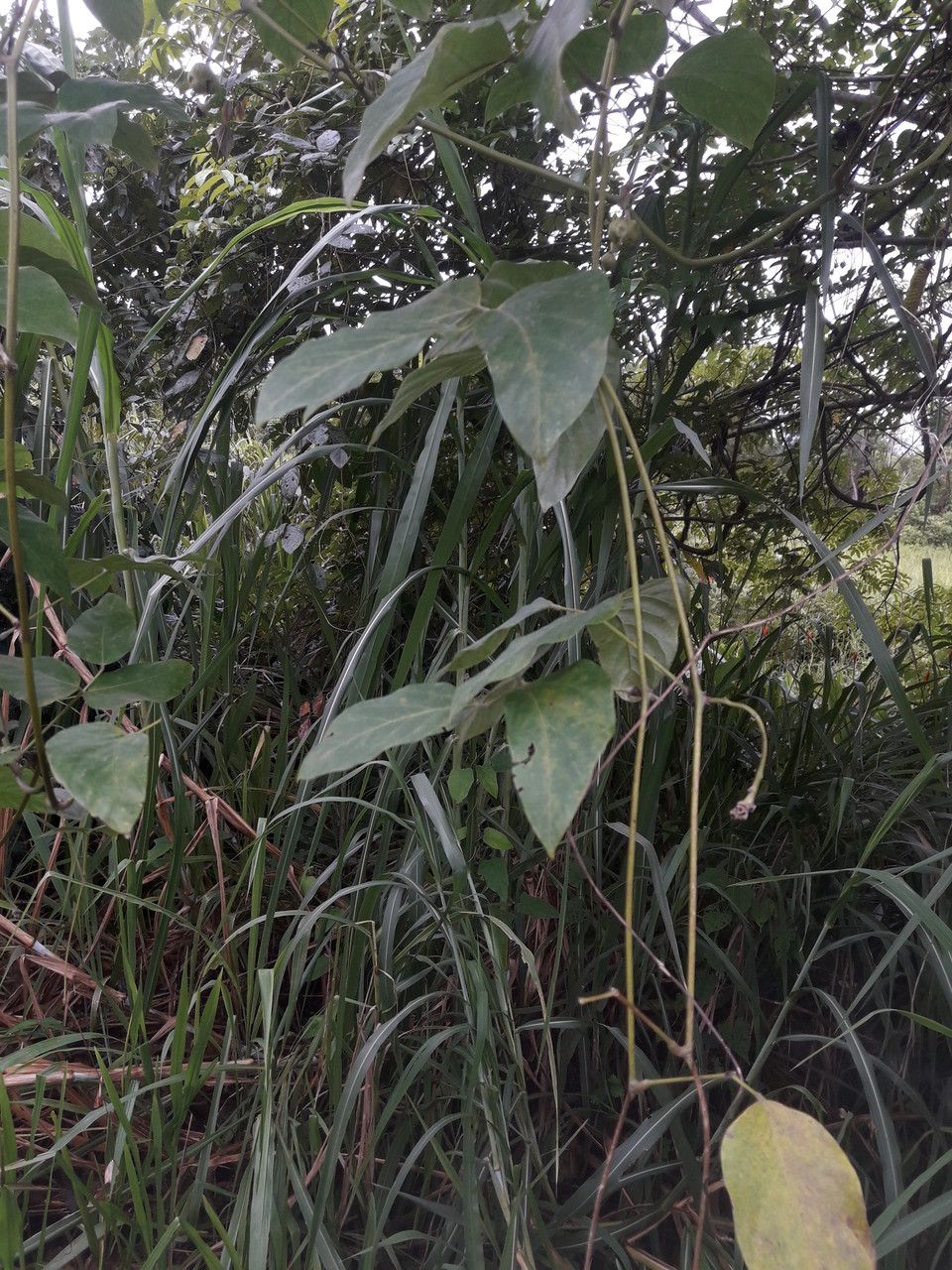
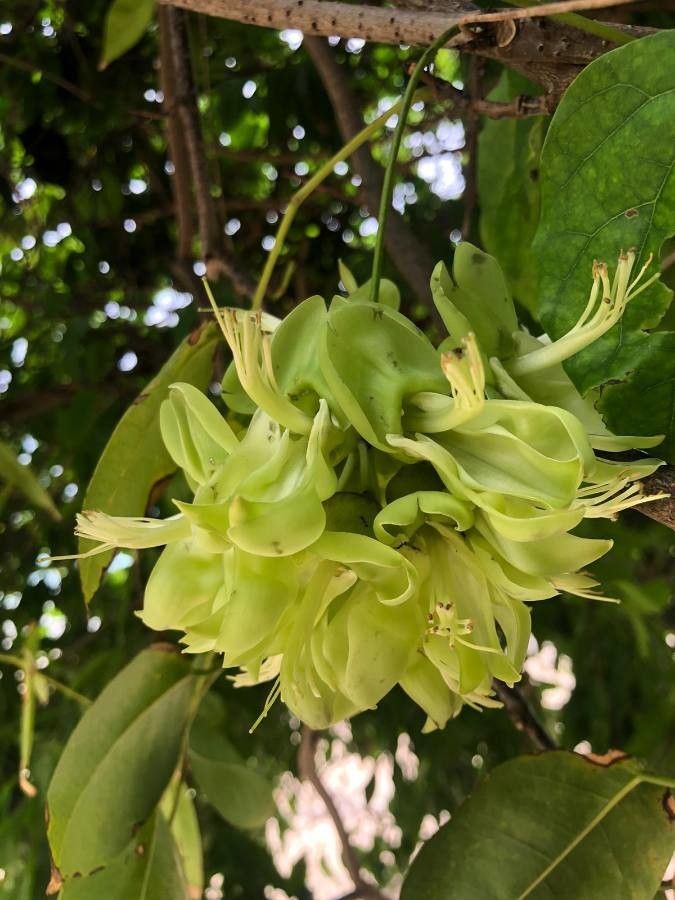
Mucuna sloanei, commonly known as Sloane's velvet bean, is a tropical legume from the Fabaceae family. Native to West Africa, it can be found in countries like Nigeria, Ghana, and Sierra Leone. The plant can grow up to 15 meters in length, featuring a woody stem and twining branches.
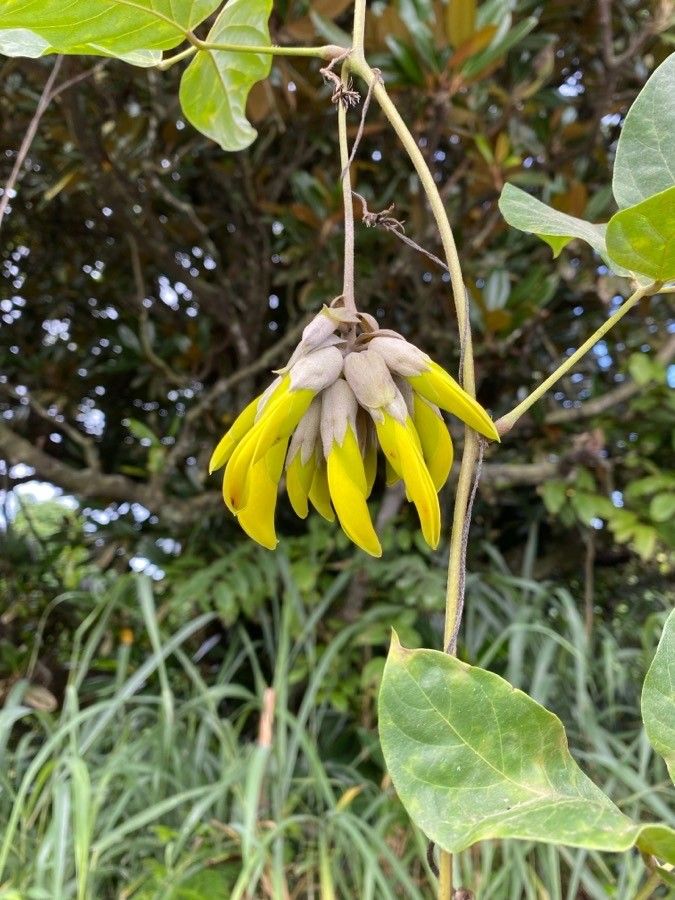
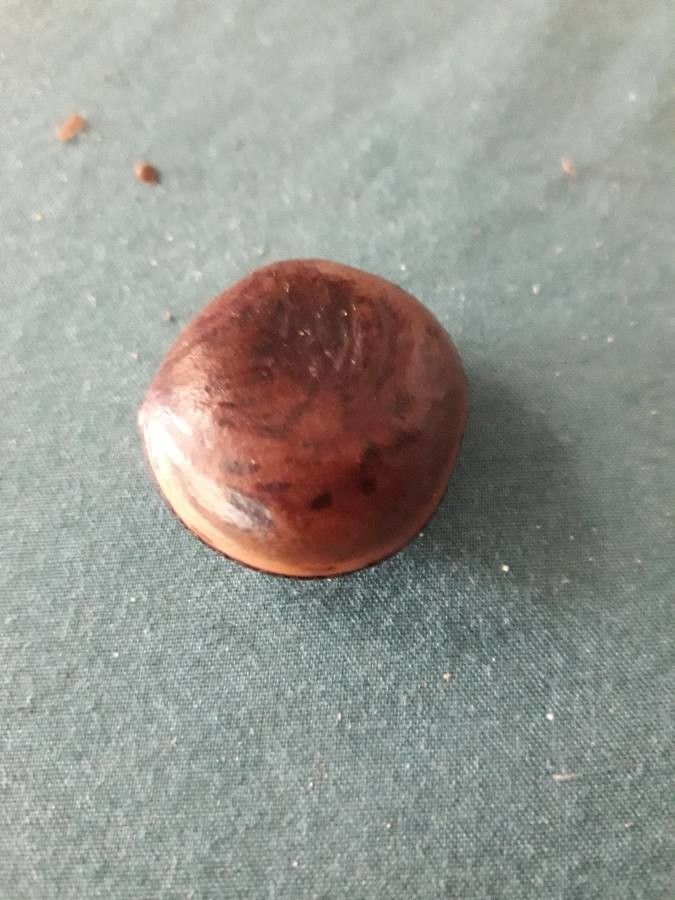
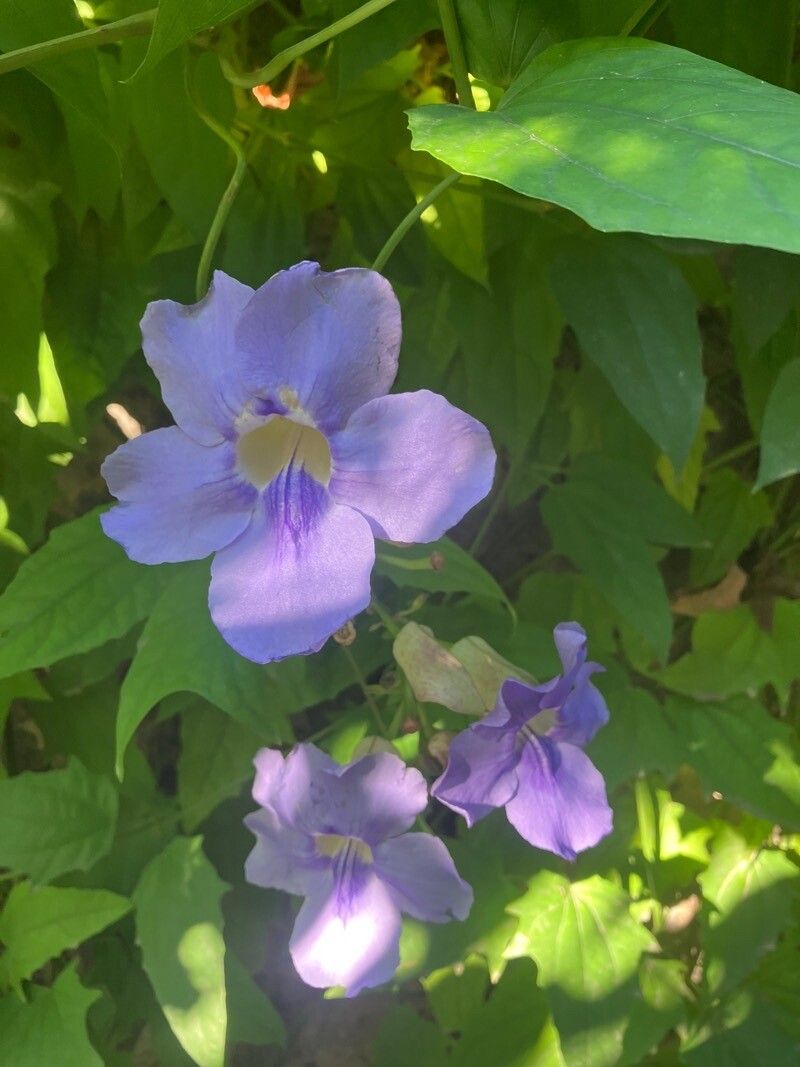
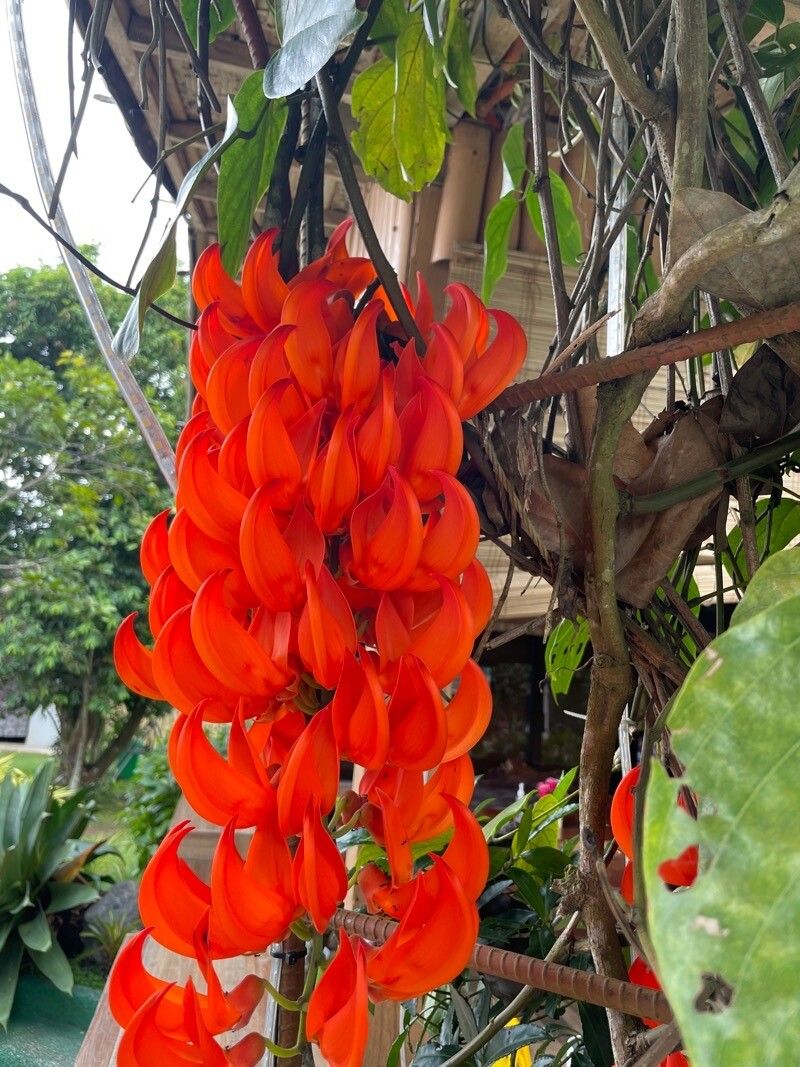
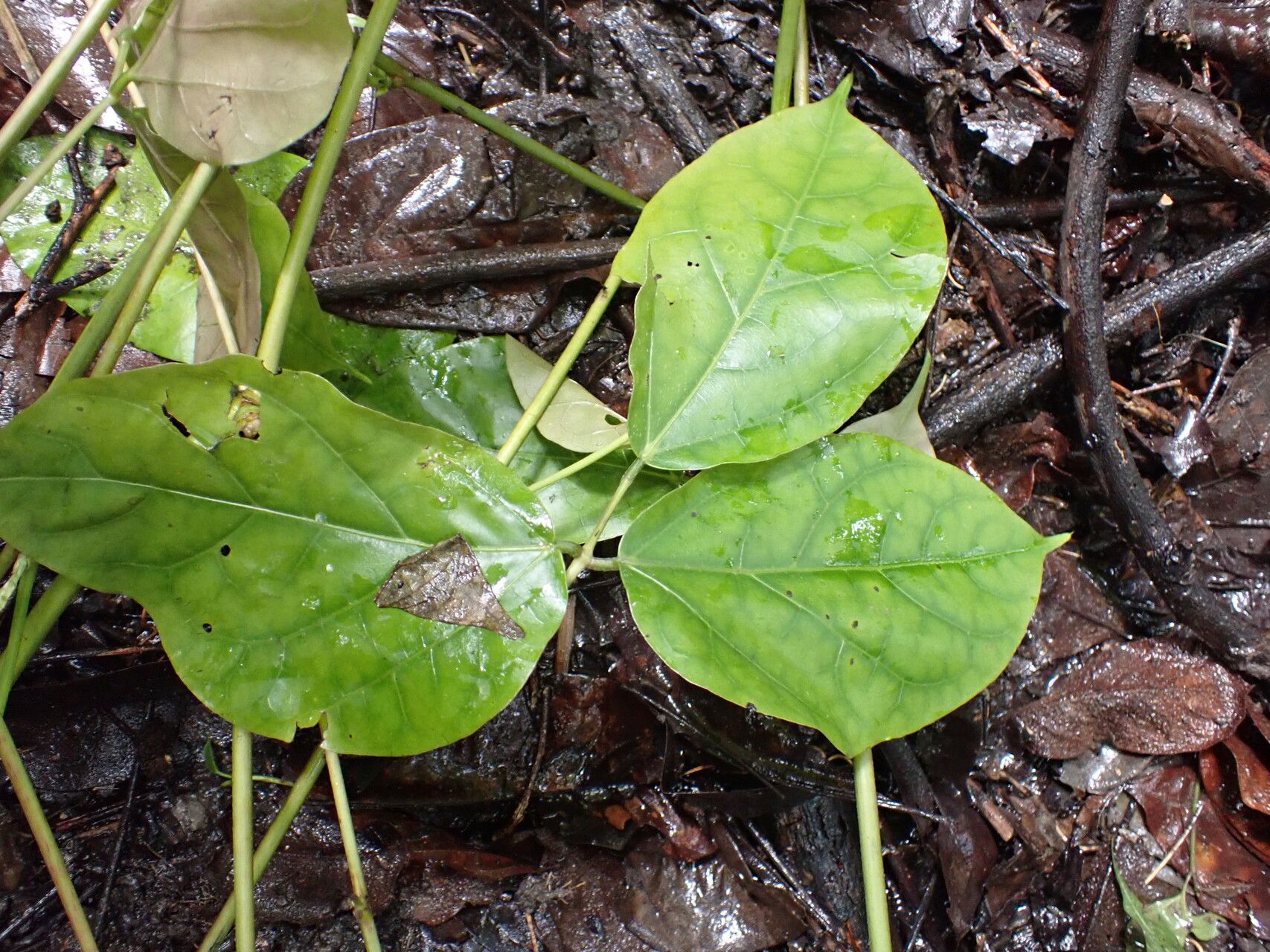
The leaves of Mucuna sloanei are trifoliate, with ovate leaflets measuring approximately 10-15 cm in length. Its flowers are either purple or pinkish-white and form on long spikes that can reach up to 30 cm. The plant produces pods containing several seeds, which are covered with soft, velvet-like hairs.
Mucuna sloanei serves various purposes, including as a food source, medicinal plant, and agricultural aid. In West Africa, its seeds are consumed either boiled or roasted. Medicinally, Mucuna sloanei is used to treat conditions such as snake bites and skin infections.
In agriculture, Mucuna sloanei is valuable in intercropping systems as a cover crop. It has the ability to fix nitrogen from the air into the soil, thereby improving soil fertility and reducing erosion on farmlands.
Overall, Mucuna sloanei is a significant tropical legume due to its diverse uses, making it an essential component of many communities across West Africa where it grows natively.
Horse-eye bean is fairly disease-resistant and is generally not prone to illnesses. In terms of care, this plant is relatively low-maintenance. When planted outdoors it requires minimal watering, and larger plants generally do not need pruning. However, smaller plants should be pruned after they have bloomed. Horse-eye beant is suitable for anyone with an outdoor space, such as a garden or deck, and does not require a lot of care experience.
How to keep Mucuna Sloanei.
Light
Horse-eye bean naturally occurs in habitats like forest understories and rocky areas, where it is subject to natural shade. It favors partial sun but can tolerate full sun or full shade, showing that it is adaptable and hardy.
Temperature
Horse-eye bean comes from tropical areas, where the climate is generally warm and humid. Therefore, it is well suited to high temperatures and humidity. It does not tolerate sudden temperature changes and prefers a steady thermal environment, so avoiding temperature fluctuations indoors is important. It typically cannot withstand cold and requires warmer temperatures for growth. If the environmental temperature falls too low, the plant may stop growing or even die.
Fertilizer
Fertilizing is essential for caring for the Horse-eye bean. Providing regular feedings during the growing season preserves the energy required for its showy leaves and supports overall growth. If fertilization is neglected, leaves can become unhealthy, its ornamental appeal may decline, and growth can become stunted or weak and prone to breaking.
Botanical profile.
- Plant Type
- Vine
- Life Cycle
- Perennial
- Genus
- Mucuna
- Family
- Fabaceae
- Hardiness Zone
- 10-12
- Mature Height
- 10.06 m to 14.94 m
- Mature Spread
- 4.88 m to 7.92 m
- Leaf Color
- Dark Green
- Leaf Type
- Deciduous
- Flower Size
- 3.05 cm to 5.08 cm
- Bloom Time
- Summer
- Planting Time
- Spring, Summer, Autumn
- Harvest Time
- Late summer, Early fall, Mid fall
- Native Area
- Belize, Angola, Honduras, Mexico, Peru, Nigeria, Guinea-Bissau, Panama, Jamaica, Benin, Colombia, Cuba, Sierra Leone, Equatorial Guinea, Cameroon, Liberia, Bolivia, Venezuela, Brazil, Togo, Ghana, Guyana, Nicaragua, Côte d'Ivoire, Costa Rica, Congo (DRC), Central African Republic
Other names.