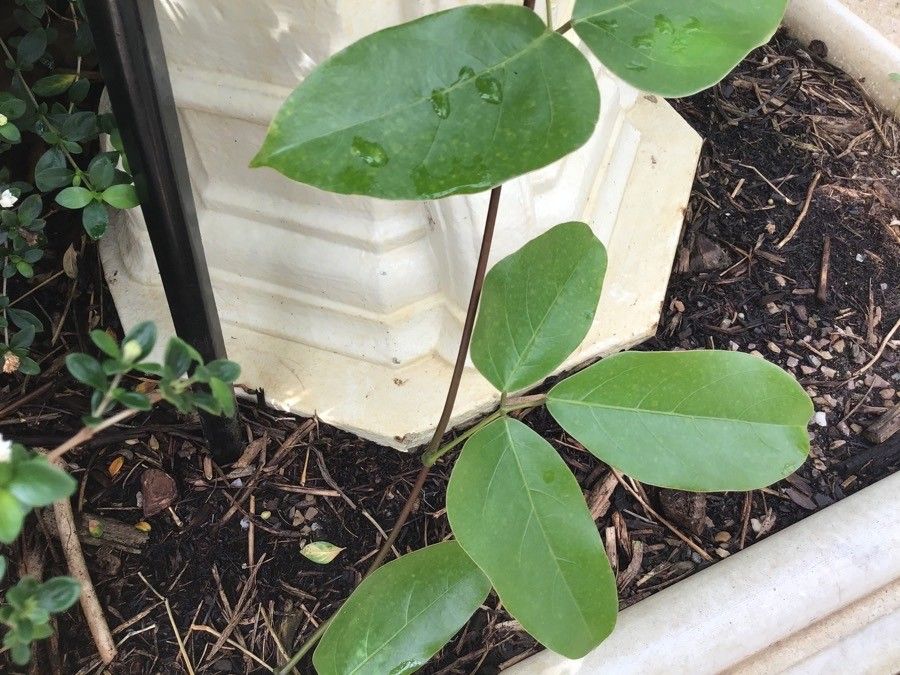
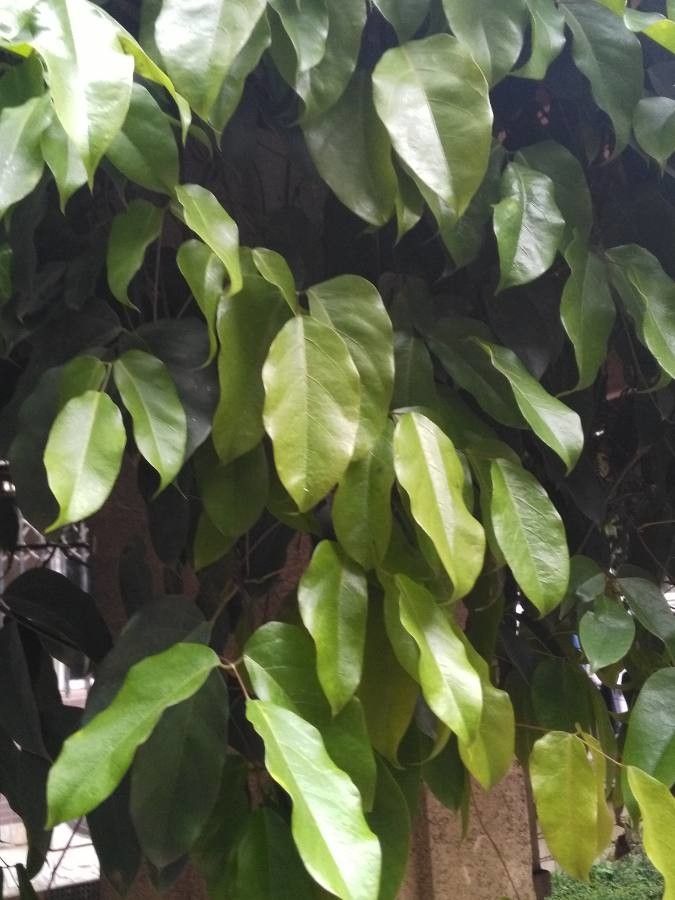
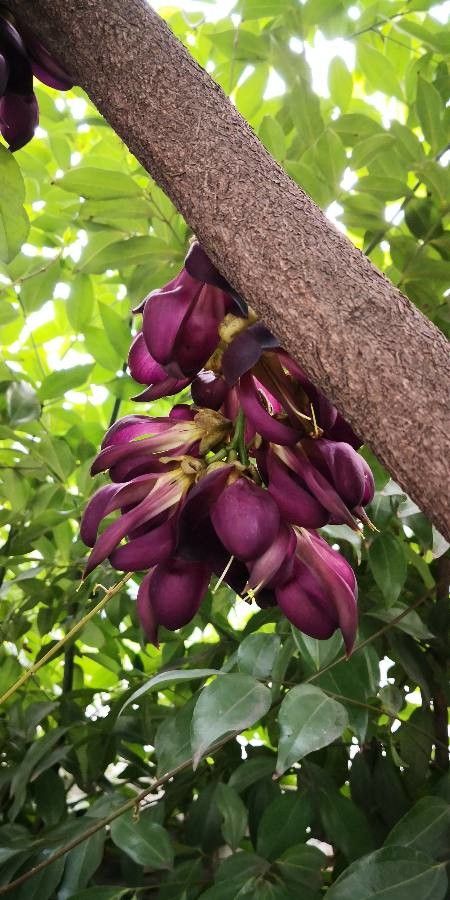
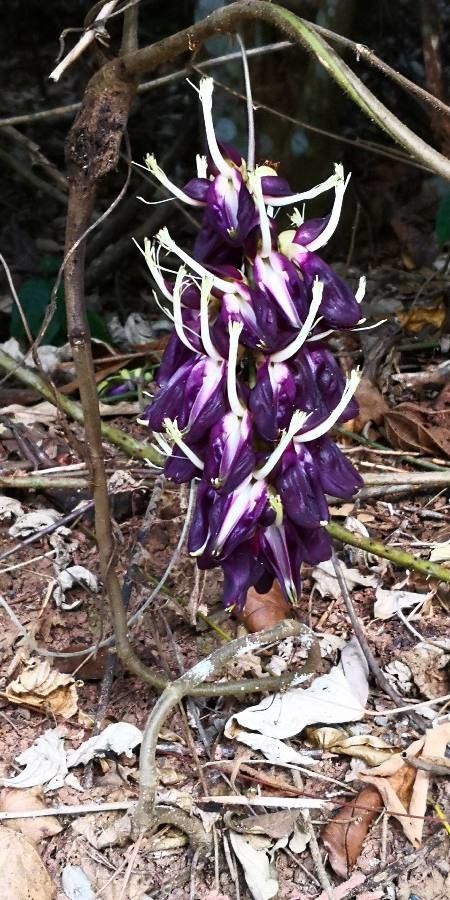
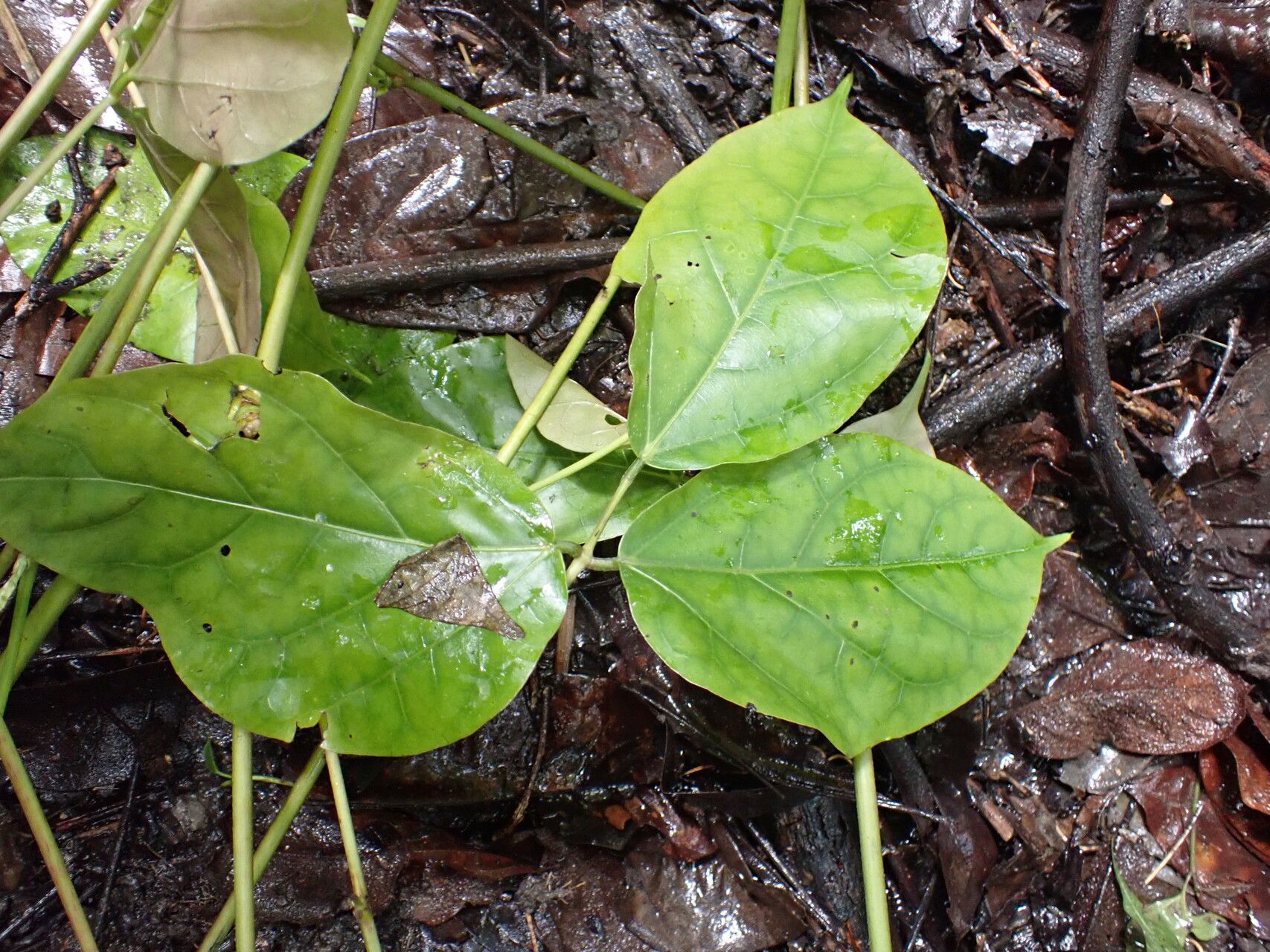
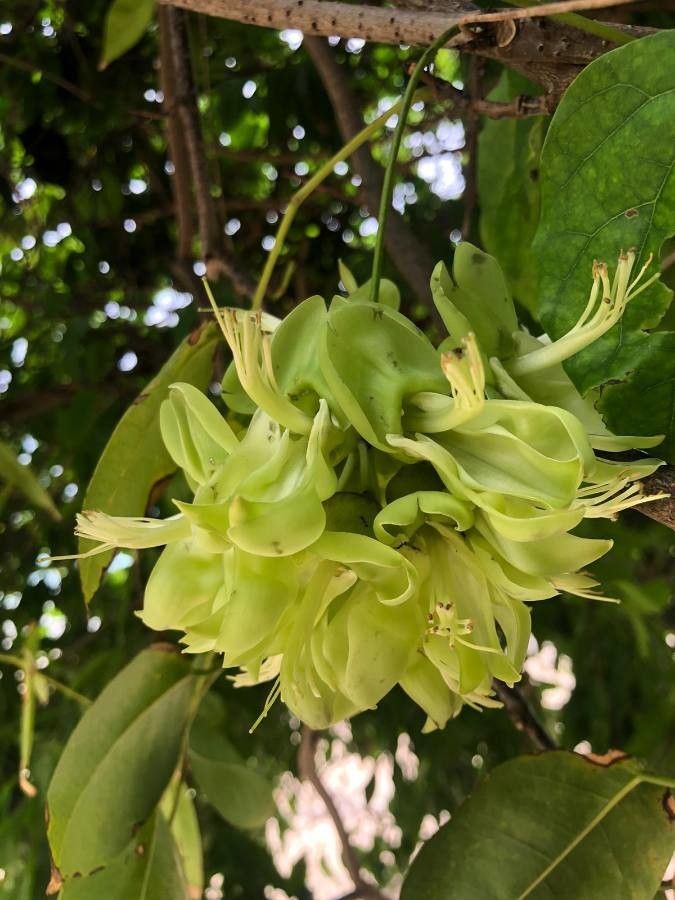
Mucuna sempervirens resists disease well and is generally not susceptible to illnesses. Regarding care, this plant is fairly low-maintenance. When planted outdoors it needs only minimal watering, and larger plants typically do not require pruning. However, smaller plants should be pruned after they have finished blooming. Mucuna sempervirenst is appropriate for anyone with an outdoor area, such as a garden or deck, and does not demand much experience in plant care.
How to keep Mucuna Sempervirens.
Light
Mucuna sempervirens is native to habitats such as forest understories or rocky areas, where it occurs in natural shade. It prefers partial sun but can tolerate full sun or full shade, illustrating its versatile and hardy nature.
Water
Mucuna sempervirens flourishes in tropical climates where it benefits from high humidity and consistent moisture. To keep the plant well-hydrated, it's best to water it twice a week. Once established, this evergreen plant can handle short periods of drought but still needs stable moisture levels throughout the year, particularly when grown indoors.
Temperature
Mucuna sempervirens shows strong adaptability to a wide range of climatic conditions, from sweltering summers to cold winters. However, it does have an optimal temperature range for growth. If temperatures become excessively high, the plant can suffer heat and humidity stress, which may lead to its death. In areas where temperatures approach the lower limit of its cold tolerance, it is important to provide insulation to protect the plant.
Fertilizer
Timing is important for fertilizing Mucuna sempervirens. Start fertilizing in early spring and continue once a month until early summer. Fertilizer encourages attractive blooms and supplies energy during both dormant and active growth periods.
Pruning
Mucuna sempervirens is a robust climbing plant known for its attractive foliage. To keep it manageable and healthy, it's best to prune in early spring. This encourages new growth and improves air circulation. During pruning, remove any dead or diseased stems and trim back any overgrown areas. Regular pruning not only helps maintain the plant's health but also enhances its flowering and ensures it remains an appealing feature in your garden.
Botanical profile.
- Plant Type
- Vine
- Life Cycle
- Perennial
- Genus
- Mucuna
- Family
- Fabaceae
- Hardiness Zone
- 9-11
- Mature Height
- 10.06 m to 20.12 m
- Mature Spread
- 4.88 m to 10.06 m
- Leaf Color
- Dark Green, Forest Green
- Leaf Type
- Evergreen
- Flower Color
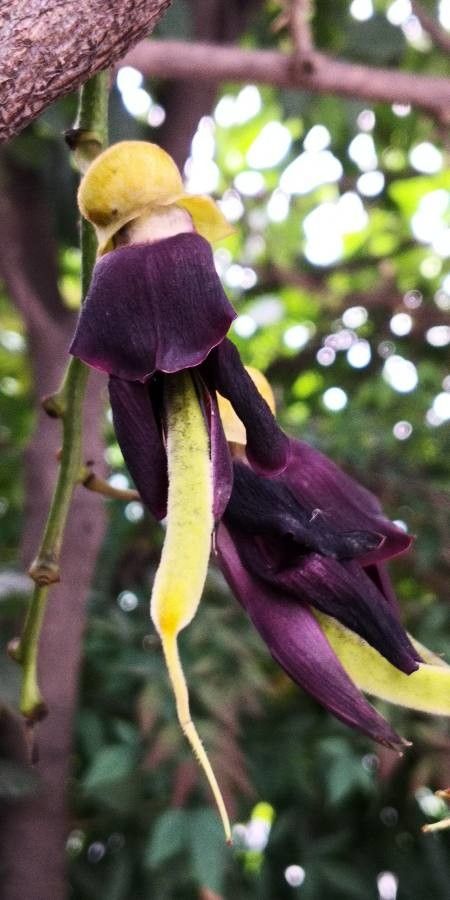
- Purple, Lavender
- Flower Size
- 5.08 cm to 6.35 cm
- Bloom Time
- Late spring, Early summer, Mid summer
- Planting Time
- Spring, Summer, Autumn
- Harvest Time
- Mid summer, Late summer, Early fall
- Native Area
- Myanmar, Bhutan, Japan, China