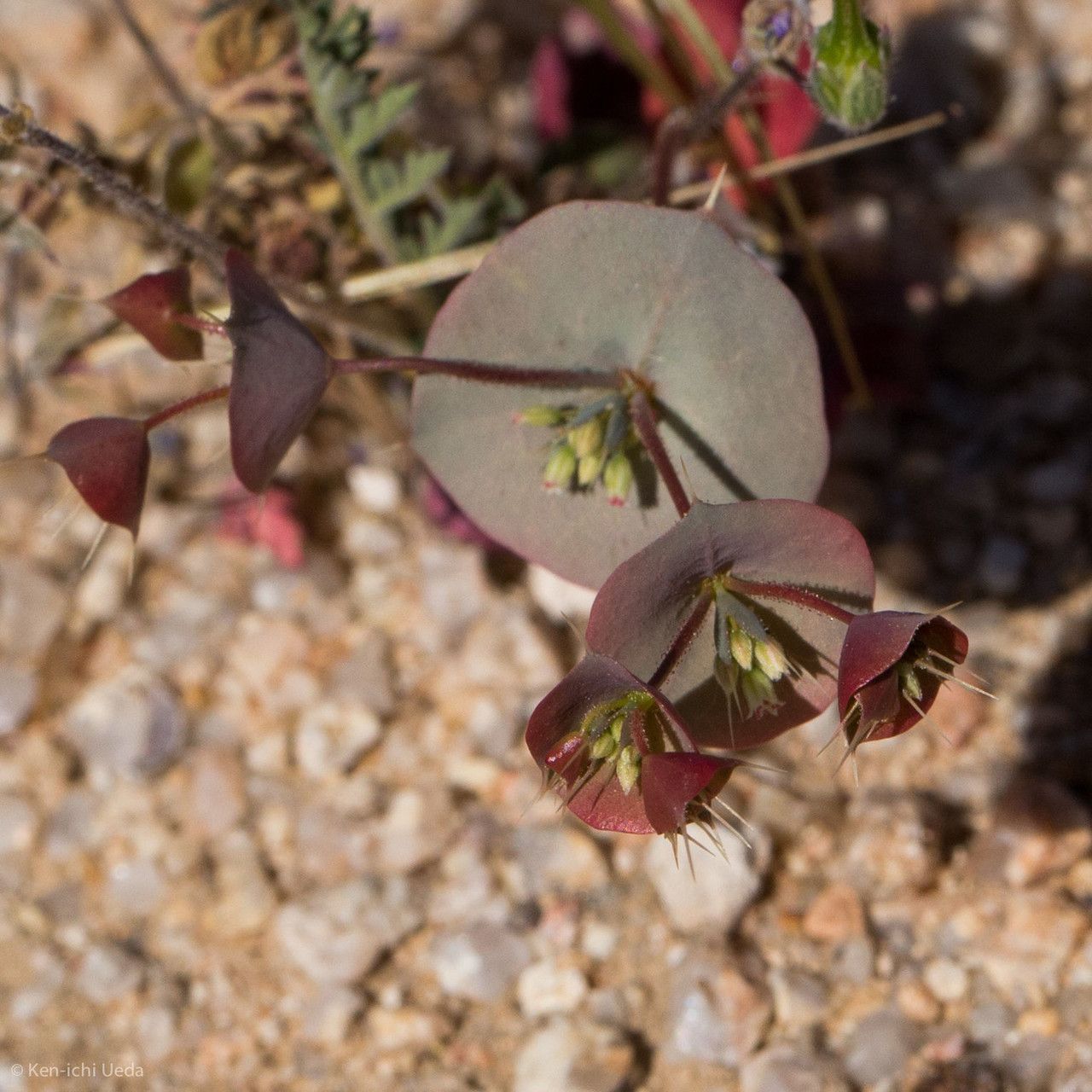
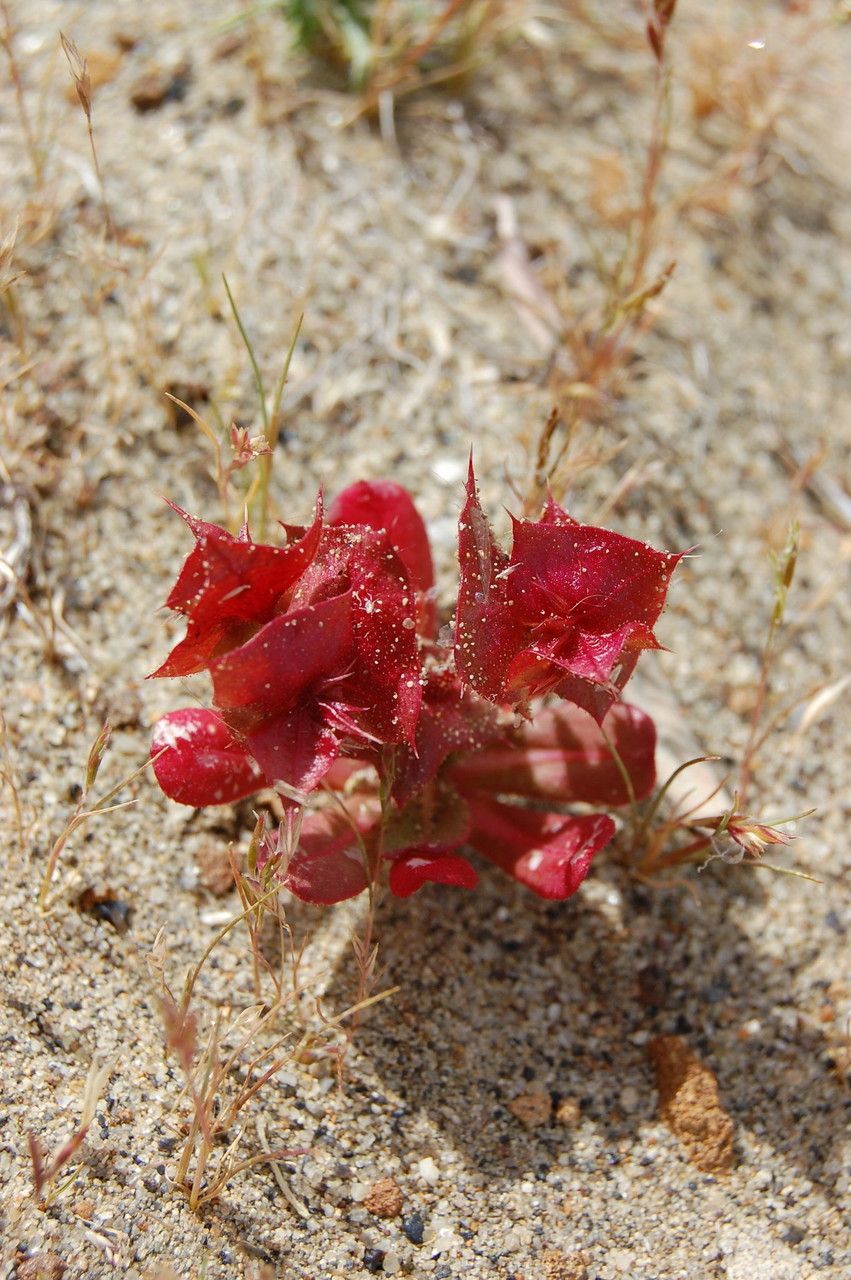
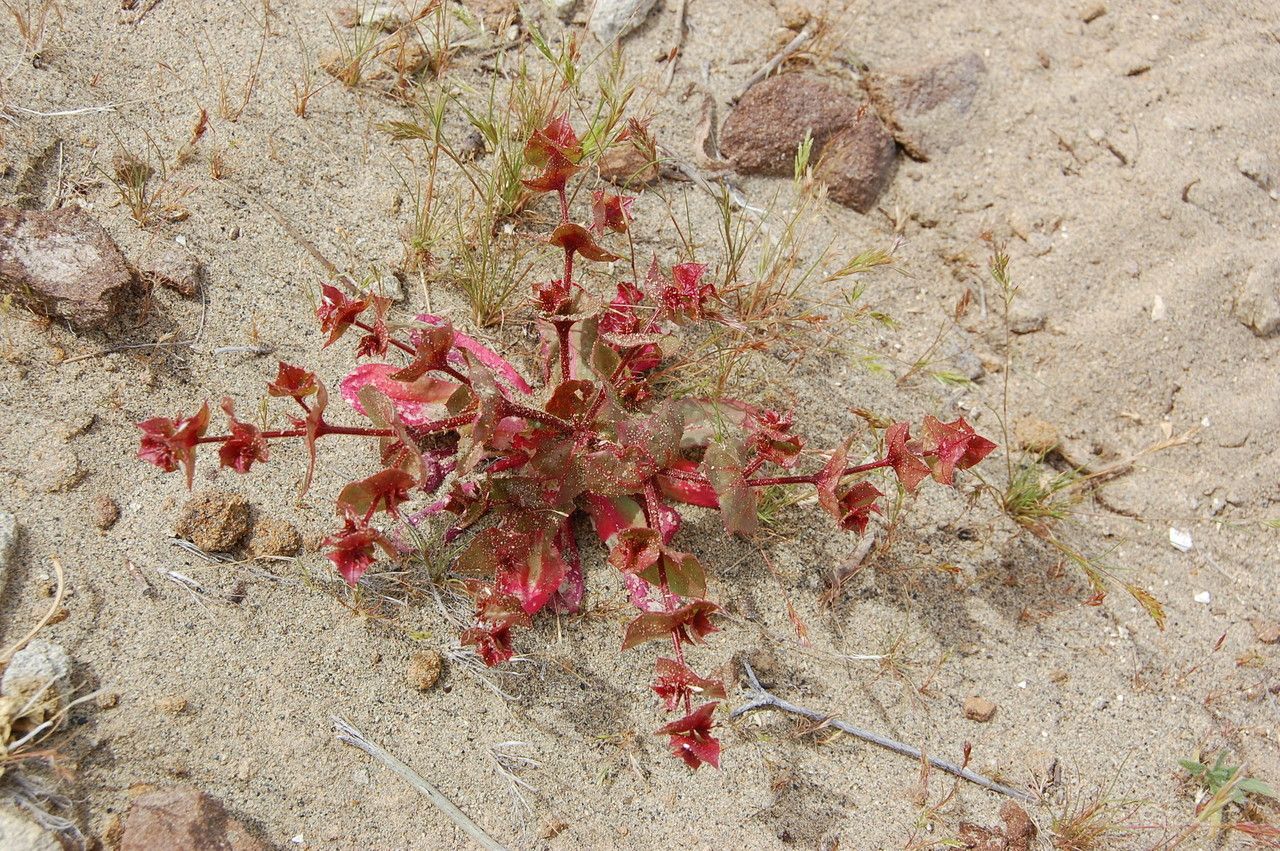
Perfoliate spineflower is fairly resistant to disease and typically not prone to illness. However, it can be vulnerable to pests and diseases present in its environment; these problems are usually mild. In terms of care, this species requires moderate maintenance. It needs regular pruning to preserve a neat appearance and support healthy growth. Fertilizing can also help encourage flowering. Perfoliate spineflower is well suited for anyone with outdoor space, such as a garden or patio, and does not demand extensive care experience. It may require more attention if grown indoors.
How to keep Mucronea Perfoliata.
Fertilizer
The Perfoliate spineflower can thrive when provided with regular, mild amounts of fertilizer to encourage robust growth of its leaves. It is recommended to fertilize the Perfoliate spineflower about once a month during the summertime. Nitrogen plays an essential role in leaf growth, and by supplementing with sources rich in nitrogen, you can help the Perfoliate spineflower flourish.
Pruning
To promote healthy growth in perfoliate spineflower, it is important to carefully prune it from early to late spring. Begin by removing any dead stems and thinning out crowded areas to improve airflow. Pruning at this time reduces stress on the plant and encourages new growth, which helps minimize disease risk and maintain a compact form.
Botanical profile.
- Plant Type
- Herb
- Life Cycle
- Annual
- Genus
- Mucronea
- Family
- Polygonaceae
- Leaf Type
- Deciduous
Other names.