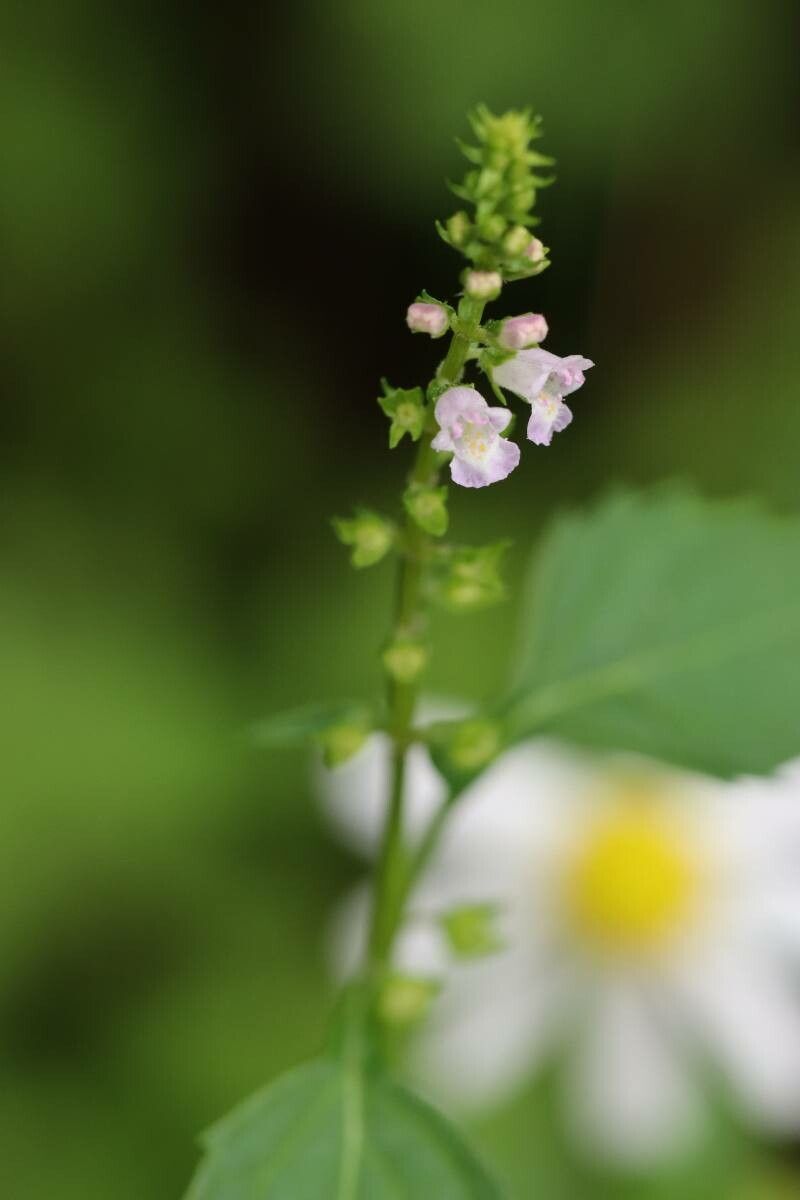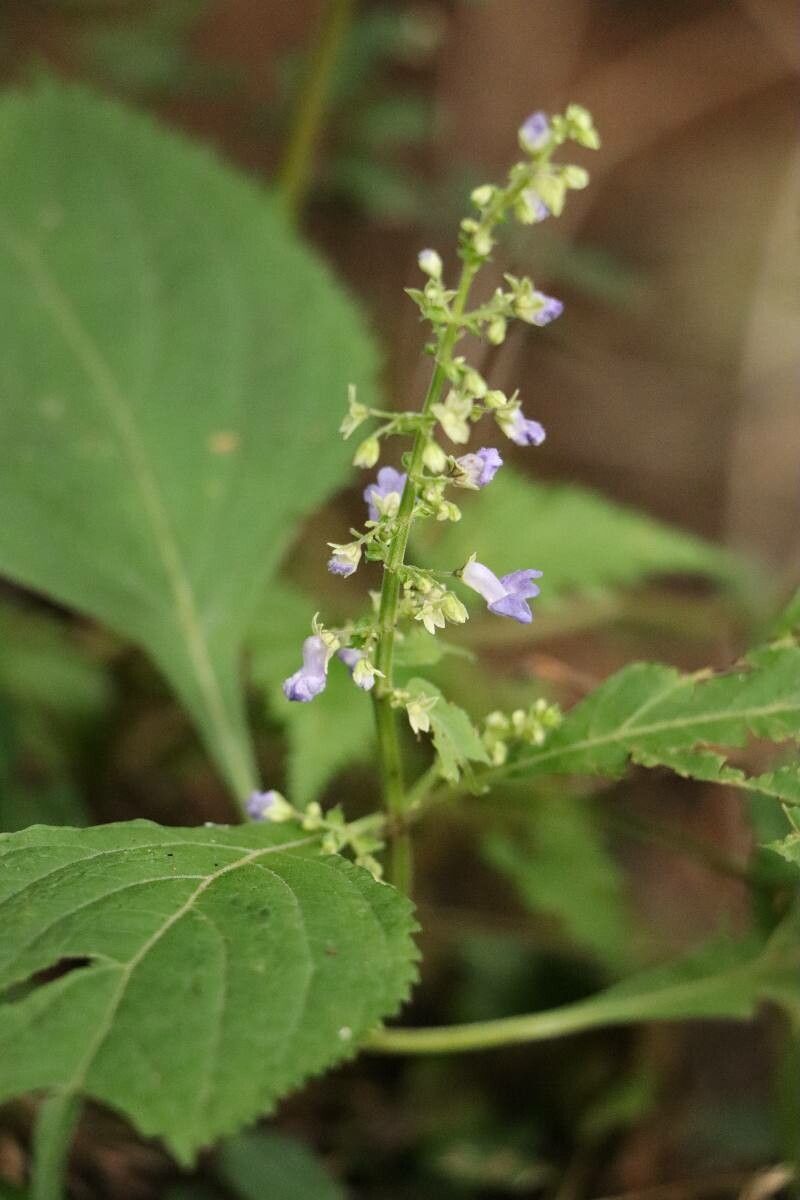
Scabrous mosla is fairly resistant to diseases and typically does not tend to get sick. However, it can be vulnerable to pests and illnesses present in its environment. These problems are usually minor. Regarding care, this plant has moderate maintenance needs. It should be pruned regularly to keep a neat appearance and support healthy growth. Fertilizing can also encourage it to bloom. Scabrous mosla is appropriate for anyone who has outdoor space, like a garden or patio, and does not demand extensive care experience. It may need more attention when grown indoors.
How to keep Mosla Scabra.
Light
Scabrous mosla comes from luminous, open areas where it flourishes under direct sunlight. It can accommodate semi-shade but its growth is optimal in full sun. This plant, which is both annual and biennial, is recognized for thriving in sunny conditions.
Water
Scabrous mosla is native to moderately moist environments, so it requires consistent moisture to thrive. It grows best in soil that remains evenly moist. Watering the plant once a week helps maintain its ideal hydration, and during the growing season, it also benefits from natural rainfall.
Temperature
Scabrous mosla originates from temperate zones, flourishing at temperatures between 70 and 95 °F (20 to 35 ℃). During the colder season, it's crucial to keep the temperature at least at 70 °F (20 ℃) for the plant to grow properly.
Fertilizer
When Scabrous mosla has most of its flowers in full bloom, it is appropriate to recommence the fertilization process. Initiate fertilizing again around the point when the flowers are in their highest production, on a cycle of every three to four weeks, weather permitting. However, once the Scabrous mosla begins to yield fewer fresh flowers, terminate the fertilization routine. There's no requirement for nutrition when the plant is no longer capable of producing further flowers.
Pruning
Scabrous mosla thrives with regular pruning. This process involves cutting back dead branches and thinning out dense growth to improve airflow. The best time for pruning is from early to late spring. Doing so encourages a bushier shape, enhances flowering, and reduces the risk of disease. These steps are essential for maintaining a healthy and vibrant scabrous mosla.
Botanical profile.
- Plant Type
- Herb
- Life Cycle
- Annual
- Genus
- Mosla
- Family
- Lamiaceae
- Hardiness Zone
- 5-8
- Mature Height
- 1.83 m to 3.05 m
- Mature Spread
- 20 cm to 40 cm
- Leaf Color
- Green, Blue
- Leaf Type
- Deciduous
- Flower Color
- White
- Flower Size
- 2.54 cm to 15.24 cm
- Bloom Time
- Late summer, Early fall, Mid fall
- Planting Time
- Spring, Summer, Autumn
- Harvest Time
- Fall
- Native Area
- Vietnam, Japan, Koppen, South Korea, China
Other names.
Reader questions.
What are the sunlight requirements for Scabrous mosla?
Scabrous mosla, also known by its botanical name Mosla scabra, thrives in bright, open environments. It requires full sun, which means it should receive more than 6 hours of direct sunlight daily for optimal growth. The plant can tolerate partial sun, with about 3-6 hours of sunlight, but prefers full sun conditions. Artificial lighting can be used to supplement natural sunlight, especially for indoor plants or during seasons with limited sunlight. LED lights are recommended for providing the specific wavelengths needed, with plants requiring 30-50W/sq ft for full sun, 20-30W/sq ft for partial sun, and 10-20W/sq ft for full shade. The distance between the plant and the light source should be 12-36 inches, and the duration should mimic natural daylight hours, generally 8-12 hours per day.
What is the ideal temperature range for growing Scabrous mosla?
Scabrous mosla thrives in temperate regions, with an ideal temperature range of 70 to 95°F (20 to 35°C). To ensure healthy growth, it's important to maintain a minimum temperature of 70°F (20°C) during cooler seasons. This plant is known for its strong cold resistance, making special frost protection measures usually unnecessary. However, in winter, if temperatures are expected to drop below -25°C, it's crucial to provide cold protection by covering the plant with soil or straw and watering it abundantly before the first freeze in autumn. This preparation helps the soil remain moist and prevents drought and water scarcity for the plant during winter and early spring.
What are some symptoms of light deficiency in Scabrous mosla?
When Scabrous mosla doesn't receive enough light, it may show various symptoms indicating light deficiency. These symptoms include smaller than usual new leaves, leggy or sparse growth, faster leaf drop, slower or no new growth, and leaves that are paler or develop irregular coloring. If exposed to excessive sunlight, the plant may experience chlorosis, where leaves lose their green color, sunscald indicated by pale or necrotic areas on the plant, twisted or curled leaves, wilting due to water loss, and leaf scorching characterized by brown, dry edges.
How does Scabrous mosla react to low temperatures?
Scabrous mosla is cold-tolerant and thrives best at temperatures above 20°C. During winter, it is important to keep the temperature above 0°C. If temperatures fall below -25°C, there might not be noticeable changes during the winter, but there could be a decrease in sprouting or no sprouting at all in spring. To address this, in spring, remove any parts of the plant that have failed to sprout to promote healthy growth and recovery.
How can I address Scabrous mosla's light deficiency?
To address Scabrous mosla's light deficiency, gradually increase the plant's exposure to sunlight if it's showing symptoms of insufficient light. For indoor plants, move them to a sunnier location step by step each week until they receive at least 6 hours of direct sunlight daily, or use a south-facing window. Supplement with artificial light if the plant is large or if natural sunlight is insufficient, keeping lights on for a minimum of 8 hours per day. For outdoor plants, select the best sunlit spot, moving them gradually to prevent sunburn. Pruning surrounding trees or relocating the plant can help reduce obstructions and allow more sunlight to reach the plants. Note that affected parts might not recover, but new growth should be healthy under improved lighting conditions.
What should I do if Scabrous mosla is exposed to high temperatures?
During summer, it's crucial to keep Scabrous mosla's temperature below 35°C. Exposure to temperatures exceeding 38°C can cause the leaves to lighten in color, become prone to curling, and susceptible to sunburn, which in severe cases, may result in the entire plant wilting and drying. To manage this, trim away the sunburned and dried-up parts. Move the plant to a location with shade from the midday and afternoon sun, or utilize a shade cloth. Ensure the plant is watered in the morning and evening to keep the soil moist and help mitigate the effects of high temperatures.