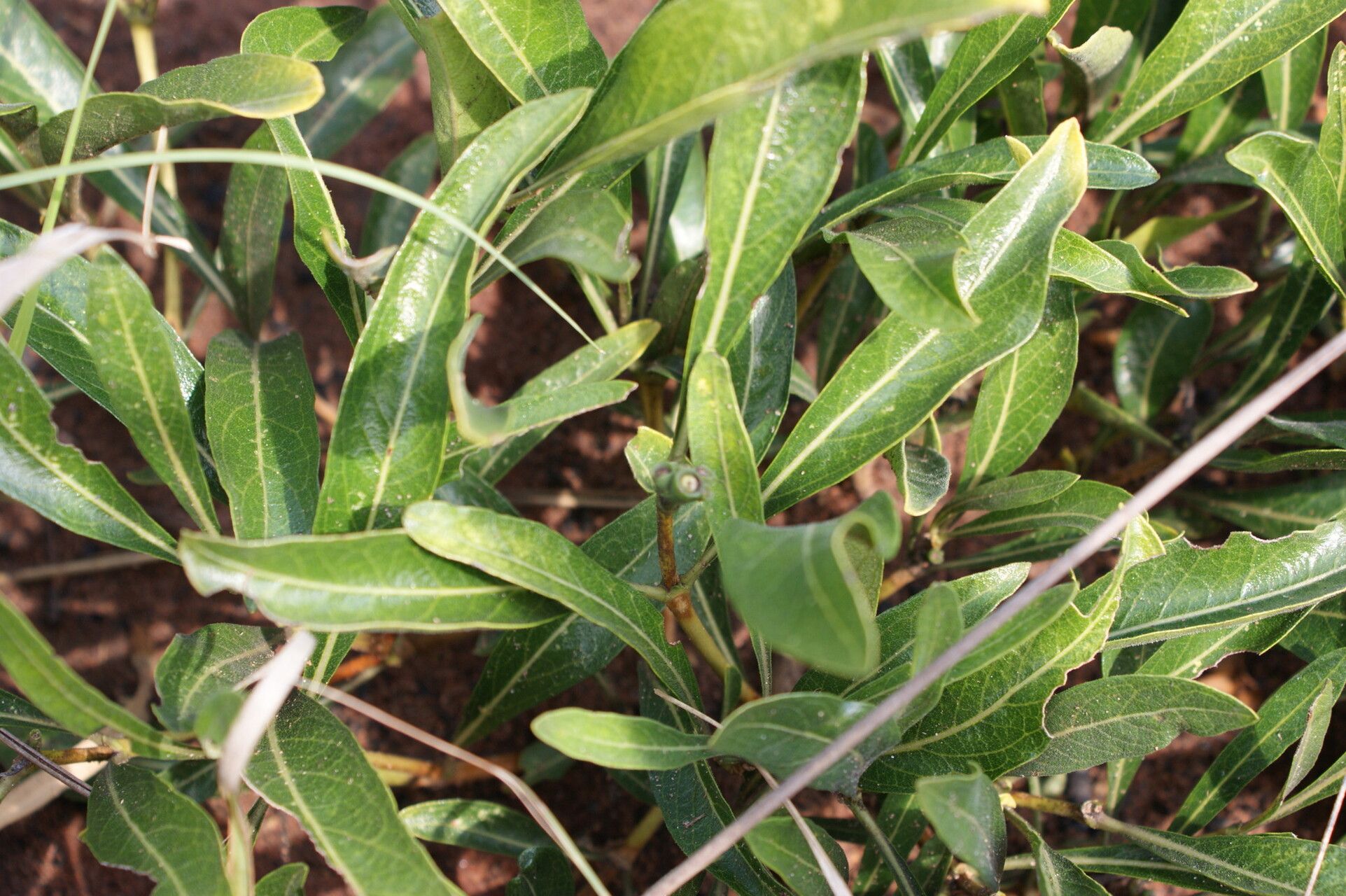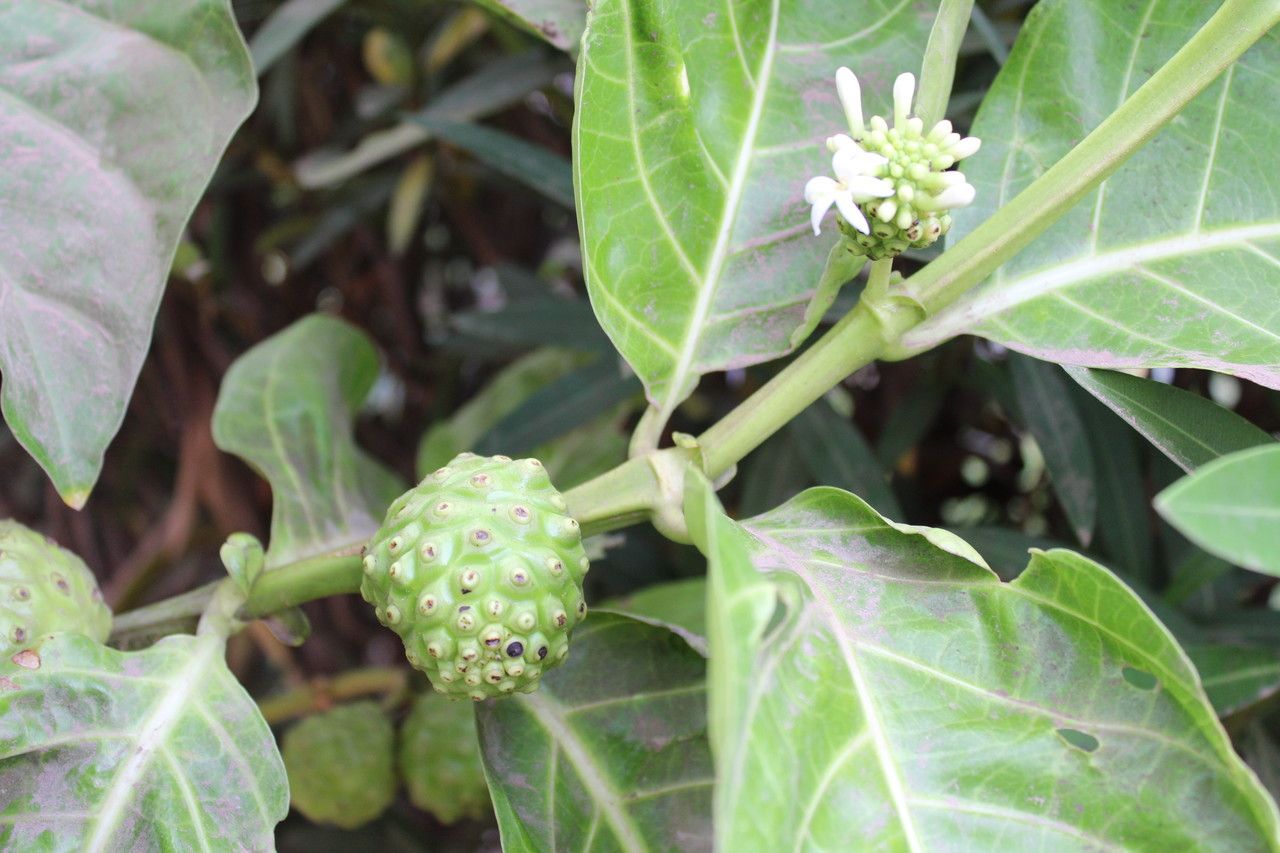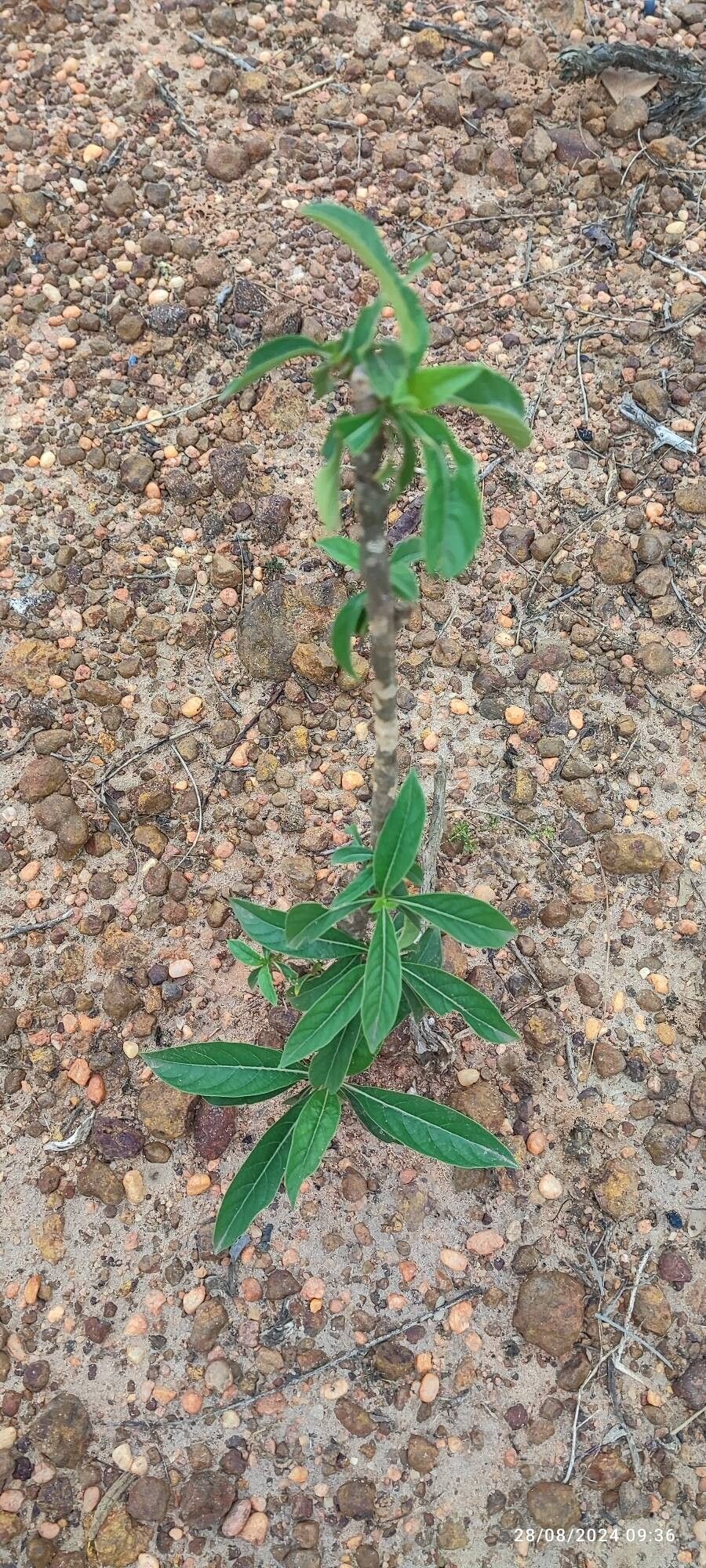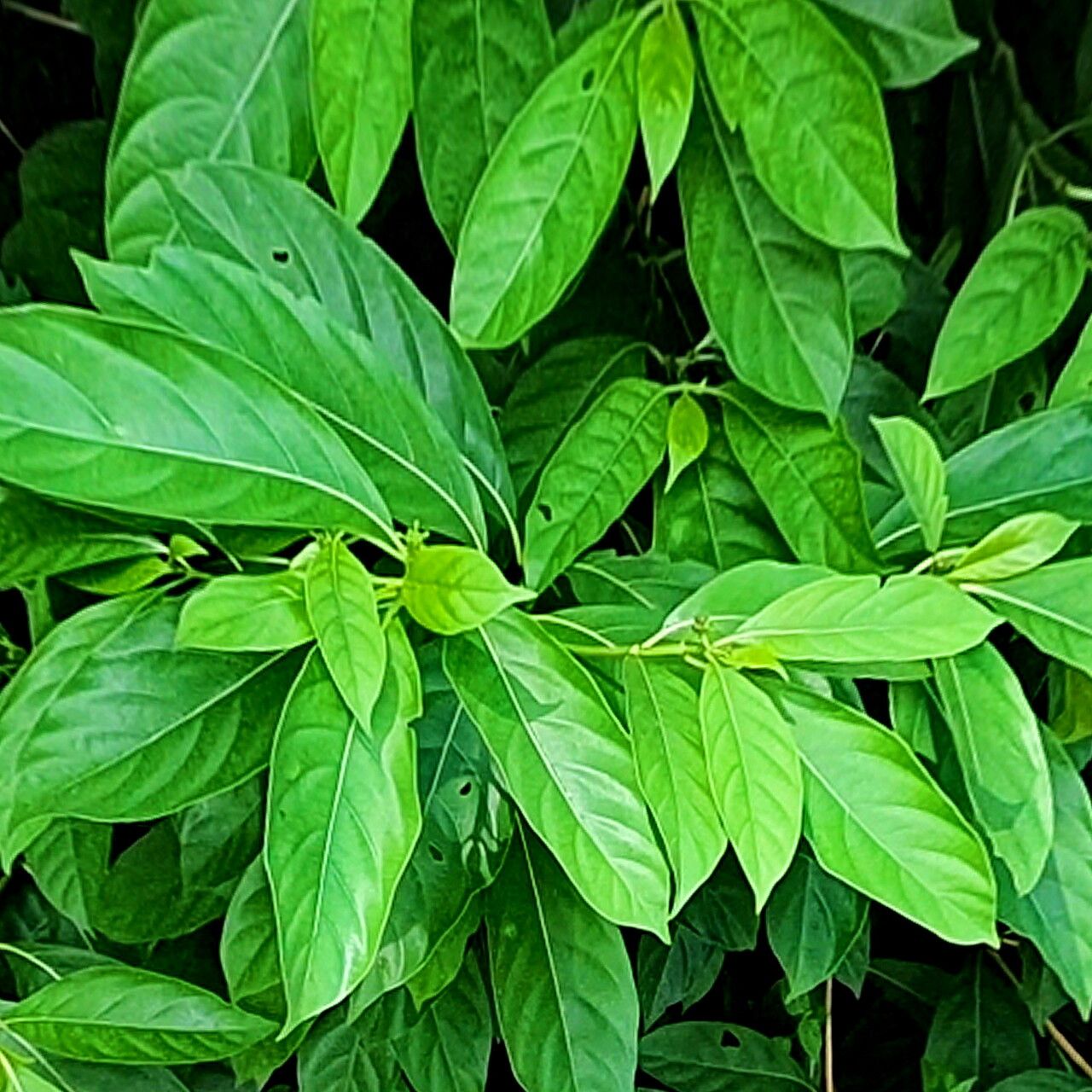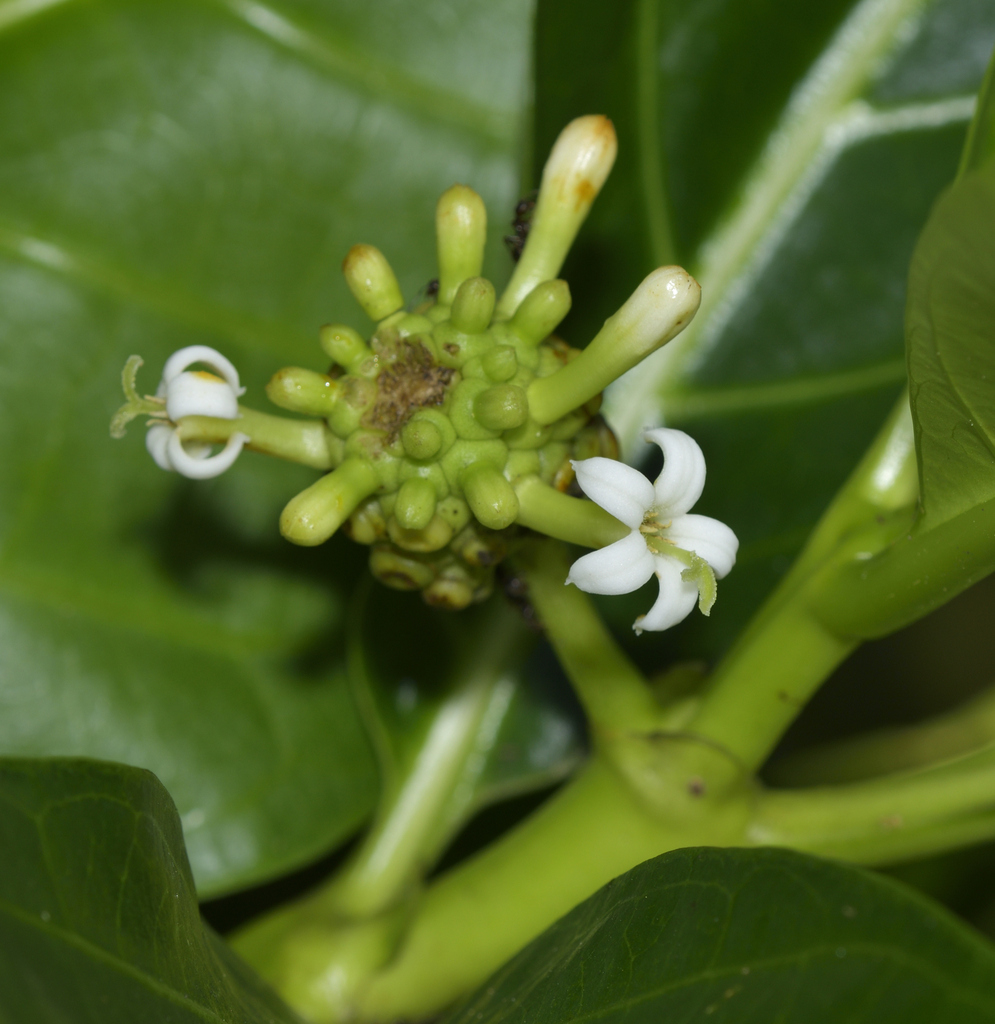
Morinda citrifolia, commonly known as Noni, is a small evergreen tree or shrub that belongs to the coffee family. It is native to Southeast Asia and Australasia but has also been introduced to other tropical regions worldwide. The plant can grow up to 10 meters tall and features large, glossy leaves and white flowers that develop into fruit.
The fruit of Morinda citrifolia is oval-shaped and can grow up to 12 cm in length. It begins green but turns yellow or white when ripe. The fruit has a strong odor and a bitter taste when consumed raw but is commonly used in traditional medicine for its health benefits.
Morinda citrifolia contains various bioactive compounds, such as iridoids, flavonoids, anthraquinones, and polysaccharides. Studies have shown that these compounds have anti-inflammatory properties, which may help reduce pain caused by arthritis or other inflammatory conditions.
The plant's leaves are also traditionally used for medicinal purposes, such as treating skin infections like ringworm, due to their antibacterial properties.
Overall, the Morinda citrifolia plant holds great potential for medicinal purposes due to the various bioactive compounds present within it, making it an important component of traditional medicine practices worldwide.
Noni is highly resistant to disease and generally not susceptible to illnesses. Regarding care, this plant is fairly low-maintenance. When planted outside it needs minimal watering, and larger specimens typically do not require pruning. Smaller plants, however, should be pruned after they have flowered. Noni is suitable for anyone with outdoor space, such as a garden or a deck, and does not demand extensive care experience.
How to keep Morinda Citrifolia.
Light
Noni grows best in full sunlight throughout its growth process, but it can tolerate environments with partial sunlight. It originates from locations where there is relatively constant sun exposure, and a lack of sufficient sunlight can hinder its growth. However, too much sun can cause its leaves to scorch.
Water
Noni thrives in volcanic soils found in tropical regions, which provide the moderate moisture and consistent humidity it prefers. When watering noni, it is best to do so every 1-2 weeks, allowing the soil to partially dry out between waterings. Usually grown outdoors, noni flourishes during wetter periods, optimizing its growth and water uptake.
Temperature
Noni thrives in tropical climates and enjoys temperatures between 68 and 100 ℉ (20 to 38 ℃). In the summertime, it's advisable to position the plant where there is sufficient air movement. Meanwhile, in the winter, it needs to be shielded from chilly breezes or abrupt decreases in temperature.
Fertilizer
Fertilization is vital for the maintenance of Noni. Consistent nourishment throughout the cultivation period aids in continuing energy for attractive leaves and fosters comprehensive growth. Neglecting the process of fertilization can lead to poor leaf health, reduced aesthetics, and inhibited or fragile growth susceptible to damage.
Pruning
Noni is a tropical plant prized for its distinctive fruit and medicinal properties. Pruning in early spring promotes growth, improves air circulation, and increases fruit production. Be sure to use clean, sharp tools, and take care not to over-prune in order to maintain the health and vigor of the noni plant.
Pot & Repot
While repotting Noni, select a pot that is 1-2 inches (2.5–5 cm) bigger and has sufficient drainage. Opt for a potting mix that drains well. Carry out the repotting process during spring or fall, ensuring the root ball is somewhat below the flower pot's rim. Once you've finished repotting, water the plant thoroughly and position it in an area with gentle sun exposure.
Botanical profile.
- Plant Type
- Shrub
- Life Cycle
- Perennial
- Genus
- Morinda
- Family
- Rubiaceae
- Hardiness Zone
- 10-12
- Mature Height
- 3.05 m to 5.49 m
- Mature Spread
- 2.44 m to 4.57 m
- Leaf Color
- Black, Green
- Leaf Type
- Evergreen
- Flower Color
- White
- Flower Size
- 1.52 cm to 2.03 cm
- Bloom Time
- All year round
- Planting Time
- Spring, Autumn
- Harvest Time
- All year round
- Native Area
- Sri Lanka, India, Malaysia, Vanuatu, Philippines, Madagascar, Bangladesh, Fiji, Brunei, China, Indonesia, Cambodia, Vietnam, Japan, Singapore, Thailand
Other names.
Reader questions.
How should I water my Noni plant?
Your Noni is not picky about how you water it, so you can choose any common watering tool like cans, hoses, or cups. It's important to water directly to the soil and make sure all areas are evenly moistened for the entire root system to receive enough water. Using filtered water is recommended to avoid harmful particles, and water at or slightly above room temperature is best as very cold or hot water can shock the Noni. However, the Noni generally responds positively to any type of water.
Why do I have to put fertilizer on my Noni plant?
Noni needs regular fertilization primarily because its showy leaves require a significant amount of energy to produce and maintain. A challenge arises as Noni not only needs enough energy for its leaves, but also its stems, branches, roots, and other vital structures. Neglecting fertilization leads to two likely outcomes. Firstly, the leaves of Noni will lose their natural color and texture, resulting in an overall unhealthy appearance that greatly diminishes its ornamental appeal. Secondly, Noni's growth will slow down or produce weak growth that is susceptible to breakage.
What are the sunlight requirements for Noni plants?
Noni plants thrive under full sun, which means they require more than 6 hours of sunlight daily. They can also tolerate partial sun, about 3-6 hours of sunlight. It's essential to observe how sunlight moves through your garden to find spots that offer a balance of light and shade, ensuring the plants' well-being. Originating from regions with consistent solar exposure, Noni plants can be adversely affected by both excessive sun and insufficient sunlight. Too little sun can stunt their growth, while too much can lead to foliage scorch.
What are the ideal temperature conditions for growing Noni?
Noni thrives best in tropical regions, preferring temperatures between 68 to 100°F (20 to 38°C). It is an extremely heat-loving plant and does not tolerate cold well, with temperatures approaching 5°C being detrimental to its health. During winter, it's important to maintain temperatures above 20°C for the plant's growth. In the summer, ensuring good air circulation around the plant is recommended, while in the winter, protection from cold drafts and sudden temperature drops is crucial. For outdoor-grown Noni, moving it indoors near a bright window in autumn without placing it too close to heaters can help in maintaining the optimal temperature.
What should I do if I give my Noni plant too much or too little water?
Outdoor plants, especially newly planted ones or seedlings, can suffer from lack of watering. To ensure proper growth, it's important to water them adequately for the first few months. Once the roots are established, outdoor plants like Noni can rely on rain for hydration. When Noni plants are grown in pots, overwatering is a common issue. If you accidentally overwater your Noni, there are steps you can take to fix it. First, stop watering the plant immediately to minimize the impact of overwatering. Then, carefully remove the Noni from its pot and check its roots for any signs of root rot. If there is no root rot, you can safely return the plant to its container. In case of root rot, trim away the affected roots and consider using a fungicide to prevent further damage. Finally, repot the Noni in well-draining soil. On the other hand, underwatering is also a problem that can be easily fixed. Signs of underwatering include drooping, dry leaves that may fall off. Simply water the plant more frequently to resolve this issue. It's crucial to adjust your watering frequency promptly whenever underwatering occurs to maintain the health of the Noni plant.
What is the ideal time to add fertilizer to my Noni plant?
To ensure the best growth for your Noni plant, occasional feedings will be beneficial. This means you don't have to stick to a strict feeding schedule when you first plant it. One easy way to fertilize your Noni is to apply the fertilizer while watering the plant at times. During the growing season, it's important to provide a sufficient amount of water to your Noni. Feeding the plant once every two to three weeks will suffice, and this frequency should be maintained while the plant is actively producing new growth.
How can artificial lighting be used for Noni plants indoors?
Indoor Noni plants require adequate lighting to grow optimally, especially when natural sunlight is insufficient, such as in winter or less sunny spaces. Artificial lights, particularly LED lights, are beneficial as they can be customized to provide specific wavelengths needed by the plants. Full sun plants need 30-50W per square foot, partial sun plants require 20-30W per square foot, and full shade plants need 10-20W per square foot. Place the light source 12-36 inches above the plants, mimicking natural sunlight, and ensure they get 8-12 hours of light daily.
How should you care for Noni if it's exposed to low temperatures?
Noni's preference for warm temperatures means it doesn't fare well in cold. When exposed to temperatures below 20°C, or worse, below 1°C, the plant can experience symptoms like lightening of leaf color which eventually turns brown or black after frost damage, along with wilting and drooping. If Noni suffers from low temperature exposure, you should immediately trim off the frost-damaged parts and move the plant to a warmer environment indoors. Ideally, placing it near a south-facing window ensures ample sunlight without the risk of overheating. It's also crucial to avoid placing the plant near heat sources like heaters or air conditioning vents to prevent the air around it from becoming excessively dry.
How frequently do I need to water my Noni plant?
For most outdoor plants, regular rainfall is sufficient for normal growth. But if your area lacks rainfall, you should water your plants every 2 weeks in the spring and fall. During the summer, you will need to water more often. In the winter, when plants grow slower and require less water, you can water them sparingly or not at all. However, if your Noni plant is young or newly planted, you should water it more frequently to help it establish and become drought tolerant. When it comes to potted plants like Noni, there are two main approaches to determining watering frequency. The first is to follow a set schedule, watering once a week or every other week. However, this may not always be accurate for your specific growing conditions. Another option is to base watering on soil moisture. Ideally, you should wait until the top 2 to 4 inches of soil, about ⅓ to ½ depth of the pots, have completely dried out before watering again. Adjustments may be necessary during the summer when the plant's water needs are higher.
When should I not put fertilizer on my Noni plant?
You can fertilize your Noni throughout the year, except during winter when it enters a dormant growth phase. This phase means the plant doesn't grow much, so it doesn't need fertilizer because it's using less energy.
What are the symptoms of light deprivation in Noni plants?
Noni plants show distinct symptoms when they don't receive enough light, especially if grown indoors during winter. These symptoms include smaller new leaves, leggy or sparse growth, faster leaf drop, halted or very slow new growth, and leaves that may appear pale or develop irregular color patterns, indicating a lack of chlorophyll and essential nutrients. Additionally, excessive sunlight can lead to chlorosis, sunscald, leaf curling, wilting, and leaf scorching, reflecting the importance of balanced sun exposure.
What steps should be taken if Noni is affected by high temperatures?
While Noni enjoys warm environments, it should be kept below 38°C during summer to prevent heat stress. Temperatures above 43°C can cause the leaves to lighten in color, indicating a higher risk of sunburn. If the plant suffers from high temperature exposure, it's essential to trim away the sunburned and dried parts. To protect it from further damage, move the plant to a shaded area, especially during the midday and afternoon sun when the heat can be intense. Ensuring the soil remains moist is also vital, so it's recommended to water the plant in the morning and evening.