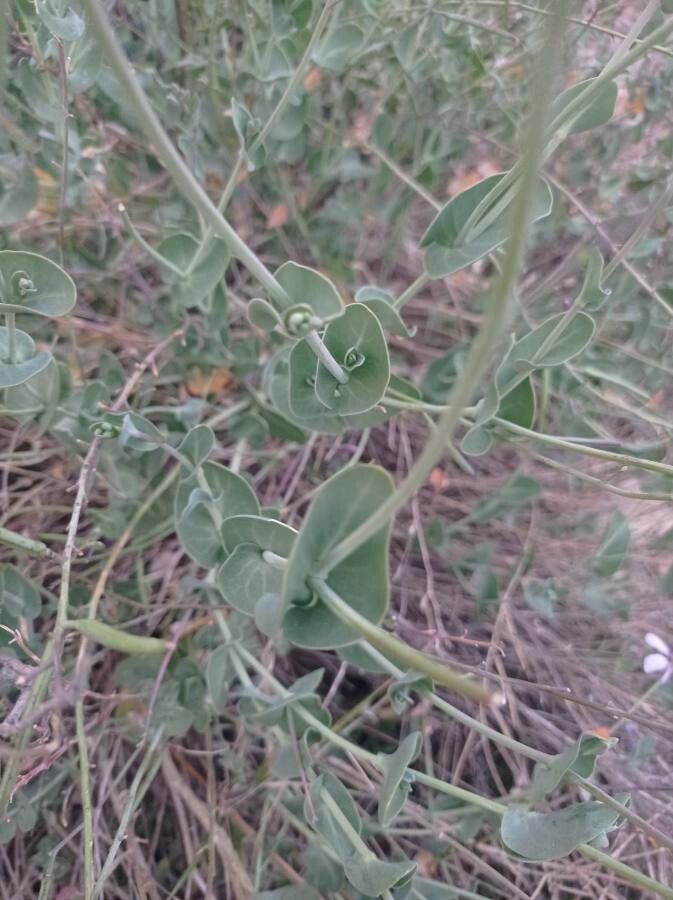
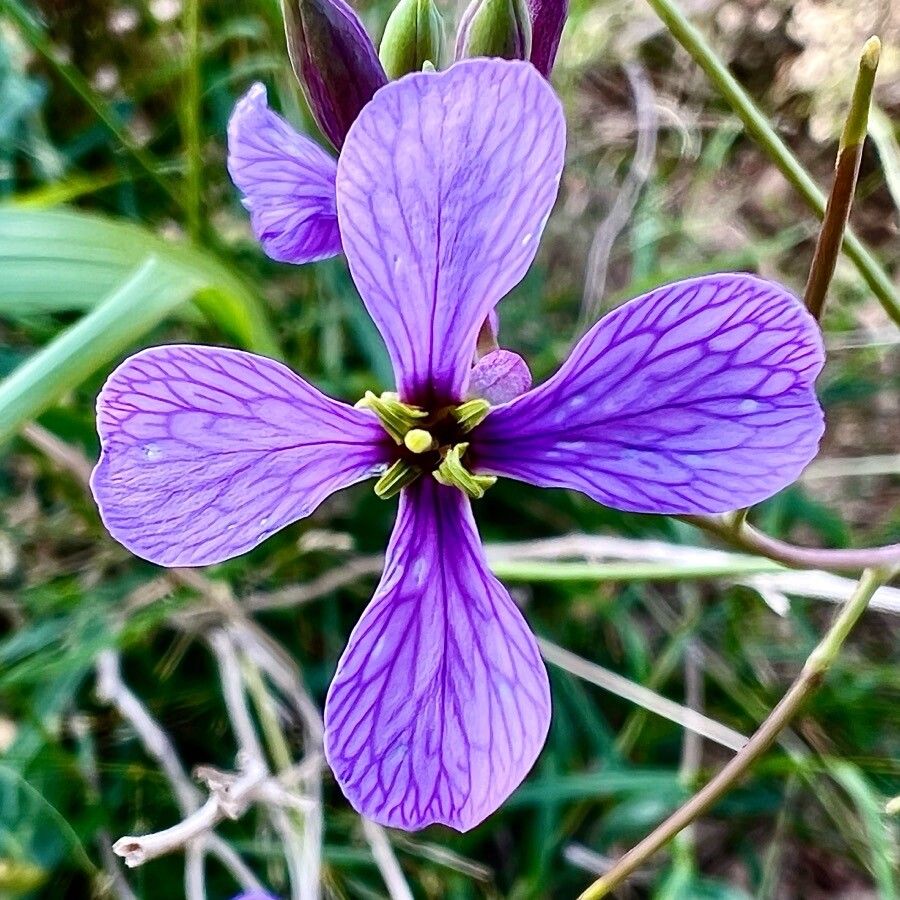
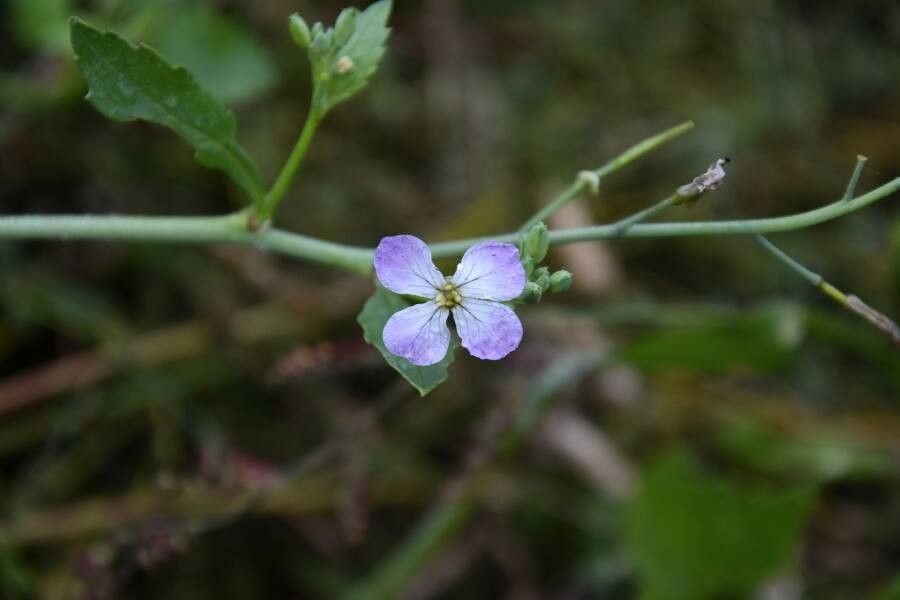
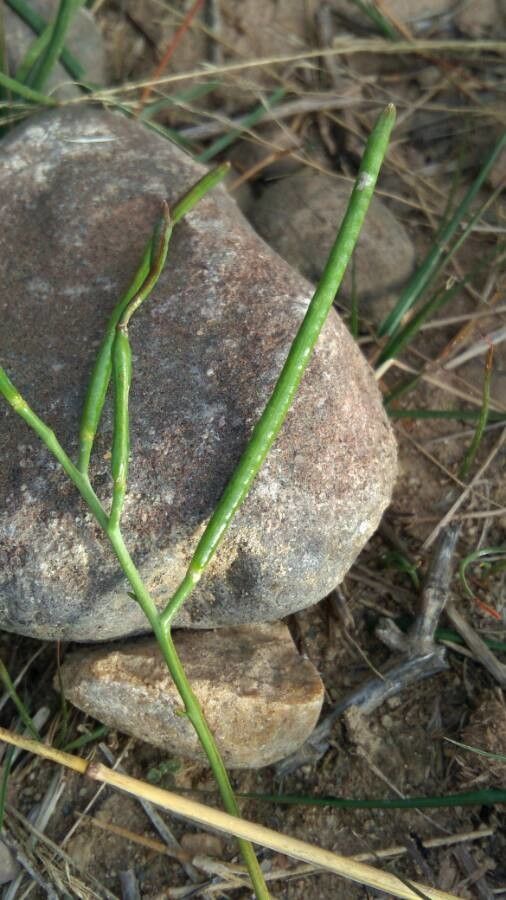
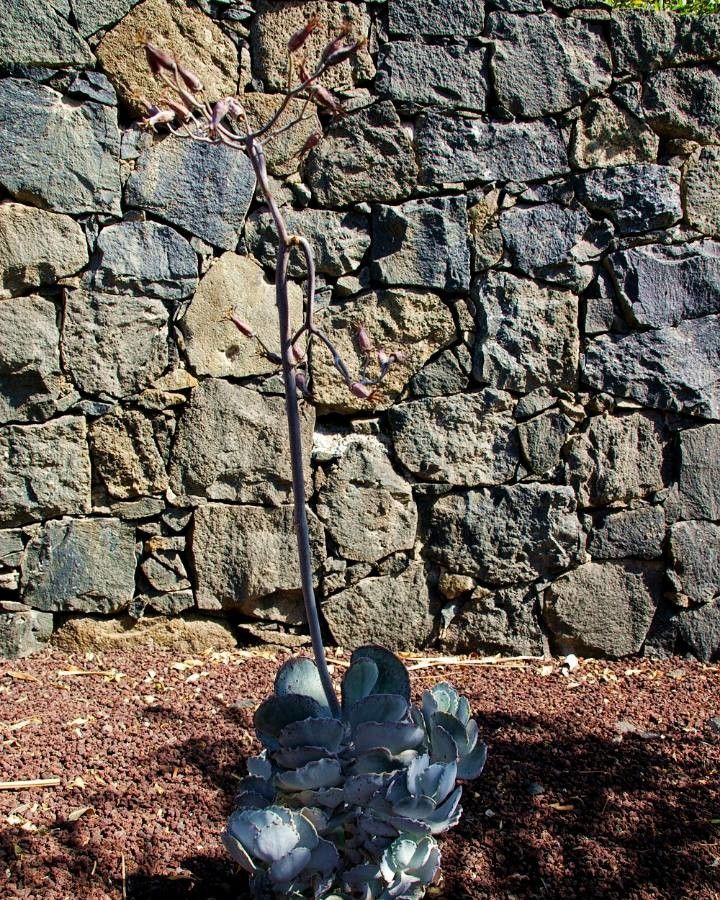
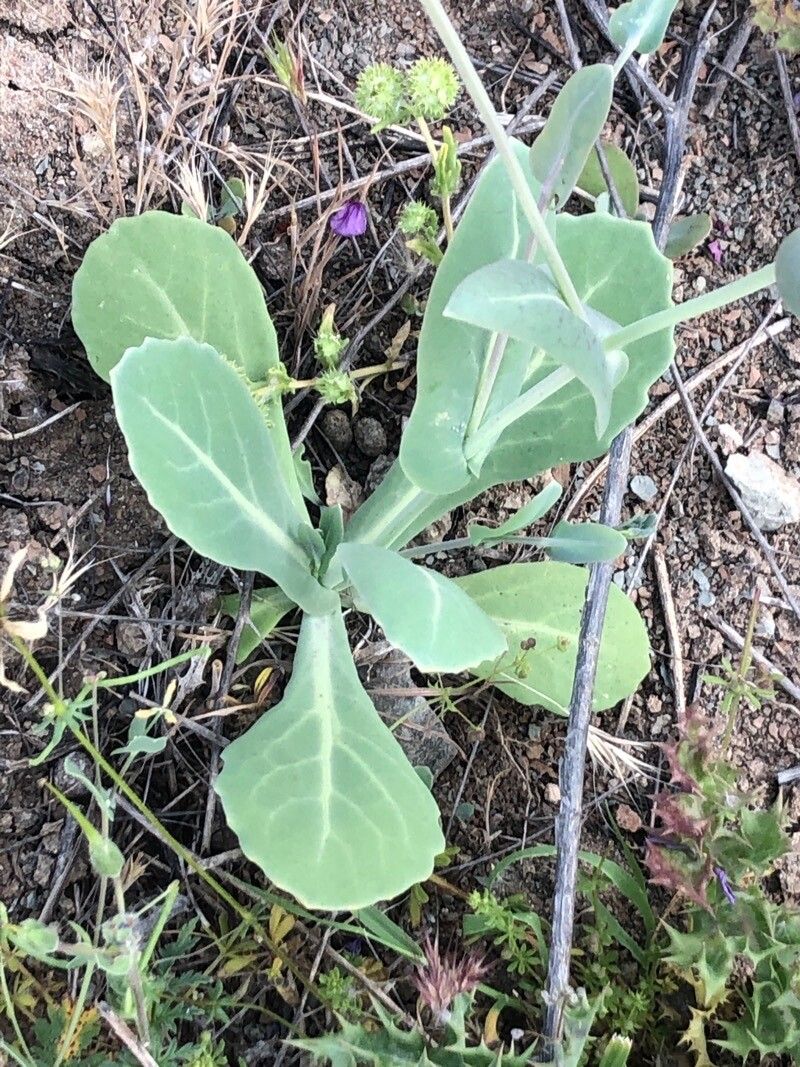
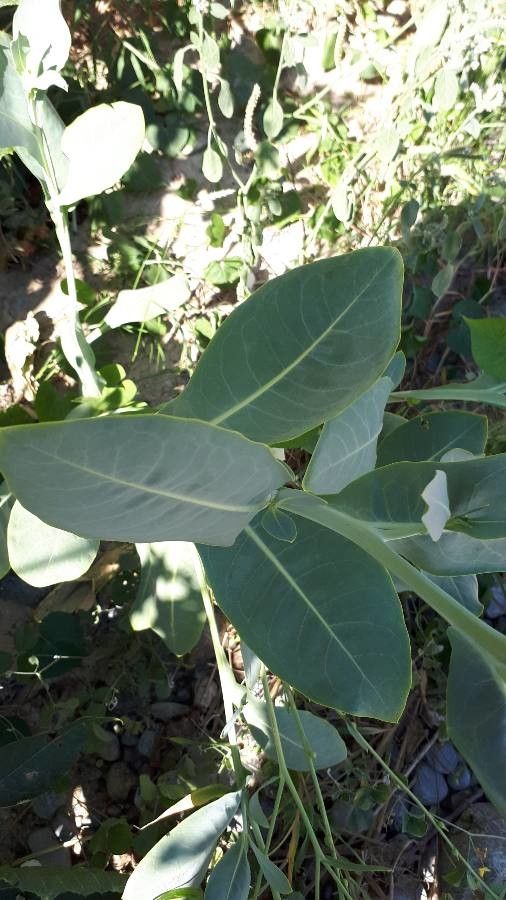
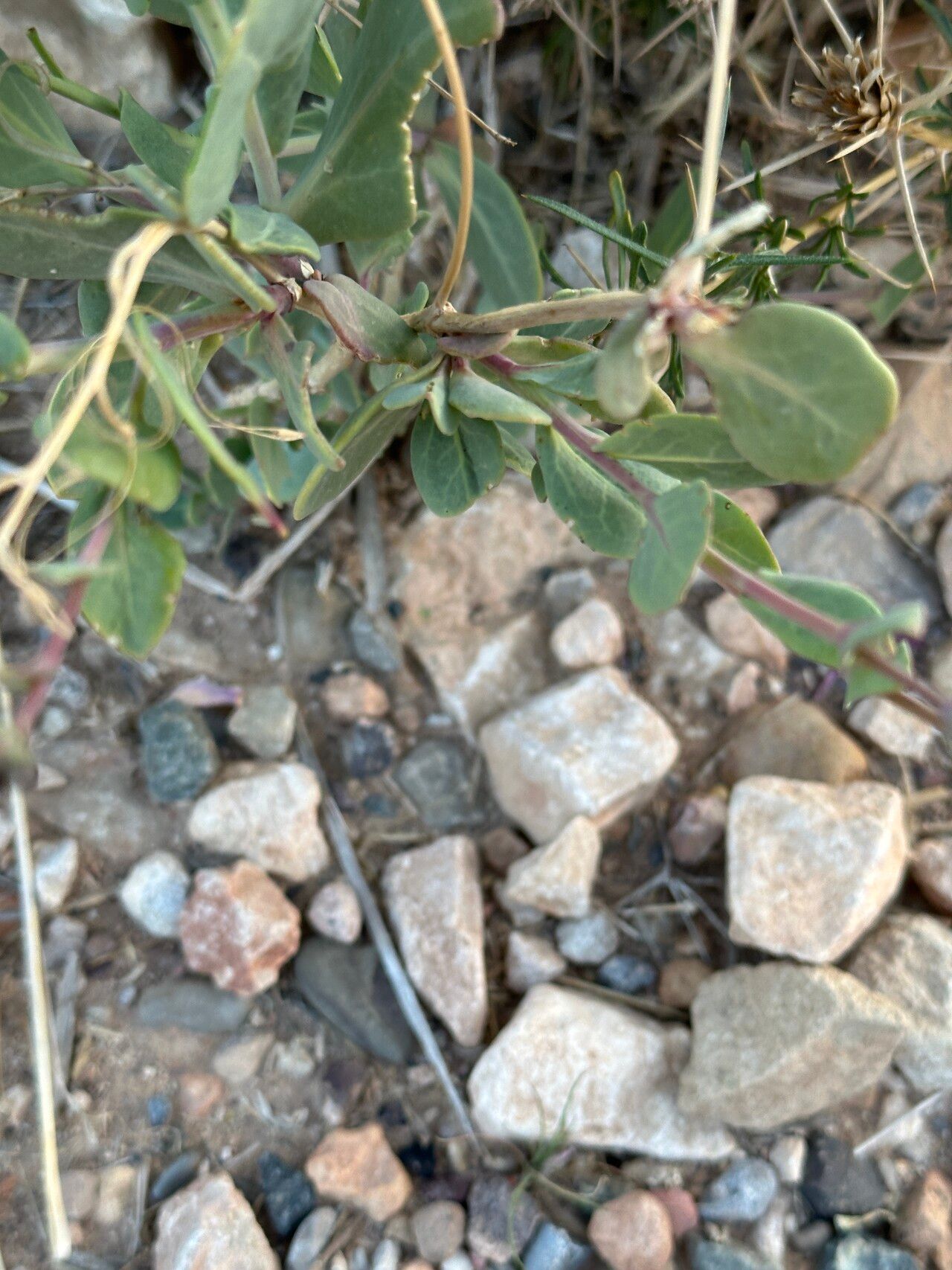
Moricandia arvensis, the purple mistress, is a species of flowering plant in the family Brassicaceae. It has a broadly western Mediterranean distribution, from the Canary Islands to northern Africa including Mauritania and Chad, the Iberian Peninsula, Italy and as far as Greece, and has been introduced to France, Corsica, and Sardinia. It has an intermediate C3–C4 carbon fixation system, known as C2 photosynthesis.
Purple mistress has strong resistance to disease and is generally unlikely to suffer from illnesses. However, it can be vulnerable to pests and diseases present in its environment. These infections are typically mild. In terms of care, this plant needs moderate maintenance. It should be pruned regularly to preserve a good appearance and support healthy growth. Fertilizing can also help encourage flowering. Purple mistress is suitable for anyone with an outdoor area, such as a garden or patio, and does not require extensive care experience. It may need more attention when kept indoors.
How to keep Moricandia Arvensis.
Light
Purple mistress is native to bright, open areas where it flourishes in full sun. It will tolerate partial sun but favors direct sunlight for best growth. This plant, which can be annual or biennial, is recognized for its sun-loving habit.
Water
The Purple Mistress, a plant native to Mediterranean climates, thrives in drier conditions with moderate hydration. To maintain the ideal moisture balance, it's important to water it once a week. As an outdoor plant, it needs sufficient water during the growing season to ensure strong flowering and to stay healthy.
Temperature
Purple mistress, originating from moderate-climate regions, prefers temperatures of 68 to 95 °F (20 to 35 ℃). In cooler seasons, thermostat adjustments are needed to keep it thriving. In summer, shading is recommended if temperatures exceed 95 °F (35 ℃).
Fertilizer
Purple mistress requires regular fertilization to encourage flowering but doesn't tolerate excessive amounts. It needs light, frequent doses of fertilizer throughout its entire life cycle, especially during the peak period of active growth and while it's flowering. You will feed your Purple mistress until they stop blooming.
Pruning
The Purple Mistress plant features vibrant purple flowers and silver-grey leaves. To encourage growth, prune in early spring and remove any dead branches to improve air circulation. Lightly trim spent flowers to promote continuous blooming. Minimal interference during the growing season helps maintain the plant's health and visual appeal.
Botanical profile.
- Plant Type
- Herb
- Life Cycle
- Biennial, Perennial
- Genus
- Moricandia
- Family
- Brassicaceae
- Hardiness Zone
- 6
- Mature Height
- 40 cm
- Mature Spread
- 20 cm to 40 cm
- Leaf Color
- Green, Light Green
- Leaf Type
- Deciduous
- Flower Color
- Purple
- Flower Size
- 2.03 cm to 3.05 cm
- Bloom Time
- Mid spring, Late spring, Summer, Early fall
- Planting Time
- Spring
- Harvest Time
- Summer, Fall
- Native Area
- Libya, Tunisia, Portugal, Italy, Spain, France, Mauritania, Algeria, Greece, Croatia, Morocco, Chad
Other names.
Reader questions.
How should I water my Purple mistress?
To best care for the Purple mistress, follow these guidelines: Use filtered water at room temperature or slightly warmer to avoid harmful particles found in tap water. The Purple mistress prefers a warm environment, so avoid using cold water to prevent any shocking effects. It is important not to water the plant from above, as this can lead to issues with the foliage. Instead, apply the filtered room temperature water directly to the soil until it is fully soaked. This helps moisten the plant's roots and encourages their spread through the soil to collect necessary nutrients.
What are the sunlight requirements for Purple Mistress?
Purple Mistress (Moricandia arvensis) requires full sun, which means it should receive above 6 hours of direct sunlight daily, to ensure optimal growth. It can tolerate partial sun, about 3-6 hours of sunlight, but thrives best under full sun conditions. When cultivating this plant, it's beneficial to watch how sunlight travels through your garden throughout the day, selecting locations that provide an ideal balance between light and shade to meet the plant's needs.
What is the ideal temperature for growing Purple mistress?
Purple mistress, scientifically known as Moricandia arvensis, thrives in moderate climate regions with an ideal temperature range of 68 to 95°F (20 to 35°C). During cooler seasons, it is necessary to adjust the thermostat to ensure the plant continues to flourish. In the summer, if temperatures exceed 95°F (35°C), providing shade for the plant is advisable. Despite its high cold tolerance, the plant does not require additional frost protection. However, it is recommended to water the plant generously before the first freeze in autumn to keep the soil moist and help prevent drought and water scarcity during winter and early spring.
What do I do if I give my Purple mistress too much or too little water?
Taking care of your Purple mistress requires avoiding both overwatering and underwatering, though overwatering is more likely to occur. When the plant is overwatered, its stems and leaves can wilt and turn yellow. Overwatering can also lead to serious issues like root rot, mold, and mildew, which can be fatal. While underwatering is less common for the Purple mistress due to its tolerance for drought, it's still possible. Signs of underwatering include brittle, brown leaves. It's crucial to recognize the signs of overwatering early on, as some diseases like root rot are difficult to correct if you wait too long. Reduce your watering schedule if you notice early signs of overwatering and consider checking the soil quality. If the soil drains poorly, replace it with a loose, well-draining potting mix. On the other hand, if your Purple mistress seems to be receiving too little water, increase your watering frequency until the signs of underwatering disappear.
Can Purple Mistress grow under artificial lighting?
Yes, Purple Mistress can grow under artificial lighting, especially when natural sunlight is insufficient, such as during winter or in less sunny locations. Artificial lights, like LED lights, can be tailored to provide specific wavelengths needed for the plant's growth. For plants that prefer full sun, 30-50W per square foot of artificial light is needed; for partial sun plants, 20-30W per square foot is required. The artificial light source should be placed 12-36 inches above the plant, and the duration should mimic natural daylight hours, typically 8-12 hours per day, to promote healthier, faster growth.
How does Purple mistress react to low temperatures?
Purple mistress is extremely cold-tolerant and can withstand winter temperatures above -25°C without needing special frost protection. However, if the temperature drops below this threshold, while there may not be any noticeable changes during the winter, there might be a decrease in the plant's ability to sprout or even a failure to sprout during springtime. To address this issue, any parts of the plant that have failed to sprout by spring should be removed to encourage new growth.
How frequently should I water my Purple mistress?
If your Purple mistress is in a pot, you can determine if it needs water by sticking your finger into the soil. If the top two to three inches of soil are dry, it's time to water it. If you're growing the Purple mistress outdoors in the ground, you can use the same method to test the soil. Again, if the top few inches of soil are dry, it's time to water. Typically, you'll need to water this plant once a week in the spring and early fall. However, during very hot weather, you may need to water it two or more times per week. It's worth noting that mature, well-established Purple mistresses can endure drought conditions.
What symptoms indicate insufficient light for Purple Mistress?
Purple Mistress shows several symptoms when it doesn't receive enough light. These include new leaves growing smaller than older ones, leggy or sparse growth, premature leaf drop, slower or halted growth, and leaves developing irregular color patterns or appearing pale. Furthermore, conditions like chlorosis (leaves turning yellow due to lack of chlorophyll), sunscald, leaf curling, wilting, and leaf scorching can occur either due to insufficient light or from excessive sunlight exposure.
How should Purple mistress be cared for in high temperatures?
The growth of Purple mistress halts when exposed to temperatures above 35°C, and the plant becomes more susceptible to rot. To care for Purple mistress in high temperatures, it is recommended to trim away any sunburned or dried-up parts of the plant. Moving the plant to a location that provides shade during the midday and afternoon sun or using a shade cloth can protect it. Additionally, watering the plant in the morning and evening helps keep the soil moist and supports the plant's health during hot periods.
How much water does my Purple plant need?
When watering your Purple mistress, don't hesitate to give it a generous amount of water. Make sure the first two to three inches of soil are dry before watering. It's best to thoroughly soak the soil by adding enough water so that it drains out of the bottom holes of the pot. If there's no excess water draining, it means you haven't watered enough. Be careful not to let the water accumulate in the soil, as this can harm the plant. Additionally, if water isn't draining properly from the pot, it may be due to poorly draining soils, which should be avoided. If the plant is outdoors, receiving about 1 inch of rain per week is sufficient.
What solutions exist for Purple Mistress receiving insufficient light?
There are multiple solutions to address insufficient light for Purple Mistress. Indoors, gradually moving your plant to a sunnier spot each week until it receives at least 6 hours of direct sunlight daily is advised. Utilizing a south-facing window or artificial lighting, like desk lamps or plant grow lights for 8 hours daily, can also help. Outdoors, plants should be moved gradually to sunnier locations to avoid sunburn, with a focus on avoiding drastic changes in light intensity. If sunlight is obstructed by trees or other barriers, consider reducing these obstructions by pruning or transplanting smaller plants to a more suitable location with adequate sunlight and good drainage.
How do I water my Purple mistress at different stages of growth?
Depending on its growth stages, the water needs of the Purple mistress can vary. When it is in its early years or has just been transplanted, it requires more water than usual. During these stages, the plant focuses on developing new roots to support future growth, so they require extra moisture. After a few seasons, the water requirements decrease. Additionally, during the bloom period, the Purple mistress may need more water to support flower development.