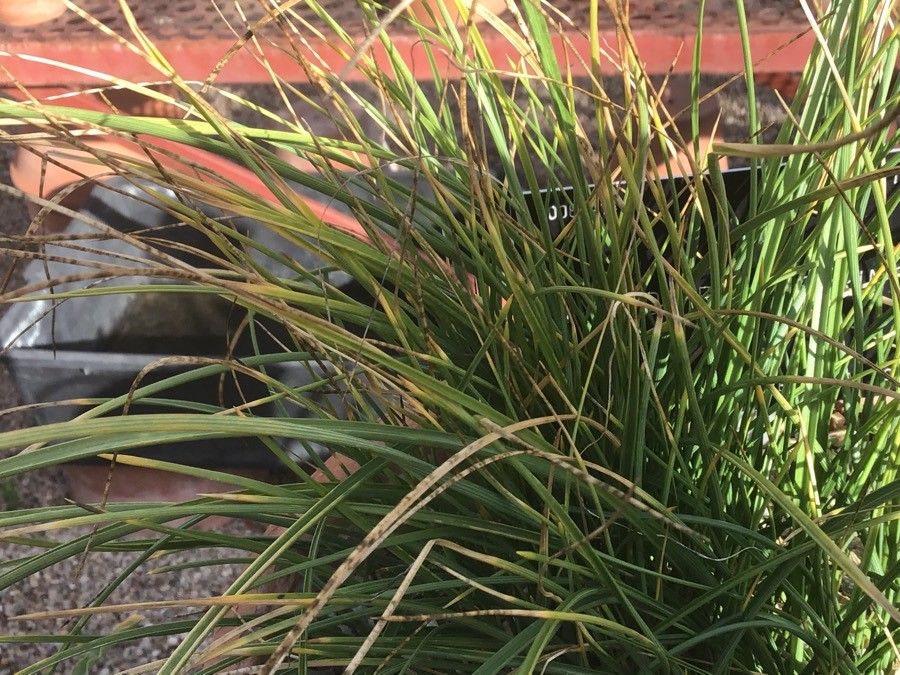
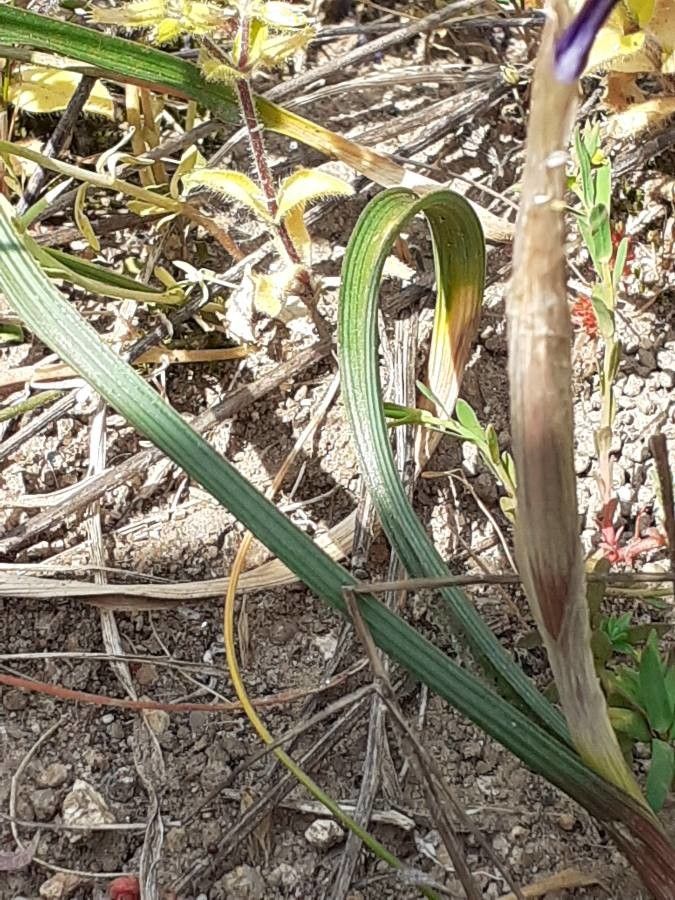
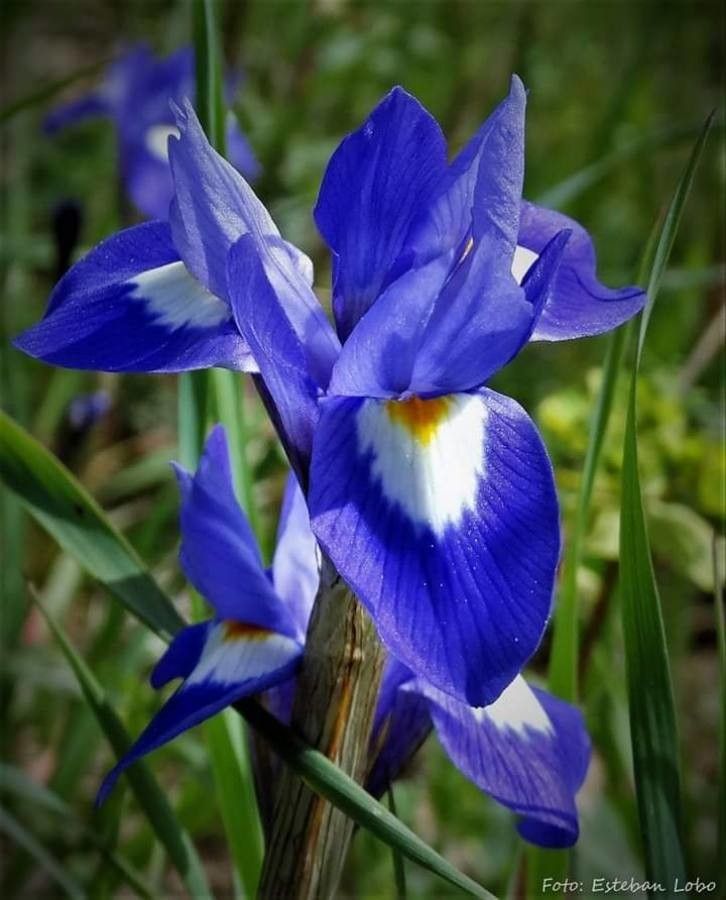
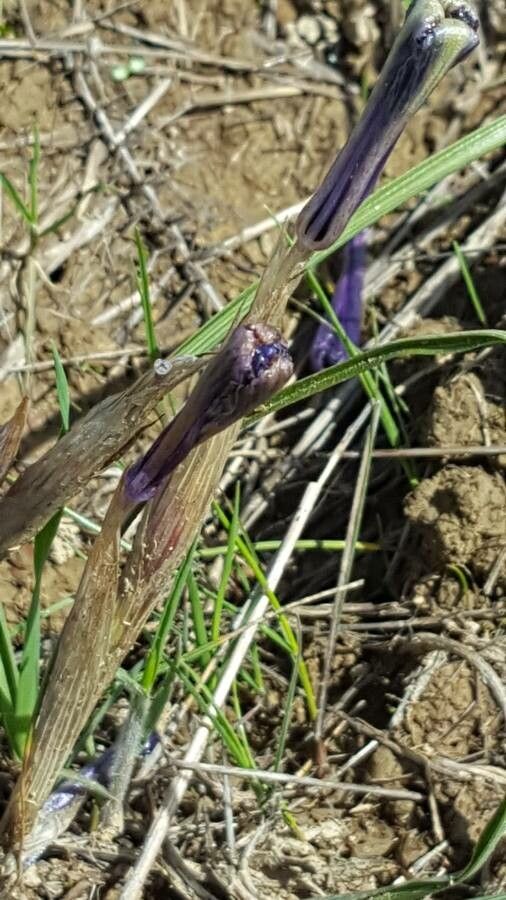
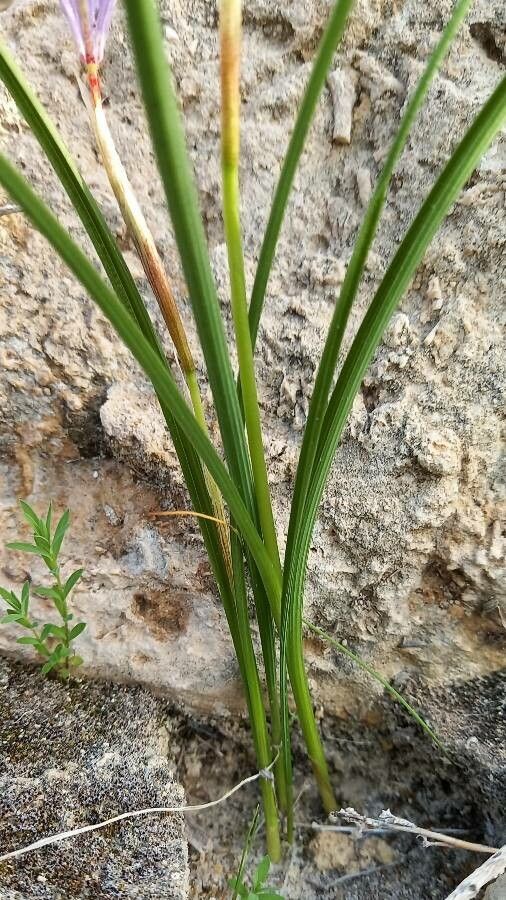
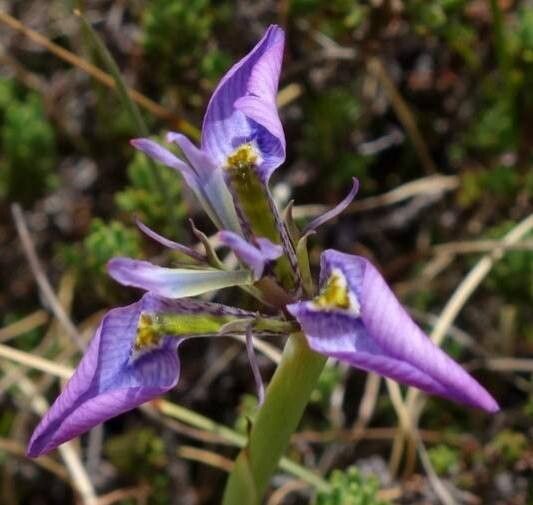
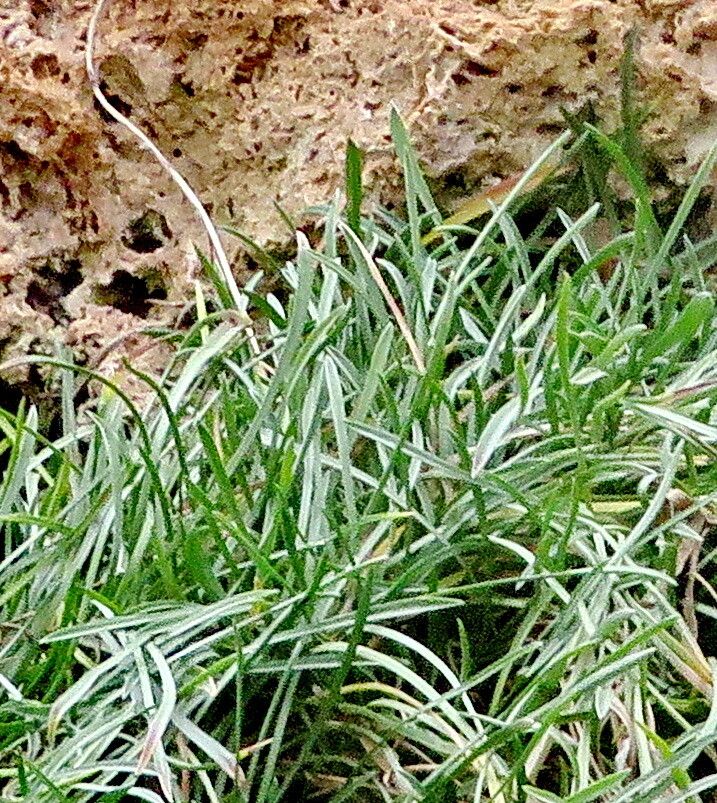
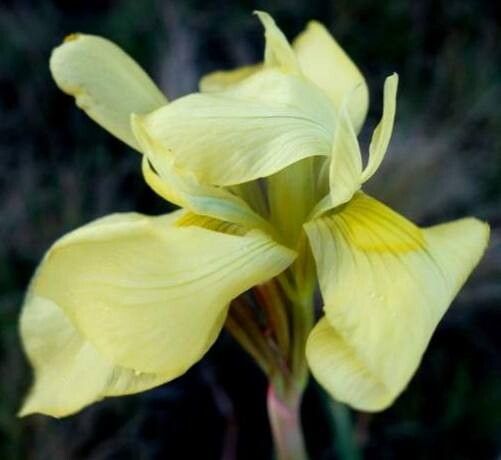
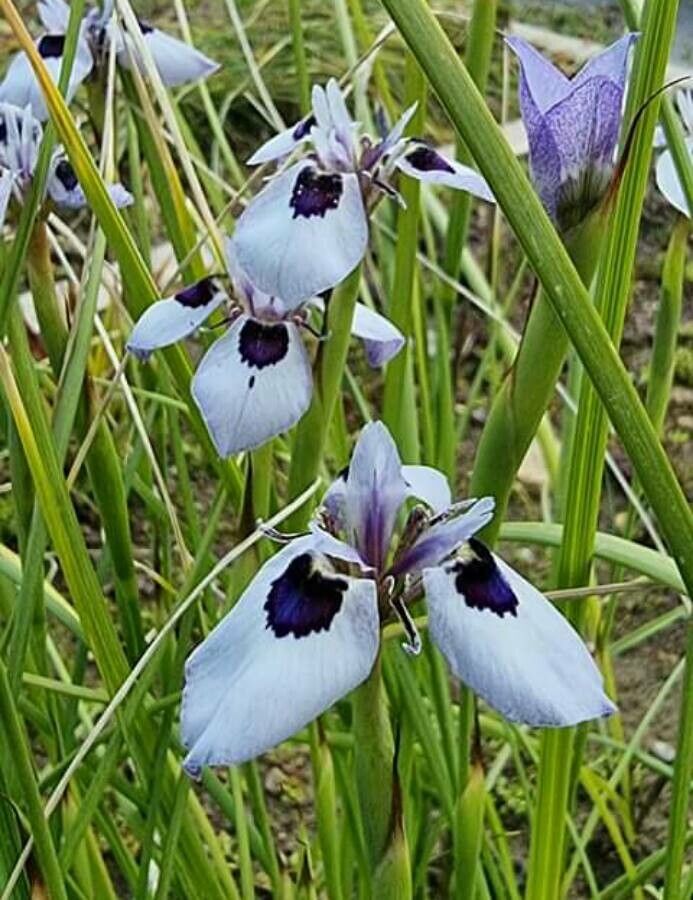
Moraea sisyrinchium (syn. Gynandriris sisyrinchium), the Barbary nut, is a species of flowering plant, a dwarf iris, in the genus Moraea, native to southern Europe and the Mediterranean region.
Barbary nut is fairly disease-resistant and generally not prone to illnesses. Nevertheless, it can be affected by pests and diseases present in its surroundings. These outbreaks are typically not severe. In terms of care, this plant has moderate maintenance needs. It should be pruned regularly to keep an attractive appearance and to support healthy growth. Fertilizing can also help encourage flowering. Barbary nut is suitable for anyone with an outdoor area, such as a garden or patio, and does not require extensive care experience. It may need more attention when grown indoors.
How to keep Moraea Sisyrinchium.
Light
Barbary nut grows best with plenty of sunlight. The area where it comes from is exposed to sun for most of the day, which supports its strong health and flourishing. Unlike some species, it is not especially tolerant of shady conditions. Excessive or insufficient sunlight usually does not greatly affect its growth.
Water
The Barbary nut, native to Mediterranean climates, flourishes in regions with dry summers and wet winters. It is moderately drought-tolerant and should be watered weekly to maintain moisture without becoming waterlogged. Generally cultivated outdoors, the Barbary nut requires less water during its dormant period after the growing season.
Temperature
Barbary nut is a plant indigenous to temperate areas and does well at temperatures between 59 and 95°F (15 to 35℃). In colder months, promote growth by maintaining temperatures within these limits, adjusting them when necessary.
Fertilizer
The primary time to fertilize Barbary nut is in early spring, when its flowers are developing. The proper fertilizer promotes better blooms and aids the Barbary nut in producing attractive flowers. Applying fertilizer in early spring ensures excellent flowers during the season and supplies energy for dormant growth phases.
Pruning
The Barbary nut produces delicate, iris-like flowers. To care for this plant, prune it in early spring to remove any dead foliage and to shape it. Follow up with additional pruning in late spring to improve air circulation and control the plant's size. Make sure to use sharp, sterilized tools to prevent disease, promote healthier growth, and enhance flowering.
Pot & Repot
Repot the Barbary Nut every 2-3 years during spring to encourage the growth of its bulbous roots. Use a deep pot with bright light and well-draining soil. Try to minimize disturbances to help maintain the Barbary Nut's vibrant blooms and its unique, nut-like bulbs.
Botanical profile.
- Plant Type
- Herb
- Life Cycle
- Perennial
- Genus
- Moraea
- Family
- Iridaceae
- Hardiness Zone
- 8-10
- Mature Height
- 30 cm
- Mature Spread
- 20 cm
- Leaf Color
- Green, Blue
- Leaf Type
- Deciduous
- Flower Color
- Purple
- Flower Size
- 5.08 cm to 6.35 cm
- Bloom Time
- Early spring, Mid spring
- Planting Time
- Spring
- Harvest Time
- Late spring, Early summer
- Native Area
- Saudi Arabia, Libya, Egypt, Turkey, Tajikistan, Tunisia, Cyprus, Pakistan, Greece, Morocco, Lebanon, Uzbekistan, Afghanistan, Iraq, Portugal, Syria, Italy, Spain, Iran, Albania, Algeria, Kuwait, Turkmenistan, France
Other names.
Reader questions.
How should I water my Barbary nut plant?
To properly water the Barbary nut, it is best to use filtered water at room temperature. Tap water, with harmful particles, is not recommended for this plant. The Barbary nut is accustomed to warm environments, so it is important to avoid using cold water which can shock its system. Additionally, overhead watering should be avoided as it can cause issues with the foliage. Instead, simply apply filtered room temperature water directly to the soil until it is thoroughly soaked. This method is beneficial as it provides moisture to the roots, allowing them to spread and collect necessary nutrients.
Why should I fertilize my Barbary nut?
Fertilization plays an important role in the growth of the Barbary nut and other plants. It provides essential nutrients for both above and below ground growth. Although the Barbary nut has low overall fertilization needs, annual fertilization is highly beneficial. It helps ensure the plant's survival and may even improve the quality and lifespan of its flowers. To maintain the best appearance, it is recommended to keep up with annual fertilization.
What are the sunlight requirements for Barbary nut?
Barbary nut thrives best under full sun, requiring more than 6 hours of sunlight daily. It's essential to observe how sunlight moves through your garden to ensure the plant receives an optimal balance of light and shade. This balance is crucial for the plant’s prosperity, as its native environment is characterized by abundant sunshine throughout the day. Lack of adequate sunlight doesn't typically hinder its growth significantly, but ensuring sufficient light is vital for its health.
What is the ideal temperature range for growing Barbary nut?
The ideal temperature range for growing Barbary nut, a plant native to temperate regions, is between 59 to 95°F (15 to 35°C). This range supports its growth and helps in maintaining its health. During colder months, efforts should be made to keep the temperature within these boundaries to encourage growth. It's essential to make adjustments as necessary, especially when temperatures are predicted to fall outside this range.
What should I do if I give my Barbary nut plant too much or too little water?
Overwatering and underwatering can both be harmful to the health of your Barbary nut, but overwatering is a more common issue. When your Barbary nut receives too much water, its stems and leaves may wilt and turn yellow. Overwatering for a long time can also cause diseases like root rot, mold, and mildew, which can kill your plant. Underwatering is less common because the Barbary nut plant can tolerate drought. However, underwatering is still possible, and you may notice brittle and brown leaves. It's important to recognize the signs of overwatering early when taking care of your Barbary nut. Some diseases caused by overwatering, like root rot, may not be fixable if you wait too long. If you see early signs of overwatering, reduce your watering schedule immediately. Additionally, check the quality of the soil. If it drains poorly, replace it with a loose, well-draining potting mix. If you notice signs of underwatering, simply water more regularly until the signs disappear.
When is the ideal time to put fertilizer on my Barbary nut plant?
The best time to fertilize a Barbary nut is in the late winter to early spring when the plant is transitioning from dormancy to active growth. Fertilizing at this time promotes healthy growth, setting the plant up for a great season. While early spring is generally the ideal time, it is also acceptable to fertilize in the fall, but not recommended in summer or winter.
How can artificial lighting supplement sunlight for indoor Barbary nuts?
When natural sunlight is insufficient, especially during winter or in less sunny indoor spaces, artificial lighting can be a crucial supplement for Barbary nuts. It's recommended to use LED lights, which are adjustable to provide specific light wavelengths needed by plants. Full sun plants need 30-50W/sq ft, partial sun plants 20-30W/sq ft, and full shade plants 10-20W/sq ft of artificial light. The light source should be positioned 12-36 inches above the plant to mimic the sun’s natural effect. Mimicking the natural daylight hours is essential, with most plants requiring 8-12 hours of light per day.
What should I do to protect my Barbary nut plant from cold temperatures?
Barbary nut plants have some tolerance to cold, generally not requiring additional measures in temperatures above -5°C. However, if the temperature is expected to drop below -5°C, temporary protective measures become necessary. You should wrap the plant with plastic film, fabric, or other materials suitable for cold protection. Once the temperature rises again, these protective coverings should be removed promptly to prevent any potential damage due to overheating or restricted airflow.
How frequently do I need to water my Barbary nut plant?
If your Barbary nut plant is in a pot, the best way to determine if it needs water is by checking the soil. Stick your finger into the soil and if the top two to three inches are dry, it's time to water it. If your Barbary nut plant is planted outdoors in the ground, you can use a similar method to test the soil. Once again, if the top few inches are dry, it's time to water it. Usually, you'll need to water the plant once a week during spring and early fall. However, in really hot weather, you may need to increase watering to twice or more per week. It's important to note that mature, well-established Barbary nut plants have a good tolerance for drought.
When is the best time to not use fertilizer on my Barbary nut?
To ensure proper fertilization of your Barbary nut, it is best to feed it only during late winter and early spring. This plant has low fertilization needs, so one annual feeding should be sufficient. Overfertilization and its associated issues can occur if you continue to fertilize throughout spring, summer, and fall. However, if you missed fertilizing in spring, you can still feed the plant in fall. Additionally, there is no need to fertilize during winter when the Barbary nut is in a dormant growth phase and not producing new growth. Therefore, fertilizing during most of the winter is not recommended.
What symptoms indicate inadequate lighting for Barbary nut?
Inadequate lighting can lead to several symptoms in Barbary nut, including smaller new leaves, leggy or sparse growth, faster leaf drop, slower or no growth, and lighter-colored or yellowing leaves due to chlorosis. Other signs of distress from sunlight issues include sunscald, which damages plant tissue; leaf curling, a defense against too much light; wilting from loss of water; and leaf scorching, where leaf edges become brown and crispy. These symptoms help identify whether the plant is receiving too much or too little light.
How does low temperature affect Barbary nut plants, and what are the solutions?
Barbary nut plants have moderate tolerance to low temperatures but thrive best above 15°C. During winter, it's crucial to keep them above -5°C to avoid damage. When the temperature falls below -10°C, the leaves might droop, and in severe cases, will wilt and eventually fall off. The solution to frost damage includes trimming off the frost-damaged parts of the plant. To prevent future cold damage, wrap the plant with materials such as non-woven fabric or cloth and construct a wind barrier to protect it from the cold wind.