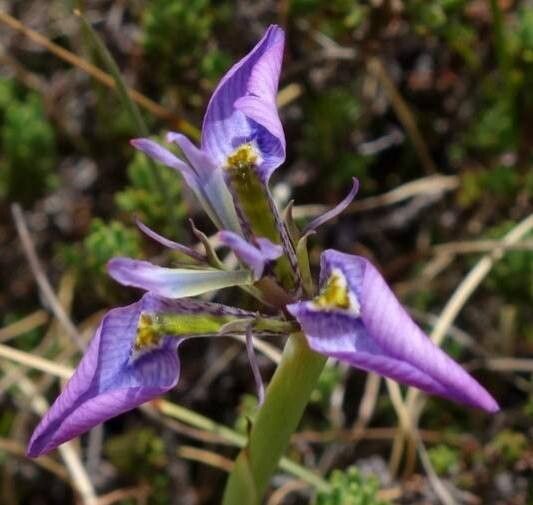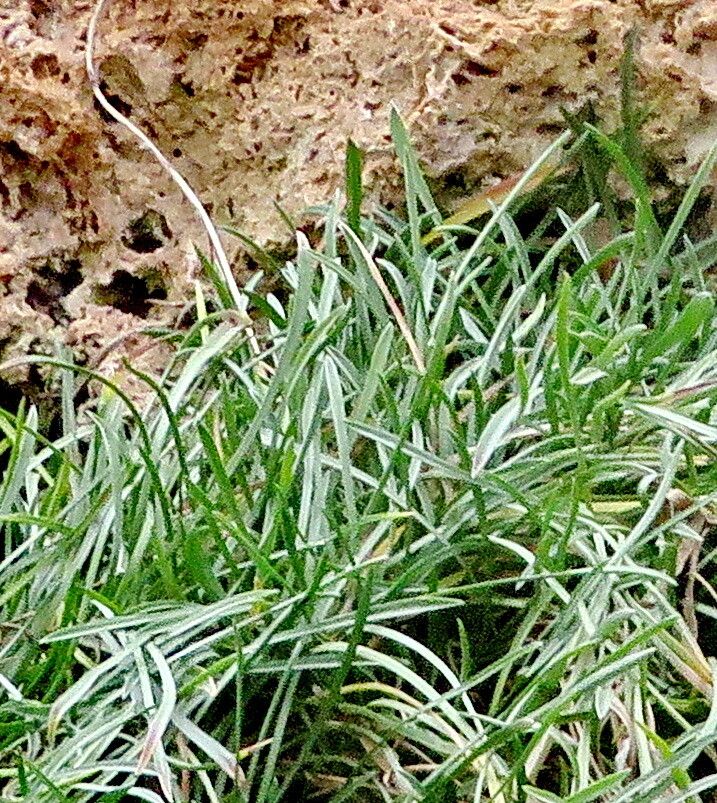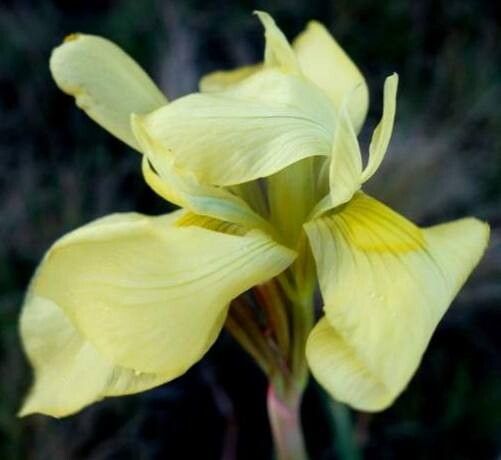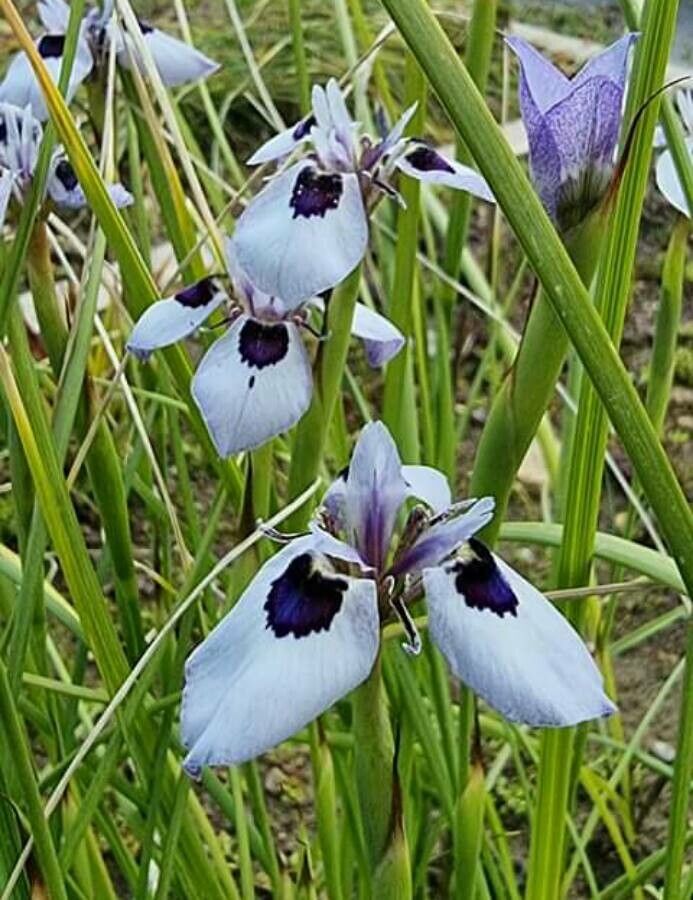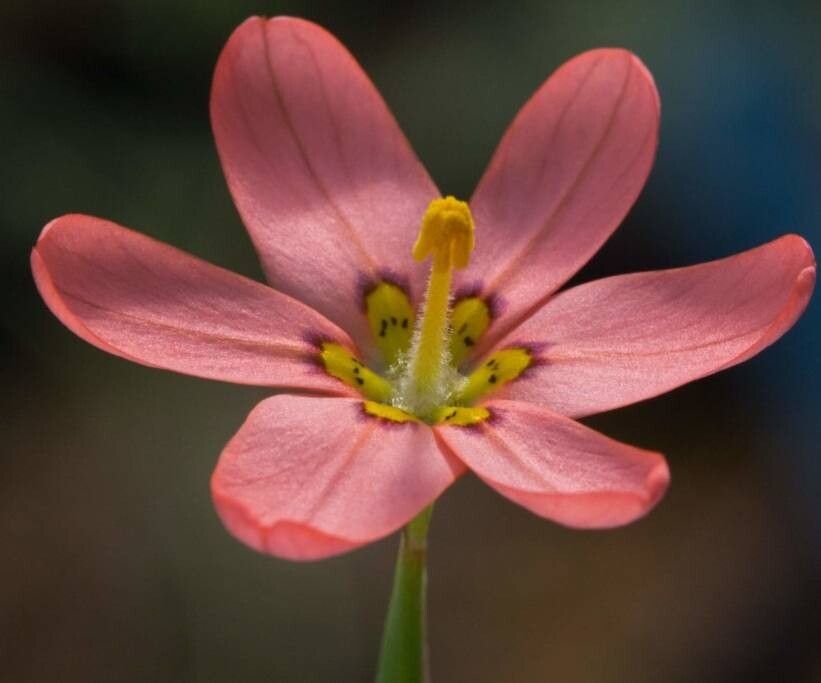
Moraea flaccida, commonly known as the one-leaf Cape tulip, is a bulb native to South Africa, including in Fynbos habitats. Despite its common name, this species is not a tulip (Liliaceae) but rather belongs to the family Iridaceae.
One-leaf cape tulip has strong resistance to disease and is typically not vulnerable to illnesses. Still, it can be affected by pests and diseases present in its environment. Such infections tend to be mild. Regarding maintenance, this plant needs a moderate level of care. It should be pruned regularly to preserve its appearance and encourage healthy growth. Applying fertilizer can also aid in stimulating blooms. One-leaf cape tulip is appropriate for anyone with outdoor areas like a garden or patio and does not demand extensive plant-care experience. It may need extra attention if kept indoors.
How to keep Moraea Flaccida.
Light
The single-leaf cape tulip flourishes when exposed to plenty of sunlight and doesn't perform well in shadowed environments. Coming from a habitat bathed in sunlit, the plant flourishes under analogous circumstances. Overexposure or underexposure to light could impact the plant's vitality.
Water
The one-leaf cape tulip flourishes in conditions with moderate water availability, similar to its native environment. It needs to be watered weekly and thrives in well-drained soil to prevent waterlogging. Typically grown outdoors, the one-leaf cape tulip has a balanced growth cycle, making proper watering crucial for its optimal health.
Temperature
The One-leaf cape tulip can adjust to an extensive variety of temperature conditions, yet its dispersal could be constrained by specific combinations of heat and moisture conditions. It flourishes most effectively in warm weather during the summertime when there is sufficient rain or irrigation. Long-lasting stretches of overcast and wet weather, as well as extended spells of high temperatures, can enhance the chances of the One-leaf cape tulip perishing. During the winter, appropriate safeguards against chill can boost the plant's chances of survival.
Fertilizer
The optimal time to apply fertilizer to the One-leaf cape tulip is at the onset of spring, during its flower formation stage. The appropriate fertilizer can stimulate superior blossoming and aid in the production of beautiful flowers by the One-leaf cape tulip. By fertilizing at the beginning of spring, you guarantee splendid flowers throughout the season and supply energy for its periods of dormant growth.
Pruning
The one-leaf cape tulip thrives with minimal pruning. In early spring, trim away any dead foliage, and later in the season, remove spent blooms to extend flowering. Always use clean, sharp tools to prevent disease, enhance the plant's appearance, and improve air circulation, which helps minimize the risk of fungal infections.
Botanical profile.
- Plant Type
- Herb
- Life Cycle
- Perennial
- Genus
- Moraea
- Family
- Iridaceae
- Hardiness Zone
- 9-11
- Mature Height
- 49 cm to 91 cm
- Mature Spread
- 10 cm
- Leaf Color
- Green
- Leaf Type
- Deciduous
- Flower Color
- Yellow, Orange, Pink
- Flower Size
- 3.05 cm to 7.62 cm
- Bloom Time
- Mid spring, Late spring
- Planting Time
- Spring
- Harvest Time
- Early summer, Mid summer
- Native Area
- South Africa