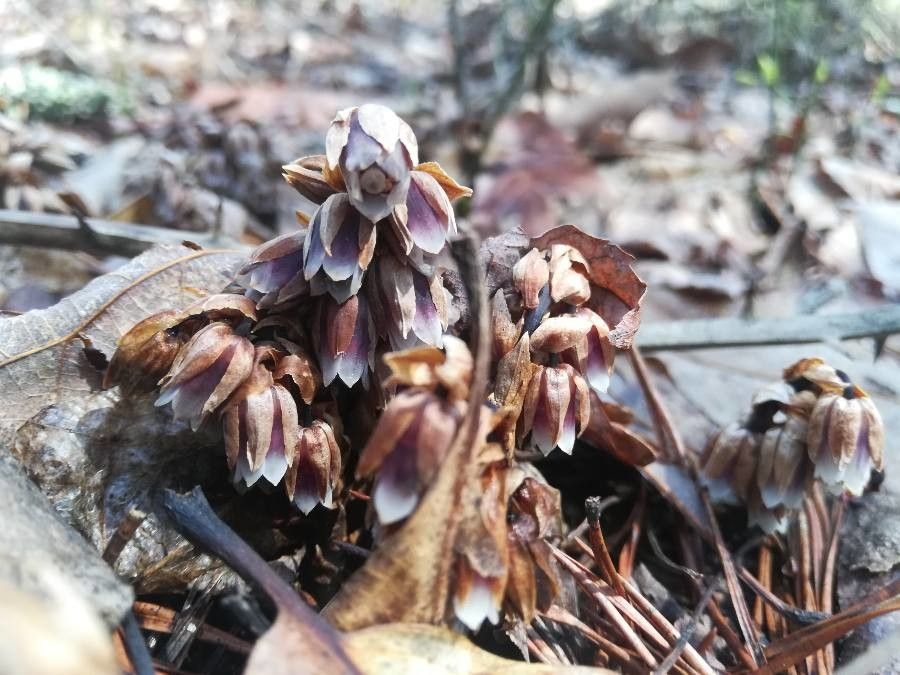
Monotropsis odorata, commonly known as sweet pinesap or fragrant pinesap, is a unique and fascinating plant in the Ericaceae family. This non-photosynthetic plant lacks chlorophyll and derives its nutrients from the roots of surrounding trees through mycorrhizal associations.
The plant features a fleshy stem that can grow up to 30 cm tall and bears small, white or pinkish flowers in clusters at the top. These flowers emit a sweet fragrance reminiscent of vanilla or almond.
Sweet pinesap can be found in moist coniferous forests across North America, ranging from Alaska down to California and eastward across Canada. It typically thrives in shaded areas under trees such as pine, fir, spruce, or hemlock.
Indigenous people have used the medicinal properties of Monotropsis odorata for centuries to treat various ailments such as coughs and colds. The roots have also been an ingredient in traditional medicines for treating rheumatism.
Overall, Monotropsis odorata is an intriguing species with unique characteristics, making it a compelling subject for botanists studying mycorrhizal associations within forest ecosystems.
Pygmy pipes is fairly resistant to disease and typically not vulnerable to illnesses. Nonetheless, it can be affected by pests and diseases present in its environment. Such infections are generally mild. Regarding care, this plant requires moderate upkeep. Regular pruning is necessary to maintain an attractive appearance and support healthy growth. Applying fertilizer can also encourage flowering. Pygmy pipes is suitable for anyone with an outdoor area, such as a garden or patio, and does not demand extensive care experience. When kept indoors, it may need more attentive care.
How to keep Monotropsis Odorata.
Light
Pygmy pipes occurs in habitats such as forest understories or rocky areas that provide natural shade. It prefers Full Shade but can tolerate Partial Sun.
Water
Pygmy pipes naturally grow in moist, shaded deciduous forests and thrive in consistently humid conditions. Sensitive to drought, they require weekly watering to maintain the right moisture balance. As an understory plant, pygmy pipes benefit from being cultivated outdoors, where the environment can mimic their native habitat's humidity and soil moisture during their active growth phases.
Temperature
Pygmy pipes can adjust to a wide range of temperatures, but various combinations of moisture and heat can still limit its distribution. It performs best in warm summer climates with sufficient rainfall or regular watering. Extended periods of cloudy, rainy weather or prolonged high temperatures raise the risk of Pygmy pipes dying. In winter, shielding it from cold helps increase the plant's chances of survival.
Fertilizer
A single application of fertilizer in spring is generally enough for Pygmy pipes, though repeated feedings can enhance growth. Feed about once a month to every six weeks. Fertilization improves leaf appearance and function, maintaining uniform color and a healthy texture. It also encourages root development and nutrient uptake for long-term plant health.
Pruning
Pygmy pipes thrive in forest floor conditions and possess mycoheterotrophic traits. For their care, prune them from early to late spring by removing faded stems to promote good health. These plants require minimal maintenance, but it is important to ensure good ventilation to prevent fungal issues. This also enhances their aesthetic appeal and helps maintain ecological balance.
Botanical profile.
- Plant Type
- Herb
- Life Cycle
- Perennial
- Genus
- Monotropsis
- Family
- Ericaceae
- Hardiness Zone
- 6-9
- Mature Height
- 10 cm to 20 cm
- Mature Spread
- 5 cm to 10 cm
- Leaf Color
- Pink, White
- Leaf Type
- Deciduous
- Flower Color
- Pink
- Flower Size
- 1.02 cm to 2.03 cm
- Bloom Time
- Early spring, Mid spring
- Planting Time
- Spring, Summer, Autumn
- Harvest Time
- Late spring, Early summer