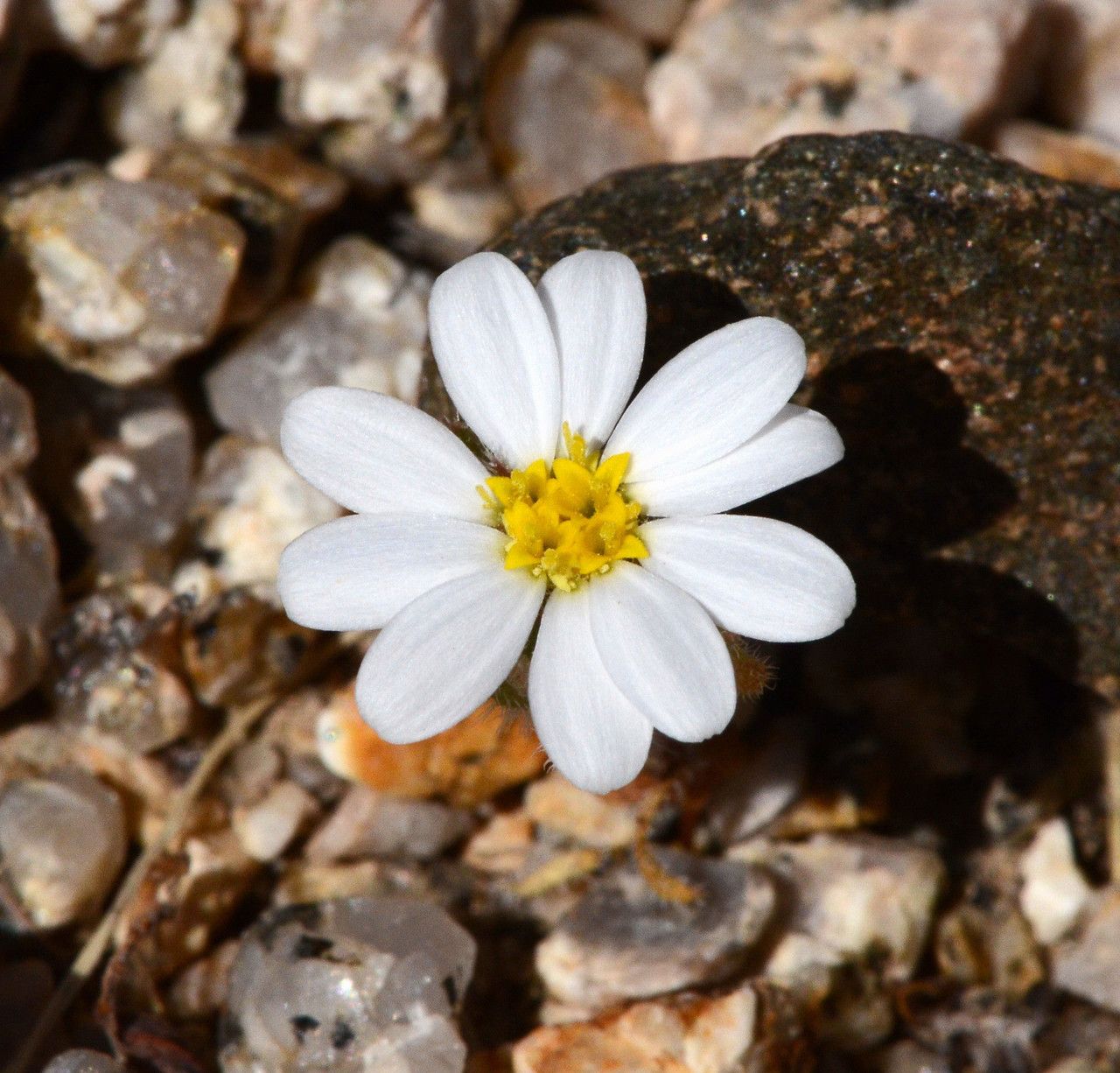
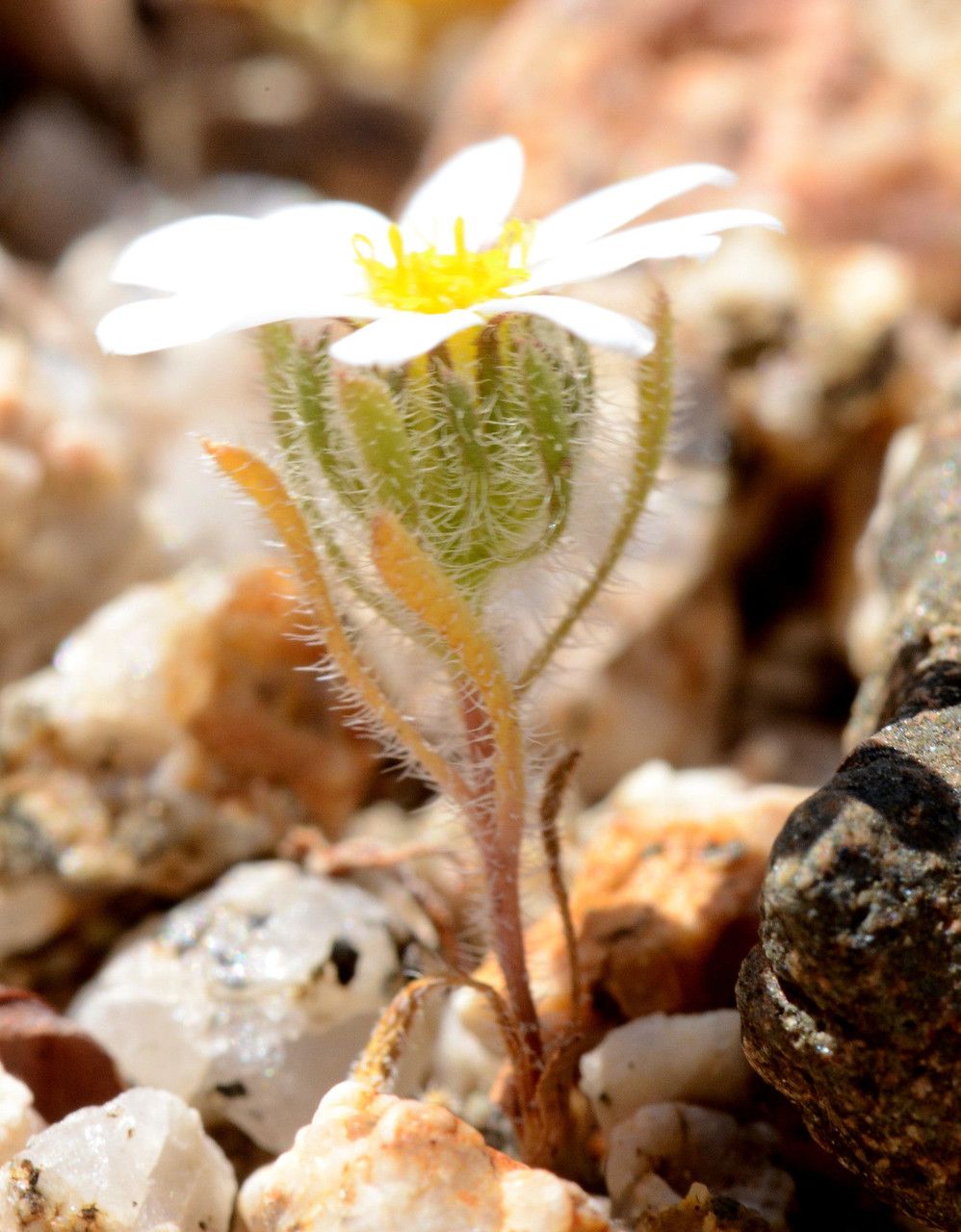
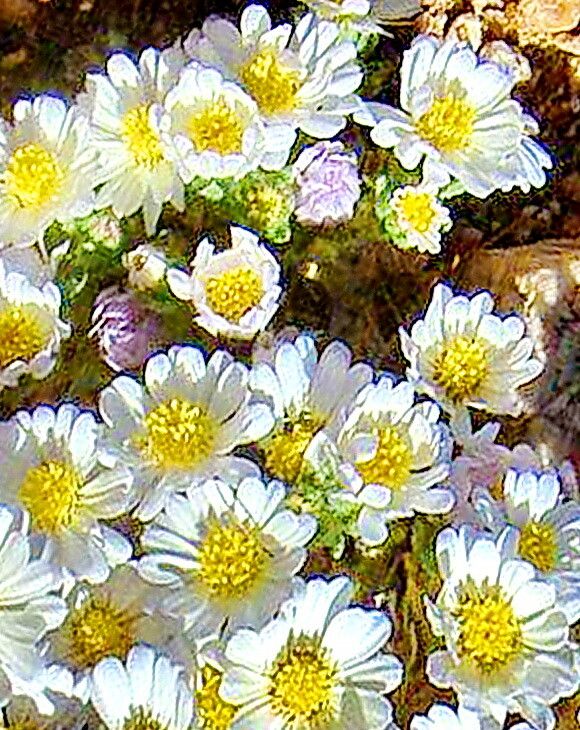
Monoptilon bellioides, the desert star, also called Mojave desertstar, is a desert flowering plant in the family Asteraceae.
Mojave desertstar has good resistance to disease and is generally not affected by them. However, it can be vulnerable to pests and diseases present in its surroundings. These problems are typically not severe. For care, this plant needs a moderate level of maintenance. It should be pruned regularly to keep a tidy appearance and support healthy growth. Fertilizing can also encourage flowering. Mojave desertstar is suitable for people who have outdoor spaces like a garden or patio and does not require extensive experience in plant care. It may need more attention if grown indoors.
How to keep Monoptilon Bellioides.
Light
the mojave desertstar grows best with a high amount of sunlight. those rays support healthy development of the plant. its light requirements stay steady throughout the various growth stages. coming from areas with abundant sun, it can suffer stunted growth or faded leaves when exposed to reduced sunlight.
Water
The Mojave desertstar is well-adapted to arid conditions, with a high tolerance for drought and minimal need for supplemental watering. To maintain optimal health, it should be watered once a week. Ideal for outdoor environments, the Mojave desertstar efficiently uses infrequent rainfall, making it a resilient choice for xeriscaping.
Temperature
Mojave desertstar is native to habitats where temperatures commonly range from 68 to 95 °F (20 to 35 ℃). It grows best within that temperature range. Seasonal adjustments may be required to reproduce those conditions.
Fertilizer
When the Mojave desertstar has opened most of its blooms to full size, resume fertilizing. During the period when blooms are at their peak, apply fertilizer every three to four weeks, weather permitting. After the Mojave desertstar begins to produce fewer new blooms, stop fertilizing; there is no need to feed the plant when it cannot produce additional blooms.
Pruning
The Mojave desertstar is a hardy desert plant known for its daisy-like flowers. To care for it, prune the plant from early to late spring by removing any dead stems. This practice encourages growth and improves air circulation. Regular pruning helps the plant remain compact and prevents disease. For the best results, use sterile tools when pruning, which will ensure healthy blooms and increase the plant’s longevity.
Botanical profile.
- Plant Type
- Herb
- Life Cycle
- Annual
- Genus
- Monoptilon
- Family
- Asteraceae
- Hardiness Zone
- 9-10
- Mature Height
- 3 cm to 25 cm
- Mature Spread
- 8 cm to 15 cm
- Leaf Color
- Green, Gray
- Leaf Type
- Semi-evergreen
- Flower Color
- White, Yellow
- Flower Size
- 2.54 cm
- Bloom Time
- Early spring, Mid spring
- Planting Time
- Spring, Summer
- Harvest Time
- Late spring, Early summer
- Native Area
- Mexico
Other names.
Reader questions.
How should I water my Mojave desertstar plant?
To water the Mojave desertstar, you have a few options. You can use a garden hose with a spray nozzle, a watering can, or any common watering tool. It's not too particular about the type of water it receives - rainwater, tap water, or filtered water will do just fine. However, try to avoid watering from above as this can damage the leaves, flowers, and potentially lead to disease. The best method for watering is to set up a drip irrigation system, which will evenly and directly water the soil. If you have a Mojave desertstar in a container, you can follow a similar approach, using a cup, watering can, or tap to apply water directly to the soil.
What are the sunlight requirements for the Mojave Desertstar?
The Mojave Desertstar requires above 6 hours of sunlight daily to thrive best. It's essential to watch how sunlight moves through your garden, selecting spots that offer a balance of light and shade. This attention ensures the plants receive the ideal conditions for growth, aligning with their native habitats of abundant sunshine. When grown indoors or under insufficient light, the Mojave Desertstar might experience stunted growth or faded leaves, emphasizing the importance of consistent sunlight through its growth stages.
What is the ideal temperature range for the Mojave desertstar?
The Mojave desertstar, or Monoptilon bellioides, is best suited to environments with temperatures ranging between 68 to 95 °F (20 to 35 °C). It is native to conditions that typically fall within this temperature range, indicating that it thrives best under these conditions. Seasonal adjustments may be required to closely mimic its natural habitat, ensuring the plant's health and growth.
What should I do if I give too much or too little water to my Mojave desertstar plant?
To prevent underwatering Mojave desertstar, water it regularly when you notice it lacks moisture. Overwatering, on the other hand, can lead to serious problems such as diseases and death. To avoid overwatering, choose a sunny location with good drainage. If you have overwatered a potted Mojave desertstar, consider repotting it with loose soil and a pot that drains well to promote healthy growth.
How can artificial lighting support the growth of the Mojave Desertstar indoors?
When natural sunlight is insufficient, especially during winter or in less sunny spaces, artificial lighting becomes crucial for the growth of indoor plants like the Mojave Desertstar. Opting for LED lights, which can be customized to provide specific light wavelengths, helps. These plants require 30-50W/sq ft of artificial light for those categorized as needing full sun, 20-30W/sq ft for partial sun, and 10-20W/sq ft for full shade plants. The artificial light source should be placed 12-36 inches above the plant, mimicking natural sunlight. Moreover, the duration of artificial lighting should reflect natural daylight hours, typically between 8-12 hours per day, to promote faster and healthier growth.
How does the Mojave desertstar handle cold temperatures?
The Mojave desertstar has a moderate tolerance to cold and can generally withstand temperatures above 0°C without needing additional protective measures. However, if temperatures are expected to drop below 0°C, it is necessary to implement temporary cold protection strategies. Wrapping the plant with plastic film, fabric, or other suitable materials can help shield it from the cold. Once the temperature rises above freezing again, these protective layers should be removed to prevent any potential damage to the plant.
How frequently should I water my Mojave desertstar plant?
The Mojave desertstar plant needs regular watering throughout the growing season. In spring, you should water it once per week. As the season progresses and temperatures rise, you may need to water two to three times per week. However, watering more than that can be harmful to the plant. Regardless of frequency, the soil should be kept moist but not wet. When it comes to a potted Mojave desertstar, you'll need to water more often as the soil in pots dries faster. Typically, you should water a container-grown Mojave desertstar a few times per week, compared to just once per week for a plant in the ground.
What symptoms indicate insufficient light for Mojave Desertstar when grown indoors?
Indoor Mojave Desertstar plants may show several symptoms if they receive inadequate light, including smaller new leaves, leggy or sparse growth, accelerated leaf drop, halted new growth, and lighter-colored or yellow leaves (chlorosis). In extreme cases of sunlight overexposure, symptoms like sunscald, leaf curling, wilting, and leaf scorching can occur. These signs indicate the plant is struggling with light conditions, either too little or too much, affecting its health and growth.
What are the symptoms of low temperature exposure and how can they be addressed in Mojave desertstar plants?
Exposure to low temperatures can cause the leaves of the Mojave desertstar to droop when the temperature falls below -5°C. In mild cases, the plant can recover, but more severe exposure may lead to wilting and eventual leaf drop. To manage frost-damaged parts, it is recommended to trim them off. To protect the plant from future cold events, wrapping it with materials such as non-woven fabric or cloth and constructing a wind barrier are effective solutions. These measures will protect the plant from cold winds and help maintain a suitable microclimate.
How much water does my Mojave desertstar plant need?
Determining how much water to give to your Mojave desertstar can be done in a few different ways. Some gardeners rely on feeling the soil for moisture, suggesting that watering should continue until the first six inches of soil are moist. Alternatively, you can use a specific measurement to guide your watering. On average, providing about two gallons of water per week is suitable, considering factors such as temperature and soil dryness. However, following strict guidelines may lead to overwatering if your plant requires less water. For container-grown Mojave desertstars, a different approach is necessary. Adding enough water to moisten all layers of dry soil is generally recommended. You can check the soil moisture by inserting your finger into the soil or by noticing a slight trickle of excess water from the drainage holes.
What strategies can improve light exposure for Mojave Desertstar plants?
To enhance light exposure for Mojave Desertstar plants, gradual adaptation is key. For indoor plants, gradually moving them to sunnier locations each week until they receive at least 6 hours of direct sunlight daily is advised. Utilizing a south-facing window and keeping curtains open during daylight can also help. If the plant is large or not easily movable, consider using artificial light sources for at least 8 hours daily. For outdoor plants, similarly, move them progressively to sunnier spots to avoid sunburn. Reducing obstructions like trees by pruning can increase sunlight exposure. If necessary, transplanting smaller plants during their dormant period to a location with ample sunlight and good drainage can be beneficial. It's important to note that parts of the plant affected by insufficient sunlight may not recover, but new growth should be healthy with improved light conditions.
How does the Mojave desertstar respond to high temperatures, and what solutions can mitigate these effects?
During the summer, it's important to ensure that Mojave desertstar's environment does not exceed 35°C. Temperatures above 41°C can lead to a lighter leaf color, dry and withered leaf tips, leaf curling, and increased susceptibility to sunburn. To address these issues, sunburned and dried parts should be trimmed away. Additionally, relocating the plant to a shaded area or using a shade cloth can protect it from the harsh midday and afternoon sun. Keeping the soil moist through watering in the morning and evening can also help alleviate the stress caused by high temperatures.