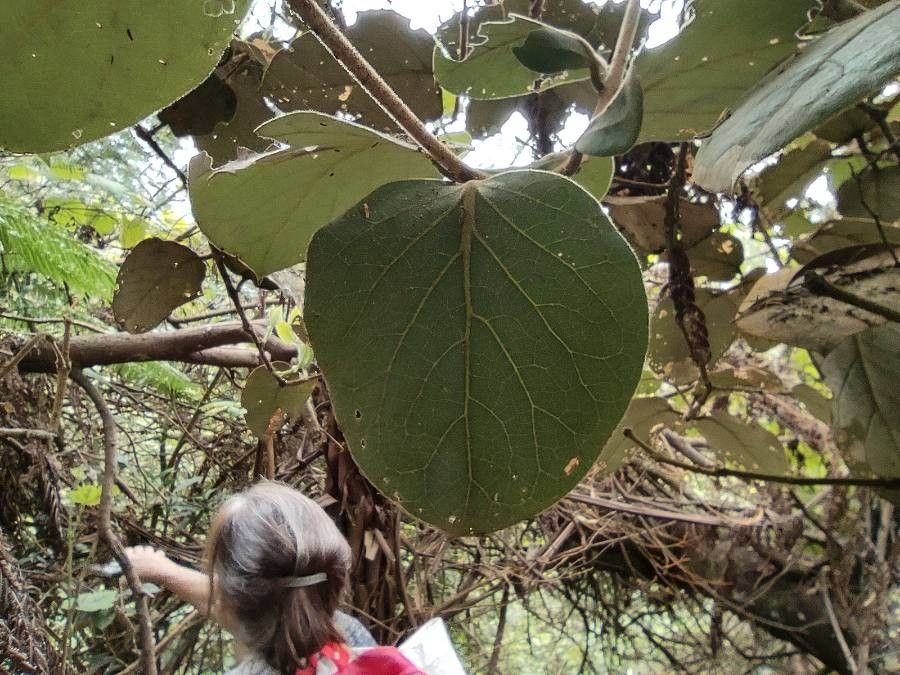
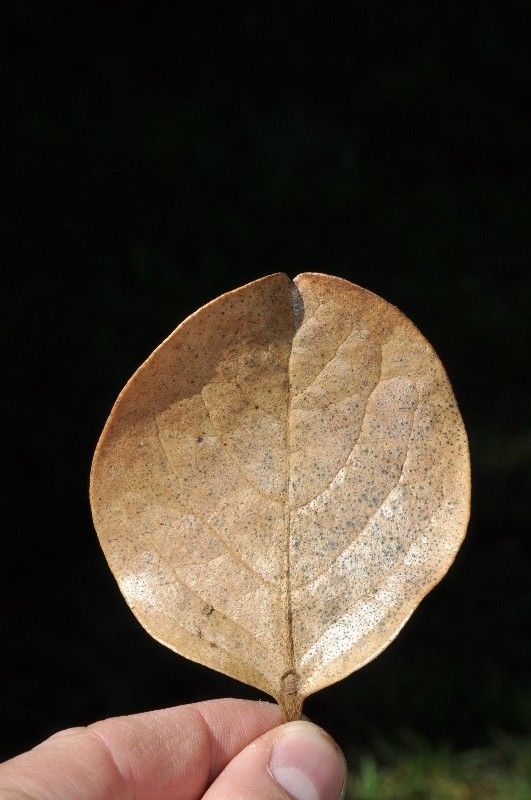
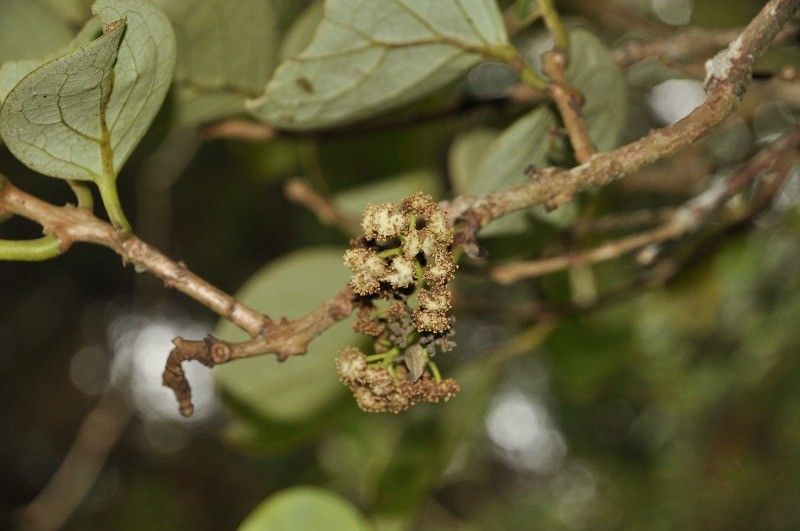
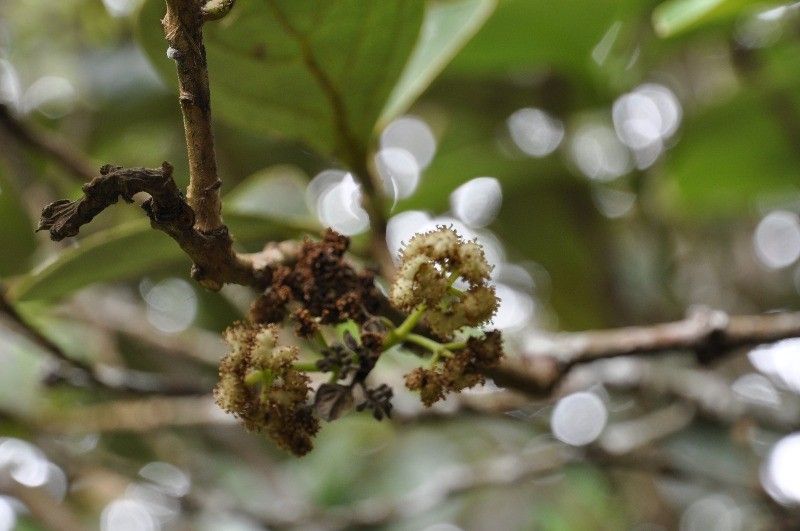
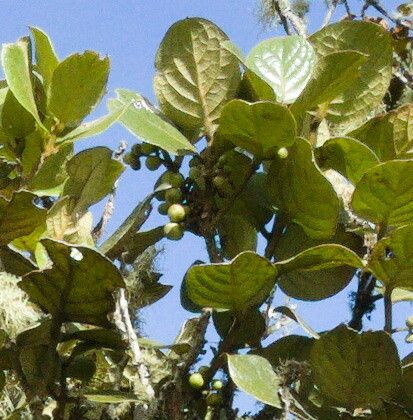
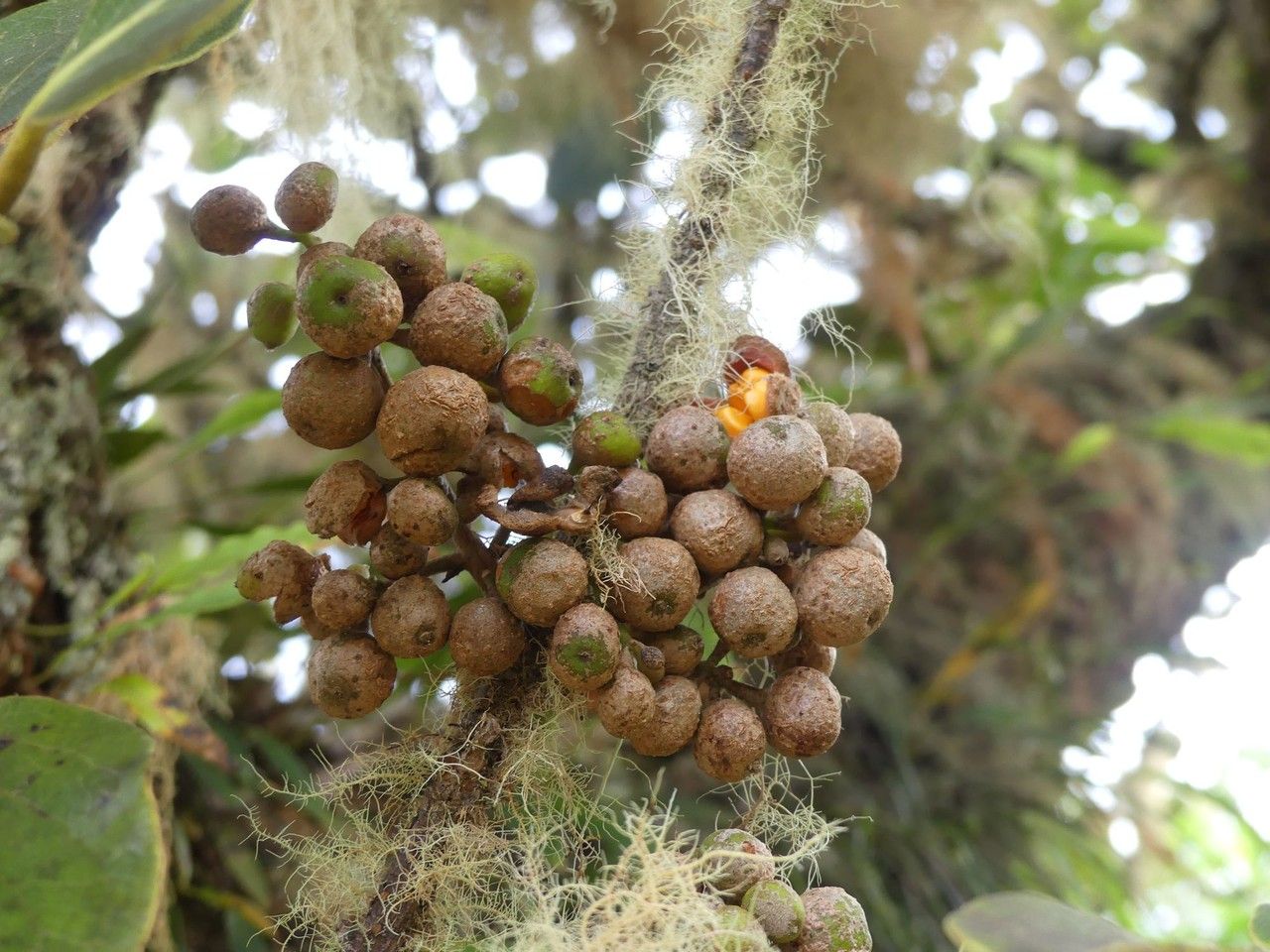
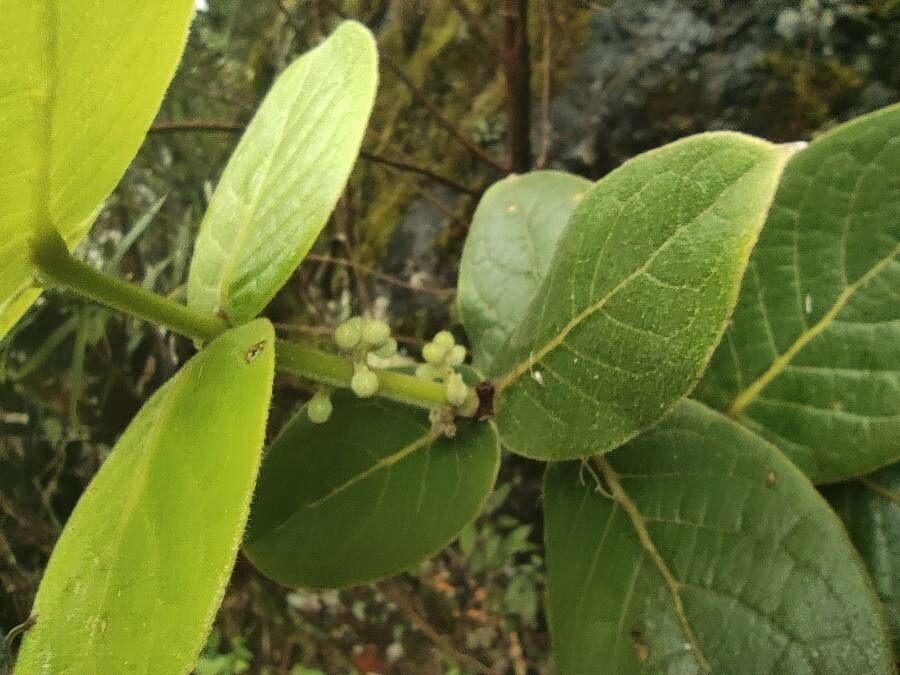
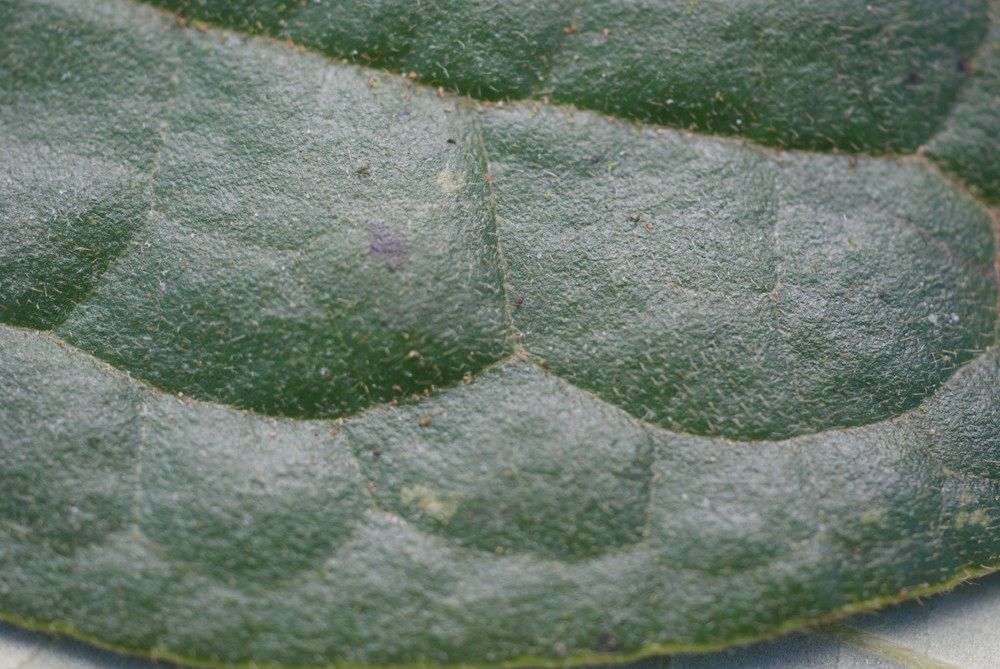
Monimia rotundifolia has strong resistance to disease and is usually not susceptible to illnesses. With respect to care, this plant is fairly low-maintenance. When grown outdoors it needs only light watering, and larger specimens typically do not require pruning. Smaller specimens, however, should be trimmed after they have finished blooming. Monimia rotundifoliat is appropriate for anyone who has an outdoor area, such as a garden or deck, and it does not demand much prior gardening experience.
How to keep Monimia Rotundifolia.
Light
Monimia rotundifolia is indigenous to habitats like forest understories and rocky terrain, where it grows in natural shade. While it favors partial sun, it can also tolerate full sun or complete shade, reflecting its versatile, hardy nature.
Water
Monimia rotundifolia is well-suited for semi-arid environments, demonstrating exceptional drought tolerance. It requires only infrequent watering, about once every 2 to 3 weeks. This plant conserves water efficiently, making it ideal for xeriscaping and low-water gardens. Additionally, it adapts well to natural rain cycles and can withstand prolonged dry periods.
Temperature
Monimia rotundifolia comes from tropical areas, where the weather is usually warm and humid. Consequently, it is adapted to high heat and moisture. It does not tolerate sudden temperature shifts and favors a steady temperature, so avoiding indoor fluctuations is important. It generally cannot tolerate cold and needs warmer conditions to grow. If the ambient temperature falls too low, the plant may stop growing or even die.
Fertilizer
Fertilizing is essential for the care of Monimia rotundifolia. Consistent feeding throughout the growing season maintains the energy needed for its showy foliage and promotes overall growth. Failing to fertilize can lead to unhealthy leaves, reduced ornamental value, and stunted or weak growth that is prone to breaking.
Pruning
Prune Monimia rotundifolia in early spring, just before new growth begins. This helps remove dead branches and maintain the plant's shape. Pruning at this time promotes better airflow, encourages healthy growth, and prevents disease. Make clean cuts just above leaf nodes to ensure quick healing and enhance the plant's aesthetic appeal.
Botanical profile.
- Plant Type
- Tree, Shrub
- Life Cycle
- Perennial
- Genus
- Monimia
- Family
- Monimiaceae
- Hardiness Zone
- 9-11
- Mature Height
- 10.06 m
- Mature Spread
- 76 cm
- Leaf Color
- Dark Green, Forest Green
- Leaf Type
- Semi-evergreen
- Flower Color
- White, Green
- Flower Size
- 12.70 cm
- Bloom Time
- Mid fall, Late fall, Early winter
- Planting Time
- Spring, Summer, Autumn
- Harvest Time
- Late winter, Early spring, Mid spring
Reader questions.
What's the best way to water my Monimia rotundifolia plant?
To ensure excellent root development, consider using a garden hose at the base of the plant, while avoiding direct spraying of the leaves. If the plant is outdoors and exposed to direct sunlight, the leaves may require more watering. Moistening the roots can be done using bubblers or soaker hoses. When adding or removing plants, using soaker hoses that cover the entire garden or bed can help push the roots deeply. Remember to drain any excess water and wait for the soil to dry before watering again. Watering at ground level is recommended to prevent diseases. On a sunny day, it may be beneficial to spray the entire bush with water. Whether the plant is potted or in the ground, it is important to remember that Monimia rotundifolia prefers deep watering rather than light sprinkling.
What do I do if I give Monimia rotundifolia too much or too little water?
An overwatered Monimia rotundifolia can exhibit yellowing, dropping, and wilting leaves, as well as a dull and unhealthy appearance with mushy stems. If these signs appear, it's best to adjust your watering schedule accordingly. On the other hand, wilting can also indicate under watering, characterized by crispy and dry leaves. When the soil is dry and watering alone is insufficient, ensure the plant receives a thorough watering. While sufficient water will help the Monimia rotundifolia recover, it may still display dryness and yellowing leaves due to root damage. However, once it returns to normal, the yellowing will cease. Indoors, always check the pot's moisture levels and avoid overwatering, being attentive to any black spots. In the presence of such spots, allow the soil to dry by refraining from watering for a few days. Overwatering can lead to root rot, so if you notice discolored and slimy roots, it may be necessary to transfer the plant to a different pot. Preventing root rot involves avoiding excessively soggy soil. When planting the Monimia rotundifolia outdoors, ensure the soil is sufficiently moist, and if you find it too dry, it could indicate underwatering. Adequate watering is crucial for the plant's recovery.
How often do I need to water my Monimia rotundifolia?
The Monimia rotundifolia is a plant that requires deep and infrequent watering, especially when planted in pots. Pots have limited water storage capacity and the soil tends to dry out quickly. In cold regions, watering is needed every 3 to 5 days. It is best to water it early in the morning when the soil is dry, whether it is placed outdoors or indoors. To determine if watering is needed, simply check the top 2-3 inches of soil. If it is dry, it's time for a full watering. On hot days, it is advised to check the soil moisture daily as the heat can rapidly dry out the pot. If you have a garden, regular irrigation is necessary, particularly in hot climates where watering once a week is recommended. Be mindful not to overwater, especially if there is already ample rainfall. When the Monimia rotundifolia is grown outdoors, adding a 3 to 4 inch mulch layer helps conserve water. Sandy soil requires more frequent watering due to its fast drainage, while clay soil can go for 2-3 days without watering to avoid root rot. It may be helpful to mark the watering dates on a calendar and pay attention to drooping leaves, which could indicate that watering is overdue.
How much water does my Monimia rotundifolia plant need?
The Monimia rotundifolia needs approximately one gallon of water on a regular basis. If you have potted plants, water them deeply until you see water dripping from the bottom of the pot. Wait for the soil to dry before watering again. Use a water calculator or moisture meter to track the amount of water given to the plant weekly. Provide ample water, especially during the flowering period, but allow the moisture to evaporate to prevent root rot. If the Monimia rotundifolia is planted outdoors and receives sufficient rainfall, additional watering may not be necessary. When the plant is young or recently planted, make sure it gets 1-2 inches of rain per week. As the Monimia rotundifolia matures, it can rely solely on rainfall. Only give the plant a full watering during cooler times of the day if the weather is excessively hot or if there has been no rainfall for 2-3 weeks, to protect it from heat damage. Additional watering will be needed during extended dry periods.
Should I change how often I water my Monimia rotundifolia based on the time of year or the weather?
The Monimia rotundifolia prefers to be outdoors, relying on rain for watering except during persistently dry weather when additional watering is needed. During the spring and fall, it's important to keep the soil moist but not soggy. Alternating between dry and moist soil conditions allows for optimal growth. In the summer, hot weather can cause water to evaporate quickly, so more frequent watering may be necessary if there isn't enough rainfall. In winter, the Monimia rotundifolia requires less water as it goes dormant, and a well-draining, moisture-retentive soil mixture can help with water evaporation. Once the plant starts leafing out in spring, watering can be skipped as it can rely on fall and winter rains during its dormant period. While cultivating the plant and promoting growth and blooming in warmer temperatures, it's important to maintain good drainage, especially in winter. When potted, the plant has limited root growth, so regular watering is necessary, especially in the summer. Deep soaking the entire root system once or twice a week, depending on the weather, is recommended, whereas shallow sprinkles should be avoided as they encourage fungal growth and don't reach the roots effectively. Even during dormancy in fall and winter, the Monimia rotundifolia should not be allowed to dry out completely. Excessive watering, on the other hand, should be avoided as the plant doesn't tolerate sitting in water for too long and may die if the soil doesn't drain well. Applying mulch can help reduce stress, conserve water, and promote healthy blooms.
What do I need to keep in mind when watering my Monimia rotundifolia based on the season, climate, or growth stage?
When planting Monimia rotundifolia in the ground, it mainly relies on rain for water. However, if there is no rainfall for 2-3 weeks, you should consider giving the plants a deep watering. It's best to water them in the morning during the summer to avoid stressing the roots with a big temperature difference. Also, avoid watering the bushes when it's very hot outside. Start mulching them in the spring when the ground is not too cold. The age of the plants matters, as newly planted ones often fail to grow due to lack of water. Once they are established, you can reduce the watering schedule. In fall and winter, especially if there is a water-retaining material in the soil, water them less to prevent drying out from dry winds. Windy seasons require more watering. Plants in pots dry out faster, so they need more water. If the plants bloom less and the leaves start drying up, it's a sign to increase watering. Watering potted plants can be more complex and variable in frequency. Avoid letting the pot-planted plants sit in water by not using containers with saucers, bowls, or trays. Too much watering in the fall can cause mottled or yellowish foliage. Prevent overwatering regardless of the climate or season. During flowering months, you can increase the watering frequency, but once fully grown, give them a rest. Water them with an adequate amount once every 3 to 5 days, but don't stick to a strict schedule. Check the soil's dryness by using your finger or a moisture meter. Avoid overwatering or underwatering to prevent root rot and ensure the plants' health in any climate or season.
Why is it important to water my Monimia rotundifolia plant?
To ensure the Monimia rotundifolia plant receives the necessary nutrients, it is important to water it appropriately. The amount of water needed depends on the weather conditions and the soil of your area. While this species thrives on moist soil, it cannot tolerate excessive waterlogging. If planted in the ground, make sure to provide enough mulch and avoid under-watering. When potted, give a full can of water and ensure the base is moist for optimal blooming. For foliage growth, water up to a depth of 10 to 20 inches. During rainfall, refrain from watering to allow the plant to absorb nutrients naturally.