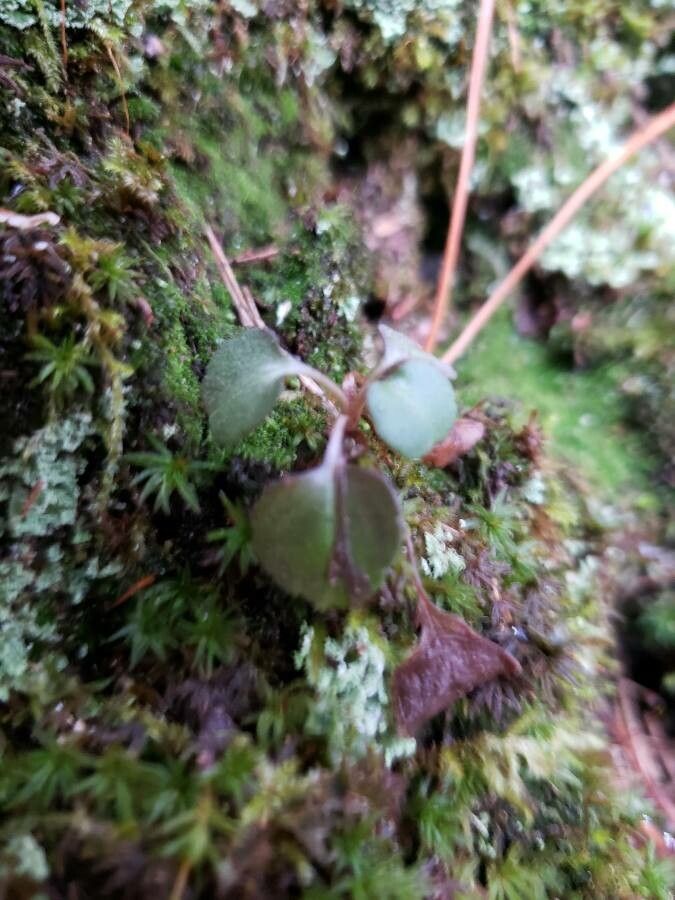
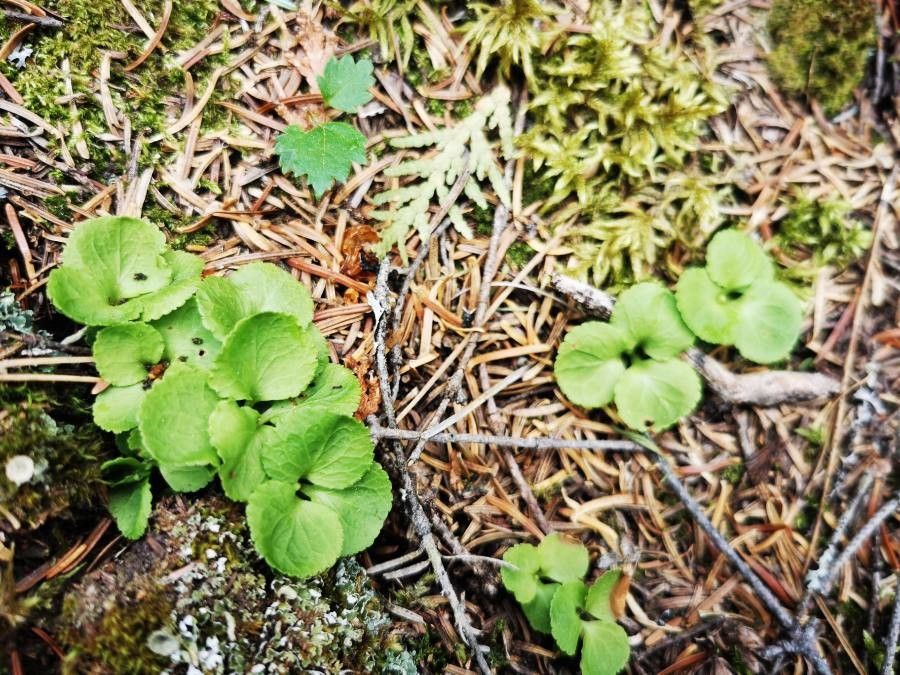
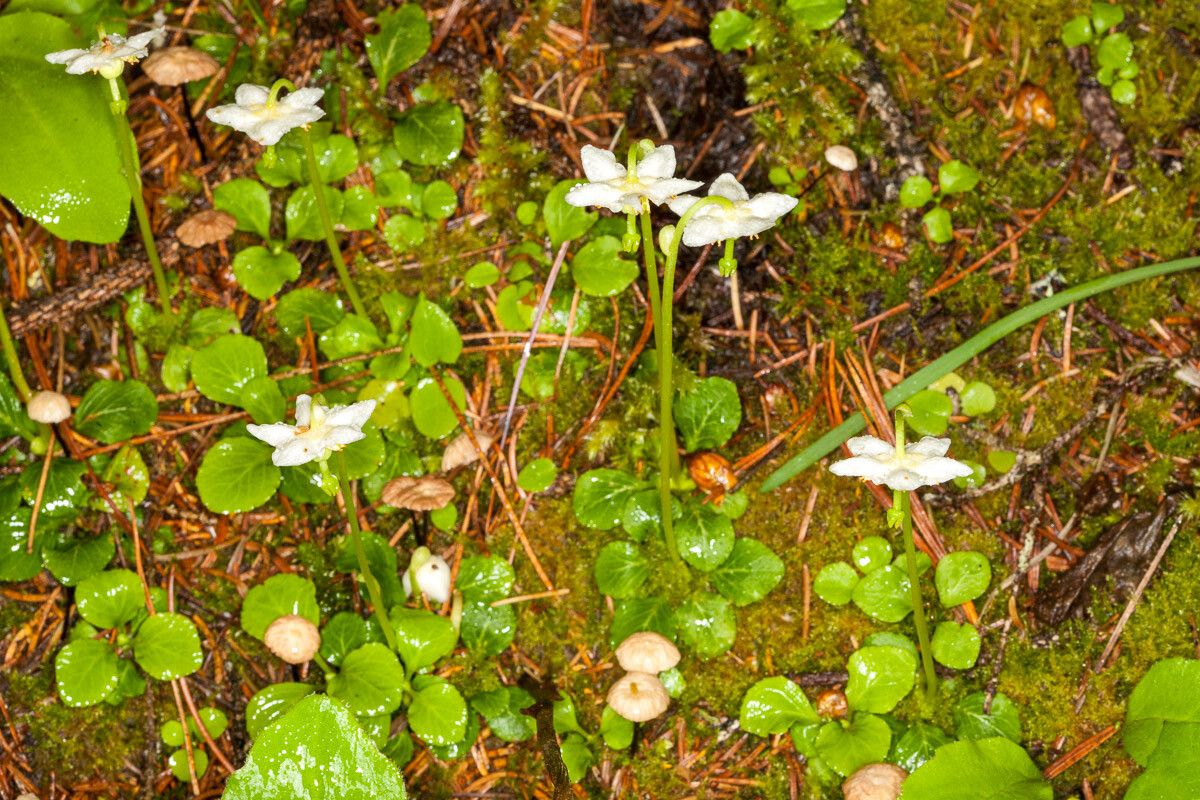
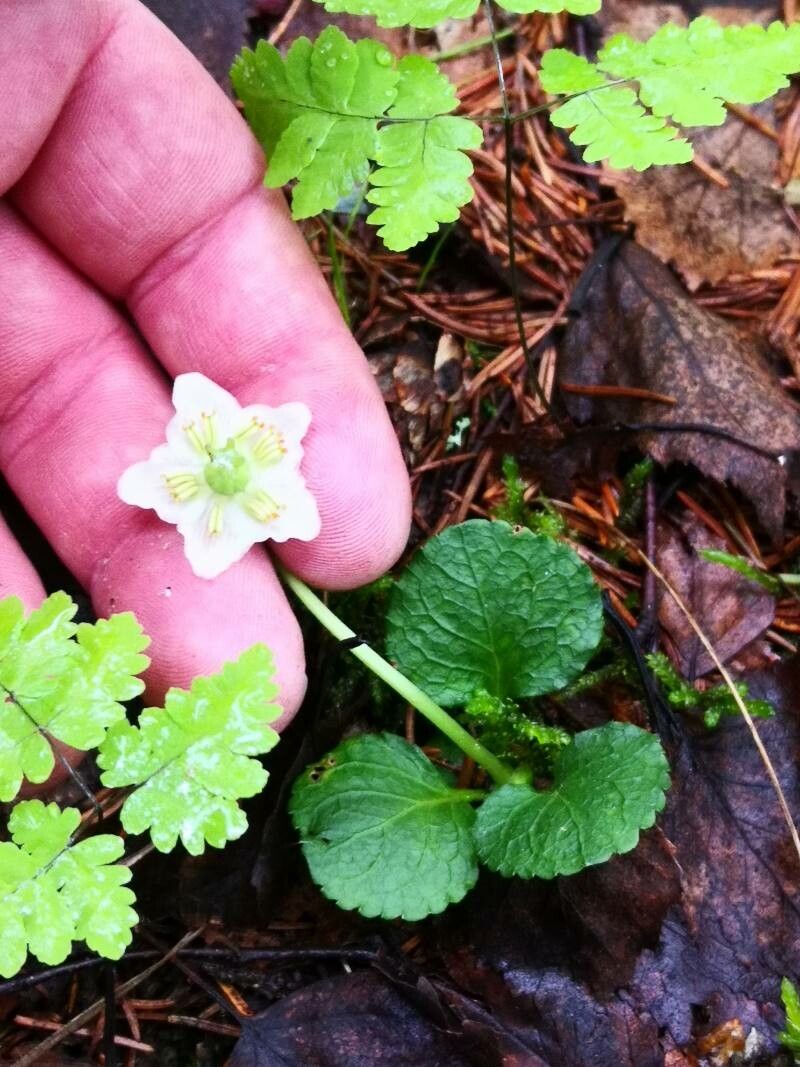
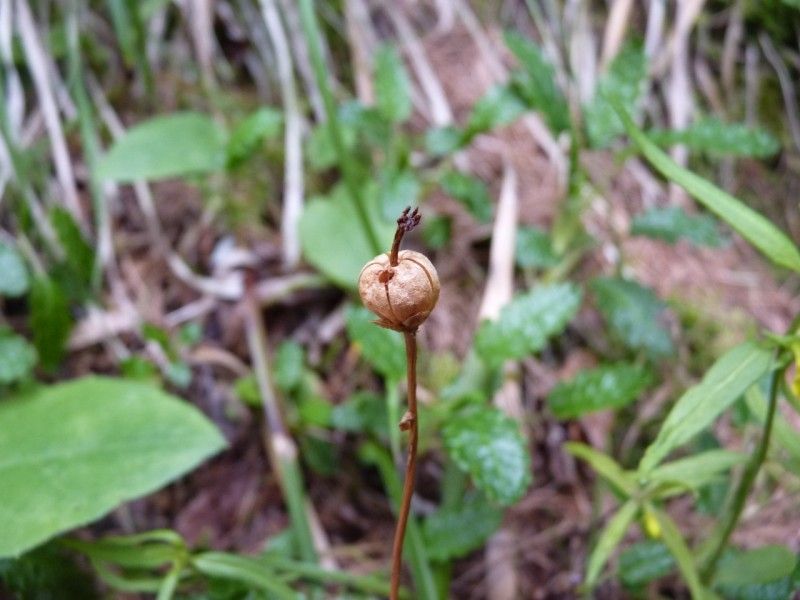
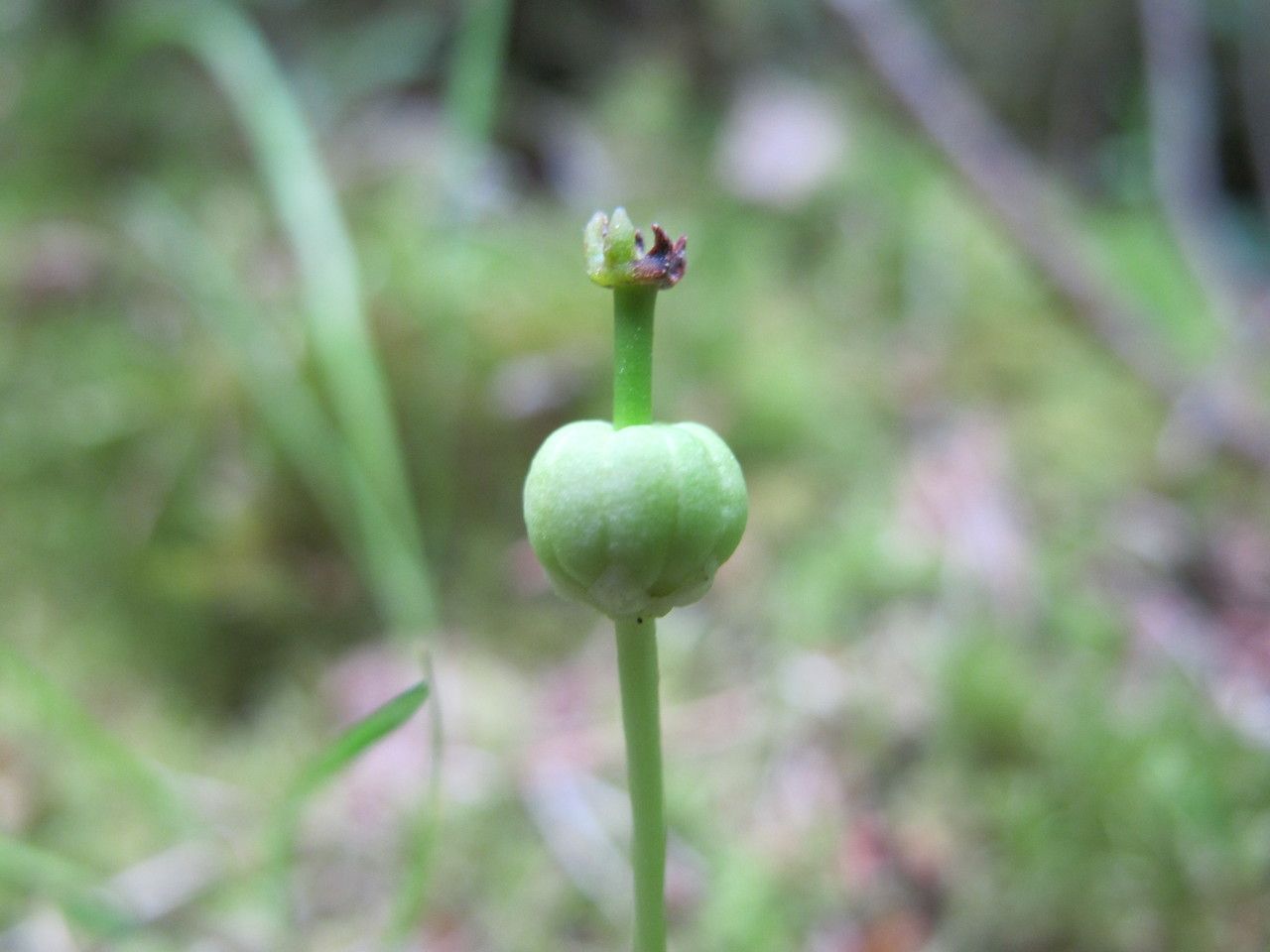
Moneses uniflora, the one-flowered wintergreen (British Isles), single delight, wax-flower, shy maiden, star of Bethlehem (Aleutians), St. Olaf's candlestick (Norway), wood nymph, or frog's reading lamp, is a plant of the family of Ericaceae, that is indigenous to moist coniferous forests in temperate regions of the Northern Hemisphere from Spain to Japan and across North America. It is the sole member of genus Moneses.
Wax flower is fairly disease-resistant and generally does not suffer from many illnesses. However, it can be vulnerable to pests and diseases present in its surroundings. These problems are usually not severe. For care, the plant requires moderate maintenance. It should be pruned regularly to preserve a good appearance and support healthy growth. Fertilizing can also help encourage flowering. Wax flower is well suited for anyone with outdoor space, such as a garden or patio, and does not demand much prior care experience. It may need more attention when kept indoors.
How to keep Moneses Uniflora.
Light
Wax flower grows best with moderate sunlight, although it can tolerate spots that receive sun throughout the day. Originating from habitats with filtered light, the different growth stages are not greatly affected by the light level. Still, both too much and too little sunlight can stunt its growth and cause health problems.
Water
The wax flower thrives in moist, shaded environments and prefers soil that remains consistently damp. To meet its hydration needs, water it weekly. Ideally suited for indoor cultivation, this evergreen plant requires steady moisture and adequate humidity, particularly during its active growth periods. It benefits from controlled watering conditions to maintain its health and vitality.
Temperature
Wax flower is native to areas with climates that are generally cold to moderately warm, with temperatures ranging from 32 to 70 °F (0 to 21℃). During seasonal shifts, raise the temperature as needed to emulate their natural habitat.
Fertilizer
For Wax flower, the primary time to apply fertilizer is in early spring while the flowers are developing. Using an appropriate fertilizer promotes better blooms and helps Wax flower produce attractive flowers. Fertilizing in early spring ensures strong flowering during the season and supplies energy for dormant growth phases.
Pruning
To ensure healthy growth, wax flowers should be properly pruned from early to late spring. Start by thinning the inner branches to improve air circulation and allow more light to reach the plant. Regular light pruning is recommended. Always use clean, sharp tools and keep the plant's natural shape in mind for the best appearance.
Botanical profile.
- Plant Type
- Herb
- Life Cycle
- Perennial
- Genus
- Moneses
- Family
- Ericaceae
- Hardiness Zone
- 2
- Mature Height
- 5 cm to 15 cm
- Mature Spread
- 30 cm
- Leaf Color
- Green
- Leaf Type
- Evergreen
- Flower Color
- White
- Flower Size
- 1.27 cm to 2.03 cm
- Bloom Time
- Early summer, Mid summer
- Planting Time
- Spring, Summer, Autumn
- Harvest Time
- Late summer, Early fall
- Native Area
- Turkey, Sweden, India, Austria, Slovakia, Montenegro, Slovenia, Croatia, Belarus, Russia, Germany, Estonia, Koppen, Romania, Latvia, Netherlands, France, Czech Republic, Bulgaria, Poland, Greece, Ukraine, Serbia, China, Lithuania, Norway, Kyrgyzstan, Kazakhstan, Italy, Spain, Switzerland, Denmark, Japan, Mongolia, Finland, Albania, United Kingdom, Hungary
Other names.
Reader questions.
How should I water my Wax flower?
To ensure the optimal health of the Wax flower, it is recommended to water it with filtered water at room temperature. Tap water may contain harmful particles that could negatively impact the plant. Since the Wax flower is accustomed to warm environments, using cold water can be a bit shocking. It is best to avoid overhead watering as it may lead to foliage complications. Instead, it is advised to thoroughly soak the soil with filtered room temperature water. This helps moisturize the roots and allows them to spread and gather essential nutrients for the plant's growth.
What are the sunlight requirements for Wax Flower (Moneses uniflora)?
Wax Flower thrives in areas with moderate sunlight exposure and can withstand areas that receive sunlight for the entire day. It originates from environments with dappled sunlight, and its growth is not vastly affected by the amount of sunlight it receives. However, too much or too little sunlight can stagnate its growth and cause health issues. For optimal growth, Wax Flower should ideally receive about 3-6 hours of sunlight (partial sun) daily, though it can also flourish in full sun, which means above 6 hours of sunlight per day. It's important to watch how sunlight moves through your garden to choose spots that provide the perfect balance of light and shade, ensuring the plant's happiness.
What is the indigenous climate for the Wax flower?
The Wax flower is indigenous to regions where the climate is typically cold to temperately warm, with temperatures ranging from 32 to 70 °F (0 to 21°C). To accommodate seasonal changes, it's advised to adjust the temperature accordingly to closely mimic their natural environment.
What should I do if I give my Wax flower too much water or too little water?
Overwatering is a common issue for Wax flowers and can cause wilting, yellowing leaves, and diseases like root rot, mold, and mildew. It's important to notice these signs early and reduce watering immediately to prevent irreversible damage. If the soil drains poorly, replace it with a loose, well-draining potting mix. Underwatering is less common but can cause brittle, brown leaves. To fix this, water more regularly until the signs improve.
How does artificial lighting affect Wax Flower growth indoors?
When natural sunlight is insufficient, especially during winter or in less sunny spaces, artificial lighting become crucial for the growth of Wax Flower plants indoors. Adequate artificial lighting promotes faster, healthier growth. LED lights are a popular choice because they can provide specific wavelengths of light needed by plants. For full sun plants, 30-50W/sq ft of artificial light is needed; for partial sun plants, 20-30W/sq ft is required; and for full shade plants, 10-20W/sq ft is sufficient. The light source should be placed 12-36 inches above the plant to mimic natural sunlight, and most plants need 8-12 hours of light per day to thrive.
Does the Wax flower require frost protection during winter?
The Wax flower is highly cold-tolerant and does not require additional frost protection measures during winter. Before the first freeze in autumn, it is recommended to water the plant generously, ensuring the soil is moist as it enters a frozen state. This practice helps prevent drought and water scarcity for the plant during the winter and early spring months.
How often should I give water to my Wax flower?
If your Wax flower is planted in a pot, the most precise way to determine if it needs water is by sticking your finger into the soil. If the top two to three inches of soil are dry, it's time to water it. If you're growing your Wax flower outdoors in the ground, you can use a similar method to check the soil. Once you notice the top few inches of soil have dried out, it's time to water it. Usually, during spring and early fall, you'll need to water this plant about once a week using this method. However, during extremely hot weather, you may need to increase watering to twice or more per week. It's worth mentioning that mature, well-established Wax flowers have an impressive ability to survive dry periods.
What are the symptoms of light deficiency in Wax Flower?
When Wax Flower is grown indoors with insufficient light, several symptoms may indicate light deficiency. These include smaller new leaves, leggy or sparse growth, faster leaf drop, slowed or halted new growth, lighter-colored new leaves indicating a lack of chlorophyll, chlorosis (leaves turning yellow), sunscald characterized by pale or necrotic areas on the plant tissue, leaf curling as a defense mechanism to minimize water loss, wilting due to rapid water loss, and leaf scorching showing as brown, dry, and crispy leaf edges.
What happens if the Wax flower is exposed to temperatures below -40°C?
Although the Wax flower is extremely cold-tolerant, maintaining the winter temperature above -40°C is crucial. If the temperature dips below this threshold, there might not be noticeable changes during the winter. However, there could be a decrease in sprouting or even no sprouting during springtime. In spring, it's recommended to remove any parts of the plant that have failed to sprout.
How much water does my Wax flower require?
To properly water your Wax flower, don't hold back on the amount of water you use. Wait until the top few inches of soil are dry, then make sure to thoroughly soak the entire soil. It's important to add enough water that it drains out through the bottom of the pot. If there is no excess water draining, you may have underwatered the plant. However, be careful not to let water accumulate in the soil, as this can harm the plant. If water is not draining properly, it could mean the soil doesn't drain well, which is not good for the plant's health. If the plant is outside, around 1 inch of rain per week should be enough.
How can I address Wax Flower's light deficiency symptoms?
To address light deficiency symptoms in Wax Flower, you can optimize plant growth by gradually acclimating them to more sunlight or by providing additional artificial light. Indoors, consider moving the plant to sunnier spots or use a desk, ceiling lamp, or professional plant grow lights for at least 8 hours daily. Outdoors, gradually move the plants to sunnier locations each week to prevent shock. Reduce obstructions by pruning branches or leaves from overhead trees, and consider transplanting smaller plants to sunnier spots during their dormant period. Note that parts of the plant affected by insufficient sunlight may not recover, but new growth will be healthy after adjusting light exposure.
How does the Wax flower react to high temperatures?
The Wax flower does not tolerate high temperatures well. Growth halts when temperatures exceed 21°C, and the plant becomes more susceptible to rot. To mitigate damage, trim away sunburned and dried-up parts. Move the plant to a location that offers shade during midday and afternoon sun or utilize a shade cloth. Keeping the soil moist through morning and evening watering is also beneficial.