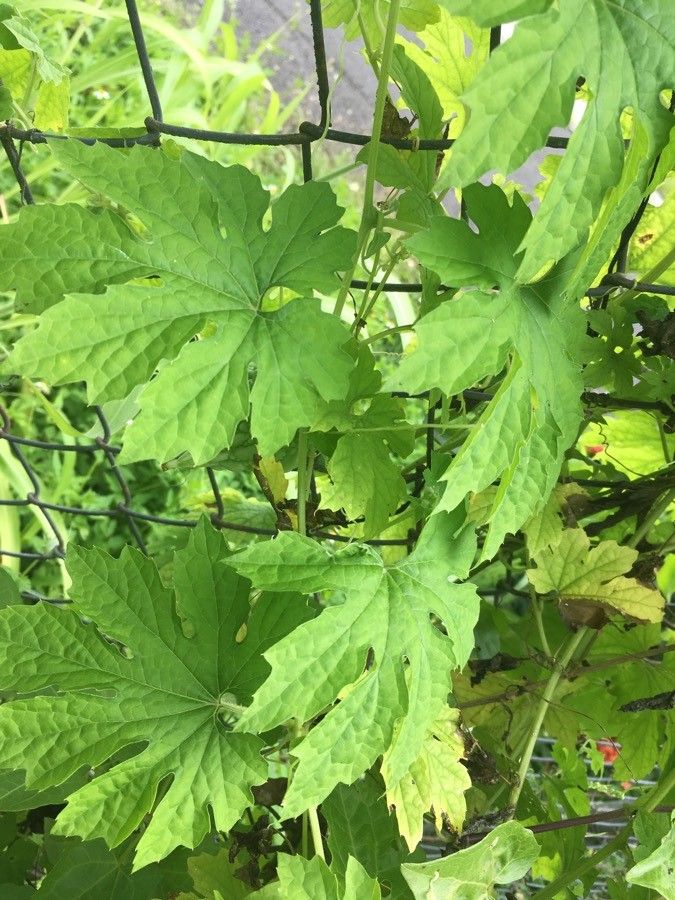
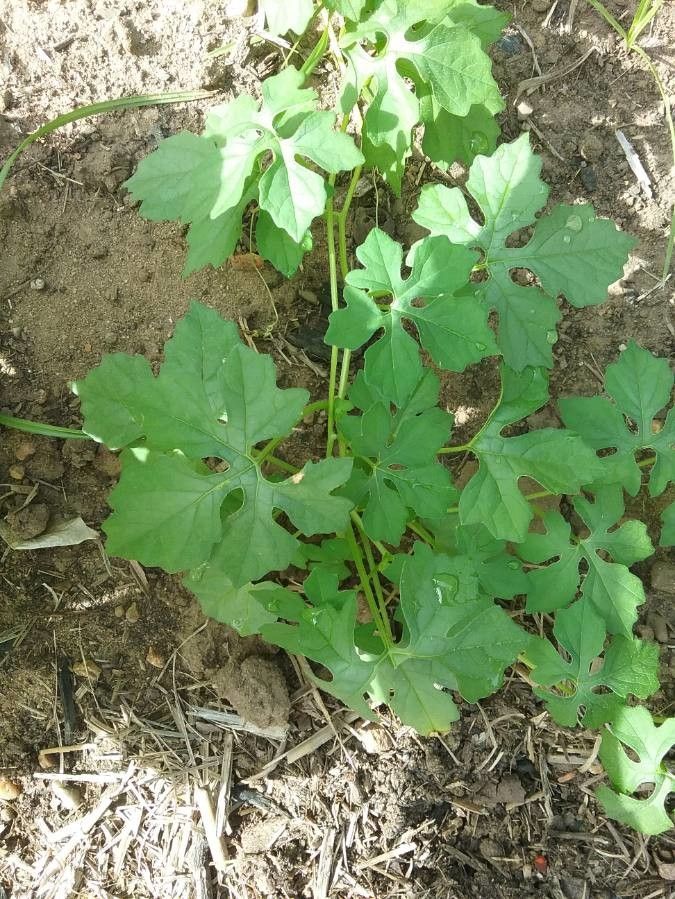
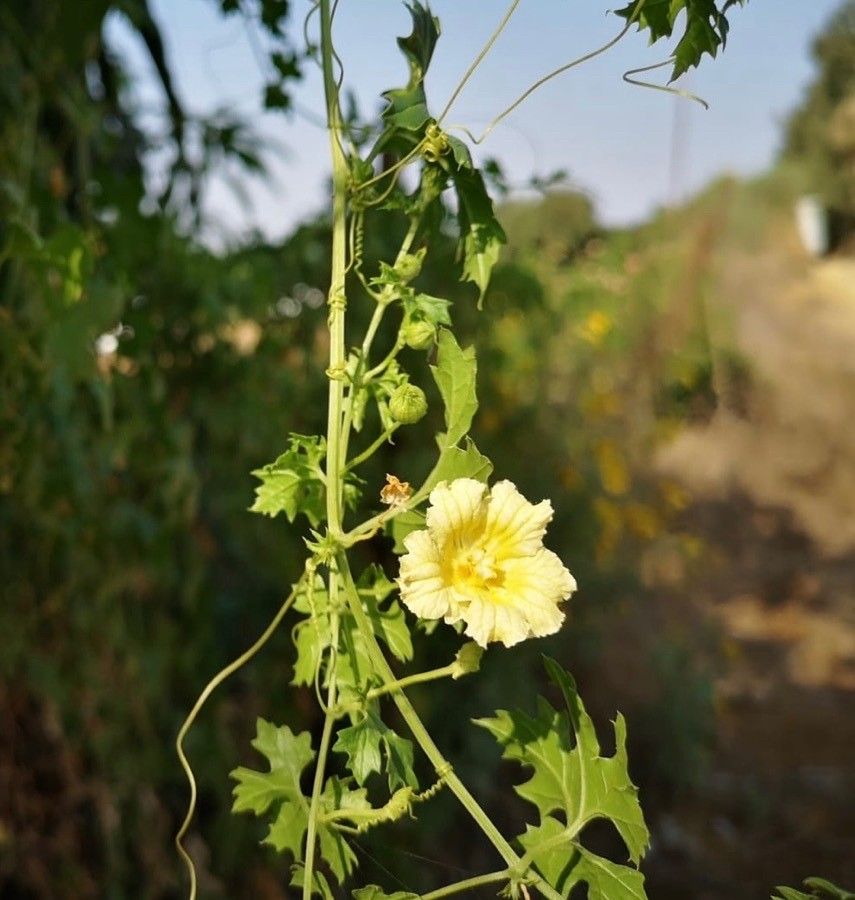
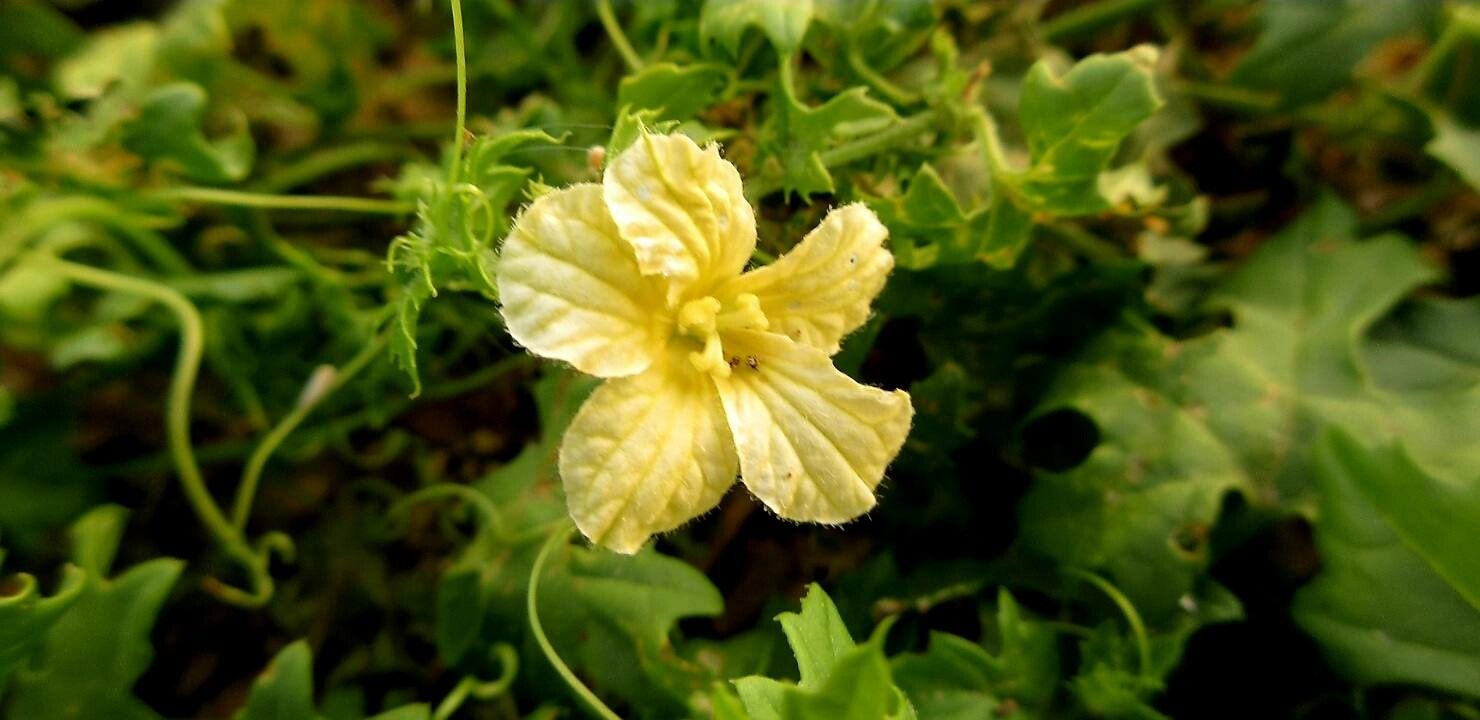
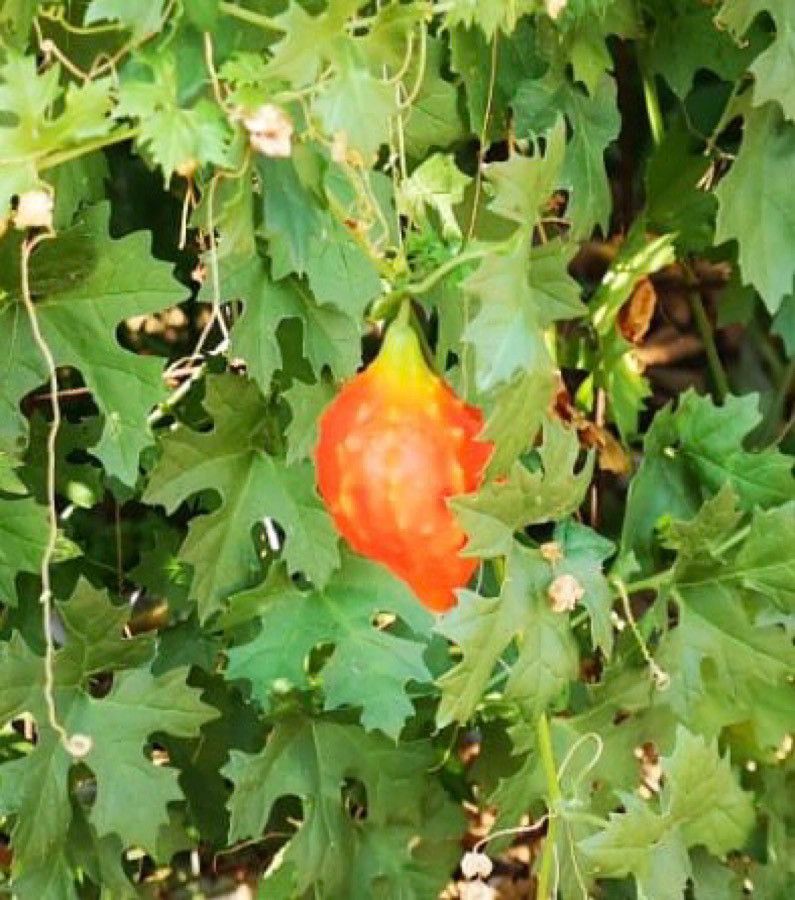
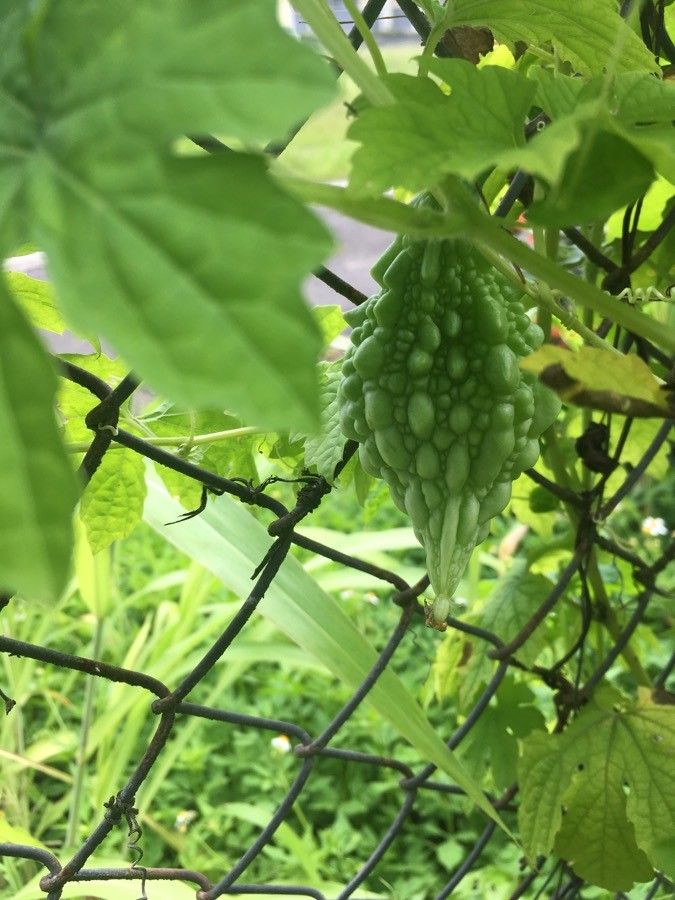
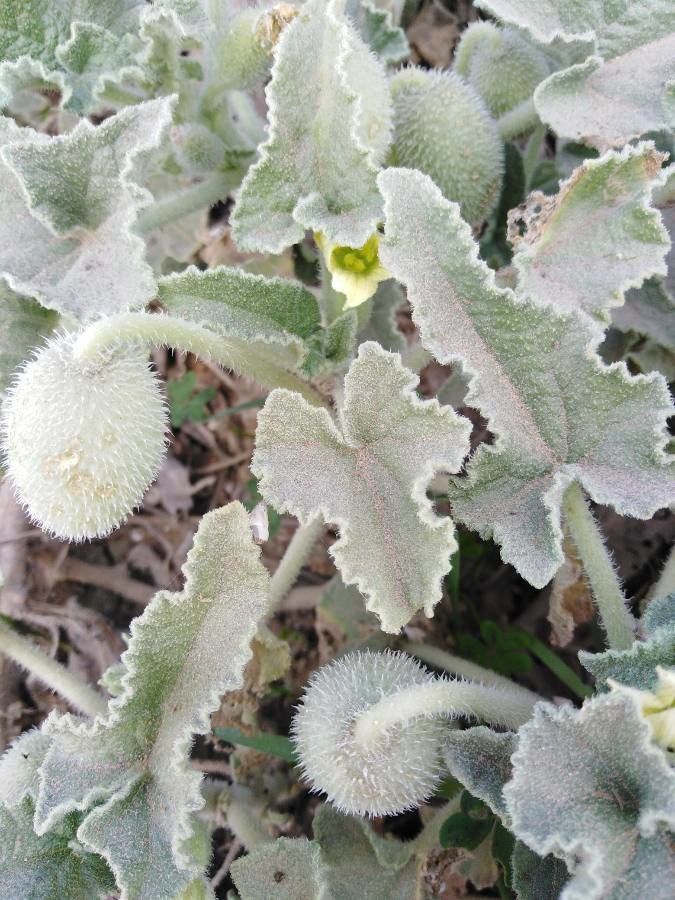
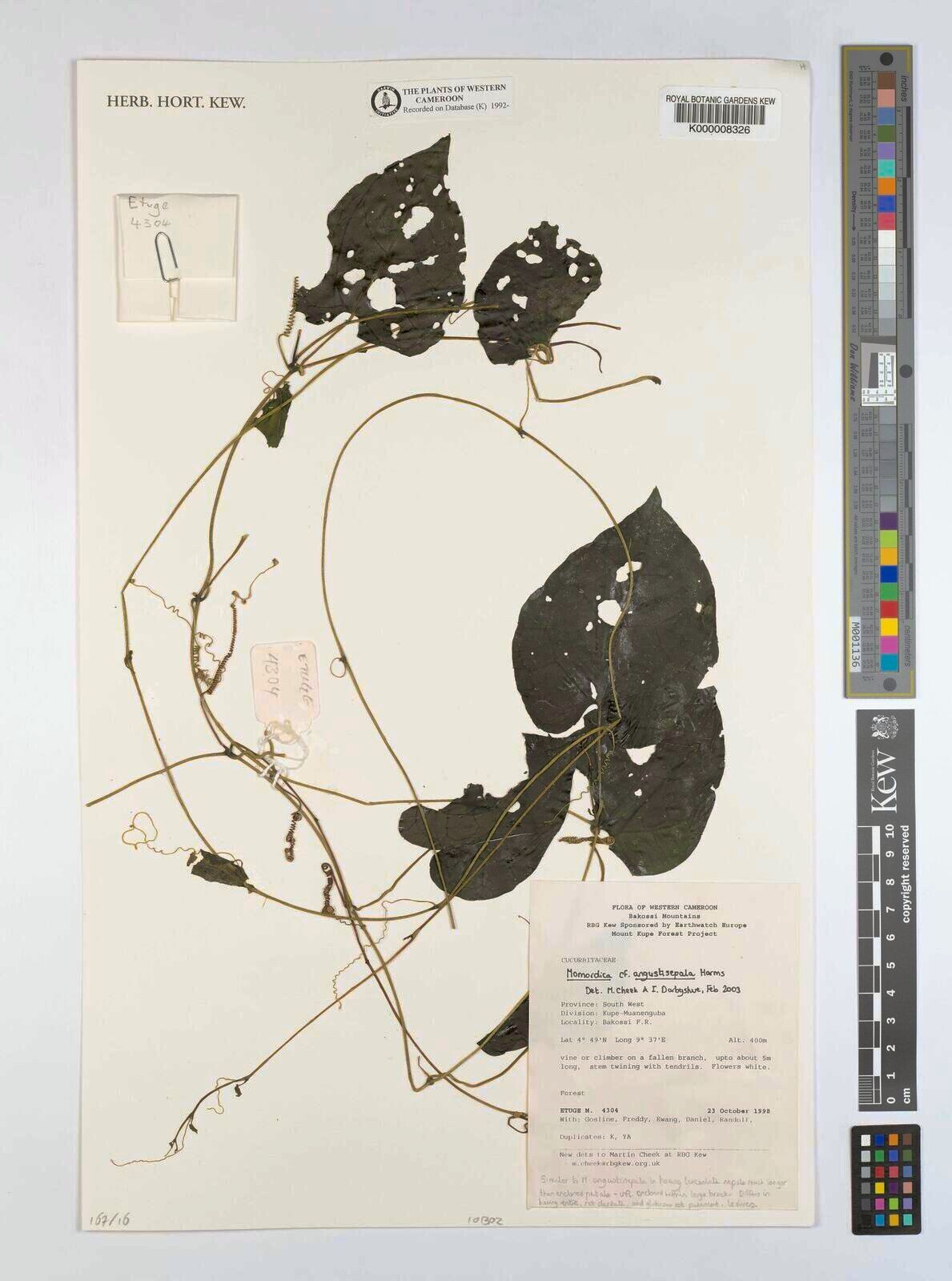
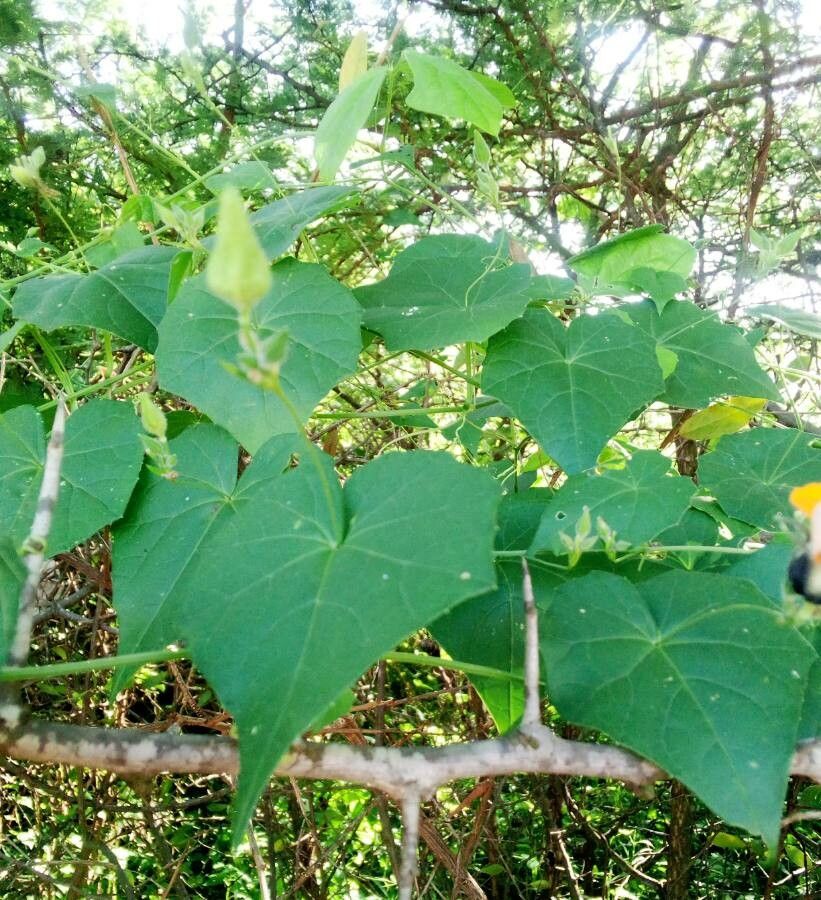
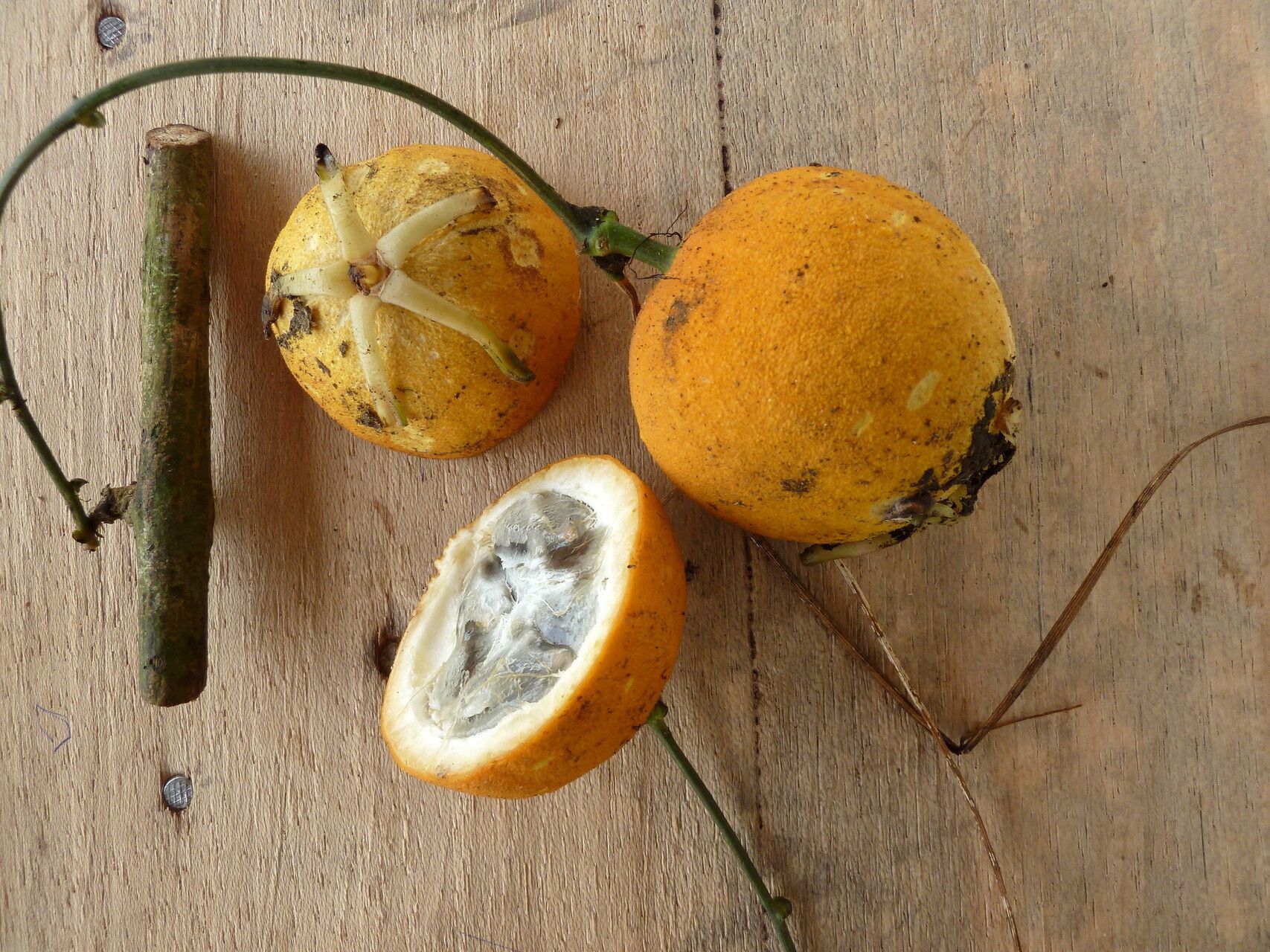
Momordica balsamina is a tendril-bearing annual vine native to the tropical regions of Africa, introduced and invasive in Asia, Australia, Central America, and North America, where they have been found in some parts of Florida. In 1810, Thomas Jefferson planted this vine in his flower borders at Monticello along with larkspur, poppies, and nutmeg.
Southern balsampear is poorly resistant to diseases and is prone to powdery mildew, horn spot, and leaf spot. It likewise has low resistance to most insect pests. When it becomes diseased, treatment is necessary, though most diseases only reduce yield and are not fatal. Regarding care, Southern balsampear needs frequent watering in summer and increased fertilizer to encourage fruit growth. It does not require much pruning. Because of this, it is suitable for those with a garden or outdoor space who can devote some effort to its care.
How to keep Momordica Balsamina.
Light
Southern balsampear comes from habitats with plenty of sunlight, like open fields and sunlit meadows. It prefers full sun but can also tolerate partial sun.
Temperature
Southern balsampear favors moderate temperatures, similar to those most people find comfortable. It grows best in conditions that are neither too warm nor too cold. The primary concern with high temperatures is the danger of sunburn, so providing some shade in summer is recommended to avoid excessive heat. When temperatures fall, Southern balsampear becomes dormant. If continuous growth is wanted, higher temperatures must be maintained during the winter. Frost can injure the plant and should be avoided.
Fertilizer
To nourish Southern balsampear, use natural or commercial fertilizer high in nitrogen for leaf development, phosphorus for roots and flowering, and potassium for photosynthesis and maximum fruit yield. Plant in spring, improve the soil with compost or manure, and fertilize seedlings once they reach 2-4 inches in height. A shortage of macronutrients causes slow growth, wilting, and reduced fruit quality.
Botanical profile.
- Plant Type
- Herb, Vine
- Life Cycle
- Annual
- Genus
- Momordica
- Family
- Cucurbitaceae
- Hardiness Zone
- 10-12
- Mature Height
- 2.13 m to 3.96 m
- Mature Spread
- 0.91 m to 2.13 m
- Leaf Color
- Green, Dark Green
- Leaf Type
- Deciduous
- Flower Color
- Yellow
- Flower Size
- 2.03 cm to 3.05 cm
- Bloom Time
- Summer, Early fall, Mid fall
- Planting Time
- Spring, Summer, Autumn
- Harvest Time
- Late summer, Fall, Early winter
- Native Area
- Burkina Faso, Djibouti, Somalia, Angola, Malaysia, Namibia, Eritrea, Pakistan, Nigeria, Yemen, Niger, Tanzania, Zimbabwe, Benin, Mali, Jordan, Indonesia, Cameroon, Mozambique, Oman, Ethiopia, Botswana, Nepal, Saudi Arabia, South Africa, Zambia, Sudan, Mauritania, Chad, China, Israel, Senegal, Eswatini
Other names.