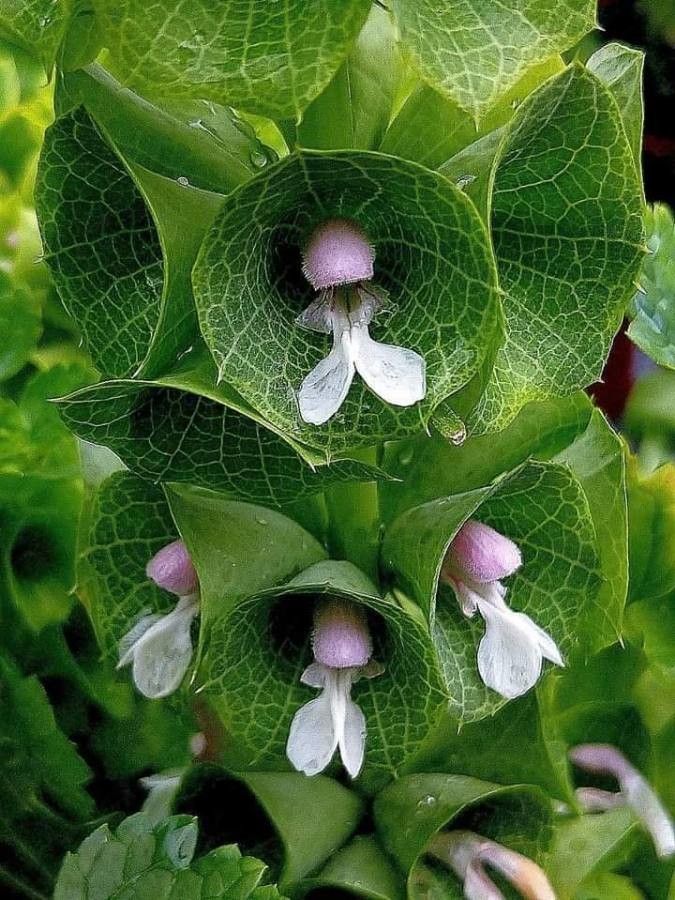
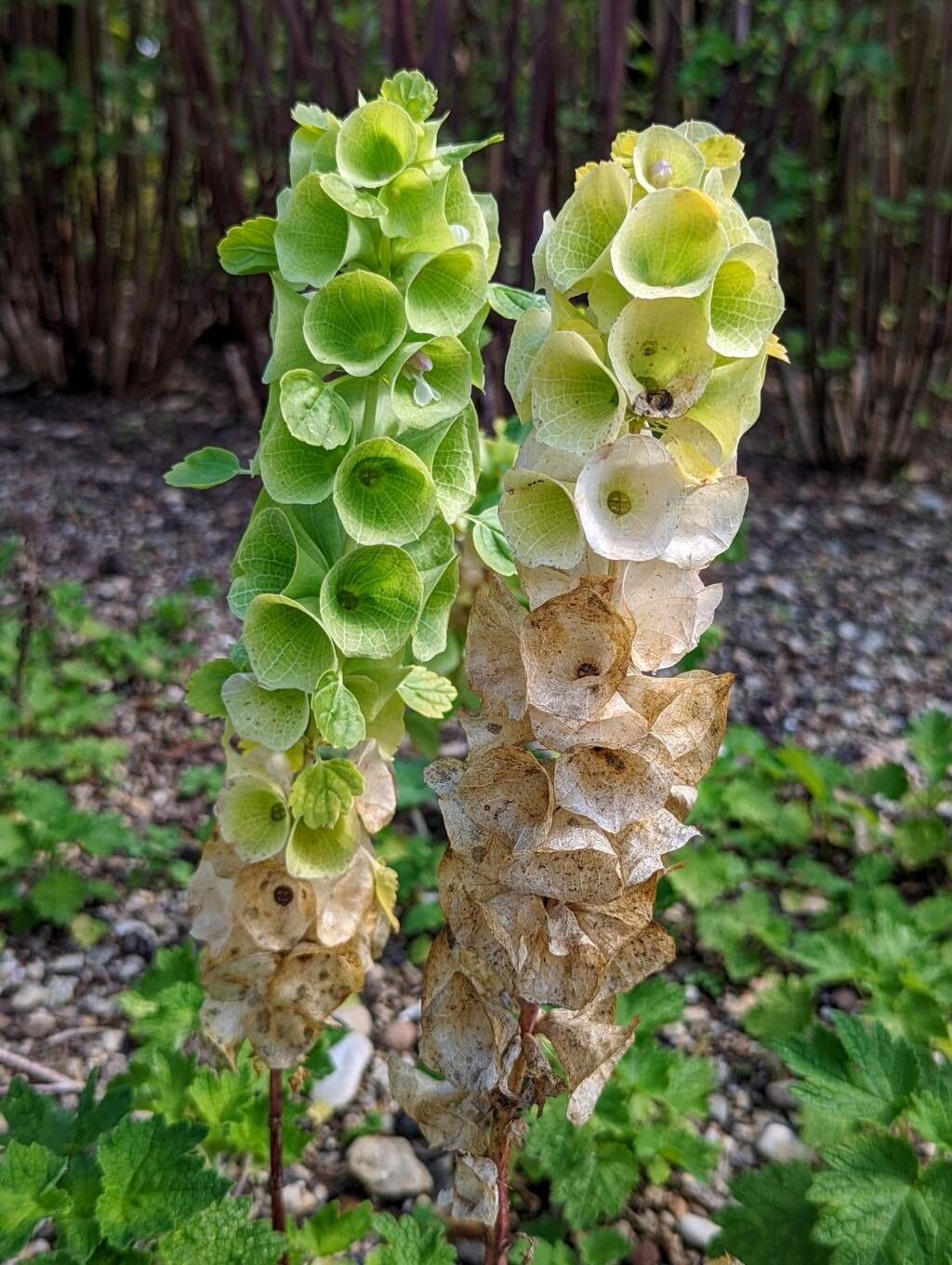
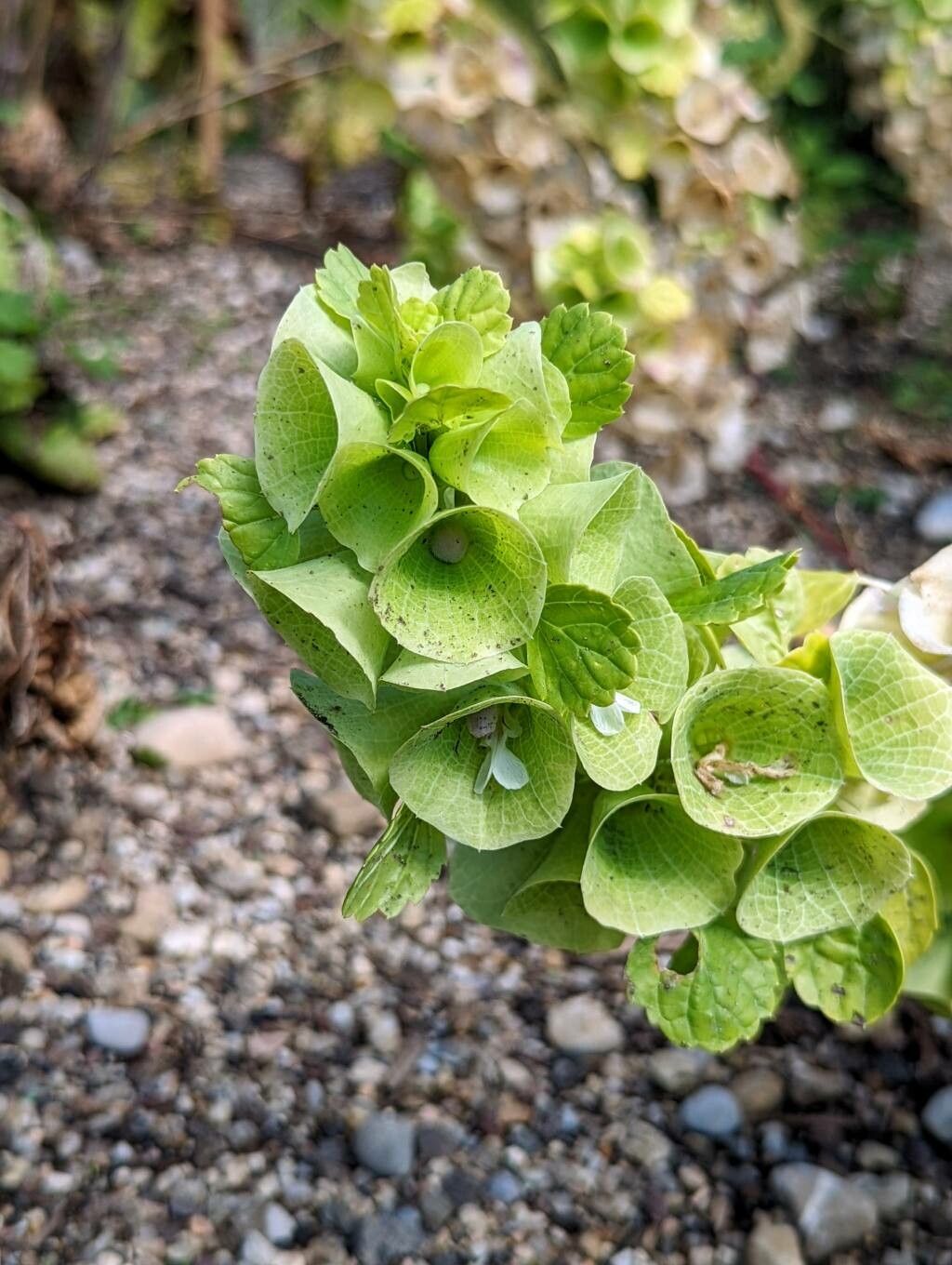
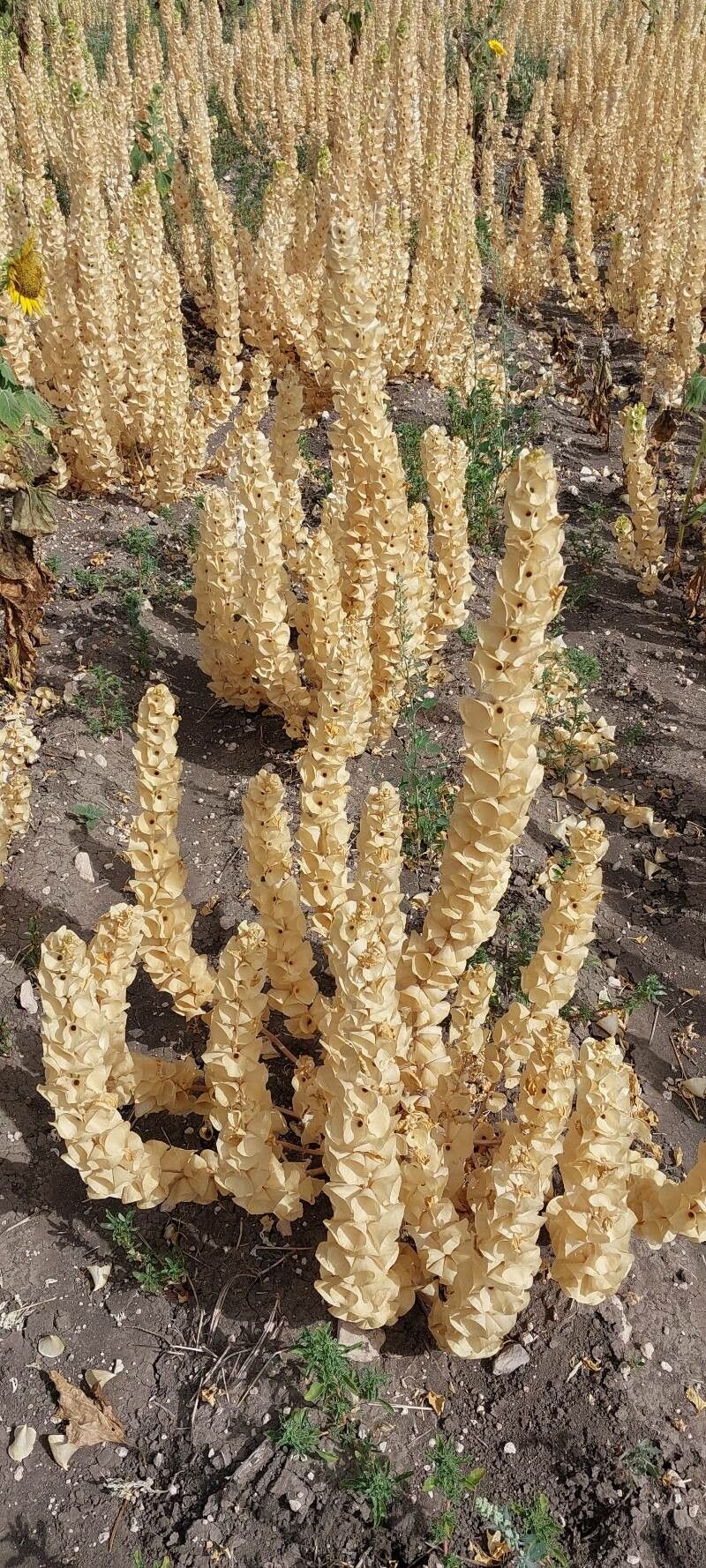
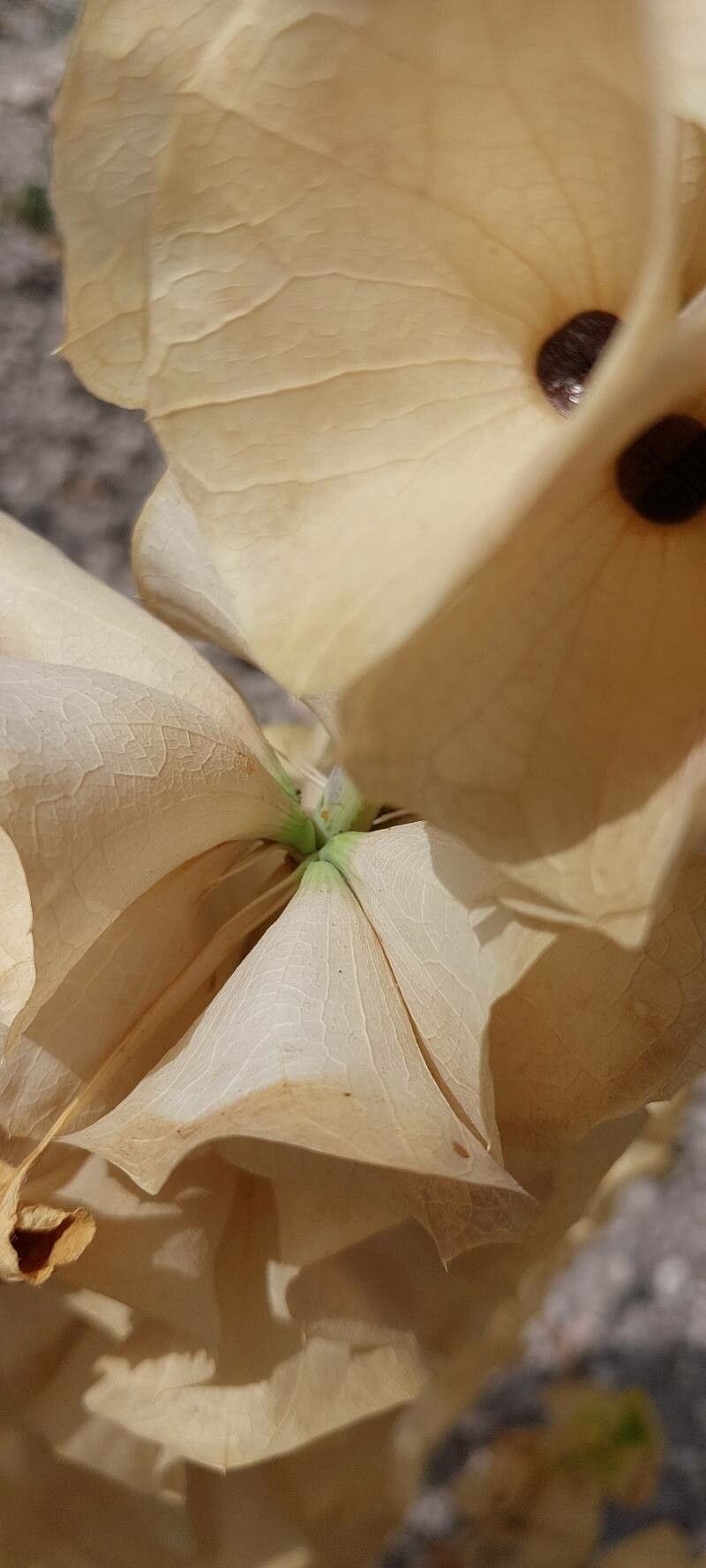
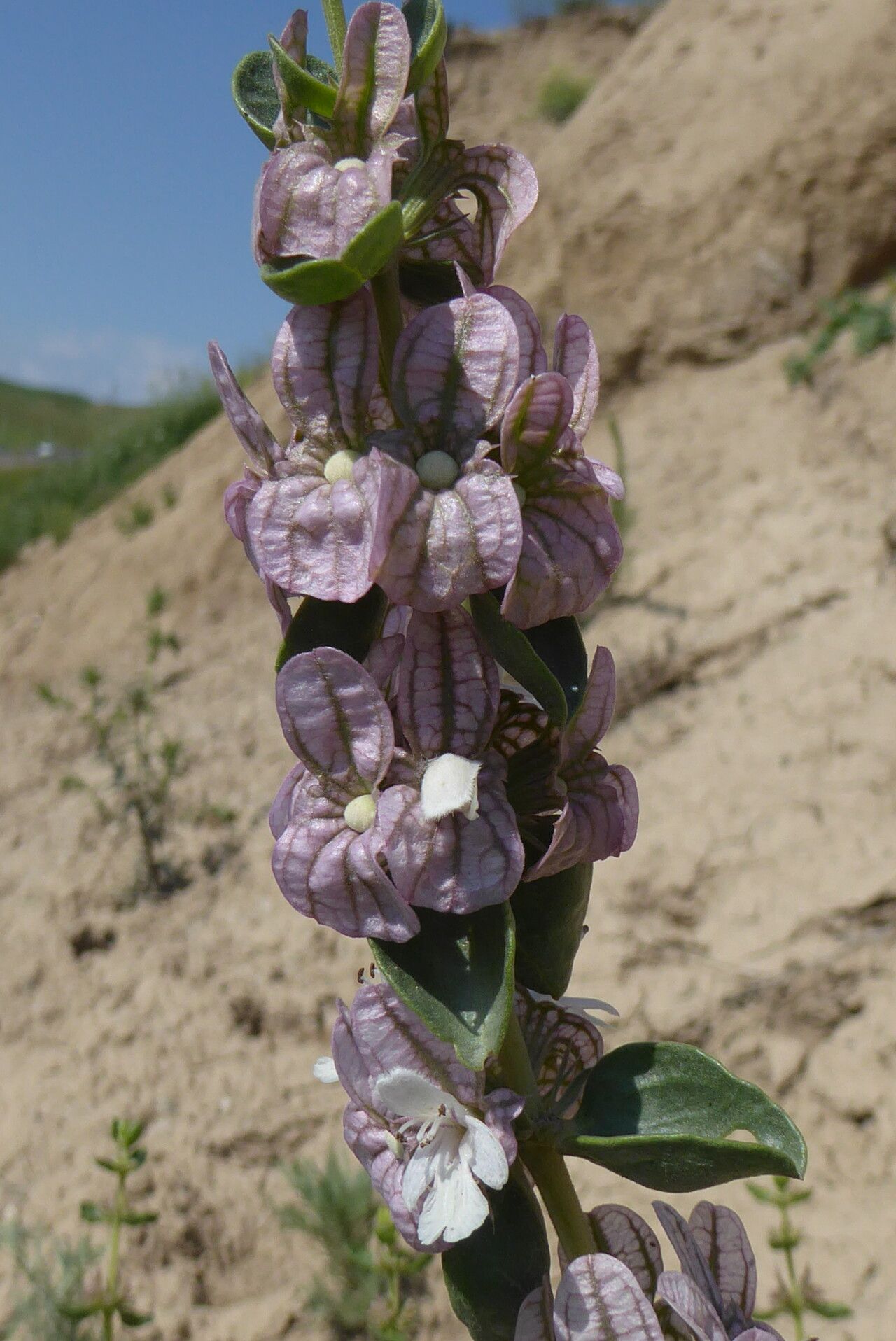
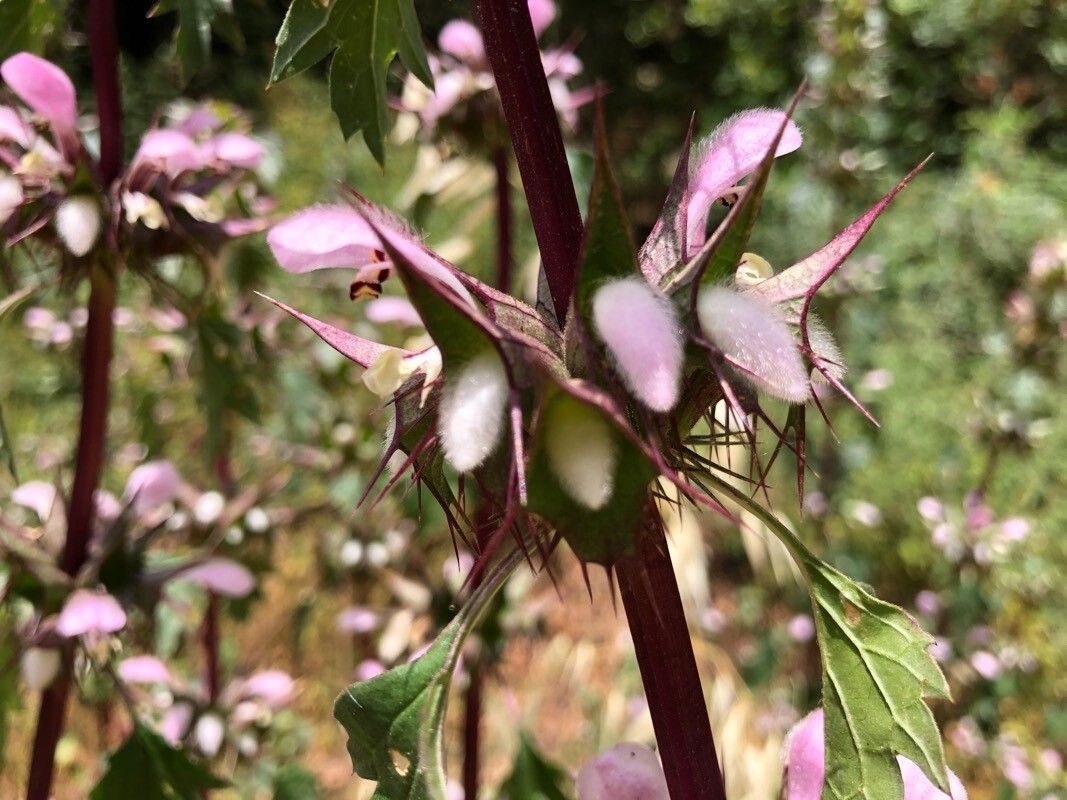
Moluccella laevis, commonly known as Bells of Ireland, is an annual plant belonging to the mint family. Native to Turkey, Syria, and the Caucasus region, this plant has been cultivated in gardens for centuries. It can grow up to 3 feet tall and features a distinctive green stem adorned with small white flowers that bloom in the summer. The most striking characteristic of this plant is its green calyxes, which resemble bells or lanterns enclosing the small white flowers. These calyxes are often used in floral arrangements, adding unique texture and color.
Bells of Ireland prefer full sun exposure but can tolerate partial shade as well. They require well-drained soil and moderate watering during hot summer months but can withstand drought conditions once established.
Beyond their ornamental value, Bells of Ireland have been used for medicinal purposes such as treating respiratory infections, fever, and digestive issues due to their antibacterial properties.
Overall, Moluccella laevis, or Bells of Ireland, is a beautiful addition to any garden or floral arrangement. Its unique appearance and cultural significance, dating back centuries, make it a plant worth appreciating.
Bells of Ireland is fairly disease-resistant and typically not prone to illnesses. Still, it can be affected by pests and diseases present in its environment; such problems are generally mild. Regarding upkeep, this plant needs a moderate level of care. It should be pruned regularly to preserve a good appearance and healthy growth. Applying fertilizer can also encourage blooming. Bells of Ireland is appropriate for anyone with outdoor space, such as a garden or patio, and does not demand extensive care experience. It may, however, need more attention when grown indoors.
How to keep Moluccella Laevis.
Light
Bells of Ireland prefers receiving as much sunlight as possible each day. It will also tolerate a moderate amount of sun without hindering its growth. Native to bright, sunny environments, it thrives when given sufficient light. Still, excessive or insufficient light can negatively affect its development and vigor.
Water
Bells of Ireland, originating from the eastern Mediterranean, thrive in semi-arid conditions with moderate moisture. A weekly watering schedule works well for this plant, as it can withstand short periods of drought. As an annual, its water requirements increase during the growing season to ensure optimal growth and enhance its ornamental appeal.
Humidity
This plant needs special care because it loves high humidity levels of 60-80% or more. The best way to achieve this is by placing a humidifier near the plant. Daily misting is also essential! Make sure the room has good ventilation.
Temperature
Bells of Ireland is native to warm climates, so it generally does best in hot, tropical areas with temperatures from 68°F to 100°F (20°C to 38°C). While it can be grown indoors, it cannot tolerate temperatures below 50°F (10°C), since extended cold can shock the plant.
Fertilizer
Once Bells of Ireland has opened most of its blooms to full size, it's time to resume fertilizing. When the blooms are at peak output, fertilize every three to four weeks, as weather permits. Then, once Bells of Ireland begins producing fewer new blooms, stop fertilizing; there's no need to feed the plant when it can no longer produce more blooms.
Pruning
Bells of Ireland are known for their tall green spires and bell-shaped flowers. To keep the plant healthy, prune it from early to late spring. Remove any dead stems and spent flowers to promote new growth and improve air circulation. However, be careful not to over-prune, as this can affect blooming and the plant's overall health and appearance.
Pot & Repot
When repotting Bells of Ireland, choose a pot that is 1–2 inches (2.5–5.1 cm) larger in diameter and ensure it has good drainage. Use a well-draining potting mix and consider adding perlite for extra drainage. Repot in spring or early summer, water thoroughly afterward, and place it in a shady spot at first.
Toxicity
Bells of Ireland plants have no reported harmful effects on both people and pets.
Further reading →
The toxicity and danger assessments provided are for reference only. We do not assure their accuracy, so it's crucial not to depend on them. Seek professional advice when necessary for accurate guidance.
Botanical profile.
- Plant Type
- Herb
- Life Cycle
- Annual, Perennial, Biennial
- Genus
- Moluccella
- Family
- Lamiaceae
- Hardiness Zone
- 10-11
- Mature Height
- 91 cm
- Mature Spread
- 30 cm
- Leaf Color
- Green
- Leaf Type
- Evergreen
- Flower Color
- White
- Flower Size
- 2.54 cm
- Bloom Time
- Late spring, Early summer, Mid summer
- Planting Time
- Spring, Summer
- Harvest Time
- Mid summer
- Native Area
- Afghanistan, Iraq, Syria, Turkey, Iran, Cyprus, Armenia, Turkmenistan, Lebanon
Other names.
Reader questions.
How should I water my Bells of Ireland plants?
To water Bells of Ireland, you have several options for watering tools such as a garden hose with a spray nozzle or a watering can. This plant is not too particular about the type of water it receives and can survive on rainwater, tap water, or filtered water. It is usually best to avoid watering them from above as this can harm the leaves and flowers and potentially lead to disease. A drip irrigation system is often the most effective method for watering Bells of Ireland as it delivers water evenly and directly to the soil. When watering Bells of Ireland in a container, you can use a cup, watering can, or tap to apply water directly to the soil in a similar approach.
Why do I have to put fertilizer on my Bells of Ireland?
Plants, including Bells of Ireland, require nutrients to survive. This is a well-known fact among gardeners of all experience levels. Without proper nourishment, Bells of Ireland will quickly die out after the first pollination. To ensure their continuous growth and the production of large, beautiful flowers, it is crucial to provide the right type and amount of nutrients throughout the blooming season. Fertilizer plays a vital role in helping Bells of Ireland develop a healthy, extensive root system. Due to its naturally thin and fragile root structure, this plant greatly benefits from fertilization during planting. This helps establish a strong root structure that not only provides stability but also sets the stage for an impressive flowering display. Strategic timing of fertilization further extends the flowering period of Bells of Ireland.
What are the sunlight requirements for Bells of Ireland?
Bells of Ireland thrive in various sunlight conditions, appreciating full sun exposure of above 6 hours daily to ensure healthy growth. However, they can also adapt to partial sun, with about 3 to 6 hours of sunlight. Too much or too little light may negatively affect their growth, highlighting the importance of observing your garden's sunlight patterns to find the perfect balance for these plants. Maintaining this balance ensures the plants' vitality and happiness.
What is the ideal temperature range for growing Bells of Ireland?
Bells of Ireland thrives in warm climatic regions and prefers temperatures between 68°F to 100°F (20°C to 38°C). It is extremely heat-loving and does not do well in cold temperatures, requiring temperatures to be maintained above 20°C, especially during winter. It is crucial to avoid exposure to temperatures below 50°F (10°C), as prolonged cold may shock the plant.
What should I do if I give my Bells of Ireland too much or too little water?
The solution for underwatering Bells of Ireland is simple - water them more regularly when you notice they are lacking moisture. However, overwatering poses a more serious risk, as it can lead to diseases and ultimately the decline and death of the plant. To prevent this, it is important to choose an appropriate location for growing the Bells of Ireland. This means selecting a spot that receives ample sunlight to dry out the soil and has good drainage to prevent water from pooling and saturating the soil. If you have overwatered potted Bells of Ireland, it may be necessary to transfer them to a new pot. The old container may not have had proper drainage holes or soil with good drainage. When repotting, use loose soil and a pot that drains efficiently.
When should I fertilize my Bells of Ireland?
Bells of Ireland experiences rapid growth after the last frost. It is best to fertilize them during planting, whether in the ground or in planters. This initial dose of fertilizer will be sufficient until the blooms are at their fullest. Once the blooms have fully opened, it is time to resume fertilizing every three to four weeks, depending on the weather. However, once the plant starts producing fewer new blooms, it is no longer necessary to fertilize.
How does artificial lighting affect indoor Bells of Ireland?
For indoor Bells of Ireland, when natural sunlight is insufficient, artificial lighting can be a vital alternative, especially in less sunny spaces or during winter. LED lights are recommended for their ability to provide specific light wavelengths needed by the plants. Full sun plants require 30-50W/sq ft of artificial light, partial sun plants need 20-30W/sq ft, and full shade plants require 10-20W/sq ft. To mimic natural sunlight, place the light source 12-36 inches above the plant and ensure it receives 8-12 hours of light per day.
How should Bells of Ireland be cared for during colder months?
During autumn and colder months, Bells of Ireland should be brought indoors to protect it from cold temperatures. The ideal spot is near a bright window, ensuring the plant is not too close to heaters to avoid excessive dryness. Keeping the indoor temperatures above 20°C during winter is beneficial for the plant's growth, while exposure to temperatures around 5°C can be harmful.
How frequently should I water my Bells of Ireland?
Bells of Ireland requires regular watering throughout the growing season. In the spring, you should water it once per week. As the weather gets warmer, you may need to increase watering to two or three times per week. However, be careful not to overwater, as this can harm the plant. Regardless of how often you water, make sure that the soil remains moist but not wet. If you have Bells of Ireland in a pot, you will need to water more frequently. Potted soil can dry out faster than ground soil, so plan to water a container-grown plant a few times per week instead of just once per week for an in-ground plant.
When is the best time to not fertilize my Bells of Ireland?
Regular fertilizing is important for Bells of Ireland, but it's crucial to fertilize at the right time. In some cases, it's best to hold off on fertilizing. These situations are typically related to the climate or controllable factors. If there are severe or unexpected weather changes, like a sudden cold snap in the middle of summer, it's best to wait until it's warm again to start fertilizing. Similarly, if the soil is too dry or too packed to absorb anything, fertilizing will not be effective as the fertilizer will go straight to the roots without being diffused by the soil. This can be detrimental to the roots of Bells of Ireland. It's also recommended not to fertilize when temperatures soar into the 90-degree Fahrenheit range during the hottest parts of the day. The breakdown of fertilizer depends on temperature, so it's important not to allow hot temperatures to break down the fertilizer too quickly. Additionally, it's important to treat and clear up any pests or diseases before re-fertilizing.
What are the symptoms of improper light exposure in Bells of Ireland?
Improper light exposure may cause various symptoms in Bells of Ireland. Insufficient light can lead to smaller leaves, leggy growth, faster leaf drop, slower or no new growth, lighter-colored leaves, and chlorosis. Overexposure to sunlight can result in sunscald, leaf curling, wilting, and leaf scorching. These symptoms indicate the plant's struggle with its light environment, whether from too little or too much light exposure.
What are the symptoms of low temperature exposure for Bells of Ireland, and how can they be treated?
Exposure to low temperatures can cause Bells of Ireland's leaves to lighten in color, and temperatures falling below 1°C can lead to browning or blackening of the leaves, along with wilting and drooping. To treat frost damage, trim off the affected parts and move the plant to a warm indoor environment. Placing it near a south-facing window while avoiding proximity to heaters or air conditioning vents helps prevent further stress from cold and excessive dryness.