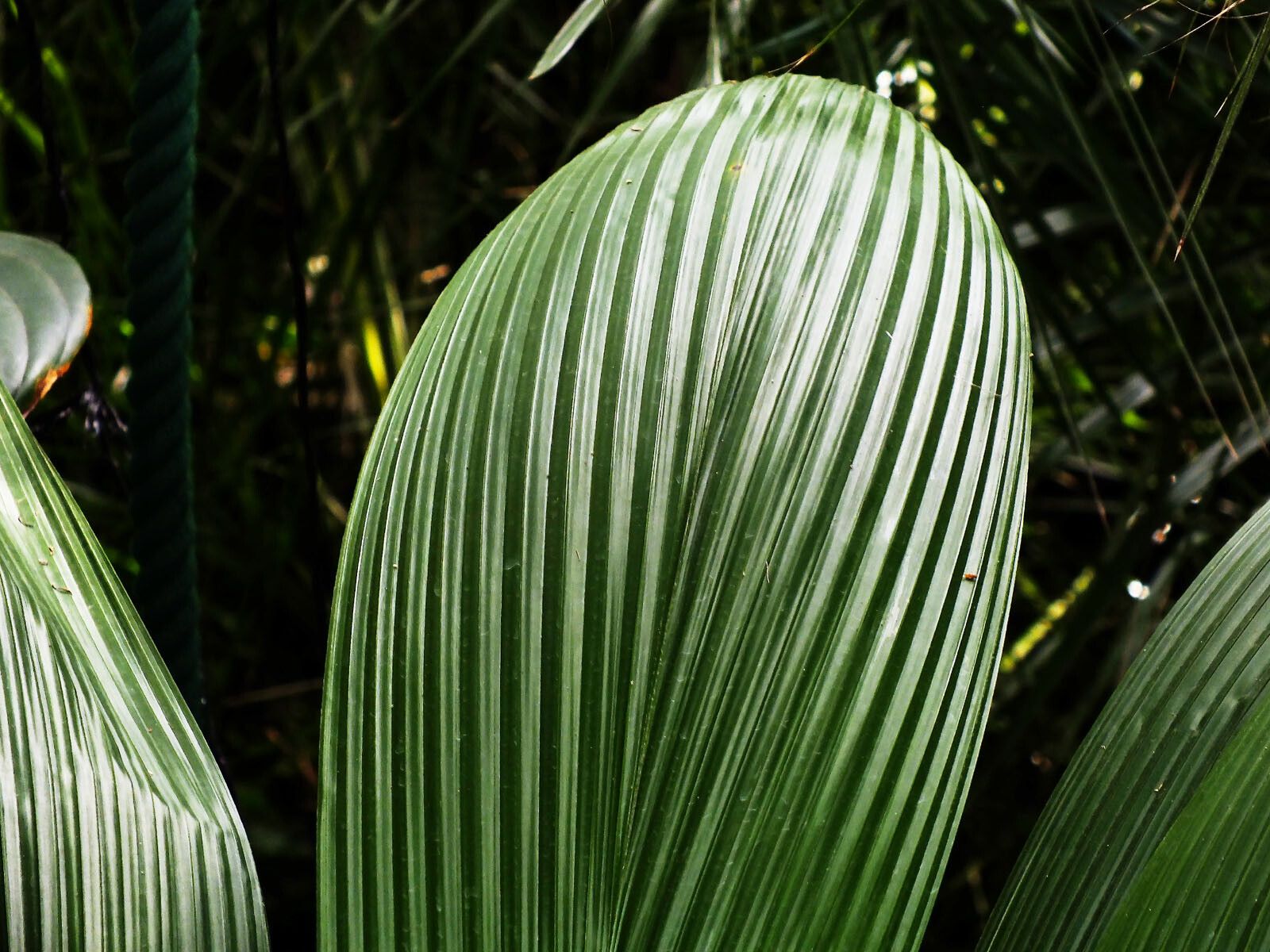
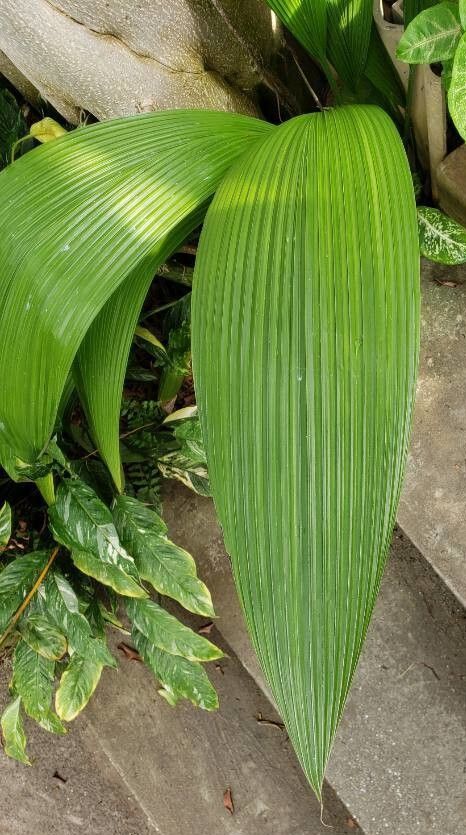
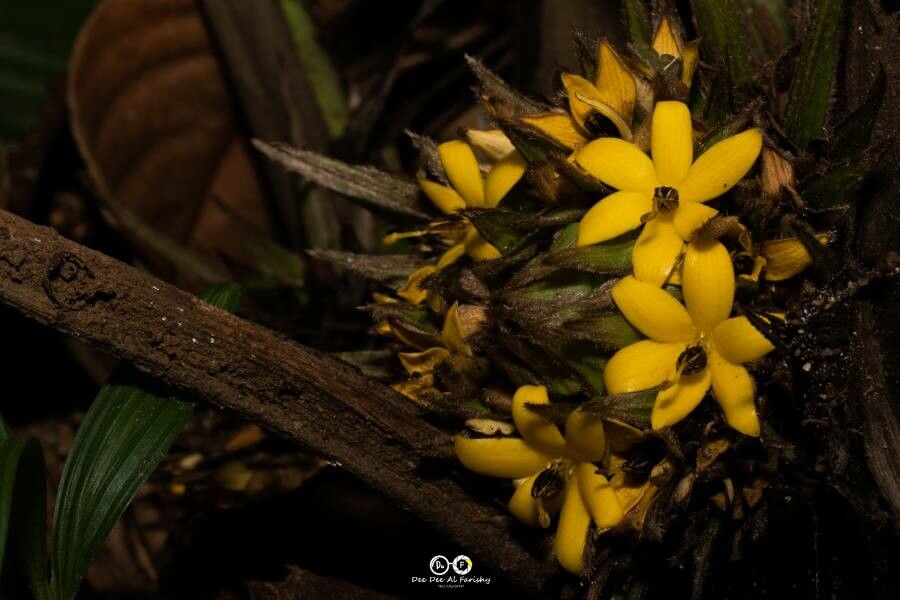
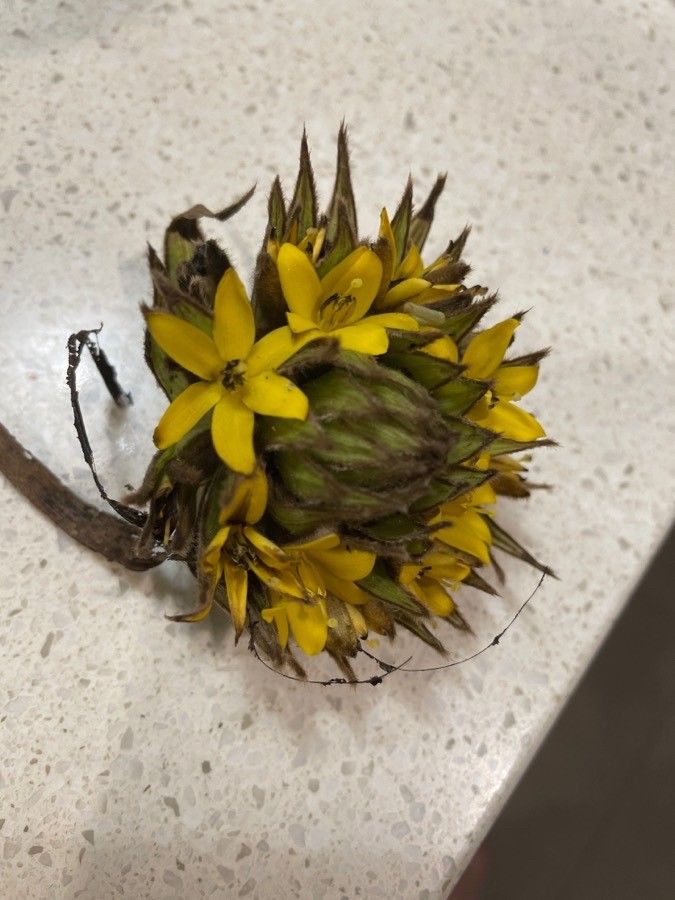
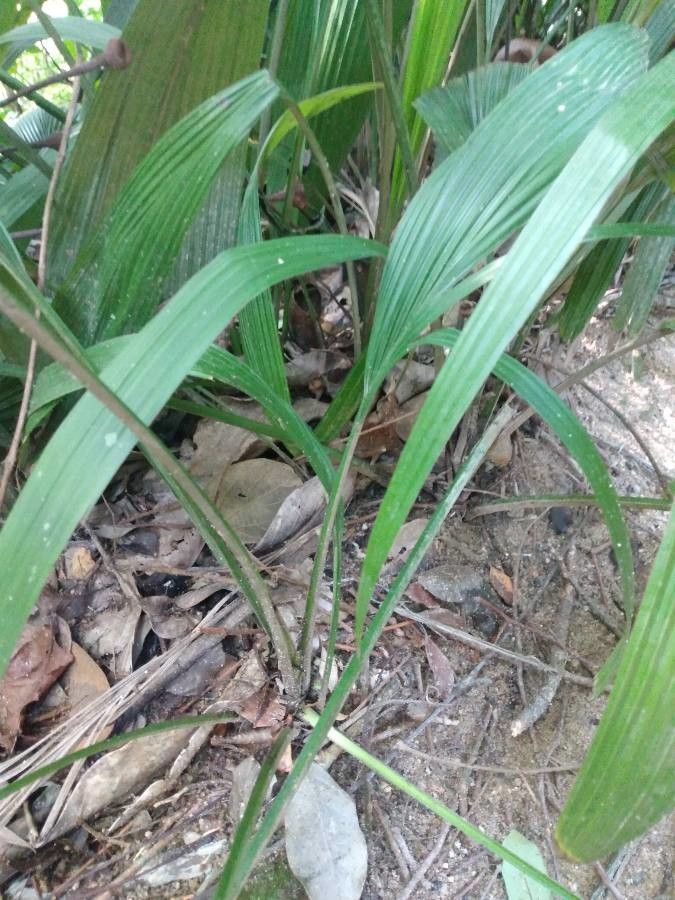
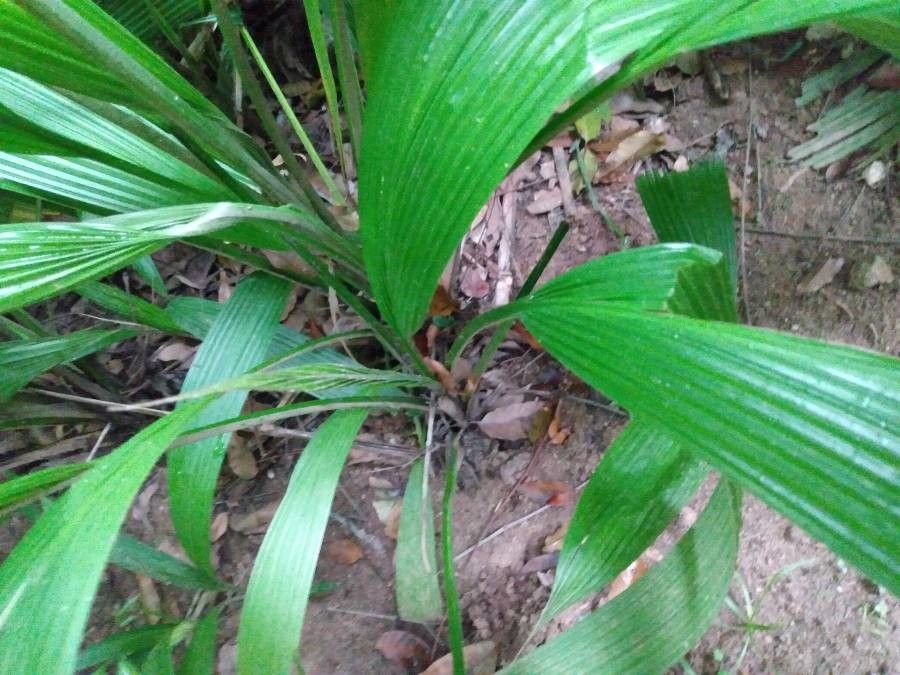
Molineria capitulata, commonly known as the dwarf lilyturf or snake lily, is a perennial herbaceous plant belonging to the family Commelinaceae. It is native to tropical and subtropical regions of Asia and Africa. The plant can grow up to 60 cm in height and features long, narrow leaves arranged in a rosette pattern at the base of the stem.
The flowers of Molineria capitulata are small, white, and star-shaped, with six petals. They bloom on long stalks from late spring through the summer. The fruit is a small capsule that contains several seeds.
Molineria capitulata thrives in moist soil with good drainage and prefers partial shade or full sun exposure. It can be propagated by division or by sowing seeds.
In traditional medicine, Molineria capitulata has several uses for treating ailments such as fever, coughs, asthma, rheumatism, and skin diseases, thanks to its anti-inflammatory properties.
In landscaping design, Molineria capitulata can be used as ground cover due to its dense foliage, which helps suppress weed growth and adds aesthetic value with its attractive flowers during the blooming season. This makes it an ideal choice for garden borders or rock gardens, among other settings.
Palm grass is fairly disease-resistant and typically not prone to illness. It can, however, be vulnerable to pests and diseases present in its environment; these problems are usually not serious. Regarding care, this plant needs a moderate amount of maintenance. It should be pruned regularly to keep a neat appearance and encourage healthy growth. Fertilizing can also help stimulate flowering. Palm grass is appropriate for anyone with outdoor space, such as a garden or patio, and does not require extensive care experience. It may demand more attention if grown indoors.
How to keep Molineria Capitulata.
Light
Palm grass does best in places where it receives a moderate amount of sun, though the sun does not shine on it constantly. Its origins in habitats with dappled sunlight reflect this preference. Too much sunlight can harm it, while too little exposure may hinder its growth.
Water
Palm grass flourishes in high humidity and requires consistent moisture, favoring soil that is evenly moist but not waterlogged. To support its growth, it should be watered weekly. Growing it outdoors can take advantage of natural rainfall, promoting optimal growth during its active season.
Temperature
Palm grass naturally occurs in areas with temperatures between 59 and 100.4 °F (15 and 38 ℃). It flourishes in these moderate to warm conditions. If temperatures shift significantly outside this range, it's best to bring palm grass indoors or provide adequate insulation.
Fertilizer
The best time to fertilize Palm grass is in early spring, as it comes out of dormancy and begins active growth. Fertilizing supplies essential nutrients for healthy development. Although Palm grass has fairly low fertilizer requirements, applying fertilizer once a year can improve its survival and encourage better, longer-lasting flowers.
Pruning
To keep palm grass healthy and looking its best, it's important to prune it regularly, ideally from early to late spring. Start by trimming away any old or damaged leaves, and thin out dense clusters to improve airflow and sunlight exposure. Regular pruning promotes healthy growth, reduces the risk of pests, and enhances the plant's vibrant appearance.
Botanical profile.
- Plant Type
- Herb
- Life Cycle
- Perennial
- Genus
- Molineria
- Family
- Hypoxidaceae
- Hardiness Zone
- 8-11
- Mature Height
- 1.22 m to 1.83 m
- Mature Spread
- 91 cm
- Leaf Color
- Green, Blue
- Leaf Type
- Evergreen
- Flower Color
- Yellow
- Flower Size
- 2.54 cm
- Bloom Time
- All year round
- Planting Time
- Spring, Autumn
- Harvest Time
- All year round
- Native Area
- Nepal, Sri Lanka, India, Malaysia, Philippines, Bangladesh, Laos, China, Solomon Islands, Indonesia, Vietnam, Myanmar, Japan, Papua New Guinea, Bhutan, Singapore, Thailand
Other names.
Reader questions.
How should I water my Palm grass in the best way?
To properly water the Palm grass, it's best to use filtered water at room temperature. Tap water may contain harmful particles that can affect the plant's health. Since Palm grass originates from warm environments, it's important to avoid using cold water, as it may shock the plant. Additionally, overhead watering should be avoided to prevent foliage issues. Instead, you should directly water the soil with filtered room temperature water until it is thoroughly soaked. This method benefits the plant by moisturizing the roots and facilitating their growth and nutrient absorption.
What are the sunlight requirements for Palm grass?
Palm grass, botanically known as Molineria capitulata, requires partial sun, about 3-6 hours of sunlight daily, to thrive. It prefers locations where it can obtain a fair amount of sun, though not constantly, benefiting from its origins in habitats with dappled sunlight. An overload of direct sunlight can cause damage, while insufficient exposure might inhibit its growth. It's crucial to observe how sunlight moves through your garden and choose spots that offer a perfect balance of light and shade, ensuring the plant's happiness.
What is the ideal temperature range for Palm Grass?
Palm grass, botanically known as Molineria capitulata, thrives in environments where the temperature ranges between 59 to 100.4 °F (15 to 38 °C). These moderate to warm conditions are ideal for its growth. If temperatures significantly fall outside this range, it's recommended to move Palm grass indoors or provide it with adequate insulation to maintain its health.
What should I do if I give my Palm grass too much or too little water?
Overwatering is a more common problem than underwatering for Palm grass. When Palm grass receives too much water, its stems and leaves may wilt and turn yellow. Overwatering can also lead to diseases like root rot, mold, and mildew, which can be fatal for the plant. Underwatering is less likely, as Palm grass can tolerate some drought. However, when it does happen, the leaves will become brittle and brown. Promptly noticing and addressing signs of overwatering is crucial, as some diseases may not be reversible if left unattended. If you see early signs of overwatering, reduce your watering immediately and check the soil drainage. If the soil drains poorly, replace it with a loose, well-draining potting mix. If signs indicate underwatering, increase your watering frequency until the signs subside.
How can artificial lighting be used for Palm grass?
Indoor Palm grass plants require adequate lighting for optimal growth, especially when natural sunlight is insufficient, like in winter or less sunny spaces. Artificial lights, such as LED lights that can be customized to provide specific wavelengths, offer a vital solution. For optimal growth under artificial lighting, full sun plants need 30-50W/sq ft, partial sun plants need 20-30W/sq ft, and full shade plants need 10-20W/sq ft. The light source should be placed 12-36 inches above the plant, mimicking natural sunlight, and the duration should match the length of natural daylight hours for the species, typically 8-12 hours per day.
What measures should be taken when the temperature drops below -5°C?
Palm grass exhibits some degree of cold tolerance and usually doesn't require special care above -5°C. However, if temperatures are expected to drop below this threshold, temporary cold protection measures are necessary. Wrapping the plant with plastic film, fabric, or other insulating materials can help protect it. It's important to remove these coverings once temperatures rise to prevent any potential damage to the plant.
How frequently should I water my Palm grass?
If your Palm grass is in a pot, the most precise way to check if it needs water is by sticking your finger into the soil. If the top two to three inches of soil are dry, it's time to water it. If you have Palm grass planted in the ground, you can use the same method. When the top few inches of soil have dried out, it's time to water. Usually, during spring and early fall, you'll need to water this plant about once a week. However, when it's extremely hot, you may need to increase watering to twice or more per week. Keep in mind that mature, well-established Palm grass can withstand drought well.
What are the symptoms of insufficient light for Palm grass?
When grown indoors with insufficient light, Palm grass may exhibit symptoms such as new leaves growing smaller in size, leggy or sparse growth, faster leaf drop, slowed or halted growth, lighter-colored new leaves, and signs of chlorosis where the leaves lose their green color. Insufficient sunlight affects the plant's ability to photosynthesize and maintain healthy growth.
How does Palm Grass react to low temperatures?
Palm grass has a moderate tolerance to cold, flourishing best when temperatures remain above 15°C. During the colder winter months, it's crucial to keep the temperature above -5°C to prevent damage. Should the temperature plummet below -10°C, you may observe drooping leaves. In mild cases, the plant can recover, but in severe circumstances, the leaves will wilt and potentially fall off. To protect the plant from frost damage, trim off the affected sections and wrap the plant with insulating materials like non-woven fabric or cloth, and consider setting up a wind barrier.
How much water does my Palm grass require?
To water your Palm grass effectively, don't hesitate to give it plenty of water. Wait until the top two to three inches of soil are dry, and then give it a deep watering. Make sure to completely saturate the soil. The water should be enough to flow through the drainage holes at the bottom of the pot. If you don't see excess water draining out, you may have not watered enough. However, be careful not to let water accumulate in the soil, as this can harm the plant. On the other hand, if water doesn't drain well from the pot, it indicates poor soil drainage, which is not good for the plant's health. If the plant is outdoors, approximately 1 inch of rain per week should be sufficient.
What are the symptoms of excessive light exposure in Palm grass?
Excessive sunlight exposure can cause symptoms in Palm grass such as sunscald, which appears as pale, bleached areas on the plant, leaf curling as a defense mechanism to minimize water loss, wilting from increased water loss through transpiration, and leaf scorching characterized by brown, dry edges on leaves. These conditions reduce the plant's overall health and photosynthetic capacity.
How does Palm Grass react to high temperatures?
In the summer, it's important to ensure Palm grass is not exposed to temperatures exceeding 38°C. At temperatures above 43°C, you may notice the leaves turning lighter in color, drying at the tips, curling, and becoming more prone to sunburn. To mitigate damage, remove the sunburned or dried parts of the plant. It's advisable to relocate the plant to a shadier spot or use a shade cloth to protect it from intense midday and afternoon sun. Additionally, keeping the soil moist with waterings in the morning and evening helps the plant cope with the heat.