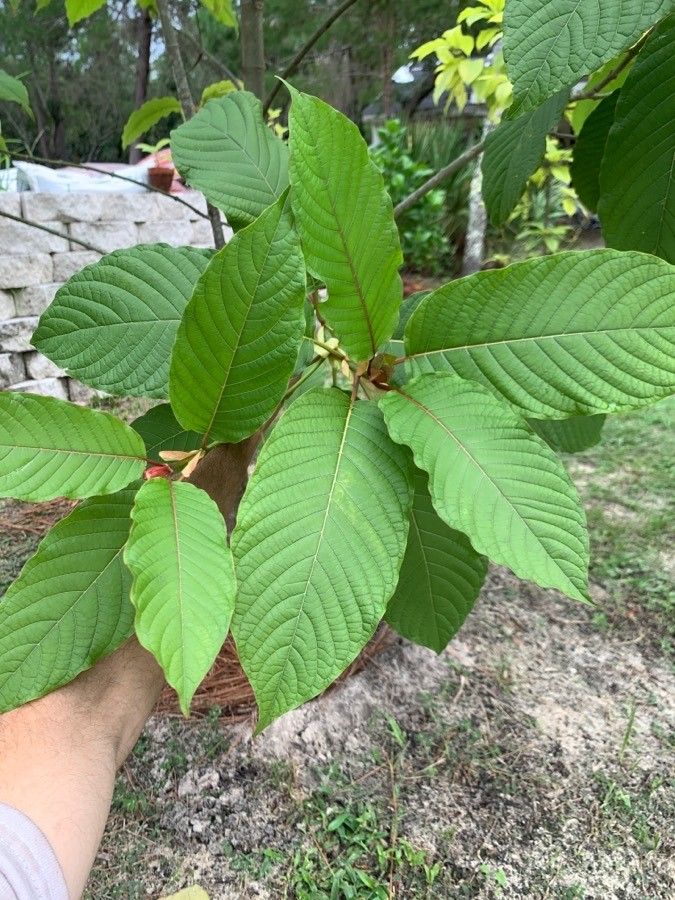
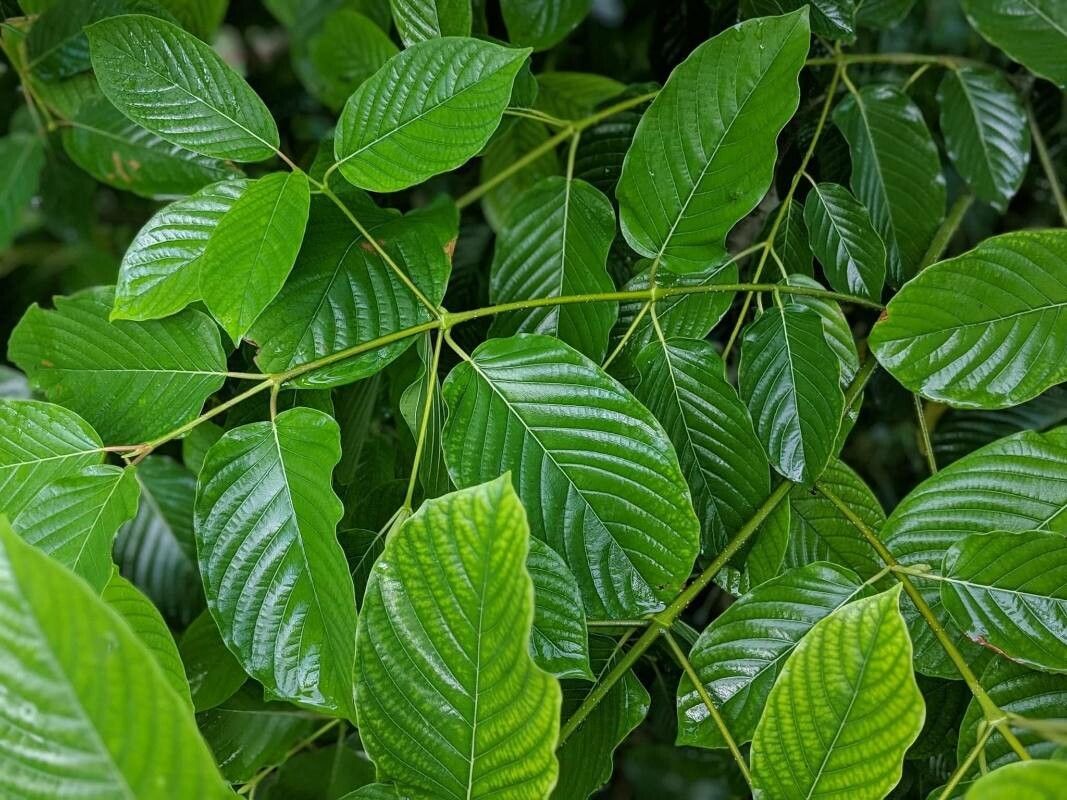
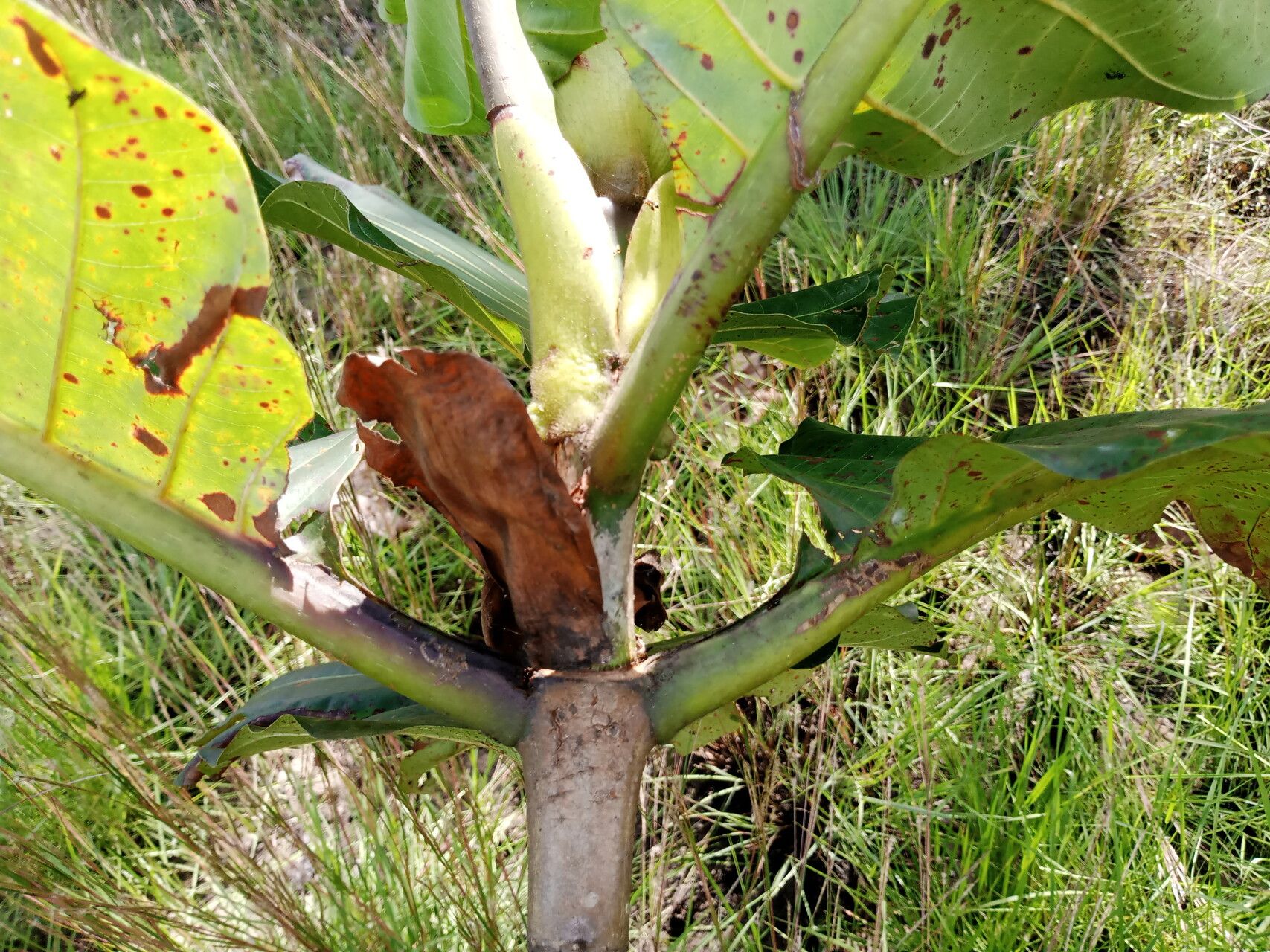
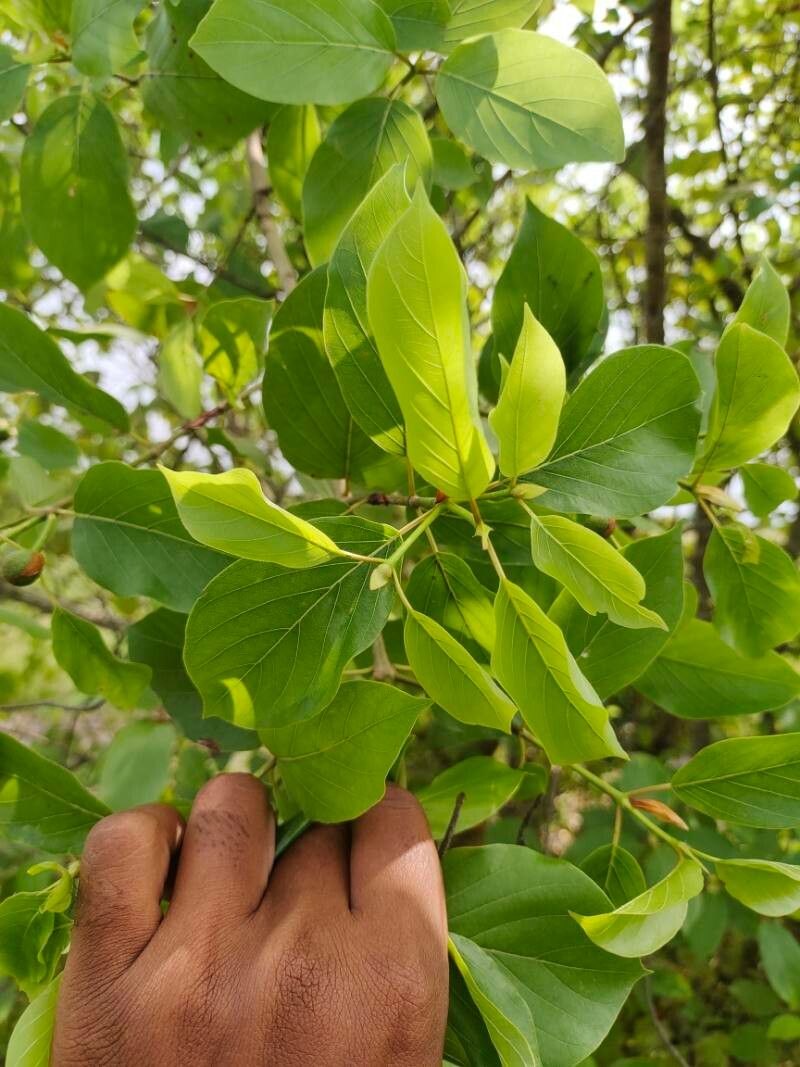
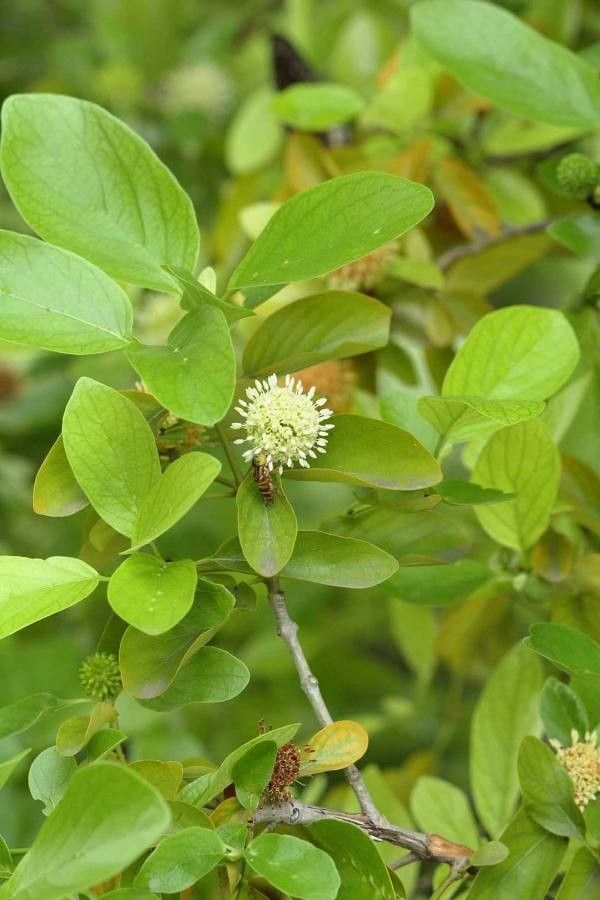
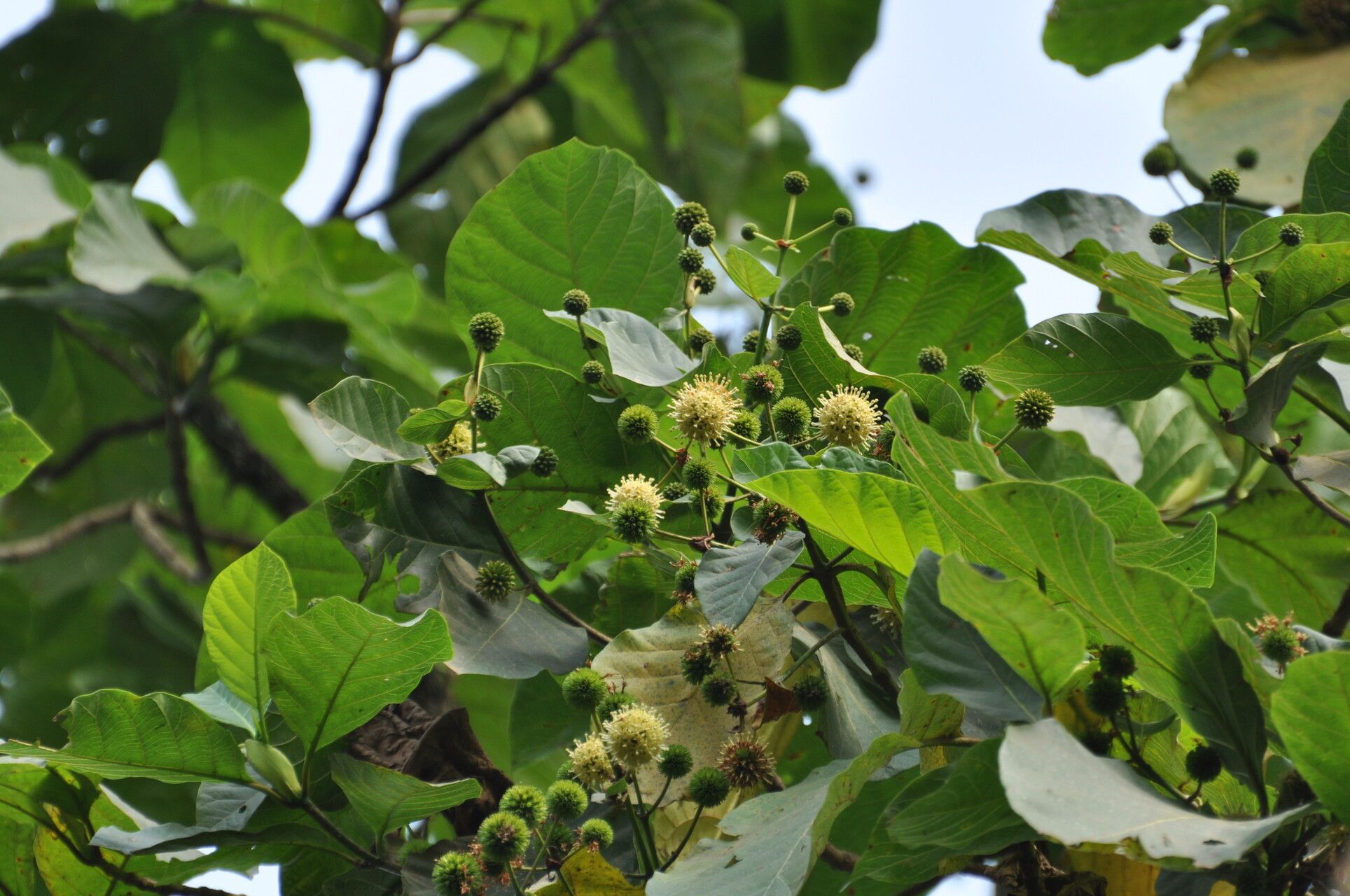
Mitragyna speciosa (commonly known as kratom, an herbal leaf from a tree of the Rubiaceae family, ) is a tropical evergreen tree in the coffee family native to Southeast Asia. It is indigenous to Thailand, Indonesia, Malaysia, Myanmar, and Papua New Guinea, where it has been used in herbal medicine since at least the nineteenth century. Kratom has opioid properties and some stimulant-like effects.As of 2018, the efficacy and safety of kratom are unclear, and the drug was not approved as a therapeutic agent in the United States due to the poor quality of the research. In 2019, the United States Food and Drug Administration (FDA) stated that there is no evidence that kratom is safe or effective for treating any condition. Some people take it for managing chronic pain, for treating opioid withdrawal symptoms, or for recreational purposes. The onset of effects typically begins within five to ten minutes and lasts for two to five hours.Anecdotal reports describe increased alertness, physical energy, talkativeness, sociability, sedation, changes in mood, and pain relief following kratom use at various doses. Common side effects include appetite loss, erectile dysfunction, nausea and constipation. More severe side effects may include respiratory depression (decreased breathing), seizure, addiction, and psychosis. Other side effects may include high heart rate and blood pressure, trouble sleeping, and, rarely, liver toxicity. When use is stopped, withdrawal symptoms may occur. Deaths have occurred with kratom both by itself and mixed with other substances. Serious toxicity is relatively rare and generally appears at high doses or when kratom is used with other substances.As of 2018, kratom is a controlled substance in 16 countries and, in 2014, the FDA banned importing and manufacturing of kratom as a dietary supplement. As of 2018, there is growing international concern about a possible threat to public health from kratom use, while others have argued that it could be a tool to help the opioid crisis. In 2021, the World Health Organization's Executive Committee on Drug Dependency investigated the risks of kratom and declined to recommend a ban following a scientific review. The committee, however, recommended kratom be kept "under surveillance." In some jurisdictions, its sale and importation have been restricted, and several public health authorities have raised alerts.
Botanical profile.
- Plant Type
- Tree
- Life Cycle
- Perennial
- Genus
- Mitragyna
- Family
- Rubiaceae
- Hardiness Zone
- 10-12
- Mature Height
- 3.96 m to 9.14 m
- Mature Spread
- 3.05 m to 4.88 m
- Leaf Color
- Dark Green, Forest Green
- Leaf Type
- Deciduous
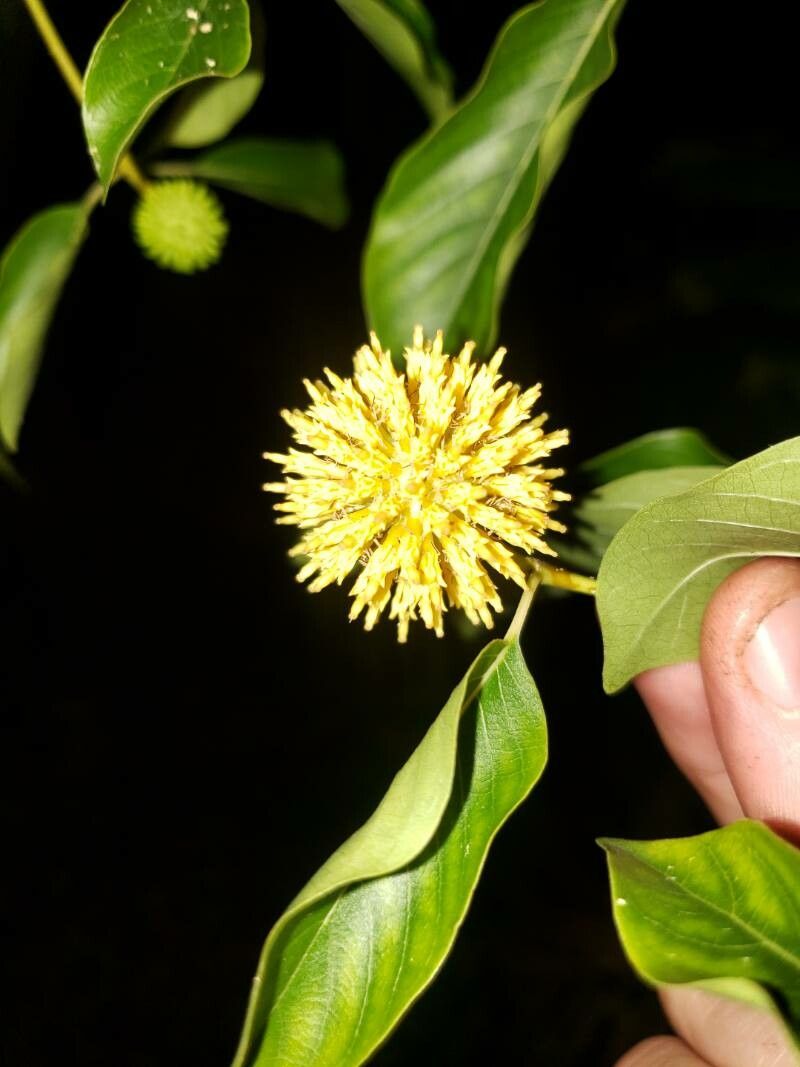
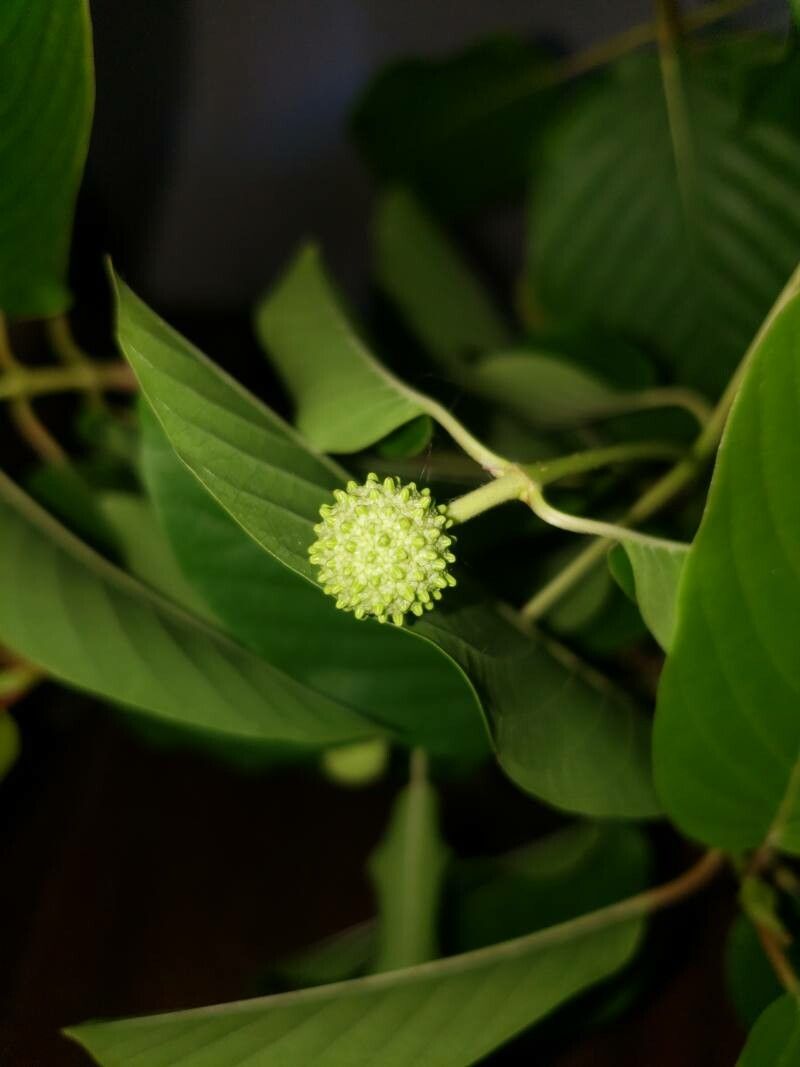
- Flower Color
- Yellow
- Flower Size
- 1.02 cm to 1.52 cm
- Bloom Time
- Summer, Early fall, Mid fall
- Planting Time
- Spring, Autumn
- Harvest Time
- Late summer, Fall, Early winter
- Native Area
- Malaysia, Indonesia, Cambodia, Myanmar, Philippines, Thailand
Other names.